2027 Most Affordable Online PMHNP Degree Programs

Co-Founder and Chief Data Scientist
Choosing an online psychiatric-mental health nurse practitioner program is a high-stakes decision for registered nurses who want to move into advanced mental health practice without overpaying for graduate school. The right PMHNP program can prepare you for psychiatric assessment, diagnosis, medication management, therapy-informed care, telehealth practice, and national certification eligibility. The wrong program can leave you with avoidable debt, clinical placement problems, or limited licensure options.
This guide is designed for RNs comparing affordable online PMHNP degree programs for 2027. You will learn how online PMHNP programs work, what they cost, how long they take, which schools offer lower-cost options, how to evaluate accreditation and clinical support, and how to decide whether this path fits your career goals. The demand outlook is strong: nurse practitioner employment is projected to grow by 40% from 2023 to 2033. Still, salary, admission, certification, and state authorization outcomes depend on your location, experience, program quality, and licensure pathway.
Quick Answer: Is an Online PMHNP Degree Worth It?
An online PMHNP degree can be worth it for licensed registered nurses who want to specialize in mental health care, qualify for advanced practice roles, and keep working while completing graduate coursework. Online programs are often more flexible than campus programs, but students still complete supervised clinical hours and must meet state licensure and certification requirements. The average annual salary of PMHNPs in the United States for 2024 is $139,486, but earnings vary by state, employer, experience, and scope of practice.
The most affordable online PMHNP programs are not simply the schools with the lowest tuition. The best value comes from a combination of accredited curriculum, transparent fees, strong clinical placement support, certification preparation, reasonable completion time, and eligibility in the state where you plan to practice.
What are the benefits of getting an online PMHNP degree?
- Career mobility in mental health care. PMHNP graduates may pursue roles in hospitals, outpatient clinics, community mental health centers, correctional facilities, private practices, and telehealth services.
- Competitive earning potential. The average annual salary of PMHNPs in the United States for 2024 is $139,486.
- Flexible study format. Online PMHNP programs often allow working nurses to complete didactic coursework remotely while arranging clinical experiences in approved practice settings.
- Preparation for advanced psychiatric care. Programs typically train nurses in psychiatric evaluation, treatment planning, psychopharmacology, counseling approaches, and care across the lifespan.
- Access to a growing field. Nurse practitioner employment is projected to grow by 40% from 2023 to 2033, reflecting broader demand for advanced practice providers.
What can I expect from an online PMHNP degree?
An online PMHNP degree is a graduate-level nursing program for registered nurses who want to become psychiatric-mental health nurse practitioners. Most programs combine online coursework, faculty-led discussions, exams, case-based learning, skills preparation, and supervised clinical practice. Some programs are fully online for didactic courses, while others require campus intensives, skills weekends, or in-person assessments.
Students usually study advanced nursing practice and psychiatric care topics such as:
- Psychiatric assessment across the lifespan
- Diagnosis and treatment of mental health conditions
- Psychopharmacology and medication management
- Therapeutic communication and counseling techniques
- Advanced pathophysiology, pharmacology, and health assessment
- Ethics, legal issues, health policy, and evidence-based practice
- Clinical practicum experiences with approved preceptors
Online does not mean self-taught or entirely remote. PMHNP students still need hands-on clinical training with real patients under supervision. Before enrolling, ask whether the school helps secure clinical placements or expects students to find their own preceptors. This single factor can make a major difference in your graduation timeline.
Where can I work with an online PMHNP degree?
An online PMHNP degree can prepare graduates for psychiatric-mental health roles in many care environments, provided they meet certification and state licensure requirements. Common work settings include:
- Hospitals. PMHNPs may provide psychiatric consultation, crisis care, inpatient medication management, or support for patients with co-occurring medical and mental health needs.
- Outpatient clinics. Community mental health centers and specialty psychiatric clinics often employ PMHNPs to evaluate patients, manage treatment plans, and coordinate care.
- Private practice. Depending on state scope-of-practice rules, PMHNPs may offer psychiatric assessments, medication management, therapy-informed care, or collaborative services.
- Correctional facilities. PMHNPs may care for incarcerated adults, juveniles, or people involved with the legal system who need psychiatric evaluation and ongoing treatment.
- Telehealth services. Virtual psychiatric care has expanded access for many patients, but PMHNPs must still comply with state licensure, prescribing, privacy, and documentation rules.
How much can I make with an online PMHNP degree?
Graduates who become PMHNPs can expect an annual average salary of $139,486. This figure reflects national compensation data for psychiatric mental health nurse practitioners in 2024, but it should not be treated as a guaranteed outcome. Actual pay depends on location, experience, employer type, work schedule, patient population, and whether the role includes call coverage, telehealth, leadership duties, or productivity incentives.
Compensation may also include benefits such as health insurance, retirement plans, continuing education support, paid time off, and bonuses. When comparing programs, evaluate salary potential alongside total program cost, loan repayment options, clinical placement reliability, and your state’s PMHNP practice environment.
- Most Affordable Online PMHNP Degree Programs for 2027
- How long does it take to complete an online PMHNP degree program?
- How does an online PMHNP degree compare to an on-campus program?
- What is the average cost of an online PMHNP degree program?
- What are the financial aid options for students enrolling in an online PMHNP degree program?
- What are the prerequisites for enrolling in an online PMHNP degree program?
- What courses are typically in an online PMHNP degree program?
- How does a PMHNP degree compare to other online healthcare programs?
- What types of specializations are available in PMHNP degree programs?
- Can RN to MSN online programs accelerate my path to becoming a PMHNP?
- How can I evaluate the outcomes of an online PMHNP program?
- Should I pursue a DNP online degree to advance my PMHNP career?
- How to choose the best PMHNP degree program
- How do online PMHNP degrees compare to direct-entry NP programs for non-nurses?
- What student support services do online PMHNP programs offer?
- What career paths are available for graduates of online PMHNP degree programs?
- What complementary educational pathways can enhance my PMHNP career?
- What is the return on investment (ROI) of an online PMHNP degree?
- What is the job market for graduates with an online PMHNP degree?
- Are there noticeable regional differences in PMHNP salary?
- Are accreditation and certification standards critical for online PMHNP programs?
- What are the top challenges faced by PMHNPs in their daily practice?
- How is telemedicine reshaping PMHNP practice?
- How can prior nursing credentials support my transition to a PMHNP role?
- Can I integrate mental health and women's health specializations?
- Key insights for choosing an affordable online PMHNP degree
List of the Most Affordable Online PMHNP Degree Programs for 2027
How do we rank schools?
Affordability matters because PMHNP students often balance tuition, fees, clinical travel, lost work hours, licensure costs, and certification preparation. To help prospective students compare options more clearly, Research.com reviewed affordable online PMHNP Degree Programs for 2027 using available institutional and government data.
Our ranking process draws from current and comprehensive data sources, including:
- The Integrated Postsecondary Education Data System (IPEDS) database
- Peterson’s database, including the Distance Learning Licensed Data Set
- College Scorecard database
- National Center for Education Statistics
Research.com also weighs factors such as graduation rate, student-faculty ratio, program focus, and overall affordability. Details about the ranking process are available on Research.com’s methodology page.
| School | Program format and track | Program length | Cost information | Credits | Accreditation |
| University of Missouri | Online MSN with PMHNP specialization | 2.5-3 years | $630 per credit | 43 | Commission on Collegiate Nursing Education (CCNE) |
| Ohio University | Online MSN specializing in psychiatric mental health nurse practitioner | 6 semesters on a part-time basis | $633 per credit + fees (residents); $652 per credit + fees (non-residents) | 40 | CCNE |
| Northern Kentucky University | Fully online MSN-PMHNP with supervised clinical residencies | As few as 22 months | $32,956 (total tuition) | 47 | CCNE |
| Old Dominion University | Online MSN concentration in psychiatric mental health nurse practitioner | 2 years | $620 (in-state Virginia residents); $642 (out-of-state students) | 42 | CCNE |
| University of Nevada Reno | Online BSN to DNP with PMHNP concentration | 8 semester (full-time) | $330.75 per credit + fees (residents); $515 per credit + fees (non-residents) | 72 | CCNE |
| University of Louisiana at Lafayette | Online MSN-PMHNP | 5 to 6 semesters | $480 per credit | 40 to 48 | CCNE |
| Middle Tennessee State University | Online MSN with PMHNP focus | 4 to 5 semesters | $536 per credit + fees (residents); $804 per credit + fees (non-residents) | 42 | CCNE |
| East Carolina University | Online MSN-PMHNP with in-person intensives | 3 years (full-time) | $289.55 per credit + fees (residents); $1,020.05 per credit + fees (non-residents) | 47 | CCNE |
| Southeastern Louisiana University | Online MSN-PMHNP with local clinical preceptorships for Louisiana residents | 2 years | $286.03 per credit + fees (residents) | 48 to 51 | CCNE |
| University of Southern Indiana | Online MSN specializing in PMHNP | 3 years (part-time) | $432.78 per credit | 44 | CCNE |
1. University of Missouri
The University of Missouri offers an online Master of Science in Nursing with a PMHNP specialization for registered nurses preparing for advanced psychiatric practice. The program combines remote coursework with required on-campus components, giving students flexibility while still preserving hands-on learning expectations.
- Program Length: 2.5-3 years
- Tracks/concentrations: PMHNP
- Cost per Credit: $630
- Required Credits to Graduate: 43
- Accreditation: Commission on Collegiate Nursing Education (CCNE)
2. Ohio University
Ohio University provides an online MSN with a psychiatric mental health nurse practitioner specialization. The curriculum is built for registered nurses who want preparation in psychiatric assessment, psychopharmacology, therapeutic interventions, and comprehensive mental health care.
- Program Length: 6 semesters on a part-time basis
- Tracks/concentrations: PMHNP
- Cost per Credit: $633 per credit + fees (residents); $652 per credit + fees (non-residents)
- Required Credits to Graduate: 40
- Accreditation: CCNE
3. Northern Kentucky University
The Northern Kentucky University MSN-PMHNP is a fully online program with supervised clinical residencies integrated into the plan of study. It prepares students to assess, diagnose, treat, and manage psychiatric conditions across the lifespan.
- Program Length: As few as 22 months
- Tracks/concentrations: PMHNP
- Cost per Credit: $32,956 (total tuition)
- Required Credits to Graduate: 47
- Accreditation: CCNE
4. Old Dominion University
Old Dominion University offers an online MSN concentration in psychiatric mental health nurse practitioner. The program is intended for registered nurses who want graduate preparation in psychiatric care and eligibility to take the national PMHNP certification exam through the American Nurses Credentialing Center (ANCC).
- Program Length: 2 years
- Tracks/concentrations: PMHNP
- Cost per Credit: $620 (in-state Virginia residents); $642 (out-of-state students)
- Required Credits to Graduate: 42
- Accreditation: CCNE
5. University of Nevada Reno
The University of Nevada, Reno offers an online BSN to Doctor of Nursing Practice pathway with a PMHNP concentration. This option is aimed at registered nurses with a Bachelor of Science in Nursing who want doctoral-level preparation in psychiatric mental health practice.
- Program Length: 8 semester (full-time)
- Tracks/concentrations: PMHNP
- Cost per Credit: $330.75 per credit + fees (residents); $515 per credit + fees (non-residents)
- Required Credits to Graduate: 72
- Accreditation: CCNE
6. University of Louisiana at Lafayette
The University of Louisiana at Lafayette offers a CCNE-accredited online MSN-PMHNP program for Louisiana residents. The program does not require campus visits, begins in the fall and spring, and allows students to complete either a scholarly project or thesis.
- Program Length: 5 to 6 semesters
- Tracks/concentrations: PMHNP
- Cost per Credit: $480
- Required Credits to Graduate: 40 to 48
- Accreditation: CCNE
7. Middle Tennessee State University
Middle Tennessee State University offers an online, CCNE-accredited MSN with a PMHNP focus through its School of Nursing. The program is available only to in-state students and emphasizes psychiatric assessment, diagnosis, treatment planning, patient evaluation, and therapeutic relationships.
- Program Length: 4 to 5 semesters
- Tracks/concentrations: PMHNP
- Cost per Credit: $536 per credit + fees (residents); $804 per credit + fees (non-residents)
- Required Credits to Graduate: 42
- Accreditation: CCNE
8. East Carolina University
East Carolina University offers an online MSN-PMHNP with eight in-person intensives at the Greenville, NC campus, each lasting two days per semester. Applicants need at least one year of clinical experience, and preference is given to candidates with one year of psychiatric-mental health nursing experience who intend to provide direct mental health care after graduation.
- Program Length: 3 years (full-time)
- Tracks/concentrations: PMHNP
- Cost per Credit: $289.55 per credit + fees (residents); $1,020.05 per credit + fees (non-residents)
- Required Credits to Graduate: 47
- Accreditation: CCNE
9. Southeastern Louisiana University
Southeastern Louisiana University offers an online MSN-PMHNP with no campus visit requirement and local clinical preceptorships for Louisiana residents. The program is part of the Intercollegiate Consortium for a Master of Science in Nursing (ICMSN), which includes three other Louisiana universities and emphasizes diversity, lifelong learning, accountability, caring, collaboration, practice, and leadership.
- Program Length: 2 years
- Tracks/concentrations: PMHNP
- Cost per Credit: $286.03 per credit + fees (residents)
- Required Credits to Graduate: 48 to 51
- Accreditation: CCNE
10. University of Southern Indiana
The University of Southern Indiana offers an online MSN with a PMHNP specialization. The program is designed for part-time completion in about three years, offers fall, spring, and summer starts, and is open to applicants in 33 states. Coursework includes advanced psychopharmacology and three PMHNP care of families courses, along with 655 clinical hours.
- Program Length: 3 years (part-time)
- Tracks/concentrations: PMHNP
- Cost per Credit: $432.78
- Required Credits to Graduate: 44
- Accreditation: CCNE
Key Findings
- The average annual salary for PMHNPs in the U.S. in 2024 is $139,486, but individual earnings depend on state, employer, credentials, experience, and practice setting.
- Online PMHNP degree programs typically range in cost from $35,000 to $70,000, so tuition should be compared with fees, clinical expenses, travel requirements, and state residency rules.
- The Bureau of Labor Statistics projects 40% growth in overall employment for nurse practitioners from 2023 to 2033, which supports a strong long-term outlook for advanced nursing roles.
- Online PMHNP programs often take 1 to 3 years, with full-time students commonly finishing in about 2 years and part-time students needing longer.
- Applicants usually need a Bachelor of Science in Nursing, an active RN license, and at least one year of clinical nursing experience.
- Programs commonly require around 40 to 72 credits, plus supervised clinical training that prepares students for psychiatric practice.
How long does it take to complete an online PMHNP degree program?
Most online PMHNP degree programs take 1 to 3 years, depending on degree level, full-time or part-time enrollment, transfer credits, clinical hour requirements, and whether the student already has graduate nursing coursework. Full-time MSN students often finish in about 2 years. Part-time students may need closer to 3 years, especially if they continue working full time.
Students looking for the shortest online PMHNP programs should focus on accredited accelerated tracks, post-master’s certificates, clear clinical placement processes, and policies that allow appropriate transfer credit. Speed should not come at the expense of certification eligibility or state licensure alignment.
Accelerated healthcare pathways can be useful for some students, but they require careful workload planning. For example, an accelerated medical assistant program serves a different career level than a PMHNP degree and may be better for students seeking a shorter entry-level healthcare route rather than advanced nursing practice.
| Pathway | Best for | Typical consideration |
| Online MSN-PMHNP | BSN-prepared RNs seeking advanced psychiatric practice | Usually balances online coursework with local clinical training |
| Post-master’s PMHNP certificate | Advanced practice nurses adding psychiatric specialization | May be shorter if prior graduate credits apply |
| BSN to DNP PMHNP | RNs seeking doctoral-level preparation | Often requires more credits and a longer commitment |
| RN to MSN PMHNP | RNs without a BSN who want a graduate pathway | May combine bridge coursework with graduate nursing study |
How does an online PMHNP degree compare to an on-campus program?
Online and campus PMHNP programs can lead to the same professional goal, but the learning experience differs. Online programs usually work best for licensed RNs who need schedule flexibility and are comfortable managing deadlines independently. Campus programs may fit students who prefer face-to-face instruction, direct access to faculty, and more structured weekly routines.
If you are exploring healthcare options outside advanced nursing, such as how to become a medical transcriptionist, compare the role, training length, patient-care responsibilities, and credential requirements before committing to a PMHNP pathway. PMHNP programs are graduate-level clinical nursing programs, not general healthcare certificates.
| Factor | Online PMHNP program | On-campus PMHNP program |
| Schedule | Often more flexible, with asynchronous or hybrid coursework | Usually follows fixed class times and campus schedules |
| Clinical training | Completed in approved clinical sites, often near the student’s community | May use school-affiliated clinical sites or regional partners |
| Networking | Requires intentional participation in virtual discussions, faculty office hours, and professional groups | Provides more in-person peer and faculty interaction |
| Best fit | Working nurses, rural students, caregivers, and students outside commuting range | Students who want campus structure and direct in-person support |
| Key risk | Clinical placement support may vary by school | Less flexibility for students with work or family obligations |
What is the average cost of an online PMHNP degree program?
The total cost for an online PMHNP degree typically ranges from $35,000 to $70,000, according to Research.com’s review. This estimate includes tuition, fees, and other associated costs but does not include living expenses. Your actual cost can be higher or lower based on public versus private tuition, residency status, transfer credits, technology fees, campus visit requirements, clinical travel, books, exam preparation, and whether you can keep working while enrolled.
Students comparing healthcare careers should note that programs leading to different roles can have very different costs and returns. For example, someone researching how to be a nutritionist should compare that pathway’s education and credential requirements separately from advanced practice nursing.
For public four-year colleges, an online degree costs $30,545 less than an out-of-state traditional degree when comparing tuition and overall expenses. The chart below shows the average tuition per credit hour for public and private four-year institutions.
Cost factors to compare before enrolling
| Cost factor | Why it matters | Question to ask |
| Tuition rate | Per-credit tuition may look low while total program cost remains high because of credit requirements | What is the total tuition for the full program? |
| Fees | Online, clinical, technology, graduation, and university fees can add significantly to the bill | Which fees are mandatory each term? |
| Residency pricing | Some public universities charge different rates for residents and non-residents | Do online students pay in-state, out-of-state, or separate distance-learning tuition? |
| Clinical expenses | Students may pay for background checks, immunizations, travel, onboarding, and compliance systems | What clinical-related costs are not included in tuition? |
| Campus visits | Hybrid intensives may require travel, lodging, meals, and time away from work | How many required in-person visits are there? |
| Time to completion | Longer enrollment can increase fees and opportunity costs | Can I realistically complete the program on the advertised timeline? |
What are the financial aid options for students enrolling in an online PMHNP degree program?
Online PMHNP students may qualify for several types of financial aid. Availability depends on the school, enrollment status, citizenship or eligible noncitizen status, academic progress, employer policy, and whether the program participates in federal aid programs.
- Federal financial aid. Eligible students can apply for federal loans and grants by completing the Free Application for Federal Student Aid (FAFSA).
- Scholarships. Nursing schools, professional associations, hospitals, community foundations, and private organizations may offer scholarships for graduate nursing students.
- Employer tuition assistance. Some hospitals and healthcare systems help employees pay for advanced nursing education through tuition reimbursement or direct assistance.
- Private loans. Private lenders may help fill funding gaps, but students should compare interest rates, repayment terms, deferment options, and borrower protections.
- State-based aid. Some states support nursing students, especially in fields connected to healthcare workforce shortages.
- Work-study programs. Some schools may offer work-study opportunities that allow students to earn income while enrolled.
These funding options may also be relevant to students comparing 12 month nurse practitioner programs, but PMHNP students should confirm whether a specific award applies to their degree level, specialty, and enrollment status.
What are the prerequisites for enrolling in an online PMHNP degree program?
Admission requirements vary by school, but online PMHNP programs typically expect applicants to show strong nursing preparation, clinical readiness, and eligibility for advanced practice training. Common prerequisites include:
- A Bachelor of Science in Nursing from an accredited institution. Some programs may accept MSN-prepared nurses or offer bridge pathways. Students comparing accessible graduate options can review Research.com’s guide to the easiest masters degree to get, but PMHNP programs should be evaluated primarily on accreditation, clinical preparation, and certification readiness.
- Registered Nurse (RN) licensure
- At least one year of clinical nursing experience
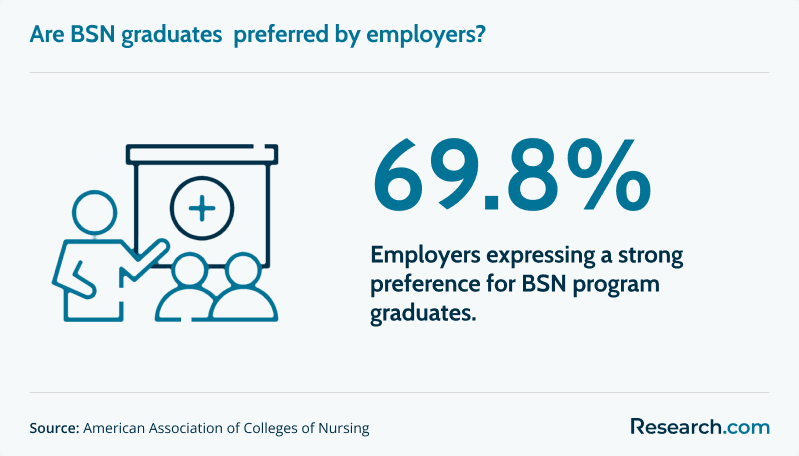
- A minimum cumulative grade point average (GPA) of 3.0 on a 4.0 scale
- Completion of undergraduate statistics coursework
- Application materials such as official transcripts, a personal statement, an application essay, a resume, or letters of recommendation
- A criminal background check
Some programs also prefer or require psychiatric nursing experience. If you do not have mental health experience, consider asking admissions advisors whether applicants from medical-surgical, emergency, primary care, pediatric, or community health backgrounds are competitive.
What courses are typically in an online PMHNP degree program?
Online PMHNP programs usually combine advanced nursing core courses, psychiatric specialty courses, and supervised practicum experiences. Coursework is designed to help students move from RN-level care into advanced assessment, diagnosis, treatment planning, prescribing, and mental health management.
- Advanced health assessment. Teaches graduate-level assessment skills for patients across the lifespan, including physical and mental health evaluation.
- Pharmacotherapeutics. Covers medication principles and clinical decision-making, including psychiatric medication use and monitoring.
- Pathophysiology. Examines disease processes and their relationship to advanced nursing practice, including conditions that overlap with psychiatric symptoms.
- Psychiatric diagnosis and management. Builds skills in evaluating mental health symptoms, creating treatment plans, and monitoring patient response.
- Psychotherapy and counseling approaches. Introduces evidence-informed communication and therapeutic strategies used in psychiatric care.
- Clinical practicum. Provides supervised experience with approved preceptors in psychiatric and mental health settings.
Some nurses also build healthcare administration knowledge to better understand documentation, billing, coding, and compliance. For that purpose, accredited medical billing and coding schools online can be useful for students interested in the administrative side of healthcare, although they do not replace PMHNP clinical preparation.
How Does a PMHNP Degree Compare to Other Online Healthcare Programs?
A PMHNP degree is different from many online healthcare programs because it prepares licensed nurses for advanced clinical practice in psychiatric mental health. The program is not a general health science degree, an administrative credential, or an entry-level medical program. It is built around direct patient care, advanced assessment, psychiatric diagnosis, medication management, and clinical decision-making.
Other online healthcare programs may fit different goals. Public health programs, including the cheapest 1-year MPH programs online, focus more on population health, prevention, policy, epidemiology, and community interventions. A PMHNP focuses on individual and family psychiatric care, while an MPH may help professionals address mental health access, prevention, and systems-level challenges.
| Program type | Main focus | Best for | Direct patient care level |
| Online PMHNP degree | Advanced psychiatric assessment, diagnosis, treatment, and medication management | Registered nurses seeking advanced practice mental health roles | High |
| Online MPH | Population health, policy, prevention, and community health | Students interested in public health systems and community-level impact | Varies by role |
| Medical assistant program | Entry-level clinical and administrative support | Students seeking a faster entry into healthcare support roles | Supportive, not advanced practice |
| Nutrition-related pathway | Food, wellness, nutrition science, and credential-specific practice | Students interested in diet, health behavior, and nutrition counseling roles | Depends on credential and state requirements |
The right option depends on your starting point. If you are already an RN and want prescriptive psychiatric practice, a PMHNP program is more aligned. If you want to work on mental health policy, prevention, or community programming, an MPH may be a better match.
What types of specializations are available in PMHNP degree programs?
Many PMHNP programs train students across the lifespan rather than separating students into narrow tracks. However, students can often shape clinical placements, electives, scholarly projects, or post-graduate experience around specific populations or practice settings. Common focus areas include:
- Child and adolescent psychiatry. Focuses on mental health assessment and treatment for children and teenagers.
- Adult psychiatry. Centers on psychiatric care for adults with conditions such as mood disorders, anxiety disorders, trauma-related disorders, and severe mental illness.
- Geriatric psychiatry. Addresses mental health needs among older adults, including depression, dementia-related concerns, and medication considerations.
- Forensic psychiatry. Applies psychiatric care in legal, correctional, and criminal justice settings.
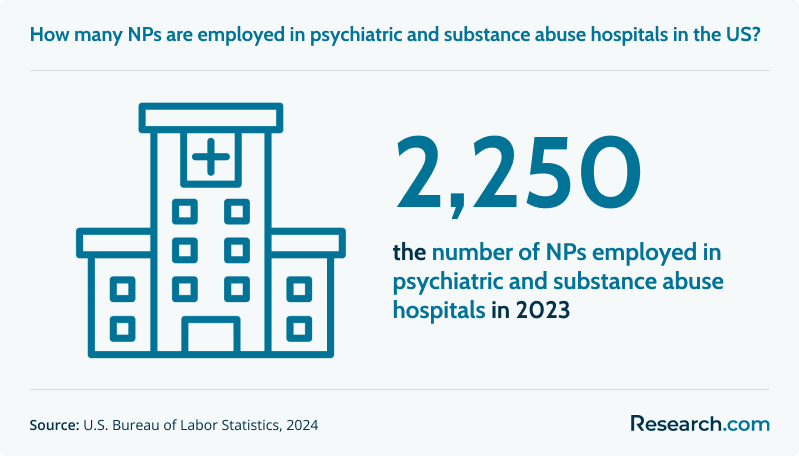
- Substance use and addiction psychiatry. Supports patients with substance use disorders and co-occurring psychiatric conditions. Students comparing related roles can review how much does it cost to become a substance abuse counselor to understand how counseling education differs from PMHNP training.
Can RN to MSN online programs accelerate my path to becoming a PMHNP?
Yes, an RN to MSN pathway may shorten the route for registered nurses who do not already hold a BSN but want to move into graduate nursing practice. Programs such as RN to MSN online programs can combine bridge coursework with master’s-level nursing study, helping experienced RNs use prior clinical experience while working toward advanced credentials.
Before choosing this route, confirm whether the RN to MSN program includes a PMHNP track, whether it meets certification requirements, and whether it is authorized in your state. Not every RN to MSN program leads to nurse practitioner preparation, and some are designed for leadership, education, or informatics instead.
How Can I Evaluate the Outcomes of an Online PMHNP Program?
Program outcomes can reveal whether a school supports students beyond enrollment. Ask for recent data on certification exam pass rates, graduation or completion rates, clinical placement success, student retention, and employment outcomes. If the school cannot provide clear answers, treat that as a warning sign.
Also ask alumni about clinical placements, faculty responsiveness, workload, and preparation for the ANCC certification exam. Students still completing foundational education may also compare broader degree pathways, including the easiest bachelor degree, but PMHNP applicants should prioritize rigorous nursing preparation over perceived ease.
| Outcome metric | Why it matters | What to ask the school |
| Certification exam pass rate | Shows whether graduates are prepared for national credentialing | What percentage of recent graduates passed the PMHNP certification exam? |
| Completion rate | Helps identify whether students are finishing the program successfully | How many enrolled students graduate on time? |
| Clinical placement support | Can determine whether students progress without delays | Does the school secure placements, assist students, or require students to find preceptors? |
| State authorization | Impacts eligibility to enroll and complete clinicals in your state | Is the program approved for students living in my state? |
| Graduate employment | Provides context for career outcomes | Where do recent graduates work after certification and licensure? |
Should I pursue a DNP online degree to advance my PMHNP career?
A DNP may be a strong option if you want doctoral-level preparation, leadership roles, quality improvement responsibilities, policy work, or advanced clinical influence. It may not be necessary for every nurse who wants to begin PMHNP practice, especially if an MSN-PMHNP meets certification and licensure requirements in your state.
Students who want a doctoral credential while maintaining flexibility can compare DNP online degree options. When reviewing DNP programs, look closely at total credits, practicum expectations, project requirements, tuition, and whether the pathway is BSN to DNP or post-master’s DNP.
How to Choose the Best PMHNP Degree Program
The best PMHNP program is the one that fits your state, budget, schedule, clinical needs, and long-term practice goals. Affordability should matter, but it should not be the only deciding factor. A cheaper program that leaves students struggling to find clinical placements can become more expensive if graduation is delayed.
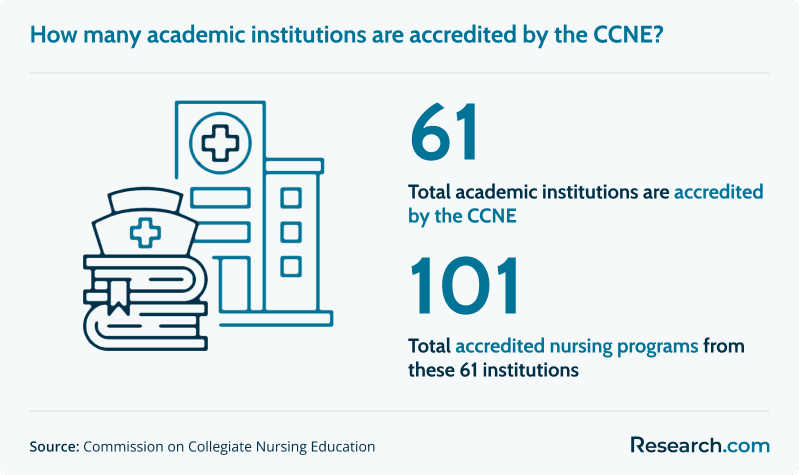
- Verify accreditation. Confirm that the program is accredited by a recognized nursing accreditor such as the Commission on Collegiate Nursing Education (CCNE). Accreditation can affect certification eligibility, financial aid, transferability, and employer recognition.
- Check state authorization and licensure fit. Make sure the program accepts students from your state and supports clinical placements where you live.
- Review clinical placement policies. Ask whether the school places students, offers placement support, or requires students to find preceptors independently.
- Compare total cost, not just tuition. Include fees, travel, campus intensives, compliance costs, clinical onboarding, books, and certification preparation.
- Study the curriculum. Look for strong preparation in assessment, diagnosis, psychopharmacology, psychotherapy-informed care, and evidence-based practice.
- Ask about certification preparation. The curriculum should align with PMHNP certification expectations and provide support for board exam readiness.
- Evaluate faculty expertise. Programs with faculty who actively understand psychiatric practice, telehealth, policy, and diverse populations can provide stronger mentorship.
| Common mistake | Why it causes problems | Better approach |
| Choosing only by lowest tuition | Low tuition may be offset by fees, weak support, or delayed clinical placements | Compare total cost, outcomes, and clinical support together |
| Ignoring accreditation | May affect certification, licensure, employment, and financial aid | Confirm recognized nursing accreditation before applying |
| Assuming online means no in-person requirements | Many programs require clinical hours, intensives, or skills sessions | Ask for a complete list of in-person requirements |
| Not checking state eligibility | Some programs cannot enroll or place students in certain states | Confirm state authorization and clinical approval in writing |
| Overlooking workload | Graduate nursing study can be demanding while working full time | Choose full-time or part-time pacing based on realistic weekly availability |
| Assuming salary outcomes are guaranteed | Pay varies by region, employer, experience, and scope of practice | Use salary data as a planning tool, not a promise |
How do online PMHNP degrees compare to direct-entry NP programs for non-nurses?
Online PMHNP degrees are primarily designed for registered nurses who already have clinical nursing experience and want psychiatric-mental health specialization. In contrast, direct-entry NP programs for non-nurses are built for students who hold a non-nursing bachelor’s degree and need to learn foundational nursing before progressing toward advanced practice.
The difference is significant. PMHNP students build on RN licensure, patient care experience, and nursing judgment. Direct-entry students must first develop core nursing competencies, which can make the pathway intensive even when marketed as accelerated. Non-nurses should confirm whether a direct-entry program truly leads to nurse practitioner eligibility and whether it offers psychiatric mental health preparation.
What student support services do online PMHNP programs offer?
Strong online PMHNP programs do more than post lectures. They provide advising, faculty access, technical support, clinical placement guidance, library access, writing help, exam preparation, and career services. These supports are especially important for working nurses who may be studying outside normal campus hours.
When comparing programs, ask whether each student has a dedicated advisor, how quickly faculty respond to questions, how clinical compliance is handled, and whether students can connect with peers. Students earlier in the nursing pathway may also compare affordable RN to BSN online programs before applying to graduate PMHNP programs.
What career paths are available for graduates of online PMHNP degree programs?
Graduates of online PMHNP programs can pursue several mental health career directions after meeting certification and licensure requirements. Possible paths include:
- Psychiatric mental health nurse practitioner. Provides psychiatric evaluation, diagnosis, treatment planning, medication management, and ongoing mental health care in settings such as hospitals, clinics, and private practices.
- Substance abuse counselor. Supports patients with addiction and substance use disorders through counseling and structured interventions, though counselor licensure requirements differ from PMHNP requirements.
- Geriatric psychiatric nurse practitioner. Focuses on older adults in nursing homes, assisted living facilities, outpatient clinics, or home healthcare settings.
- Child and adolescent psychiatric nurse practitioner. Works with children and teenagers in pediatric facilities, schools, community programs, or specialty mental health clinics.
- Forensic psychiatric nurse practitioner. Provides psychiatric services in legal, correctional, or justice-involved settings.
Students who want healthcare work but not graduate-level advanced practice may compare lower-cost support roles first. For example, Research.com’s guide to medical assistant program cost can help clarify how medical assisting differs from PMHNP training in cost, time, responsibility, and scope.
What complementary educational pathways can enhance my PMHNP career?
Complementary education can strengthen a PMHNP career when it fills a clear gap. For example, leadership, public health, family practice, women’s health, substance use, and healthcare administration education may broaden career options. The key is to avoid collecting credentials without a specific professional purpose.
RNs who still need a bachelor’s degree before graduate PMHNP study may consider online RN to BSN programs without clinicals if they already have substantial clinical experience and want a BSN completion route. Students without nursing preparation may need a different entry pathway before they can pursue PMHNP education.
What is the return on investment (ROI) of an online PMHNP degree?
The ROI of an online PMHNP degree depends on what you pay, how long you study, how much income you give up while enrolled, whether you pass certification, and what salary you earn after licensure. A lower-cost program can improve ROI, but only if it also supports timely completion, clinical readiness, and certification eligibility.
To estimate ROI, compare total program cost with your expected post-graduation compensation, loan repayment obligations, and career flexibility. Students comparing nursing entry routes before PMHNP study can also review the best accelerated BSN program options to understand how earlier education choices affect long-term cost.
| ROI factor | How it affects value | What to calculate |
| Total program cost | Higher debt reduces short-term financial benefit | Tuition + fees + travel + clinical costs + exam costs |
| Completion time | Longer programs may delay advanced-practice earnings | Expected graduation date under your realistic schedule |
| Ability to keep working | Maintaining income can reduce borrowing | How many hours you can work while meeting course and clinical demands |
| Certification readiness | Passing certification is central to PMHNP employment | Board preparation resources and recent pass rates |
| Local job market | Salary and openings differ by region | Demand in your state, city, or preferred practice setting |
What is the job market for graduates with an online PMHNP degree?
The mental health workforce faces strong demand. According to an article published by the American Psychological Association, 90% of the public believes there is a mental health crisis in the U.S., with half of young adults and one-third of all adults reporting that they have been feeling anxious either always or often. This context helps explain why psychiatric mental health providers are needed across many settings.
The Bureau of Labor Statistics reports that overall employment of nurse practitioners is expected to grow 40% from 2023 to 2033. In the U.S., the average annual salary for a PMHNP in 2024 is $139,486. These figures suggest strong opportunity, but graduates should still research local demand, state scope-of-practice rules, telehealth policies, and employer preferences.
The chart below shows the percent change in employment of nurse anesthetists, nurse midwives, and nurse practitioners for 2023 to 2033.
Are there noticeable regional differences in PMHNP salary?
Yes. PMHNP salaries can vary by region because of local demand, cost of living, patient access needs, reimbursement patterns, employer competition, and state practice rules. Metropolitan areas may offer higher pay in some cases, while rural or underserved regions may use different incentives to attract providers.
Before choosing a program, review salary data for the state where you plan to work, not just national averages. Research.com’s DNP PMHNP salary data can help you compare regional differences and set more realistic ROI expectations.
Are accreditation and certification standards critical for online PMHNP programs?
Yes. Accreditation and certification alignment are essential for online PMHNP programs. Accreditation signals that a nursing program meets recognized academic and clinical standards. Certification eligibility matters because PMHNP graduates typically need national certification before obtaining advanced practice licensure.
When reviewing schools, confirm the nursing accreditor, certification exam alignment, state authorization, and clinical hour requirements. Students comparing broader nursing school options can also review easy nursing schools, but ease of admission should never outweigh accreditation, clinical quality, or licensure readiness.
What are the top challenges faced by PMHNPs in their daily practice?
PMHNP work can be meaningful, but it is also clinically and emotionally demanding. Psychiatric care often involves complex diagnoses, medication decisions, safety concerns, family dynamics, social barriers, and long-term patient engagement. Common challenges include:
- Managing complex mental health conditions. PMHNPs may treat patients with schizophrenia, bipolar disorder, major depressive disorder, trauma-related conditions, and co-occurring medical or substance use concerns.
- Supporting patients who do not respond to standard treatment. Treatment resistance requires careful assessment, medication monitoring, collaboration, and ongoing evaluation.
- Addressing mental health stigma. Patients may face shame, family resistance, or cultural barriers that make treatment harder to start or continue. PMHNPs who want broader family-care preparation may compare options such as a 1 year post master's FNP online pathway, although FNP education is distinct from PMHNP specialization.
- Preventing burnout. Psychiatric practice can carry emotional strain, especially in crisis, inpatient, correctional, or high-acuity settings.
- Adapting to telehealth. Remote psychiatric care improves access, but it also requires skill in privacy, rapport-building, safety planning, technology use, and documentation.
How is telemedicine reshaping PMHNP practice?
Telemedicine has become an important part of psychiatric care because it can expand access for patients who face transportation barriers, rural provider shortages, scheduling challenges, or stigma around in-person visits. PMHNPs using telehealth need strong digital communication skills, privacy awareness, crisis protocols, and knowledge of state-specific prescribing and licensure rules.
Students preparing for future practice should ask PMHNP programs how telehealth is addressed in coursework and clinical learning. Comparing broader nurse practitioner program cost comparison resources can also help students understand how different NP specialties handle clinical training, technology, and cost.
How can prior nursing credentials support my transition to a PMHNP role?
Prior nursing credentials can shorten or strengthen the path to PMHNP practice, especially when they help you meet RN licensure, BSN completion, or graduate admission requirements. LPNs, associate-degree RNs, and BSN-prepared nurses may each need different steps before entering a PMHNP program.
For LPNs who want to move toward RN licensure first, the most affordable LPN to RN online programs can provide a bridge into registered nursing. From there, students may pursue BSN completion and later graduate PMHNP preparation, depending on their background and goals.
Can I integrate mental health and women's health specializations?
Some nurses are interested in combining psychiatric expertise with women’s health because mental health needs often intersect with reproductive health, pregnancy, postpartum care, trauma, menopause, chronic illness, and gender-specific barriers to treatment. A PMHNP can build this focus through clinical placements, continuing education, collaborative practice, or additional credentials.
Students considering a formal women’s health route can compare fastest women's health nurse practitioner MSN programs. Before pursuing two specialty areas, confirm the time, cost, certification requirements, and whether the additional credential supports your intended practice setting.
How an Online PMHNP Degree Can Support Career Growth
For many registered nurses, a PMHNP degree is a path from bedside or general nursing into advanced psychiatric care. Career growth may include more clinical autonomy, specialty practice, leadership opportunities, consulting, academic work, or advocacy. However, advancement depends on credentials, state law, employer needs, experience, and professional reputation.
- Clinical leadership. Experienced PMHNPs may move into lead provider roles, mentor nurses, support quality improvement, or help shape psychiatric care workflows.
- Specialized care. PMHNPs can develop expertise in areas such as geriatric psychiatry, child and adolescent mental health, addiction care, or forensic settings.
- Consulting and private practice. Some PMHNPs pursue independent or collaborative practice models, depending on state scope-of-practice rules and business requirements.
- Teaching and research. Graduate nursing preparation can support future roles in education, precepting, scholarly projects, or research-related work.
- Advocacy and policy. PMHNPs may contribute to mental health access initiatives, workplace policies, community programs, or broader healthcare advocacy.
If you are still earlier in your nursing education, understanding academic expectations can help you plan ahead. Research.com’s discussion of how hard is RN to BSN can provide context for students preparing to complete bachelor’s-level nursing work before graduate study.
References
- ZipRecruiter. (2024, September 26). PMHNP salary. https://www.ziprecruiter.com/Salaries/Pmhnp-Salary
- Hanson, M. (2024, August 31). Cost of online education vs. traditional education. Education Data Initiative. https://educationdata.org/cost-of-online-education-vs-traditional-education
- Stringer, H. (2024, January 1). Mental health care is in high demand. Psychologists are leveraging tech and peers to meet the need. American Psychological Association. https://www.apa.org/monitor/2024/01/trends-pathways-access-mental-health-care
- Bureau of Labor Statistics, U.S. Department of Labor. (2024). Occupational outlook handbook: Nurse anesthetists, nurse midwives, and nurse practitioners. https://www.bls.gov/ooh/healthcare/nurse-anesthetists-nurse-midwives-and-nurse-practitioners.htm
Key Insights
- An online PMHNP degree is best suited for licensed RNs who want advanced psychiatric practice and need flexible coursework without giving up supervised clinical training.
- Affordability should be judged by total cost, not just tuition. Include fees, residency pricing, clinical expenses, campus intensives, certification preparation, and time to completion.
- Accreditation, state authorization, and certification alignment are non-negotiable. A low-cost program is not a good value if it does not support licensure or board eligibility where you plan to practice.
- Clinical placement support is one of the most important questions to ask online PMHNP programs. Delayed or unsupported placements can extend your timeline and raise costs.
- The average annual PMHNP salary in 2024 is $139,486, and nurse practitioner employment is projected to grow by 40% from 2023 to 2033, but local outcomes depend on geography, employer type, experience, and scope-of-practice rules.
- The strongest program choice is the one that balances cost, flexibility, clinical quality, certification preparation, and your long-term mental health career goals.
Other Things You Should Know About Online PMHNP Degree Programs
Most online PMHNP programs require 500 to 750 supervised clinical hours before graduation. The clinicals must be completed in approved psychiatric-mental health settings and documented by a preceptor, with final hour totals set by the university and aligned to AACN and accreditation standards.
Prerequisites typically include a Bachelor of Science in Nursing (BSN), an active RN license, and at least one year of clinical experience. Some programs may also require a minimum GPA or specific undergraduate coursework in nursing or health sciences.