2027 Best Online Electrical Engineering Degrees for Working Adults

Co-Founder and Chief Data Scientist
Choosing an online electrical engineering degree is a high-stakes decision because accreditation, lab access, transfer credits, and employer recognition can change the value of the credential. The U. S. Bureau of Labor Statistics reports that electrical and electronics engineers had a median pay of $118,780 in 2024, making this a potentially strong path for adults balancing work, family, and career growth.
This guide explains how accredited online programs work, what they cost, which formats fit working adults, and how to compare options before enrolling.
Key Things You Should Know
- The best online electrical engineering degrees for working adults are regionally accredited programs, and bachelor's programs should ideally have ABET Engineering Accreditation Commission accreditation if you want maximum employer, graduate school, and licensure flexibility.
- Online electrical engineering programs are usually not "fully hands-off": most include virtual labs, lab kits, simulations, proctored exams, team projects, and sometimes short campus or approved local lab requirements.
- BLS data shows electrical and electronics engineers had a 2024 median pay of $118,780, but ROI depends heavily on total tuition, transfer credits, employer tuition assistance, location, industry, and whether the degree matches your target role.
What are the best accredited online electrical engineering degrees for working adults?
The best accredited online electrical engineering degree for a working adult is not simply the cheapest or fastest program. It is the program that matches your current credits, career target, schedule, lab needs, and accreditation requirements. For bachelor's degrees, ABET accreditation is especially important because many engineering employers and state licensing boards treat it as the standard signal of program quality.
Working adults usually compare programs differently from first-time residential students. Flexibility matters, but so do transfer policies, asynchronous coursework, employer reimbursement rules, and whether the school offers enough advising to keep part-time students on track.
Military-connected learners should also compare benefit processing, deployment flexibility, and veteran support; a focused guide to the best online electrical engineering degree programs for veterans can be useful if GI Bill, Yellow Ribbon, or credit-for-training policies affect your decision.
The table below summarizes the strongest program types for different working-adult situations. Use it to narrow your search before comparing individual schools.
| Program type | Best for | What to verify before applying |
| ABET-accredited online bachelor's in electrical engineering | Adults seeking entry-level engineering roles, graduate school options, or long-term licensure flexibility | ABET status, lab delivery, transfer-credit limits, math placement, and required campus visits |
| Online bachelor's completion program | Students with previous college credits who need upper-division engineering coursework | Accepted prerequisites, residency requirements, articulation agreements, and time-to-completion estimates |
| Online master's in electrical engineering | Engineers, technologists, or STEM graduates seeking specialization in power, controls, signal processing, semiconductors, or communications | Admission prerequisites, thesis versus non-thesis options, faculty research areas, and employer recognition |
| Online electrical engineering technology program | Adults targeting applied electronics, instrumentation, testing, field engineering, or technical operations roles | Whether the credential is engineering or engineering technology, accreditation type, and eligibility for desired jobs |
| Graduate certificate in electrical engineering | Professionals who need targeted skills without committing to a full degree immediately | Whether credits can transfer into a master's program and whether prerequisites are required |
For most adults starting without an engineering bachelor's degree, the safest "best" choice is an ABET-accredited online bachelor's in electrical engineering from a regionally accredited institution. For adults who already hold an engineering, physics, computer engineering, or closely related STEM degree, an online master's may offer a faster path to specialization without repeating undergraduate fundamentals.
How do online electrical engineering degrees compare to traditional on-campus programs?
Online and on-campus electrical engineering degrees can cover the same mathematical and technical foundation, but the learning experience is different. The key question is not whether online is easier; reputable programs still require calculus, physics, circuits, electronics, programming, design projects, and lab evidence. The real question is whether the delivery model fits how you learn while working.
The comparison below highlights practical differences that matter to adult learners. It can help you decide whether online flexibility outweighs the structure and face-to-face access of a campus program.
| Factor | Online electrical engineering degree | On-campus electrical engineering degree |
| Schedule | Often asynchronous or hybrid, with deadlines that allow workweek flexibility | Usually scheduled around fixed class and lab times |
| Labs | May use lab kits, remote instruments, simulations, approved local sites, or short residencies | Uses campus laboratories with direct faculty or teaching assistant supervision |
| Peer interaction | Discussion boards, video meetings, team design tools, and virtual office hours | In-person study groups, labs, student clubs, and informal faculty access |
| Best fit | Working adults, military learners, caregivers, and students far from a campus | Students who want daily structure, campus labs, and in-person networking |
| Main risk | Underestimating the weekly time needed for math-heavy coursework | Difficulty fitting fixed class times around employment or family responsibilities |
Online programs make the most sense when you are disciplined, have reliable internet and study space, and can schedule several focused blocks each week. Campus programs may be better if you need frequent in-person help, want extensive hands-on lab time, or are early in college and still building study habits.
One common mistake is assuming an online engineering degree is mostly video lectures. In strong programs, you should expect design work, lab reports, simulations, coding assignments, proctored exams, and team projects. Ask admissions staff to show how labs are completed before you enroll.
What accreditation should an online electrical engineering program have in the United States?
In the United States, accreditation has two layers that matter. First, the college or university should hold institutional accreditation from a recognized accreditor. Second, an electrical engineering bachelor's program should ideally hold programmatic accreditation from ABET's Engineering Accreditation Commission. This is especially important if you may pursue the Fundamentals of Engineering exam, Professional Engineer licensure, federal engineering jobs, defense contractors, or graduate study.
ABET accreditation is not just a marketing label. It signals that the program has been reviewed for curriculum, faculty qualifications, student outcomes, continuous improvement, facilities, and institutional support. For online students, it also helps confirm that distance delivery still meets engineering education expectations.
Before applying, verify accreditation yourself instead of relying only on a webpage or brochure. These checks reduce the risk of choosing a program that does not meet employer or licensing expectations:
- Confirm institutional accreditation on the school's official accreditation page and through recognized U.S. accreditation databases.
- Search the ABET accredited program database for the exact degree name, campus or delivery designation, and accreditation commission.
- Check whether the program is accredited as engineering, engineering technology, or a related discipline because these can lead to different career and licensure outcomes.
- Ask the program whether online students graduate from the same accredited degree as campus students or from a separate distance-learning track.
- If licensure matters, contact your state engineering board before enrolling because Professional Engineer requirements vary by state.
A red flag is vague wording such as "aligned with ABET standards" or "seeking accreditation" when you need a currently accredited degree. Candidate status, internal review, or future plans are not the same as current ABET accreditation.
What are the typical admission requirements for online electrical engineering degrees?
Admission requirements vary by level, but online electrical engineering programs are typically more selective than many general online degrees because students need a strong math and science foundation. Working adults should pay close attention to prerequisites because missing calculus, physics, or programming courses can add time and cost.
The table below summarizes common requirements by degree level. Exact standards vary by school, so use this as a checklist rather than a universal rule.
| Degree level | Common admission requirements | Working-adult considerations |
| Bachelor's degree | High school diploma or equivalent, transcripts, placement scores or prior college math, and sometimes prerequisite science courses | Transfer credits can shorten the path, but engineering programs may limit how many technical credits apply |
| Bachelor's completion | Prior college credits, calculus sequence, calculus-based physics, chemistry, and general education coursework | Best for adults who already completed lower-division STEM courses at a community college or university |
| Master's degree | Bachelor's degree in electrical engineering or a closely related STEM field, transcripts, GPA minimum, resume, and sometimes recommendations | Applicants from engineering technology, physics, or computer science backgrounds may need bridge courses |
| Graduate certificate | Bachelor's degree, technical prerequisites, and sometimes professional experience | Useful for testing graduate-level study before committing to a full master's program |
If you have been out of school for several years, do not assume that weak past grades automatically disqualify you. Some programs weigh recent coursework, professional experience, military training, or completed prerequisites more heavily than old transcripts. A practical strategy is to complete calculus, physics, or programming refreshers with strong grades before applying.
Adults changing careers should also ask whether the program offers a formal pathway for non-engineering applicants. Without a bridge plan, you may spend extra terms completing prerequisites before you can take core engineering courses.
How long do online electrical engineering programs take and how are they structured?
Online electrical engineering degrees vary widely in length because working adults enter with different credits and usually study part time. A full bachelor's degree can take about four years for full-time students, but part-time adult learners may take longer. A master's degree is often structured around 30 or more graduate credits, with completion depending on course load and whether the program includes a thesis, project, or exam.
The structure matters because electrical engineering courses are sequential. You usually cannot take electronics before circuits, controls before differential equations, or senior design before completing core prerequisites. That makes planning more important than in programs with many interchangeable electives.
Most online programs use one or more of the following delivery formats. Understanding these formats can help you avoid enrolling in a program that conflicts with your work schedule:
- Asynchronous courses: lectures and assignments are completed on your schedule within weekly deadlines, which is often the most workable model for full-time employees.
- Synchronous courses: live online meetings occur at set times, offering more interaction but less flexibility for shift workers or frequent travelers.
- Hybrid or low-residency courses: most coursework is online, but labs, exams, orientations, or intensives may require campus visits.
- Cohort-based programs: students move through courses together, which can improve support but may reduce scheduling flexibility.
- Self-paced components: some general education or prerequisite courses may allow faster progress, although core engineering courses are often term-based.
A realistic part-time plan should account for course difficulty, not just credit count. One three-credit engineering course with a lab can require substantially more weekly effort than a general elective. If you work full time, starting with one technical course plus one lighter requirement is often safer than overloading your first term.
What core courses and specializations are offered in online electrical engineering curricula?
Electrical engineering curricula teach students how electrical systems are designed, modeled, tested, and improved. At the bachelor's level, the curriculum builds from math and physics into circuits, electronics, signals, controls, power, embedded systems, and design. At the master's level, the focus shifts toward specialization and advanced analysis.
The table below shows common curriculum areas and why they matter professionally. Course names differ by school, but these themes appear across many reputable programs.
| Curriculum area | What students learn | Career relevance |
| Circuits and electronics | Analysis and design of analog and digital electrical systems | Core for hardware, test, product design, and electronics roles |
| Signals and systems | Mathematical treatment of signals, filtering, frequency response, and system behavior | Useful in communications, radar, audio, imaging, and control systems |
| Power systems | Generation, transmission, distribution, machines, and grid operation | Relevant to utilities, renewable energy, electrification, and infrastructure |
| Control systems | Feedback, stability, modeling, and automated system behavior | Important in robotics, aerospace, manufacturing, vehicles, and process control |
| Embedded systems | Microcontrollers, sensors, firmware, and hardware-software integration | Applies to consumer devices, medical devices, industrial equipment, and automotive systems |
| Electromagnetics and communications | Fields, waves, antennas, wireless systems, and transmission media | Supports telecommunications, defense, satellite, and RF engineering work |
Specializations can affect your career direction, so choose electives with a job target in mind. Current hiring needs are being shaped by grid modernization, electric vehicles, semiconductor investment, automation, AI-enabled design tools, robotics, and connected devices. AI is not replacing the need for electrical engineering fundamentals; instead, it is increasing the value of engineers who can combine domain knowledge with simulation, data analysis, and model-based design.
If you are deciding between electrical engineering and a data-heavy graduate path, compare how much hardware, physics, and systems design you want in your future work. Some professionals who prefer analytics, machine learning, or research computing may find an online data science doctorate more aligned with their long-term goals than an engineering specialization.
How much do online electrical engineering degrees cost, and what financial aid is available?
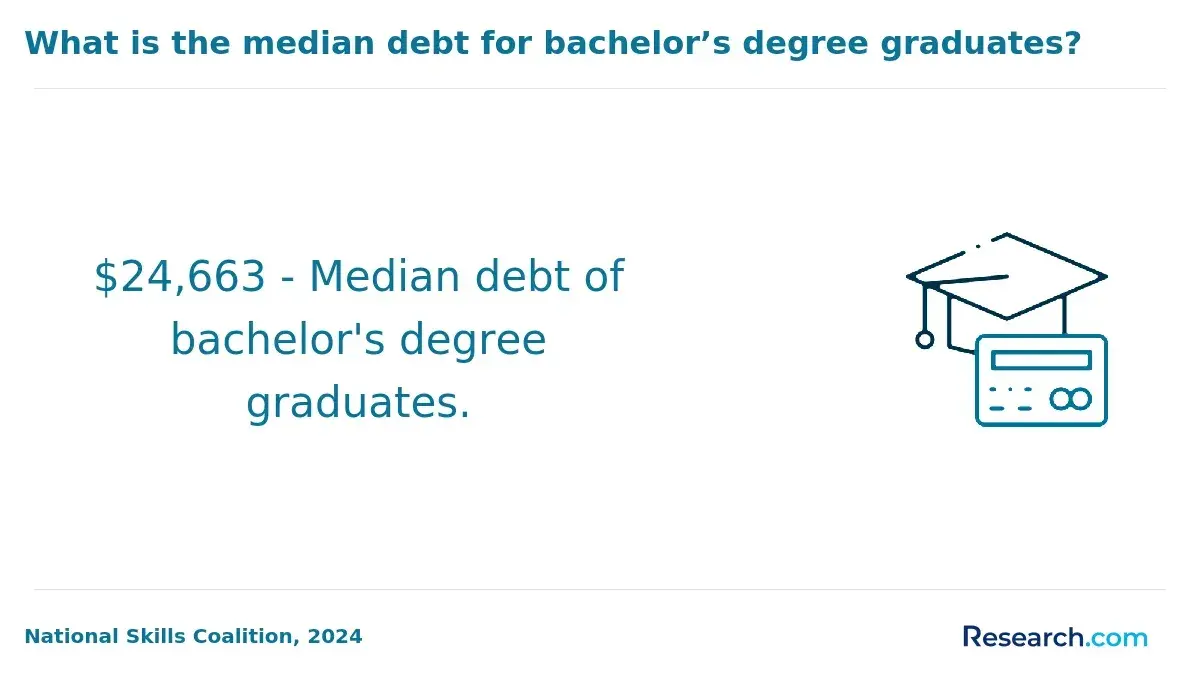
Cost is one of the biggest decision points for working adults because online engineering programs can require tuition, fees, books, software, lab kits, exam proctoring, and occasional travel. The College Board reported that average published tuition and fees for public four-year in-state students were $11,610 for 2024-25, while private nonprofit four-year institutions averaged $43,350.
Online programs may price differently, but this gap shows why comparing total program cost is more useful than comparing tuition per credit alone.
Electrical engineering can also be more expensive than some online majors because of lab requirements, specialized software, and longer prerequisite sequences. If you are comparing career-change degrees across fields, an online degree for library science, business program, or IT degree may have a different cost structure because lab-based engineering requirements are less central.
When schools publish tuition, look beyond the headline rate. The following cost categories are the ones working adults most often overlook:
- Per-credit tuition and whether online students pay in-state, out-of-state, or special distance-learning rates
- Mandatory online, technology, engineering, lab, course, graduation, and proctoring fees
- Lab kits, electronics components, calculators, textbooks, software licenses, and hardware requirements
- Travel, lodging, and unpaid time off if the program requires campus residencies or in-person labs
- Extra terms caused by missing prerequisites, limited course availability, or transfer credits that do not apply to the major
Financial aid options may include federal grants, federal student loans, state aid, institutional scholarships, employer tuition assistance, military education benefits, and payment plans. To reduce borrowing, ask whether your employer reimburses ABET-accredited engineering coursework, whether community college prerequisites transfer cleanly, and whether you can apply prior learning only where it will not weaken your engineering foundation.
A smart affordability test is to calculate net cost to graduation, not annual tuition. For a working adult, a slightly higher tuition program that accepts more transfer credits, offers evening advising, and runs needed courses every term may cost less in the end than a cheaper program that delays graduation.
What careers can you pursue with an online electrical engineering degree?
An online electrical engineering degree can support careers in industries that design, build, test, regulate, or maintain electrical and electronic systems. Common employers include utilities, semiconductor firms, aerospace and defense contractors, telecommunications companies, manufacturers, medical device companies, automotive firms, renewable energy developers, consulting firms, and government agencies.
The table below connects common roles with the work they usually involve. Job titles vary by employer, and some roles may require experience, security clearance, graduate coursework, or Professional Engineer licensure.
| Career path | Typical responsibilities | Useful preparation |
| Electrical engineer | Designs, tests, and improves electrical systems, components, or equipment | ABET-accredited bachelor's degree, circuits, electronics, design projects, and simulation tools |
| Power systems engineer | Works on grid systems, substations, renewable integration, protection, and distribution | Power courses, utility internships or experience, and possible PE pathway |
| Controls engineer | Develops automated control systems for manufacturing, robotics, aerospace, or process systems | Controls, programming, sensors, PLCs, modeling, and feedback systems |
| Embedded systems engineer | Builds hardware-software systems using microcontrollers, sensors, firmware, and electronics | Digital design, C or C++, microcontrollers, real-time systems, and lab projects |
| Electronics or test engineer | Validates circuits, products, instruments, and production systems | Lab measurement, troubleshooting, instrumentation, and documentation skills |
| RF or communications engineer | Works on wireless systems, antennas, signal transmission, or communications hardware | Electromagnetics, signals, communications, and specialized RF tools |
This degree is a strong fit if you enjoy math, physics, systems thinking, troubleshooting, and design constraints. It may not be the best fit if you want a program with minimal quantitative work, no labs, or a fast credential that does not require a long prerequisite sequence.
Some adults compare engineering with information professions because both can offer stable, mission-driven work. If your interests lean more toward archives, information organization, academic libraries, or digital collections than hardware and systems design, comparing an engineering degree with an MLIS degree may clarify which path better matches your strengths.
What are the salary expectations and job outlook for electrical engineers?
The salary outlook for electrical engineering is generally strong, but it should be interpreted carefully. BLS reported a 2024 median annual wage of $118,780 for electrical and electronics engineers. Median pay is a midpoint, not a promise; actual compensation varies by region, industry, degree level, security clearance, experience, licensure, and whether the role is design-focused, field-based, managerial, or research-oriented.
Job outlook is also favorable compared with many occupations. BLS projected employment for electrical and electronics engineers to grow 9% from 2023 to 2033, which reflects continuing demand in areas such as advanced manufacturing, telecommunications, electronics, energy infrastructure, and emerging technologies. For students, this suggests the degree can be durable, but it does not remove the need to build practical skills and complete strong projects.
The table below shows how salary context can differ by career direction. Use it to think about career fit rather than to predict a specific income.
| Path | Salary factors | Outlook considerations |
| Power and utilities | Licensure path, field experience, grid knowledge, and regional utility demand | Electrification, renewable integration, and grid modernization can support demand |
| Semiconductors and electronics | Device knowledge, lab skill, manufacturing experience, and advanced coursework | Domestic chip investment and hardware demand can create specialized opportunities |
| Controls and automation | Programming, PLCs, robotics, sensors, and manufacturing systems experience | Automation adoption can increase demand for engineers who integrate physical systems |
| Communications and RF | Signal processing, electromagnetics, clearance eligibility, and specialized tools | Telecommunications, defense, and satellite systems can require niche expertise |
| Embedded systems | Firmware, hardware integration, testing, and real-time system experience | Connected devices, vehicles, and industrial equipment continue to need embedded talent |
To improve your employment prospects while studying online, build evidence that employers can evaluate: lab reports, senior design work, Git repositories for embedded or signal-processing projects, simulation files, internship or co-op experience, and clear documentation. For working adults already in technical roles, internal transfers can be a practical route into engineering responsibilities after completing key coursework.
How can working adults choose a reputable online electrical engineering program?
Choosing a reputable online electrical engineering program requires more than reading rankings. The best program for you should meet accreditation expectations, fit your schedule, accept the right transfer credits, provide credible lab experiences, and connect to your target job market. Institution type alone does not determine ROI; public, private nonprofit, and other accredited institutions can all vary in cost, support, and outcomes.
Use the following steps before applying. They are designed to help working adults compare programs in a practical, evidence-based way:
- Define your target role first, such as power engineer, embedded systems engineer, controls engineer, test engineer, or graduate-school applicant.
- Verify institutional accreditation and, for bachelor's engineering programs, ABET Engineering Accreditation Commission status for the exact degree.
- Request a written transfer-credit evaluation before enrolling, especially for calculus, physics, programming, and prior engineering coursework.
- Ask how labs work for online students, including equipment, software, safety requirements, proctoring, and any campus visits.
- Compare total cost to graduation, including fees, lab materials, travel, and the cost of delayed completion.
- Review course rotation schedules to confirm that required classes are offered often enough for part-time progress.
- Ask about career support for online students, including internship help, employer connections, resume review, and access to faculty projects.
- Check whether the program has pathways for adult learners, veterans, transfer students, and students returning after a long academic break.
Also watch for red flags: no clear accreditation information, pressure to enroll quickly, unclear lab requirements, few full-time engineering faculty, vague career claims, limited transfer transparency, or promises about salaries and job placement. Reputable schools can explain their curriculum, accreditation, costs, and student support without relying on exaggerated outcomes.
If you are still comparing fields, look at how each degree connects to the work you actually want to do. Electrical engineering is strongest for people who want to design and analyze physical electrical systems; other online degrees may be better for students who prefer data, information services, software, management, or health-related roles.
Other Things You Should Know About Electrical Engineering
Yes, if the program is properly accredited and includes the technical coursework, labs, and design experiences employers expect. For bachelor's students, ABET accreditation is the most important quality marker to verify.
Yes. For licensure and strong employer recognition, the bachelor’s program should be ABET-accredited, usually by the Engineering Accreditation Commission. In 2027, most state boards require an ABET-accredited engineering degree before you can take the FE exam and later qualify for the PE license.
The academic content is not necessarily harder online, but the time management can be. Working adults need a consistent study schedule because calculus, circuits, physics, and labs build on each other quickly.
Electrical engineering focuses on designing and developing electrical systems, emphasizing theoretical concepts and advanced mathematics. In contrast, electrical engineering technology is more application-oriented, concentrating on implementing and maintaining electrical systems. Choosing between them depends on whether you prefer theory (electrical engineering) or hands-on practice (electrical engineering technology).
References
- Electrical Engineering Job Market: 2026 Outlook & Pay https://pathwise.io/electrical-engineering-job-market/
- Looking for a good online EE Masters program https://forum.arduino.cc/t/looking-for-a-good-online-ee-masters-program/64719
- Best Online Electrical Engineering Degrees 2025 https://www.onlineu.com/degrees/electrical-engineering
- Find Programs - ABET https://www.abet.org/accreditation/find-programs/
- What Can You Do with an Electrical Engineering Degree | HAN https://www.hanuniversity.com/en/programs/bachelor/electrical-and-electronic-engineering/fulltime/careers/
- Top Affordable Electrical Engineering Degree Online? | Lifehack https://vocal.media/lifehack/top-affordable-electrical-engineering-degree-online