
2027 Easiest College Majors & Their Career Paths

Co-Founder and Chief Data Scientist
10 Easiest College Majors for 2027
Students usually search for the “easiest” college majors when they are trying to protect their GPA, manage work or family obligations, or choose a path that feels realistic to finish. But the better question is not which major is simplest on paper. It is which major is manageable for your strengths, supports graduation, and still leads to skills employers value.
This guide breaks down the college majors most often seen as more accessible, explains why they may feel less demanding, and shows where they can lead after graduation. It also covers trade-offs, career outlook considerations, and the questions you should ask before enrolling. Whether you are a first-time student, a transfer student, an adult learner, or someone returning to school, the goal is to help you choose a major that is practical—not just convenient.
That matters because many students are balancing more than classes. In a survey, 42% of U.S. college students identified juggling personal, financial, and family responsibilities with schoolwork as their biggest stressor (Inside Higher Ed, 2024). For those students, a manageable major can be a smart decision if it also supports long-term career plans.
Quick Answer: What Are the Easiest College Majors?
The easiest college majors are usually the ones that rely more on writing, discussion, projects, presentations, or practical business concepts than on advanced math, lab work, or highly technical prerequisites. Majors commonly viewed as more manageable include business administration, marketing, psychology, healthcare administration, communications, English, education, and some social science fields.
That does not mean these majors are weak choices. Some accessible majors can still support solid careers. For example, a bachelor of business administration graduate can earn up to $75,000 each year (PayScale, 2024). The best major is the one that matches your strengths, keeps you engaged, and leads to a realistic next step after college.
What This Guide Helps You Decide
- Whether a major fits your learning style. A subject that looks easy to one student may feel demanding to another if it involves math, writing, public speaking, or clinical hours.
- Whether the major supports your career goals. Some easier majors still need internships, certifications, portfolios, licensure, or graduate school.
- Whether the degree is worth the cost. A manageable major is only useful if it helps you graduate on time and build employable skills.
- Whether you need a backup plan. You may want a major that leaves room for minors, certificates, or later graduate study.
- Business Administration
- Computer Science
- Psychology
- Accounting
- Nursing
- Finance
- Economics
- Healthcare Administration
- Logistics
- Marketing
- Transferable Skills and Easy Majors
- Other Easy College Majors
- What Makes a Major Easy?
- Is an Easy Major Worth It?
- Potential Drawbacks
- Comparison Table
- Choosing for Long-Term Career Trends
- Long-Term Career Growth
- Common Mistakes
- Questions to Ask Before Choosing
- Factors to Consider
Easy College Majors Compared
| Major | Why students may find it manageable | Best fit for students who like | Main trade-off | Average GPA |
| Business Administration | Wide-ranging coursework, practical assignments, and many concentration choices | Leadership, organizations, entrepreneurship, and solving business problems | Outcomes often depend on internships, networking, and specialization | 3.0–3.60 |
| Computer Science | Strong access to tutorials, coding resources, and structured practice tools | Coding, systems, logic, and technology careers | Can be tough for students who dislike programming or abstract problem-solving | 3.0–3.50 |
| Psychology | Interesting subject matter and broad applications to human behavior | Research, people-focused work, counseling concepts, and social behavior | Licensed psychologist roles usually require graduate study | 2.9–3.50 |
| Accounting | Structured rules, clear procedures, and direct business applications | Numbers, organization, financial records, and compliance | Detail-heavy work can be demanding, and some jobs require credentials | 3.10–3.60 |
| Nursing | Clear career path and direct link between coursework and practice | Patient care, health science, teamwork, and service | Clinical work and licensure preparation are rigorous | 3.0–3.60 |
| Finance | Applied business focus with real-world ties to money and markets | Investing, financial planning, analysis, and business strategy | Quantitative work may be difficult for students avoiding math | 3.0–3.70 |
| Economics | Offers a framework for understanding markets, policy, and decisions | Data, policy, decision-making, and analytical thinking | Some programs include substantial quantitative work | 3.0–3.50 |
| Healthcare Administration | Focuses on healthcare management without direct clinical training in many programs | Operations, policy, healthcare systems, and leadership | Career advancement may require experience or graduate study | 3.0–3.70 |
| Logistics | Practical coursework tied to real operations and supply chain problems | Planning, supply chains, transportation, and process improvement | Requires comfort with coordination, data, and changing systems | 3.0–3.60 |
| Marketing | Creative, applied work linked to branding and consumer behavior | Communication, creativity, analytics, sales, and digital media | Internships, portfolios, and analytics experience can matter as much as the degree | 3.0–3.50 |
1. Business Administration
Business administration degree programs are often seen as approachable because they introduce several business areas instead of forcing students to specialize immediately. Coursework often covers management, operations, marketing, finance, organizational behavior, and strategy, which makes the major flexible for students who are still figuring out their career direction.
This major works well for students who want a broad base that can later be narrowed into a concentration. Depending on the school, students may move toward entrepreneurship, sales, international business, operations, or a human resources degree track. Classes often include case studies, presentations, group projects, and business simulations, so the learning style tends to be applied rather than purely theoretical.
That said, business administration still takes effort. Students may encounter accounting, statistics, economics, and finance, but the quantitative load is usually lighter than in heavily math-centered majors. It can be a strong fit for students who want flexibility and are willing to build experience through internships, part-time work, leadership roles, and networking.
While the number of awarded business degrees dipped from 375,400 in the past 4 years, it has still maintained its spot as the field with the most degrees awarded, with approximately 1.58 million undergraduates enrolled in business-related bachelor's degree programs as of Spring 2025. Graduates may work in banking, consulting, healthcare, manufacturing, retail, technology, hospitality, or entertainment. Common roles include business analyst, financial analyst, operations manager, management consultant, and business development manager.
Average GPA: 3.0–3.60
2. Computer Science
Computer science is not easy for every student, but many learners find it more manageable than expected because there is so much support available online. Tutorials, documentation, coding communities, practice platforms, and project-based learning tools can make difficult concepts easier to master. Students typically study programming, algorithms, software systems, artificial intelligence, and sometimes research methods used to test technical solutions.
The major tends to work best for students who enjoy logic, persistence, independent practice, and building things through code. Many programs also encourage programming clubs, open-source projects, hackathons, and coding competitions, which can help students become more competitive in the job market.
Computer science is valued because it applies across many industries. Graduates may become software developers, web developers, mobile app developers, systems analysts, database administrators, or cybersecurity analysts. Employers can be found in software firms, startups, banks, hospitals, research labs, government agencies, and schools.
Average GPA: 3.0–3.50
3. Psychology
Psychology attracts students who want to understand behavior, thinking, emotion, development, and social interaction. Like communications majors, psychology students often gain flexible skills that can be used in business, education, healthcare, social services, and research support roles.
Typical coursework may include research design, statistics, abnormal psychology, developmental psychology, cognitive psychology, and social psychology. Depending on the program, students may complete studies, analyze data, assist with assessments, do field placements, or pursue internships. These experiences strengthen communication, critical thinking, research, and interpersonal skills.
Students should keep in mind that a bachelor’s degree in psychology has limits. Careers involving diagnosis or independent clinical practice usually require graduate school and licensure. As of today, 47% of psychologists possess a baccalaureate degree, 26% have obtained their master’s, and 23% have doctorates (Zippia, 2025).
With a bachelor’s degree, graduates may work as research assistants, case managers, marketing specialists, or human resources specialists. Psychology can also serve as a strong foundation for graduate study in counseling, social work, education, industrial-organizational psychology, or related fields.
Average GPA: 2.9–3.50
4. Accounting
Accounting is a structured major centered on recording, interpreting, and communicating financial information. Students study accounting principles, auditing, taxation, financial reporting, regulatory requirements, and accounting software. Because the field follows clear standards and procedures, some students find it easier than majors that rely more on theory or open-ended interpretation.
This major is a strong match for students who are organized, careful, and comfortable with numbers. Assignments often include preparing financial statements, reviewing records, completing audit exercises, and applying rules to business situations.
Accounting is still demanding. Precision matters, and the coursework can feel intense for students who dislike repeated detail work or financial analysis. Even so, accounting skills are useful across industries because organizations need budgeting, reporting, compliance, and financial oversight. Career paths may include certified public accountant (CPA), auditor, tax accountant, financial analyst, internal auditor, forensic accountant, finance director, or chief financial officer.
Average GPA: 3.10–3.60
5. Nursing
Nursing appears on this list not because it is academically light, but because it offers a direct, clearly defined route from education to employment. Similar to how education majors prepare students for classroom work, nursing programs prepare students to care for patients, support health, and help prevent illness across different age groups.
Bachelor’s in nursing programs combine classroom study with clinical training. Students learn health assessment, pharmacology, anatomy and physiology, patient care, ethics, community health, and evidence-based practice. Clinical rotations allow students to apply classroom learning in real healthcare settings while preparing for registered nurse licensure.
The U.S. has around 5.2 million RNs. Having a bachelor’s in nursing presents a few perks in employment since 72% of employers prefer BSN-educated RNs. Graduates who become RNs may work in hospitals, clinics, long-term care, community health, and other healthcare environments. Advanced education and specialty credentials can open the door to more specialized nursing roles.
Average GPA: 3.0–3.60
6. Finance
Finance is a popular business major because it teaches students how people and organizations manage money, investments, risk, assets, liabilities, and capital. Like a degree in sociology, it draws many students, but the subject focus is much more centered on markets and financial decisions.
Students usually study financial analysis, investment principles, corporate finance, valuation, portfolio management, budgeting, and the economic forces that affect business decisions. Assignments often include analyzing statements, evaluating investment options, and working through case studies or group projects tied to real business challenges.
Finance may feel manageable for students who enjoy applied math, business strategy, and market behavior. It may feel harder for students who want to avoid quantitative work. Graduates may pursue careers in banking, investment management, corporate finance, financial planning, insurance, real estate, and consulting. Common titles include financial analyst, investment banker, portfolio manager, financial planner, risk manager, corporate treasurer, and financial consultant.
Average GPA: 3.0–3.70
7. Economics
A bachelor’s degree in economics teaches students how individuals, companies, governments, and markets make choices. The major can feel manageable for students who enjoy solving social and financial problems, although it becomes more demanding in programs that emphasize statistics, econometrics, and advanced quantitative analysis.
Students often take lectures, seminars, and discussion-based classes, along with data analysis, economic research, case studies, and presentations. The degree helps build analytical thinking, evidence-based reasoning, and the ability to evaluate policy and market behavior.
Economics graduates may become financial analysts, market researchers, policy analysts, or data analysts. With more education and professional credentials, they may go on to become professional economists, economic forecasters, economics professors, or financial planners.
In my research, I found that from 2024 to 2034, employment for economists will increase by 6% (U.S. Bureau of Labor Statistics, 2025). This promises around 1,200 job openings per year within the decade.
Average GPA: 3.0–3.50
8. Healthcare Administration
Healthcare administration is a good choice for students who want to work in healthcare without providing direct patient care. The major focuses on how hospitals, clinics, insurers, public health agencies, and other healthcare organizations are managed.
Many programs are offered through business or health sciences departments and cover healthcare policy, finance, law, ethics, quality improvement, informatics, and organizational management. Some schools also offer combined pathways that blend nursing and business preparation.
Graduates may work as healthcare administrators, managers, consultants, or policy analysts. Students who later complete an online master's degree in organizational leadership may qualify for broader leadership roles in healthcare organizations, consulting firms, or policy agencies.
Average GPA: 3.0–3.70
9. Logistics
Logistics is centered on moving goods, materials, information, and services through supply chains. Students who prefer practical business problems often find this major more approachable than highly theoretical programs because the coursework is closely tied to real operations.
Students study transportation management, inventory control, warehouse operations, procurement, distribution networks, demand forecasting, supplier relationships, logistics strategy, and sustainability. Many programs also include internships, co-ops, or industry projects with logistics and supply chain employers.
This field calls for analytical thinking, planning, coordination, and problem-solving. Graduates may become logistics coordinators, supply chain analysts, transportation planners, warehouse managers, procurement specialists, or distribution managers.
Average GPA: 3.0–3.60
10. Marketing
A marketing degree can be a strong fit for students who enjoy creativity, communication, consumer behavior, and business strategy. Coursework often includes marketing research, consumer psychology, social media marketing, branding, advertising, analytics, and campaign planning.
Marketing is related to a degree in public relations, but the focus is different. Public relations professionals tend to manage reputation, image, stakeholder communication, and media relationships. Marketing professionals focus more directly on customers, positioning, demand, and purchasing behavior. Students comparing the two may also want to review careers for public relations graduates.
Marketing graduates may work as marketing coordinators, brand managers, advertising account executives, digital marketing specialists, market research analysts, or sales representatives. Based on my findings from the BLS (2025), market research analysts and marketing specialists will grow by 6.7% from 2024 to 2034. This provides an average of around 94,600 annual job opportunities within the period.
Average GPA: 3.0–3.50
The chart below summarizes BLS salary information for possible career paths connected to these accessible majors.
Academic Challenges for Freshmen College Students

How Transferable Skills Affect Success in Easy College Majors
Transferable skills often decide whether an accessible major becomes a strong career launchpad. These skills include communication, research, problem-solving, teamwork, adaptability, leadership, time management, and the ability to learn new tools quickly. They matter because many graduates do not end up in jobs with the exact title of their major.
Different majors build different strengths. Psychology students often improve interpersonal communication and research ability. Marketing students practice persuasion, audience analysis, and creative strategy. Business administration students gain experience with teamwork, management, and organizational decision-making. Healthcare administration students build coordination, compliance awareness, and operations thinking.
Students should not wait until senior year to prove those abilities. Internships, volunteer work, campus leadership, part-time jobs, research assistantships, and portfolio projects all help turn classroom learning into proof that employers can evaluate. A resume that says “strong communicator” is much less convincing than one that shows presentations delivered, campaigns completed, clients supported, or data analyzed.
Transferable skills also matter as technology changes the labor market. As automation and digital tools take over routine tasks, students with strong judgment, communication, and problem-solving skills may be better positioned to change roles or even move between industries. For example, a healthcare administration graduate with strong organizational skills may move into operations, project coordination, or administrative leadership outside traditional healthcare.
Students asking, “How do I become a counselor?” should pay close attention to these skills because counseling paths require empathy, communication, ethical judgment, and problem-solving in addition to formal education and supervised training.
Other Easy College Majors to Consider
The fields below are often considered accessible because they lean on reading, writing, discussion, applied work, creativity, or people-centered skills. They can be excellent choices when they match a student’s strengths and career direction.
| Field | Examples of easier majors | Average GPA | Typical coursework | Possible careers |
| Language, Arts, and Humanities | English, Creative Writing, Music degrees, Arts | 3.0–3.30 | Literary analysis, art criticism, cultural studies, language development, writing workshops, creative projects, theater productions, internships, and research projects | Writers/authors, editors, translators, language instructors, publishers, museum curators, librarians, visual or performing artists, and arts administrators |
| Communication | Journalism majors, Broadcast Journalism, Public Relations | 3.30–3.50 | Communication theory, media studies, journalism ethics, media writing, multimedia production, public speaking, PR campaigns, and presentation work | Journalists/reporters, news editors, video and film editors, PR managers, social media managers, communications coordinators, publishers, media relations officers, and events specialists |
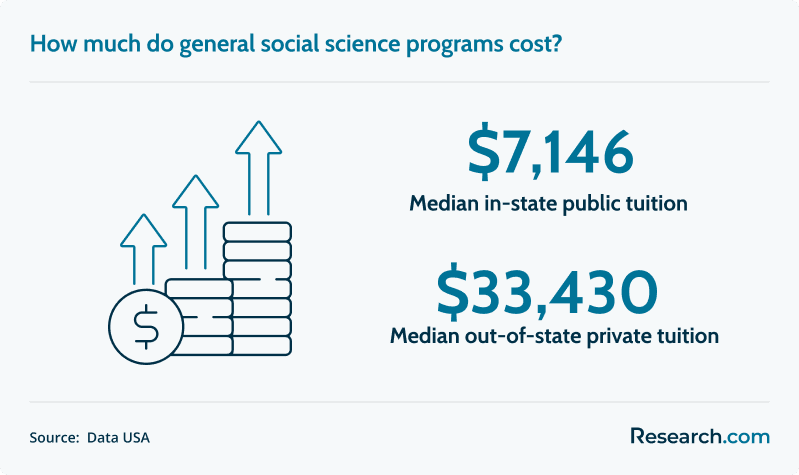
| Social Science | Sociology, Religious Studies, History | 3.19–3.25 | Research methods, data analysis, social theories, religious studies, historical inquiry, case studies, community engagement, field research, simulations, and internships | Social workers, research assistants, policy analysts, human resources specialists, market researchers, community organizers, chaplains, ministers, consultants, and teachers |
| Education | Early Childhood Education, Reading and Literacy | 3.10–3.30 | Pedagogy, curriculum planning, classroom management, educational psychology, portfolios, internships, and student teaching placements | Teachers, subject coordinators, educational consultants, school administrators, corporate trainers, and instructional or subject material coordinators |
What Makes a College Major Feel Easy?
A major feels easier when it matches a student’s interests, background, strengths, and preferred way of learning. A student who enjoys writing may find English straightforward, while another student may prefer accounting because the rules and procedures feel predictable. Ease is personal, but certain program features often make a major more manageable for many students.
The Role of GPA
GPA is one common way people try to compare major difficulty. In general, higher average GPAs can suggest that students are doing well in a field, but GPA alone does not prove that a major is simple. For example, the required GPA for art majors, religion, history, and foreign languages is higher than 3.0. Meanwhile, the required GPA for STEM majors—which are often seen as more difficult—like chemistry, math, and psychology is below 3.0.
A higher GPA may reflect good study habits, strong interest, accessible grading patterns, or assignments that fit student strengths. A lower GPA may reflect more technical content, tighter grading, heavier workloads, or a mismatch between the student and the program.
Other Factors That Influence Difficulty
- Personal fit: Interest, motivation, prior exposure, and natural strengths can make a subject feel easier than it looks from the outside.
- Course complexity: Some majors require fewer advanced math, lab, or technical sequences than many S.T.E.M. fields.
- Learning format: Programs built around projects, writing, presentations, or fieldwork may feel easier for students who dislike high-stakes exams.
- Practical application: Students who learn by doing often do better in majors that connect theory to clients, campaigns, organizations, or real-world problems.
- Workload balance: A bachelor’s degree often feels more manageable when readings, exams, and assignments are spread more evenly across the term.
- Graduation support: Programs with advising, tutoring, flexible requirements, and clear degree maps may be easier to finish on time.
Students comparing different majors in college should also think about whether the program helps them build marketable skills, complete internships, prepare for certifications, or continue on to graduate school. Choosing a major is also part of learning how to set up your career goals with realistic milestones.
In a survey, the majority of college graduates said their degrees were useful in their lives after school. Their bachelor’s degrees helped them grow personally and intellectually (87%), created job opportunities (86%), and improved their skills and knowledge (80%) (APLU, 2024). That is a reminder that degree value should be judged by more than how hard the classes feel.
Is an Easy College Major Worth It?
An easy college major can absolutely be worth it when it helps you graduate, reduces stress, supports your health or work schedule, and still leads to a realistic career or graduate school plan. It becomes less useful when the only reason for choosing it is to avoid effort and you finish college without direction, experience, or job-relevant skills.
| An easy major may be a smart choice if... | You should be cautious if... |
| You are balancing school with work, caregiving, military service, or health needs. | You are choosing it only because it seems to require less studying. |
| The subject matches your strengths and keeps you motivated. | You dislike the actual coursework, even if other students call it manageable. |
| You can add internships, certifications, portfolios, or relevant experience. | The career outcomes are unclear and you do not have a plan to build experience. |
| The program builds transferable skills that work in several industries. | You need a licensed profession and the major does not meet the requirements. |
Could an Accelerated Master’s Program Improve Career Options After an Easy Major?
For some students, yes. A broad or accessible undergraduate major can be a good base for accelerated graduate study if the student wants deeper expertise, leadership preparation, or a more specialized career path. Graduate study can help turn a general degree into a more clearly defined professional profile in business, education, healthcare, technology, or public service.
For example, a program such as a 1 year masters degree may help students earn an advanced credential faster while building stronger networks and more focused knowledge. Before committing, students should compare tuition, accreditation, admissions standards, workload, and whether the degree actually matches their career goals.
What Are the Potential Drawbacks of Pursuing an Easy College Major?
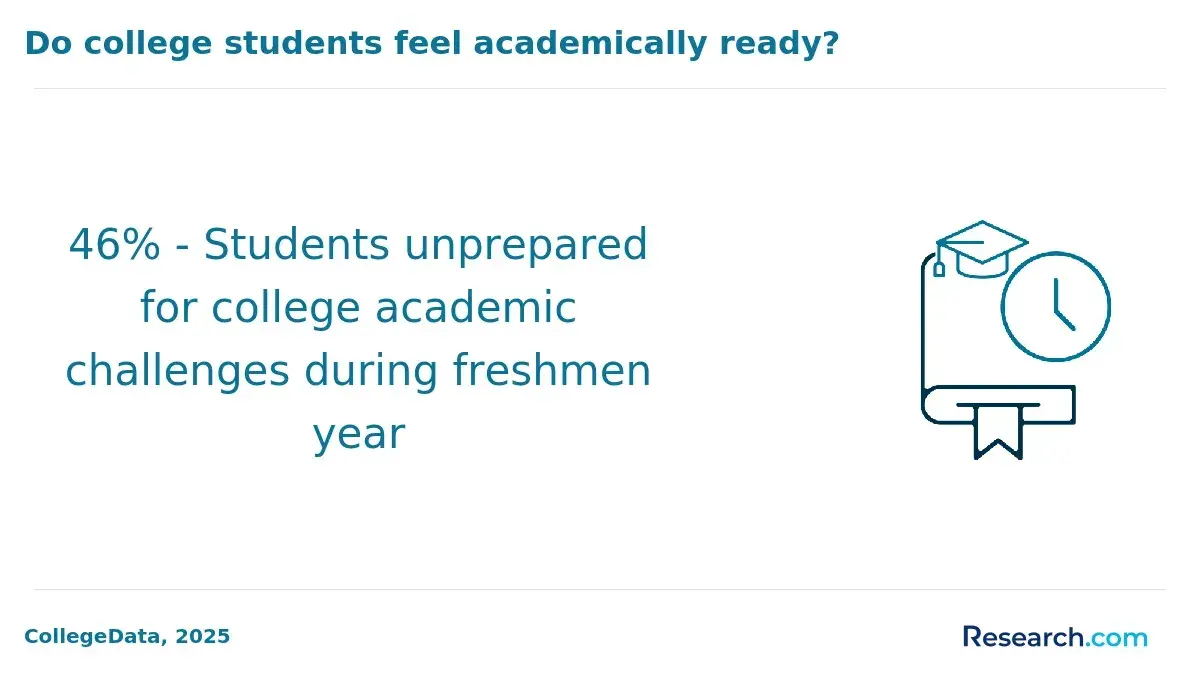
The biggest risk is underpreparation. A degree that is easier to complete may still leave students short on technical depth for competitive jobs unless they add internships, certifications, graduate study, or other experience. Graduates may need support from online programs or targeted training to fill skill gaps.
Another issue is employer perception. Most employers do not reject candidates simply because the major is considered easy, but they do want proof of competence. Students who finish a lighter major without projects, leadership experience, internships, or technical skills may struggle to stand out.
How Do Employers View Graduates With Easy College Majors?
Employers usually care more about what a graduate can do than whether the degree was difficult. They want communication, problem-solving, teamwork, tool fluency, and the ability to learn quickly. Graduates from accessible majors can be competitive when they can show concrete experience and measurable results.
Additional credentials can also help. Certifications, industry training, and master degrees that pay well may signal stronger preparation and help graduates qualify for more advanced roles.
Are Easy College Majors a Cost-Effective Pathway to Career Success?
An easy major can be cost-effective if it helps you graduate on time, avoid unnecessary course changes, and move into a career path you can realistically pursue. But affordability depends on more than difficulty. Total cost, financial aid, transfer credits, program length, and expected earnings all matter.
Students should compare tuition, fees, books, technology, commuting or housing costs, internship requirements, and the likelihood of needing graduate school. Working adults may also want to look at low cost online colleges for working adults to find flexible options that reduce pressure while supporting career growth.
Can Additional Certifications and Training Increase Career Earnings?
Yes. Certifications and specialized training can make an accessible major more valuable by proving job-specific skills. Examples include credentials in project management, analytics, human resources, healthcare administration, digital marketing, accounting software, supply chain operations, or information technology.
These credentials do not guarantee higher pay, but they can improve job competitiveness when they match the role you want. Students aiming for higher-earning careers should study the skills needed for roles connected to 4 year degrees that pay 100k and plan coursework, internships, and certifications accordingly.
How Can Mentorship and Networking Help Students in Easy Majors?
Mentorship and networking can turn a broad major into a focused career path. A mentor can help students spot skill gaps, choose internships, prepare for interviews, understand industry expectations, and avoid spending time on credentials that do not fit their goals.
Students should make use of alumni networks, faculty office hours, career fairs, professional associations, internships, and industry events before graduation. Structured options like accelerated career programs may also combine practical training with advising, projects, and employer connections.
How to Choose a Degree Based on Long-Term Career and Job Market Trends
A major that feels easy now still needs to make sense after graduation. Students should compare academic fit with long-term demand, automation risk, earning potential, advancement opportunities, and the amount of additional training the field usually requires.
- Check industry demand: Business operations, healthcare, technology, data-driven work, and education each offer different types of stability and opportunity. Choose a major that aligns with sectors where your skills are useful.
- Account for AI and automation: Jobs based mostly on repetitive tasks may become more automated. Majors that build judgment, communication, creativity, technical literacy, leadership, or human-centered service may offer better flexibility.
- Use online learning strategically: Online programs can help working students earn credentials while staying employed. Students thinking about graduate study may compare easiest online master’s degree programs when flexibility matters.
- Review salary and job outlook together: A major may be manageable but still lead to competitive or lower-paying roles. Look at typical job titles, advancement paths, and whether graduate school is common.
- Focus on transferable skills: Communication, analysis, adaptability, leadership, writing, and problem-solving help graduates adjust when the labor market changes.
What Is the Long-Term Career Growth Potential for Easy College Majors?
Graduates from accessible majors can build strong careers when they treat the degree as a starting point, not the finish line. Growth usually depends on experience, specialization, leadership, and continuous learning.
| Growth strategy | How it helps | Examples |
| Start with relevant entry-level work | Builds a work history connected to the degree | Marketing assistant, HR coordinator, case manager, logistics coordinator, administrative analyst |
| Add targeted certifications | Shows role-specific competence beyond general coursework | Project management, analytics, accounting, digital marketing, healthcare administration, supply chain credentials |
| Build leadership experience | Supports movement into supervisor, manager, or coordinator roles | Campus leadership, team projects, workplace training, mentorship, professional workshops |
| Grow a professional network | Improves access to referrals, advice, and hidden opportunities | Alumni groups, internships, career fairs, professional associations, faculty connections |
| Track industry change | Helps graduates adapt before skills become outdated | Following employer expectations, software tools, regulation changes, AI use, and hiring trends |
Are Easy College Majors Also the Easiest to Get Into?
Not necessarily. Admission difficulty depends on the school, the department, prerequisite courses, GPA thresholds, portfolios, auditions, clinical placement limits, and applicant demand. A major can be manageable once you are enrolled and still be competitive to enter.
Healthcare programs are a good example. Even programs seen as more accessible may still require specific prerequisites, minimum grades, or limited clinical placement space. Students researching easy PA schools to get into should compare admissions rules closely instead of assuming every pathway works the same way.
How Can Easy Majors Support Further Education and Career Development?
An accessible major can support later growth when students plan ahead. Broad undergraduate degrees may leave room for minors, electives, certificates, internships, or prerequisite courses for graduate study.
Some students also use flexible pathways, such as an accelerated associates degree online, to earn a credential faster, spend less time away from work, or prepare for a bachelor’s program. The important part is making sure credits transfer, the school is accredited, and the credential fits the career path.
Common Mistakes When Choosing an Easy College Major
- Picking a major because of its reputation: Do not rely on what other students say. Review the actual degree plan, prerequisites, and graduation requirements.
- Skipping accreditation checks: Accreditation can affect credit transfer, graduate school eligibility, employer recognition, and financial aid access.
- Looking only at tuition: Real cost includes fees, books, technology, transportation, housing, and extra semesters if credits do not transfer.
- Assuming online means easier: Online programs may be flexible, but they often require strong time management and steady self-discipline.
- Ignoring licensure rules: Nursing, teaching, counseling, accounting, and healthcare fields may require exams, supervised hours, or state approval.
- Leaving out internships: A lighter major without experience can be harder to sell to employers than a harder major with practical training.
- Trusting rankings alone: Rankings can help, but fit, cost, transfer policy, and career support matter more for most students.
- Assuming salary is guaranteed: Earnings depend on location, experience, industry, employer, credentials, and performance.
Questions to Ask Before Choosing an Easy Major
- Which courses are required, and do they fit my strengths?
- What entry-level jobs do graduates usually pursue?
- Will I need graduate school, certification, licensure, or supervised experience?
- Does the program include internships, projects, clinical work, portfolios, or career preparation?
- How many credits will transfer if I change schools later?
- Is the school accredited, and is the program recognized for my target career?
- What support is available for advising, tutoring, career placement, and online learning?
- What is the total cost after aid, fees, materials, and time to completion?
- Will this major help me build skills that still matter if the job market changes?
What Factors Should You Consider When Choosing an Easy College Major?
Choosing a manageable major can be a smart move, but it should still support your larger goals. The strongest option balances interest, ability, affordability, career outcomes, and future flexibility.
- Career opportunities and earning potential: Research realistic job titles, salary ranges, hiring demand, and advancement paths before you commit. Some accessible majors lead to stable careers, while others require extra credentials.
- Future education options: A simpler undergraduate path may be useful if it prepares you for graduate school, licensure, or specialized training. Students who want a faster first credential may consider an associate degree in 6 months online before committing to a longer track.
- Personal interests and strengths: Even an “easy” major still involves reading, deadlines, tests, and projects. Pick something you can stay engaged with for several years.
- Program format: Compare online, hybrid, and campus options based on your schedule, learning style, need for interaction, and access to internships or labs.
- Skill growth: Look for programs that build writing, analysis, communication, digital literacy, leadership, and problem-solving—not just credits.
Key Insights
- The easiest major is the one that fits you. Difficulty is not universal. Writing load, math requirements, labs, and personal interest all affect how hard a major feels.
- Accessible majors can still be valuable. Business administration, marketing, healthcare administration, psychology, logistics, and similar fields can lead to useful careers when paired with experience.
- Career planning matters more than reputation. Before choosing a major, identify the jobs you want, the credentials they require, and the experience you will need.
- Transferable skills drive long-term value. Communication, problem-solving, teamwork, adaptability, and leadership help graduates stay employable as job demands change.
- Licensure and accreditation still matter. Fields such as nursing, teaching, counseling, accounting, and healthcare may require specific approvals or supervised training.
- Cost-effectiveness depends on outcomes. A manageable major is only a smart financial choice if it helps you finish, transfer credits properly, and move into a realistic career path.
References:
- CollegeData. (2025). Transition to College: 13 thihngs students say about it. https://www.collegedata.com/resources/transition-to-college/transition-to-college-survey-results
- PayScale. (2024, March 6). Bachelor of business administration (BBA) degree. https://www.payscale.com/research/US/Degree=Bachelor_of_Business_Administration_(BBA)/Salary
- U.S. Bureau of Labor Statistics. (2025). Economists. Occupational Outlook Handbook. https://www.bls.gov/ooh/life-physical-and-social-science/economists.htm
- U.S. Bureau of Labor Statistics. (2025). Market research analysts. Occupational Outlook Handbook. https://www.bls.gov/ooh/business-and-financial/market-research-analysts.htm
- Zippia. (2025). Psychologist demographics and statistics in the US. https://www.zippia.com/psychologist-jobs/demographics
Other Things You Should Know About the Easiest College Majors
Students opting for the easiest majors in 2027 may face challenges such as limited career options, lower starting salaries, and increased competition among graduates. Additionally, these majors might not align with rapidly evolving job market demands, which could impact job security over time.
To maintain enrollment in the easiest college majors in 2027, a minimum GPA of 2.0 is often required. This can vary between institutions, so checking the specific requirements of your college's program is essential for continued eligibility.
Many of the easiest college majors in 2027 do not typically require internships as part of their curriculum, allowing students to focus on coursework. However, some majors may offer optional internships to boost experience and employability post-graduation.


