
2027 Training Survey Evaluation Questions: Types & Examples

Co-Founder and Chief Data Scientist
Post-training surveys answer a question that completion data cannot: did the training help participants learn something useful, and are they ready to use it? A learner can finish a course, attend every session, or pass through an LMS module without feeling confident, understanding the material, or seeing how the training applies to their work.
That is why structured training evaluation questions matter. They give trainers, HR teams, learning and development leaders, education providers, and managers a practical way to identify what worked, what confused learners, and what should change before the next cohort. Strong surveys also help organizations move beyond attendance tracking and toward evidence-based learning improvement.
This guide explains how to design better post-training surveys for 2026: what to measure, which question formats to use, how to avoid biased wording, how to analyze responses, and how to connect feedback to performance, workforce development, career planning, and continuing education decisions.
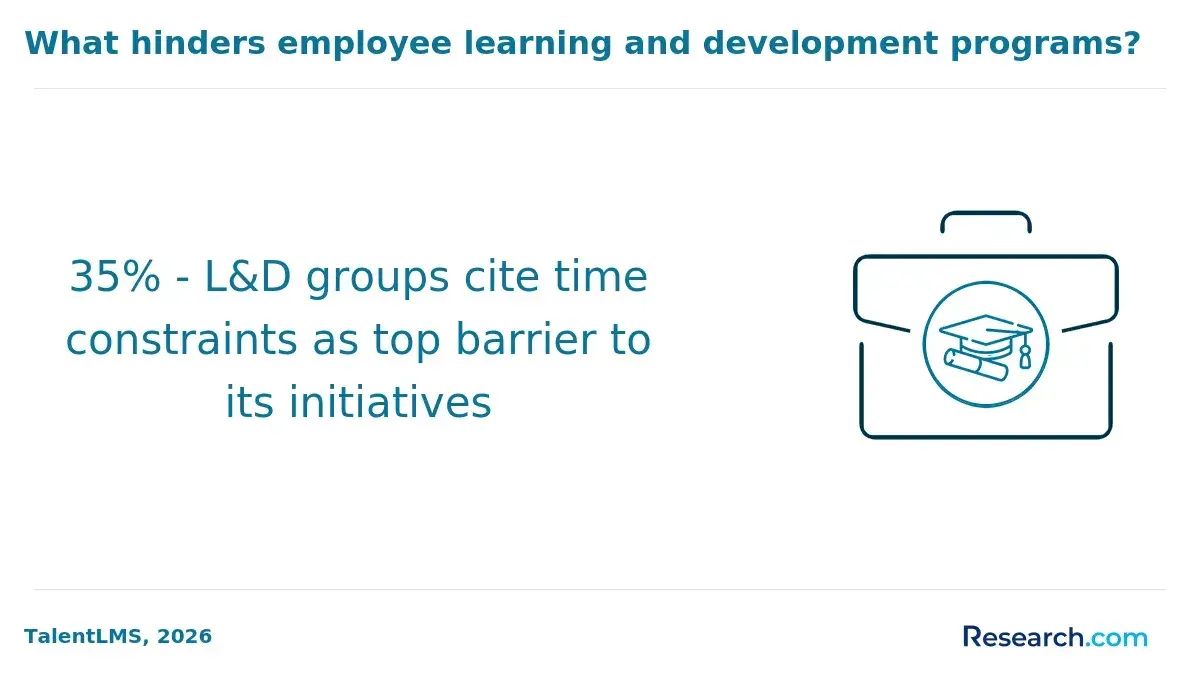
Training industry statistics show why this matters: training requires time, budget, and learner attention, so organizations need credible feedback on whether programs are relevant, usable, and aligned with real learner and business needs.
Quick Answer: What Should a Post-Training Survey Measure?
A useful post-training survey should measure five core areas: satisfaction with the learning experience, relevance of the content, clarity and effectiveness of the instructor or delivery method, confidence in applying the skills, and obstacles that could prevent learners from using what they learned. The most actionable surveys combine structured rating questions with short open-ended questions that explain the reasons behind the scores.
| Survey Area | What It Reveals | Sample Question |
| Relevance | Whether the training matched the learner’s role, goals, or skill gaps | How closely did this training connect to your current work or learning objectives? |
| Clarity | Whether the objectives, instructions, examples, and expectations were understandable | How clear were the training goals and learning activities? |
| Engagement | Whether the structure, activities, and delivery format held participants’ attention | Which part of the training helped you stay most engaged? |
| Application | Whether learners feel prepared to use the new knowledge or skill | How confident are you that you can apply what you learned in a real situation? |
| Improvement | What should be revised, removed, added, or reinforced | What one change would make this training more useful for future participants? |
Post-Training Survey Questions Table of Contents
- Why Post-Training Surveys Matter
- How to Evaluate Learning Programs with Survey Feedback
- Types of Post-Training Survey Questions
- Types of Survey Answers
- Post-Training Survey Question Examples
- Connecting Training Feedback to Career Growth and Question Examples
- How to Write Better Post-Training Survey Questions
- Common Challenges in Post-Training Surveys
- How Survey Data Can Improve Training ROI
- Data Privacy and Confidentiality in Training Surveys and ROI Measurement
- Advanced Analytics for Training Survey Insights
- How Technology Can Improve Training Surveys
- How to Improve Validity and Reliability
- Why Benchmarking Survey Outcomes Helps
- How to Reduce Survey Bias
- How to Improve Training Based on Feedback
- Long-Term Value of Post-Training Surveys
- Career Opportunities After Completing a Training Program and Long-Term Outcomes
Participant feedback is one of the fastest ways to detect whether a course is understandable, practical, and worth repeating. A well-timed survey can show whether learners understood the content, whether the instructor explained concepts effectively, whether the format supported learning, and whether the course addressed the skills participants actually need.
This is especially important when organizations are trying to close skill gaps. With 42% of companies reporting a workforce skills gap, post-training surveys can help learning teams see where employees still need support, which groups may need additional practice, and whether training is helping people build job-ready capabilities.
Employee Sentiments About Their Skills

Significance of Post-Training Surveys
The purpose of training is not simply to deliver information. Effective training should help people understand concepts, practice skills, make better decisions, and transfer what they learned to a job, classroom, credentialing process, or professional setting. A post-training survey helps determine whether that transfer is likely to happen.
When designed well, survey feedback can identify the parts of a course that were clear, engaging, and useful. It can also reveal gaps: a module that moved too quickly, an example that did not match the learner’s role, a tool that was difficult to use, or a skill that needs more guided practice.
Post-training surveys also support adult learning strategies. Adult learners usually want practical, relevant instruction that respects their experience and connects to their goals. Asking about relevance, pacing, examples, autonomy, and application gives trainers evidence they can use to make learning more useful.
Feedback also changes the relationship between the learner and the training provider. Instead of treating participants as passive recipients, surveys invite them to help improve future sessions. That can strengthen trust, especially when organizations show that comments lead to visible course changes.
How to Evaluate Learning Programs with Post-Training Surveys
A post-training survey should begin with an evaluation goal. Before writing any questions, decide what the survey must help you understand. Are you measuring learner satisfaction, knowledge gain, skill confidence, behavior change, business impact, or a combination of these outcomes?
Instructional design frameworks can help organize the evaluation. Trainers using andragogy may focus on whether the course was self-directed, relevant, and applicable. Teams using the ADDIE model can use survey findings during the evaluation phase to improve future analysis, design, development, implementation, and revision decisions.
Evaluation models are useful because they prevent surveys from becoming a random list of satisfaction questions. They help teams connect feedback to learning, behavior, and organizational results.
| Evaluation Model | Main Focus | When It Is Most Useful |
| Kirkpatrick's Model of Training Evaluation | Four evaluation levels: reaction, learning, behavior, and results | When you need to understand both learner experience and whether training influences workplace performance |
| Scriven's Key Evaluation Checklist | Preliminaries, foundations, sub-evaluations, and final conclusions | When a program needs a structured review from planning through judgment |
| Phillips's Evaluation Model | A seven-stage process covering pre-program data, post-training data, isolating program effects, converting outcomes to monetary value, tabulating instruction costs, calculating ROI, and identifying tangible benefits | When leaders want to connect training outcomes with financial value and return on investment |
| Brinkerhoff's Success Case Method and CIRO Model | Success cases, business needs, training design, learner reactions, and outcomes | When you want to identify what succeeded, what failed, and what evidence supports each conclusion |
What are the types of post-training survey questions?
Most effective post-training surveys use both closed-ended and open-ended questions. Closed-ended questions are easier to summarize, compare, and visualize. Open-ended questions take more work to analyze, but they explain why learners chose certain ratings and what changes they recommend.
- Multiple choice: Learners choose one or more options from a defined list. This format works well for identifying preferred learning formats, common obstacles, useful resources, or needed follow-up topics.
- Ranking: Participants place options in order of importance, usefulness, or difficulty. Ranking is helpful when you need to decide which modules, tools, or activities mattered most.
- Rating scale: Respondents assign a numerical or descriptive score to an item, such as overall quality, instructor effectiveness, or usefulness of materials.
- Likert scale: Learners indicate how strongly they agree or disagree with a statement, often on a five- or seven-point scale. This format is useful for measuring confidence, satisfaction, clarity, and relevance.
- Dichotomous: Participants choose between two answers, usually yes or no. These questions are easy to answer, but they should be used sparingly because they do not capture degrees of opinion.
- Semantic differential: Respondents evaluate a topic using opposite descriptors, such as practical/impractical or engaging/not engaging. This format can help measure attitudes toward a course, tool, instructor, or learning method.
| Question Type | Best Use | Main Limitation |
| Multiple choice | Sorting answers into clear, comparable categories | Responses may not capture ideas outside the listed choices |
| Likert scale | Measuring agreement, confidence, satisfaction, or perceived clarity | Scores can appear precise even when learners interpret the scale differently |
| Rating scale | Comparing courses, modules, instructors, or delivery formats | Participants may use rating numbers in inconsistent ways |
| Open-ended | Collecting explanations, examples, concerns, and improvement ideas | Comments require coding, review, and interpretation |
| Ranking | Identifying priorities among several course elements | Too many ranked items can frustrate respondents and weaken data quality |
Types of Survey Answers
The answer format determines what kind of analysis is possible. A survey that asks only yes-or-no questions will not provide the same insight as one that includes scaled responses, categories, and comments. Choose the response type based on the decision you need to make.
- Categorical: These responses sort people or answers into named groups, such as department, job role, training cohort, delivery format, or experience level.
- Ordinal: These answers show sequence or order. For example, learners may rank course modules from most useful to least useful.
- Numerical: These responses use numbers, such as years of experience, number of completed lessons, assessment scores, or satisfaction ratings.
Post-Training Survey Questions Examples
Good survey questions should point to a possible action. “Did you like the training?” may produce a quick reaction, but it does not tell a trainer what to revise. Stronger questions ask about the course elements that can actually be changed: content, pacing, examples, instructor support, technology, practice opportunities, and follow-up needs.
Single-Choice and Multiple-Choice Question Examples
Which training format supported your learning most effectively?
- Video
- Audio
- Graphics
- Text
Which format should be added, expanded, or improved in a future version of the course?
- Video
- Audio
- Graphics
- Text
If this was a self-paced course, when did you most often complete the lessons?
- Morning
- Afternoon
- Evening
- Late night
- Early morning
Post-Training Likert Scale Question Examples
- The course topics connected clearly to my job, studies, or professional goals.
- The instructor showed strong command of the subject matter.
- The learning environment, technology, or facilities supported the course objectives.
Post-Training Rating Question Examples
- How would you rate the overall quality of the training?
- How useful was the module content for your needs?
- How engaging was the training delivery?
Post-Training Closed-Ended Question Examples
- Were the training objectives clear before the course started?
- Did the course title and description accurately describe the training?
- Would additional quizzes, practice exercises, or assessments make the training more effective?
Post-Training Open-Ended Question Examples
- Which part of the training created the most value for you, and why?
- What should be revised before this training is offered again?
- What topic, resource, tool, or activity should be added to a future version of this module?
Connecting Training Feedback to Career Growth
Training evaluation should not end with satisfaction scores. Many participants care most about whether the program helps them perform better, qualify for a role, prepare for a certification, earn a promotion, or plan a career change.
Post-training surveys can ask whether the course supports a learner’s career goals, reflects employer expectations, or reveals a need for more advanced education. For example, someone completing leadership, operations, or management training may also want to compare formal options such as an affordable online master's degree in business administration if they are building a longer-term advancement plan.
This connection should be handled carefully. The goal is not to turn every training survey into a program promotion tool. Instead, feedback can help organizations understand whether learners need coaching, mentoring, certification preparation, additional practice, or a more formal education pathway.
Tips for Writing Post-Training Survey Questions
Start by defining the survey’s purpose. A short survey designed to improve a workshop should not look the same as a survey used to evaluate long-term skill transfer, return on investment, or job performance. The purpose determines which questions belong and which should be removed.
Use this checklist before drafting the survey:
- Define the decision the survey should support.
- Write a brief explanation of why participants are being asked to respond.
- Arrange the survey objectives in a logical sequence.
- Identify the exact audience that should complete the survey.
- Balance the value of each question against the time it adds for respondents.
- Use a consistent administration process across cohorts when comparisons matter.
- Keep similar response formats consistent if you plan to compare results.
- Consider social, cultural, workplace, and economic context when writing items.
Once the purpose is clear, write questions that are simple to answer and easy to interpret.
- Connect each question to a decision you are willing to make.
- Use specific wording instead of broad or abstract phrasing.
- State the time period clearly when timing affects the response.
- Choose plain language that respondents will recognize.
- Use complete sentences for clarity.
- Avoid abbreviations unless all participants will understand them.
- Remove slang, casual expressions, and ambiguous terms.
- Use technical vocabulary only when it is necessary and familiar to the audience.
- Ask subject-matter experts and sample respondents to review the survey before launch.
- Reuse proven questions from previous effective surveys when they still fit the goal.
- Keep questions concise without making them too vague.
- Avoid wording that signals the “right” answer.
- Do not ask two things in the same question.
- Limit negative phrasing because it can cause misread answers.
What are common challenges in implementing post-training surveys?
Post-training surveys often fail for predictable reasons: low participation, rushed responses, confusing wording, leading questions, weak confidentiality practices, and lack of follow-through. When learners believe their comments will disappear into a report no one reads, response quality drops.
Organizations can improve results by explaining why feedback matters, keeping the survey short, testing questions before launch, using validated items where possible, and showing learners what changed because of their input. Teams that need deeper evaluation and research skills may also benefit from exploring advanced academic routes such as part time PhD options, especially when training evaluation involves research design, analytics, or organizational learning strategy.
How can post-training survey data drive a higher return on training investments?
Survey feedback can support ROI analysis when it is connected to performance goals. A low clarity score is useful, but it becomes more meaningful when managers also report continued errors in the same process or when assessment results show the same knowledge gap.
Feedback can also prevent wasted effort. If a course is too long, not role-specific, overly theoretical, or missing practice opportunities, survey data can help leaders revise the training before more time and money are spent. For employees who need broader business capability, survey findings may also reveal interest in formal education planning, including research into online business management degree cost.
What measures ensure data privacy and confidentiality in post-training surveys?
Learners are more likely to answer honestly when they know who will see their responses, how the data will be used, and whether their identity will be protected. Privacy should be planned before the survey opens, not after comments have already been collected.
Organizations should use secure survey platforms, restrict access to raw data, anonymize responses when possible, and explain confidentiality terms in plain language. If managers, instructors, or executives will review the results, participants should know whether responses will be shared individually or only in aggregate. Training leaders who manage ethics, governance, and development programs may also compare advanced options such as a most affordable MBA online when planning their own growth.
How are advanced analytics shaping post-training survey insights?
Advanced analytics can make survey results easier to interpret at scale. Text analysis can group repeated themes in open-ended comments, while dashboards can compare feedback by department, course version, learner role, instructor, location, or delivery format.
These tools are only as useful as the questions behind them. Analytics cannot correct vague survey items, biased wording, poor response options, or missing context. For professionals interested in research-based business decisions, advanced education such as affordable online DBA degree programs may be relevant when evaluation, strategy, and organizational improvement are central to their role.
How can technology improve training survey effectiveness?
Technology can improve the speed and consistency of post-training surveys, but it should not replace thoughtful evaluation design. A sophisticated survey platform will not produce useful insights if the questions are unclear or disconnected from training goals.
- Automated data collection: Digital survey tools can send forms immediately after training, schedule reminders, and reduce manual entry errors.
- Real-time analytics: Dashboards can help trainers detect satisfaction problems, confusing modules, or technical issues while a program is still underway.
- Personalized feedback paths: Branching logic can show different questions based on role, experience level, course type, or assessment performance.
- Mobile accessibility: Mobile-friendly forms make it easier for learners to respond while the experience is still fresh.
- Gamification: Progress indicators, completion prompts, or small recognition features may encourage responses when used appropriately.
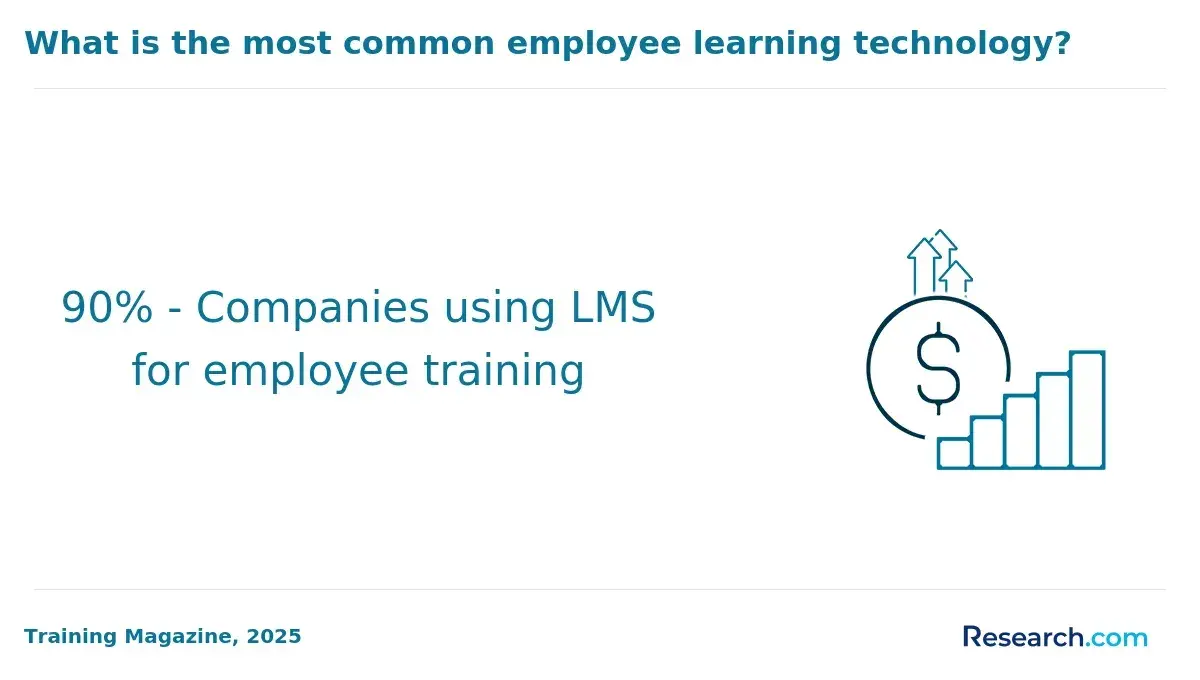
- Learning management system integration: LMS-connected surveys can be reviewed alongside completion records, quiz scores, participation data, and engagement metrics.
How can the validity and reliability of post-training survey insights be ensured?
Validity means the survey is measuring what it claims to measure. Reliability means the results are consistent enough to trust. Both matter if the findings will influence course design, instructor evaluation, budget decisions, or workforce development strategy.
To improve validity and reliability, align every item with a training objective, test the survey with a small group, remove unclear wording, and compare survey findings with other evidence such as assessments, completion rates, job performance data, manager observations, or follow-up interviews. Professionals who want a faster path to broader business skills can also compare best accelerated business degree online programs when training feedback points toward formal upskilling.
What are the benefits of benchmarking training survey outcomes?
Benchmarking gives survey results context. A confidence rating, satisfaction score, or relevance score becomes more meaningful when it is compared with earlier cohorts, similar courses, department averages, or internal standards.
Benchmarking also helps teams see whether improvements last. If a redesigned module improves clarity scores for one group but not the next, trainers should investigate differences in delivery, learner background, timing, or support. In areas where compliance, leadership, and legal knowledge matter, survey trends may also point some learners toward specialized study such as a master's degree in business law.
How can survey bias be minimized to ensure reliable training feedback?
Survey bias happens when wording, timing, response options, or administration methods push participants toward inaccurate or incomplete answers. If leaders plan to make decisions from the data, reducing bias is essential.
Use neutral wording, avoid leading questions, randomize selected response options when appropriate, separate instructor ratings from self-assessment questions, and allow anonymous responses when possible. Avoid asking learners to judge too many things at once. For career-focused learners, unbiased feedback can also clarify whether further education, specialization, or options such as the highest paying MBA program concentrations are worth exploring.
How to Improve Your Training Based on Survey Feedback
Collecting responses is not the end of the evaluation process. The real value comes from turning patterns in the data into better instruction, clearer materials, stronger practice opportunities, and more useful learner support.
- Organize the results: Sort responses by course, instructor, learner group, delivery format, question type, and date so patterns are easier to identify.
- Look for repeated signals: Prioritize themes that appear across many responses instead of reacting too strongly to one unusual comment.
- Rank changes by learning impact: Address problems that interfere with learning first, such as unclear instructions, missing demonstrations, irrelevant examples, or lack of practice.
- Update the course content: Add explanations, examples, activities, assessments, or job aids where learners reported confusion or low confidence.
- Reconsider the delivery format: If participants struggled with a lecture-heavy approach, add demonstrations, simulations, discussions, practice tasks, or self-paced elements. Learners who need flexible formats may also compare accredited self-paced online colleges.
- Tell stakeholders what changed: Share how feedback was used. This builds trust and can improve future response rates.
- Measure the revision: Use follow-up surveys, assessments, workplace indicators, or manager feedback to see whether the change improved outcomes.
Common Mistakes to Avoid
| Mistake | Why It Weakens the Survey | Better Approach |
| Including too many questions | Learners may rush, skip items, or abandon the survey | Ask only what you need to make specific decisions |
| Using broad or vague wording | Responses become difficult to interpret or act on | Ask about specific lessons, tools, activities, examples, or outcomes |
| Measuring only satisfaction | A course can be enjoyable without improving skills or performance | Include questions about learning, confidence, relevance, and application |
| Ignoring written comments | Numerical scores may hide the reason behind a rating | Use a small number of targeted open-ended questions and review them systematically |
| Collecting feedback without acting on it | Participants may stop giving thoughtful responses if nothing changes | Use findings to make visible improvements and communicate those changes |
Long-Term Impact of Post-Training Surveys
Post-training surveys are most powerful when they are part of an ongoing evaluation system. Over time, feedback can show whether training quality is improving, whether learners are building priority skills, and whether learning investments support broader workforce goals.
- Continuous improvement of training programs: Repeated survey data can reveal patterns in content quality, pacing, delivery, support, and assessment design.
- Stronger employee performance: Feedback can show whether learners feel ready to apply new skills and where they may need coaching, practice, or reinforcement.
- Higher engagement with learning: When employees see that feedback leads to real changes, training is more likely to be viewed as useful rather than simply required.
- Clearer career development pathways: Survey responses can help connect training to promotions, internal mobility, certifications, mentoring, or additional education.
- More credible ROI discussions: Feedback combined with performance evidence helps leaders decide which programs should be expanded, redesigned, or discontinued.
For learners using training as part of a larger career plan, it may also be useful to compare broader education routes, including online degrees that pay well.
What are the Career Opportunities Available to Trainees After Completing a Training Program?
The career value of a training program depends on the industry, employer expectations, the learner’s prior experience, and whether the program develops skills that can be demonstrated. Some training helps employees perform better right away. Other programs prepare learners for new roles, credentials, internal advancement, or degree pathways.
Post-training surveys can ask which career goals the training supports, what roles participants are considering, and whether they need additional guidance. Learners comparing education options and earning potential may also explore best majors to make money as part of a broader career decision.
Analyzing Training Evaluation Data
Many organizations wait until a session ends to analyze feedback, but surveys can also be used during training. Mid-course feedback is valuable when there is still time to adjust pacing, clarify difficult topics, fix technology problems, or add support.
Begin the analysis with three practical questions: Did the training meet participant expectations? If not, where did it fall short? If it did, which course elements created the most value? The answers can guide content updates, instructor coaching, learner support, follow-up practice, or program redesign.
Survey results become stronger when compared with workplace evidence. For example, performance evaluation comments may show whether employees are applying training concepts after the course. When surveys and performance feedback point to the same issue, the case for improving the training is stronger.
Questions to Ask Before Launching a Post-Training Survey
- What decision should this survey help us make?
- Which training objective does each question measure?
- Can participants answer honestly without fear of negative consequences?
- Is the survey short enough for thoughtful responses?
- Does the survey cover satisfaction, learning, application, and improvement?
- How will open-ended responses be reviewed, coded, and summarized?
- Who will receive the results, and will they see individual or aggregate data?
- What changes are we prepared to make if the feedback identifies a problem?
References
- Bell, B. S., Tannenbaum, S. I., Ford, J. K., Noe, R. A., & Kraiger, K. (2017). 100 years of training and development research: What we know and where we should go. Journal of Applied Psychology, 102(3), 305-323. https://doi.org/10.1037/apl0000142
- Vora, ,A. (n.d.). How Do I Write Great Survey Questions? HubSpot Blog.
- Deller, J. (2020, April 29). Post-training survey questions: Examples and types. Kodo Survey.
- Fink, A. (2002). How to Ask Survey Questions (2nd ed.). Thousand Oaks, CA: Sage. Google Books
- Jovancic, N. (2020, March 26). 27 training survey questions to help obtain valuable feedback. LeadQuizzes.
- Mercer. (2026). Global Talent Trends 2026: Driving exponential performance. Mercer.
- Osgood, C. E., May, W. H., & Miron, M. S. (1975). Cross-Cultural Universals of Affective Meaning. Champaign, IL: University of Illinois Press. Google Books.
- Siegle, D. (2016, September 2). Types of survey questions. Educational Research Basics by Del Siegle.
- Training Magazine. (2025, November 10). 2025 Training Industry Report. Training Magazine.
- TalentLMS. (2026). 2026 Annual L&D Benchmark Report. TalentLMS.
Key Insights
- Post-training surveys should support action: The best questions help trainers decide what to keep, revise, remove, reinforce, or measure next.
- Measure more than enjoyment: Satisfaction is useful, but it should be paired with questions about relevance, clarity, confidence, application, and barriers to transfer.
- Use mixed question formats: Rating and Likert items make trends easier to compare, while open-ended questions explain what the numbers mean.
- Protect data quality: Neutral wording, pilot testing, anonymity when appropriate, and clear response options reduce bias and improve trust in the results.
- Connect feedback to performance evidence: Survey findings are more credible when compared with assessments, manager observations, completion data, job outcomes, or follow-up evaluations.
- Close the loop with learners: Participants are more likely to provide thoughtful feedback when they see that their comments lead to visible improvements.
Other Things You Should Know About Training Surveys
Post-training surveys are essential for assessing the effectiveness of training programs. They provide insights into whether the training objectives were met and identify areas for improvement, ensuring that future training sessions are more effective and aligned with participants' needs.
Effective post-training surveys should include a mix of multiple-choice, ranking, rating scale, Likert scale, dichotomous, and semantic differential questions. This variety helps capture comprehensive feedback from participants.
Common response types in surveys include multiple-choice, Likert scale, open-ended, and ranking responses. For 2027 training survey evaluation questions, these response types help in collecting detailed feedback on participant satisfaction, understanding, and areas for improvement, allowing organizations to effectively analyze and enhance the training programs.
In 2027, organizations can evaluate learning programs by utilizing post-training surveys that focus on the clarity of content, instructor effectiveness, and application of skills. Additionally, integrating measurable objectives and feedback mechanisms allows for continuous improvement and customization to fit evolving learner needs, ensuring alignment with organizational goals.
When writing survey questions, ensure they are clear, purposeful, concrete, and use conventional language. Avoid abbreviations, slang, and complex jargon. It's also helpful to review questions with experts and potential respondents to ensure clarity and relevance.
Survey data can be used to identify strengths and weaknesses in training programs. By analyzing feedback, organizations can make informed decisions to improve content, delivery methods, and overall program effectiveness. Continuous evaluation and adjustment based on survey data help in achieving better training outcomes.
Conducting surveys both before and after training programs allows organizations to measure changes in participants' knowledge, skills, and attitudes. Pre-training surveys help assess initial competencies and expectations, while post-training surveys evaluate effectiveness and satisfaction, providing a comprehensive view of training impact.


