
2027 Is Management Information Systems a Good Major?

Co-Founder and Chief Data Scientist
The World Bank reports that a student with tertiary education earns twice as much as a student with just a high school diploma over a lifetime. What more if a student chooses a major that pays well? As a career planning advisor with over a decade of experience, I can say that asking whether a particular major is good is important because it helps individuals make informed decisions about their education and future career paths.
In this article, my team at Research.com collated the essential data to discuss the career pathways for management information systems majors. We will also identify the benefits, job prospects, and earning potential of MIS majors, and give you all the information you need about MIS programs.
Benefits of pursuing a management information systems major
- You can work in various roles and capacities in various industries and work settings when you graduate with an MIS major, such as information technology manager, business analyst, and database administrator.
- MIS graduates continue to be in high demand, with employment for management information systems professionals in the United States projected to grow 15% by 2032 (U.S. Bureau of Labor Statistics, 2025).
- You can earn up to an average of $131,000 per year as an MIS professional.
What can I expect from a management information systems degree program?
A management information systems degree program equips you with a powerful skillset that bridges the business and technology worlds. You can expect to gain a solid foundation in business principles like accounting and marketing, alongside a deep dive into the technical aspects of information systems. Throughout the program, you can expect to hone your analytical and problem-solving skills, learning to extract insights from data and design effective information system solutions. Effective communication and teamwork will also be emphasized, as you'll bridge the gap between technical teams and business users. Expect to graduate with a versatile skillset that allows you to navigate the ever-changing information technology landscape and excel in various industries, from healthcare to finance. You will be prepared to help organizations leverage information for strategic decision-making, driving improved efficiency and performance.
Where can I work with a management information systems degree?
The versatility of MIS professionals stems from the fact that they possess a unique combination of technical and business skills, which can be applied across a wide range of industries and job roles. MIS professionals can work as IT managers, business analysts, database administrators, cybersecurity analysts, or data analysts. What can you do with an information systems management degree largely depends on your personal career goals.
How much can I make with a management information systems degree?
How much you earn with an MIS degree depends on several factors, including industry, experience, specialization, and location. However, the median salary for MIS professionals was about $92,000 as of 2025, based on updated estimates from PayScale.
- What is management information systems? What is management information systems?
- What are the career paths for graduates with a management information systems degree? Career Paths
- What skills do I need to succeed in a management information systems program? Skills
- What is the job and salary outlook for a management information systems graduate? Job & Salary Outlook
- How much does it cost to get a management information systems degree? Program Cost
- What courses are typically included in a management information systems program? What courses are typically included in a management information systems program?
- What factors should I consider when choosing a management information systems program? What factors should I consider when choosing a management information systems program?
- Can I get a management information systems degree online? Can I get a management information systems degree online?
- What are the best certifications for management information systems majors? Certifications
- Is management information systems a good major? Is management information systems a good major?
- Why is accreditation important for a quality MIS program? Why is accreditation important for a quality MIS program?
- What are some alternative majors to management information systems? What are some alternative majors to management information systems?
- How does MIS differ from related fields like computer science or data analytics? How does MIS differ from related fields like computer science or data analytics?
- Should I pursue an advanced degree to accelerate my MIS career? Should I pursue an advanced degree to accelerate my MIS career?
- How can hands-on experience accelerate your MIS career? How can hands-on experience accelerate your MIS career?
- How does data science complement your MIS career? How does data science complement your MIS career?
- How does cybersecurity integrate with your MIS career? How does cybersecurity integrate with your MIS career?
- How to Stay Current in the Field of Management Information Systems How to Stay Current in the Field of Management Information Systems
- How can artificial intelligence drive innovative MIS solutions? How can artificial intelligence drive innovative MIS solutions?
- How can interdisciplinary expertise boost your MIS career outcomes? How can interdisciplinary expertise boost your MIS career outcomes?
- How do legal and ethical challenges influence your MIS career? How do legal and ethical challenges influence your MIS career?
Is a Management Information Systems Degree the Right Choice for You?
A management information systems degree sits between business and technology. It is designed for students who want to understand how organizations use data, software, networks, cloud platforms, cybersecurity tools, and analytics systems to make better decisions. If you are interested in technology but do not want a degree focused only on coding or hardware, MIS can be a practical path into business analysis, IT management, data analysis, consulting, project coordination, and systems roles.
This guide explains what MIS is, how it compares with computer science, information technology, computer information systems, and data analytics, what jobs graduates commonly pursue, how much the degree can cost, and how to decide whether the return on investment makes sense for your goals. It also covers online MIS degrees, accreditation, certifications, skills, common mistakes, and current trends such as AI, cybersecurity, data governance, and digital transformation.
Quick Answer: Is Management Information Systems a Good Major?
Management information systems can be a strong major for students who want a career that combines technology, business strategy, data, and problem-solving. It is especially useful for students who want to translate technical systems into practical business improvements rather than focus only on software engineering. Career outcomes vary by school, location, experience, internships, and job title, but MIS graduates can pursue roles in business analysis, IT management, database administration, data analysis, project management, cybersecurity, consulting, and systems implementation.
The field also has a favorable labor-market backdrop. The U.S. Bureau of Labor Statistics projects computer and information technology occupations to grow much faster than the average for all occupations through 2033. PayScale estimates that professionals with a Management Information Systems background earn a median annual salary of around $90,000, with typical earnings ranging from approximately $60,000 to over $140,000 per year. These figures should be treated as broad benchmarks, not guaranteed outcomes.
Graduate Perspectives on Earning an Online MIS Degree
- : "My online Management Information Systems program helped me build practical skills in database management, systems analysis, and problem-solving. Because the format was flexible, I could keep working full time while completing my degree and preparing for a stronger role in technology-driven business operations. — Pamela"
- : "The most useful part of studying MIS online was applying business analytics and IT strategy through case studies, group work, and digital collaboration tools. Working with classmates and instructors in a virtual environment made the program feel connected, not isolated. — Doyle"
- : "Choosing an online MIS degree gave me room to balance school, work, and family while studying cybersecurity, data visualization, and enterprise resource planning. The program strengthened both my technical confidence and my understanding of how technology supports business decisions. — Erin"
Key Findings
- MIS is not the same as computer science. MIS focuses on using technology to solve organizational problems, while computer science is more deeply centered on programming, algorithms, systems design, and computing theory.
- The degree is business-facing. Students usually study databases, analytics, systems analysis, project management, business communication, accounting, finance, marketing, and operations.
- Career options are broad. Common paths include business analyst, IT manager, database administrator, data analyst, systems analyst, consultant, project manager, and information security-related roles.
- Salary potential depends heavily on the role. PayScale reports a median annual salary of around $90,000 for MIS-related backgrounds, with typical earnings ranging from approximately $60,000 to over $140,000 per year.
- Accreditation matters. It can affect financial aid eligibility, transfer credit, employer recognition, and graduate-school options.
- Online MIS degrees can be worthwhile for working adults. They are best for students who can manage deadlines independently and verify that the program offers strong advising, technical support, career services, and applied projects.
What Is Management Information Systems?
Management information systems is the study of how organizations collect, store, analyze, secure, and use information to run more effectively. It combines technology, business processes, people, and decision-making. A strong MIS program teaches students to understand both the technical side of information systems and the management side of using those systems to improve performance.
MIS is often classified as a STEM field, but it has a strong business orientation. Instead of preparing students only to build software from scratch, MIS programs prepare them to evaluate business needs, select or design information systems, manage technology projects, analyze organizational data, and communicate technical recommendations to managers and nontechnical stakeholders.
- Data management: MIS professionals help organizations collect, organize, store, protect, and retrieve information such as sales activity, inventory records, customer feedback, financial data, and operational metrics.
- Information analysis: MIS work often involves turning raw data into usable reports, dashboards, charts, forecasts, and business insights through analytics tools, databases, and visualization platforms.
- Decision support: The purpose of MIS is not simply to maintain technology. It is to help leaders make better decisions through accurate reporting, decision-support systems, performance indicators, and accessible business intelligence.
Digital transformation has made MIS more important because organizations now depend on connected systems, cloud platforms, data pipelines, cybersecurity controls, automation tools, and analytics dashboards. These changes create efficiency, but they also create risks related to data quality, privacy, system integration, and governance.
Successful technology change is also a management challenge, not only a technical one. As the management of digital transformation becomes more central to business strategy, MIS professionals are increasingly expected to connect technical implementation with organizational adoption, process redesign, and measurable business value.
Management Information Systems vs. Related Computer and Business Majors
MIS overlaps with several technology degrees, but the emphasis is different. The best choice depends on whether you want to build software, manage infrastructure, analyze data, lead technology projects, or apply systems thinking to business problems.
| Major | Main Focus | Best Fit For | Common Career Direction |
| Management Information Systems | Business processes, information systems, analytics, technology strategy, and systems implementation | Students who want to connect technology with business decisions | Business analyst, IT manager, systems analyst, consultant, project manager |
| Computer Science | Programming, algorithms, software engineering, computing theory, and technical problem-solving | Students who want deeper coding, software development, and computing foundations | Software developer, computer systems engineer, programmer, technical researcher |
| Computer Information Systems | Business technology with a stronger technical systems and infrastructure component | Students who want a mix of business systems and hands-on IT work | Network administrator, database administrator, information security analyst, systems specialist |
| Information Technology | Computer systems, networks, databases, security, support, and infrastructure operations | Students who want to maintain, secure, and support technology environments | Network engineer, database administrator, IT support specialist, cybersecurity technician |
| Data Analytics | Data preparation, statistical analysis, visualization, reporting, and insight generation | Students who want to spend most of their work interpreting data | Data analyst, business intelligence analyst, analytics consultant |
MIS vs. Computer Science
Computer science is usually more technical and theory-based than MIS. CS students typically study programming languages, algorithms, data structures, operating systems, software engineering, and computer architecture in more depth. MIS students study technology too, but they apply it to business processes, systems selection, data management, project work, and organizational decision-making.
If you want to become a software engineer or build complex applications, computer science may be the stronger fit. If you want to work with business teams, improve processes, manage information systems, interpret operational data, or coordinate technology projects, MIS may align better.
MIS vs. Computer Information Systems
MIS and computer information systems are closely related, and some schools use the terms differently. In many programs, MIS has a stronger management and business-analysis emphasis, while CIS leans more toward the technical design, administration, and security of computing systems. CIS graduates may move into network, database, infrastructure, and information security positions, while MIS graduates may more often pursue business analyst, project management, consulting, and IT management tracks.
MIS vs. Information Technology
Information technology programs usually focus on the operation and support of technology infrastructure: networks, databases, systems administration, cybersecurity, help desk operations, and cloud environments. MIS programs focus more on how these systems support business goals. Students comparing MIS with IT should ask whether they prefer managing systems from a business-process perspective or working more directly with technical infrastructure.
What Career Paths Can You Pursue With a Management Information Systems Degree?
MIS graduates can move into several business-technology roles because the degree develops both technical and organizational skills. It differs from engineering-heavy programs such as an online electrical engineering degree because MIS is less focused on physical systems and engineering design and more focused on information systems, business processes, data, and technology management.
Common career paths include:
- Business analyst: Reviews business processes, gathers requirements, analyzes data, identifies inefficiencies, and recommends technology-supported improvements.
- IT manager: Oversees technology teams, systems, budgets, security priorities, vendor relationships, and technology strategy within an organization.
- Database administrator: Designs, maintains, secures, and optimizes databases so organizations can store and access information reliably.
- Data analyst: Uses tools such as Excel, SQL, Tableau, and related platforms to interpret data, identify patterns, and present findings to decision-makers.
- Systems analyst: Studies current technology systems, documents user needs, evaluates software options, and helps implement improved systems.
- Project coordinator or project manager: Supports or leads technology projects by managing timelines, requirements, communication, documentation, and stakeholder expectations.
- IT consultant: Helps clients evaluate business problems, select systems, redesign processes, and implement technology solutions.
Entry-Level to Advanced MIS Career Timeline
| Career Stage | Typical Focus | Examples of Roles | What Helps You Advance |
| Student or early preparation | Build technical foundations, complete projects, and learn business concepts | Intern, student analyst, help desk assistant, junior data support role | Internships, SQL practice, analytics projects, business coursework, communication skills |
| Entry-level | Support systems, prepare reports, document requirements, and assist project teams | Business analyst, data analyst, systems analyst, IT support analyst | Portfolio projects, Excel or SQL proficiency, reporting tools, strong documentation |
| Mid-career | Lead systems improvements, manage stakeholders, analyze operations, and coordinate implementation | Senior business analyst, database administrator, project manager, IT consultant | Certifications, industry specialization, cloud exposure, project leadership |
| Advanced | Set technology strategy, manage teams, oversee budgets, and align systems with organizational goals | IT manager, information systems manager, technology director, analytics manager | Leadership experience, advanced technical knowledge, business strategy, governance experience |
What Skills Do You Need to Succeed in an MIS Program?
MIS students need a blend of technical, analytical, business, and communication skills. You do not need to enter college as an expert programmer, but you should be willing to learn how systems, data, and business operations connect.
Technical and Analytical Skills
- Data analysis: You should be comfortable working with numbers, spreadsheets, databases, reports, and basic statistical concepts.
- Problem-solving: MIS coursework often uses business cases, systems projects, and process problems that require structured reasoning.
- Basic programming and databases: Exposure to SQL, Python, or similar tools can help you query databases, automate tasks, and understand how applications handle information.
- Technology literacy: Students benefit from understanding hardware, software, networks, cloud systems, security basics, and common business applications.
- Systems thinking: MIS requires seeing how people, processes, software, data, and organizational goals affect one another.
Business and Workplace Skills
- Communication: You must be able to explain technical ideas clearly to people who may not have a technology background.
- Business knowledge: Accounting, finance, marketing, operations, and management courses help MIS students understand what organizations need from technology.
- Critical thinking: MIS professionals evaluate trade-offs, identify patterns, question assumptions, and recommend practical solutions.
- Collaboration: Information systems projects usually involve users, managers, vendors, developers, analysts, and security teams.
- Adaptability: Tools change quickly, so long-term success depends on learning new platforms, regulations, and work methods.
Students who want to prepare before starting an MIS program should strengthen algebra, statistics, spreadsheet skills, written communication, and research habits. Curiosity matters too. The most successful MIS students usually enjoy asking how a business process works and how technology could make it faster, safer, more accurate, or easier to manage.
What Is the Job and Salary Outlook for MIS Graduates?
The outlook for MIS graduates is tied to the broader technology labor market. According to the U.S. Bureau of Labor Statistics, employment in computer and information technology occupations is projected to grow much faster than the average for all occupations through 2033. The field is expected to add hundreds of thousands of new jobs over the decade, with annual openings created by both growth and replacement needs.
The CompTIA State of the Tech Workforce 2025 report also shows that the U.S. technology workforce includes millions of workers in both the core technology industry and technology-related roles across other sectors. This matters for MIS graduates because many technology jobs are not only in software companies. Employers in finance, healthcare, retail, manufacturing, education, government, logistics, and professional services all rely on information systems and data.
Salary varies by occupation, location, experience, industry, and responsibility level. PayScale data indicate that professionals with a Management Information Systems background earn a median annual salary of around $90,000, with typical earnings ranging from approximately $60,000 to over $140,000 per year. For leadership roles, the U.S. Bureau of Labor Statistics reported that the median annual wage for computer and information systems managers reached $169,510 in May 2024.
These figures do not mean every MIS graduate will earn these salaries immediately after graduation. Students who complete internships, build technical projects, develop SQL and analytics skills, and gain experience with business systems are generally better positioned for competitive roles.
The chart below shows common workplace roles for MIS majors and their respective average annual salaries.
How Much Does a Management Information Systems Degree Cost?
The cost of an MIS degree depends on institution type, residency status, online or campus format, enrollment pace, transfer credits, fees, housing, textbooks, technology requirements, and financial aid. Public in-state programs are often less expensive than out-of-state or private options, but the true cost depends on the full cost of attendance, not tuition alone.
College Board data for the 2024–2025 academic year show that the average annual cost of attendance is about $24,920 for in-state students and $44,090 for out-of-state students at a public four-year college, including tuition, fees, room, and board. Students seeking flexibility or lower costs may compare online MIS, business analytics, information systems, computer science, and related programs, including lower-cost online technology degree options.
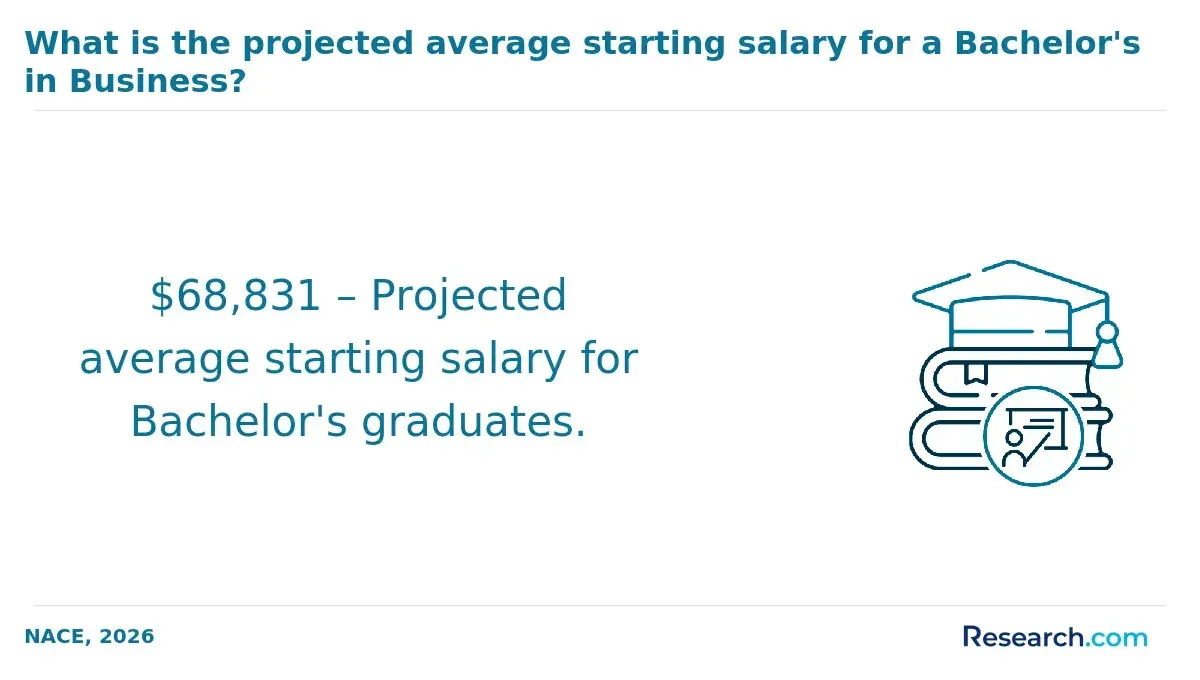
Return on investment should be judged carefully. According to the National Association of Colleges and Employers, employers continue to prioritize graduates with in-demand technical and business skills, and salaries for new bachelor’s degree graduates are expected to increase. Hiring for the Class of 2025 is projected to remain stable, with nearly 90% of employers planning to maintain or increase hiring levels.
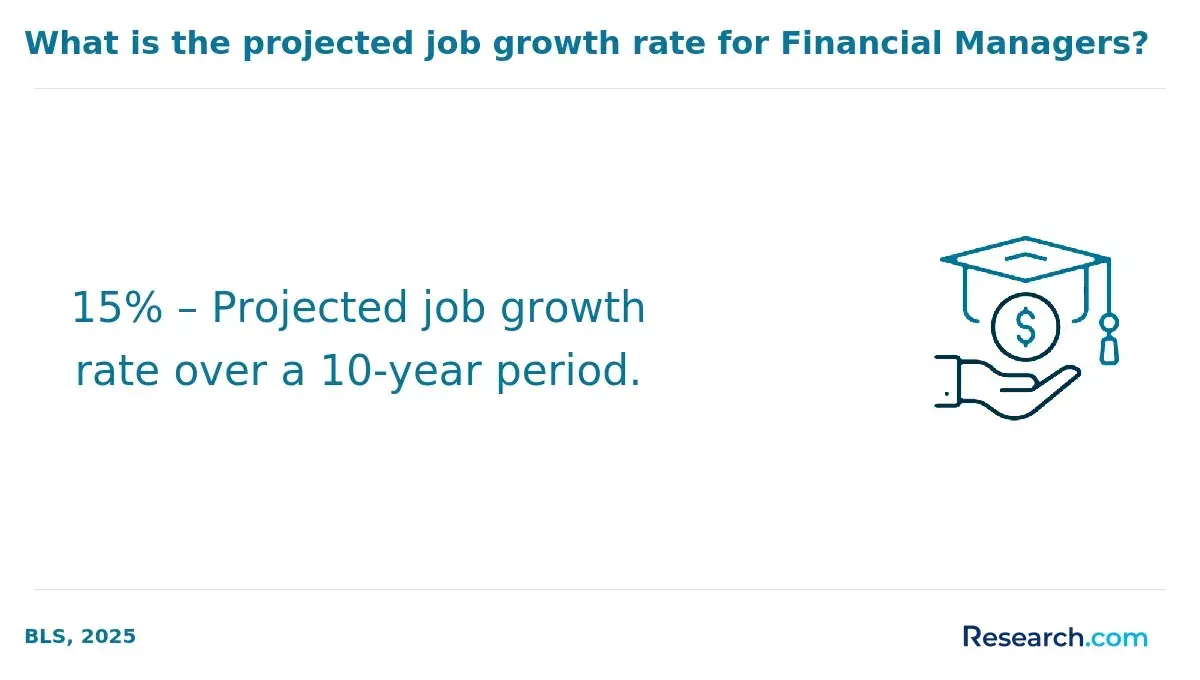
The image below illustrates whether an MIS major may be worth considering from an ROI perspective.
Cost Factors to Compare Before Enrolling
| Cost Factor | Why It Matters | Question to Ask |
| Tuition and required fees | The advertised tuition may not include technology fees, online course fees, graduation fees, or lab fees. | What is the total program cost, including mandatory fees? |
| Residency status | Public universities often charge different rates for in-state and out-of-state students. | Do online students pay in-state, out-of-state, or separate online tuition? |
| Transfer credits | Accepted credits can shorten the degree and reduce total cost. | How many prior credits can I transfer, and how will they apply to MIS requirements? |
| Financial aid and scholarships | Grants, scholarships, employer tuition assistance, and federal aid can reduce out-of-pocket costs. | Is the institution eligible for federal financial aid, and what scholarships are available? |
| Time to completion | Part-time study may be easier to manage but can extend the time before career benefits begin. | How long do students with my schedule typically take to finish? |
| Career support | Strong internship placement, employer partnerships, and career advising can improve job-search readiness. | What career services are available to online and campus MIS students? |
What Courses Are Usually Included in an MIS Degree?
MIS curricula combine technology, analytics, business, management, and communication. Course names vary by institution, but most programs cover the systems and decision-making skills needed to work with business technology.
- Information technology core: Courses may include Database Management Systems, Networking Essentials, Programming Languages, and Systems Analysis and Design.
- Data analysis and decision support: Students may study Business Analytics, Data Mining, Decision Support Systems, and Statistics.
- Management and communication: Common courses include Project Management, Information Systems Management, and Business Communication.
- Business foundation: MIS students often complete courses in Accounting, Finance, Marketing, and Operations Management.
- Electives: Many programs allow students to focus on cybersecurity, cloud computing, enterprise resource planning systems, business intelligence, data visualization, or IT governance.
Students should review course descriptions carefully. A strong MIS curriculum should include applied projects, database work, analytics tools, systems analysis, and business problem-solving rather than only introductory technology surveys.
How Should You Choose a Management Information Systems Program?
The best MIS program is not always the most famous or the least expensive. The right program should match your career goals, budget, schedule, learning style, and need for career support. Before applying, compare programs using evidence rather than marketing language.
- Accreditation: Confirm that the institution is accredited by an agency recognized by the U.S. Department of Education. Accreditation can affect financial aid, credit transfer, and employer confidence.
- Curriculum quality: Look for coursework in databases, systems analysis, business analytics, cybersecurity fundamentals, project management, and business communication.
- Faculty experience: Review whether faculty have relevant academic credentials, industry experience, research activity, or professional expertise in information systems.
- Applied learning: Prioritize programs with capstone projects, internships, simulations, case studies, portfolio assignments, or employer-connected projects.
- Student support: Online and adult learners should check academic advising, tutoring, technical support, library access, career coaching, and writing support.
- Cost and aid: Compare total cost, transfer policies, scholarships, grants, employer reimbursement, and student loan implications.
- Career outcomes: Ask about internship access, employer partners, graduate employment data, and the kinds of roles recent MIS graduates enter.
Questions to Ask Before Choosing an MIS Program
| Decision Area | Questions to Ask |
| Accreditation | Is the institution accredited by a recognized accreditor? Are there program-specific business or technology accreditations? |
| Curriculum | Does the program include SQL, databases, systems analysis, analytics, cybersecurity basics, and project management? |
| Online learning quality | Are courses asynchronous, synchronous, or blended? What technology support is available? |
| Experience | Are internships, capstones, consulting projects, or portfolio assignments required or available? |
| Transfer policy | How many credits can transfer, and will they count toward major requirements or only electives? |
| Career support | Do online students receive the same career advising, job boards, and employer connections as campus students? |
| Costs | What is the full cost through graduation after fees, books, technology expenses, and available aid? |
Can You Earn a Management Information Systems Degree Online?
Yes. Many colleges offer online MIS degrees or related online programs in information systems, business analytics, information technology, and computer information systems. Online study can be especially useful for working adults, transfer students, military learners, caregivers, and students who need scheduling flexibility.
An online MIS degree is not automatically easier than a campus degree. Students still need to complete technical assignments, group work, exams, projects, and sometimes internships or capstones. Online learners also need strong time management, self-discipline, and comfort using digital learning platforms.
To pursue an MIS degree online, follow these steps:
- Identify accredited programs: Search for accredited universities that offer online MIS or closely related information systems degrees.
- Compare structure and flexibility: Check whether courses are self-paced, asynchronous, live online, or delivered in a set cohort format.
- Review admissions requirements: Common requirements may include a high school diploma or GED, transcripts, minimum GPA, standardized test scores, or transfer-credit documentation.
- Estimate total cost: Include tuition, fees, books, software, technology requirements, and any required campus visits.
- Apply with complete materials: Submit transcripts, essays, recommendations, test scores, and other required documents by the deadline.
- Plan for applied experience: Ask whether the program requires an internship, capstone, practicum, or employer-based project.
- Build a portfolio: Save examples of dashboards, database work, systems analysis documents, project plans, and analytics reports.
Online vs. Campus MIS Degrees
| Format | Advantages | Trade-Offs | Best For |
| Online MIS degree | Flexible scheduling, access from different locations, easier to combine with work or family responsibilities | Requires self-management and may offer fewer in-person networking opportunities | Working adults, transfer students, remote learners, and students needing flexibility |
| Campus MIS degree | In-person networking, campus recruiting, live classroom interaction, easier access to labs and events | Less schedule flexibility and possible housing or commuting costs | Traditional students, students who want campus life, and learners who prefer face-to-face support |
| Hybrid MIS degree | Combines online flexibility with some in-person engagement | May require travel or scheduled campus sessions | Students who want flexibility but still value periodic in-person instruction |
What Certifications Are Useful for Management Information Systems Majors?
Certifications can help MIS graduates show specialized skills, especially after they have some coursework or work experience. They are not a substitute for a degree in every situation, but they can strengthen a resume in areas such as security, project management, IT service management, business analysis, auditing, and analytics. Students interested in a more analytics-focused path can also compare an online data analytics degree with MIS coursework and certifications.
In 2025, MIS career pathways remain connected to consulting, business services, and technology-enabled roles. The National Association of Colleges and Employers continues to report employer interest in graduates with technical and business skills, while CompTIA emphasizes both technical expertise and durable skills such as communication and problem-solving. For MIS graduates, the best certification depends on the job target.
| Certification | Best For | How It Supports an MIS Career |
| Certified Information Systems Security Professional | Security-focused professionals | Useful for MIS graduates moving toward information security, risk management, and security leadership |
| Project Management Professional | Project managers and technology project leads | Signals project management knowledge for systems implementations and cross-functional technology work |
| Certified Business Analysis Professional | Business analysts and requirements specialists | Supports roles that involve process analysis, stakeholder interviews, requirements documentation, and solution evaluation |
| ITIL Foundation Certification | IT service management professionals | Useful for understanding service delivery, support processes, incident management, and IT operations |
| Certified Information Systems Auditor | Audit, compliance, and governance professionals | Helpful for MIS graduates interested in IT auditing, controls, governance, and risk assessment |
Certified Information Systems Security Professional
The Certified Information Systems Security Professional credential is offered by the International Information Systems Security Certification Consortium. It is most relevant for professionals who want to move into security architecture, risk, governance, or information security leadership. MIS students considering information security careers should also build practical security, networking, and systems knowledge.
Project Management Professional
The Project Management Professional credential from the Project Management Institute is designed for professionals who manage projects. For MIS graduates, project management is valuable because information systems work often involves budgets, timelines, vendors, requirements, testing, training, and stakeholder communication.
Certified Business Analysis Professional
The Certified Business Analysis Professional credential from the International Institute of Business Analysis is aimed at professionals who specialize in business analysis. It can support MIS graduates who want to focus on requirements gathering, process improvement, workflow design, and technology solution evaluation.
ITIL Foundation Certification
ITIL Foundation is useful for students and professionals interested in IT service management. It helps explain how organizations structure service delivery, support requests, incidents, changes, and ongoing technology operations.
Certified Information Systems Auditor
The Certified Information Systems Auditor credential from ISACA is intended for professionals who evaluate information systems, controls, risk, and governance. It may be a good fit for MIS graduates interested in audit, compliance, cybersecurity governance, and risk management.
Who Should Major in Management Information Systems?
MIS is a good fit for students who like technology but also want to understand business operations, management decisions, and organizational problems. It can also work well for students who want a technology career without choosing a degree that is almost entirely focused on advanced programming or engineering.
- Students who enjoy technology: MIS students should be comfortable learning about databases, systems, software, analytics tools, and business technology platforms.
- Students interested in business: MIS is a STEM-oriented field with a business focus. If you want to understand how technology affects finance, marketing, operations, management, and strategy, MIS can be a strong match.
- Students who like solving messy problems: MIS professionals often deal with incomplete requirements, outdated systems, data-quality issues, stakeholder disagreements, and process bottlenecks.
- Students comparing majors and degrees: If you are still clarifying how a major fits within a larger academic credential, it may help to review this explanation of the difference between a major and a degree.
- Students considering technology leadership: MIS can lead toward management roles after experience, especially for students who develop both technical credibility and communication skills.
MIS may also appeal to students comparing technology fields with strong salary potential. Computer and information systems managers earned a median annual wage of $169,510 in May 2024 according to the U.S. Bureau of Labor Statistics, which helps explain why technology and information systems disciplines are often discussed among the highest paying college majors. However, management-level wages usually require experience, not just a diploma.
Students interested in security can use MIS as one route into risk, governance, systems administration, or security analysis, but they should compare that pathway with a dedicated cybersecurity degree. Students who want more coding depth may prefer computer science, while students who want broader leadership preparation might compare MIS with business administration.
In 2025, a strong number of students continue to complete MIS degrees. According to the National Center for Education Statistics, approximately 3,100 students earned an MIS degree in the most recent reporting year, with around 77% securing employment shortly after graduation. These figures suggest continued labor-market relevance, but individual outcomes still depend on experience, location, school quality, and job-search preparation.
Is a Management Information Systems Degree Hard?
An MIS degree can be challenging because it requires students to learn both technology and business. The difficulty depends on your background, study habits, program rigor, math comfort, and willingness to practice technical skills. Students with prior experience in spreadsheets, databases, programming, or business coursework may adjust more easily, while students new to technology may need extra time early in the program.
The technical side may include programming basics, databases, analytics, networking concepts, systems analysis, and cybersecurity fundamentals. The business side may include accounting, finance, management, operations, and communication. Students who want a broader business foundation before or alongside MIS may also compare options such as an affordable online business degree.
In 2025, approximately 3,100 students graduated with an MIS degree, with around 77% finding employment soon after graduation. That does not mean the program is easy; it means students who complete the degree can develop marketable skills. Most students should expect the major to be manageable with steady practice, good time management, and early help in technical courses.
Why Is Accreditation Important for an MIS Program?
Accreditation is one of the first things students should verify before choosing an MIS degree. Institutional accreditation from a recognized accreditor helps show that the school meets accepted academic standards. It may also affect federal financial aid eligibility, credit transfer, graduate-school admission, and employer recognition.
Students should not assume that every online program is equally credible. Check the school’s accreditation status directly through official sources, review whether the business or technology school has additional programmatic recognition, and ask how credits transfer if you later change schools. Students who want to strengthen technical depth after MIS may also compare related options such as an accelerated online computer science degree.
What Are Good Alternative Majors to Management Information Systems?
MIS is not the only path into business technology. Students should compare it with related majors before deciding. If your interests are broader than information systems, you may also want to review other strong college majors to pursue.
| Alternative Major | What You Study | When It May Be Better Than MIS |
| Computer Science | Programming, algorithms, software development, computing theory, and systems design | You want to become a software engineer or work deeply in technical product development. |
| Data Analytics | Statistics, data visualization, business intelligence, databases, and predictive analysis | You want data interpretation and reporting to be the center of your career. |
| Information Technology | Networks, systems administration, cloud platforms, cybersecurity, databases, and IT support | You want more direct work with technical infrastructure and operations. |
| Business Administration | Management, finance, marketing, operations, strategy, and organizational leadership | You want a broader management degree and less specialized technology coursework. |
| Cybersecurity | Security controls, risk, incident response, networks, secure systems, and governance | You know you want to focus primarily on protecting systems and data. |
How Does MIS Differ From Computer Science and Data Analytics?
MIS, computer science, and data analytics all involve technology, but they answer different questions. MIS asks how organizations can use information systems to operate better. Computer science asks how computing systems and software can be designed and built. Data analytics asks how data can be transformed into insights that support decisions.
- Core focus: MIS connects business and technology. Computer science emphasizes programming, algorithms, and software systems. A data analytics degree focuses on interpreting complex data for decision-making.
- Skill development: MIS students build skills in systems analysis, project work, databases, business processes, and technology management. Computer science students go deeper into coding and computing theory. Data analytics students focus on statistics, visualization, reporting, and modeling.
- Career outcomes: MIS graduates often pursue business analyst, IT manager, consultant, and systems roles. Computer science graduates often become software developers, engineers, and technical specialists. Data analytics graduates often become data analysts, business intelligence analysts, or analytics professionals.
- Problem-solving style: MIS frames problems around organizational needs, cost, users, processes, and strategy. Computer science frames problems around technical design and implementation. Data analytics frames problems around evidence, patterns, and measurable insights.
- Industry application: MIS graduates work across industries because most organizations need information systems. Computer science roles are common in software and technology-driven development environments. Data analytics roles are common in fields that rely heavily on data-driven decisions, such as marketing, finance, healthcare, and operations.
Should You Earn an Advanced Degree After MIS?
An advanced degree can help if your career goal requires deeper specialization, leadership preparation, or a move into analytics, AI, cybersecurity, project management, or executive technology roles. It is not always necessary immediately after a bachelor’s degree. Many MIS graduates benefit from working first, identifying a target specialty, and then choosing graduate study based on career direction.
A master’s degree may make sense if you want to move into higher-level analytics, technology leadership, enterprise systems, consulting, or AI-enabled business strategy. Students comparing graduate options might review specialized programs such as the most affordable online master’s in artificial intelligence programs, but the best choice depends on whether you want technical depth, management training, or both.
How Can Hands-On Experience Improve MIS Career Outcomes?
Hands-on experience is one of the strongest ways to make an MIS degree more valuable. Employers often want proof that graduates can work with data, document requirements, communicate with users, understand systems, and complete projects. Internships, cooperative education, capstones, consulting projects, and student technology jobs can help you demonstrate those abilities.
Useful experience may include building a dashboard, writing SQL queries, mapping a business process, documenting system requirements, creating a project plan, analyzing a dataset, assisting with software implementation, or supporting a cybersecurity or database project. Students who want to combine management and analytics at the graduate level may also compare options such as an affordable online MBA in business analytics.
How Does Data Science Complement an MIS Career?
Data science can strengthen an MIS career by adding deeper analytical methods to systems and business knowledge. MIS professionals who understand statistical analysis, predictive modeling, machine learning concepts, and data visualization can help organizations move beyond basic reporting into more advanced decision support.
This combination is especially useful in roles involving business intelligence, operations analytics, customer analytics, risk analysis, process optimization, and AI-supported decision-making. Students who want deeper preparation in this area may compare MIS with affordable online master’s in data science programs.
How Does Cybersecurity Fit Into an MIS Career?
Cybersecurity is increasingly connected to MIS because information systems are only useful if the data is trustworthy, available, and protected. MIS professionals may not all become security specialists, but they often need to understand access controls, privacy requirements, risk management, incident response basics, vendor risk, and secure system implementation.
Security knowledge is especially valuable for MIS graduates interested in governance, compliance, auditing, IT management, systems administration, and digital transformation. Students who want a more focused security path can compare MIS with the most affordable online cybersecurity degrees.
How Can You Stay Current in Management Information Systems?
MIS changes continuously because organizations adopt new software platforms, analytics tools, cloud systems, security practices, automation methods, and AI-enabled workflows. A degree can provide a foundation, but long-term career growth requires ongoing learning.
- Pursue targeted certifications: Credentials such as CISSP, CISA, CBAP, ITIL Foundation, or project management certifications can help you specialize after identifying your career direction.
- Join professional communities: Organizations such as AIS and ISACA can provide webinars, conferences, research, networking, and professional development resources.
- Follow industry developments: Read credible sources on IT leadership, cybersecurity, analytics, cloud computing, data governance, and business technology strategy.
- Practice with tools: Build experience with databases, visualization platforms, cloud services, project management software, and analytics tools instead of only reading about them.
- Take short courses or workshops: Online courses can help you refresh specific skills in SQL, cybersecurity, cloud computing, business analytics, AI, or project management.
- Network with practitioners: Conversations with analysts, IT managers, consultants, and systems professionals can help you understand what employers currently expect.
Professionals who want to expand project leadership skills may also consider related education options such as an accessible project management degree program, depending on their background and career goals.
How Is Artificial Intelligence Changing MIS Work?
Artificial intelligence is changing MIS by automating routine data work, improving forecasting, expanding business intelligence capabilities, and changing how organizations manage workflows. MIS professionals increasingly need to understand how AI tools affect data quality, privacy, decision-making, bias, security, and process design.
AI does not remove the need for MIS skills. Instead, it raises the importance of people who can evaluate business needs, select appropriate tools, manage data responsibly, and explain AI-supported insights to decision-makers. Students who want stronger AI preparation at the undergraduate level can compare options such as an affordable online artificial intelligence degree.
Can Interdisciplinary Expertise Improve MIS Career Options?
Interdisciplinary knowledge can make MIS professionals more valuable in specialized industries. Healthcare, biotechnology, finance, logistics, education, retail, and manufacturing all use information systems differently. Understanding the business context of a specific field can help an MIS graduate design better reports, manage better systems, and communicate more effectively with subject-matter experts.
For example, a professional working with biotechnology companies may need to understand research operations, regulatory documentation, lab data, and specialized software systems. Students exploring adjacent career paths can review information such as career and salary considerations for a master’s in biotechnology to understand how technical and industry-specific expertise can intersect.
What Legal and Ethical Issues Affect MIS Professionals?
MIS professionals often work with systems that store sensitive customer, employee, financial, operational, or health-related data. That makes legal and ethical judgment essential. Professionals need to understand privacy rules, data governance, access permissions, cybersecurity responsibilities, intellectual property concerns, audit trails, and industry-specific compliance requirements.
Ethical challenges are also growing as organizations use AI, predictive analytics, automated decision systems, and large datasets. MIS professionals may need to question whether data is accurate, whether algorithms are biased, whether users understand automated decisions, and whether the organization is using information responsibly. Students interested in the ethics and implementation of AI systems can compare related programs such as the best online artificial intelligence degrees.
Common Mistakes to Avoid When Choosing an MIS Degree
| Mistake | Why It Can Hurt You | Better Approach |
| Choosing a program without checking accreditation | It may affect financial aid, transfer credits, graduate study, and employer recognition. | Verify institutional accreditation through recognized sources before applying. |
| Looking only at tuition | Fees, software, books, travel, housing, and longer completion time can raise the real cost. | Compare total cost through graduation, not only the per-credit rate. |
| Assuming all MIS programs teach the same skills | Some programs are more technical, while others are more business-oriented. | Review required courses, electives, projects, and tool exposure. |
| Ignoring internships and projects | A degree without applied experience may make the job search harder. | Choose programs with capstones, internships, portfolio assignments, or employer projects. |
| Expecting salary outcomes to be guaranteed | Pay varies by role, location, industry, experience, and skill level. | Use salary data as a benchmark and build job-ready skills while enrolled. |
| Relying only on rankings | A highly ranked program may not be the best fit for your budget, schedule, or goals. | Compare accreditation, cost, curriculum, support, outcomes, and flexibility together. |
| Choosing online study without planning your schedule | Online programs require independent time management and consistent participation. | Set weekly study blocks and confirm the program offers online support services. |
Sources and Further Reading
- U.S. Bureau of Labor Statistics. Computer and information systems managers: Occupational outlook handbook. https://www.bls.gov/ooh/management/computer-and-information-systems-managers.htm
- PayScale. Management Information Systems salary information. https://www.payscale.com/
- U.S. Bureau of Labor Statistics. Computer and information technology occupations outlook. https://www.bls.gov/ooh/computer-and-information-technology/home.htm
- CompTIA. State of the tech workforce 2025. https://www.comptia.org/content/research/state-of-the-tech-workforce
- College Board. Trends in college pricing and student aid 2024. https://research.collegeboard.org/trends/college-pricing
- National Association of Colleges and Employers. Job outlook 2025 spring update. https://www.naceweb.org/research/reports/job-outlook/2025/spring-update
- National Association of Colleges and Employers. Job outlook 2025. https://www.naceweb.org/research/reports/job-outlook/2025/
- National Center for Education Statistics. Digest of education statistics: Postsecondary degrees awarded. https://nces.ed.gov/programs/digest/d25/
- Indeed. Career paths for management information systems degree holders. https://www.indeed.com/career-advice/finding-a-job/career-path-for-management-information-systems-degree
Key Insights
- MIS is best for students who want both business and technology. It is a practical choice if you want to improve systems, analyze data, manage projects, and help organizations make better decisions.
- Do not choose MIS only because it sounds technical. Compare it with computer science, IT, CIS, cybersecurity, business administration, and data analytics to make sure the curriculum matches the work you actually want to do.
- Career readiness matters as much as the major name. Internships, SQL skills, analytics projects, systems documentation, communication ability, and business knowledge can make a major difference in entry-level opportunities.
- Salary data should guide expectations, not create guarantees. PayScale reports a median annual salary of around $90,000 for MIS-related backgrounds, while BLS reports $169,510 as the May 2024 median annual wage for computer and information systems managers, but outcomes depend on experience, job title, industry, and location.
- Accreditation, cost, and support services are nonnegotiable. Before enrolling, verify accreditation, calculate total cost, ask about transfer credits, and confirm that online students receive real advising and career support.
- AI, cybersecurity, and data governance are reshaping MIS. The strongest graduates will understand not only how systems work, but also how to manage data responsibly, protect information, and apply emerging tools in ways that serve business goals.
Other Things You Should Know About Management Information Systems as a Major
Yes, coding is often a component of Management Information Systems (MIS) programs. In 2027, MIS courses may cover programming languages like SQL, Python, and Java to equip students with technical skills needed for system development, data management, and problem-solving within business contexts.
Yes, an MIS degree can equip you for a software engineering career, but potentially with additional learning. While MIS programs don't offer the extensive coding focus of a CS degree, the foundational programming skills and understanding of information systems can be a launching pad. Consider supplementing your knowledge with online courses, bootcamps, or personal projects to strengthen your coding abilities and make yourself a more competitive candidate for software engineering roles.
As of 2027, MIS is considered a relatively high-paying degree. Graduates often enter roles such as IT manager, data analyst, or systems analyst, where median salaries typically exceed $80,000 annually. Salaries vary widely depending on industry, location, and individual qualifications.
In 2027, industries actively hiring MIS graduates include healthcare, finance, retail, and technology. These sectors value skills in data management, business analysis, and information systems security, making MIS graduates essential for their digital transformation and strategic decision-making efforts.
Yes. MIS graduates can pursue the CPA if they meet state-specific accounting and credit-hour rules, usually 150 semester hours total. They can also sit for the CFA exams without a specific major requirement, but the CFA Institute requires passing three exam levels and relevant work experience for charter approval.
Key skills for a career in MIS in 2027 include data analysis, critical thinking, project management, and understanding emerging technologies like AI. Familiarity with tools such as SQL and ERP systems is crucial, as these are central to streamlining business processes and decision-making.


