
2027 Best Online Bachelor’s Degrees in Electrical Engineering Programs

Co-Founder and Chief Data Scientist
An online bachelor’s degree in electrical engineering can be a practical route into circuit design, power systems, electronics, telecommunications, embedded systems, and related engineering careers—but only if the program is credible, rigorous, and built around real lab and project experience. The main decision is not simply whether the degree is online. It is whether the program has the right accreditation, enough hands-on learning, strong faculty support, and a curriculum that prepares you for the engineering work you want to do.
Interest in the field remains strong. The National Student Clearinghouse Research Center recorded electrical engineering as the second most popular field among undergraduate engineering enrollment in fall 2025, at 86,083. That demand is understandable: electrical engineers help design and evaluate circuits, networks, devices, energy systems, robotics, smart grids, Internet of Things technologies, space-based solar power systems, drone sensing systems, and other infrastructure that supports modern life.
This guide is for prospective students, working adults, transfer students, military learners, and career changers comparing online electrical engineering bachelor’s programs. You will learn how online programs work, what they cost, what employers look for, how accreditation affects licensure and hiring, what courses to expect, and how to judge whether a program is worth the investment.
Quick Answer: Is an Online Bachelor’s Degree in Electrical Engineering Worth Considering?
Yes, an online bachelor’s degree in electrical engineering can be worth considering if the program is properly accredited, includes meaningful lab or simulation work, and aligns with your career goals. Employers are generally more concerned with your skills, projects, accreditation, and readiness for engineering work than with whether every class was taken on campus. However, electrical engineering is a technical, math-heavy, lab-based field, so students should look closely at how an online program delivers experiments, design projects, faculty access, internships, and capstone work.
The degree is best suited for students who are comfortable with advanced math, physics, programming, independent study, and structured problem-solving. It may not be the right fit if you want a low-math major, cannot commit time to labs and projects, or choose a program without checking ABET accreditation and career outcomes.
Online Bachelor’s Degree in Electrical Engineering Table of Contents
- Can an electrical engineering bachelor’s degree be completed fully online?
- Do employers respect online electrical engineering degrees?
- Are online engineering degrees accepted internationally?
- Online vs. campus electrical engineering programs
- Cost of an online bachelor’s in electrical engineering
- Admission and technology requirements
- Common electrical engineering courses
- Accreditation and program selection
- Alternative degree pathways
- Financial aid and scholarships
- What to compare before enrolling
- Interdisciplinary learning in electrical engineering
- Common online engineering challenges
- Internships and hands-on experience
- Career services and job opportunities
- Sustainability and innovation in electrical engineering
- Salary potential and advancement
- Online labs and simulation tools
- AI and emerging technology in the curriculum
- How AI studies can strengthen engineering skills
Can You Get an Electrical Engineering Degree Completely Online?
Some electrical engineering bachelor’s programs are available online, but students should read the delivery format carefully. Because electrical engineering depends on circuits, instruments, hardware, measurement, and design testing, many programs include lab components that may be delivered through virtual labs, mailed lab kits, simulation platforms, remote instrumentation, short campus residencies, local proctoring, or hybrid requirements.
A fully online program can be realistic for students who already have access to a suitable computer, reliable internet, and enough weekly study time. It can also work well for employed adults who need flexibility. Still, students should not assume “online” means no hands-on work. Strong programs explain exactly how labs, projects, exams, teamwork, and capstone requirements are completed.
| Program format | How it usually works | Best for | Key caution |
| Fully online | Lectures, assignments, labs, advising, and exams are completed remotely through digital platforms. | Students who need maximum scheduling flexibility and can learn independently. | Confirm how lab competencies are assessed and whether the program meets employer or licensure expectations. |
| Hybrid | Most coursework is online, but some labs, exams, or design sessions require campus attendance. | Students who want flexibility but can travel occasionally. | Check travel frequency, residency dates, and added costs before enrolling. |
| Campus-based | Students attend in-person lectures, labs, advising, and project sessions. | Students who prefer direct access to equipment, faculty, and peers. | Less flexible for working adults or students who live far from campus. |
Will Employers Take an Online Electrical Engineering Degree Seriously?
Employers can take an online electrical engineering degree seriously when it comes from a legitimate institution and, especially, when the program meets recognized engineering accreditation standards. For many engineering employers, the delivery method matters less than the program’s credibility, the graduate’s technical competence, and evidence of applied work such as labs, internships, design projects, and capstone experience.
ABET accreditation is particularly important in engineering. Many hiring managers, graduate schools, and licensing pathways look for degrees from programs that meet ABET standards. Before applying, students should verify the program’s accreditation status directly rather than relying only on marketing language.
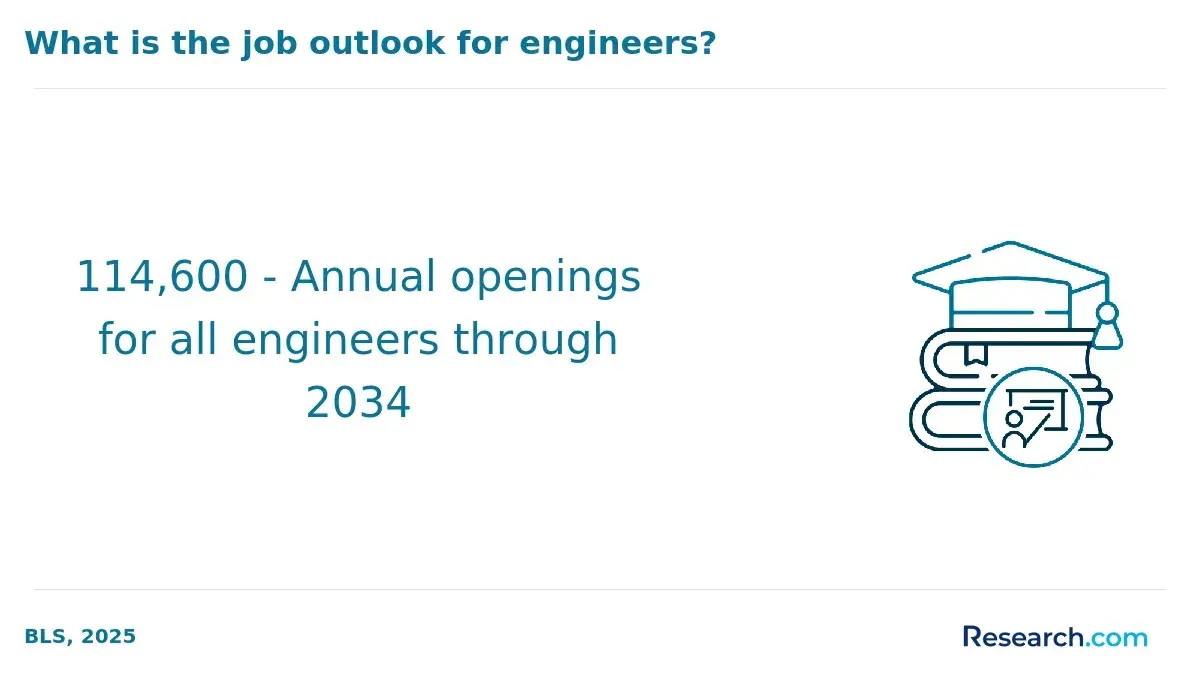
Employment in electrical engineering positions is projected to grow 7.2% through 2034. Electrical engineering also remains connected to several high-value industries, making it a degree path many students evaluate for long-term payoff. Graduates may pursue roles in telecommunications, energy and electric power, computers, semiconductors, aerospace, bioengineering, manufacturing, services and other professions, education and research, transportation, and automotive systems.
Are Online Degrees Recognized All Over the World?
Online degrees are increasingly familiar to employers and universities, but global recognition depends on the institution, accreditation, country, employer, and intended use of the degree. A degree from a recognized university with appropriate engineering accreditation is more likely to be understood and accepted than a degree from an unaccredited provider.
The development of online learning has changed how students access higher education, and employer attitudes have become more accepting over time. One survey reported that 83% of executives considered online degrees as credible as campus-based degrees. Online education has also continued to expand in higher education settings.
In 2025, 14% of chief online learning officers reported that more than 90% of their adult undergraduate students were taking fully online asynchronous courses (CHLOE 10, 2025). Still, students who plan to work outside the United States should check local engineering licensing, credential evaluation, and professional recognition rules before enrolling.
Online vs. Traditional Bachelor’s Degree in Electrical Engineering
The main difference between online and campus-based electrical engineering programs is not necessarily academic quality. The bigger difference is how students access instruction, laboratories, faculty, classmates, equipment, and career support. A strong online engineering degree can be rigorous, but it must be intentionally designed for remote learning rather than simply moving lectures to video.
Campus programs usually make it easier to access physical labs, faculty offices, peer study groups, and student engineering organizations. Online programs usually offer more scheduling flexibility and may reduce relocation or commuting barriers. The better choice depends on your learning style, work schedule, location, budget, and need for hands-on support.
| Factor | Online electrical engineering degree | Campus electrical engineering degree |
| Schedule flexibility | Often stronger, especially with asynchronous courses. | Usually tied to class and lab meeting times. |
| Lab access | May use simulations, remote labs, lab kits, or short residencies. | Usually offers regular access to physical lab facilities. |
| Peer interaction | Depends heavily on discussion boards, group projects, live sessions, and online communities. | More opportunities for informal study groups and in-person collaboration. |
| Career services | Can be strong if the school offers online advising, resume support, employer connections, and internship guidance. | May include in-person career fairs, labs, clubs, and local employer recruiting. |
| Best fit | Working adults, remote learners, transfer students, and self-directed students. | Students who want daily campus engagement and direct lab access. |
Student survey data also shows why many learners consider online education:
- 26.2% of online learners rated the quality of their education excellent.
- 30.4% of online learners rated their school’s career support efforts good.
- 90% of online learners believe the quality of education is the same as a traditional degree.
- 72% of online learners considered tuition cost when selecting a college or university, which is one reason students compare affordable degree programs.
- 76% of online learners complete their degree programs successfully.
- 71% of learners would not attend a college or university if their program did not have an online option.
Top Challenges for Professional Engineers

How Much Does an Online Bachelor’s Degree in Electrical Engineering Cost?
Per-credit costs for online electrical engineering degree courses range from $245 to $600, while total tuition is between $30,000 and $85,000 or more. The published tuition figure is only part of the total cost. Online students may also need to budget for a computer, webcam, microphone, high-speed internet, software, textbooks, lab kits, proctoring, exam fees, and electricity use.
| Cost category | Why it matters | Question to ask |
| Tuition and fees | Engineering programs can require many credits, so small per-credit differences add up. | Is the rate different for in-state, out-of-state, or online students? |
| Technology | Engineering software and simulations may require a capable computer. | What hardware and software specifications are required before the first term? |
| Labs and materials | Some courses may require kits, components, instruments, or access to approved facilities. | Are lab kits included in tuition, or are they billed separately? |
| Travel | Hybrid programs may require campus visits, residencies, or proctored exams. | How often must students travel, and when are those dates announced? |
| Time to completion | Part-time enrollment can make the degree more manageable but may extend total time in school. | How many credits can transfer, and how often are required courses offered? |
Is an Online Electrical Engineering Degree Worth It?
An online electrical engineering degree can be worth it when the program is accredited, affordable for your situation, and connected to the type of engineering work you want. According to the report of Wiley Education Services, 79% of online college students either agree or strongly agree that their online education was worth the cost.
Electrical engineering professionals earned a median wage of $111,910. Based on a survey of graduates with engineering degrees, software publishers is the top paying industry, with electrical engineers earning an annual mean wage of $183,600. These figures can help with ROI planning, but they should not be treated as guaranteed outcomes. Location, experience, internships, employer type, industry, graduate education, and technical specialization all affect earnings.
What Are the Requirements of an Online Bachelor’s Degree in Electrical Engineering?
Online and campus applicants usually submit similar admissions materials. As with other engineering majors, electrical engineering programs often expect students to be prepared for college-level math, physics, computing, and technical writing. Requirements vary by institution, so applicants should always review the school’s official admissions page before applying.
Admission Requirements for Online Electrical Engineering Students
Most applicants should be ready to provide the following:
- High school diploma
- High school transcript
- Relevant test scores, such as SAT or ACT scores, when required
Some schools may also request recommendation letters, extracurricular records, a resume or curriculum vitae, and a personal essay. Transfer students may need to submit college transcripts, course descriptions, syllabi, or placement records so the school can determine which credits apply to the engineering major.
Technology Requirements for Online Electrical Engineering Students
Electrical engineering is not a low-technology online major. Students should confirm technical requirements before enrolling, especially if the curriculum uses simulations, programming tools, CAD software, or remote labs.
Hardware. A reliable laptop or desktop computer, webcam, and microphone are essential. Your system should be able to support the technical activities and software commonly associated with electrical engineering work.
Software. Students may need video conferencing tools, word processing software, spreadsheets, programming environments, circuit simulation platforms, and electrical engineering applications specified by the program.
Internet connection. Stable connectivity matters for live lectures, exams, lab demonstrations, file uploads, and collaboration. A bandwidth of at least 1.5 Mbps is recommended.
Courses to Expect in an Online Bachelor’s Degree in Electrical Engineering
Electrical engineering students are typically required to earn 120 to 160 credits. Full-time students usually finish in four to six years. The curriculum normally combines mathematics, physics, engineering fundamentals, computing, electronics, systems analysis, and design projects.
| Course area | What students learn | Why it matters in electrical engineering |
| Circuit Theory | Electrical circuit components, Ohm’s law, Kirchhoff’s Laws, circuit theorems, analysis methods, steady-state response, transient response, and wye-delta transformations. | Provides the foundation for analyzing and designing electrical systems. |
| Differential Equations | Mathematical methods used to model changing systems. | Supports work in circuits, electromagnetic fields, waves, controls, and power series. |
| Electromagnetism | Electrostatics, magnetostatics, photon behavior, Faraday’s Law, Ampere’s Law, Gauss’ Law, and related concepts. | Helps students understand motors, circuit breakers, fields, and signal behavior. |
| Mechanics | Kinematics, statics, dynamics, stress, strain, and elasticity. | Builds engineering context for systems that combine electrical and physical components. |
| Microprocessor Systems | Microprocessor architecture, programming, hardware and software design, microcontrollers, and device interfacing. | Prepares students for embedded systems, automation, and device-level engineering work. |
| Probability Theory | Variables, functions, probability laws, and uncertainty in system outcomes. | Supports decision-making in communications, signal processing, reliability, and data-driven systems. |
| Solid-State Engineering | Conductors, semiconductors, insulators, diodes, transistors, and integrated circuits. | Prepares students to understand electronic and optoelectronic devices and circuits. |
Accreditation and Choosing the Right Online Program
Accreditation should be one of the first items you verify when comparing online electrical engineering programs. In engineering, ABET accreditation is especially important because it signals that a program has been reviewed against recognized standards for curriculum, faculty, facilities, student outcomes, and continuous improvement.
Students should look beyond the word “accredited” and identify which organization accredited the institution and which organization accredited the engineering program. Institutional accreditation and programmatic engineering accreditation are not the same. A university can be institutionally accredited while a specific engineering program may or may not hold ABET accreditation.
ABET accreditation can affect employment options, graduate school preparation, and eligibility for engineering licensure pathways. If affordability and future graduate study are priorities, students may also compare options through Research.com’s guide to an online accredited engineering degree.
| What to verify | Why it matters | How to check |
| ABET status | Many engineering employers and licensure pathways value ABET-accredited programs. | Confirm the program listing through official accreditation information, not only school advertisements. |
| Lab delivery | Electrical engineering requires applied practice, not just lectures. | Ask whether labs use kits, simulations, remote equipment, residencies, or campus visits. |
| Faculty qualifications | Instructor expertise affects mentoring, project quality, and technical depth. | Review faculty profiles, research areas, industry experience, and office-hour access. |
| Curriculum fit | Electrical engineering has multiple subfields. | Compare electives in power systems, electronics, communications, controls, microelectronics, or embedded systems. |
| Career support | Online students need access to advising, internships, and employer connections. | Ask whether services are available remotely and whether online students receive the same support as campus students. |
What Alternative Degree Options Are Available for Students?
Electrical engineering is not the only route into technology and engineering-related work. Students who want a different structure may consider competency based degree programs, which emphasize demonstrated skills and mastery rather than only traditional seat time. This format may appeal to students with prior experience, military training, or strong self-directed learning habits.
Other alternatives may include computer engineering, electronics engineering technology, mechanical engineering, software engineering, applied physics, or data-focused programs. The right choice depends on whether you want to design physical electrical systems, build embedded hardware, write software, work in manufacturing, support power infrastructure, or move toward analytics and automation.
| Path | When it may make sense | Trade-off |
| Electrical engineering | You want a broad engineering foundation in circuits, electronics, power, systems, and design. | Math and lab expectations are demanding. |
| Computer engineering | You are interested in hardware, embedded systems, processors, and software-hardware integration. | May place less emphasis on power systems than electrical engineering. |
| Engineering technology | You prefer applied technical work, testing, implementation, and operations. | May not lead to the same engineering licensure or design roles as an engineering degree. |
| Competency-based program | You want a flexible model that recognizes mastery and prior knowledge. | Availability in ABET-accredited electrical engineering may be limited, so accreditation must be checked carefully. |
What Are the Financial Aid and Scholarship Options for Online Electrical Engineering Programs?
Online electrical engineering students may be able to use federal aid, state aid, institutional scholarships, employer tuition assistance, private scholarships, veterans benefits, payment plans, and loans. Aid availability depends on the school, enrollment status, program eligibility, student financial profile, and application timing.
Students comparing costs should complete financial aid steps early and ask each school for a full cost estimate, not just tuition. Those trying to control expenses can also compare affordable online bachelor degree programs and review transfer policies before committing.
| Funding source | What to ask | Why it matters |
| Federal and state aid | Is the online program eligible for aid, and what enrollment level is required? | Some aid depends on credit load and program eligibility. |
| Institutional scholarships | Are online engineering students eligible for the same scholarships as campus students? | Policies may differ by school or student type. |
| Employer tuition assistance | Will your employer reimburse accredited online engineering coursework? | Working adults may reduce out-of-pocket cost through workplace benefits. |
| Transfer credits | How many previous credits apply to the major, not just general electives? | Accepted credits can reduce time and total cost. |
| Loans | What will repayment look like after graduation? | Borrowing should be weighed against realistic career and salary expectations. |
Things to Look for in an Online Bachelor’s Degree in Electrical Engineering
Bourne, Harris, and Mayadas (2005) described online engineering education quality through learning effectiveness, access, faculty satisfaction, student satisfaction, and cost-effectiveness. Prospective students can translate those ideas into practical questions when comparing programs.
- ABET accreditation. Engineering students should treat accreditation as a major decision factor. ABET explains why ABET accreditation matters for quality assurance, professional readiness, and engineering pathways.
- Academic reputation and fit. A well-known school may help, but name recognition should not outweigh accreditation, curriculum quality, cost, and student support. Students researching engineering fields may also find related context in Research.com’s engineering and scientist resources, including coverage of mechanical and aerospace engineering scientists.
- On-site or lab requirements. Ask whether the program requires campus labs, weekend sessions, local testing, mailed equipment, or synchronous lab meetings. A program may be “online” but still require travel.
- Student and career support. Wiley Education Services found that students valued services such as working with a career supervisor, access to a school job search website, and job search assistance. Online students should confirm these services are available remotely.
- Course sequencing. Engineering courses often have strict prerequisites. Missing one course can delay graduation if it is offered only once per year.
- Transfer credit policy. General education credits may transfer more easily than engineering, physics, or calculus courses. Ask for a formal transfer evaluation.
Questions to Ask Before Enrolling
- Is the specific electrical engineering program ABET-accredited?
- How are labs delivered, graded, and documented?
- Are online students eligible for internships, research projects, and career fairs?
- Can I complete the degree in my state or country without extra residency requirements?
- What engineering software and hardware must I purchase?
- How many credits will transfer into the major requirements?
- What happens if I need to pause enrollment because of work or family obligations?
- Are graduates admitted to engineering master’s programs or hired into engineering roles?

How Do Interdisciplinary Studies Enhance an Online Electrical Engineering Program?
Electrical engineering increasingly overlaps with computing, data science, materials science, biology, robotics, energy policy, and artificial intelligence. Interdisciplinary coursework can help students connect electrical systems to larger technical and social problems, such as medical devices, smart infrastructure, renewable energy integration, and automated manufacturing.
Students may benefit from electives or minors in computer science, data analytics, life sciences, or applied mathematics. For example, exposure to biological data and computational methods through areas such as MS bioinformatics can help students understand engineering applications in health technology, sensors, and biomedical systems.
What Challenges Do Students Face in an Online Electrical Engineering Program?
Online electrical engineering students often face three major challenges: limited physical access to equipment, fewer informal peer interactions, and the need for strong time management. These challenges are manageable, but students should plan for them before enrolling.
| Challenge | Why it happens | Better strategy |
| Limited lab access | Students may not be near campus equipment. | Choose a program with clear virtual labs, remote instrumentation, mailed kits, or approved local lab options. |
| Isolation | Online students may miss casual study groups and engineering club activity. | Use faculty office hours, online project teams, discussion forums, IEEE groups, and scheduled peer study sessions. |
| Time pressure | Many online learners balance work, caregiving, and coursework. | Build a weekly calendar for lectures, problem sets, labs, and project deadlines. |
| Software barriers | Engineering tools can be complex and system-intensive. | Check technical requirements early and use school help desks, tutorials, and faculty support. |
| Weak career visibility | Remote learners may not naturally encounter recruiters or campus events. | Work with career services, apply early for internships, and document projects in a portfolio. |
Students who want to broaden their analytical abilities may also consider related graduate pathways later, such as low cost online data science masters programs, especially if they want to work with signals, sensors, automation, or engineering analytics.
What Internship and Practical Experience Opportunities Are Available in an Online Bachelor’s in Electrical Engineering Program?
Practical experience is essential in electrical engineering because employers want evidence that graduates can apply theory to real systems. Online students should make internships, labs, design projects, and portfolios part of their degree plan from the beginning.
- Virtual labs and simulations: These tools allow students to test circuits, model systems, analyze outputs, and practice troubleshooting in a controlled digital environment.
- Internships with partner companies: Some universities help online students connect with employers in electronics, power systems, telecommunications, manufacturing, aerospace, or related industries.
- Capstone projects: A senior design or capstone project can demonstrate engineering judgment, teamwork, documentation, and problem-solving. Students should choose projects that align with their target roles.
- Industry certifications and workshops: Some programs encourage OSHA-related training, CAD coursework, or other practical workshops that build employable skills.
- Professional organizations and competitions: Groups such as IEEE can help students access networking, technical communities, competitions, publications, and industry conversations.
How to Build a Strong Engineering Portfolio Online
- Save polished versions of lab reports, design documents, and simulation results.
- Document capstone work with diagrams, constraints, testing methods, and outcomes.
- Ask faculty which projects can be shared publicly and which should remain private.
- Prepare short explanations of your role in team projects.
- Connect each project to a real engineering skill, such as circuit analysis, embedded programming, controls, power systems, or troubleshooting.
Career Support and Opportunities for Online Electrical Engineering Graduates
Career support can make a major difference for online engineering students. Strong programs do more than provide coursework; they help students identify suitable roles, prepare resumes, practice interviews, find internships, and connect technical projects to employer needs.
Many accredited self-paced online colleges and online programs provide remote career services, including resume reviews, interview preparation, job boards, advising, and employer events. Students should confirm whether electrical engineering employers actively recruit from the program and whether online learners have the same access as campus students.
Graduates may pursue opportunities in telecommunications, renewable energy, semiconductor manufacturing, aerospace, automotive technology, embedded systems, power distribution, research support, electronics design, testing, and systems engineering. Alumni networks can also be valuable because they connect students with professionals who understand how the program is viewed in the job market.
The Bureau of Labor Statistics reported that electrical engineers earned a median annual salary of $111,910. Salary potential is one reason many students compare electrical engineering with other technical majors, but career outcomes depend on specialization, location, experience, internships, professional network, and the quality of the program.
How Can Online Electrical Engineering Programs Address Global Sustainability and Innovation Challenges?
Electrical engineers contribute directly to sustainability and infrastructure innovation. Online programs can prepare students for this work by including renewable energy systems, smart grids, power electronics, energy storage, efficient devices, control systems, and sustainable design case studies.
Programs can also use interdisciplinary projects to show how electrical engineering connects with health technology, environmental monitoring, industrial automation, and bioengineering. Students interested in the crossover between life sciences and technical innovation may explore related career questions such as what can you do with a master's in biotechnology.
Earning Potential and Career Advancement with an Online Bachelor’s Degree in Electrical Engineering
Electrical engineering can lead to well-paid technical roles, but students should evaluate earnings realistically. A degree can open doors, but employers still evaluate skills, internship experience, project quality, communication ability, and readiness to work on complex systems.
For students comparing what degrees make the most money, electrical engineering is often part of the conversation because of its technical depth and connection to high-value industries. The median wage for electrical engineering professionals was $111,910, and electrical engineers in software publishers earned an annual mean wage of $183,600.
Career advancement may involve moving from entry-level engineering or testing roles into design engineering, systems engineering, project leadership, technical management, consulting, research and development, or specialized work in power, communications, microelectronics, embedded systems, robotics, or aerospace. Some graduates later pursue a master’s degree or professional licensure depending on their career goals.
How Do Online Labs and Simulation Tools Enhance Practical Learning in Electrical Engineering?
Online labs and simulation tools help students practice engineering concepts when physical lab access is limited. These tools can let students build virtual circuits, test signal behavior, compare system responses, model faults, and refine designs before working with actual hardware.
Simulation is not a complete substitute for all hands-on experience, but it is valuable when paired with design assignments, lab kits, remote instrumentation, faculty feedback, and capstone projects. Students should ask programs how simulations are assessed and whether they are connected to real engineering outcomes rather than used only as demonstrations.
Students interested in pairing engineering skills with intelligent systems may also look at adjacent options such as the cheapest online masters in artificial intelligence after completing a bachelor’s degree or gaining technical work experience.
How Are Emerging Technologies Like AI Integrated Into Online Electrical Engineering Curricula?
Electrical engineering programs increasingly touch on artificial intelligence, machine learning, automation, signal processing, robotics, sensor systems, optimization, and data-driven design. These topics are especially relevant in areas such as predictive maintenance, smart grids, autonomous systems, embedded devices, and intelligent control.
Students should not expect an electrical engineering bachelor’s program to replace a full AI degree. Instead, AI-related modules can strengthen engineering applications by helping students understand data, algorithms, system optimization, and intelligent hardware-software integration. Learners who want a more focused AI path may compare an affordable AI online degree.
How Can Complementary AI Studies Enhance Electrical Engineering Expertise?
AI knowledge can make electrical engineering graduates more versatile, especially in fields that depend on sensors, automation, robotics, energy forecasting, communications, signal interpretation, and predictive maintenance. Electrical engineers who understand both hardware systems and data-driven methods may be better prepared to contribute to intelligent devices and infrastructure.
Complementary AI study can include machine learning basics, neural networks, Python programming, data analysis, optimization, and ethics in automated systems. Students who want a more structured pathway can review an online artificial intelligence degree alongside core engineering study or as a future academic option.
Common Mistakes to Avoid When Choosing an Online Electrical Engineering Degree
- Choosing without checking ABET accreditation. Accreditation can affect employment, licensure pathways, and graduate school options.
- Looking only at tuition. Software, lab kits, fees, travel, devices, and time to completion can change the real cost.
- Assuming online means easier. Electrical engineering remains math-intensive and project-heavy regardless of format.
- Ignoring lab delivery. A weak lab model can leave students underprepared for technical work.
- Overlooking course sequencing. Missing a prerequisite can delay progress in a structured engineering curriculum.
- Not asking about internships. Practical experience can strongly affect entry-level competitiveness.
- Assuming all online programs meet licensure expectations. Students interested in professional engineering licensure should verify requirements carefully.
- Relying only on rankings or reputation. A well-known school is not automatically the best fit for your budget, schedule, specialization, or learning needs.
Should You Choose an Online Bachelor’s Degree in Electrical Engineering?
An online electrical engineering bachelor’s degree is a strong option if you want a technical career, can handle rigorous math and science, and need a flexible format. It is especially worth considering if the program is ABET-accredited, transparent about labs, supportive of online students, and connected to internships or practical projects.
If you are still deciding what college degree you should take, ask yourself whether you enjoy solving technical problems, working with systems, analyzing data, building or testing devices, and learning through persistence. Electrical engineering is demanding, but it can prepare students for work that shapes energy, communications, computing, transportation, automation, and advanced technology.
It is also worth remembering that education pathways have never been one-size-fits-all. Even Michael Faraday did not follow a traditional education path. Today’s online programs can expand access, but students still need to choose carefully, verify credibility, and commit to the discipline required for engineering success.
Key Insights
- Accreditation is the first filter. For electrical engineering, ABET accreditation can be important for employer confidence, graduate study, and licensure-related pathways.
- Online does not mean hands-off. Strong programs include labs, simulations, design projects, capstones, and practical engineering assessments.
- Cost varies widely. Per-credit costs range from $245 to $600, and total tuition is between $30,000 and $85,000 or more before technology, software, and lab-related expenses.
- Employer acceptance depends on quality. Employers are more likely to respect an online degree from a recognized, accredited program with evidence of real engineering preparation.
- Career potential is strong but not guaranteed. Employment in electrical engineering positions is projected to grow 7.2% through 2034, and electrical engineering professionals earned a median wage of $111,910.
- Hands-on experience matters. Internships, lab reports, capstone work, and project portfolios can help online students compete for engineering roles.
- AI, sustainability, and smart systems are changing the field. Students who combine electrical engineering fundamentals with computing, data, and emerging technology skills may have more flexible career options.
- The best program is the one that fits your goal. Compare accreditation, lab format, course sequencing, transfer credit, faculty support, career services, and total cost before enrolling.
References:
- Bourne, J., Harris, D., & Mayadas, F. (2005). Online Engineering Education: Learning Anywhere, Anytime. Journal of Engineering Education, 94(1), 131146. Retrieved from https://doi.org/10.1002/j.2168-9830.2005.tb00834.x
- CareerOneStop. (2026). Electrical Engineers. Retrieved March 2026, from https://www.careeronestop.org/Toolkit/Careers/Occupations/occupation-profile.aspx?keyword=Electrical%20Engineers&location=UNITED%20STATES&onetcode=17207100
- Education Dynamics. (2025). Engaging the Modern Learner: Preferences & Behaviors Shaping Higher Ed. https://insights.educationdynamics.com/modern-learner-report-2025.html
- Inside Higher Ed. (2025). Annual Student Voice Survey. https://data.generationlab.org/InsideHigherEd/AnnualSurvey.html
- Magda, A.J., & Smalec, J.S. (2020). Student perspectives on online programs: A survey of learners supported by Wiley Education Services. Louisville, KY: Wiley edu, LLC. Retrieved from https://edservices.wiley.com/student-perspectives-on-online-programs/
- National Society of Professional Engineers. (2025). Insights on Industry Issues and Opportunities. PE Magazine, Issue 1, 2025. https://www.nspe.org/career-growth/pe-magazine/issue-1-2025/insights-industry-issues-opportunities
- National Student Clearinghouse Research Center. (2026, January 15). Final Fall Enrollment Trends. https://nscresearchcenter.org/final-fall-enrollment-trends
- Pandey, H. (2017). Education in Electrical Engineering and Emerging Technologies. International Journal on Emerging Technologies, 8(1), 82-87. Retrieved from https://www.researchtrend.net/ijet/pdf/20-801.pdf
- Risepoint. (2025). 2025 Voice of the Online Learner. https://risepoint.com/insights/voice-of-the-online-learner-2025
- Simunich, B., Garrett, R., Fredericksen, E. E., & Gay, K. (2025). CHLOE 10: Meeting the Moment: Navigating Growth, Competition, and AI in Online Higher Education. Quality Matters. https://qualitymatters.org/qa-resources/resource-center/articles-resources/CHLOE-10-report-2025
- U.S. Bureau of Labor Statistics. (2025, August 28). Occupational projections and worker characteristics. Retrieved March 2026, from https://www.bls.gov/emp/tables/occupational-projections-and-characteristics.htm
Other Things You Should Know About Online Bachelor’s Degrees in Electrical Engineering Programs
An online bachelor's degree in electrical engineering can be worth it for students seeking flexibility and cost savings while gaining technical skills. Graduates can pursue careers in various industries, such as electronics and telecommunications, often leading to competitive salaries and growth opportunities.
Students enrolled in a 2027 online bachelor’s degree program in electrical engineering can anticipate studying courses such as circuit analysis, digital systems, control systems, microelectronics, and electromagnetics, in addition to general education and elective courses that provide a well-rounded knowledge base in engineering principles.
An online bachelor’s degree in electrical engineering typically requires a high school diploma or equivalent, satisfying specific math and science prerequisites, and meeting minimum GPA criteria. Some programs may also ask for SAT or ACT scores. It's essential to check each program's unique requirements.
The cost of an online bachelor’s degree in electrical engineering varies, typically ranging from $29,000 to $83,000 for total tuition. Additional costs include devices, internet connectivity, and other online education-related expenses.
Generally, yes. Online programs are often more affordable than traditional on-campus programs due to lower tuition fees and the absence of costs associated with commuting, on-campus housing, and other related expenses.


