
2027 Addiction Recovery Careers: Guide to Career Paths, Options & Salary

Co-Founder and Chief Data Scientist
Choosing an addiction recovery career means deciding how you want to help people affected by substance use disorders: through counseling, peer support, case management, clinical treatment, prevention, research, or program leadership. The field matters because addiction continues to affect individuals, families, schools, workplaces, healthcare systems, and communities, and employers need trained professionals who understand evidence-based care, ethics, relapse prevention, trauma, and co-occurring mental health conditions.
This guide is for students, career changers, healthcare workers, peer support professionals, and counseling students comparing education and career options in addiction recovery. You will learn what roles are available, what credentials may be required, how salaries differ, how to choose a degree program, what mistakes to avoid, and how to build a practical path toward entry-level or advanced work in the field.
Quick answer: Is addiction recovery a good career path?
Yes, addiction recovery can be a strong career path for people who want meaningful human-service work, can handle emotionally complex situations, and are willing to meet education, supervision, certification, or licensure requirements. According to the latest Substance Abuse and Mental Health Services Administration (SAMHSA) report, 48.4 million (16.8%) Americans aged 12 and older battled a substance use disorder in the past year. The BLS also projects a 16.8% growth rate for substance abuse, behavioral disorder, and mental health counselors through 2034, which is much faster than the average for all occupations.
What are the key benefits of a career in addiction recovery?
- Strong social need: More people are seeking help as awareness of addiction, mental health, and treatment access increases.
- Multiple career routes: You can work in direct counseling, peer support, social services, prevention, clinical supervision, program administration, or research.
- Visible impact: Addiction recovery professionals often see how treatment, support, and accountability can change the lives of clients, families, and communities.
- Room to specialize: Professionals can focus on adolescent treatment, trauma-informed care, medication-assisted treatment, co-occurring disorders, criminal justice populations, or community prevention.
What are some addiction recovery programs you can consider?
The right program depends on your target role, state licensure rules, budget, schedule, and whether you need a bachelor’s or master’s degree. Before enrolling, confirm accreditation, fieldwork or practicum requirements, transfer credit policies, and whether the curriculum aligns with the credential you want in your state.
| Program | Best-fit student | What to verify before applying |
| Southern New Hampshire University - Bachelor of Arts in Human Services with a Concentration in Substance Abuse | Students who want a broad human services foundation with substance abuse-focused coursework | Whether the degree supports your state’s entry-level counseling or human services requirements |
| Purdue University Global - Bachelor of Science in Psychology with an Emphasis on Addictions | Students interested in psychology-based addiction studies and licensure preparation | NASAC accreditation details and state-specific addiction counselor requirements |
| Liberty University - Bachelor of Science in Psychology with a Specialization in Addiction and Recovery | Students seeking undergraduate preparation in addiction, counseling concepts, and relapse prevention | How the program’s psychology curriculum connects to your intended credential or graduate pathway |
| Walden University - Master of Arts in Mental Health Counseling with a Specialization in Addiction | Working adults who want graduate-level counseling preparation with an addiction focus | Clinical hour requirements, practicum placement support, and licensure alignment |
| Arizona State University - Online Master of Social Work | Students who want a broader social work path that can include addiction treatment settings | Whether the MSW meets your state’s clinical social work licensure requirements |
| University of Maryland, Baltimore County (UMBC) - Master of Science in Addiction Counseling | Students seeking graduate training designed around addiction counseling licensure | State licensure compatibility and supervised experience requirements |
| Simmons University - Master of Science in Mental Health Counseling | Students who want counseling preparation for addiction and other mental health concerns | Whether the program meets counseling licensure requirements where you plan to practice |
| Saint Joseph's University - Master of Science in Clinical Mental Health Counseling | Students seeking clinical mental health counseling preparation with addiction-relevant training | Practicum, internship, and state board requirements |
| Capella University - Master of Science in Addiction Counseling | Students focused on addiction counseling and potential licensure preparation | Accreditation, supervised practice expectations, and state eligibility rules |
| University of South Dakota - Online Bachelor of Science in Addiction Studies | Students who want an online undergraduate degree centered on addiction studies | How the degree applies to entry-level roles, certification, or graduate study |
1. Southern New Hampshire University - Bachelor of Arts in Human Services with a Concentration in Substance Abuse
This undergraduate option combines human services coursework with substance abuse-focused study. It may fit students who want to work in treatment centers, social service organizations, community agencies, or justice-related programs that serve people affected by addiction.
2. Purdue University Global - Bachelor of Science in Psychology with an Emphasis on Addictions
Purdue University Global offers a psychology degree with an addictions emphasis. The program is accredited by the National Addiction Studies Accreditation Commission (NASAC), a factor that can matter for students who are planning for addiction counselor licensure. Its optional business foundations concentration may also appeal to students considering program management or administrative roles later.
3. Liberty University - Bachelor of Science in Psychology with a Specialization in Addiction and Recovery
Liberty University’s program focuses on addiction and recovery through a psychology lens. Coursework includes topics such as the neurobiology of addiction, counseling approaches, and relapse prevention, which can help students prepare for support roles or further graduate study.
4. Walden University - Master of Arts in Mental Health Counseling with a Specialization in Addiction
Walden University’s graduate program is designed for professionals seeking clinical preparation in mental health counseling with addiction-related specialization. Students study assessment, diagnosis, treatment planning, and counseling strategies for clients with substance use disorders.
5. Arizona State University - Online Master of Social Work
Arizona State University’s online MSW is not exclusively an addiction recovery degree, but social work training can lead to roles in addiction treatment, healthcare, community mental health, case management, and family services. This path is worth considering if you want broader social service and clinical career flexibility.
6. University of Maryland, Baltimore County (UMBC) - Master of Science in Addiction Counseling
UMBC’s online master’s program is built for students pursuing addiction counseling preparation. The curriculum includes addiction neuroscience, counseling techniques, ethical practice, and licensure-oriented training.
7. Simmons University - Master of Science in Mental Health Counseling
Simmons University’s online mental health counseling program can prepare students to serve clients with addiction and related mental health concerns. The program covers assessment, diagnosis, treatment planning, and counseling methods.
8. Saint Joseph's University - Master of Science in Clinical Mental Health Counseling
Saint Joseph's University offers an online clinical mental health counseling program that may support work with clients experiencing addiction, anxiety, depression, trauma, or co-occurring disorders. Students should confirm state licensure alignment before enrolling.
9. Capella University - Master of Science in Addiction Counseling
Capella University’s online addiction counseling master’s program is intended for students preparing for addiction counseling roles. Coursework includes the neurobiology of addiction, ethics, and counseling techniques used in treatment settings.
10. University of South Dakota - Online Bachelor of Science in Addiction Studies
The University of South Dakota’s online bachelor’s in addiction studies focuses on addiction science, assessment and diagnosis, counseling methods, and relapse prevention. It can be a practical option for students seeking addiction-focused undergraduate preparation.
- Why addiction recovery careers are worth considering
- Education, certification, and experience requirements
- Career paths in addiction recovery
- Salary ranges by addiction recovery role
- How to enter the addiction recovery field
- How to move into higher-level roles
- Degree options for addiction recovery careers
- Jobs you can pursue with an associate degree
- When a master’s in addiction counseling is worth it
- Specializations in addiction recovery
- Career outlook for addiction recovery professionals
- Skills employers look for
- Resources for exploring counseling and recovery roles
- Ways to pay for addiction recovery education
- How to choose an affordable addiction recovery program
- Challenges, ethics, and common mistakes
- Current trends shaping addiction recovery careers
- How to increase your earning potential
- CACREP accreditation and state licensure
- How to speed up your counseling career path
- Online vs. campus addiction recovery programs
- LPC vs. LCSW pathways in addiction recovery
Here’s what graduates have to say about their Addiction Recovery Careers
I work with people during some of the most difficult points in their lives. Watching clients rebuild trust, reconnect with family, and stay committed to recovery reminds me why this work matters, even when the job is demanding. -Sarah
My psychology training helps me understand the factors behind substance use, but the most important part of the job is still the human connection. Supporting someone as they create a healthier life is deeply meaningful. -David
Addiction treatment keeps changing as research develops. I value being in a field where evidence-based practice, clinical judgment, and compassion all have to work together. -Emily
Why pursue addiction recovery careers?
According to the latest Substance Abuse and Mental Health Services Administration (SAMHSA) report, 48.4 million (16.8%) Americans aged 12 and older battled a substance use disorder in the past year. That figure shows why addiction recovery is not a niche issue; it is a major public health and workforce need.
Addiction recovery careers appeal to people who want purpose-driven work and are prepared for emotionally serious responsibilities. Professionals in this field may help clients understand triggers, build coping strategies, repair relationships, access housing or healthcare resources, and remain engaged in treatment after setbacks.
Addiction is a complex issue that can affect mental health, family stability, employment, physical health, and community safety. Because of that complexity, the field needs professionals with different strengths: counselors, social workers, peer specialists, nurses, administrators, prevention educators, researchers, and policy advocates.
The work is also varied. Some professionals spend most of their time in individual or group counseling. Others coordinate services, support clients in residential programs, supervise clinical teams, develop community prevention programs, or manage treatment facilities. This range makes it possible to choose a setting and role that fits your personality, education level, and long-term goals.
What qualifications are needed for addiction recovery careers?
Requirements vary widely by role and state. A peer support role may require lived experience, training, and certification, while a clinical counselor role may require a graduate degree, supervised hours, examination, and state licensure. Before choosing a program, check the licensing board or credentialing agency in the state where you plan to work.
More addiction recovery professionals are needed, but public attention does not always match the scale of the problem. A lack of public concern regarding drug addiction has been observed, even in regions where drug overdose deaths are prevalent.
The percentage of Americans who have died due to drug overdose dropped to 26.2%, from 31.3 deaths per 100,000 people to 23.1, according to a study (Garnett & Miniño, 2026).
Education
Many entry-level positions prefer or require a bachelor’s degree in addiction counseling, social work, psychology, human services, or a related field. Clinical counseling, independent practice, supervision, and many advanced treatment roles often require a master’s degree in addiction counseling, clinical mental health counseling, social work, psychology, or a similar discipline.
Certifications
- Certified Addictions Registered Nurse (CARN): A credential for nurses who focus on addiction treatment and recovery care.
- Certified Recovery Support Specialist (CRSS): A common option for peer professionals who use recovery experience to support others.
- Certified Alcohol and Drug Counselor (CADC): An entry-level addiction counseling credential in many credentialing systems.
- Licensed Alcohol and Drug Counselor (LADC): A more advanced credential that may be required for clinical responsibilities, supervision, or leadership roles.
- Specialty Certifications: Training in telehealth, co-occurring disorders, trauma-informed care, or medication-assisted treatment can strengthen your qualifications.
Experience
Field experience is essential. Internships, practicums, volunteer roles, and supervised clinical hours help students move from classroom knowledge to client-centered practice. States often require a specific number of supervised hours for addiction counselor licensure, so verify those requirements early. Experience in healthcare, social services, crisis work, housing services, or community outreach can also be valuable.
| Career goal | Typical preparation | Important caution |
| Peer support specialist | Training, certification, and often lived recovery experience | Requirements differ by state and employer |
| Entry-level addiction counselor | Associate or bachelor’s degree, certification, and supervised experience | Some clinical duties may be restricted without licensure |
| Licensed counselor or therapist | Master’s degree, supervised clinical hours, exam, and state license | Program accreditation and state rules are critical |
| Clinical supervisor or program director | Advanced degree, license, experience, and leadership skills | Employers may require years of post-licensure practice |
What are the different career paths available in addiction recovery?
According to the latest BLS data, there were 483,500 substance abuse, behavioral disorder, and mental health counselors in the U.S. Addiction recovery careers extend well beyond one job title, so it helps to compare paths by how much direct client contact, clinical responsibility, and education each role requires.
Direct Client Care
- Addiction Counselor: Conducts assessments, leads individual or group counseling, develops treatment plans, documents progress, and supports relapse prevention.
- Peer Support Specialist: Uses lived recovery experience, training, and peer support principles to encourage clients and help them navigate recovery resources.
- Recovery Coach: Provides accountability, goal-setting support, and practical guidance, especially for people in early recovery.
Support Services
- Case Manager: Connects clients to housing, healthcare, employment services, transportation, insurance, food assistance, and other recovery-related supports.
- Social Worker: Addresses the social, family, financial, legal, and community factors that can contribute to or complicate substance use disorders.
- Therapist: Provides mental health treatment and may specialize in addiction, trauma, anxiety, depression, or co-occurring disorders.
Leadership and Administration
- Program Director: Oversees treatment operations, staffing, compliance, service quality, budgets, and program outcomes.
- Clinical Supervisor: Guides counselors, reviews cases, supports ethical practice, and ensures treatment standards are followed.
- Addiction Treatment Facility Administrator: Manages the operational, regulatory, financial, and staffing needs of a treatment organization.
| Path | Best for | Usually requires |
| Peer support | People who want to use recovery experience to help others | Training, certification, and strong boundaries |
| Counseling | People who want structured therapeutic work with clients | Degree, supervised hours, certification, or licensure |
| Social work | People interested in both clinical care and social systems | Social work degree and state licensure for clinical roles |
| Administration | People who enjoy leadership, compliance, staffing, and operations | Experience, management skills, and often an advanced degree |
| Research or prevention | People drawn to data, policy, education, or community programs | Relevant degree, research skills, and public health knowledge |
What are the salary ranges for different addiction recovery careers?
Pay in addiction recovery depends on the role, degree level, license, employer type, geography, shift schedule, and years of experience. Nonprofit treatment centers, hospitals, government agencies, private practices, residential programs, and outpatient clinics may all pay differently for similar job titles.
- Experience: Entry-level support roles generally pay less than licensed clinical or supervisory positions.
- Education: A master’s degree may open access to licensed counseling, therapy, supervision, or leadership roles.
- Location: Salaries often reflect local labor demand and cost of living.
- Employer: Pay structures can differ between nonprofit providers, hospitals, government agencies, and private treatment organizations.
Here are general salary ranges for common addiction recovery roles:
| Role | Median Annual Salary |
| Addiction Counselor | $40,000 - $75,000 |
| Peer Support Specialist | $32,000 - $50,000 |
| Recovery Coach | $35,000 - $60,000 |
| Residential Counselor | $38,000 - $55,000 |
| Detox Specialist | $42,000 - $60,000 |
| Therapist | $60,000 - $100,000 |
How do you start a career in addiction recovery?
Out-patient care centers employed around 92,980 substance abuse counselors, which ranked this sector as the industry with the highest level of employment. Counselors specializing in substance abuse and behavioral disorders, also known as addiction counselors, work with clients individually and in groups. They teach coping strategies, support recovery planning, and help clients manage stressors that may increase relapse risk.
1. Clarify your motivation and preferred role
Start by identifying why you want to work in addiction recovery and what type of work fits you best. Do you want to counsel clients, coordinate services, use lived experience as a peer specialist, work in prevention, or manage programs? Your answer will shape the degree, credential, and experience you need.
2. Research state requirements before choosing a school
Licensure rules are state-specific. Before enrolling in a degree in addiction counseling, social work, psychology, or counseling, review your state board’s education, exam, practicum, internship, and supervised-hour requirements. This is especially important for online programs serving students in multiple states.
3. Get field exposure early
Volunteer, complete an internship, or apply for entry-level support roles at treatment centers, recovery residences, community health programs, crisis centers, or social service agencies. Early exposure helps you confirm whether the work fits your temperament and gives you examples to discuss in applications and interviews.
4. Build core counseling and support skills
Employers value active listening, motivational interviewing, documentation, empathy, de-escalation, case coordination, ethical judgment, and cultural responsiveness. Workshops, supervised practice, role-play, continuing education, and feedback from experienced professionals can help you develop these skills.
5. Apply strategically and keep learning
Use treatment center websites, professional association job boards, healthcare employers, community mental health agencies, and government postings. Tailor each application to the role. Once hired, keep building credentials, supervision hours, and specialized training so you can move toward higher-responsibility positions.
How can you advance in addiction recovery careers?
Career growth usually comes from combining education, supervised experience, strong documentation, ethical practice, specialized training, and leadership ability. Advancement is rarely automatic, so plan your next credential before you need it.
- Earn targeted credentials: Specialized training, including options such as the BCBA certification online, may strengthen your profile for roles involving behavior analysis, complex client needs, or interdisciplinary treatment teams.
- Move from bachelor’s to graduate training: A master’s or doctorate can support advancement into clinical practice, supervision, research, program design, or executive leadership.
- Work in multiple settings: Experience in outpatient care, residential treatment, hospitals, correctional programs, and community services can make you more adaptable and competitive.
- Develop supervisory skills: Learn how to review cases, coach staff, manage conflict, support ethical decisions, and track outcomes.
- Stay current: Addiction treatment changes as research, policy, insurance rules, and technology change. Conferences, journals, webinars, and continuing education can help you keep practice standards current.
- Build a network: Mentors, clinical supervisors, professional associations, and former classmates can help you learn about openings, credentials, and emerging specialties.
What degree programs are available for addiction recovery careers?
According to a nationwide survey by Myriad Genetics, 77% of Americans have used addictive behaviors or unhealthy coping mechanisms to manage their mental health. Because substance use and mental health often overlap, many degree paths in this field include counseling theory, psychology, social determinants of health, ethics, assessment, and treatment planning.
- Bachelor's Degree in Addiction Counseling: Provides undergraduate preparation in substance use disorders, counseling concepts, treatment models, and recovery support. It can support entry-level roles such as addiction counselor, peer support specialist, or recovery coach, depending on state and employer rules.
- Master's Degree in Addiction Counseling: Offers deeper clinical preparation and may support work in co-occurring disorders, trauma-informed care, adolescent addiction, supervision, or program development.
- Master's Degree in Social Work (MSW) with a concentration in mental health or substance abuse: Prepares students for broader social work practice and may support clinical licensure in some states.
- Master's Degree in Psychology: Can be useful for students interested in mental health treatment, assessment, research, or work with co-occurring mental health conditions.
| Degree level | Possible roles | Best reason to choose it |
| Associate degree | Treatment aide, residential counselor, peer support role, recovery coach | You want an affordable entry point and plan to build experience |
| Bachelor’s degree | Addiction counselor, case manager, prevention worker, recovery program staff | You want stronger access to entry-level professional roles |
| Master’s degree | Licensed counselor, therapist, clinical supervisor, program developer | You want clinical responsibility, licensure options, or leadership growth |
| Doctorate | Researcher, psychologist, faculty member, senior clinical leader | You want advanced research, academic, or high-level clinical work |
Can I get a job in addiction recovery with an associate's degree?
Yes. An associate degree can help you qualify for some entry-level addiction recovery roles, especially when combined with certification, volunteer experience, or relevant work in healthcare, social services, or residential programs. However, it may not be enough for licensed clinical counseling roles.
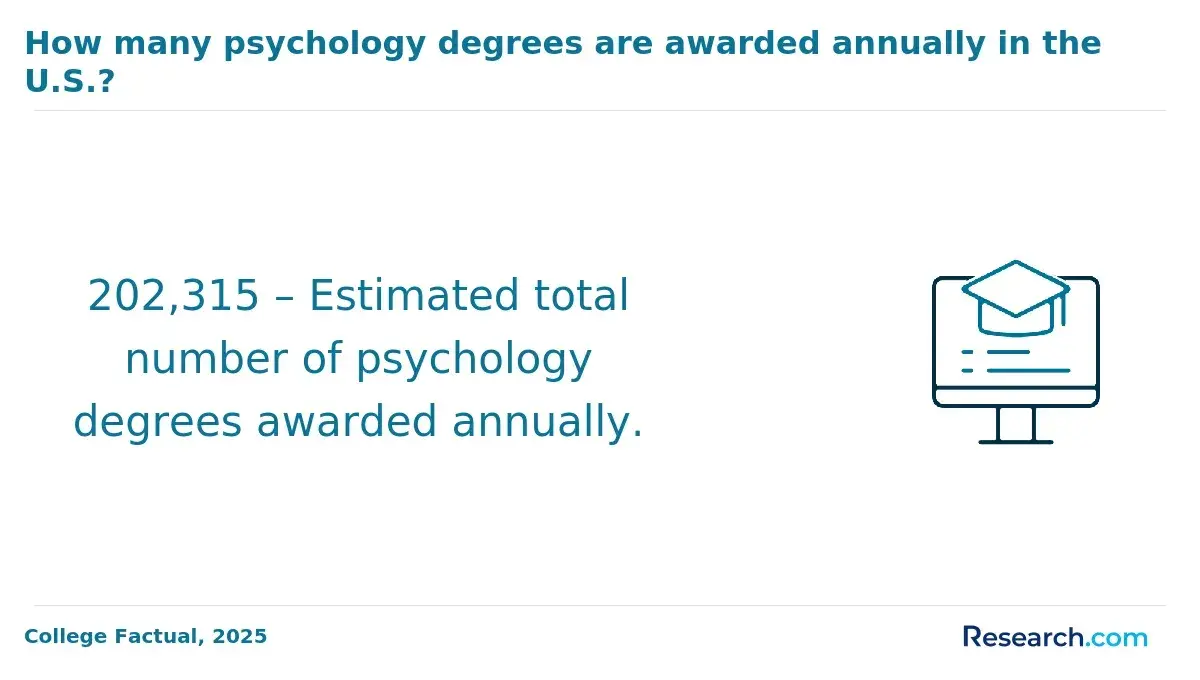
According to the CACREP, addiction counseling master's programs in 2024 had 119 graduates. Meanwhile, the APA recorded a total of 7,503 psychology doctorate graduates. Both fields include addiction recovery programs.
With an associate degree, you may be able to pursue roles such as:
- Addiction Treatment Aide: Supports staff and clients in recovery programs.
- Peer Support Specialist: Uses recovery experience and peer support training to encourage clients.
- Recovery Coach: Helps clients set goals, stay accountable, and navigate early recovery.
- Residential Counselor: Assists clients with daily routines, program participation, and recovery-focused structure in residential settings.
If you start with an associate degree, consider it a launch point. Many professionals continue into a bachelor’s program while working, earning supervised experience, and adding certifications that make them more competitive.
What are the benefits of getting a master's degree in addiction counseling?
A master’s degree can be valuable if your goal is clinical practice, licensure, supervision, private practice, program leadership, or specialized treatment work. It is not necessary for every addiction recovery job, but it can expand your options substantially.
According to salary information websites, the salary for someone with a bachelor's degree in substance abuse counseling is $50,000 annually. With a master's degree, this median salary can increase to around $59,190 or higher depending on experience and specialization.
Graduate study can also deepen your understanding of addiction neuroscience, counseling theory, assessment, diagnosis, ethics, trauma, co-occurring disorders, and treatment planning. In some states, a master’s degree may meet the education requirement for becoming a Licensed Alcohol and Drug Counselor (LADC), which can also support supervisory eligibility.
| A master’s may be worth it if... | It may not be necessary yet if... |
| You want to become licensed for clinical counseling or therapy | You are still exploring whether addiction recovery is the right field |
| You want to supervise other professionals | You want a peer support or recovery coaching role |
| You plan to work with co-occurring mental health disorders | You need the lowest-cost way to enter the workforce first |
| You want long-term advancement into leadership | Your state credentialing path does not require graduate education for your target role |
Are there opportunities for specialization within the addiction recovery field?
Yes. Specialization is one of the main ways professionals build expertise and become more competitive. The best specialty depends on the population you want to serve, the setting you prefer, and the treatment approaches you want to use.
Among people aged 12 or older in 2024 who were classified as needing substance use treatment in the past year, about 3.5% or 10.2 million people received substance use treatment. Whether clients are affected by substance use disorder (SUD), alcohol use disorder (AUD), or co-occurring conditions, specialized training can help professionals provide more precise care.
Client Populations
- Adolescent Addiction: Focuses on teens and young adults, including developmental needs, family systems, school issues, and early intervention.
- Dual Diagnosis: Centers on clients who have both substance use disorders and mental health conditions.
- Trauma-Informed Care: Helps professionals understand how trauma can influence substance use, trust, safety, and treatment engagement.
- Criminal Justice-Involved Populations: Supports clients in correctional facilities, treatment courts, reentry programs, or community supervision.
Treatment Modalities
- Motivational Interviewing: Uses collaborative conversations to help clients explore ambivalence and strengthen readiness for change.
- Cognitive-Behavioral Therapy (CBT): Helps clients identify and change thought patterns and behaviors that contribute to substance use.
- Medication-Assisted Treatment (MAT): Integrates medication with counseling and support for certain substance use disorders, including opioid or alcohol dependence.
- Holistic Therapies: May include mindfulness, nutrition, yoga, meditation, or creative approaches alongside evidence-based treatment.
This chart shows the sectors where most addiction recovery professionals are employed.
What is the outlook for addiction recovery careers?
The outlook is strong for trained professionals, especially those prepared for clinical counseling, integrated mental health and substance use treatment, crisis response, case management, and community-based care. Substance use disorders remain a major public health concern, and treatment demand is shaped by awareness, insurance coverage, public policy, and the availability of qualified providers.
The BLS projects a 16.8% growth rate for substance abuse, behavioral disorder, and mental health counselors through 2034, which is much faster than the average for all occupations.
Another factor supporting demand is the shift away from viewing addiction as a moral failure and toward understanding it as a complex health condition involving biological, psychological, social, and environmental factors. As stigma decreases, more individuals and families may seek treatment earlier.
Recent policy changes and legislation have also expanded access to behavioral health and addiction treatment. The Affordable Care Act (ACA) has expanded mental health and substance use disorder coverage, and some states are mandating insurance coverage for addiction treatment. These factors may continue to support opportunities in substance abuse counseling careers, including counseling and therapy roles.
What are the top in-demand skills for addiction recovery professionals?
Successful addiction recovery professionals need more than subject knowledge. Employers look for people who can communicate clearly, manage crises, document accurately, collaborate with other providers, and treat clients with respect even when progress is uneven.
- Empathy and Compassion: Clients need professionals who can listen without judgment while still maintaining structure and accountability.
- Cultural Competency: Effective care requires respect for clients’ identities, family systems, beliefs, and lived experiences.
- Communication Skills: Professionals must explain treatment plans, document progress, coordinate with other providers, and speak with families when appropriate.
- Crisis Management: Relapse, withdrawal concerns, suicidal ideation, family conflict, and emotional escalation require calm, trained responses.
- Trauma-Informed Care: Many clients have trauma histories, so professionals must prioritize safety, choice, trust, and empowerment.
- Clinical Knowledge and Assessment: Counselors and clinicians need to assess client needs, identify risks, and recommend appropriate levels of care.
- Ethical Judgment: Confidentiality, boundaries, mandated reporting, dual relationships, and scope of practice require disciplined decision-making.
What are the best resources to learn more about the various roles within addiction recovery and counseling careers?
If you are comparing addiction recovery roles with broader counseling options, review Research.com’s guide to counseling careers. It explains related roles, responsibilities, education paths, and qualifications, which can help you decide whether addiction counseling, mental health counseling, social work, marriage and family therapy, or another helping profession fits your goals.
How can I finance my education and training in addiction recovery?
Paying for addiction recovery education requires more than comparing tuition. Look at federal aid eligibility, state grants, school scholarships, employer tuition reimbursement, payment plans, field placement costs, exam fees, background checks, and required supervision expenses after graduation.
Students should contact financial aid offices directly and ask whether behavioral health, counseling, addiction studies, or social work students qualify for program-specific awards. If speed is a major factor, some students also compare related options such as accelerated MFT programs, but the faster option is only useful if it meets your state’s licensure and career requirements.
What factors should I consider when selecting an affordable addiction recovery education program?
An affordable program is not always the one with the lowest tuition. The better question is whether the program helps you reach your credential goal without hidden costs, lost credits, weak support, or licensure problems.
- Accreditation: Confirm institutional accreditation and any programmatic accreditation relevant to your career path.
- Licensure alignment: Ask whether the curriculum meets requirements in the state where you plan to work.
- Total cost: Include fees, books, residency requirements, travel, background checks, testing, and supervision costs.
- Field placement support: Online students should ask whether the school helps secure approved practicum or internship sites.
- Transfer policies: Generous transfer credit can reduce both time and cost.
- Student outcomes: Ask about graduation, licensure exam, placement, and employer partnership information when available.
For additional guidance on balancing price and quality, review Research.com’s resource on affordable online counseling programs.
What are the challenges and ethical considerations in addiction recovery careers?
Addiction recovery work can be rewarding, but it is also emotionally demanding. Professionals may work with relapse, trauma, family conflict, housing instability, overdose risk, court involvement, and co-occurring mental health conditions. Strong supervision and ethical discipline are essential.
Challenges
- Emotional Labor: The work can involve grief, crisis, relapse, and client setbacks, making self-care and supervision necessary rather than optional.
- Client Relapse: Relapse may be part of the recovery process. Professionals must respond without shame while still reinforcing safety and treatment engagement.
- Resource Limitations: Clients may need housing, transportation, medical care, or financial support that programs cannot always provide quickly.
Ethical Considerations
- Client Confidentiality: Professionals must protect privacy while understanding exceptions involving safety, mandated reporting, or legal requirements.
- Boundary Setting: Clear professional limits help prevent dual relationships, favoritism, dependency, or impaired judgment.
- Cultural Competence: Ethical practice requires ongoing learning about clients’ backgrounds, identities, communities, and barriers to care.
Common mistakes to avoid
| Mistake | Why it can hurt you | Better approach |
| Choosing a program before checking state licensure rules | You may graduate without meeting credential requirements | Confirm requirements with your state board before enrolling |
| Looking only at tuition | Fees, travel, placement costs, and lost transfer credits can raise total cost | Compare full program cost and completion timeline |
| Assuming every online program works for every state | Licensure and practicum rules may differ across states | Get written confirmation about state eligibility |
| Ignoring burnout risk | Emotional fatigue can affect your health and performance | Use supervision, peer support, boundaries, and realistic caseload expectations |
| Relying only on rankings | A highly visible program may not fit your credential, budget, or schedule | Evaluate accreditation, licensure fit, field support, and outcomes |
For related roles involving mental health, behavior, and wellness, Research.com’s guide to health psychology careers can help you compare nearby career paths.
Emerging Trends in Addiction Recovery Careers
Addiction recovery careers are changing as treatment models, technology, workforce needs, and public policy evolve. Professionals who understand these shifts can make better education and career decisions.
- Technology-Driven Treatment Approaches: Telehealth, virtual counseling, digital check-ins, and recovery support apps are becoming more common, especially for clients who face transportation, location, or scheduling barriers.
- Integration of Holistic Therapies: Some programs combine evidence-based counseling with mindfulness, nutrition, movement, art, or stress-management strategies to support whole-person recovery.
- Focus on Co-Occurring Disorders: Employers increasingly need professionals who can recognize and support clients with both substance use and mental health conditions.
- Specialized Roles in Recovery: Medication-Assisted Treatment (MAT) specialists, prevention educators, recovery coaches, and addiction researchers are becoming more visible. Students who want to enter the field sooner may compare options such as an accelerated bachelor's degree online while still verifying quality and licensure relevance.
- Cultural Competency in Care: Programs are placing more emphasis on individualized care that respects culture, language, identity, community, and lived experience.
- Expanding Roles in Prevention: Schools, public health agencies, community organizations, and advocacy groups need professionals focused on education, outreach, early intervention, and policy.
How can I strategically boost my earnings in addiction recovery careers?
Higher earnings usually come from moving into roles with more clinical authority, supervision, specialization, or administrative responsibility. Practical strategies include earning a master’s degree when it supports licensure, completing advanced certifications, gaining experience with high-need populations, documenting outcomes, and seeking roles in settings with stronger compensation structures.
Specializing in co-occurring disorders, trauma-informed care, MAT, crisis response, clinical supervision, or program leadership can also make you more competitive. If your long-term goal is a higher-paying therapy career, review Research.com’s guide on how can you earn six figures as a therapist.
Which states require CACREP accreditation for licensure?
Accreditation can affect whether your degree meets state licensing rules, especially for counseling careers. Some states may require or strongly prefer specific program accreditation, while others focus on coursework, supervised hours, examinations, or institutional accreditation.
Before enrolling, verify the rules in the state where you plan to practice. For a detailed overview, review Research.com’s guide to what states require CACREP accreditation for licensure. This is especially important for students comparing online programs across state lines.
How can I fast-track my career in addiction recovery and counseling?
You can shorten your path by choosing a program that matches your target credential from the start, transferring credits, completing fieldwork efficiently, seeking supervised experience early, and avoiding programs that do not meet state requirements. Fast does not mean cutting corners; it means removing unnecessary delays.
Look for programs with clear licensure maps, strong practicum support, flexible scheduling, and advisors who understand counseling or addiction credentialing. If you are comparing accelerated routes, Research.com’s guide to the quickest way to become a therapist can help you understand the trade-offs.
Can online addiction recovery programs deliver the same quality as traditional formats?
Online addiction recovery programs can be high quality when they are properly accredited, include rigorous coursework, provide meaningful interaction with faculty, and support approved practicum or internship experiences. The main issue is not whether the program is online or on campus; it is whether the program meets academic, clinical, and state requirements.
Before enrolling online, ask how field placements work, whether students can complete requirements in their state, how supervision is handled, what technology is used, and what student support services are available. For students prioritizing affordability, Research.com’s guide to the cheapest online substance abuse counseling degree may help with program comparison.
How does an LPC degree differ from an LCSW degree in addiction recovery careers?
An LPC path generally emphasizes counseling theory, assessment, diagnosis, and therapeutic techniques for individuals and groups. An LCSW path combines clinical practice with social work training, including systems, advocacy, case management, community resources, and social determinants of health. Both can be relevant in addiction recovery, but they prepare professionals through different lenses.
If you want a career centered primarily on counseling sessions, an LPC route may fit. If you want clinical work plus broader involvement in family systems, healthcare navigation, social services, and community support, an LCSW route may be a better match. Research.com’s guide to the difference in LPC and LCSW explains how these pathways compare.
Key Insights
- Addiction recovery careers include counseling, peer support, case management, social work, therapy, prevention, administration, and research.
- The best path depends on your target role: peer support may require certification and lived experience, while licensed counseling or therapy usually requires graduate education and supervised hours.
- State rules matter. Always confirm licensure, certification, accreditation, and practicum requirements before choosing a degree program, especially an online one.
- Salary varies by role, education, license, employer, and location. Clinical, supervisory, and specialized roles generally offer stronger advancement potential.
- A master’s degree can be worthwhile if you want licensure, clinical independence, supervision, or leadership, but it is not required for every entry-level role.
- Strong professionals combine empathy with boundaries, ethics, documentation skills, crisis judgment, cultural competence, and evidence-based practice.
- Common mistakes include choosing a school based only on cost, ignoring accreditation, assuming online programs meet all state rules, and underestimating burnout risk.
- The field is evolving through telehealth, integrated treatment for co-occurring disorders, MAT, trauma-informed care, prevention work, and culturally responsive practice.
References:
- American Addiction Centers (2024). Alcohol and Drug Abuse Statistics.
- American Psychological Association. (2024). CWS Data Tool: Degrees in Psychology. Retrieved March 2026, from APA.
- College Factual. (2025). 2025 Psychology Degree Guide. College Factual.
- CDC. (2026, February). Provisional Drug Overdose Death Counts. Retrieved March 2026, from CDC
- Council for Accreditation of Counseling and Related Educational Programs. (2025, April). 2024 Vital Statistics Report. CACREP.
- Garnett, M. & Miniño, A. (2026, January). Drug Overdose Deaths in the United States. NCHS Data Brief. 2026 Jan;(549):1─13. DOI: https://dx.doi.org/10.15620/cdc/174639
- Substance Abuse and Mental Health Services Administration. (2025). Key Substance Use and Mental Health Indicators in the United States: Results from the 2024 National Survey on Drug Use and Health. SAMHSA.
- U.S. Bureau of Labor Statistics. (2025). Psychologists: Occupational Outlook Handbook. BLS.
- U.S. Bureau of Labor Statistics. (2025). Substance Abuse, Behavioral Disorder, and Mental Health Counselors: Occupational Outlook Handbook. BLS.
Other Things You Should About Addiction Recovery Careers
In 2027, addiction recovery careers generally require a minimum of a bachelor's degree in psychology, counseling, or a related field. Certifications like the Certified Addiction Counselor (CAC) can enhance job prospects. Certain roles may require a master's degree or specialized training in addiction counseling and therapy.
Most addiction recovery credentials require 20 to 40 continuing education hours every renewal cycle, often every 1 to 2 years. Many states and boards also require ethics training, and some licenses must be renewed through a state behavioral health board or certifying body such as NAADAC or IC&RC.
To obtain licensure in addiction recovery in 2027, you must complete a degree in relevant fields like psychology or counseling, gain supervised clinical experience, and pass the National Certification Commission for Addiction Professionals (NCC AP) exam. Requirements vary by state, so check local guidelines.





