2027 Online Criminal Justice Degrees With Scholarships for Adult Learners

Co-Founder and Chief Data Scientist
Frontline supervisors in law enforcement frequently confront the challenge of advancing amidst budget cuts and rigid training schedules that clash with demanding shifts. As agencies increasingly require bachelor's degrees for promotion, these professionals must navigate education pathways that accommodate unpredictable hours and family obligations.
Recent data from the National Center for Education Statistics shows that over 45% of online students are aged 25 or older, demonstrating an industry shift toward flexible, adult-friendly learning models. Yet many struggle to identify programs offering both quality and financial assistance tailored for working adults, complicating timely career progression.
This article outlines top online criminal justice degrees with scholarships designed specifically to overcome these barriers.
Key Things You Should Know
- Online criminal justice degrees show 15% lower median starting salaries than traditional programs, per Bureau of Labor Statistics trends in 2024, which demands adult learners weigh accelerated entry against potential initial wage penalties.
- Employers increasingly prioritize certifications and field experience over purely academic credentials in criminal justice roles, indicating degree holders need strategic supplementary qualifications to ensure competitive hiring prospects.
- Scholarship availability reduces upfront costs by up to 40% but often ties recipients to geographic or service commitments, presenting a timing and access tradeoff for working adults balancing immediate income needs and long-term career changes.
What types of online criminal justice degrees are available for adult learners?
Adult learners selecting online criminal justice degree programs for adult learners face a critical balance between educational depth and career relevance. Associate degrees typically equip students with foundational skills for entry roles like corrections officers or law enforcement technicians. Bachelor's degrees, often available as flexible criminal justice bachelor's and master's degrees, provide a more comprehensive curriculum in criminology, law, and ethics suited for supervisory or analyst positions within public safety agencies.
For example, an officer aiming for promotion within a police department will find a bachelor's degree with focused courses in legal procedures and criminal investigations align better with employer expectations than an associate degree. Conversely, professionals intending to pivot into cybersecurity or policy roles may pursue a master's degree emphasizing technical skills and leadership, despite the longer time and financial commitment this path demands.
Many adult learners value programs offering asynchronous formats and credit for prior experience yet must navigate potential in-person internship requirements that can complicate distance learning. Employers often prioritize accreditation and curriculum relevance; however, practical experience during internships remains a significant differentiator in hiring decisions.
According to the National Center for Education Statistics, 39% of online undergraduates are 25 or older, indicating a clear preference for online criminal justice degrees due to flexibility. For those exploring specific career outcomes, resources detailing how to become a profiler may provide valuable guidance on aligning education with strategic workforce niches.
How do online criminal justice programs compare to campus-based programs in quality and outcomes?
Online criminal justice program quality comparison reveals a critical tradeoff: equal academic rigor versus less immersive practical training and networking. Campus-based programs typically integrate hands-on experiences such as internships and campus labs that employers value when assessing real-world readiness. In contrast, online programs must replicate these through coordinated externships, which can be inconsistent.
For instance, law enforcement agencies often prefer candidates with direct field exposure—a barrier for online learners who must proactively secure local opportunities.
Outcomes of campus versus online criminal justice degrees diverge largely due to experiential components rather than curriculum content. While both modes can share accreditation standards and theoretical depth, online students face challenges accessing informal networks and practical application environments that support job placement and advancement.
Cost considerations strongly influence access and persistence. Tuition averages around $10,000 annually for online legal and criminal justice programs, but scholarships frequently reduce this closer to $5,000, easing financial strain for working adults balancing education and life.
Those evaluating the pathway should weigh the limited practical engagement inherent in online delivery against its flexibility. Understanding nuances such as what types of paralegals make the most money and workforce expectations can guide strategic planning for blending online coursework with local experiential opportunities.
How can adult learners find accredited online criminal justice programs that are reputable?
Accreditation from U.S. Department of Education-recognized agencies remains the most reliable indicator of degree legitimacy for adult learners pursuing accredited online criminal justice programs. This credential affects not only educational quality but also employer perception, especially in forensic science and law enforcement careers. Programs linked to professional bodies like the Academy of Criminal Justice Sciences often hold stronger industry relevance and maintain rigorous academic standards.
The choice between different curriculum emphases carries tangible workforce consequences. For example, a forensic analysis concentration aligns with the faster 14% job growth forecast for forensic science technicians, a useful consideration for those weighing opportunities against slower-growing policing or corrections roles projected at roughly 4%. These distinctions matter when assessing how particular programs may position students within the criminal justice job market.
Practical factors such as schedule flexibility for working adults, availability of experiential learning through labs or agency partnerships, and support for professional certifications are critical. Employers frequently expect not just credible degrees but also applied experience and credential pathways. Students seeking reputable online criminal justice degrees for adult students should prioritize programs that incorporate these elements.
Understanding the pros of being a forensic psychologist can further clarify how specialized tracks within criminal justice intersect with broader workforce demands and career outcomes.
What admission requirements do online criminal justice degree programs typically have for adult students?
Admission into online criminal justice degree programs for adult learners is less about rigid academic gatekeeping and more about demonstrating a practical foundation and readiness for the demands of the curriculum. Typical enrollment criteria for adult students in online criminal justice programs often require at minimum a high school diploma or equivalent, with bachelor's completion tracks usually expecting prior college credits.
Associate degree paths are more accessible but still demand baseline proficiency in writing and analytical thinking, reflecting the expectations of foundational coursework.
Work experience in fields related to law enforcement, corrections, or legal professions can improve candidacy but is seldom a strict prerequisite. Programs targeting career changers frequently ask for a clear personal statement outlining motivation and occupational goals in criminal justice, prioritizing demonstrated commitment over academic pedigree alone. Letters of recommendation may also be requested when professional experience directly aligns with the discipline.
Standardized admissions tests like the SAT or ACT are largely optional or waived for adults with relevant work history, though some programs require placement exams to verify readiness for collegiate-level work. Background checks tend to be irrelevant at the admission stage but become essential later for internships and practicum involvement. Adult learners must also ensure access to dependable technology and internet to handle the demands of fully remote instruction.
The practical impact of meeting these admission requirements can be significant. For example, roles such as police officers or forensic science technicians come with median salaries reported by the U.S. Bureau of Labor Statistics between $61,800 for probation officers and $74,910 for detectives, making educational access a pivotal step toward these differentiated earning potentials.
Prospective students evaluating online criminal justice degree admission requirements for adult learners should weigh these practical tradeoffs and workforce realities carefully. For context on career-related earnings, see how much do sports analysts make.
How long do online criminal justice degrees take, and can adults study part time?
Online criminal justice bachelor's degrees frequently extend from four to six years, primarily influenced by enrollment status and transfer credits. Part-time students-often working adults-face a practical tradeoff: balancing 6 to 9 credits per semester with ongoing job and family responsibilities, which can delay credential completion and postpone workforce progression.
Programs tailored to adult learners may offer accelerated tracks or credit for prior military or law enforcement experience, potentially shortening time-to-degree. However, maximizing these efficiencies requires thorough evaluation of credit transfer policies and institutional accreditation. For instance, a corrections officer seeking promotion might leverage prior certifications to advance faster within an online bachelor's framework.
Cost considerations add complexity. Average annual tuition stands near $9,910, yet some public programs charge as little as $190 per credit. This disparity can produce significant savings, especially when supplemented by scholarships targeting working adults. However, part-time study inevitably prolongs financial exposure, demanding strategic planning to offset cumulative expenses.
Employers in law enforcement and related sectors frequently emphasize degree completion over speed but remain wary of protracted timelines lacking consistent academic progress. To remain competitive, adult learners should balance part-time flexibility against the necessity for measurable, timely advancement.
What does the curriculum of an online criminal justice degree usually include?
Online degrees in criminal justice equip students with essential analytical, legal, and procedural skills but often require deliberate efforts to supplement practical exposure. Core coursework covers criminal law, criminology, judicial processes, and corrections, integrating data analysis and forensic science to develop competencies meaningful for evidence evaluation and policy application.
For example, a student aiming for supervisory roles in corrections will focus on inmate management modules, whereas those targeting cybercrime specialties engage deeply with digital forensics. This differentiation highlights the necessity of aligning program choices with specific career trajectories rather than assuming uniform outcomes.
Despite interactive virtual simulations facilitating adult learners balancing work and study, the absence of mandated in-person internships can diminish hands-on readiness expected by employers. Students must often seek external partnerships or local field opportunities to bridge this gap and satisfy workforce demands.
Cost dynamics further shape decision-making: online bachelor's programs in law and legal studies average near $10,000 annually, approximately half the typical cost of on-campus alternatives, offering prospective students financial flexibility without forfeiting access to foundational and advanced curriculum components.
Graduates possessing multifaceted curricula aligned with evolving legal standards and investigative technologies improve employability in complex public safety environments, but the nuanced fit between educational content, experiential learning, and specific job requirements remains a critical consideration.
What scholarships, grants, and tuition discounts are available for online criminal justice students?
Financial aid opportunities for online criminal justice students have direct implications on both educational timelines and post-graduation workforce decisions. Merit-based scholarships from universities often range between $1,000 and $5,000, but their availability depends heavily on prior academic and professional experience.
Federal grants such as the Pell Grant and the Federal Supplemental Educational Opportunity Grant (FSEOG) are critical for students with financial need, offering non-repayable support that preserves working adults' income streams.
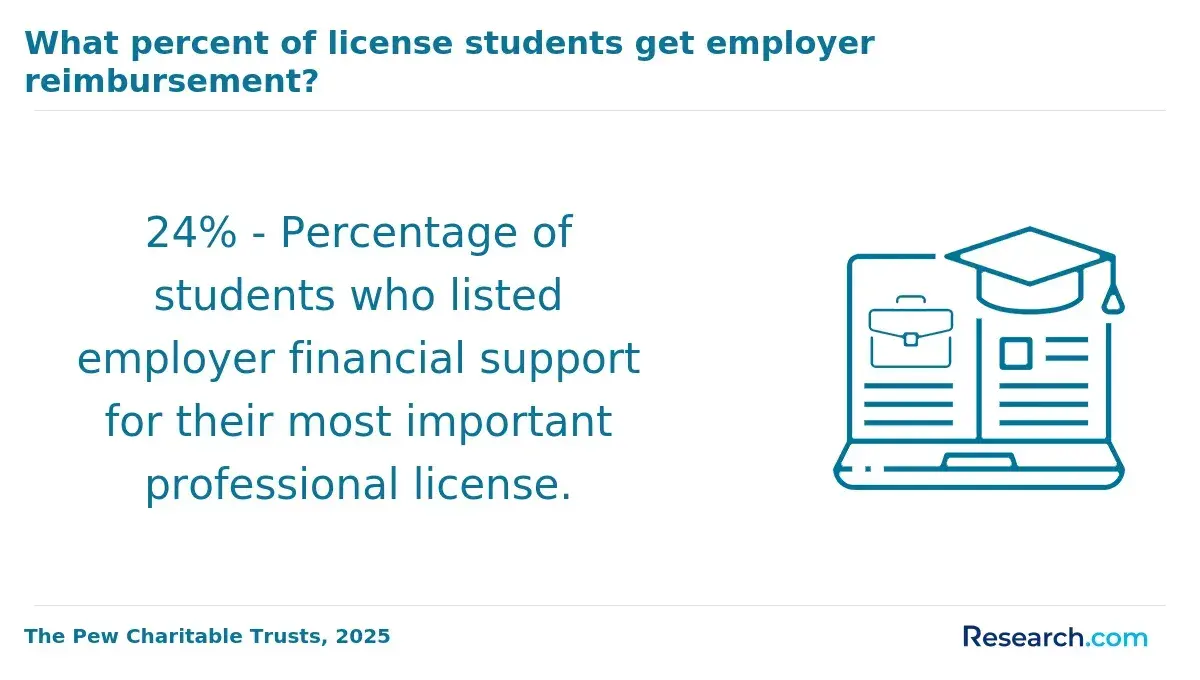
Tuition discounts focused on adult learners—including reduced rates for fully online courses and military benefits offering up to 25% off tuition—reflect varied approaches to cost management. Employers in fields like law enforcement or corrections may provide tuition reimbursement covering 50% to 100% of costs, yet these often entail employment commitments that influence career flexibility and mobility after graduation.
Accelerated online programs that allow transfer of up to 75% of previously earned credits can cut degree completion to a year or less, substantially reducing both tuition and opportunity costs. However, heterogeneous transfer credit policies require careful scrutiny to ensure accepted credits align with credential recognition by employers, a key consideration as criminal justice roles increasingly emphasize timely certification and relevant experience.
The balance between scholarships, grant eligibility, accelerated pathways, and employer expectations is a strategic calculation students must navigate. Those leveraging transfer credits and employer benefits may minimize expenses but face constraints around job location and role retention, whereas others may prioritize broader institutional recognition at the cost of additional semesters.
What criminal justice careers can you pursue with an online degree?
Choosing an online criminal justice degree requires weighing both the degree's specialization and its alignment with employer expectations, which often extend beyond academic credentials. For example, police departments mandate academy training and certifications alongside the degree, while federal law enforcement roles demand security clearances and further examinations. This dual requirement shapes career viability and progression, influencing the value of the degree itself.
Practical experience stands as a critical differentiator. Candidates for probation or parole officer positions must demonstrate case management skills adaptable to diverse community contexts, a nuance that urban and rural environments emphasize differently.
Specialized roles—such as forensic science technicians or cybercrime analysts—necessitate focused coursework in evidence handling or digital forensics, which typical criminal justice programs may not cover comprehensively.
Cost considerations are pivotal; some accredited programs price credits significantly below the national average for online social sciences, easing long-term debt burdens and preserving financial agility. Selecting programs grounded in measurable employment outcomes and affordability can reduce credentialing delays and support smoother career transitions.
What are typical salaries and job outlooks for criminal justice careers requiring a degree?
Criminal justice degree holders face a wage spectrum heavily influenced by role, experience, and sector, with median salaries ranging roughly from $50,000 for entry-level probation officers to close to $90,000 for supervisors or detectives. Specialized positions such as forensic science technicians may surpass $85,000 but typically demand additional credentials beyond a bachelor's degree.
This underscores the operational reality: simply possessing a degree rarely guarantees a high starting salary without concurrent practical experience or certifications.
Growth projections of 3-5% through 2030 indicate moderate demand, placing more responsibility on candidates to strategically align education with experience. More than 70% of online undergraduates in this field juggle work alongside study, often full-time, which complicates access but provides critical workplace exposure that employers prize.
Professionals leveraging ongoing employment frequently access roles with $10,000 to $20,000 higher pay compared to peers without hands-on experience.
Those entering without significant work history confront a steeper wage climb. For them, internships and targeted certifications become operational necessities rather than optional enhancements. Employers prioritize candidates demonstrating skills and adaptability developed through simultaneous employment or specialized training, not just academic credentials.
Choosing a criminal justice degree program demands balancing the depth and flexibility of coursework with realistic employment prospects. Graduates who integrate professional experience with academic credentials typically realize more sustainable income growth over time.
How do licensing, certification, and background checks affect criminal justice career eligibility?
Licensing and background checks directly determine access to most criminal justice positions, making them as critical as formal education. Many roles—such as police officers and probation officers—require passing state-specific certifications like the POST (peace officer standards and training), which explicitly exclude candidates with recent felony convictions or unresolved legal issues.
Forensic roles add another layer by insisting on professional certifications, including those provided by the American Board of Criminalistics, to ensure competency beyond academic credentials.
Background investigations extend beyond criminal history, examining financial stability and employment records, with some agencies conducting periodic rechecks. These factors clearly signal to candidates that a degree alone is insufficient; legal transparency and credential compliance weigh heavily during hiring decisions and career continuity.
Prospective students should align their educational choices with state licensing demands to avoid costly missteps. For example, in California, probation work requires clearing POST certification and thorough background vetting before employment eligibility. This alignment means prioritizing accredited programs recognized by certification bodies rather than generic degrees.
Active management of legal issues, including seeking expungements where possible, is equally important. Balancing certification with degree attainment maximizes practical eligibility and positions candidates effectively within public safety and investigative workforces.
Other Things You Should Know About Criminal Justice
Employer respect for online criminal justice degrees depends largely on the program's accreditation and reputation. Degrees from regionally accredited schools that offer practical, skill-based training tend to hold comparable value to traditional degrees. However, candidates from for-profit or non-accredited online programs may face skepticism, particularly in competitive law enforcement jobs that prioritize proven practical experience over academic credentials alone. When choosing a program, prioritize those with clear employer connections and internship opportunities to ensure the degree translates into tangible workforce readiness.
Balancing full-time employment with an online criminal justice program requires careful consideration of course pacing and workload demands. Programs that offer asynchronous classes and flexible deadlines accommodate working adults better, but some courses, especially those with fieldwork or group projects, can demand significant off-hours commitment. Adults should assess whether the part-time option genuinely fits their weekly availability since underestimating study time may delay graduation and increase financial strain. Prioritize programs with transparent workload expectations and supportive academic advising.
Adult learners might encounter challenges such as time management balancing studies with commitments like work or family. Additionally, since online learning involves less face-to-face interaction, students may need to be proactive to engage with peers and instructors effectively. Obtaining scholarships requires understanding criteria and deadlines well in advance. --- **Question** Are online criminal justice degrees respected by employers in law enforcement and related fields? **Answer** In 2027, online criminal justice degrees are increasingly respected by employers, particularly if they are accredited. Employers recognize them for their flexibility and accessibility, though candidates should highlight practical experience or internships to bolster their credentials. --- **Question** Can adult learners effectively balance full-time work with an online criminal justice program? **Answer** Adult learners in 2027 can balance a full-time job with online studies due to the flexible scheduling options offered by most programs. Effective time management and discipline are crucial to successfully manage these commitments. --- **Question** How should adult learners evaluate the return on investment (ROI) of online criminal justice degrees with scholarships? **Answer** Adult learners should evaluate ROI by considering tuition costs, the availability of scholarships, potential salary increases post-degree, and career advancement opportunities. Researching program reputation and graduation success rates can also inform their decision.
Scholarships reduce direct costs but do not eliminate the indirect expenses of time and lost income if study load affects work hours. Adult learners must weigh tuition savings against the program's ability to open doors to higher-paying roles or promotions. Prioritize programs with strong alumni employment rates and employer partnerships to maximize ROI. Candidates should also consider whether the curriculum aligns with target career paths since a less expensive degree with irrelevant focus areas can limit advancement despite lower upfront costs.
References
- Scholarships & Resources for Criminal Justice Master’s Students https://www.onlinemastersdegrees.org/student-resources/criminal-justice/
- Online Criminal Justice Degrees: Find the Right Program https://www.degreesforgood.org/online-degrees/criminal-justice-programs/
- Criminal Justice Scholarships https://www.criminaljusticeprograms.com/financial-aid/scholarships/
- Jobs with a degree in Criminal Justice | Monroe University https://www.monroeu.edu/academics/undergraduate-programs/school-criminal-justice/what-can-you-do-criminal
- Criminal Justice Careers | Accredited Schools Online https://www.accreditedschoolsonline.org/criminal-justice-degree/careers/
- What Are the Entry Requirements for a Criminal Justice Program? | University of Bridgeport https://www.bridgeport.edu/news/entry-requirements-for-a-criminal-justice-program/
- How a Criminal Record Can Affect Your Employment Opportunities https://www.newmanallen.com/blog/2026/april/how-a-criminal-record-can-affect-your-employment/
- Explore Bachelor's Degree in Criminal Justice | All Criminal Justice Schools https://www.allcriminaljusticeschools.com/criminal-justice/criminal-justice-bachelors-degree/
- Top Online Criminal Justice Degree https://www.onlinecolleges.net/rankings/best-online-bachelors-criminal-justice-degree-programs/
- Reasons to Pursue an Online Criminal Justice Degree Program in Homeland Security https://www.aiuniv.edu/degrees/criminal-justice/articles/online-criminal-justice-homeland-security