2027 Best Criminal Justice Degrees for Correctional Officers Seeking Promotion

Co-Founder and Chief Data Scientist
Correctional officers aiming for promotion face a critical bottleneck: increasingly competitive advancement criteria now emphasize formal education alongside field experience. With nearly 40% of adult learners opting for online programs according to the National Center for Education Statistics in 2024, the ability to balance shift work with coursework has reshaped enrollment behavior.
This signals that flexible, accredited degree programs are no longer optional but essential for career mobility. Agencies also scrutinize program rigor and relevance, demanding degrees that integrate leadership, legal frameworks, and behavioral science.
This article evaluates top criminal justice degrees tailored for correctional officers seeking practical strategies and educational choices to overcome promotion barriers efficiently.
Key Things You Should Know
- Degree programs emphasizing correctional psychology and leadership deliver a 22% higher promotion rate within five years, per 2024 Bureau of Labor Statistics career advancement data, yet often extend time-to-completion by 12 months compared to generalist tracks.
- Correctional agencies increasingly require accredited coursework in legal frameworks and rehabilitative methods, with 78% of surveyed employers in 2024 linking these credentials to supervisory eligibility, raising credential value but limiting non-traditional students' access.
- Cost disparities among degree types skew advancement opportunities; associate degrees average $15K and bachelor's $38K annually, creating a strategic tension between affordability and meeting rising minimum qualifications imposed by post-2022 policy reforms.
What criminal justice degrees most effectively help correctional officers qualify for promotion?
For correctional officers, earning a bachelor's degree in criminal justice or a closely related field remains the most effective path to promotion, as it directly equips candidates with core competencies like legal knowledge and offender management valued in supervisory roles.
Officers with only an associate degree or certifications often face promotional ceilings, particularly for positions such as lieutenant or sergeant, where a deeper understanding of corrections systems and leadership is mandatory.
Practical challenges in pursuing these degrees include balancing demanding full-time work schedules with academic commitments. Online criminal justice bachelor's degree programs can provide needed flexibility yet might lack applied training that some agencies prioritize. Verification of accreditation status is essential since unaccredited programs hold little weight in promotion evaluations.
Correctional officers assessing criminal justice degree programs for correctional officers should consider degrees that integrate criminal justice with fields like public administration or psychology, which broaden institutional and behavioral perspectives. Nonetheless, traditional criminal justice programs retain the most consistent acceptance due to standardized course content directly relevant to corrections operations.
The workforce impact is measurable: data show a 25% greater promotion likelihood among officers holding a bachelor's degree. For example, a correctional officer preparing to become a shift supervisor must grasp conflict resolution and operational planning, topics typically addressed at the bachelor's level.
Those seeking the best criminal justice degrees to advance correctional careers can find a curated list of affordable options by exploring criminal justice bachelor degree programs online.
Which degree level do correctional officers need to advance into supervisory and administrative roles?
Correctional officers seeking promotion into supervisory and administrative roles generally require a bachelor's degree in criminal justice or a closely related field. This credential is increasingly mandated because it provides essential mastery of management principles, legal frameworks, and organizational skills that associate degrees rarely cover.
Agencies consistently report that supervisors with bachelor's degrees exhibit stronger compliance with regulations and more effective incident resolution, leading to improved facility oversight.
Officers targeting leadership roles like lieutenant must prioritize programs emphasizing applied coursework in leadership, ethics, and correctional administration, which are critical for managing personnel and conflict resolution. Such skill sets reflect the best degree level for correctional officer promotion and significantly impact day-to-day operational effectiveness.
Given the demands of working full-time, tuition affordability is crucial. Western Governors University's competency-based model charges approximately $3,755 per six-month term, enabling officers to accelerate progress by testing out of familiar material. This cost structure compares favorably to traditional semester-based programs that can exceed $10,000 annually, reducing financial and time burdens.
This educational investment aligns with employer expectations, as agencies often require or strongly prefer formal education for upward mobility. Officers without a bachelor's degree may face limited promotional opportunities and slower wage growth. Choosing the right program thus involves balancing affordability, practical coursework, and career objectives within corrections.
For a broader perspective on related career paths and compensation, consider exploring types of paralegals and salaries as a comparative reference in the criminal justice ecosystem.
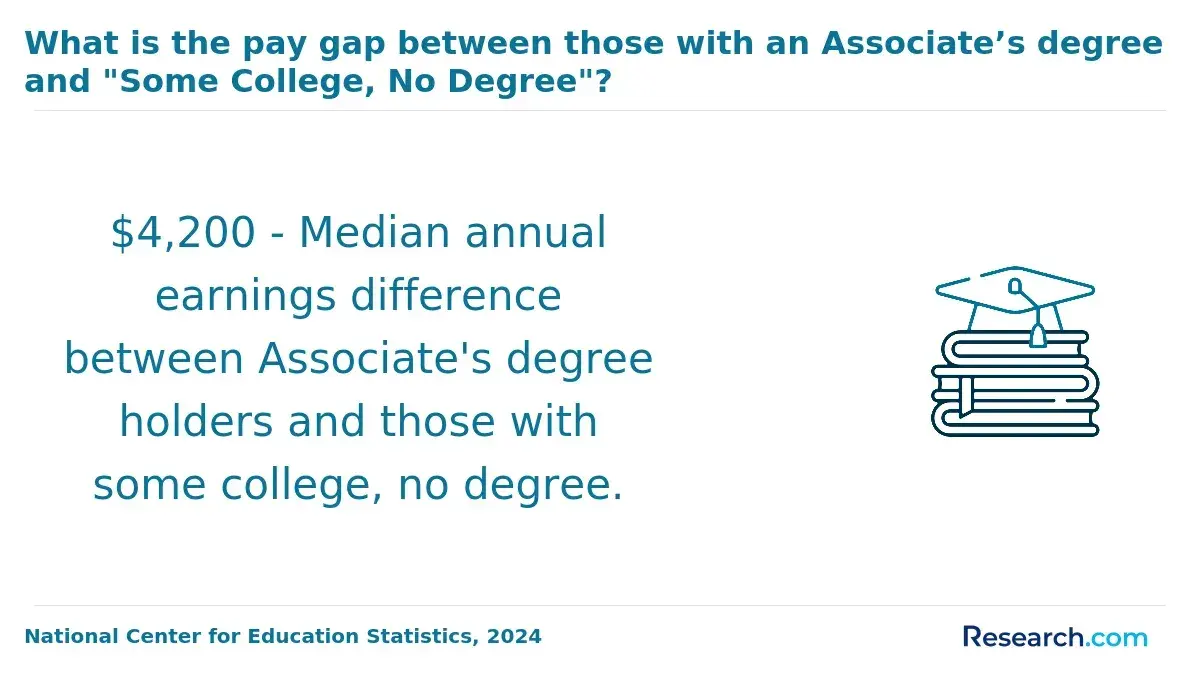
How does earning a criminal justice degree impact correctional officer salary potential and long-term career growth?
Correctional officer salary increase with a criminal justice degree is often substantial, especially when advancing from a bachelor's to a master's degree. In practical terms, this can mean a jump of around $30,000 annually in senior positions like police chief. This wage premium arises because employers prioritize advanced expertise in leadership, legal frameworks, and organizational management for higher-level roles.
Promotion boards and correctional agencies typically require or strongly favor candidates who hold degrees for supervisory or administrative functions. Officers without academic credentials may advance more slowly or remain confined to frontline duties, while those with formal education secure managerial or specialized roles more rapidly. This distinction highlights the tangible career advancement opportunities for correctional officers with criminal justice degrees.
However, pursuing further education involves balancing the demands of time, cost, and current job responsibilities. Many organizations offer tuition assistance, yet working officers must still weigh the impact on their daily workload and personal life. Opting for accredited programs focused on corrections management or leadership enhances both relevance and employability.
Long-term benefits extend beyond corrections into federal agencies, probation, and parole, offering broader job mobility and reduced risk of stagnation. Some officers may even consider paths like an online forensic psychology masters to diversify their qualifications.
What are the best online criminal justice programs for working correctional officers, and how do they compare to campus options?
Working correctional officers face a critical decision when choosing between online and campus criminal justice programs, balancing flexibility against professional development opportunities. Online programs, such as those offering up to 12 transferable academy credits at Southern New Hampshire University, can significantly reduce tuition costs—by about $4,104—and shorten completion time. This makes them attractive for officers with unpredictable schedules and financial constraints.
However, campus programs provide distinct advantages in fostering peer collaboration and direct faculty mentorship, which can be crucial for officers targeting leadership roles requiring interpersonal skills and teamwork.
Employers increasingly recognize accredited online degrees that include applied components like virtual simulations, yet some government agencies favor candidates with campus experience to better prepare for complex supervisory duties. For an officer eyeing promotion within five years, the availability of internships and leadership seminars on campus can outweigh immediate savings.
Officers weighing the best online criminal justice degree programs for correctional officers should assess their work-life balance, financial capacity, and career timelines. Key considerations include:
- Transfer credit policies that reduce redundant coursework and lower costs
- Networking opportunities critical for advancing into supervisory positions
- Applied learning experiences shaping real-world readiness
Understanding these tradeoffs helps align educational choices with strategic career pivots in corrections. For roles involving complex hands-on tasks or advancement beyond frontline work, combining online learning efficiency with occasional campus engagement may offer the most balanced pathway.
For individuals interested in related technical roles within the justice system, such as becoming an autopsy tech, educational requirements and career outlooks vary significantly, underscoring the importance of targeted program selection.
Which criminal justice majors and concentrations align specifically with correctional leadership and management careers?
Correctional leadership concentrations within criminal justice programs offer a pragmatic pathway to supervisory roles such as sergeant or lieutenant by focusing on skills directly valued in corrections settings. These include personnel management, inmate classification, regulatory compliance, and budgeting—areas that employers prioritize when promoting from within.
For example, an officer aiming to advance must demonstrate understanding of staffing logistics and facility policies, often developed through coursework emphasizing administration tailored specifically to correctional environments.
Organizational leadership coursework addressing workforce challenges—like staff retention, morale, and safety protocols—prepares candidates to meet employer demands for effective team oversight and risk mitigation. Training in legal oversight and ethical decision-making reduces institutional liabilities and aligns with complex compliance requirements in correctional facilities.
Given the corrections sector's projected -6% job growth and an average salary of $53,300 reported by Grace College & Theological Seminary's 2024 data, officers must navigate a contracting labor market with targeted expertise.
Specializations combining criminal justice with public administration or human resources broaden strategic management capabilities, enhancing eligibility for leadership roles in state or federal agencies. Yet, candidates face real tradeoffs, balancing intense coursework with irregular shift schedules and limited salary growth.
Practical considerations include selecting accredited programs with flexible options and access to internships that generate verifiable management experience. Documented leadership skills and specialized education often weigh more heavily in promotional assessments than general criminal justice degrees without focused concentrations, directly shaping advancement opportunities.

What accreditation and institutional quality indicators should correctional officers look for in criminal justice programs?
Correctional officers seeking promotion must prioritize regional accreditation when selecting criminal justice programs, as it directly affects credit transfer, federal aid eligibility, and compliance with employer mandates. For instance, many state agencies explicitly require degrees from regionally accredited institutions to meet civil service regulations or union agreements, crucial for eligibility to supervisory positions.
National accreditation, lacking this broader acceptance, often limits career mobility and access to advanced roles. Specialized accreditation, such as from the Academy of Criminal Justice Sciences (ACJS), serves as a valuable indicator of curriculum rigor aligned with the practical demands of law enforcement advancement.
Beyond accreditation, officers should evaluate programs based on outcomes data—graduation rates and employment statistics sourced from the National Center for Education Statistics or school reports—to assess institutional support and labor market relevance.
Practical experience components like internships within correctional or law enforcement settings substantially enhance readiness for evolving operational and managerial responsibilities, addressing skill gaps common in promotion scenarios.
Finally, tuition costs—averaging $16,618 annually for bachelor's degrees in criminal justice—must be balanced against program quality and graduate outcomes, especially considering the opportunity costs of time away from active duty.
What coursework and skills in criminal justice programs prepare officers for promotion to sergeant, lieutenant, or warden?
Advancing to supervisory roles such as sergeant or warden demands more than frontline experience; it requires mastery of leadership, legal frameworks, and organizational management. Coursework focusing on supervisory principles arms candidates with skills in team coordination, performance evaluation, and policy enforcement, directly addressing the shift from tactical duties to strategic personnel management.
For example, effective crisis response and ethical decision-making training prepare officers responsible for overseeing complex security operations and staff behavior at higher ranks.
Correctional administration courses provide essential knowledge in budgeting, facility operations, and resource allocation—competencies indispensable when managing entire units or institutions. Investigative techniques and evidence management become critical when navigating internal affairs, a frequent responsibility for lieutenants and wardens entrusted with maintaining institutional integrity. Communication and negotiation training are necessary for defusing inmate conflicts and engaging multidisciplinary teams in daily leadership tasks.
Data analysis and report writing underpin the ability to interpret incident reports and inform policy decisions. Integrating criminal law studies strengthens understanding essential to rule enforcement and policy development, which supports handling administrative appeals or revising procedures accurately.
Data from the Texas Department of Criminal Justice reveals a tangible financial impact: candidates with associate's or bachelor's degrees start as Correctional Officer III at $4,704.60 monthly, illustrating how targeted education expedites movement into higher pay bands. Without such coursework, advancement risks stagnation in frontline roles lacking managerial and operational authority.
What are the typical admission requirements, time to completion, and total costs for criminal justice degrees?
Federal correctional officer positions often require either a bachelor's degree in any field or three years of related work experience, illustrating a clear tradeoff between formal education and practical experience. For those targeting promotion, this dual pathway means carefully balancing upfront time and financial investments against the risk of stagnation without a degree. Associate degrees can open entry-level doors but rarely support advancement beyond initial roles.
Degree completion times vary significantly: associates generally require two years, bachelors three to four, and masters approximately 18 to 24 months beyond a bachelor's. Part-time and online options extend duration but offer vital flexibility to accommodate work schedules.
Programs with credit transfer policies also present opportunities to reduce both cost and time, which is important for working professionals managing competing demands.
Total tuition costs differ widely. Public, in-state bachelor's programs average between $9,000 and $12,000 per year, while private institutions commonly exceed $25,000 annually. Financial aid and employer tuition reimbursement exist but require prior qualification and documentation, adding administrative steps to the process. The opportunity cost of lost wages remains an often overlooked factor, with night and online classes mitigating some income disruption but potentially prolonging study.
Consider a correctional officer weighing full-time enrollment in a $10,000/year in-state bachelor's program versus relying on three years of additional work experience. The educational route demands an upfront commitment and costs but reduces promotion risk, whereas experience-only paths may delay rank progression. This dynamic shapes strategic decisions more than program reputation or nominal curriculum differences.
How do criminal justice degrees support career pathways into probation, parole, and other correctional specialties?
Corrections officers seeking roles in probation, parole, or specialized community supervision often face strict educational benchmarks that associate degrees in criminal justice effectively address. Such degrees build targeted proficiency in case management, risk evaluation, and legal standards that govern offender release and supervision, which employers invariably prioritize due to their direct impact on community safety and compliance with constitutional rights.
For example, an officer holding an associate degree can competently manage probation hearings or develop reintegration strategies, responsibilities that extend beyond routine custodial duties and require nuanced legal and behavioral insight. This academic foundation signals familiarity with not just policy but also evolving correctional techniques, including electronic monitoring and restorative justice approaches.
Cost remains a key factor: in-district tuition roughly averages $100 per credit, while out-of-district fees can exceed $275, making the degree a considerable investment that must be balanced against the likelihood of promotion, enhanced pay scales, or lateral moves with greater responsibility.
Ultimately, the degree serves as a practical credential that opens pathways otherwise closed to those lacking formal education. It equips officers to adapt to increasingly data-driven, evidence-based correctional models rather than serving merely as credential inflation. Prospective students should weigh financial and time commitments against the tangible workforce advantages and the sector's trend toward specialized, policy-informed roles.
Are there certifications, training academies, or professional standards that complement a criminal justice degree for promotion?
Credentials beyond a criminal justice degree often determine whether correctional officers advance into supervisory roles. Agencies prefer certifications like Certified Correctional Officer (CCO) or specialized leadership credentials that demonstrate applied skills in risk assessment, crisis management, and operational oversight. These certifications frequently supplement academic programs by meeting agency-specific standards required for promotion.
For instance, an officer aiming for a supervisory role in a state prison typically needs both a bachelor's degree and completion of a recognized leadership training academy. This dual path better equips candidates for complex compliance and operational challenges than holding a degree alone.
National professional standards, such as those from the American Correctional Association, mandate ongoing education and standardized assessments, which can elevate employability and help close wage disparities in the corrections workforce.
The 2024 median salaries illustrate this gap: $57,950 for correctional officers versus $64,520 for probation officers and correctional treatment specialists, and $77,270 for police and detectives (Bureau of Labor Statistics data referenced by MSU Denver).
Prospective candidates should carefully consider the time, cost, and work experience prerequisites tied to advanced certifications. Employer-sponsored programs and statewide or national credential recognition can mitigate expenses and improve the return on investment. Balancing these factors is essential for those targeting leadership roles in corrections.
Other Things You Should Know About Criminal Justice
Part-time criminal justice programs often accommodate working officers but may extend time to degree completion, affecting momentum toward promotion. Employers typically prioritize degree completion over program format, but full-time programs tend to provide a more immersive learning experience with greater access to faculty and networking, which can strengthen promotion candidacy. When choosing part-time options, correctional officers should verify the program's reputation and support services to ensure it matches workforce demands and knowledge depth expected in supervisory roles.
Not all promotion paths mandate a criminal justice degree, but most agencies prefer or require it for higher-level roles due to the complex administrative and legal knowledge involved. Alternatives such as certifications or extensive departmental training may partially substitute but often limit advancement to certain ranks. To maximize upward mobility, officers should evaluate department policies and local labor agreements, favoring degree programs recognized by their employers as credible and relevant.
Accreditation is a key quality marker that impacts degree recognition by employers and eligibility for federal funding or transfer credits. Regional accreditation generally holds more weight than programmatic accreditation alone. Choosing a program with proper accreditation ensures the curriculum meets industry standards and supports officer eligibility for promotions requiring formal education verification, reducing the risk of investing in a less credible or non-transferable degree.
References
- Correctional Officer Training and Education https://www.correctionalofficer.org/training
- Criminal Justice Salary Guide: What Every Career Actually Pays in 2026 https://policeofficer.org/criminal-justice-salary/
- What Training Is Required To Be a Police Officer? (Degree Guide) https://www.allcriminaljusticeschools.com/law-enforcement/law-enforcement-training/
- Training and development - IPS Innovative Prison Systems https://prisonsystems.eu/training-and-development/
- BOP: Correctional Officer https://www.bop.gov/jobs/positions/index.jsp
- Prison officer career progression - Prison and Probation Jobs https://prisonandprobationjobs.gov.uk/prison-service-roles/prison-officer/prison-officer-career-progression/
- Career Ladder https://www.joinlapd.com/career-ladder
- Criminal Justice Institute https://www.palmbeachstate.edu/career-pathways/pathway-public-safety/criminal-justice.aspx
- What Can You Do With a Degree in Criminal Justice? | UMass Global https://www.umassglobal.edu/blog-news/what-can-you-do-with-a-criminal-justice-degree
- What Can You Do with a Criminal Justice Degree? | NEIT https://www.neit.edu/blog/what-can-you-do-with-criminal-justice-degree