2027 Best Careers After a Criminal Justice Degree

Co-Founder and Chief Data Scientist
Graduates holding a criminal justice degree often confront a fragmented job market where employer expectations far exceed entry-level qualifications, creating a pressing challenge for those seeking meaningful career advancement.
With over 40% of adult learners enrolling in flexible online programs according to the National Center for Education Statistics, timing and accessibility now reshape career trajectories, yet many candidates struggle to translate academic credentials into roles with strategic impact. The growing demand for specialized skill sets and credentials complicates hiring dynamics, forcing students to weigh program quality against rapid employability.
This article identifies the best career options after earning a criminal justice degree, equipping readers to navigate these practical obstacles effectively.
Key Things You Should Know
- The Bureau of Labor Statistics projects a 7% growth in criminal justice-related roles through 2032, but specialization in cybercrime or forensic analysis correlates with 35% higher starting salaries, demanding targeted subfield training.
- Employers increasingly prioritize candidates with integrated data analytics and law enforcement internships, with 62% of agencies favoring applied experience over GPA, shifting hiring from purely academic credentials to practical skillsets.
- Obtaining a criminal justice degree within four years correlates with 18% greater long-term earnings, while extended part-time study to reduce upfront cost risks marginalizing applicants for entry-level law enforcement roles with strict hiring timelines.
What are the best career paths you can pursue with a criminal justice degree?
Choosing the best career paths with a criminal justice degree in the United States requires balancing earning potential, physical demands, and training requirements across varied fields. Law enforcement roles, including police officer, detective, or federal agent, offer median annual wages near $77,270, with steady employment growth despite localized hiring freezes.
However, applicants face significant hurdles in physical fitness, psychological testing, and academy training before securing field assignments. This tradeoff between livable income and physical risk often shapes candidates' long-term commitment.
Less physically taxing yet requiring scientific acumen, forensic science positions integrate criminal justice with biology or chemistry, demanding additional credentials and specialized certifications. These jobs emphasize exactness in evidence analysis, directly impacting legal outcomes but offer fewer openings compared to law enforcement.
Correctional officers and probation officers represent alternative, lower-risk tracks focusing on offender management and rehabilitation; their slower advancement and lower pay reflect sector realities but suit those prioritizing stable, less physically intensive work environments.
Legal support roles like paralegals leverage criminal justice knowledge to aid attorneys but typically require extra credentialing and exhibit slower career acceleration. Overall, realistic employment prospects depend heavily on local labor markets, individual physical readiness, and willingness to pursue extended training.
Prospective students should also consider how much does it cost to get a criminal justice degree when assessing these pathways and their practical outcomes.
Which criminal justice jobs offer the highest salaries and strongest earning potential?
High earning potential in criminal justice careers often correlates with advanced credentials and the ability to navigate stringent hiring standards. Federal law enforcement agents, including FBI and DEA special agents, typically start with base salaries near $62,000, with total compensation exceeding $90,000 within five years due to overtime and locality adjustments.
Forensic scientists and analysts in government or private labs usually command between $60,000 and $85,000 annually. Legal professionals in criminal defense or prosecution with law degrees often surpass six-figure incomes, especially in major metropolitan areas, representing some of the top earning jobs with a criminal justice degree.
By contrast, careers in correctional and probation services offer more immediate entry but with median salaries around $64,520 and marginally higher workforce growth projections. These roles involve greater exposure to occupational hazards, which is a critical consideration for many prospective students.
The tradeoff between entry barriers and salary growth is stark: federal and forensic roles generally require advanced degrees, specialized training, and security clearances, while correctional positions demand fewer qualifications but limit upward pay mobility.
A practical example is the forensic science track, where investing in graduate coursework or certifications delays earnings but opens access to higher-paying niches. For students exploring affordable pathways to enter this field, ABA-approved paralegal programs can provide foundational credentials that support career pivots. Realistically weighing these educational and occupational tradeoffs is essential for those targeting the highest paying criminal justice careers in the United States.
What is the job outlook for criminal justice careers and where is demand growing most?
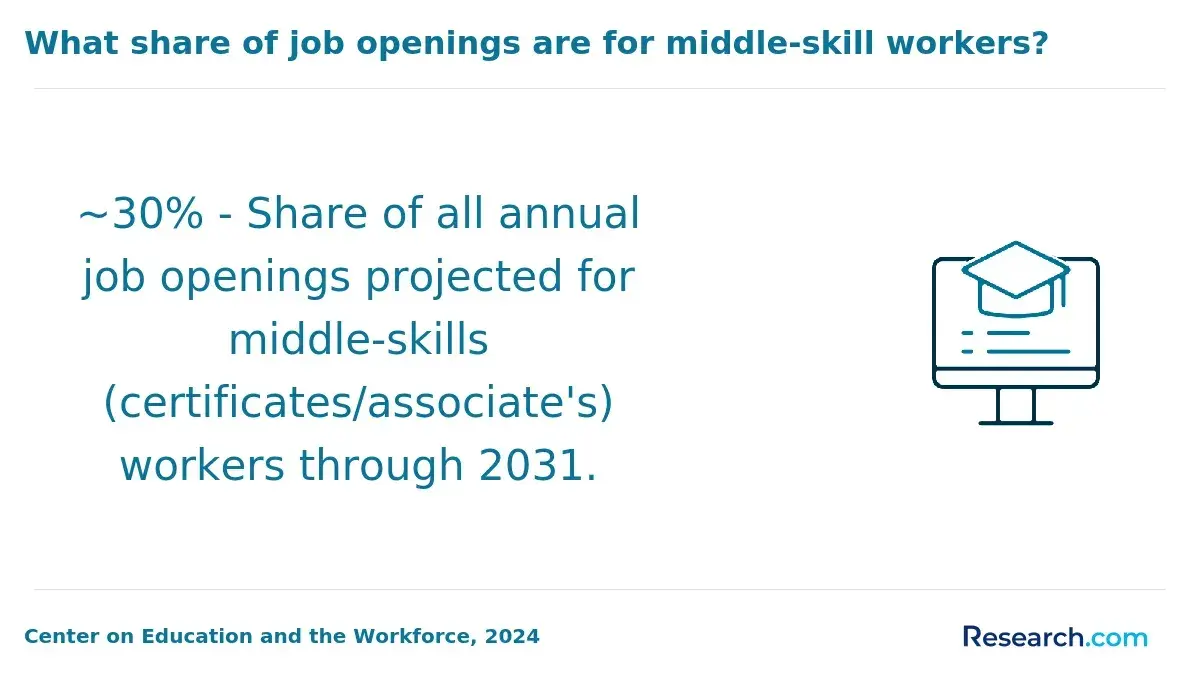
Employment growth in criminal justice careers shows notable variation by specialization and region, demanding targeted educational and strategic choices. For example, legal support roles such as paralegals and compliance officers are expanding steadily, with a 4% growth projection and a median wage of $62,200.
These positions reflect the intersecting demands of legal expertise and administrative capability within densely populated court systems, such as in regions with highest demand for criminal justice jobs.
In contrast, frontline law enforcement roles face pressure from budget limitations and automation, which slow growth despite ongoing necessity. Meanwhile, cybersecurity and forensic technology fields grow faster, fueled by evolving digital crime threats, requiring specialized certifications and adaptability. Those interested in correctional treatment and rehabilitation must consider additional credentials and tradeoffs like lower compensation but potentially greater societal impact.
Students should weigh the practical balance of wage expectations, required credentials, and regional hiring patterns when selecting pathways. Prioritizing programs linked to internships or partnerships aligned with metropolitan demand enhances employability.
For those seeking advanced roles, understanding the intersection of criminal justice and mental health can be critical. Explore options such as jobs with a masters in forensic psychology to evaluate specialized career trajectories fully.
What entry-level criminal justice roles can you get with a bachelor's degree?
Pursuing entry-level criminal justice careers with a bachelor's degree positions graduates in roles such as probation officer, correctional treatment specialist, and security manager, each demanding a specific blend of legal knowledge and interpersonal skills.
For example, probation officers must enforce court mandates while managing communication with offenders, tasks grounded in the legal and rehabilitative frameworks acquired during undergraduate study. Correctional treatment specialists merge social work techniques with criminal justice to address inmate rehabilitation and reduce recidivism.
Private security remains a practical option despite modest wage scales. The median salary for security guards was $38,370 as of May 2024, with employment growth projected at only 2% over the next decade. This indicates limited expansion but steady demand for security managers and corporate investigators leveraging criminal justice insights for risk control.
A bachelor's degree alone does not suffice for many law enforcement positions, such as police officers or detectives, where additional academy training and certifications are mandatory.
However, having this degree can improve candidacy in agencies prioritizing higher education. Graduates competing in saturated markets often find that internships or relevant work experience are decisive factors, surpassing education alone, especially where critical thinking and data analysis skills are prized.
Those assessing jobs for a bachelor's degree in criminal justice must weigh educational investment against hiring realities, focusing strategically on local demand and agency requirements. Some states and employers prefer or provide distinct pathways for degree holders, influencing the practicality of particular roles.
Students considering alternatives might explore an accelerated architecture degree as a comparison of program duration and career trajectory. This cross-field perspective underscores the importance of evaluating hands-on experience alongside academic qualifications.
Which advanced or specialized criminal justice careers require graduate education or training?
Pursuing graduate education in criminal justice significantly alters career trajectories by unlocking specialized roles unavailable to those holding only a bachelor's degree. Forensic psychologists, for example, require master's or doctoral-level training integrating clinical expertise with legal knowledge to conduct court evaluations and provide expert testimony, demands that undergraduate programs do not meet.
The cybersecurity sector within criminal justice highlights acute workforce needs for graduate-qualified professionals skilled in cybercrime investigation and digital forensics. Information security analysts earned a median salary of $103,590 in 2020, with employment projected to grow 33% through 2030, emphasizing the field's rapid expansion and technical complexity that graduate programs address more thoroughly than undergraduate curricula.
Policy analysts and researchers depend on master's or doctoral education for proficiency in empirical methods and policy assessment, enabling influence over legislative and organizational reforms. Graduate degrees additionally serve as gateways to leadership, management, and specialized federal roles requiring advanced administration, ethics, and legal training.
Tradeoffs include the time and financial investment of graduate studies versus clearer access to roles with higher earning potential and stability. Candidates must consider whether the immediate costs align with their long-term goals, knowing that entry-level positions without graduate credentials often limit upward mobility.
How do online criminal justice degrees compare to campus programs for career outcomes?
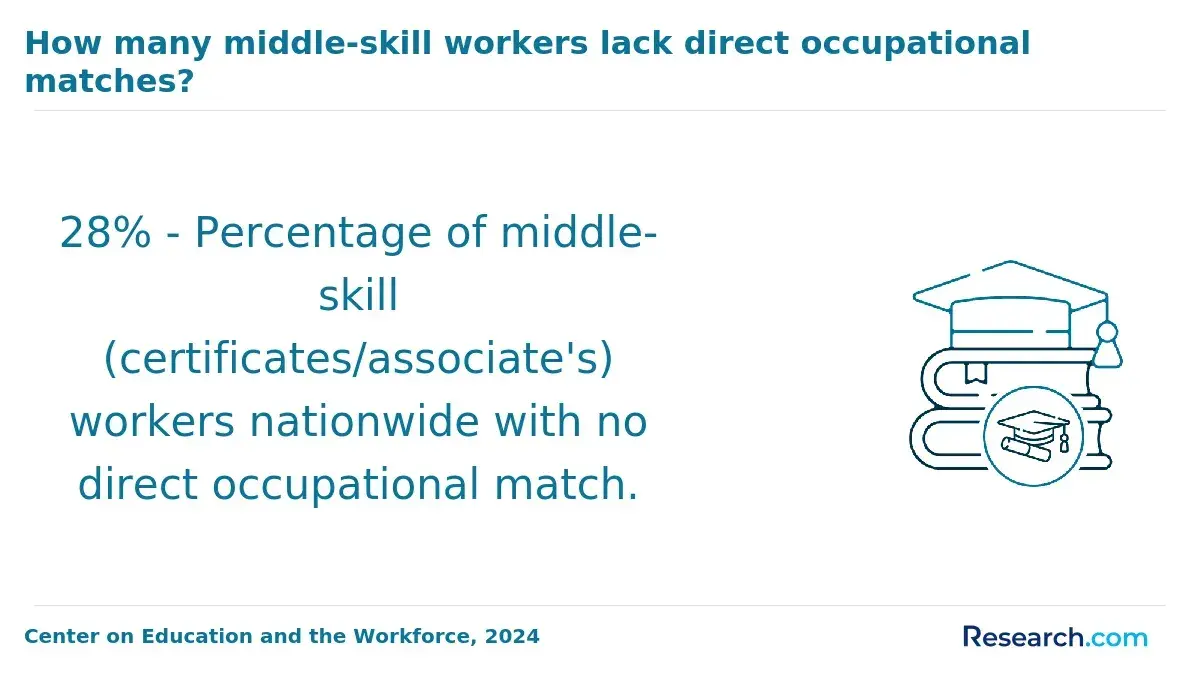
Employers in juvenile justice and social services prioritize candidates with applied skills and verifiable field experience over the mode of program delivery, making internship availability a critical factor when evaluating online criminal justice degrees.
Without robust practicum components, graduates risk limited employability in competitive sectors like mental health counseling, which the U.S. Bureau of Labor Statistics projects to grow 23% from 2016 to 2026 with a median wage of $43,300.
Working professionals gain flexibility through online programs but must ensure these offerings provide access to local internships and solid career services to offset reduced on-campus networking opportunities. For example, a candidate targeting juvenile justice services needs confirmed field placements to meet licensing requirements and improve hiring prospects.
Campus programs advantageously connect students with faculty mentorship and local agencies, particularly valuable for roles in law enforcement or probation. Conversely, online curricula tend to update more quickly, preparing graduates for emerging fields like cybercrime and digital forensics.
Critical factors influencing outcomes include accreditation, rigor, and alignment with specific roles rather than delivery format alone. Practical training integration remains the linchpin for employability in an evolving job market.
Employer Confidence in Online vs. In-Person Degree Skills, Global 2024

What criminal justice careers require professional licensing or certification, and how do you qualify?
Licensing and certification in criminal justice are often the gatekeepers to employment, yet these credentials involve complex and variable requirements that influence career trajectories significantly.
Forensic science technicians, for instance, must typically obtain state certification or meet employer credentialing by demonstrating subject-matter proficiency, often tied to degrees in forensic science or criminal justice and passing thorough exams. Police officers' certification depends on academy completion with a mix of academic, physical, and psychological components, a process that varies by state but invariably includes strict background scrutiny.
Private investigators face licensing demands in most states, which entail minimum education or relevant experience plus passing state exams, while also sometimes requiring costly bonds or insurance that delay entry. Probation officers and correctional treatment specialists usually need certification through professional bodies, combined with educational credentials and on-the-job training. Maintaining these certifications means ongoing education and regulatory compliance.
Professionals should anticipate challenging application processes that require comprehensive documentation, clean records, and continuing education. Missing any part, such as incomplete background checks or lapsed certifications, can delay job placement or even disqualify applicants, affecting long-term employability.
Key practical considerations include:
- Identifying state boards and their specific credentialing criteria early to avoid costly surprises.
- Budgeting for fees and training that can surpass $1,000 annually, a non-negligible expense for many candidates.
- Recognizing employers' preference for actively maintained certification when evaluating candidates for hiring or advancement.
What skills and coursework in a criminal justice program best align with in-demand careers?
The shifting landscape in criminal justice careers demands versatile skills beyond traditional enforcement tactics. Data analysis and policy evaluation are increasingly critical as agencies pivot toward prevention and evidence-based approaches.
For example, policy analysts interpret trends like the 60% national arrest rate decline since 1989 to reshape public safety strategies and optimize resource use. Students focused narrowly on crime scene techniques may face limited opportunities as operational roles contract and prevention gains priority.
Key workforce realities include the growing value of legal studies, ethics, and conflict resolution for roles involving regulatory compliance and stakeholder engagement in nonprofits or policy domains. Practical skills in grant writing, quantitative analysis, and communications are essential for producing policy briefs, advocacy reports, and funding proposals. Without these, graduates risk misalignment with employer expectations emphasizing strategic and legislative competencies.
Balancing course selections is a strategic decision: prioritizing courses in public policy, criminology theory, and community outreach alongside technological training enhances employability. Hands-on experience with program evaluation or advocacy campaigns offers tangible evidence of applied skills sought by hiring managers.
Graduates should recognize that technical proficiency must be complemented by critical thinking and coalition-building to navigate a criminal justice ecosystem evolving beyond frontline policing.
How can internships, field experience, or academy training improve criminal justice career prospects?
Practical experience through internships, fieldwork, and academy training decisively impacts employability in criminal justice by equipping candidates with skills that are immediately marketable. For instance, graduates who secure internships with police or correctional agencies gain proficiency in report writing, procedural adherence, and communication—skills frequently absent in new hires.
Academy training further enhances physical readiness and legal competence, prerequisites for certification in roles like peace officers, thereby differentiating candidates in a competitive labor pool. However, these opportunities demand considerable time management, often conflicting with academic commitments or personal responsibilities.
Field experience offers exposure to complex, dynamic environments such as crisis intervention and multiagency coordination, which traditional classrooms cannot simulate. Moreover, it provides crucial networking channels, with many agencies favoring applicants with verifiable practical experience.
Those pursuing criminal justice careers face intensified competition, evidenced by a 56% increase in bachelor's degree holders aged 25-29 from 2010 to 2019, necessitating strategic selection of experiential learning opportunities.
Students should prioritize internships that assign meaningful responsibilities and provide mentorship, as employers highly value demonstrated capacity to apply laws, investigative methods, or data analytics immediately upon hire. Academy training not only satisfies licensing requirements but also represents a critical differentiator in hiring outcomes.
How should you choose an accredited criminal justice program that supports your career goals?
A decisive factor in choosing a criminal justice program lies in its direct applicability to targeted career roles rather than mere accreditation status. Accreditation sets a quality floor but does not address evolving workforce needs, especially in specialized sectors like homeland security or emergency management, where skills in risk assessment and compliance analytics are critical.
For example, accountants and auditors in these interconnected fields are projected to grow by 10.0%, approaching 1,537,600 job openings nationally according to National University's analysis of BLS data.
Programs embedding practical scenarios, fraud detection, legal evidence review, or emergency decision-making, through case studies or internships yield clearer employment advantages than theoretical curricula. Faculty with active industry ties often provide insight into current operational standards and emergent technologies, an important differentiator in an often static educational landscape.
Flexibility in program delivery such as part-time or online formats matters significantly for working professionals balancing income and education. Also, training that aligns with certification preparation, especially in emergency management or cybersecurity, enhances job eligibility in competitive markets.
Graduate outcomes are a key benchmark: scrutinize graduation rates and job placement within 6 to 12 months, with special attention to alignment between employers and your intended field. Geographic proximity to federal or state agencies often supports networking strength and hands-on experience, which can decisively impact career trajectory.
Other Things You Should Know About Criminal Justice Degrees
In 2027, top career paths for those with a criminal justice degree include law enforcement officer, corrections officer, forensic analyst, probation officer, and legal assistant. Each of these roles offers unique responsibilities and opportunities for advancement within the criminal justice field.
Employers in criminal justice typically view a bachelor's degree as sufficient for entry- and mid-level roles, but a master's degree can be decisive for supervisory positions, research, or policy work. Agencies with strict hierarchical promotion systems weigh graduate degrees heavily, especially where competition is stiff. However, a master's without relevant work experience does not guarantee advancement; real-world application of advanced skills and specialized knowledge carries more weight. Candidates should evaluate if the time and cost of graduate education align with their specific career goals.
Criminal justice programs combine theoretical studies with practical applications, resulting in a workload that includes extensive reading, research projects, and case analyses. Programs with strong field components or internships require additional time commitments outside the classroom. Students balancing work should expect rigorous time management needs and prioritize programs offering flexible schedules or part-time options if necessary. Failure to fully engage with experiential learning often limits career preparedness despite academic completion.
Over-specializing in one area, such as cybercrime or forensic psychology, early in a criminal justice program can reduce flexibility in the job market. Employers often favor candidates with broad knowledge and adaptable skills, especially in agencies with shifting priorities and resource constraints. It is advisable to gain a solid foundation in core criminal justice concepts before pursuing specialization. This approach maximizes opportunities and minimizes employment risk if the chosen niche becomes oversaturated or less in demand.
References
- Online Criminal Justice Degrees (Types, Benefits & FAQ) https://www.allcriminaljusticeschools.com/criminal-justice/criminal-justice-online-degree/
- Criminal Justice Jobs: 11 Careers You Can Pursue With a Criminal Justice Degree | PLNU https://www.pointloma.edu/resources/accelerated-undergraduate/criminal-justice-jobs-11-careers-you-can-pursue-criminal
- Master's Degree in Criminal Justice: Salary & Career Options https://www.gograd.org/resources/criminal-justice-masters-careers/
- Find Top Online Bachelor's In Criminal Justice Programs https://www.accreditedschoolsonline.org/criminal-justice/bachelors/
- Preparing for a Criminal Justice Career | University of Bridgeport https://www.bridgeport.edu/news/criminal-justice-career-preparation/
- Is Criminal Justice a Good Major? https://www.warnerpacific.edu/blog/is-criminal-justice-a-good-major/
- Types of Criminal Justice Careers https://www.criminaljusticeprograms.com/criminal-justice-careers/