2027 Best Online Criminal Justice Degrees for Criminal Intelligence Careers

Co-Founder and Chief Data Scientist
Working professionals aiming to pivot into criminal intelligence often face the challenge of balancing rigorous career demands with educational advancement. FBI data projects a 13% growth in intelligence analyst roles through 2032, intensifying competition for specialized skills and certifications. However, traditional on-campus programs rarely accommodate the schedules of adult learners who must maintain employment and handle personal responsibilities.
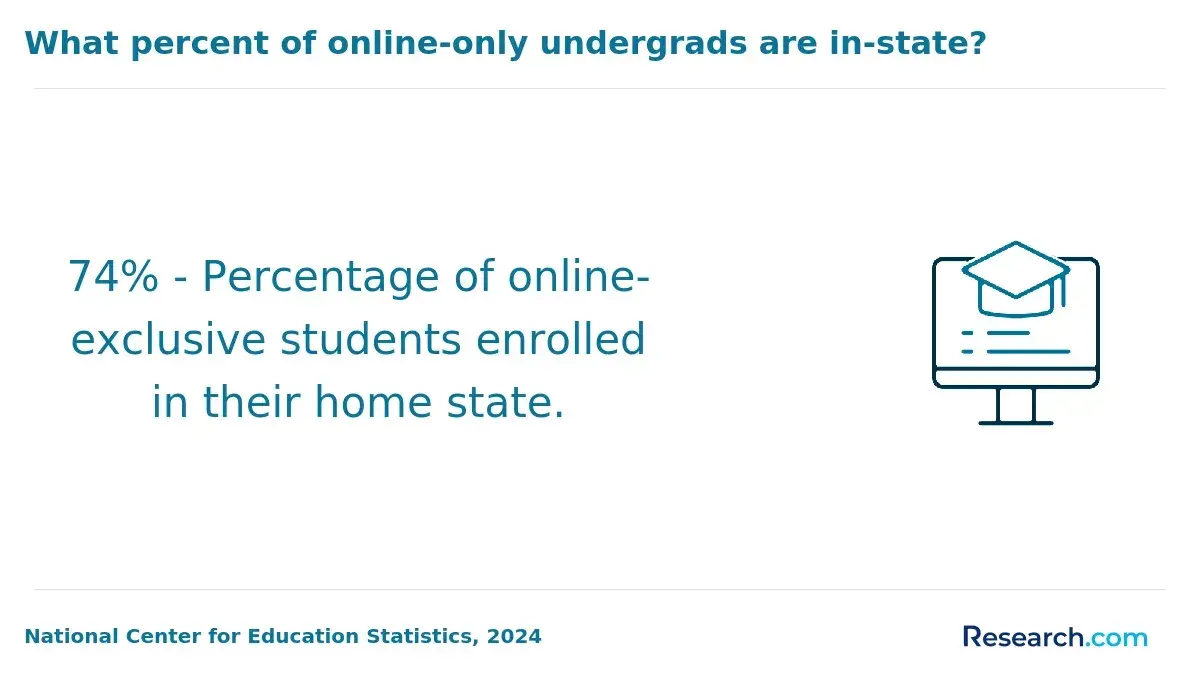
Concurrently, the National Center for Education Statistics reports a 34% surge in online criminal justice enrollments since 2022, signaling a shift toward flexible, accessible study formats that do not sacrifice academic rigor. This article evaluates online criminal justice degrees optimized for careers in criminal intelligence, focusing on flexibility, curriculum relevance, and employability outcomes to guide strategic educational investments.
Key Things You Should Know
- Data from the Bureau of Labor Statistics shows a 13% growth in criminal intelligence analyst roles through 2032, forcing candidates to prioritize programs with specialized analytic and cybersecurity modules over generic criminal justice degrees.
- Employers increasingly expect graduates to hold certifications alongside degrees; a 2024 DOJ workforce study found 68% of hiring managers rank domain-specific certifications above GPA, reshaping education-to-employment pathways.
- Median online program costs surged 12% since 2022 per NCES, pressuring prospective students to balance faster, more expensive accelerated paths against job market timing risks due to sector downturns.
What are the best online criminal justice degrees for criminal intelligence careers?
Online criminal justice degrees focused on criminal intelligence demand specialized coursework beyond traditional law enforcement studies. Programs that emphasize data analysis, cybercrime, counterterrorism, and behavioral science better prepare students for the tactical requirements of intelligence roles.
Employers-especially federal and state agencies-look for candidates skilled in analytical software like link analysis tools and well-versed in legal frameworks around surveillance and privacy. Degrees branded specifically as criminal intelligence or those with an intelligence concentration tend to align more closely with these practical hiring expectations than general criminal justice degrees.
For working professionals, balancing job responsibilities with education presents a meaningful tradeoff. Online programs offering asynchronous classes and certificates in areas like cyber intelligence alongside bachelor's or master's degrees provide flexibility without disrupting full-time employment.
A typical scenario involves a law enforcement officer upgrading skills through such a program, improving prospects in intelligence units where median annual pay can reach $74,910, according to Intelligent. Informed program selection requires scrutiny of accreditation and faculty expertise, particularly as some curricula lack current content on emerging threats such as AI-enabled crime.
When comparing the top accredited criminal justice degree programs for intelligence analysis, students should prioritize institutions that merge recognized academic standards with hands-on virtual labs and real-world tools. This blend ensures relevance for strategic intelligence positions rather than theoretical knowledge alone.
Practical application through experiential learning is key to transitioning successfully into specialized roles. Those researching career pivots may find value in exploring how to become a criminal profiler pathways that intersect with criminal intelligence competencies.
Are online criminal justice degrees accredited?
Accreditation directly determines the practical value of an online criminal justice degree. Federal agencies like the FBI and DEA-and many state law enforcement bodies-require degrees from institutions meeting stringent regional or national accreditation standards.
Candidates with unaccredited degrees often face outright disqualification during hiring or security clearance evaluations, which effectively negates any benefit from accelerated programs offering completion in 2 to 3 years for bachelor's or 18 months to 2 years for master's levels.
Prospective students should verify accreditation status using official resources such as the Council for Higher Education Accreditation or the Department of Education's Database of Accredited Postsecondary Institutions and Programs.
Ensuring alignment with robust online criminal justice degree accreditation standards is essential since federal funding eligibility, veteran education benefits, and credit transferability hinge on this validation. Without accreditation, institutional quality and curriculum relevance remain uncertain, increasing risks that coursework won't be recognized by employers or graduate programs.
Operationally, attending non-accredited programs incurs high opportunity costs; time spent may yield credentials that do not meet workforce requirements. Conversely, accredited programs support transferable credits and demonstrate rigor meeting employer expectations in criminal intelligence and law enforcement.
For those evaluating options, practical tradeoffs include balancing accelerated completion time against disciplined academic demands necessary to maintain accreditation compliance.
To supplement criminal justice credentials with complementary qualifications, learners may explore other pathways such as a paralegal certificate online, which can broaden legal understanding and enhance marketability within justice-related fields.
What courses are in a criminal intelligence degree program?
Interpreting complex and high-volume data swiftly is a non-negotiable skill in criminal intelligence roles, demanding a curriculum that goes beyond theory to practical application. A criminal intelligence degree program curriculum must integrate advanced data mining, predictive analytics, and investigative technology courses to meet employer expectations in rapidly evolving operational environments.
Core courses in criminal intelligence studies typically cover network analysis, cybercrime investigations, and counterterrorism strategies. For instance, an analyst assigned to narcotics enforcement needs proficiency in mapping trafficking networks under tight deadlines, a real-world scenario often underrepresented in programs lacking hands-on, scenario-based learning.
Balancing such applied skills with understanding of legal frameworks, privacy laws, and evidence protocols is critical, especially for careers interfacing with agencies like the FBI or DHS.
Programs with embedded field experience, such as internships or partnerships with law enforcement, furnish graduates with a decisive edge in a market that includes over 100 online criminal justice degrees, each varying in depth and focus.
Students must anticipate the challenge of adapting to continuously advancing surveillance technologies and data management demands; therefore, course selection impacts long-term viability in intelligence careers.
For professionals considering adjacent disciplines, exploring an online masters forensic psychology may complement intelligence expertise with behavioral analysis skills, enhancing threat profiling accuracy.
How do online and campus criminal justice programs compare?
Choosing between online and campus criminal justice degrees demands an evaluation of real-world tradeoffs related to flexibility, cost, and employer expectations within the intelligence field. Online programs often appeal to working professionals who must maintain income while upgrading skills.
For instance, a law enforcement officer can pursue online coursework aligned with shift schedules, accelerating progression without career interruption. This flexible pacing reflects an important dimension in how online criminal justice degrees compare to campus programs.
However, campus programs typically offer more immersive, experiential learning including labs and simulations critical for developing nuanced situational awareness and interpersonal skills valued by federal agencies. Such agencies often prefer degrees from campus programs due to networking opportunities that facilitate internships and security clearance pathways.
Conversely, local and state agencies tend to place higher emphasis on demonstrable skills, allowing online graduates to remain competitive if their curriculum matches current intelligence analysis tools.
Cost remains a decisive factor. Purdue Global, for example, lists online tuition at about $2,500 per 10-week term, presenting a financially viable option compared to traditional campus fees and additional expenses.
Decision-makers in education must weigh practical needs:
- Working professionals require flexible pacing to maintain income and avoid career disruption.
- Students targeting high-level federal roles benefit from campus environments offering mentorship and security clearance paths.
- Cost-sensitive individuals gain from lower online tuition and reduced ancillary expenses.
This analysis aligns with workforce realities in criminal intelligence careers, where educational format intersects with agency hiring standards and career trajectories. Prospective students can also explore avenues like autopsy technician jobs for alternative or complementary paths within related forensic fields.
Evaluating differences between online and traditional criminal justice education in this nuanced way supports strategic, outcome-oriented decisions.
What admission requirements do online programs usually ask for?
Admission to online criminal justice programs hinges on more than basic academic credentials; practical experience and verified backgrounds significantly shape program eligibility and outcomes.
While a high school diploma or GED suffices for bachelor's programs, prior degrees facilitate advanced standing, effectively shortening the timeline and reducing redundancy. Transfer credits depend heavily on official transcript evaluations, influencing both cost and duration.
Specialized criminal intelligence tracks exemplify the value of occupational experience in admissions. Agencies expect candidates not only to show academic aptitude but also to demonstrate real-world operational competence-often requiring documented work histories in law enforcement or related sectors.
For example, a corrections officer pivoting to an intelligence-focused credential might bypass foundational coursework, enabling faster progression and more competitive positioning in the labor market.
Background investigations remain a non-negotiable step, reflecting the high-security sensitivity of criminal justice careers. Applicants with prior legal infractions may find their eligibility compromised, underscoring the importance of transparency and early awareness of these requirements.
International candidates must also navigate additional layers such as visa compliance and approved English proficiency scores, which can extend the admissions timeline.
Admissions committees commonly request letters of recommendation and personal statements that tie professional aims to analytical and ethical reasoning skills. Some programs introduce evaluative interviews or assessments to screen for critical thinking and decision-making capacity.
These layers of vetting align with workforce demands where a median salary of $67,442 signals that meeting these multidimensional admissions criteria enhances long-term employability and sector stability.
How long does an online criminal justice degree take?
Choosing an online criminal justice degree timeline requires weighing immediate workforce entry against comprehensive skill mastery. A standard bachelor's degree spans 3 to 4 years, aligning well with steady learning and work-life balance, which benefits professionals targeting roles such as criminal intelligence analysts that increasingly demand proficiency in evolving technology and data analytics.
Accelerated programs condense degree completion to around 2.5 years but impose intense weekly study loads that may conflict with full-time employment or family responsibilities, potentially limiting assimilation of critical, up-to-date skills.
Conversely, part-time routes extend completion beyond five years, delaying access to advanced positions and risking curricular gaps as the field rapidly updates its practical demands.
Financially, institutions like Kennesaw State University offer uniform tuition rates-$190 per credit-resulting in approximately $22,800 for a full 120-credit degree, emphasizing the need to consider cost alongside timeline.
Transfer credits and relevant prior experience can reduce time and expenses by up to a year, though varying policies create administrative uncertainty that must be factored into planning.
How much do online criminal justice degrees cost?
Cost structures for online criminal justice degrees reflect significant variation tied to institutional type, residency status, and program design, with bachelor's programs ranging from approximately $10,000 to beyond $40,000.
For working professionals, pricing per credit often falls between $300 and $500, yet part-time or flexible pacing can extend total expenditure over time. While online formats remove expenses for housing and transportation, they may introduce technology or proctoring fees that affect overall affordability.
Financial investment must be aligned with anticipated career trajectories. Criminal justice salaries vary widely by geography and role-for example, New York salaries range from $30,000 to over $100,000 depending on the position. This disparity demands evaluation of degree cost against targeted job outcomes rather than accepting uniform costs as proxies for value.
The decision between higher-cost programs with specialized faculty and networks versus lower-cost options requiring additional certifications has tangible implications for employability, especially in intelligence and analysis sectors where practical skills and security clearances hold weight alongside diplomas.
Prospective students should rigorously assess curricula offering internship pathways, credit for prior experience, and flexible pacing suited to their circumstances. Inadequate experiential learning opportunities can limit return on investment, as employers emphasize demonstrable skills beyond academic credentials.
Key considerations include:
- Total direct and indirect costs, including potential loan debt.
- Alignment of program features with security clearance and internship requirements.
- Realistic mapping from tuition investment to achievable career outcomes.
Evaluating these factors enables informed decisions grounded in practical workforce demands rather than superficial price comparisons.
What jobs can a criminal intelligence degree lead to?
Criminal intelligence degrees connect graduates to roles demanding precise data interpretation to disrupt organized crime, terrorism, and cyber threats-tasks prioritized by federal agencies like the FBI and DEA. These roles require strong analytical and technical skills, often paired with the capacity to synthesize incomplete or conflicting intelligence under operational pressure.
Local law enforcement typically employs graduates to identify crime patterns and allocate resources strategically, reflecting a practical emphasis on risk reduction within communities.
Advancement into supervisory or specialized positions, such as criminal profiling or intelligence management, usually hinges on additional credentials or graduate education.
For instance, becoming a legal advisor or prosecutor necessitates a law degree, with salaries averaging $145,760, per Intelligent, representing a financially significant but demanding educational investment. Alternatives include forensic accounting, cybersecurity, or private sector consulting, all emphasizing digital investigation tools and regulatory knowledge.
Effective candidates must navigate challenges like interagency collaboration limitations and adhere to strict legal standards when handling sensitive data. Early focus on niches like financial crimes or cyber intelligence can accelerate employment opportunities and salary growth, especially in federal or corporate security environments.
The criminal intelligence landscape requires balancing fast-paced tactical communication with long-term analytical thinking. Professionals must commit to continuous training to stay current with evolving crime techniques and technological advances.
What salaries do criminal intelligence careers pay?
Median salaries for criminal intelligence careers typically range from $50,000 to $90,000 annually, with private investigators averaging around $60,000 according to U.S. Bureau of Labor Statistics data. Pay discrepancies largely hinge on jurisdiction, specialization, and certification.
For example, private investigators handling complex urban financial fraud tend to reach upper salary tiers, whereas those in residential cases often earn less. The private sector anticipates a 13.2% employment growth for private investigators from 2020 to 2030, driven by increasing cybersecurity demands and corporate due diligence requirements.
Several practical dynamics shape salary trajectories in this field:
- Advanced degrees frequently open doors to investigative analysis roles in federal intelligence agencies, where compensation can exceed $80,000 but require security clearances and intensive training.
- Entry-level intelligence positions in local law enforcement start near $45,000, offering career progression tied to tenure and credentials such as Certified Fraud Examiner or Criminal Analyst.
- Geographic relocation and licensing renewals represent ongoing career considerations impacting income stability.
For professionals aiming to pivot into criminal intelligence, prioritizing programs with strong internships and focused coursework in cyber intelligence or financial crimes investigation strengthens employability. Employers prioritize proven investigative skills over broad criminal justice knowledge, so strategic credentialing combined with targeted experience yields higher salary potential and job security.
What certifications help criminal intelligence graduates?
Criminal intelligence certifications like the Certified Criminal Intelligence Analyst (CCIA) and Certified Law Enforcement Analyst (CLEA) directly align with employer demand for data interpretation and actionable insights, providing a measurable advantage as agencies face a projected 15.6% employment increase for detectives and criminal investigators from 2020 to 2030. This growth prioritizes analytical rigor, making the ability to translate complex data into tactical intelligence critical.
Specialized certifications such as those offered by the International Association of Law Enforcement Intelligence Analysts (IALEIA) and Homeland Security Investigations (HSI) extend competency in threat assessment and interagency operations, which are often prerequisites for roles within federal or multi-jurisdictional task forces.
Professionals from state or local agencies must weigh the costs and training time against operational needs, as practical field experience frequently outweighs multiple certifications in certain hiring contexts.
With cybercrime rising sharply, technical credentials like Certified Fraud Examiner (CFE) or Cyber Crime Investigator have become differentiators for candidates targeting financial and cyber intelligence positions. Graduates aiming for these sectors must prioritize balancing certification renewal obligations with on-the-job demands.
Strategic certification choices should consider intended employers, crime focus areas, and resource constraints. Long-term maintenance through continuing education is essential and impacts budgeting and career planning. These factors were underscored in 2024 workforce studies emphasizing sector-specific hiring trends.
Other Things You Should Know About Criminal Justice
Prior law enforcement experience is not required to succeed in these programs, but it significantly influences how students apply theoretical knowledge in practice. Those without field experience may face a steeper learning curve when interpreting complex case studies or intelligence methodologies. Programs that integrate practical simulations or partnerships with agencies offer better outcomes for students lacking direct experience. Prospective students should prioritize programs with strong applied components to bridge this gap effectively.
Online criminal justice degrees often demand a higher degree of self-discipline due to asynchronous coursework and fewer structured class times. While flexibility benefits working professionals, the workload can be intense, requiring consistent time management across readings, research, and discussions without in-person peer support. Students should assess their capacity to juggle these demands alongside work commitments, as underestimating this can delay graduation or diminish learning quality.
Employers increasingly expect proficiency in data analysis software, cybercrime tools, and intelligence platforms. Programs that embed hands-on training with these technologies offer a significant advantage, as theoretical knowledge alone does not meet current workforce demands. Candidates should prioritize curricula that include applied technical components to maximize employability, as lacking such experience can hinder initial job placement and advancement opportunities.
References
- Criminal Intelligence Career | Degree, Requirements, Salary https://www.discoverdatascience.org/guide-to-a-career-in-criminal-intelligence/
- Criminal Intelligence Analyst I | Texas Tribune Government Salaries Explorer https://salaries.texastribune.org/departments/department-of-public-safety/positions/criminal-intel-analyst-i/
- Most Affordable Online Criminal Justice Degrees https://www.affordablecollegesonline.org/degrees/criminal-justice-programs/
- Top Online Criminal Justice Degrees https://www.criminaljusticeprograms.com/online-criminal-justice-degrees/
- 2025 Most Affordable Online Criminal Justice Degrees https://www.onlineu.com/most-affordable-colleges/criminal-justice-degrees
- How Long Does It Take to Get a Bachelor's Degree in Criminal Justice? | Maryville Online https://online.maryville.edu/online-bachelors-degrees/criminal-justice/resources/how-long-does-it-take-bachelors-criminal-justice/
- Earn An Online Criminal Justice Degree | OEDb.org https://www.oedb.org/rankings/online-criminal-justice-programs/
- Intelligence Community career fields https://www.intelligencecareers.gov/career-fields