
2027 Most Affordable Healthcare Administration Degrees Online

Co-Founder and Chief Data Scientist
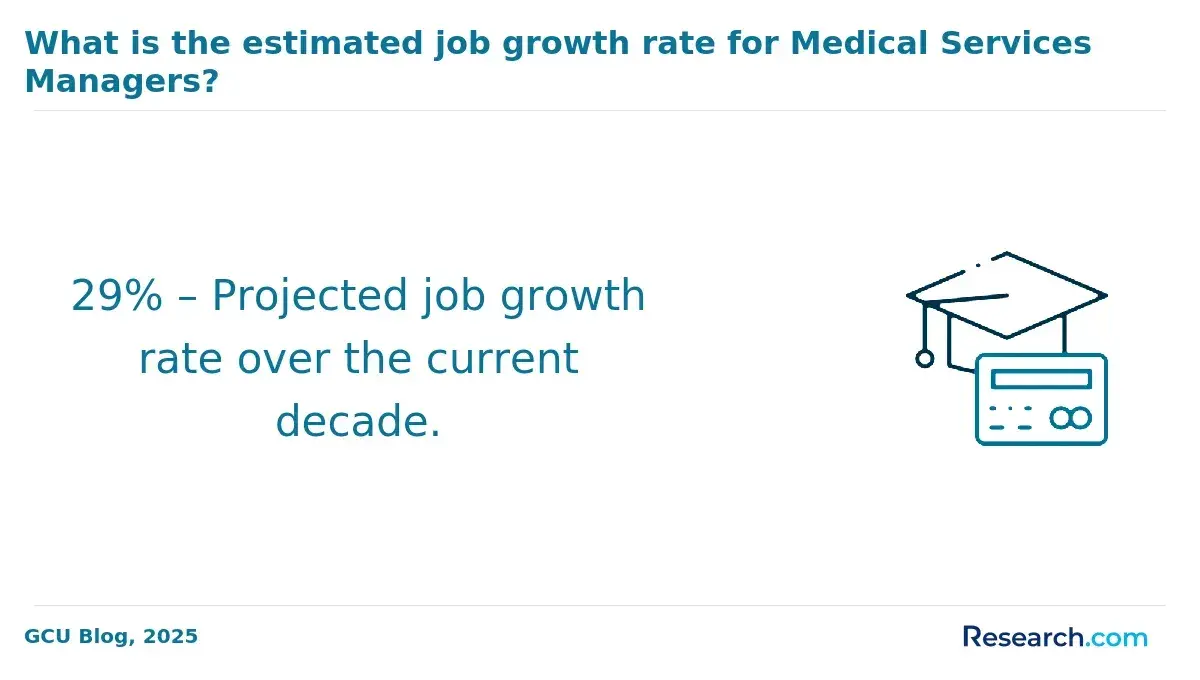
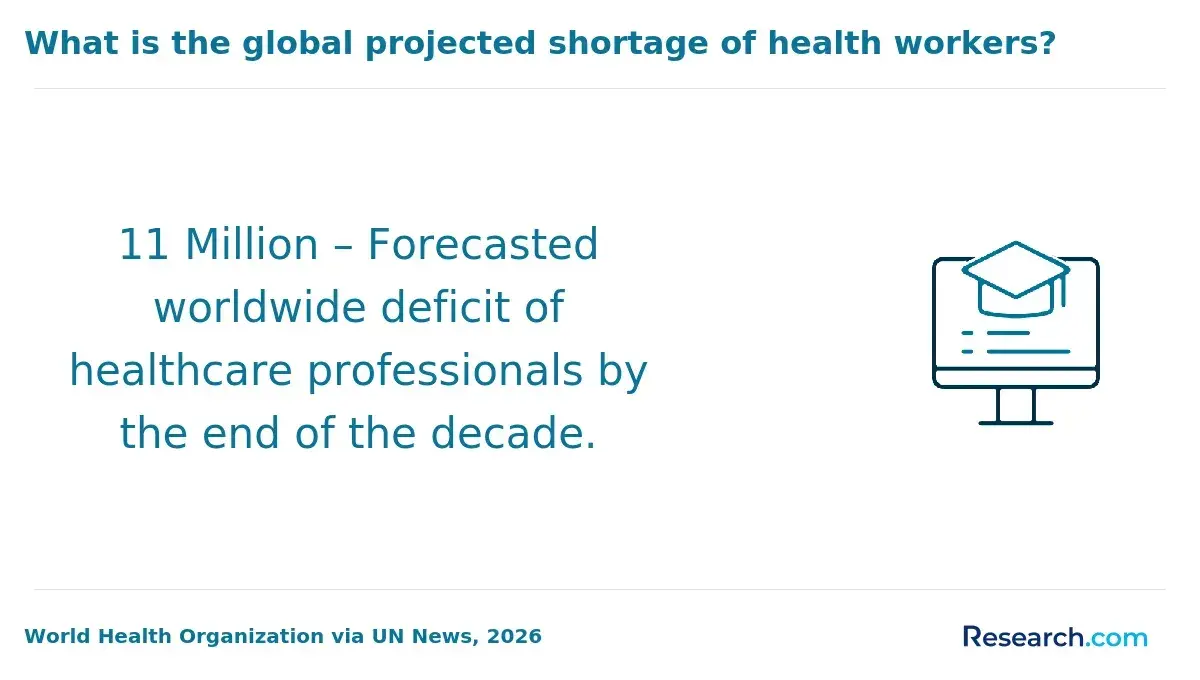
The U.S. will see a shortage of up to 86,000 physicians by the end of 2036, a challenge that will definitely require effective healthcare administration (AAMC, 2024). In an era where access to quality healthcare is paramount, the pursuit of knowledge in healthcare administration has become a gateway to shaping the future of medical systems.
The quest for affordable yet comprehensive education has led many aspiring professionals to explore affordable online healthcare administration degrees, including that of a medical office administration program. As the demand for skilled healthcare administrators continues to rise, discovering the most cost-effective pathways to acquire the necessary expertise becomes crucial.
In this article, the team of experts at Research.com has explored the myriad opportunities offered by affordable online healthcare administration degrees. The best programs based on accessibility and affordability have been identified, as well as the essential information that you need to know in choosing the best program.
- You can use a healthcare administration degree in both direct healthcare and nonclinical roles.
- Taking online programs, students can reduce their expenditures on on-campus fees, lodging and board, and transportation.
- With a bachelor’s degree in healthcare administration, you can make a median salary of $101,870 per year.
- What can I do with a healthcare administration degree? Career Path
- Where can I work with a healthcare administration degree? Top Industries
- How much can I make with a healthcare administration degree? Expected Salary
- Online vs. Traditional Healthcare Administration Online vs. Traditional Healthcare Administration
- How much does an online healthcare administration degree cost? Program Cost
- What are the requirements for an online healthcare administration degree? What are the requirements for an online healthcare administration degree?
- Courses to Expect in Online Healthcare Administration Degree Courses to Expect in Online Healthcare Administration Degree
- Things to Look For in an Online Healthcare Administration Degree Things to Look For in an Online Healthcare Administration Degree
- Why Accreditation Matters in Healthcare Administration Degrees Why Accreditation Matters in Healthcare Administration Degrees
- Trends and Future Outlook for Online Healthcare Administration Degrees Trends and Future Outlook for Online Healthcare Administration Degrees
- How do supplementary credentials impact your career growth? How do supplementary credentials impact your career growth?
- Is an accelerated healthcare administration degree online right for you? Is an accelerated healthcare administration degree online right for you?
- What are your options for financing an online healthcare administration degree? What are your options for financing an online healthcare administration degree?
- Can advanced research further empower your healthcare administration career? Can advanced research further empower your healthcare administration career?
- How can interdisciplinary credentials expand your career in healthcare administration? How can interdisciplinary credentials expand your career in healthcare administration?
- 2027 Best Online Healthcare Administration Degree List of Programs
- How can technology enhance the study and practice of kinesiology? How can technology enhance the study and practice of kinesiology?
- What are the benefits of accelerated healthcare administration programs for fast-tracking your career? What are the benefits of accelerated healthcare administration programs for fast-tracking your career?
- How do internships enhance online healthcare administration degrees? How do internships enhance online healthcare administration degrees?
- Is an online healthcare administration degree a worthwhile investment? Is an online healthcare administration degree a worthwhile investment?
- What benefits do interdisciplinary healthcare degrees offer? What benefits do interdisciplinary healthcare degrees offer?
What can you do with a healthcare administration degree?
A healthcare administration degree is designed for people who want to help healthcare organizations run better without becoming clinicians. It can prepare you for administrative, operational, financial, policy, informatics, and leadership roles in hospitals, clinics, long-term care facilities, public health agencies, insurers, and healthcare companies. The decision matters because healthcare employers increasingly need professionals who understand compliance, budgets, staffing, patient access, digital health tools, and quality improvement.
This guide explains what affordable online healthcare administration degrees can lead to, how online programs compare with campus-based options, what they cost, what admission requirements to expect, how accreditation affects your options, and how to evaluate whether a program is worth the investment.
Quick answer: What jobs can you get with this degree?
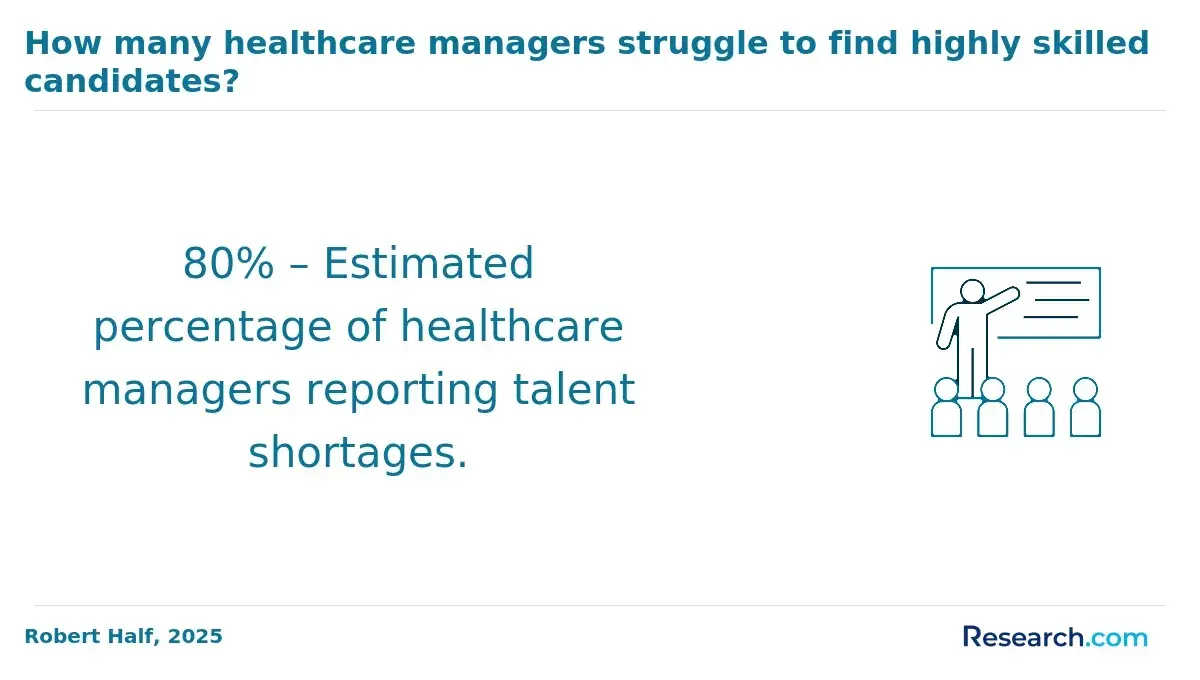
With a healthcare administration degree, you can pursue non-clinical roles such as medical and health services manager, hospital department administrator, nursing home administrator, healthcare policy analyst, health informatics specialist, public health administrator, practice manager, insurance operations analyst, and healthcare consultant. As of 2024, there were 501,430 medical and health service managers employed in hospitals, physician offices, and outpatient care centers in the US (BLS, 2024).
| Career path | What you would manage or analyze | Best fit for students interested in |
| Hospital administration | Department operations, staffing, budgets, compliance, and patient service processes | Large healthcare systems, leadership, operations, and cross-functional management |
| Nursing home administration | Resident care coordination, facility operations, staff performance, and regulatory requirements | Long-term care, aging services, compliance, and facility leadership |
| Healthcare policy analysis | Healthcare laws, access issues, affordability, reimbursement, and policy recommendations | Research, public policy, government, advocacy, and population health |
| Health informatics | Patient information systems, healthcare data, reporting, workflow technology, and communication tools | Technology, analytics, digital health, and process improvement |
| Public health administration | Community health programs, prevention initiatives, emergency planning, and resource coordination | Public service, disease prevention, health equity, and program management |
Where can you work with a healthcare administration degree?
Healthcare administration graduates are not limited to hospitals. The US healthcare industry includes direct-care organizations, payers, technology vendors, consulting firms, public agencies, and companies that support healthcare delivery. The right setting depends on whether you prefer people management, analytics, compliance, finance, patient access, or strategy.
| Work setting | Typical responsibilities | Good match if you want to... |
| Hospitals and health systems | Coordinate departments such as finance, human resources, information technology, emergency medicine, surgery, or patient services | Work in a complex organization with multiple teams, regulations, and operational priorities |
| Physician practices and clinics | Manage scheduling, billing workflows, staffing, patient flow, vendor relationships, and front-office systems | Take on broad responsibilities in a smaller or mid-sized healthcare workplace |
| Long-term care facilities | Oversee facility operations, resident services, staff performance, documentation, and compliance | Focus on aging services, residential care, and regulated facility management |
| Health insurance companies | Review claims data, support network management, analyze utilization, and help develop operational policies | Use data and policy knowledge outside a direct patient-care setting |
| Medical device and healthcare product companies | Support product development, sales operations, marketing, customer education, or provider relationships | Connect healthcare knowledge with business, technology, or commercial strategy |
| Healthcare consulting firms | Advise organizations on strategy, efficiency, finance, compliance, staffing, or process redesign | Solve organizational problems across different healthcare clients |
How much can you make with a healthcare administration degree?
Your earning potential depends on your role, employer type, location, experience, education level, and whether the position involves staff supervision, budget authority, compliance responsibility, or strategic leadership. A small medical office manager and a hospital executive may both work in healthcare administration, but their pay ranges can differ substantially because the scope of responsibility is different.
Advanced education can also affect long-term options. For example, an MBA healthcare administration salary may differ from the earnings of administrators whose highest credential is a bachelor’s degree, particularly when the role involves finance, strategy, or senior leadership. However, no degree guarantees a specific salary. Employers also weigh your healthcare experience, management background, technical skills, and record of measurable results.
| Factor | How it can influence pay | What to check before choosing a program |
| Job title and scope | Roles with larger budgets, more staff, or greater compliance responsibility usually have higher earning potential | Whether the curriculum prepares you for management, analytics, policy, finance, or operations |
| Experience | Healthcare employers often value prior work in clinics, hospitals, billing, HR, quality, or operations | Whether the program includes internships, projects, or career services |
| Degree level | Graduate degrees may be preferred for some leadership roles | Whether a bachelor’s degree is enough for your target role or whether you may later need an MHA, MBA, or related master’s |
| Location | Urban areas and higher-cost states may offer higher wages, but living expenses may also be higher | Local employer demand and whether online programs have career connections in your region |
| Employer type | Public agencies, nonprofit hospitals, private systems, insurers, and consulting firms may structure compensation differently | Where graduates work and what roles alumni actually obtain |
Online vs. traditional healthcare administration degrees
Online and campus-based healthcare administration degrees can lead to similar career areas, but the learning experience is different. The better choice depends on your schedule, preferred learning style, access to local healthcare employers, and need for structure.
| Comparison point | Online healthcare administration degree | Traditional campus program |
| Schedule | Often built for working adults, with asynchronous coursework, recorded lectures, and remote discussions | Usually requires attendance at specific class times and locations |
| Interaction | Communication typically happens through discussion boards, video meetings, email, chat tools, and online group work | Offers in-person discussion, classroom interaction, and easier access to campus events |
| Flexibility | Stronger fit for students balancing employment, caregiving, military service, or geographic constraints | Stronger fit for students who want a fixed routine and face-to-face academic support |
| Cost structure | May reduce relocation and commuting costs; some programs charge online technology fees | May include campus-related fees, commuting costs, housing, and other location-based expenses |
| Technology exposure | Requires comfort with learning platforms, virtual collaboration, digital records, and remote communication | May use technology as well, but the day-to-day learning format is less dependent on remote systems |
Online learning can be especially practical for healthcare administration because modern healthcare operations rely heavily on digital systems, data, and remote coordination. As of 2025, over 71 million Americans (26% of the population) are using some form of remote patient monitoring service, up substantially from prior years (Intuition Labs, 2025). Students who learn in technology-supported environments may gain useful experience with virtual communication and digital workflows, though program quality still depends on accreditation, curriculum, faculty, and student support.
How much does an online healthcare administration degree cost?
The cost of an online healthcare administration degree varies by institution type, program length, residency status, transfer credit policy, and fee structure. Public institutions are often less expensive than private institutions, but tuition alone does not show the full cost. Students should also compare books, software, online course fees, graduation fees, internship expenses, and whether previously earned credits will transfer.
In the US, online healthcare administration degrees on a budget cost $8K to $20K for state-funded colleges, while for private and non-profit colleges, the costs range from $20K to 40K per year. Master of Healthcare Administration programs, including the cheapest online MHA programs, typically cost around $11,700 to $21,000.
| Cost factor | Why it matters | Question to ask the school |
| Tuition rate | Programs may charge different rates for in-state, out-of-state, online, full-time, or part-time students | Is the posted tuition the same for online students in every state? |
| Transfer credits | Accepted credits can reduce both time and total cost | How many prior credits can I transfer, and will they apply to major requirements? |
| Program length | Shorter programs may cost less, especially if you already have credits or a related associate degree | What is the realistic completion time for working adults? |
| Fees and materials | Online learning platforms, textbooks, exams, background checks, or internship requirements may add expenses | Can you provide a full program cost estimate, not only tuition? |
| Graduate pathway | Some students later pursue an MHA, MBA, or a specialized program such as an online masters in health informatics | Does this bachelor’s program prepare me for graduate admission if I choose that route? |
What are the requirements for an online healthcare administration degree?
Admission requirements depend on whether you are applying to an associate, bachelor’s, completion, master’s, or certificate program. Undergraduate programs usually focus on high school completion and prior college credit, while graduate programs may request transcripts, professional experience, recommendations, standardized test scores, or essays. Requirements also differ by field; for example, an online elementary education degree may include state licensure considerations that are not identical to healthcare administration requirements.
- High school diploma or equivalent. Most bachelor’s programs require a high school diploma, GED, or equivalent credential. Some schools may also specify a GPA minimum or prerequisite coursework.
- Prior college coursework. Degree-completion programs may expect students to enter with completed general education credits or an associate degree. Related coursework, including topics found in medical billing and coding online programs, may be helpful for students interested in revenue cycle or health information roles.
- GRE or GMAT. Some graduate-level healthcare administration programs may request GRE or GMAT scores, especially for applicants without extensive professional experience.
- English proficiency tests. Students whose native language is not English may need TOEFL or another approved language exam, depending on the institution.
- Official transcripts. Schools commonly require transcripts from every college or university attended.
- Letters of recommendation. Graduate programs may ask for recommendations from professors, supervisors, or professionals who can speak to your readiness for healthcare management study.
- Resume, statement, or interview. Some programs ask applicants to explain their healthcare experience, career goals, or leadership interests.
Courses to expect in an online healthcare administration degree
Healthcare administration coursework blends business training with healthcare-specific knowledge. Unlike programs centered on creative practice, such as the best online MFA programs, healthcare administration degrees usually emphasize operations, policy, finance, compliance, data, and organizational leadership.
Business and management courses
- Accounting. Students learn financial accounting, cost accounting, and the use of financial information in healthcare organizations.
- Economics. Courses examine how healthcare markets, payment structures, incentives, and policy choices affect care delivery.
- Finance. Students study budgeting, financial analysis, resource allocation, and cost control in healthcare settings.
- Human resources management. Coursework covers hiring, staffing, employee performance, compensation, and workforce issues in healthcare organizations.
- Leadership and organizational behavior. Students explore leadership styles, team dynamics, change management, and communication in complex healthcare environments.
- Marketing. Courses may address patient engagement, service-line positioning, community outreach, and healthcare consumer behavior.
- Statistics and research methods. Students learn how to interpret healthcare data and use evidence in decision-making.
Healthcare-specific courses
- Healthcare delivery systems. Students examine the structure, financing, regulation, and major stakeholders of the U.S. healthcare system.
- Healthcare law and ethics. Courses cover legal duties, ethical decision-making, patient rights, privacy, and organizational risk.
- Health policy and policy analysis. Students study how healthcare policies are developed, evaluated, and implemented.
- Healthcare informatics. Coursework introduces information systems, patient data, reporting, and technology-supported care coordination.
- Health care finance. Students learn budgeting, revenue cycle management, reimbursement concepts, and cost-containment strategies.
- Health care quality and risk management. Courses focus on quality improvement, safety processes, performance measurement, and risk reduction.
- Long-term care administration. Students learn about operations, staffing, resident services, and compliance in long-term care settings.
Electives may include healthcare analytics, data analysis, epidemiology, public health, and global health. Students who want to move toward population health or government work may compare healthcare administration with public health pathways such as the cheapest MPH programs in USA.
Things to look for in an online healthcare administration degree
The best online healthcare administration program is not simply the cheapest one. It should fit your career goal, schedule, budget, transfer-credit history, and need for practical experience. Use the criteria below before applying.
Accreditation
Confirm that the institution is properly accredited and that any program-level accreditation is relevant to your goals. The Accrediting Commission for Schools of Health Administration (ACSHSA) and the Commission on Accreditation of Healthcare Management Education (CAHME) are examples often discussed in healthcare management education. The Council for Higher Education Accreditation explains how accreditation verifies the program or institution has gone through a quality review process. Always check the accreditor’s official database rather than relying only on a school’s marketing page.
Faculty qualifications
Review whether instructors have both academic preparation and real healthcare management experience. Faculty who have worked in hospitals, health systems, insurance, policy, informatics, long-term care, or consulting can connect theory to the realities of healthcare operations. Students comparing flexible education options may also find Research.com’s guide to the best online degrees useful when evaluating online learning quality.
Curriculum fit
Match the curriculum to your target role. A student aiming for practice management may need billing, HR, and operations coursework. A student interested in digital health may benefit from informatics, analytics, and data privacy. A future policy analyst should look for health policy, research methods, and public health content.
Technology and learning support
Strong online programs provide a reliable learning management system, accessible course materials, instructor availability, library resources, technical help, tutoring, and career support. Do not assume online means self-teaching; ask how often faculty respond, how group work is handled, and what support is available outside business hours.
Flexibility and pacing
Check whether classes are asynchronous, synchronous, self-paced, accelerated, or term-based. Flexible scheduling can help working adults, but highly compressed courses can be demanding. Ask whether you can change your course load if your work or family schedule changes.
Reputation and alumni outcomes
Look beyond rankings. Ask where graduates work, what roles they enter, whether alumni are active in healthcare organizations, and whether the program has relationships with hospitals, clinics, public agencies, or long-term care employers.
Cost and financial aid
Compare total cost, not just tuition. Ask about scholarships, grants, employer tuition assistance, payment plans, military benefits, transfer-credit savings, and whether enrollment in the program qualifies for federal financial aid.
| Before enrolling, ask... | Why the answer matters |
| Is the institution accredited by a recognized accreditor? | Accreditation affects financial aid, credit transfer, employer recognition, and graduate school options. |
| Does the program include an internship, capstone, practicum, or applied project? | Practical experience can help you demonstrate readiness for administrative roles. |
| How many transfer credits will count toward graduation? | A generous transfer policy can shorten your timeline and reduce cost. |
| What roles do graduates actually obtain? | Program outcomes should align with your career goals, not only broad marketing claims. |
| Are there additional fees for online courses? | Technology and course fees can change the real price of attendance. |
Why accreditation matters in healthcare administration degrees
Accreditation is one of the most important checks you can make before enrolling in an online healthcare administration program. It signals that the school or program has been reviewed against academic standards. It can also affect whether you can receive federal financial aid, transfer credits, qualify for some certifications, or meet employer expectations.
Why accreditation should be a non-negotiable check
- Employment credibility. Many healthcare employers prefer applicants from accredited institutions because accreditation provides an external quality signal. It does not guarantee a job, but it can prevent your degree from being questioned.
- Certification and licensure pathways. Some professional credentials, including those associated with organizations such as the American College of Healthcare Executives (ACHE), may consider the quality and recognition of your education. Licensure rules for roles such as nursing home administrator vary by state, so verify requirements before enrolling.
- Financial aid access. Students generally need to attend an eligible accredited institution to use federal financial aid programs. Without proper accreditation, your financing options may narrow.
- Credit transfer and graduate study. Accredited credits are more likely to be reviewed favorably by other colleges, although transfer is never automatic. Graduate schools may also scrutinize whether your undergraduate degree came from an accredited institution.
How accreditation affects your education and career options
Healthcare administration changes quickly because of new technology, reimbursement pressures, staffing challenges, patient safety expectations, and regulatory requirements. Accredited programs are expected to maintain academic quality and keep curricula aligned with professional standards. That matters if you want your education to be taken seriously by employers, graduate schools, and certification bodies.
If your interests lean toward data, digital health, or information systems, compare healthcare administration with health informatics online degree programs. Health informatics can be a stronger fit for students who want to work more directly with data systems, electronic health records, reporting, analytics, or healthcare technology implementation.
Trends and future outlook for online healthcare administration degrees
Healthcare administration programs are changing because healthcare organizations are changing. Students should look for curricula that address technology, data, compliance, workforce challenges, telehealth, public health planning, and operational resilience rather than programs that focus only on general business theory.
AI-supported learning and administration
Artificial intelligence is affecting both online education and healthcare management. In education, AI-supported tools may help students review concepts, receive feedback, or practice applied decision-making. In healthcare organizations, administrators increasingly need to understand how automation, analytics, and digital systems affect staffing, patient communication, compliance, and workflow design. Students should look for programs that teach responsible technology use rather than treating AI as a shortcut.
Healthcare analytics in the curriculum
Administrators are expected to interpret data related to quality, cost, staffing, utilization, access, and patient outcomes. Courses in statistics, informatics, analytics, and research methods can be valuable, especially for students interested in operations improvement or health information roles.
Telehealth and remote operations
Healthcare leaders now manage services that may include virtual visits, remote monitoring, digital intake, online scheduling, patient portals, and distributed teams. Programs that address telehealth operations, privacy, cybersecurity awareness, patient data, and remote care regulations can be especially relevant.
Public health emergency planning
The COVID-19 pandemic highlighted the need for leaders who can coordinate resources, communicate clearly, adjust staffing, and support policy decisions during emergencies. Coursework in public health leadership, crisis response, and resource allocation can help students understand administrative responsibilities during disruption.
Sustainability and resource management
Healthcare organizations face pressure to manage waste, energy use, supply chains, and resource allocation responsibly. Sustainability content can help future administrators think about efficiency, cost control, and organizational responsibility together.
Students who already have management experience or want a graduate business route may compare MHA programs with an affordable online MBA healthcare management program. An MBA may be preferable for students who want broader business mobility, while an MHA may be more focused on healthcare systems and administration.
How do supplementary credentials affect career growth?
Additional credentials can help you build targeted skills beyond a degree, especially if you want to move into a specialized area such as compliance, revenue cycle, quality improvement, informatics, project management, or long-term care. Certifications are not a substitute for experience, but they can show employers that you are committed to developing practical competencies. Research.com’s overview of healthcare certifications can help you compare shorter credential options that may complement a healthcare administration degree.
| If your goal is... | Supplementary learning may help with... |
| Medical office or practice management | Billing, coding, scheduling systems, compliance, and patient access |
| Health informatics | Data management, reporting, electronic health records, and workflow technology |
| Quality improvement | Performance measurement, patient safety processes, risk reduction, and process redesign |
| Healthcare leadership | Budgeting, HR, strategy, communication, and organizational change |
Is an accelerated healthcare administration degree online right for you?
An accelerated online healthcare administration degree can be useful if you already have college credits, strong time-management skills, and a clear career goal. It may not be the best choice if you need a lighter workload, extensive academic support, or more time to absorb complex topics such as finance, law, analytics, and healthcare policy.
| Choose an accelerated program if... | Consider a slower pace if... |
| You can commit consistent weekly study time and handle compressed deadlines | Your work schedule changes often or you have heavy caregiving responsibilities |
| You already have transfer credits or healthcare experience | You are new to both college-level study and the healthcare field |
| You need the credential quickly for promotion or career transition | You want more time for internships, networking, tutoring, or skill building |
| You are comfortable with independent online learning | You learn better with frequent live instruction and in-person accountability |
Before enrolling, compare graduation requirements, faculty access, career services, internship options, and transfer-credit policies. For a closer look at faster pathways, review Research.com’s guide to an accelerated healthcare administration degree online.
What are your options for financing an online healthcare administration degree?
Financing should be part of your program decision from the beginning. A low tuition rate helps, but the lowest advertised price is not always the lowest total cost if few credits transfer, fees are high, or the program takes longer than expected.
- Federal and state aid. Eligible students may use grants, loans, and other aid programs when enrolled at qualifying accredited institutions.
- Institutional scholarships. Schools may offer merit, need-based, transfer, military, adult learner, or program-specific scholarships.
- Employer tuition reimbursement. Healthcare employers sometimes support education that can improve internal promotion options or workforce development.
- Payment plans. Monthly or term-based payment options may reduce the need to borrow all costs upfront.
- Transfer credits and prior learning. Accepted credits can lower total tuition and shorten the degree timeline.
- Stackable credentials. Shorter training in related skills may help you enter healthcare employment while pursuing a degree. For example, students interested in revenue cycle roles may compare medical coding classes online cost with full degree expenses.
Can advanced research further empower your healthcare administration career?
Advanced research skills can strengthen healthcare administration careers that involve policy analysis, organizational strategy, quality improvement, informatics, academic leadership, or evidence-based decision-making. Administrators who know how to evaluate data, assess interventions, and interpret research can make stronger recommendations in complex systems. Students considering doctoral-level or research-intensive study should compare program purpose carefully. For example, online PhD programs and doctorate-level healthcare programs can differ significantly in whether they are research-focused, professional, clinical, or administrative.
How can interdisciplinary credentials expand your career in healthcare administration?
Healthcare administrators often work with clinicians, pharmacists, compliance teams, IT professionals, insurers, and public health leaders. Interdisciplinary education can help you communicate across these groups and understand decisions from multiple perspectives. For instance, students interested in medication systems, pharmacy operations, or regulatory compliance may explore pathways related to accelerated doctor of pharmacy online programs. The value of an interdisciplinary credential depends on your career goal; do not add credentials simply to collect titles.
2027 Best Online Healthcare Administration Degree
Research.com review specialists compiled this ranking using the most recent publicly available datasets from reputable organizations. Academic ratings, enrollment rate, affordability, online dependability, and other important metrics were considered when evaluating affordable online healthcare administration degrees. Use the list as a starting point, not as your only decision tool. Confirm tuition, accreditation, transfer policies, state authorization, and program requirements directly with each school.
| School and program | Program length | Annual tuition | Required credits | Accreditation |
| Middle Georgia State University: BS in Health Services Administration | four years, full-time | $3,410 | 120 credit hours | Southern Association of Colleges and Schools, Commission on Colleges |
| California Coast University: BS in Healthcare Administration | 4 years | $5,355 | 126 credit hours | Distance Education Accrediting Commission |
| Aspen University: BS in Health Care Administration | 4 years | $5,400 | 120 credit hours | Distance Education Accrediting Commission |
| Midland College: BAS for Healthcare Services | 2 years | $5,880 | 120 credit hours (33 hours from associate degree) | Southern Association of Colleges and Schools, Commission on Colleges |
| Columbia Southern University: BS in Health Care Administration | 4 years | $7,050 | 120 credit hours | Distance Education Accrediting Commission |
1. Middle Georgia State University: BS in Health Services Administration
Middle Georgia State University offers a Bachelor of Science in Health Service Administration that combines health sciences and business coursework. Students can choose concentrations in sports and fitness management, clinical practice management, long-term care, and community health and wellness. The curriculum covers areas such as financial planning, quality improvement, healthcare systems, and human resource management. An internship gives students a chance to apply classroom learning in a professional setting.
Program Length: four years, full-time
Tracks/Concentrations: sports and fitness management, clinical practice management, long-term care, community health and wellness
Annual Tuition: $3,410
Required Credits to Graduate: 120 credit hours
Accreditation: Southern Association of Colleges and Schools, Commission on Colleges
2. California Coast University: BS in Healthcare Administration
California Coast University’s online Bachelor of Science in Health Care Administration focuses on the principles and procedures used to administer healthcare organizations. The program uses an unstructured format with no group projects, scheduled meetings, or fixed exam dates. It does not follow a semester, quarter, or term calendar, and students may begin online study at any point in the academic year. The degree includes 42 courses: 14 core courses, 14 general education courses, and 14 electives. Applicants must have a high school diploma, GED, or equivalent.
Program Length: 4 years
Tracks/Concentrations: US health care system, managed health care, and operations management
Annual Tuition: $5,355
Required Credits to Graduate: 126 credit hours
Accreditation: Distance Education Accrediting Commission
3. Aspen University: BS in Health Care Administration
Aspen University’s Bachelor of Science in Health Care Administration is built to prepare students for healthcare administration settings and possible graduate study. The program includes liberal arts coursework as well as healthcare administration topics such as healthcare policy, medical office management, medical transcription, and medical policy. A total of 40 courses commence every two weeks. Students may choose their capstone project and use monthly tuition payments of $295 per month. A cumulative minimum GPA of 2.00 is required for prior high school or college coursework.
Program Length: 4 years
Tracks/Concentrations: medical transcription, health care policy, medical office management
Annual Tuition: $5,400
Required Credits to Graduate: 120 credit hours
Accreditation: Distance Education Accrediting Commission
4. Midland College: BAS for Healthcare Services
Midland College’s Bachelor of Applied Science for Health Care Administration is structured around core healthcare administration knowledge and specialty coursework. The program prepares graduates to work with hospitals, nursing homes, hospice centers, insurance and provider networks, and government policy organizations. It is intended for students who already hold an associate’s degree in business, information technology, allied health/health sciences, or computer science. Applicants should be organized, interested in leadership and management, and able to work in a changing business environment.
Program Length: 2 years
Tracks/Concentrations: healthcare administration or health informatics
Annual Tuition: $5,880
Required Credits to Graduate: 120 credit hours (33 hours from associate degree)
Accreditation: Southern Association of Colleges and Schools, Commission on Colleges
5. Columbia Southern University: BS in Health Care Administration
Columbia Southern University’s online Bachelor of Science in Health Care Administration prepares students for administrative leadership responsibilities in healthcare. The program may fit both students entering the field and individuals already working in healthcare administration. Coursework emphasizes business principles, professional ethics, leadership styles, communication, organizational competence, and the development of standards, procedures, and policies for healthcare activities.
Program Length: 4 years
Tracks/Concentrations: healthcare quality management, development and strategic planning in healthcare
Annual Tuition: $7,050
Required Credits to Graduate: 120 credit hours
Accreditation: Distance Education Accrediting Commission
How is technology changing healthcare administration study and practice?
Technology is now central to healthcare administration. Students should expect to work with digital learning platforms in online programs and later encounter data systems, scheduling platforms, patient portals, electronic health records, remote monitoring tools, reporting dashboards, and cybersecurity requirements in the workplace.
Remote monitoring and digital patient access
Administrators may help coordinate services that involve remote patient monitoring, online intake, virtual visits, and patient communication tools. This requires attention to workflow, privacy, staffing, documentation, and patient support.
Data reporting and operational analytics
Healthcare leaders use data to identify delays, staffing gaps, quality issues, financial pressures, and patient access problems. Students who build confidence with statistics, dashboards, and informatics may be better prepared for data-informed management roles.
Automation and workflow redesign
Automation can support scheduling, claims review, documentation workflows, patient reminders, and reporting. Administrators need to evaluate where technology improves efficiency and where human oversight remains essential.
What are the benefits of accelerated healthcare administration programs for fast-tracking your career?
Fast-track healthcare administration programs can help students move into management education more quickly, especially if they already have healthcare experience or previous college credits. Some institutions offer one-year master's programs in healthcare administration for students who want concentrated graduate training in policy, finance, operations, and leadership.
These programs can be useful for professionals trying to advance without spending multiple years in school. However, the pace can be intense, and students should verify whether the program includes enough advising, applied projects, networking, and career support. To compare options, review Research.com’s guide to 1-year MHA programs here.
How do internships enhance online healthcare administration degrees?
Internships and applied projects can be especially valuable in online healthcare administration programs because they connect remote coursework with real healthcare operations. Employers often want evidence that graduates can solve practical problems, communicate with stakeholders, and understand the pressures of healthcare workplaces.
Real-world application
Internships let students apply concepts in settings such as hospitals, clinics, long-term care organizations, public health agencies, insurers, or healthcare companies. Tasks may involve operations support, budgeting, process mapping, patient access, project coordination, or data review.
Professional networking
Internships can introduce students to supervisors, mentors, department leaders, and future references. These connections may help students learn about hiring expectations and identify entry-level opportunities.
Skill development
Practical experience can strengthen communication, leadership, problem-solving, critical thinking, project management, and data interpretation. These skills are difficult to prove through coursework alone.
Employability
Internship experience can help a graduate stand out, particularly when competing for roles that require exposure to healthcare settings. It also gives students examples to discuss in interviews.
Online program integration
Some online programs help students secure internships through employer partnerships or allow students to complete applied projects near where they live. Ask whether internship support is available in your state and whether credits can be earned through approved field experience.
What benefits do interdisciplinary healthcare degrees offer?
Interdisciplinary healthcare education can help administrators make better decisions across clinical, operational, financial, and regulatory boundaries. For example, a professional with administrative training and pharmacy-related expertise may be better prepared to understand medication management, compliance, and patient-centered care processes. Students interested in this direction can compare administrative programs with an online Pharm D, while keeping in mind that clinical doctorate pathways have different requirements, timelines, and career outcomes than healthcare administration degrees.
How to choose an affordable online healthcare administration degree
Choosing a program should be a decision process, not a quick reaction to a low tuition number or a ranking position. Start with your target job, then work backward to the credential, curriculum, and experience you need.
- Define your target role. Decide whether you are aiming for clinic management, hospital operations, long-term care, informatics, insurance, consulting, public health, or graduate study.
- Check accreditation first. Verify institutional accreditation and any relevant program-level accreditation before comparing price.
- Calculate total cost. Include tuition, fees, books, software, travel, internship costs, and the effect of transfer credits.
- Evaluate career support. Ask about internships, capstones, alumni connections, resume help, employer partnerships, and graduate outcomes.
- Compare format and pace. Make sure synchronous meetings, accelerated terms, and workload expectations fit your schedule.
- Review curriculum depth. Look for healthcare law, finance, policy, quality, informatics, leadership, and analytics—not only generic business courses.
- Plan for advancement. If you may later pursue a master’s or doctorate, confirm that the bachelor’s program supports graduate admission. Some students later pursue leadership-focused doctoral education, such as an online doctorate in leadership and management.
Is an online healthcare administration degree a worthwhile investment?
An online healthcare administration degree can be worth it if it is accredited, affordable relative to your budget, aligned with your target roles, and supported by practical experience. It may not be worth it if the program is not properly accredited, offers little career support, costs more than you can reasonably manage, or does not match the job you want.
Return on investment should include more than salary. Consider whether the degree can help you qualify for healthcare administration roles, move from clinical or support work into management, prepare for graduate study, or build skills in finance, compliance, data, and leadership. Students comparing earnings-focused pathways can also review Research.com’s guide to the highest paying healthcare jobs with a bachelor's degree, while remembering that individual outcomes depend on experience, employer, location, and job market conditions.
| Worth it if... | Be cautious if... |
| The school is accredited and recognized by employers or graduate programs | You cannot verify accreditation through an official source |
| The curriculum fits your target career path | The degree is too general for your goals |
| The total cost is manageable after aid, transfer credits, and fees | You are focusing only on advertised tuition and ignoring added costs |
| The program includes internships, projects, or strong career support | The school provides limited information about graduate outcomes |
| The online format fits your schedule and learning style | You need in-person structure but choose online only because it seems convenient |
Common mistakes to avoid
- Choosing a program without checking accreditation. Accreditation affects aid, transfer credits, employer recognition, and future education options.
- Comparing tuition only. Fees, books, technology requirements, transfer-credit limits, and time to completion can change the real cost.
- Assuming online means easier. Online healthcare administration programs can be demanding, especially in accelerated formats.
- Ignoring practical experience. Internships, capstones, and applied projects can be important when you have limited healthcare work history.
- Relying only on rankings. A ranked program still needs to fit your goals, location, schedule, and budget.
- Assuming every degree leads to the same roles. Healthcare administration, health informatics, public health, business administration, and clinical programs serve different career goals.
- Overlooking state-specific requirements. Some roles, especially in long-term care administration, may involve state rules or licensure requirements.
References:
- Association of American Medical Colleges. (2024, March 21). New AAMC Report Shows Continuing Projected Physician Shortage. https://www.aamc.org/news/press-releases/new-aamc-report-shows-continuing-projected-physician-shortage
- Association of American Medical Colleges. (2024). The complexities of physician supply and demand. https://www.aamc.org/media/75231/download
- Delta Technical College. (2025). Medical Coding Enrollment and Outcomes 2024-2025. https://www.deltatechnicalcollege.com/programs/medical-coding-training/enrollment-and-outcomes/
- GCU. (2025). Careers in Health Information Management. https://www.gcu.edu/blog/nursing-healthcare/health-information-management-careers
- Insider Intelligence (2025). US Healthcare Industry in 2025: Analysis of the health sector, healthcare trends, and future of digital health
- Intuition Labs. (2025). Remote patient monitoring in the United States: 2025 landscape. https://intuitionlabs.ai/articles/remote-patient-monitoring-united-states-2025-landscape
- Robert Half. (2025). The Best Healthcare Jobs for 2025. https://www.roberthalf.com/us/en/insights/career-development/highest-paying-healthcare-jobs
- UN News. (2026). Global health systems 'at risk' as funding cuts bite, warns WHO. https://news.un.org/en/story/2026/02/1166869
- U.S. Bureau of Labor Statistics. (2024, April 3). Occupational Employment and Wages, May 2023: 11-9111 Medical and Health Services Managers. https://www.bls.gov/oes/current/oes119111.htm
- U.S. Bureau of Labor Statistics. (2025). Occupational Outlook Handbook: Healthcare. https://www.bls.gov/ooh/healthcare/
- U.S. Bureau of Labor Statistics. (2025). Employment Projections 2024-2034. https://www.bls.gov/emp/
Key Insights
- A healthcare administration degree is a non-clinical pathway into healthcare leadership. It can support careers in hospitals, clinics, long-term care, insurance, public health, consulting, informatics, and healthcare operations.
- Accreditation should be checked before cost, speed, or ranking. It affects financial aid, credit transfer, employer recognition, certification pathways, and graduate school options.
- Online programs can be a strong fit for working adults, but they are not automatically easier. Compare pacing, live meeting requirements, faculty access, career support, and technology expectations.
- Total cost matters more than advertised tuition. Include fees, materials, transfer credits, program length, and whether you can use aid or employer reimbursement.
- Practical experience can make the degree more valuable. Internships, capstones, applied projects, and healthcare work experience can help you compete for administrative roles.
- Choose based on your target role. Healthcare administration, health informatics, public health, MBA healthcare management, pharmacy, and doctoral leadership pathways serve different goals.
- The best program is the one that fits your career plan, budget, schedule, and credential needs. Rankings can help you start your search, but your final decision should be based on verified program details and realistic outcomes.
Other Things You Should Know About Healthcare Administration Degrees Online
Yes. Many online healthcare administration degrees include a supervised internship or practicum in the final year, often for 120 to 240 hours. Programs usually place students with hospitals, clinics, or long-term care facilities and require a background check, immunization record, and site approval.
Yes, various scholarships are available for online healthcare administration degrees in 2027. Many institutions offer merit-based scholarships, while external organizations provide grants targeting healthcare administration fields. Checking each program's financial aid page is essential to discover specific opportunities.
Affordable online healthcare administration degree programs in 2027 typically require 120 credit hours, which can be completed in about four years for full-time students. Some programs may offer accelerated options, reducing this timeframe based on transfer credits or intensive study plans.


