2027 Best Online Doctorate in Pharmacy (PharmD.) Programs

Co-Founder and Chief Data Scientist
Pursuing an online Doctor of Pharmacy (PharmD) is a significant step towards a fulfilling healthcare career. With the increasing demand for qualified pharmacists, an online PharmD offers flexibility and accessibility for aspiring professionals. However, choosing the right program is crucial. It’s essential to conduct thorough research on various institutions, considering factors such as curriculum, faculty expertise, accreditation, and job placement rates.
Understanding the current job market, salary expectations, and overall career path of a pharmacist is equally important. This article aims to provide valuable insights into selecting the best online PharmD program to align with your career aspirations and ensure a successful future in the dynamic healthcare industry.
What are the benefits of getting an online Doctorate in Pharmacy?
- An online PharmD opens doors to a variety of career paths. Graduates can find employment in community pharmacies, hospitals, clinical settings, managed care, the pharmaceutical industry, and even in academia.
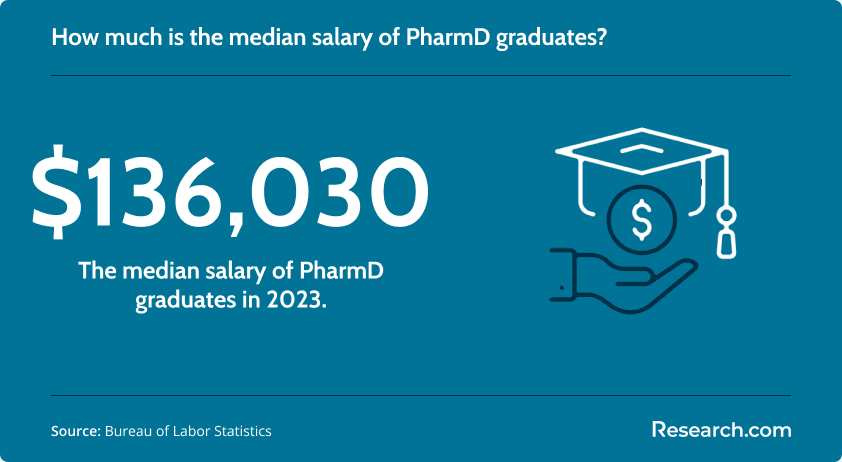
- Pharmacists generally enjoy competitive salaries. The median annual wage was $136,030 in May 2023. The lowest 10 percent made less than $89,980, while the top 10% earned more than $168,650.
- Online programs offer greater flexibility in terms of scheduling, allowing students to balance work, family, and studies. It removes geographical barriers, enabling students to access high-quality education from anywhere.
What can I expect from an online Doctorate in Pharmacy?
While online PharmD programs provide flexibility, they are as demanding as traditional on-campus programs. Successful completion requires dedication, time management, and a strong commitment to learning.
An online PharmD program offers a rigorous academic experience designed to equip you with the knowledge and skills necessary to become a licensed pharmacist. You'll delve into pharmacology, pharmacokinetics, medicinal chemistry, and other foundational subjects. While the program is online, you'll complete hands-on training in real-world pharmacy settings through rotations. This is a crucial component of the curriculum.
Where can I work with an online Doctorate in Pharmacy?
An online Doctor of Pharmacy (PharmD) opens doors to a wide range of career opportunities. You can work in community pharmacies dispensing medications, providing patient counseling, and managing pharmacy operations. Pharmacists also provide pharmaceutical care, including medication distribution, drug information, and clinical services in hospitals.
How much can I make with an online Doctorate in Pharmacy?
Pharmacists with a PharmD degree generally enjoy competitive salaries. In May 2023, pharmacists earned a median yearly pay of $136,030. The median pay represents the point at which exactly half of the workers in a particular occupation earned more than that amount, while the other half earned less. The bottom decile earned below $89,980, while the top decile earned above $168,650.
- 2027 Best online Doctorate in Pharmacy Best Programs
- How long does it take to complete an online Doctorate in Pharmacy? Completion Time
- How does an online Doctorate in Pharmacy compare to an on-campus program? Online vs. On-Campus
- What is the average cost of an online Doctorate in Pharmacy program? Program Cost
- What are the financial aid options for students enrolling in an online Doctorate in Pharmacy program? Financial Aid
- What are the prerequisites for enrolling in an online Doctorate in Pharmacy program? Program Prerequisites
- What courses are typically in an online Doctorate In Pharmacy program? Program Courses
- What types of specializations are available in online Doctorate in Pharmacy programs? What types of specializations are available in online Doctorate in Pharmacy programs?
- How do you choose the best online Doctorate in Pharmacy program? How do you choose the best online Doctorate in Pharmacy program?
- What career paths are available for graduates of online Doctorate in Pharmacy programs? What career paths are available for graduates of online Doctorate in Pharmacy programs?
- What is the job market for graduates with an online Doctorate in Pharmacy? What is the job market for graduates with an online Doctorate in Pharmacy?
- How can an online Doctorate in Pharmacy contribute to advancements in healthcare? How can an online Doctorate in Pharmacy contribute to advancements in healthcare?
- How Do Online PharmD Programs Ensure Quality Clinical Training? How Do Online PharmD Programs Ensure Quality Clinical Training?
- What Factors Enable Accelerated Learning in Online PharmD Programs? What Factors Enable Accelerated Learning in Online PharmD Programs?
- What job placement and career support services do online PharmD programs provide? What job placement and career support services do online PharmD programs provide?
- What questions should I ask when evaluating an online PharmD program? What questions should I ask when evaluating an online PharmD program?
- What challenges might you face in an online PharmD program? What challenges might you face in an online PharmD program?
- What Are the Graduate Success Metrics for Online PharmD Programs? What Are the Graduate Success Metrics for Online PharmD Programs?
2027 Best Online Doctorate in Pharmacy Programs
Choosing an online Doctor of Pharmacy program is a high-stakes decision because it affects your licensure path, clinical training, debt load, and long-term career options. A PharmD is not simply an online academic credential; it is a professional healthcare degree that must prepare you for patient care, pharmacy law requirements, supervised rotations, and licensure exams.
This guide is for prospective pharmacy students, working pharmacists considering a non-traditional PharmD, and healthcare professionals comparing online, hybrid, accelerated, and campus-based pharmacy pathways. You will learn how online PharmD programs work, what they cost, how long they take, which schools appear in this ranking, what admissions requirements to expect, and how to evaluate whether a program is worth the investment.
Quick answer: What is the best online Doctorate in Pharmacy program?
The best online Doctorate in Pharmacy program depends on your starting point. If you are a first-time pharmacy student, prioritize an ACPE-accredited PharmD with strong clinical rotation support and preparation for the NAPLEX and MPJE. If you are already a licensed pharmacist, a non-traditional or part-time online PharmD may be a better fit. Based on the programs reviewed here, Creighton University, Duquesne University, Howard University, Lake Erie College of Osteopathic Medicine, MCPHS University, Saint John Fisher University, Shenandoah University, the University of Colorado Denver/Anschutz Medical Campus, and USC offer notable online, hybrid, distance, or pharmacy-related doctoral options.
How Research.com ranks schools
A doctorate-level pharmacy program requires a major academic, time, and financial commitment. Research.com evaluates online pharmacy doctoral options to help students compare programs using consistent and transparent criteria instead of relying only on marketing claims.
This ranking is informed by a detailed Research.com methodology and data from established education sources, including the Integrated Postsecondary Education Data System (IPEDS), Peterson's databases and its Distance Learning Licensed Data Set, and the College Scorecard database from the National Center for Education Statistics. The goal is to give readers a practical view of program structure, cost, credit requirements, accreditation, and student fit.
How to use this ranking
Use this list as a starting point, not as the only factor in your decision. Before applying, confirm each program’s current accreditation status, online delivery format, in-person rotation requirements, state licensure compatibility, total cost, and admissions policies directly with the school and your state board of pharmacy.
| Program factor | Why it matters | What to verify before applying |
| Accreditation | Accreditation affects licensure eligibility and employer trust. | Confirm ACPE recognition and any state-specific board requirements. |
| Clinical rotations | PharmD programs require hands-on pharmacy practice experiences. | Ask whether the school helps place students near their location. |
| Total cost | Tuition is only one part of the investment. | Review fees, travel, technology, books, exam costs, and lost work time. |
| Program format | “Online” may still include campus visits or local clinical sites. | Ask which components are asynchronous, live online, hybrid, or in person. |
| Licensure preparation | Graduates must meet exam and state board expectations. | Request NAPLEX and MPJE preparation details and pass-rate information. |
1. Creighton University
Creighton University's PharmD program is built around patient-focused pharmacy practice and a broad foundation in pharmaceutical science. Students study areas such as pharmacology, pharmacokinetics, and medicinal chemistry while also completing experiential learning that connects classroom knowledge to patient care. The program is commonly completed in four years and expects applicants to have completed substantial science preparation in areas such as biology, chemistry, physics, and mathematics.
- Program Length: 4 years
- Tracks/concentrations: Doctorate in Pharmacy
- Tuition Cost: $29,910/year
- Required Credits to Graduate: 145
- Accreditation: Accreditation Council for Pharmacy Education
2. Duquesne University
Duquesne University's PharmD program emphasizes clinical practice, leadership preparation, and progressive experiential training. Students complete pharmaceutical science coursework in areas such as pharmacology, pharmaceutics, and medicinal chemistry, then apply that knowledge through Introductory Pharmacy Practice Experiences and Advanced Pharmacy Practice Experiences. The Direct Entry option creates a pathway from pre-pharmacy coursework into the professional program. The Direct Entry pathway takes six years, while the traditional professional phase is designed for four years.
- Program Length: 4 years
- Tracks/concentrations: Doctorate in Pharmacy
- Cost per Credit: $1,914
- Required Credits to Graduate: 142
- Accreditation: Accreditation Council for Pharmacy Education
3. Howard University
Howard University's PharmD program is a strong option for students who want pharmacy training connected to community health, cultural competence, and service to underserved populations. The curriculum combines professional coursework with clinical rotations and experiential learning. Applicants generally need pre-pharmacy coursework in biology, chemistry, physics, and mathematics. The program’s mission-oriented focus may appeal to students who want to improve medication access and healthcare outcomes in communities with unmet needs.
- Program Length: 4 years
- Tracks/concentrations: Doctorate in Pharmacy
- Tuition Cost: $27,484/year
- Required Credits to Graduate: 65
- Accreditation: Accreditation Council for Pharmacy Education
4. Lake Erie College of Osteopathic Medicine
Lake Erie College of Osteopathic Medicine’s PharmD program gives students several pathway options, including a three-year accelerated curriculum, traditional four-year formats, and a distance education pathway. The curriculum integrates foundational pharmaceutical science, pharmacy practice, and professional experience. LECOM’s structure may work well for students who want an outcomes-focused program and are prepared for an intensive academic schedule, especially if they are considering an accelerated route.
- Program Length: 4 years
- Tracks/concentrations: Doctorate in Pharmacy
- Tuition Cost: $30,000/year
- Required Credits to Graduate: 136
- Accreditation: Accreditation Council for Pharmacy Education
5. MCPHS University
MCPHS University's Non-Traditional Doctor of Pharmacy program is designed for licensed pharmacists who want to complete a PharmD while continuing to work. The part-time online structure focuses on advanced practice knowledge in areas such as pharmacotherapy, pharmacoeconomics, and healthcare policy. This is not the same audience as a first-entry PharmD program; it is best suited for practicing pharmacists seeking deeper clinical, leadership, or professional advancement opportunities.
- Program Length: 4 years
- Tracks/concentrations: Non-Traditional Doctor of Pharmacy
- Cost per Credit: $1,110
- Required Credits to Graduate: 143
- Accreditation: Accreditation Council for Pharmacy Education
6. Saint John Fisher College
Saint John Fisher University's online PharmD program offers a distance-based pathway that follows the academic expectations of its campus program. Students study core pharmacy sciences such as pharmacology, pharmaceutics, and medicinal chemistry while completing required practice experiences. The program is structured for completion in four years and expects applicants to enter with a strong pre-pharmacy background, including biology, chemistry, physics, and mathematics.
- Program Length: 4 years
- Tracks/concentrations: Doctorate in Pharmacy
- Cost per Credit: $1,233
- Required Credits to Graduate: 151
- Accreditation: Accreditation Council for Pharmacy Education
7. Shenandoah University
Shenandoah University's PharmD program prepares students for pharmacy practice through coursework in pharmaceutical sciences and structured experiential learning. Students develop knowledge in areas such as pharmacology, pharmaceutics, and medicinal chemistry, then apply that knowledge through rotations and practice-based training. The program may appeal to students who value close faculty support, experiential preparation, and access to healthcare learning facilities.
- Program Length: 4 years
- Tracks/concentrations: Doctorate in Pharmacy
- Tuition Cost: $43,150/year
- Required Credits to Graduate: 53
- Accreditation: Accreditation Council for Pharmacy Education
8. University of Colorado Denver/Anschutz Medical Campus
The University of Colorado Denver/Anschutz Medical Campus PharmD program offers a clinically focused pharmacy education in a major academic health environment. Students complete a rigorous curriculum and gain practice experience through rotations in healthcare settings. Applicants should expect to demonstrate strong pre-pharmacy preparation in subjects such as biology, chemistry, physics, and mathematics. The Anschutz Medical Campus may be especially attractive to students interested in clinical care, research exposure, and interprofessional healthcare learning.
- Program Length: 4 years
- Tracks/concentrations: Doctorate in Pharmacy
- Cost per Credit: $1,353
- Required Credits to Graduate: 65
- Accreditation: Accreditation Council for Pharmacy Education
9. University of Southern California: Doctor of Regulatory Science
USC's Doctor of Regulatory Science program is a professional doctorate for experienced professionals in regulated product industries rather than a standard entry-level PharmD pathway. The blended format allows online participation and focuses on regulatory strategy, policy, research evaluation, and leadership. Applicants commonly bring 10 to 15 years of industry experience and established managerial responsibility in regulatory or quality departments.
- Program Length: 4 years
- Tracks/concentrations: Doctor of Regulatory Science (DRSc)
- Cost per Credit: $2,163
- Required Credits to Graduate: 64
- Accreditation: Accreditation Council for Pharmacy Education
What Graduates Say About Online Doctorate in Pharmacy Programs
- Alex: "Completing my PharmD online changed what was possible for me. I could continue working while taking demanding courses, and the faculty support made the experience manageable even when the workload was intense."
- Sarah: "The online format gave me the flexibility I needed while still holding me to a high academic standard. I appreciated being able to study around a full-time schedule without giving up preparation for pharmacy practice."
- David: "My online PharmD experience connected me with classmates from different professional and geographic backgrounds. That variety made discussions stronger and helped me build confidence for the next stage of my pharmacy career."
Key Findings
- An online PharmD is not fully remote in the same way many academic degrees are; clinical rotations, labs, internships, or practice experiences usually require in-person participation.
- Accreditation is the first item to verify. For students pursuing pharmacist licensure, the program must align with Accreditation Council for Pharmacy Education standards and state board expectations.
- Most online PharmD pathways take 4 years, though pre-pharmacy coursework can add 1 to 4 years before admission.
- Tuition can range from $20,000 to $60,000 per year, and students should also budget for technology, travel, fees, testing, licensing, and rotation-related expenses.
- Online and campus PharmD graduates generally pursue the same licensure exams, but their learning experience, networking access, rotation logistics, and cost structure can differ.
How Long Does It Take to Complete an Online Doctorate in Pharmacy?
An online Doctor of Pharmacy program commonly takes about 4 years once a student enters the professional phase. The full path can be longer because many schools require pre-pharmacy coursework before admission. If you are mapping out how long it takes to become a pharmacist, include both prerequisite coursework and the professional PharmD curriculum.
As of 2023, there were 141 accredited pharmacy colleges in the U.S. Many doctorate in pharmacy programs require prerequisite undergraduate courses before students begin the professional curriculum, which may add 1 to 4 years to the overall timeline. Accelerated programs may shorten the path, while part-time formats may extend it. Your prior credits, academic readiness, work schedule, and clinical placement availability can also affect completion time.
Online PharmD programs are expected to match campus-based programs in academic rigor and learning outcomes. Even when lectures and assignments are delivered online, pharmacy education still includes practical training through rotations, internships, simulations, or supervised practice experiences.
| Student situation | Likely timeline | Best-fit program type |
| No college prerequisites completed | Pre-pharmacy coursework plus professional PharmD study | Direct-entry or pre-pharmacy-to-PharmD pathway |
| Prerequisites mostly completed | Usually the professional PharmD sequence | Traditional 4-year PharmD |
| Licensed pharmacist seeking a PharmD | Depends on prior credential and program structure | Non-traditional online PharmD |
| Student seeking faster completion | May be shorter with year-round study | Accelerated PharmD pathway |
Online PharmD vs. On-Campus PharmD: What Is Different?
In 2023, a total of 44,403 students were enrolled in PharmD programs while 3,529 took the PhD track. The PharmD is the professional practice degree for pharmacists, while a PhD is generally a research-focused graduate pathway.
Online and on-campus PharmD programs usually lead toward the same professional goal: preparation for pharmacist licensure and pharmacy practice. The difference is not the credential itself but how students complete lectures, labs, faculty interaction, clinical preparation, and peer networking. This distinction is different from fully online academic fields such as an affordable human services online degree, where in-person clinical pharmacy rotations are not part of the same licensure pathway.
| Category | Online PharmD | On-campus PharmD |
| Course delivery | Online lectures, digital learning tools, virtual discussions, and possible live sessions | In-person classes, labs, campus activities, and face-to-face faculty access |
| Clinical training | Usually completed through approved local or assigned sites | Often coordinated near the campus or through established regional partners |
| Flexibility | Better for students who need remote coursework or schedule flexibility | Better for students who prefer structured campus routines |
| Networking | Requires intentional participation in virtual groups, organizations, and rotations | More natural daily interaction with peers, faculty, and campus organizations |
| Costs | May reduce relocation and housing expenses but can include technology and travel costs | May include housing, commuting, campus fees, and relocation costs |
| Licensure path | Graduates prepare for the same major licensure exams when the program meets requirements | Graduates prepare for the same major licensure exams when the program meets requirements |
Similarities between online and campus PharmD programs
- Core curriculum: Both formats cover essential pharmacy subjects such as pharmacology, pharmacokinetics, medicinal chemistry, patient care, and pharmacy practice.
- Accreditation expectations: Quality programs must meet established pharmacy education standards regardless of delivery format.
- Licensure preparation: Graduates generally prepare for the North American Pharmacist Licensure Examination and applicable pharmacy law examinations.
Differences that should influence your choice
- Learning environment: Online programs require stronger self-management, while campus programs offer more structured daily interaction.
- Rotation logistics: Online students should ask exactly how local clinical placements are approved and supervised.
- Student experience: Campus students may have easier access to in-person faculty, laboratories, and student organizations.
- Total cost: Online learning can reduce some location-based expenses, but it does not automatically make a PharmD inexpensive.
How Much Does an Online Doctorate in Pharmacy Cost?
A PharmD is usually a significant investment and is not typically grouped with the cheapest online doctoral programs. Tuition for an online Doctor of Pharmacy program can range from $20,000 to $60,000 per year, depending on the institution, residency status, program format, and fee structure.
Public universities often charge lower tuition than private universities, and in-state students may qualify for reduced rates at some schools. However, online students should not assume they automatically receive in-state pricing. Always ask whether online tuition differs from campus tuition and whether professional program fees apply.
Accelerated programs may charge more per credit but could reduce the total time in school. Students should also compare technology fees, lab costs, exam expenses, background checks, immunizations, travel to rotation sites, and licensing fees. Pharmacy earnings can vary by setting and role, and concerns about salary inconsistency across roles should be considered when estimating return on investment.
| Cost item | Why students overlook it | Question to ask |
| Professional program fees | They may be listed separately from tuition. | Are there pharmacy school fees beyond tuition? |
| Clinical rotation expenses | Students may need to travel or arrange housing near sites. | Who pays for travel, lodging, and site requirements? |
| Technology costs | Online programs may require specific devices or software. | What hardware, software, and platform fees are required? |
| Licensure and exam costs | These often occur near graduation. | Which exam, application, and state board fees should I budget for? |
| Lost income | Full-time rotations may limit work hours. | Can students work during each year of the program? |
Financial Aid Options for Online Doctorate in Pharmacy Students
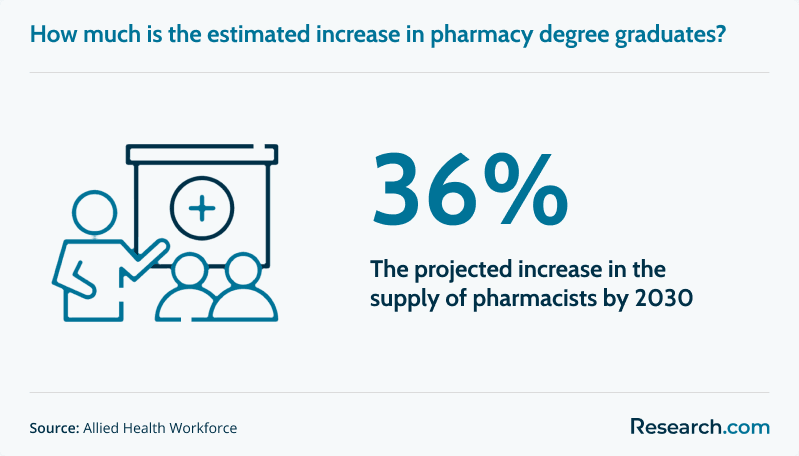
By 2030, the supply of pharmacists is expected to increase 36%. Students preparing to enter this workforce should build a funding plan before committing to a program, especially because PharmD tuition and clinical training costs can be substantial.
Many online PharmD students can pursue federal aid if their school participates in eligible aid programs. Before applying, confirm whether your selected institution is among online colleges accepting FAFSA and whether your specific pharmacy program qualifies.
Federal student aid
- FAFSA: The Free Application for Federal Student Aid is the main form used to determine eligibility for federal grants, loans, and work-study programs.
- Federal Pell Grants: These need-based grants are primarily available to undergraduate and certain graduate students.
- Federal Supplemental Educational Opportunity Grants: SEOG funding supports undergraduate students with exceptional financial need.
- Federal Direct Loans: Eligible students may use subsidized or unsubsidized federal loans.
- Federal Direct PLUS Loans: Graduate students and parents of dependent students may qualify for PLUS Loans.
Scholarships
- University scholarships: Pharmacy schools may award funding based on academic performance, financial need, leadership, or service.
- Professional organizations: Groups such as the American Association of Colleges of Pharmacy may offer scholarship opportunities.
- Private scholarships: Foundations, employers, healthcare organizations, and community groups may support pharmacy students.
Grants
- State grants: Some states provide aid for residents attending in-state institutions.
- Institutional grants: Schools may award need-based or merit-based grants directly to students.
Ways to reduce total PharmD cost
- Complete prerequisite courses at a lower-cost accredited institution when transfer policies allow it.
- Compare total program cost, not only cost per credit.
- Ask whether scholarships are renewable or only available for the first year.
- Confirm whether rotations may require relocation or temporary housing.
- Consider whether a lower-cost option such as one of the most affordable online Doctorate in Pharmacy programs still meets your licensure and career needs.
Admission Requirements for Online Doctorate in Pharmacy Programs
The preceptors of colleges of pharmacy are also practitioners, with 32.2% practicing acute care and 27.2% connected with community pharmacies. Because PharmD programs prepare students for direct patient-care responsibilities, admissions committees look for academic readiness, communication ability, professionalism, and commitment to pharmacy practice.
Online PharmD admissions requirements are generally similar to campus-based requirements because both routes prepare students for the same professional standards and licensure expectations.
| Requirement | What it usually means | How to strengthen your application |
| Baccalaureate degree | Some programs require a bachelor’s degree from an accredited institution. | Confirm whether the school accepts applicants with prerequisites but no completed bachelor’s degree. |
| Science prerequisites | Applicants need a strong foundation in laboratory and life sciences. | Earn strong grades in biology, chemistry, physics, mathematics, and related coursework. |
| Minimum GPA | Programs may set minimum GPA requirements often ranging from 2.5 to 3.5 or higher. | Retake weak prerequisite courses if allowed and explain academic improvement clearly. |
| Letters of recommendation | Schools often request references from faculty, employers, or healthcare supervisors. | Choose recommenders who can speak to reliability, ethics, science ability, and patient-care potential. |
| Personal statement | Applicants explain their motivation for pharmacy and fit with the program. | Use specific examples from healthcare, service, research, work, or patient interaction. |
| PCAT | The Pharmacy College Admission Test is not required by every program. | Check each school’s current policy before preparing for the exam. |
Common Courses in an Online Doctorate in Pharmacy Program
Among college of pharmacy preceptors, 6,103 were PharmD graduates. Their teaching and supervision often connect academic content to real clinical pharmacy responsibilities.
Although course titles vary, online PharmD programs typically cover the scientific, clinical, ethical, and practical knowledge pharmacists need to manage medication therapy safely. Students should expect demanding science coursework, patient-care applications, and supervised practice experiences.
- Pharmacology: Study of how medications act in the body and affect biological systems.
- Pharmacokinetics: Analysis of how drugs are absorbed, distributed, metabolized, and eliminated; related medication-use concepts may also appear in healthcare programs such as an affordable substance abuse treatment degree.
- Pharmacotherapeutics: Application of drug therapy to disease treatment and patient care plans.
- Medicinal Chemistry: Study of drug structure, design, and chemical properties.
- Pharmacy Practice: Practical preparation for dispensing, counseling, medication review, and interprofessional care.
- Pharmaceutical Calculations: Dosage, compounding, and medication preparation calculations.
- Biostatistics: Interpretation of healthcare and pharmaceutical research data.
Online coursework is only part of the degree. PharmD students also complete Advanced Pharmacy Practice Experiences, which place them in pharmacy settings where they apply clinical judgment, communicate with patients and providers, and demonstrate professional competencies.
Specializations Available in Online Doctorate in Pharmacy Programs
Most PharmD programs begin with broad preparation for general pharmacy practice, but students may be able to focus electives, rotations, certificates, residencies, or postgraduate training around a specialty area. This is different from broader healthcare management training, such as a low-cost online healthcare administration degree, because pharmacy specialization remains centered on medication therapy and patient outcomes.
In the second quarter of 2024, a total of 18,681 job postings for pharmacists were recorded of which 10,611 looked for retail pharmacists. Specialization can help graduates pursue roles beyond general retail practice, though availability depends on employer demand, residency training, certifications, and experience.
| Specialization | Typical focus | Best for students interested in |
| Acute Care Pharmacy | Medication therapy in hospitals, intensive care, and complex inpatient settings | Hospital-based care and interprofessional clinical teams |
| Geriatric Pharmacy | Medication management for older adults | Long-term care, chronic disease, and polypharmacy management |
| Oncology Pharmacy | Cancer treatment medications and supportive care | Specialty clinics, infusion settings, and complex therapy protocols |
| Nuclear Pharmacy | Radioactive pharmaceuticals and specialized medication handling | Highly regulated technical pharmacy practice |
| Nutrition Support Pharmacy | Nutritional therapy for patients with specialized medical needs | Clinical nutrition work that may intersect with professionals focused on becoming a nutritionist |
| Infectious Disease Pharmacy | Antimicrobial therapy and infectious disease management | Stewardship programs, hospitals, and public health settings |
| Mental Health Pharmacy | Medication therapy for psychiatric and behavioral health conditions | Collaborative care with mental health professionals, including nurses who complete RN to PMHNP online programs |
How to Choose the Best Online Doctorate in Pharmacy Program
The best online PharmD program is the one that fits your licensure goals, learning style, budget, schedule, and clinical training needs. A low tuition rate is not enough if the program does not support clinical placements or align with your state board requirements.
- Confirm ACPE accreditation: Make sure the program meets Accreditation Council for Pharmacy Education standards. General institutional recognition is also important, and students comparing school legitimacy can review guidance on nationally accredited online colleges.
- Check licensure preparation: Ask how the program prepares students for the NAPLEX and MPJE.
- Review APPE support: Confirm how Advanced Pharmacy Practice Experiences are arranged, supervised, and evaluated.
- Investigate faculty and preceptors: Faculty expertise matters even when a program is online. Of all the college preceptors in 2023, 153 professors have a PhD, while 183 pharmacists were part of Fellowships.
- Assess student support: Look for advising, tutoring, technical support, career services, exam preparation, and help resolving clinical placement issues.
Questions to ask before enrolling
| Question | Why it matters |
| Is the program ACPE-accredited and accepted by my state board? | This affects whether the degree can support your licensure plans. |
| How are rotations assigned for online students? | Poor rotation support can delay graduation or create unexpected travel costs. |
| What are the NAPLEX and MPJE preparation resources? | Licensure exam readiness is central to becoming a pharmacist. |
| What is the full cost of attendance? | Tuition alone does not show your real financial commitment. |
| Are campus visits required? | Some “online” programs include in-person labs, orientations, or intensives. |
| Can I work while enrolled? | Course load and rotations may limit employment flexibility. |
Career Paths for Graduates of Online Doctorate in Pharmacy Programs
Online PharmD graduates can pursue the same broad categories of pharmacy careers as campus graduates when they meet licensure requirements. With 13,400 openings for pharmacists projected each year through 2032, graduates may find opportunities across patient care, hospitals, community pharmacies, managed care, education, industry, and specialized practice areas.
| Career path | Typical responsibilities | Who it may suit |
| Community Pharmacy | Dispensing medication, counseling patients, managing prescriptions, and supporting medication safety | Students who enjoy direct public interaction and accessible patient care |
| Hospital Pharmacy | Medication distribution, drug information support, patient counseling, and collaboration with care teams | Graduates interested in inpatient care and clinical systems |
| Clinical Pharmacy | Optimizing medication therapy and improving treatment outcomes | Students who want deeper patient-care responsibilities |
| Managed Care Pharmacy | Managing drug benefits, formularies, and medication-use policies | Graduates interested in insurance, population health, and cost-effectiveness |
| Academia | Teaching, research, mentoring, and curriculum development in pharmacy education | Pharmacists interested in scholarship and future workforce preparation |
Job Market for Online PharmD Graduates
The job market for PharmD graduates is mixed: pharmacy remains an essential healthcare profession, but career outcomes vary by setting, geography, specialization, and competition. The degree can support many roles, but employment is not guaranteed simply because the program is online or accredited.
An aging population and continuing need for medication management support demand for pharmaceutical care. PharmD graduates can also look beyond traditional dispensing roles, including clinical practice, managed care, research, academia, regulatory work, and healthcare leadership.
At the same time, automation, mail-order pharmacies, retail consolidation, and competition in some markets can affect job growth and role availability. Rising prescription drug costs also shape the pharmacy landscape and employer priorities.
Specialized skills in areas such as geriatrics, oncology, pharmacoeconomics, infectious disease, informatics, or leadership can improve competitiveness. Academia is another path; the full-time professor of pharmacy salary as of 2023 was $190,843.
The strongest candidates typically combine licensure eligibility, clinical judgment, communication skills, business awareness, and evidence of patient-centered practice.
How Online PharmD Graduates Can Contribute to Healthcare Advancement
A PharmD prepares pharmacists to do more than dispense medication. Pharmacists can improve patient safety, prevent medication errors, identify interactions, support chronic disease management, and collaborate with physicians, nurses, and other healthcare professionals.
In hospitals and clinical settings, pharmacists help optimize medication therapy and reduce avoidable adverse reactions. In community settings, they may support vaccination services, counseling, adherence programs, and medication therapy management. In managed care and policy roles, they may influence access, formularies, reimbursement, and safe medication-use systems.
Digital health is also changing pharmacy practice. Telepharmacy, medication data systems, and remote counseling can expand access to care, especially in underserved areas. Pharmacists who understand both medication science and healthcare technology may be better positioned for leadership in new care models.
Some pharmacists also pursue education or leadership-focused credentials. For example, those interested in training future healthcare professionals or shaping academic systems may explore a PhD in Educational Leadership online as a separate advanced pathway.
How Do You Obtain Pharmacist Licensure After an Online PharmD?
Licensure is handled by state boards of pharmacy, so requirements vary by state. In general, graduates complete an accredited PharmD curriculum, finish required clinical rotations, pass the NAPLEX, and meet pharmacy law examination requirements such as the MPJE where applicable.
Online students must pay close attention to state-specific rules. Clinical rotations must meet board requirements, and some states may require background checks, intern hours, documentation, or additional applications. Students planning to practice in a specific state should review that board’s current requirements early. For one state-specific example, see this guide to how long it takes to become a pharmacist in Texas.
Emerging Trends in Pharmacy Practice and Career Development
Pharmacy practice is changing as healthcare systems adopt digital tools, expand team-based care, and increase attention to medication safety and personalized treatment. PharmD students should choose programs that prepare them for both traditional pharmacy roles and newer practice models.
Telepharmacy and remote patient services
Telepharmacy can help pharmacists counsel patients, review medications, and support access in areas where in-person pharmacy services are limited. Similar technology-driven access issues are visible in other helping professions, including students comparing online DSW programs.
Pharmacogenomics
Pharmacogenomics uses genetic information to guide medication selection and dosing. As personalized medicine expands, pharmacists may increasingly help interpret therapy options, reduce adverse reactions, and support individualized care plans.
Interdisciplinary healthcare teams
Pharmacists are increasingly integrated into teams with physicians, nurses, behavioral health professionals, and administrators. Their medication expertise is especially valuable in complex treatment plans, transitions of care, chronic disease management, and high-risk therapy monitoring.
How to Choose Between an Online and On-Campus PharmD Program
Both online and campus PharmD programs can lead to the same professional credential when they meet accreditation and licensure requirements. The better choice depends on how you learn, where you live, how much flexibility you need, and how comfortable you are arranging clinical training logistics.
Choose an online PharmD if you need remote coursework, can stay organized without daily campus structure, and have confirmed that rotations can be completed in approved locations. Choose an on-campus PharmD if you want regular face-to-face interaction, immediate access to labs and student organizations, and a more traditional professional school environment.
Cost should be evaluated carefully. Online programs may reduce relocation and housing expenses, but they can still involve travel, campus intensives, clinical placement expenses, and professional fees. For a broader explanation of the education needed for pharmacy careers, review this guide on what degree is needed to become a pharmacist.
Is an Online PharmD Worth It?
An online PharmD may be worth it if the program is accredited, supports your state licensure goals, provides strong clinical training, fits your schedule, and leads to career opportunities that justify the cost. It may not be worth it if you choose only for convenience, overlook rotation requirements, or borrow heavily without a realistic career and repayment plan.
Before enrolling, compare tuition and fees against likely employment paths, geographic job demand, licensure requirements, and your ability to complete rotations. A deeper cost-benefit review is available in this guide to whether pharmacy school is a good idea.
How Can You Verify Accreditation and Program Quality?
Start by confirming that the pharmacy program is recognized by the Accreditation Council for Pharmacy Education when licensure is your goal. Then check the institution’s broader accreditation, state authorization, licensure outcomes, clinical placement policies, faculty credentials, and student support resources.
Do not rely only on rankings or school websites. Cross-check state board guidance, request current licensure exam data, and ask how many students complete rotations on time. Students comparing other healthcare training options can also review how accreditation is presented by the best online medical billing and coding schools, though pharmacy licensure has its own distinct requirements.
Do Employers Value Online PharmD Degrees?
Employers generally care most about accreditation, licensure, clinical competence, communication skills, and performance during rotations or residencies. If an online PharmD is accredited and leads to the same licensure pathway, the delivery format is usually less important than whether the graduate can practice safely and effectively.
That said, students should be prepared to explain their clinical training, teamwork experience, and readiness for in-person patient care. Some graduates also build broader healthcare exposure through allied health education, such as affordable medical assistant programs online, although this should complement rather than replace pharmacy-specific preparation.
Support Services Online PharmD Students Should Expect
Strong support systems are especially important in online professional programs. Students should look for academic advising, faculty office hours, technical support, virtual tutoring, digital library access, exam preparation, mental health resources, and clear clinical placement coordination.
Career services should also help with resume preparation, interview practice, residency applications, employer connections, and licensure planning. For a broader career roadmap, students can compare program support with guidance on how much schooling is needed to become a pharmacist.
Other Educational Opportunities That Can Complement a PharmD
Some pharmacists strengthen their career options with education in teaching, leadership, informatics, policy, or administration. For example, pharmacists who educate patients, train students, or work in academic healthcare settings may benefit from exploring online master's degrees in education.
Complementary credentials should have a clear purpose. Do not add another degree only to look more competitive. Choose extra training when it supports a defined goal such as pharmacy education, healthcare leadership, regulatory affairs, data management, or patient communication.
How Online PharmD Programs Support Research and Innovation
Online PharmD programs may use virtual collaboration platforms, simulation tools, digital libraries, and remote research mentoring to connect students with current pharmacy questions. Research opportunities can include medication safety, clinical outcomes, pharmacotherapy, health systems, policy, and personalized medicine.
Students interested in interdisciplinary healthcare research may also compare pharmacy training with broader online medical degree programs. However, students should verify whether a specific PharmD program offers actual research participation, publication support, or faculty-led projects before assuming those opportunities are available.
How to Strengthen Your Online PharmD Application
A strong PharmD application shows academic readiness, healthcare awareness, ethical judgment, service orientation, and clear motivation for pharmacy. Admissions committees want evidence that you understand the profession and can handle the science-heavy workload.
- Complete prerequisite coursework early and earn strong grades in science courses.
- Gain pharmacy, healthcare, research, volunteer, or patient-facing experience when possible.
- Write a specific personal statement that explains why pharmacy fits your goals.
- Request recommendations from people who can speak to your academic ability and professionalism.
- Prepare for interviews by practicing ethical, communication, and patient-care scenarios.
- Compare admissions selectivity, including resources on pharmacy schools that may be easier to get into, but do not choose a program only because admission seems less competitive.
How Medical Coding Knowledge Can Help PharmD Professionals
Medical coding knowledge can help pharmacists better understand documentation, reimbursement, billing workflows, and communication with healthcare administrators. This is especially useful in clinical services, medication therapy management, ambulatory care, and settings where pharmacists document billable patient-care activities.
Coding is not a substitute for pharmacy expertise, but it can improve collaboration with revenue cycle, compliance, and care management teams. Students curious about this adjacent field can review how to become a coder and related pay considerations in this guide to medical coding salary.
Certifications That Can Strengthen PharmD Credentials
Targeted certifications can help PharmD graduates demonstrate additional expertise in clinical care, patient safety, regulatory compliance, specialty practice, or healthcare operations. The right credential depends on the role you want, not simply the number of letters after your name.
Some students explore allied healthcare credentials for practical context. For example, a CMA accelerated program may provide exposure to clinical office workflows, though pharmacists should prioritize pharmacy-specific licensure, residency, board certification, or specialty training when relevant to their career goals.
Should You Pursue Interdisciplinary Credentials Alongside an Online PharmD?
Interdisciplinary credentials can be valuable when they align with a specific career path. A pharmacist moving into digital health, informatics, analytics, or compliance may benefit from healthcare data training. For example, an online health information management degree can support knowledge of healthcare data systems, regulatory documentation, and information governance.
Before adding another credential, ask whether it will improve your qualifications for a target role, help you meet an employer requirement, or support a transition into leadership, technology, education, or policy.
How Online PharmD Programs Deliver Clinical Training
Online PharmD programs typically use a hybrid structure: academic coursework may be online, but clinical practice experiences occur in approved healthcare settings. Schools may use local pharmacy partners, hospitals, community pharmacies, simulations, telehealth tools, and supervised preceptors to assess student competencies.
Quality depends heavily on rotation placement, preceptor oversight, feedback, and alignment with accreditation standards. Students interested in strengthening the science foundation behind pharmacy may also explore an affordable online degree in biochemistry, but PharmD clinical training itself must come through the pharmacy program’s approved practice experiences.
What Enables Accelerated Learning in Online PharmD Programs?
Accelerated PharmD pathways may shorten completion time by using year-round schedules, integrated coursework, earlier practice exposure, or compressed academic terms. These programs can be efficient, but they are not easier. Students need strong time management and the ability to handle a heavy science and clinical workload.
Students considering a faster route should compare academic intensity, rotation timing, cost, and support services. A broader list of options is available in this guide to accelerated PharmD programs online.
Job Placement and Career Support in Online PharmD Programs
Career support can make a major difference in how smoothly students move from pharmacy school to licensure, residency, fellowship, or employment. Useful services include resume reviews, mock interviews, residency advising, employer networking, virtual career fairs, alumni mentoring, and licensure planning.
Ask whether the school has employer relationships in your region, especially if you are studying online from another state. Some students also explore short healthcare credentials through resources such as the best medical certificate programs, but a PharmD student’s main career support should focus on pharmacy roles and licensure outcomes.
Questions to Ask When Evaluating an Online PharmD Program
| Question | Good answer should include |
| Is the program currently ACPE-accredited? | Clear accreditation status and documentation. |
| Will this program meet licensure requirements in my state? | Specific guidance for your intended practice state. |
| How are IPPEs and APPEs arranged? | Placement process, site standards, preceptor oversight, and student responsibilities. |
| What are the total costs? | Tuition, fees, books, travel, technology, exam costs, and rotation expenses. |
| Are campus visits required? | Dates, frequency, duration, and estimated travel costs. |
| What student support is available online? | Advising, tutoring, technical help, faculty access, and career services. |
| Can I add leadership or administration training? | Relevant options such as an accelerated healthcare administration degree if it fits your goals. |
Challenges You May Face in an Online PharmD Program
Online PharmD students must manage a rigorous professional curriculum without the daily structure of campus attendance. Common challenges include balancing coursework with work or family duties, staying engaged in virtual discussions, arranging clinical rotations, and building professional networks remotely.
Practice-based learning can also be harder to coordinate at a distance. Students should ask early how the school handles simulation, in-person requirements, and preceptor feedback. Those who want to combine clinical pharmacy knowledge with healthcare operations may later consider a fast track online degree for healthcare administration, but that should not distract from meeting PharmD clinical requirements first.
Graduate Success Metrics for Online PharmD Programs
Graduate outcomes help show whether an online PharmD program prepares students effectively. Prospective students should request current data on licensure exam pass rates, graduation rates, residency placement, employment outcomes, clinical competency evaluations, and student satisfaction.
Do not accept vague claims such as “excellent outcomes” without evidence. Ask for the most recent data and whether it reflects online students specifically. Students comparing healthcare-adjacent credentials can also review outcome and aid considerations through resources on medical billing and coding online schools.
Common Mistakes to Avoid When Choosing an Online PharmD
| Mistake | Why it can hurt you | Better approach |
| Choosing based only on tuition | A low sticker price may hide fees, weak support, or costly rotation travel. | Compare total cost of attendance and clinical placement policies. |
| Ignoring accreditation | Licensure eligibility may be affected. | Verify ACPE status and state board acceptance before applying. |
| Assuming online means no in-person work | PharmD programs require practice experiences. | Ask about labs, rotations, campus visits, and local site expectations. |
| Relying only on rankings | A highly ranked program may not fit your state, budget, or schedule. | Use rankings as one tool alongside accreditation, cost, and licensure fit. |
| Overlooking work limitations | Rotations and demanding coursework may reduce available work hours. | Plan finances around periods when employment may be difficult. |
| Assuming salary outcomes are guaranteed | Pay varies by role, location, employer, and experience. | Research local job markets and build specialized skills strategically. |
Key Insights
- The best online PharmD is the one that is accredited, licensure-aligned, clinically strong, and financially realistic for your situation.
- Most professional PharmD programs take 4 years after prerequisite preparation, but your total timeline may be longer if you still need required undergraduate science courses.
- Online PharmD programs are rarely fully online because pharmacy education requires supervised clinical practice experiences.
- Tuition may range from $20,000 to $60,000 per year, so students should calculate total cost rather than comparing tuition alone.
- Before applying, ask each school about ACPE accreditation, NAPLEX and MPJE preparation, rotation placement support, state licensure compatibility, and graduate outcomes.
- Online delivery can work well for disciplined students who need flexibility, but campus programs may better serve students who want daily in-person structure and easier access to faculty and peers.
- Career prospects are strongest for graduates who combine licensure, clinical judgment, communication skills, patient-care experience, and specialty or leadership preparation.
References:
- American Association of Colleges of Pharmacy (2023). 2023 Preceptor Survey: National Summary Report.
- American Association of Colleges of Pharmacy (2023). Pharmacy Faculty Demographics and Salaries.
- American Association of Colleges of Pharmacy (2024). Pharmacy Demand Report.
- Bureau of Health Workforce, Health Resources and Services Administration. (2016). The Pharmacy Workforce: Projections to 2030.
- Public Tableau. (2024). First Professional Pharm.D. and Graduate Enrollment Trends.
Other Things You Should Know About Online Doctorate in Pharmacy
Most accredited PharmD programs accept few or no transfer credits, and many require students to complete the core professional sequence in residence or through approved experiential sites. Transfer approval usually depends on course equivalency, grades of C or higher, and review by the program’s admissions or academic office.
To qualify for the best online Doctorate in Pharmacy (PharmD.) programs in 2027, look for ASHP or ACPE-accredited programs. Admission typically requires a bachelor's degree in pharmacy or a related field, relevant work experience, and completion of prerequisite courses. Some programs may demand PCAT scores and interviews.