2027 Most Affordable Online Colleges for Engineering Degrees in the U.S.

Co-Founder and Chief Data Scientist
The escalating in-state cost of tuition and fees for four-year college institutions in the U.S. was $11,950 for the academic year 2025-2026. To help aspiring engineers who want to pursue their education without compromising their budgets, I have compiled a list of the most affordable online engineering degrees in the U.S. This research was based on my years of experience in career planning and academic counseling, as well as a detailed study of both academic and government sources.
What are the benefits of enrolling in affordable online engineering colleges?
- Aside from traditional engineering fields like civil and mechanical engineering, an engineering degree also opens career paths in data science, biomedicine, and robotics.
- During my research, I noticed that online engineering programs offer greater program availability with fewer regional restrictions.
- According to the U.S. Bureau of Labor Statistics, engineers earned a median wage of $106,070.
What can I expect from the most affordable online engineering degrees?
- The most affordable online engineering degrees offer students the flexibility to pursue a rigorous education in engineering disciplines through virtual platforms while staying within their budget.
- The curriculum typically covers core engineering principles, specialized subjects, and hands-on projects to develop practical skills.
- Online programs often leverage interactive simulations, virtual laboratories, and video conferencing to replicate the hands-on experience of traditional classrooms.
- The self-paced nature of online learning caters to working professionals seeking career advancement or individuals with other commitments, making engineering education more accessible and adaptable to varied lifestyles.
- Upon completing an online engineering degree, you will be part of the engineering workforce in the US, which was approximately 4.65 million when I conducted this research.
Where can I work with an online engineering degree?
- Around 48% of engineers are employed in private companies, closely followed by those in the public sector at 46%.
- Popular industries for professionals with online engineering degrees include technology and manufacturing, with additional options in transportation, telecommunications, and even hospitality.
- The aerospace and automotive industries also provide exciting opportunities for graduates within the engineering discipline as they can get involved in designing groundbreaking vehicles and aircraft.
- The technology sector offers roles in software and hardware development, while environmental engineers contribute significantly to creating eco-friendly solutions.
- Biomedical engineers play a crucial role in healthcare advancements by designing medical devices and enhancing patient care.
- Based on my research, consulting firms, research institutions, and government agencies actively seek the expertise of engineers, ensuring a diverse range of career paths for individuals with an engineering degree.
How much can I make with an engineering degree?
In various engineering disciplines during my research, these competitive salaries prevail:
- Aerospace engineers earn a median pay of around $134,830 annually.
- Agricultural engineers with a bachelor’s degree receive $84,630 per year.
- Bioengineers and biomedical engineers see a yearly income of $106,950.
- Chemical engineers earn $121,860 annually.
- Civil engineers take home $99,590.
- Electrical and electronics engineers can expect $118,780 annually.
- Environmental engineers receive an annual salary of $104,170.
- Industrial make $101,140 per year, while mechanical engineers take home $102,320.
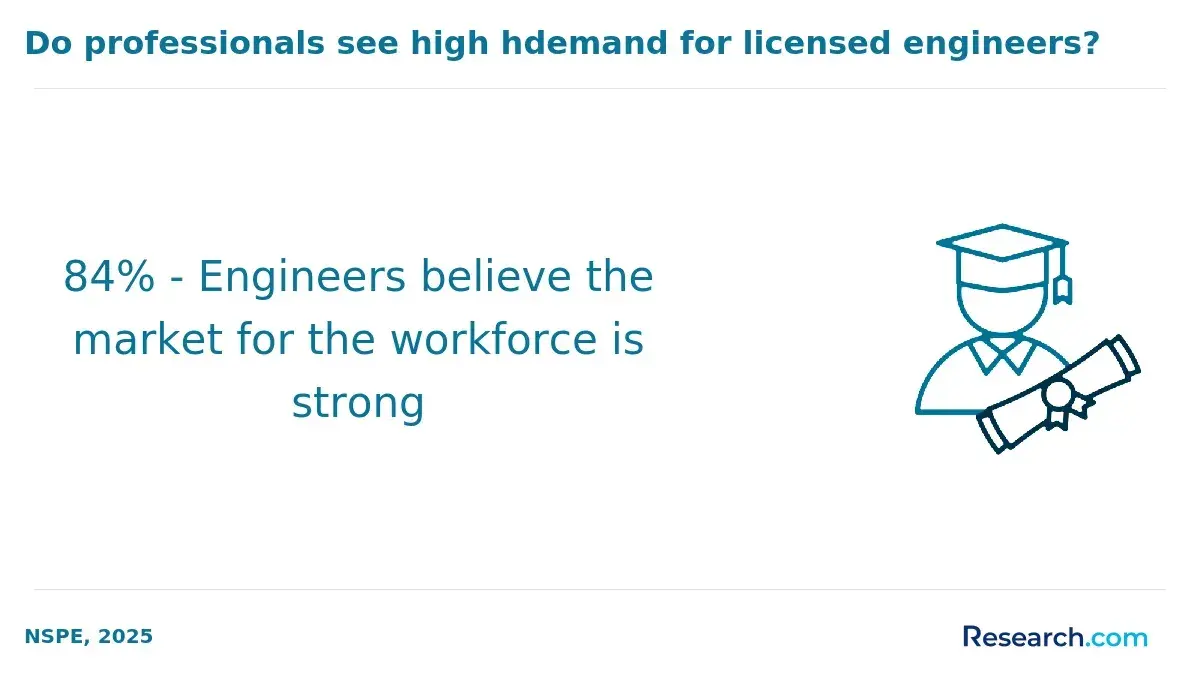
Those with a professional license in civil engineering command a median primary income of $132,000, a significant premium of nearly $30,000 compared to their non-licensed counterparts.
- Most Affordable Online Colleges for Engineering Degrees for 2027 List of Programs
- How long does it take to complete an online engineering program? Completion Time
- How does an online engineering degree compare to an on-campus program? Online vs On-Campus
- What is the average cost of an online engineering program? Average Cost
- What are the financial aid options for students enrolling in an online engineering program? Financial Aid
- What are the prerequisites for enrolling in an online engineering program? Prerequisites
- What courses are typically in an online engineering program? What courses are typically in an online engineering program?
- What types of specializations are available in online engineering degrees? What types of specializations are available in online engineering degrees?
- How do online engineering programs prepare students for licensing exams? How do online engineering programs prepare students for licensing exams?
- How do you choose the best online engineering degree? How do you choose the best online engineering degree?
- What career paths are available with an online engineering degree? What career paths are available with an online engineering degree?
- How are hands-on experiences effectively integrated into online engineering programs? How are hands-on experiences effectively integrated into online engineering programs?
- What are the networking and mentorship opportunities in online engineering programs? What are the networking and mentorship opportunities in online engineering programs?
- What are the long-term success metrics for online engineering graduates? What are the long-term success metrics for online engineering graduates?
- What are the technology requirements and digital literacy skills needed for online engineering programs? What are the technology requirements and digital literacy skills needed for online engineering programs?
- What is the job market for graduates with an online engineering degree? What is the job market for graduates with an online engineering degree?
- Are online engineering degrees recognized and valued by employers? Are online engineering degrees recognized and valued by employers?
- How can online engineering programs facilitate accelerated career progression? How can online engineering programs facilitate accelerated career progression?
- The Future of Online Engineering Education and Industry Trends The Future of Online Engineering Education and Industry Trends
- How do accreditation and quality assurance impact online engineering programs? How do accreditation and quality assurance impact online engineering programs?
- What support services are available for students in online engineering programs? What support services are available for students in online engineering programs?
Most Affordable Online Engineering Degrees for 2026
If you want an engineering degree online without overpaying, the real question is not just “Which program is cheapest?” It is “Which affordable program still gives me the accreditation, flexibility, and career value I need?” That matters even more in 2026, when students are balancing rising college costs, tighter job competition, and growing employer expectations for practical skills.
This guide helps you compare the most affordable online engineering degrees, understand what these programs actually include, and avoid the mistakes that can make a low tuition price less valuable than it first looks. You will also find a quick cost comparison, admissions guidance, licensure considerations, and decision tips for choosing the right online engineering path.
Quick Answer: What are the most affordable online engineering degrees?
The most affordable online engineering degrees are usually offered by public universities, military-friendly institutions, and schools that charge lower per-credit tuition for distance learners. Based on the programs listed below, Kennesaw State University currently has the lowest listed tuition at $185 per credit for its online engineering option. However, the cheapest program is not always the best choice for every student. Accreditation, specialization, transfer rules, and licensure goals matter just as much as price.
How this list was selected
Research.com built this list using data from IPEDS, Peterson’s database (including the Distance Learning Licensed Data Set), and College Scorecard. NCES data were also used to add context on program quality. More details are available in Research.com’s methodology.
Top Affordable Online Engineering Degrees for 2026
Below is a practical list of online engineering programs that stand out for lower tuition relative to many other options. Tuition can change, and fees may apply, so students should always verify the current cost directly with each school before applying.
| School | Program | Listed Tuition | Notes for Students |
| Kennesaw State University | BS in Industrial Engineering Technology; BS in Software Engineering | $185 per credit | Lowest listed tuition on this list; also offers financial aid options |
| Eastern New Mexico University | BS in Electronics Engineering Technology Composite | $186.75 per credit for New Mexico residents; $271.75 per credit for non-residents | Has tuition waivers and multiple scholarship options |
| Florida International University | 128-credit online computer engineering degree | $228.81 per credit for in-state students; $345.87 per credit for out-of-state students | Large online portfolio with extensive support options |
| American Public University System | Bachelor of Engineering in Electrical Engineering | $285 per credit | Military-friendly and designed for adult learners |
| Bemidji State University | BS in Applied Engineering | $303 per credit | Strong option for students seeking a practical applied path |
| Stony Brook University | BS in Electrical Engineering | $353 per credit for the online out-of-state rate | Higher tuition, but backed by a strong research reputation |
| National University | BS in Electrical and Computer Engineering | $370 per credit | Built for working adults and military-connected learners |
| University of Southern Mississippi | BS in Industrial Engineering Technology | $383.59 per credit | Research-focused institution with engineering strength |
| Saint Leo University | Bachelor of Software Engineering | $380 per credit | Includes 120 credits for completion |
| University of Alabama | BS in Mechanical Engineering | $385 per credit | Requires 126 credits for completion |
Affordable online engineering degrees: school-by-school overview
1. Kennesaw State University
Kennesaw State University is Georgia’s third-largest university and a Carnegie doctorate research institution (R2), a designation held by only 6% of U.S. institutions. Its online undergraduate offerings include Bachelor of Science in Industrial Engineering Technology and Bachelor of Science in Software Engineering.
With tuition at $185 per credit, KSU is the most affordable program on this list. Students can also explore aid options such as the Federal Pell Grant, Federal TEACH Grant, Georgia scholarships, KSU Scholarships, and student employment.
2. Eastern New Mexico University
Eastern New Mexico University offers a Bachelor of Science in Electronics Engineering Technology Composite. Tuition is $186.75 per credit for New Mexico residents and $271.75 per credit for non-residents.
Financial aid options include academic scholarships, the ENMU Foundation Starter Scholarship for New Mexico residents, the New Mexico Lottery Scholarship, federal aid, military out-of-state tuition waivers, and military or veteran scholarships.
3. Florida International University
Florida International University enrolls nearly 48,000 students online annually and offers more than 100 fully online degree programs and tracks. Its online computer engineering degree is a 128-credit program priced at $228.81 per credit for in-state students and $345.87 per credit for out-of-state students.
Students may qualify for FIU Online scholarships, Federal Work-Study, and federal loans.
4. American Public University System
Originally founded in 1991 as American Military University, the American Public University System is well known for serving service members and veterans. It offers a Bachelor of Engineering in Electrical Engineering for $285 per credit.
The program requires 128 credits. Aid options include the Federal Pell Grant, Direct Loans, Military Tuition Assistance, Veterans Benefits, and employer vouchers.
5. Stony Brook University
Stony Brook University offers a Bachelor of Science in Electrical Engineering online at an out-of-state tuition rate of $353 per credit. The school also supports students through scholarships, external awards, and military-related aid options.
6. Saint Leo University
Saint Leo University, Florida’s oldest Catholic university, offers 50 undergraduate degrees and a Bachelor of Software Engineering online. Tuition is $380 per credit.
The program requires 120 credits. Students may qualify for the Federal Pell Grant, Federal TEACH Grant, FSEOG, university scholarships, private scholarships, and corporate assistance.
7. University of Southern Mississippi
The University of Southern Mississippi is a Carnegie R1 research university with strengths in ocean science and engineering and polymer science and engineering. Its Bachelor of Science in Industrial Engineering Technology offers an affordable route into the field and connects well to a broader industrial engineering degree pathway.
Tuition is $383.59 per credit, and students may be eligible for the Federal Pell Grant, SEOG, Federal TEACH Grant, and other aid.
8. University of Alabama
The University of Alabama offers a Bachelor of Science in Mechanical Engineering through UA Online. Tuition is $385 per credit, and the program requires 126 credits.
Financial aid options include FAFSA-based aid, the College of Continuing Studies, and the Back to Bama Tuition Grant.
9. Thomas Edison State University
Thomas Edison State University in Trenton, NJ offers a Bachelor of Science in Electronics Systems Engineering Technology, a Bachelor of Science in Nuclear Energy Engineering Technology, and a Bachelor of Science in Nuclear Engineering Technology. Tuition is $399 per credit for New Jersey residents and $519 per credit for out-of-state students.
Aid options include military scholarships, nursing scholarships, the Presidential Alumni Scholarship, the Nuclear Regulatory Commission (NRC) Scholarship, and benefits for veterans and their families.
10. Indiana State University
Indiana State University offers Bachelor of Science degrees in Electronics Engineering Technology, Engineering Technology, and Engineering Technology Management. Tuition is $438 per credit.
Students may qualify for the Evan Bayh 21st Century Scholarship, the Next Generation Hoosier Educators Scholarship, Federal Pell Grant, FSEOG, Federal Direct Graduate PLUS Loan, and private alternative loans.
Additional affordable and flexible online engineering options
11. Regent University Online
Regent University was founded in 1978 and now serves 11,000 students online and on its Virginia Beach campus. Its Bachelor of Science in Computer Engineering costs $450 per credit for part-time students and $395 per credit for full-time students.
12. Old Dominion University
Old Dominion University has long experience in distance education, dating back to the mid-1980s when courses were offered on U.S. Navy ships. Today, it offers online bachelor’s programs in Engineering Technology, Computer Engineering, and Cybersecurity. Tuition starts at $360 per credit for in-state students and $407 per credit for out-of-state students.
13. Eastern Kentucky University
Eastern Kentucky University began offering online degrees in 2006 and now provides more than 50 online programs. Its Bachelor of Science in Fire Protection & Safety Engineering Technology costs $417 per credit.
14. National University
National University, founded in 1971, serves working adults through online and on-site study options. Its Bachelor of Science in Electrical and Computer Engineering currently costs $370 per credit.
15. University of Arizona
The University of Arizona offers online degrees designed for working adults who want flexibility without losing access to a recognized university brand. Its online offerings include a Bachelor of Science in Software Engineering and a Bachelor of Science in Electrical and Computer Engineering.
16. Arizona State University
Arizona State University Online is widely known for its large catalog of 100% online undergraduate programs. Its engineering-related bachelor’s options include Electrical Engineering, Engineering Management, Human Systems Engineering, Mechanical Engineering, and Software Engineering.
17. Bemidji State University
Bemidji State University serves about 5,000 students across undergraduate, graduate, and online programs. Its Bachelor of Applied Science in Applied Engineering costs $303 per credit.
18. Southern Illinois University Carbondale
Southern Illinois University Carbondale ranks in the top 5% of U.S. higher education institutions for research and has earned a third Silver STARS ranking from the Association for Advancement of Sustainability in Higher Education. It offers online programs in Electrical Engineering Technology and Industrial Management and Applied Engineering.
19. Excelsior College
Excelsior College is an accredited nonprofit distance-learning institution founded in 1971. It is known for flexible degree completion for adults by combining transfer credit, coursework, and examination credit. Today, it offers a Bachelor of Science in Electrical Engineering Technology.
20. Pennsylvania State University-World Campus
Penn State World Campus serves over 20,000 students and offers more than 150 degree and certificate programs taught by Penn State faculty. One of its online options is a Bachelor of Science in Software Engineering.
21. Liberty University
Liberty University is a private evangelical Christian university founded in 1971. It offers over 550 programs, including 289 online. Engineering-related offerings include the Bachelor of Science in Civil Engineering and the Master of Science in Engineering Management. Tuition starts at $390 per credit for full-time students and $455 per credit for part-time students.
22. University of Arkansas
The University of Arkansas is a leading public land-grant research university with more than 150 years of academic history. While it is especially known for business and marketing, it also offers a Master’s in Engineering program.
How long does an online engineering degree take?
Most online undergraduate engineering degrees take about four years to finish, which is similar to a traditional campus program. The timeline can be shorter or longer depending on transfer credits, course load, and whether the program is structured around terms or semesters.
Online graduate engineering degrees usually take 12 to 24 months. In some dual-degree engineering master’s programs, the timeline can extend to 36 months. If you want to move up faster, check whether the school offers year-round enrollment, accelerated terms, or credit for prior learning.
Online engineering degree vs. on-campus engineering degree
Neither format is automatically better. The right choice depends on your schedule, learning style, budget, and whether your target career requires a highly lab-based path.
| Factor | Online Program | On-Campus Program |
| Flexibility | Better for working adults, caregivers, and military students | More rigid, with fixed class times and campus attendance |
| Hands-on learning | Uses virtual labs, simulations, and shipped kits in some programs | Usually offers direct access to physical labs and equipment |
| Networking | Depends on virtual advising, online projects, and alumni access | Often includes easier face-to-face networking and campus events |
| Cost | May reduce housing, commuting, and relocation expenses | Can be more expensive once living costs are added |
| Best for | Students who need schedule flexibility | Students who want a traditional classroom experience |
If you need to keep working, care for family members, or study from a location far from campus, an online degree is often the better fit. If your ideal path depends on frequent lab access or immersive campus networking, an on-campus program may be the stronger option.
How much does an online engineering degree cost?
The cost of an online engineering degree depends on whether you attend a public or private institution, whether you qualify for in-state pricing, and how many additional fees the school charges. Tuition is only part of the real expense.
| Cost Factor | What It Means for Students |
| Tuition | The main academic cost, usually charged per credit or by term |
| Fees | May include online learning, technology, lab, or course fees |
| Books and software | Engineering programs may require specialized materials and licensed tools |
| Housing and commuting | Usually lower for online students, which can improve affordability |
| Residency status | Public schools often charge less for in-state students |
According to the College Board’s Trends in College Pricing and Student Aid 2025 for the 2025-26 academic year, public four-year tuition and fees for in-state students are estimated at approximately $11,950, while out-of-state students may face costs as high as $31,880. Private nonprofit institutions can charge around $45,000 in tuition and fees for full-time four-year students, and the average cost of a master of science degree is $61,380.
Online tuition can be similar to campus tuition, but online students often save on housing, transportation, and other living costs. For example, the University of Pennsylvania’s four-year engineering program charges $3,330 per course unit plus an additional $150 online services fee per course unit. On-campus students may face added expenses such as up to $16,752 in housing, nearly $8,000 in food expenses, about $1,500 in transportation costs, and other miscellaneous costs.
What financial aid can online engineering students use?
Affordable tuition matters, but aid can make a bigger difference than a small price gap between schools. Engineering students should check scholarship deadlines, eligibility rules, and whether aid renews each year.
- American Society for Engineering Education (ASEE): ASEE offers fellowships, grants, and paid research opportunities, with an annual membership fee of $10 for online students.
- Society of Women Engineers (SWE) Scholarships: SWE supports women studying engineering at the undergraduate and graduate level. Award amounts vary; the Anne Maureen Whitney Barrow Memorial Scholarship is worth $9,000.
- Donald and Barbara Mozley Scholarship: This scholarship awards $5,000 each to seven students every year. Applicants must be pursuing engineering or a related science degree at an ABET-accredited college or university.
- ASHRAE Scholarships: Qualified students may receive up to $10,000. Applicants must be pursuing a BS degree in engineering or plan to enter an accredited engineering program.
- 1931E Scholarships (The University of Michigan): Freshmen in the University of Michigan’s College of Engineering, with a maximum of 25 credits earned at the university and a 3.5 or above GPA, can apply.
What do you need to get into an online engineering program?
Admissions requirements for online engineering programs are usually similar to campus-based programs. Some schools are test-optional, but competitive academic preparation is still important.
| Common Requirement | What Schools Usually Look For |
| Educational background | A high school diploma or equivalent for undergraduate admission; a relevant bachelor’s degree for graduate programs |
| Math and science preparation | Strong coursework in physics, chemistry, and advanced math |
| GPA | Minimum GPA thresholds vary, but stronger grades in relevant subjects improve admission chances |
| Standardized tests | SAT or ACT may be required for undergraduates; GRE may be required for graduate study |
| Letters of recommendation | Often requested to confirm academic ability, work ethic, or technical potential |
Graduate applicants should review whether a school still requires GRE scores. Undergraduates should also confirm whether a school has gone test-optional before relying on SAT or ACT submissions. The GRE remains a common requirement at some graduate programs, but not all engineering schools ask for standardized tests.
What courses are common in an online engineering degree?
Online engineering programs usually begin with the same technical foundation found in campus programs. The delivery method changes, but the core academic demands remain rigorous.
- Calculus: Covers differentiation, integration, rates of change, and optimization. Engineering students use it to model stress, motion, heat transfer, and other system behaviors.
- Physics: Builds understanding of forces, motion, energy, electricity, and matter. It supports work in mechanics, thermodynamics, electromagnetism, and fluid systems.
- Chemistry: Helps students understand material behavior, reactions, corrosion, and energy systems. This matters in batteries, infrastructure, manufacturing, and fuel technologies.
- Introduction to Engineering: Introduces the design process, teamwork, ethics, communication, and problem-solving. It gives students a broad look at engineering fields before they specialize.
What specializations can you study online?
Not every specialty is available in every format, but online engineering programs are increasingly offering focused tracks that match labor market demand.
Software Engineering
- Software development engineering: Build and test applications for web, mobile, and enterprise systems.
- Data science and analytics: Use data to support decision-making and technical problem solving.
- Artificial intelligence and machine learning: Design systems that learn from data and automate tasks.
- Cybersecurity: Protect systems, networks, and software from attacks and breaches.
Computer Engineering
- Computer architecture: Work on hardware and embedded systems design.
- Network engineering: Build and maintain communication systems and infrastructure.
- Robotics and automation engineering: Create intelligent machines and automated solutions.
Civil Engineering
- Structural engineering: Analyze buildings, bridges, and other structures.
- Transportation engineering: Plan roads, airports, and transit systems.
- Geotechnical engineering: Study soil and rock behavior for foundations and land projects.
- Water resources engineering: Design drainage, irrigation, flood control, and water systems.
Mechanical Engineering
- Thermal and fluid engineering: Design systems involving heat, engines, and power generation.
- Materials science and engineering: Develop materials for manufacturing, construction, and medical uses.
- Manufacturing engineering: Improve production processes and efficiency.
Electrical Engineering
- Power engineering: Focus on generation, transmission, and electrical infrastructure.
- Electronics engineering: Design circuits and electronic devices.
- Control systems engineering: Build systems that regulate machines and processes.
Some students who want to move into computing-heavy niches may need a computer science degree online instead of a traditional engineering major. Students aiming for research, leadership, or academic specialization may also consider advanced credentials such as a doctorate in organizational leadership or other graduate study, depending on their goals.
Do online engineering programs prepare students for licensure?
Yes, many do, but students should never assume licensure readiness without checking the curriculum and state rules. If your goal is to become a licensed engineer, the school’s accreditation and exam preparation support matter a great deal.
Online engineering programs often prepare students for the Fundamentals of Engineering (FE) exam through aligned coursework, practice tests, advising, and review sessions. Some schools also offer study groups and mentoring to help students stay on track.
- Curriculum alignment: Courses cover the technical areas tested on the FE exam.
- Practice materials: Students may get sample tests and study guides.
- Peer support: Online forums and study groups help students review content together.
- Faculty guidance: Instructors and advisors can recommend study plans and exam strategies.
- Flexible pacing: Online scheduling makes it easier to fit FE preparation into a work schedule.
If you want licensure, confirm that the program is ABET-accredited and that it supports the requirements in the state where you plan to practice.
How should you choose the best online engineering degree?
The best program is the one that fits your career target, licensure needs, budget, and schedule. A low tuition rate is valuable, but only if the degree actually helps you get where you want to go.
- Start with your end goal. Decide whether you want to become a practicing engineer, move into engineering technology, or transition into software, systems, or management.
- Check accreditation first. For engineering, accreditation can affect licensure, employer trust, and transferability.
- Compare the specialization. Make sure the program offers the field you actually want to study.
- Review format and pacing. Decide whether you need asynchronous classes, live sessions, or a hybrid structure.
- Look at faculty and student support. Good advising, tutoring, and career services can make a major difference.
- Calculate the full cost. Add tuition, fees, books, software, and any required on-campus visits.
- Check transfer credit policies. If you already have college credit, a generous transfer policy can save time and money.
- Ask about licensure preparation. If the FE exam or state licensure matters to you, confirm the program supports that path.
- Read the fine print on aid. Scholarships may be renewable only if you keep a certain GPA or enrollment status.
- Speak with admissions and graduates. Ask how the program works in practice, not just what the brochure promises.
Who should choose an online engineering degree?
An online engineering degree is a strong fit if you need flexibility, already work full time, care for family members, serve in the military, or want to avoid relocation costs. It can also work well for self-directed students who are comfortable learning through simulations, digital labs, and structured online collaboration.
It may be a weaker fit if you want a highly immersive campus experience, need frequent access to physical labs, or are pursuing a path where in-person networking is your top priority. Students aiming for licensure should also verify that the online curriculum matches state and professional requirements.
What are the biggest advantages and drawbacks of online engineering degrees?
| Pros | Cons |
| Flexible scheduling for working adults and caregivers | Less direct face-to-face interaction with faculty and classmates |
| Potential savings on commuting, housing, and relocation | Some labs and hands-on experiences may be harder to replicate remotely |
| Access to programs outside your local area | Not every online program is equally strong for licensure or research goals |
| Useful for students who are disciplined and self-motivated | Time management is essential; falling behind can be harder to fix |
How do online engineering students build hands-on experience?
Strong online programs do more than stream lectures. They use virtual labs, simulation software, design projects, and sometimes mailed lab kits to help students practice technical skills. Capstone projects and remote team assignments also let students solve realistic engineering problems.
That said, students should still ask how a program handles lab requirements. Some schools are better than others at turning theory into applied experience. If your career path depends on highly physical lab work, you should confirm how much of that experience can be completed online.
How do networking and mentorship work in online engineering programs?
Online study does not have to mean isolated study. Many programs offer virtual networking events, mentor matching, discussion boards, alumni access, and online career services.
- Virtual events: Help students connect with alumni, employers, and peers.
- Mentors: Offer career advice, industry insight, and support on long-term planning.
- Professional organizations: Some schools help students connect with groups such as IEEE and ASCE.
- Career services: Resume help, interview prep, and LinkedIn support can strengthen job readiness.
- Collaborative coursework: Group projects can build teamwork skills and professional contacts.
What job paths can you pursue with an online engineering degree?
An online engineering degree can lead to many of the same career paths as a campus degree, especially when the program is accredited and includes strong technical training. Career results depend on your specialization, experience, location, and any licensure you earn.
According to the U.S. Bureau of Labor Statistics, STEM employment is expected to grow by 8% by 2034, and engineering occupations project 6.9% growth, which translates to over 114,600 new jobs by the same year. The BLS also projects growth of 7% to 11% for industrial engineers, mechanical engineers, computer hardware engineers, and electrical and electronics engineers. Systems engineering roles are also expected to grow, with an anticipated creation of approximately 106,890 new jobs through 2034.
Students should treat salary figures carefully because pay varies widely by location, employer, experience, and specialization. For example, flight engineering has a median salary of $226,600, but that does not represent the typical outcome for every engineering graduate. Likewise, engineering management roles often require experience; 46% of professionals in that position hold bachelor’s degrees.
Are online engineering degrees respected by employers?
Yes, when the degree comes from an accredited institution and the program shows clear technical rigor. Employers care less about whether the coursework was online and more about whether the graduate can solve problems, work in teams, use industry tools, and meet job requirements.
Online graduates can stand out when they can point to real projects, internships, lab work, and collaboration experience. That is especially true in software, systems, and technology-driven engineering fields where remote teamwork is already common.
What current trends are shaping online engineering education?
Several trends are changing how students should evaluate online engineering programs in 2026.
AI and automation are becoming core skills
Engineering employers increasingly expect familiarity with AI-assisted tools, automation, robotics, and data analysis. Programs that teach these skills may offer better long-term value than programs that still focus only on traditional theory.
Sustainability is influencing curriculum design
Engineering is moving toward greener infrastructure, energy-efficient systems, and environmentally responsible design. Students interested in civil, mechanical, industrial, or chemical pathways should look for sustainability content in the curriculum.
Virtual labs are improving
Simulation software and digital lab platforms now make it easier to study remotely without losing all hands-on practice. Still, the quality of these tools varies a lot from school to school.
Cybersecurity and computing overlap is growing
More engineering programs are blending software, systems, networking, and security topics. This is useful for students who want careers in connected devices, infrastructure, or secure development.
Remote collaboration is now normal
Because engineering teams often work across locations, online students may graduate with experience that reflects modern workplace habits. That can be a real advantage if the program includes group projects and communication training.
How important is accreditation for an online engineering program?
Accreditation is one of the most important factors in any engineering degree decision. It signals that the program meets recognized academic standards and may affect licensure eligibility, transfer credit acceptance, and employer confidence.
For engineering specifically, students should look carefully at ABET accreditation where relevant. A lower-cost program is not a good deal if it does not support the credentialing path you need.
What support services should you look for?
Online engineering can be demanding, so support services matter. Strong student support can improve persistence, reduce delays, and help you get more value from the degree.
- Academic advising for course planning
- Tutoring and writing support
- Technical help for learning platforms and software
- Career services for internships and job placement
- Mentorship or faculty office hours
- Library and research access
When comparing schools, do not stop at tuition. A program with slightly higher pricing but better advising, better transfer policies, and stronger licensure support may be the smarter investment.
Common mistakes to avoid when choosing an online engineering degree
- Choosing the cheapest option without checking accreditation
- Assuming all online engineering degrees satisfy licensure requirements
- Ignoring lab expectations and hands-on learning formats
- Overlooking fees, software costs, and required materials
- Failing to check whether credits transfer cleanly
- Relying only on rankings instead of program fit
- Assuming job outcomes or salaries are guaranteed
Questions to ask before enrolling
- Is the program ABET-accredited or otherwise appropriate for my career goal?
- Will this degree qualify me for the licensure path I want?
- How are labs completed online?
- Are classes asynchronous, live, or mixed?
- What is the total cost after fees and materials?
- Can I transfer previous credits?
- What kind of career support do online students receive?
- Are there required on-campus visits?
- How do recent graduates do in the job market?
Final take: Is an affordable online engineering degree worth it?
Yes, if the program fits your goals and still gives you the academic quality you need. The best affordable online engineering degree is not simply the one with the lowest per-credit price. It is the one that combines manageable tuition, appropriate accreditation, a useful specialization, and support that helps you finish and move into the right career.
For many students, online engineering is the most practical route to a respected degree. For others, especially those who want extensive in-person lab access, a campus program may still be the better fit. The key is to match the program to the outcome you actually want.
Key Insights
- The cheapest program is not always the best value; accreditation and licensure relevance matter just as much as tuition.
- Kennesaw State University has the lowest listed tuition on this list at $185 per credit.
- Online engineering degrees work well for working adults, caregivers, military students, and anyone who needs schedule flexibility.
- Online programs can still be rigorous when they include virtual labs, simulations, capstones, and strong faculty support.
- Students aiming for licensure should confirm ABET accreditation and state-specific requirements before enrolling.
- Cost comparisons should include fees, software, books, and the savings from avoiding housing and commuting expenses.
- AI, automation, sustainability, and cybersecurity are reshaping what engineering students should look for in a 2026 program.
- Before you apply, ask about transfer credit policies, lab delivery, graduation requirements, and career services so you can judge the true return on investment.
References:
- CareerOneStop. (2026). Architectural and Engineering Managers. CareerOneStop
- Hanson, M. (2024). Average Cost of a Master’s Degree. Education Data Initiative
- Ma, J., Pender, M., & Hu, X. (2025). Trends in College Pricing and Student Aid 2025. College Board
- Mordor Intelligence. (2026). Engineering Services Market Report. Mordor Intelligence
- National Society of Professional Engineers. (2025). Insights on Industry Issues and Opportunities. PE Magazine, Issue 1, 2025. NSPE
- National Student Clearinghouse Research Center. (2026, January 15). Final Fall Enrollment Trends. National Student Clearinghouse Research Center
- U.S. Bureau of Labor Statistics. (2025, August 28). Occupational projections and worker characteristics. Retrieved March 2026, from BLS
Other Things You Should Know About Affordable Online Engineering Degrees
Yes, but only if the program meets state licensure rules and includes an ABET-accredited engineering degree. Most states require a bachelor’s degree from an ABET-accredited program, passage of the FE exam, supervised work experience, and then the PE exam.
In 2027, several online engineering programs offer scholarships, such as merit-based awards or those from industry partners. Students should check each college's financial aid office for specific opportunities and requirements to help reduce tuition costs.
Yes, many of the most affordable online engineering colleges in 2027 offer programs accredited by ABET, ensuring that they meet high standards of quality in education for engineering. Checking for ABET accreditation is important for students who want to ensure they receive a recognized and valued degree.