2027 What to Wear to a College Interview

Co-Founder and Chief Data Scientist
Choosing what to wear to a college interview can feel high-stakes because your outfit helps shape the first impression before you answer a question. Common App reported more than 1.4 million distinct first-year applicants in the 2023-24 cycle, showing how competitive and crowded admissions can feel.
This guide is for high school students, transfer applicants, adult learners, and online students who want to look prepared without overdressing. You will learn practical outfit choices, what to avoid, how to adjust for virtual interviews, and how to make a confident decision.
Key Things You Should Know
- A safe default for most college interviews is polished business casual: neat, comfortable, clean, and slightly more formal than everyday school clothes.
- College Board's 2024 pricing data shows published tuition and fees can reach $11,610 for in-state public four-year colleges and $43,350 for private nonprofit four-year colleges, so students should not feel pressured to buy an expensive interview outfit.
- For virtual interviews, the camera-visible outfit, lighting, background, grooming, and audio quality matter as much as shoes or full-length formality.
What should you wear to a college interview to make a strong first impression?
For most college interviews, wear business casual clothing that looks intentional, clean, and comfortable. Business casual means you are dressed more professionally than you would be for a normal school day, but you are not necessarily wearing a full suit, formal dress, or evening attire.
The goal is not to look wealthy, trendy, or overly formal. The goal is to show that you understand the interview is a meaningful conversation and that you prepared for it. Admissions interviewers usually care more about your maturity, curiosity, communication, and fit than your brand names, but distracting or sloppy clothing can make it harder for your answers to stand out.
A strong college interview outfit usually has a few shared features. These elements help you look prepared without making the outfit the center of attention.
- Choose clean, wrinkle-free clothing in good condition, such as a collared shirt, blouse, sweater, cardigan, polo, blazer, chinos, dress pants, knee-length skirt, or simple dress.
- Use neutral or calm colors if you are unsure; navy, gray, white, black, beige, brown, olive, and soft blue are easy to style and rarely distracting.
- Make sure the outfit fits well enough that you can sit, walk, gesture, and breathe comfortably throughout the interview.
- Keep the most expressive element to one item, such as a patterned blouse, school-appropriate tie, colorful scarf, textured sweater, or subtle accessory.
If your outfit would be appropriate for meeting a teacher, scholarship committee, internship supervisor, or community leader, it is probably appropriate for a college interview. If you would spend the interview adjusting it, worrying about it, or explaining it, choose something simpler.
Interviews are also increasingly shaped by digital communication. Many students now interact with admissions offices through video calls, portals, and email before ever visiting campus. That makes visual consistency important: your clothing should support the same message your application sends, which is that you are ready to join an academic community.
How does college interview attire differ between formal campus visits and casual settings?
College interview attire should match the setting, but it should still look deliberate. A formal admissions interview on campus calls for a more polished version of business casual, while a coffee-shop alumni interview or student ambassador meeting may allow a slightly more relaxed look.
The table below compares common interview settings and the level of dress that usually fits each one. Use it to avoid the two most common extremes: wearing something too casual for an official interview or dressing so formally that you feel uncomfortable and stiff.
| Interview setting | Typical level of formality | What that usually signals |
| Admissions office interview during a campus visit | Polished business casual | You understand the meeting is official and planned |
| Scholarship, honors college, or selective program interview | Upper business casual or business professional | You recognize that the interview may carry additional academic or financial stakes |
| Alumni interview at a cafe, library, or community space | Relaxed business casual | You are respectful without appearing overdressed for the environment |
| Group information session with an optional conversation | Neat casual to business casual | You are prepared for an informal interaction that could still affect impressions |
| Arts, design, music, or portfolio review | Creative but polished | You can express identity while still respecting a professional academic setting |
For a formal campus visit, think in terms of a blazer, cardigan, button-down shirt, blouse, sweater, dress pants, chinos, modest dress, or skirt. For a casual setting, you can usually skip the blazer and choose a clean polo, knit top, plain sweater, or structured shirt with neat pants or a skirt.
Weather and walking distance matter, especially on campus. If your visit includes a tour, hills, snow, rain, or long walks between buildings, comfortable shoes and layers are smarter than fragile formalwear. Looking composed after walking across campus is better than looking dressed up but visibly uncomfortable.
What are appropriate business casual outfit ideas for college interviews for all genders?
Business casual for college interviews should be inclusive, flexible, and centered on fit rather than gender rules. Students do not need to follow a narrow formula; they need clothing that helps them appear respectful, authentic, and ready to have a thoughtful conversation.
Use the following outfit ideas as starting points, then adjust for weather, comfort, cultural expectations, religious dress, disability needs, and personal expression.
- A button-down shirt or blouse with chinos, dress pants, or a knee-length skirt creates a classic interview look that works for most campus settings.
- A fine-knit sweater, cardigan, or structured top with clean pants can look professional without feeling too formal.
- A blazer over a plain shirt, blouse, polo, or dress can elevate an outfit for honors, scholarship, or selective program interviews.
- A modest dress with flats, loafers, ankle boots, or clean dress shoes can be appropriate when the length, fit, and fabric allow comfortable sitting and walking.
- A polo or collared knit shirt with chinos can work well for more casual alumni interviews, especially when the clothing is crisp and wrinkle-free.
If you prefer a more masculine presentation, a collared shirt, chinos, belt, and loafers or dress shoes is a reliable option. If you prefer a more feminine presentation, a blouse or sweater with tailored pants, a skirt, or a simple dress works well. If you prefer androgynous or gender-neutral clothing, a structured shirt, cardigan, blazer, chinos, trousers, or clean boots can look polished without forcing a style that does not feel like you.
Students who wear religious or cultural clothing should not feel pressured to hide it. The interview is about your academic readiness and personal fit. The best approach is to make sure the overall outfit is neat, comfortable, and appropriate for conversation.
Cost does not determine professionalism. Many students are managing application fees, test costs, travel, and family budgets at the same time. According to College Board's 2024 Trends in College Pricing and Student Aid, published tuition and fees for a public four-year in-state college reached $11,610 in 2024-25. That context matters: admissions offices do not expect applicants to spend heavily on clothing when college costs are already substantial.
How should you dress differently for in-person vs virtual college interviews?
In-person interviews require a full outfit that works while walking, sitting, greeting people, and possibly touring campus. Virtual interviews require a camera-ready version of the same professionalism, with extra attention to lighting, framing, and what appears on screen.
The table below summarizes the main difference between in-person and virtual interview presentation. It can help you decide what details deserve the most attention before the interview begins.
| Factor | In-person interview | Virtual interview |
| Clothing visibility | Full outfit, shoes, outerwear, and bag may be noticed | Upper body, neckline, color, and background are most visible |
| Comfort needs | Walking, weather, campus tour, and sitting posture matter | Chair height, camera angle, and room temperature matter |
| Distractions | Noisy accessories, uncomfortable shoes, and wrinkled clothing stand out | Busy patterns, poor lighting, clutter, and audio issues stand out |
| Professional cues | Handshake or greeting, punctual arrival, and body language are visible | Eye contact with the camera, stable internet, and a quiet setting are visible |
For a virtual college interview, dress professionally from the waist up, but avoid wearing pajama bottoms or anything that would be embarrassing if you had to stand up unexpectedly. Solid colors usually work better on camera than tiny stripes, shiny fabrics, or high-contrast patterns.
Before the call, do a five-minute video test. This short preparation step prevents small technical issues from becoming distractions during the interview.
- Open the video platform and check how your shirt, hair, glasses, and background appear on camera.
- Sit facing a window or lamp so your face is clearly visible without harsh shadows.
- Place the camera near eye level to avoid looking down at the interviewer.
- Test your microphone and internet connection in the same location you plan to use.
- Keep a notebook, pen, resume, activity list, and questions nearby but out of the main camera frame.
Virtual interviews are common for students balancing school, work, family responsibilities, or flexible study formats. If you are considering programs that use remote learning, comparing formats such as self-paced college courses can also help you understand how comfortable you are with independent, technology-supported academic environments.
How can you tailor your college interview outfit to the school's culture and program?
Your outfit should fit both the institution and the program you are discussing. A liberal arts college, engineering school, performing arts conservatory, business program, nursing pathway, and military-affiliated campus may all read formality slightly differently.
Start by researching the school's public-facing culture. Look at official admissions photos, campus tour videos, student ambassador pages, program interview instructions, and emails from the admissions office. Do not copy another student's style exactly, instead, look for the general level of polish.
The following program contexts often call for small adjustments. These are not strict rules, but they can help you decide whether to lean more classic, practical, creative, or formal.
- For business, finance, pre-law, or honors interviews, consider a blazer, structured shirt, dress pants, or other upper business casual choices.
- For engineering, computer science, or research-focused programs, a clean, practical business casual outfit is usually better than fashion-forward clothing that limits movement.
- For nursing, education, social work, or health-related programs, choose clothing that communicates reliability, neatness, and comfort with people-facing settings.
- For arts, media, design, theatre, or music programs, include one polished creative element while keeping the overall outfit interview-appropriate.
- For faith-based, military-connected, or highly traditional institutions, review campus norms carefully and choose more conservative cuts, colors, and accessories if appropriate.
If your interview connects to a specific academic or career interest, your clothing can quietly reinforce that story. A prospective business student does not need a full suit, but a blazer may align with the program's expectations. A design applicant can show visual judgment through color, texture, or a distinctive accessory without turning the interview into a fashion statement.
Program fit also goes beyond clothing. If you are using the interview to discuss skills you have built outside high school, selective online courses may be relevant when they connect directly to your academic goals, portfolio, or career direction.
What footwear, accessories, and grooming choices are recommended for college interviews?
Footwear, accessories, and grooming should make you look organized, not overstyled. These details matter because they affect comfort, confidence, and whether the interviewer focuses on your words or on avoidable distractions.
Footwear should be clean, practical, and matched to the setting. On campus, you may walk more than expected, so comfort is not optional. Good choices include loafers, flats, ankle boots, oxfords, dress shoes, clean minimal sneakers in less formal settings, or low heels if you already know you can walk comfortably in them.
Accessories should support the outfit rather than compete with it. Use this checklist to keep the details polished and manageable.
- Bring a simple bag, folder, or portfolio that can hold your resume, notes, identification, schedule, and questions for the interviewer.
- Choose jewelry, watches, pins, ties, scarves, belts, or hair accessories that do not make noise or require frequent adjusting.
- Avoid heavy perfume, cologne, or scented products because interviews may happen in small offices or shared spaces.
- Keep nails clean and practical, especially if you will be handling a portfolio, instrument, device, or paperwork.
- Style hair and facial hair in a way that feels authentic while keeping your face visible and your attention on the conversation.
Grooming does not mean changing your identity. It means reducing distractions and showing that you prepared. Students with natural hair, protective styles, cultural grooming practices, religious coverings, piercings, tattoos, mobility aids, sensory needs, or medical accommodations can still present professionally without hiding who they are.
If you are unsure about one accessory, ask whether it helps the interviewer understand you better or whether it may pull focus away from your answers. A meaningful pin, simple necklace, or subtle creative detail can be fine. Several loud, moving, or fragile accessories may create avoidable stress.
What common clothing mistakes should you avoid when preparing for a college interview?
The biggest clothing mistakes usually come from extremes, dressing as if the interview does not matter, or dressing in a way that makes you feel unnatural and distracted. The best outfit is one you can stop thinking about once the conversation begins.
Use the following list as a final filter before interview day. Each mistake has a practical fix, so you can adjust without starting over.
- Wearing brand-new shoes without testing them first; choose shoes you can walk and sit in comfortably for at least an hour.
- Choosing clothing that is too tight, too loose, too sheer, or too short for sitting; do a seated mirror check before the interview.
- Wearing wrinkled, stained, torn, or pet-hair-covered clothing; inspect the outfit in bright light the night before.
- Overusing logos, slogans, political messages, or humor; keep the focus on your academic interests and personal qualities.
- Dressing for a party, gym, beach, or sleepwear setting; save hoodies, leggings as pants, athletic shorts, flip-flops, and distressed casualwear for another day.
- Ignoring weather; bring layers, an umbrella, or a coat that still looks neat when you arrive.
- Trying to look like someone else; choose a polished version of yourself rather than an outfit that makes you feel like you are performing.
Another mistake is assuming the outfit can compensate for weak preparation. Clothing may help create a positive opening impression, but your answers, questions, curiosity, and listening skills matter more over the full conversation.
A simple preparation sequence can reduce last-minute stress. Choose the outfit two days before, try it on while sitting and walking, prepare a backup layer, pack documents, and set a reminder for travel or log-in time. This makes the outfit one part of a broader readiness plan rather than a source of panic.
How can students on a budget assemble a professional college interview outfit?
You do not need an expensive outfit for a college interview. Admissions interviewers are not evaluating your income level, and many students are already managing substantial costs tied to applications, travel, testing, deposits, and future tuition.
College affordability is a real concern. College Board's 2024 data lists average published tuition and fees for private nonprofit four-year institutions at $43,350 in 2024-25. That number is a reminder to make practical spending decisions before college begins, including avoiding unnecessary clothing purchases.
Start with what you already own, then fill only the true gaps. This approach helps you build a professional outfit without buying a full wardrobe.
- Pick one base item you already have, such as clean chinos, dress pants, a skirt, a plain dress, a button-down shirt, or a sweater.
- Add one polishing layer if needed, such as a cardigan, blazer, structured jacket, or neat overshirt.
- Borrow from a family member, friend, school counselor's closet, community organization, church group, or local career center if you need a one-time item.
- Shop thrift stores, resale apps, clearance racks, or discount retailers for neutral pieces that can be reused for presentations, internships, jobs, and scholarship events.
- Spend first on fit, cleaning, and comfort rather than brand names; a $10 thrifted shirt that fits well is better than an expensive item that feels awkward.
If you are weighing affordability more broadly, resources on the cheapest online colleges that accept FAFSA in USA can help you think beyond the interview and compare education costs more strategically.
A practical capsule outfit might include dark chinos or slacks, a white or light blue button-down shirt, a navy cardigan or blazer, and clean loafers or flats. Each piece can be reused for class presentations, campus jobs, internships, interviews, and networking events, making the cost easier to justify.
How should nontraditional, adult, or working students approach college interview attire?
Nontraditional, adult, transfer, military-connected, parent, and working students should choose clothing that reflects both academic seriousness and real-life experience. You do not need to dress like a teenager applying from high school, and you do not need to wear your current work uniform unless it fits the interview setting.
If you are coming from work, plan a transition. A nurse aide, warehouse worker, restaurant employee, mechanic, retail associate, or childcare worker may not have time for a full change, but a clean shirt, blazer, cardigan, fresh shoes, or simple grooming kit can help shift from work mode to interview mode.
Adult students should also consider whether the interview is tied to admissions, prior learning credit, a professional program, or career change. A student discussing a business degree after years in retail management may choose a more professional outfit than a student attending a general transfer conversation. A student applying to a healthcare program may prioritize neatness, comfort, and reliability.
For working students comparing flexible academic pathways, the cheapest online bachelor's degree options may be worth reviewing alongside interview preparation, especially if cost, scheduling, and career advancement are connected decisions.
Nontraditional students often bring strengths that younger applicants may still be developing, work history, resilience, time management, caregiving experience, military service, or career clarity. Your outfit should support that message. Choose clothing that says you are ready to participate seriously in an academic environment while still honoring the life experience that brought you there.
How can your college interview outfit support your long-term academic and career goals?
A college interview outfit is not only about one admissions conversation. It is early practice in professional presentation, which can matter later for scholarships, internships, research roles, campus jobs, graduate school interviews, and employer meetings.
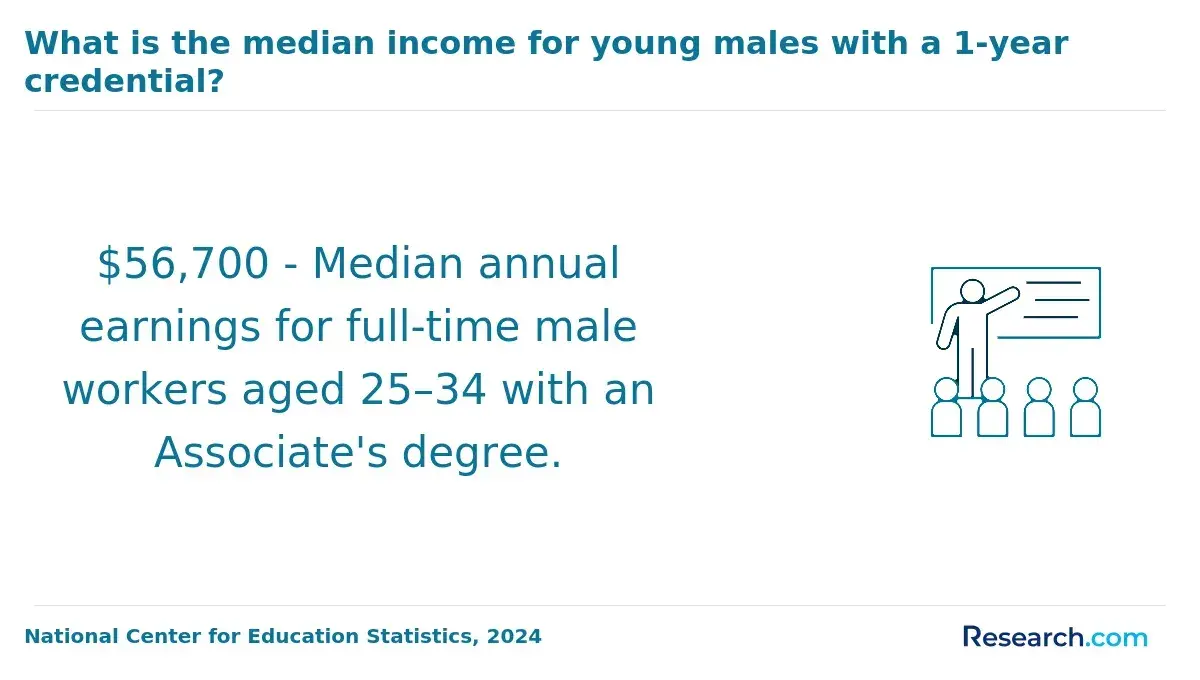
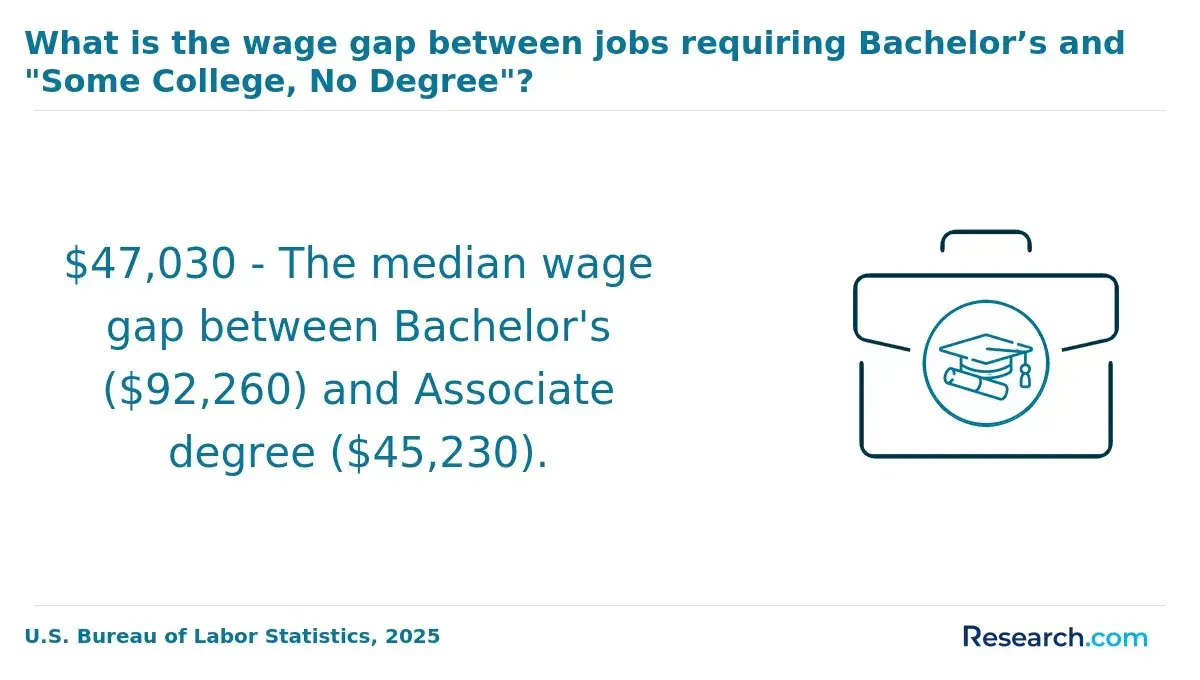
The U.S. Bureau of Labor Statistics reported a median annual wage of $49,500 for all U.S. workers in May 2024. That figure does not predict what any student will earn, but it shows why career preparation matters: small professional habits built during college can support access to opportunities that influence long-term earnings and mobility.
Think of interview attire as part of your personal academic brand. Your clothing should match the qualities you want the college to remember after the interview: prepared, thoughtful, curious, reliable, creative, service-minded, analytical, or collaborative.
Use the interview to practice a repeatable professional routine. This routine can help you later when the stakes involve internships, paid work, or graduate programs.
- Create one reliable interview outfit that can be adjusted with layers, shoes, or accessories for different settings.
- Keep a digital and printed copy of your resume, activity list, portfolio summary, or questions so you appear organized.
- Reflect after the interview on whether your outfit helped you feel confident or created distractions you should avoid next time.
- Update your wardrobe gradually around reusable pieces instead of buying single-use items for every opportunity.
Your long-term goals should also shape how you evaluate college fit. For example, students who prefer quieter, independent, or low-social-drain work environments may want to explore academic pathways connected to high paying jobs for introverts while preparing for admissions conversations.
The best outfit will not make up for weak answers, but it can help you enter the room or video call with less anxiety. When you feel comfortable and appropriately dressed, you can focus on explaining why the school fits your goals and why you would contribute meaningfully to its community.
Other Things You Should Know About
Usually, no. A suit can be appropriate for scholarship, honors, business, or highly formal interviews, but most college interviews only require polished business casual clothing.
Jeans are risky unless the interview is clearly casual and the jeans are dark, clean, unripped, and paired with a polished top. Chinos, dress pants, a skirt, or a simple dress are safer choices.
Neutral and calm colors such as navy, gray, white, black, beige, brown, olive, or soft blue are reliable. You can add one subtle color or pattern if it feels authentic and not distracting.
Wear a business casual top that looks clear on camera, such as a collared shirt, blouse, sweater, cardigan, or blazer. Avoid busy patterns, test your lighting, and choose a clean background.
References
- What to Wear to an Interview -- A Guide for College Students — SWATCH https://www.swatchbyamda.com/blog/what-to-wear-to-an-interview-a-guide-for-college-students
- What Not to Wear on a College Visit https://greatcollegeadvice.com/blog/what-not-to-wear-the-college-visit/
- How to Schedule a College Interview and Ace It! https://www.road2college.com/how-to-prepare-what-to-wear-to-a-college-interview/
- What to Wear to a Virtual College Interview | InterviewFocus https://interviewfocus.com/what-to-wear-virtual-college-interview/
- What to Wear to College Interviews - Signet Education https://signeteducation.com/resources/attire-college-interview/
- Tips On Choosing Interview Shoes - CHARLES & KEITH https://www.charleskeith.eu/at-en/guides/interview-shoes.html
- The Professor Is In https://theprofessorisin.com/2011/11/15/1947/
- College Visits: What to Wear? — DC College Counseling https://www.dccollegecounseling.com/blog/college-visits-what-to-wear
- Career Services | Southern Arkansas University | How to Build a Professional Wardrobe on a College Budget https://web.saumag.edu/career-services/how-to-build-a-professional-wardrobe-on-a-college-budget/
- What to Wear to a College Interview | Ivy Coach https://www.ivycoach.com/the-ivy-coach-blog/college-interviews/wear-college-interviews/