2027 Recommendation Letters for Graduate School

Co-Founder and Chief Data Scientist
Graduate school recommendation letters can decide whether your application feels credible, competitive, and ready for faculty review. NCES reported in 2024 that U.S. postbaccalaureate enrollment was about 3.2 million students, which means applicants are often competing in large, selective pools where grades alone may not tell the full story.
This guide is for master's, doctoral, professional, online, and returning adult applicants. You will learn who to ask, what strong letters include, how deadlines work, and how to avoid mistakes that weaken an otherwise solid application.
Key Things You Should Know
- Most graduate programs request two or three recommendation letters, and the strongest mix usually includes academic references for research-based programs and supervisor references for practice-oriented or professional programs.
- Because NCES reported about 3.2 million U.S. postbaccalaureate students in 2024 data releases, recommendation letters help admissions committees distinguish qualified applicants in crowded pools.
- Ask recommenders 6 to 8 weeks before the earliest deadline, provide a targeted packet, and track each submission because late or generic letters can weaken even a strong application.
What makes a strong recommendation letter for graduate school admissions?
A strong graduate school recommendation letter is a detailed evaluation from someone who has directly observed your academic ability, professional judgment, research potential, leadership, communication skills, or readiness for advanced study. It is different from a character reference because it should connect specific evidence to the demands of graduate-level work.
The best letters answer a question admissions committees cannot fully answer from transcripts and test scores: How does this applicant actually perform when challenged? A persuasive letter usually includes examples of difficult coursework, independent projects, research tasks, client-facing work, teaching, writing, analysis, collaboration, or persistence through complex problems.
The table below compares weak, adequate, and strong recommendation evidence so you can judge whether a potential recommender is likely to help your application.
| Letter quality | What it usually sounds like | How admissions readers may interpret it |
| Weak | General praise such as "hardworking," "nice," or "pleasant to have in class" with few examples | The recommender may not know the applicant well enough to assess graduate readiness |
| Adequate | Mentions grades, attendance, professionalism, or reliability with some context | The applicant appears capable, but the letter may not create a strong competitive advantage |
| Strong | Uses specific examples, comparisons, outcomes, and insight into the applicant's fit for the program | The applicant appears academically or professionally prepared for advanced study |
Common mistakes include choosing a famous professor who barely knows you, relying on a supervisor who cannot discuss skills relevant to graduate study, or asking someone who seems hesitant. A polite but lukewarm letter can be more damaging than applicants expect because it signals limited endorsement.
How many recommendation letters do graduate programs typically require and from whom?
Most U.S. graduate programs ask for two or three recommendation letters, although highly competitive PhD, clinical, health, business, education, and fellowship-linked programs may have more specific requirements. Always follow each school's instructions because admissions systems may not review extra letters, and sending unnecessary materials can make your application look unfocused.
Who you ask should depend on the type of degree and the selection criteria. Research-heavy programs tend to value faculty who can assess analytical ability and research promise, while professionally oriented programs may welcome supervisors who can document leadership, judgment, and impact.
The table below shows common recommender choices by graduate program type. Use it to build a balanced letter strategy instead of asking the same type of person for every application.
| Program type | Typical number of letters | Best recommender mix | Why it matters |
| Master's program | 2 to 3 | Faculty plus a supervisor if work experience is relevant | Shows both academic readiness and applied maturity |
| PhD program | 3 | Research mentors, thesis advisors, advanced-course professors | Faculty need evidence of research potential and persistence |
| MBA or professional master's | 2 to 3 | Current or former managers, project leads, sometimes faculty | Leadership, teamwork, and career progression often matter heavily |
| Clinical, counseling, or health-related program | 3 or more in some cases | Faculty, clinical supervisors, volunteer coordinators, licensed professionals | Programs look for judgment, ethics, interpersonal maturity, and service readiness |
| Online graduate program | 1 to 3 | Faculty, supervisors, or professional references depending on the school | Programs may emphasize self-direction, time management, and readiness for remote learning |
If you have been out of school for several years, do not panic. Many programs understand that adult learners may rely more on professional references, especially when the degree is tied to leadership, business, education, public administration, healthcare administration, technology, or career advancement.
How should you ask professors and supervisors to write graduate school recommendations?
Ask recommenders directly, early, and with enough context for them to decide honestly. The goal is not just to get a "yes"; it is to secure a letter that is specific, positive, timely, and aligned with your graduate goals.
Use a respectful sequence so the recommender has a clear path to help you. These steps work for professors, supervisors, research mentors, internship managers, and volunteer coordinators.
- Choose people who know your work well and can discuss evidence, not just personality.
- Ask whether they can write a strong recommendation letter, not merely whether they can write one.
- Contact them 6 to 8 weeks before the first deadline, or earlier for faculty during busy admission seasons.
- Explain the degree, your goal, why you are applying, and why you thought of them specifically.
- Offer a complete recommendation packet and make the deadline easy to see.
- Send a courteous reminder about 10 to 14 days before the deadline if the letter has not been submitted.
- Thank them after submission and update them later on the outcome.
A strong ask might say: "I'm applying to master's programs in data analytics because I want to move into research-driven decision support. Since you supervised my capstone project and saw my statistical modeling work, would you feel comfortable writing a strong recommendation letter for me?" This phrasing gives the recommender permission to decline if they cannot write a supportive letter.
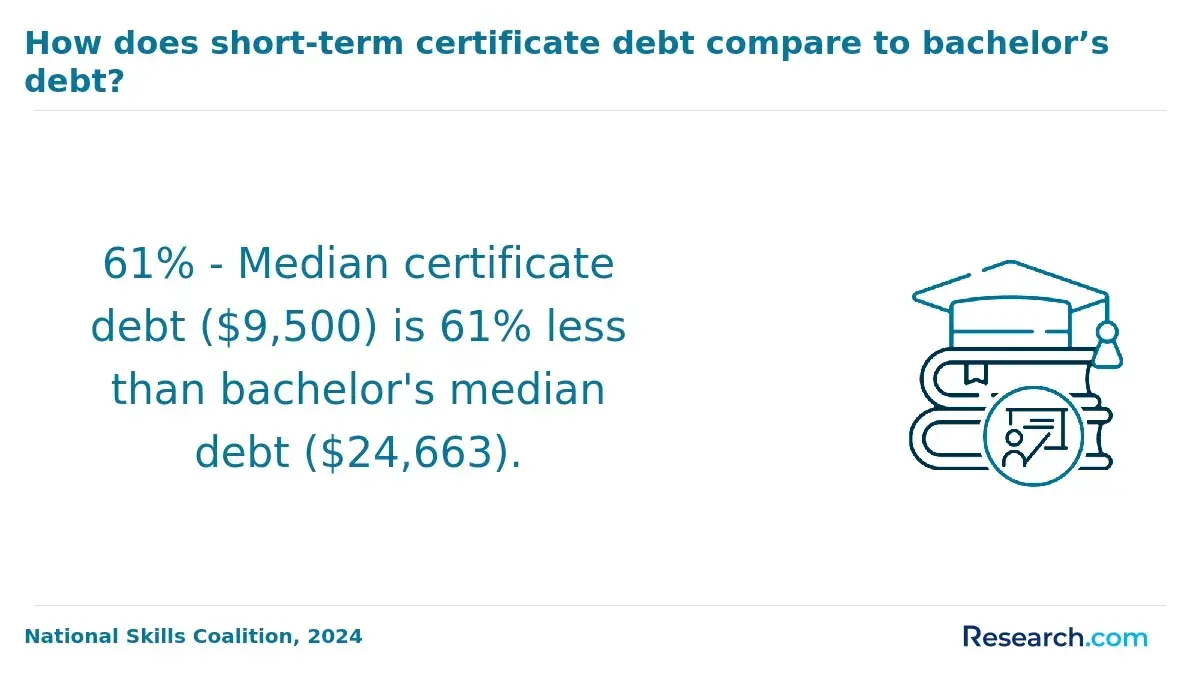
If your recommender network is thin because you are changing fields, consider whether graduate school is the right next step now or whether short certificate programs could help you build recent academic or professional evidence before applying.
What information and documents should you provide to your recommenders?
Your recommenders should not have to reconstruct your goals from memory. A well-prepared packet helps them write faster, include better examples, and tailor the letter to each program rather than producing a generic endorsement.
Include the items below in one organized email or shared folder. Keep the materials concise enough to be useful, but complete enough to reduce back-and-forth questions.
- A list of programs, degree names, deadlines, and submission links or instructions.
- Your current resume or CV with education, work, research, service, awards, and technical skills.
- A draft statement of purpose or short summary of your graduate goals.
- Your transcript or an unofficial grade summary if the recommender taught you.
- Examples of work the recommender supervised, such as papers, projects, presentations, lab work, or performance reviews.
- A short note explaining what you hope the letter can emphasize, such as research ability, leadership, writing, quantitative skills, teaching, clinical judgment, or resilience.
- Any program-specific prompts, rating forms, or instructions about confidentiality.
- Your preferred name, pronouns if relevant, application ID numbers, and contact information.
Avoid over-directing the letter. It is appropriate to remind recommenders of accomplishments, but it is not appropriate to write the letter for them unless a recommender explicitly asks for a factual draft and the school allows that practice. Even then, the recommender must independently verify and own the final content.
How do online and campus-based graduate programs differ in their recommendation letter expectations?
Online and campus-based graduate programs often evaluate the same core qualities: academic readiness, maturity, communication, persistence, and fit. The difference is that online programs may place more weight on self-management, written communication, technology comfort, and the ability to stay engaged without a traditional classroom schedule.
Applicants comparing online colleges should read recommendation instructions carefully because some programs streamline admissions, while others maintain the same expectations as campus programs. Format alone does not determine selectivity.
The table below summarizes common differences. Use it to decide which recommender can best speak to the learning environment you are entering.
| Factor | Online graduate programs | Campus-based graduate programs |
| What letters may emphasize | Independence, time management, written communication, remote collaboration | Classroom participation, research engagement, in-person leadership, campus fit |
| Who may be useful | Supervisors, faculty from online courses, project leads, military or community leaders | Faculty, research advisors, lab supervisors, internship supervisors |
| Admissions flexibility | Some programs accept professional references, especially for working adults | Research-intensive programs may strongly prefer academic references |
| Submission process | Usually portal-based and automated | Usually portal-based, though some departments add faculty review steps |
For applicants who want flexibility, the practical question is not whether online is "easier." It is whether the program's academic expectations, accreditation, faculty access, practicum requirements, and career outcomes match your goal.
What should a graduate school recommendation letter include in terms of structure and content?
A graduate school recommendation letter typically follows a clear structure: relationship, evidence, evaluation, fit, and final endorsement. Admissions committees need to know how the recommender knows you, what they observed, and why those observations predict success in the specific program.
The following elements make the letter easier for admissions readers to trust. They also help applicants understand what information to provide before the letter is written.
- Relationship context: The recommender explains how long they have known you and in what capacity.
- Academic or professional evidence: The letter describes specific work, such as research, writing, analysis, teaching, leadership, clinical exposure, or project execution.
- Comparison or level of performance: When appropriate, the recommender places your work in context compared with peers, course expectations, workplace standards, or previous advisees.
- Graduate-level qualities: The letter comments on traits such as intellectual curiosity, discipline, ethical judgment, collaboration, communication, and ability to handle ambiguity.
- Program fit: The recommender connects your strengths to the degree, field, research area, or professional pathway.
- Clear endorsement: The letter closes with a direct recommendation and, ideally, an invitation to contact the recommender for more information.
Letters should be honest and specific, not exaggerated. Overly dramatic praise without evidence can sound less credible than a measured letter that gives concrete examples of growth, skill, and readiness.
When should you request recommendation letters and how do deadlines affect applications?
Recommendation letters are deadline-sensitive because most graduate applications are not considered complete until letters arrive. A delayed letter can hold up review, scholarship consideration, assistantship review, or interview invitations, even when the rest of your application is finished.
A 6-to-8-week request window is a practical standard because faculty and supervisors may be managing teaching, travel, hiring, year-end reporting, or high-volume admissions seasons. Applicants to programs with rolling admissions should still request early because earlier completion may improve access to limited seats or funding pools.
Use the timeline below to reduce deadline risk and avoid last-minute pressure on recommenders.
- 8 to 10 weeks before the first deadline, finalize your school list and identify the best recommenders for each program.
- 6 to 8 weeks before the first deadline, ask recommenders and provide your packet.
- 4 weeks before the deadline, confirm that each recommender has received the correct portal request.
- 2 weeks before the deadline, send a polite reminder only to recommenders whose letters are still missing.
- 3 to 5 days before the deadline, verify the portal status and contact admissions only if there is a technical issue.
- After submission, send a thank-you note and keep recommenders informed about admissions results.
Applicants considering flexible formats such as online self-paced degrees should still treat recommendation deadlines seriously. Flexible pacing after enrollment does not always mean flexible admissions documentation before enrollment.
How do recommendation letters influence funding, assistantships, and competitive program selection?
Recommendation letters can influence more than admission. In competitive programs, faculty may use letters to identify applicants for research assistantships, teaching assistantships, fellowships, scholarships, cohort placement, or interviews. This is especially true when funding is limited and committees need evidence that an applicant can contribute to research, teaching, service, or professional practice.
Funding decisions often involve risk assessment. A transcript may show that you earned strong grades, but a letter can explain whether you can work independently in a lab, communicate with students, manage sensitive client information, lead a team, or persist through setbacks. For assistantships, those qualities may matter as much as raw academic performance.
Graduate education is also a financial decision, so letters should fit your broader cost strategy. If you are comparing affordability, program format, and funding potential, research questions like what is the cheapest online master's degree program alongside assistantship availability, employer tuition benefits, and scholarship deadlines.
Applicants often make the mistake of treating recommendation letters as an admissions-only formality. A better approach is to choose recommenders who can support the exact opportunity you want, whether that is a funded PhD slot, a teaching role, a clinical placement, a selective online cohort, or a career-advancing professional master's program.
How can applicants manage, track, and submit recommendation letters across multiple schools?
Applying to multiple graduate schools can quickly become a tracking problem. Each school may have different portals, deadlines, recommender prompts, waiver settings, and status labels. A simple system helps you prevent missed letters without overwhelming the people helping you.
Use one tracker for every program and recommender. The point is not to micromanage; it is to notice problems early enough to fix them professionally.
- Record each program name, degree, deadline, application portal, and contact email for admissions support.
- List which recommender is assigned to each school and whether the school requires academic, professional, or specialized references.
- Track the date you asked, the date the portal request was sent, and the current submission status.
- Note whether you waived your right to view the letter, since many admissions readers give more weight to confidential recommendations.
- Save copies of thank-you notes, reminder dates, and any technical issues reported by recommenders.
- Build in a backup recommender in case someone becomes unavailable before the deadline.
When comparing programs, avoid focusing only on rankings or brand names. Cost, accreditation, completion flexibility, faculty access, and funding options matter too. Applicants building a financially cautious school list may want to compare cheap online colleges with campus programs, but they should still verify whether each option requires letters and whether the degree aligns with their career goal.
Do not submit fake email addresses, reuse institutional emails without permission, or pressure recommenders to send letters before they are ready. Admissions offices are used to portal questions, so contact them early if a recommender cannot access a link or if a school's system shows an incorrect status.
What should recommenders know about ethics, honesty, and confidentiality in graduate references?
Ethics matter because recommendation letters are part of a formal admissions record. Recommenders should be honest, specific, and fair, while applicants should respect confidentiality, deadlines, and the recommender's professional judgment.
Most U.S. graduate applications ask whether applicants waive the right to inspect recommendation letters under the Family Educational Rights and Privacy Act. Waiving access is not always required, but confidential letters are often viewed as more candid. Applicants should make the choice knowingly and should not ask recommenders to show them confidential letters afterward.
Recommenders should keep these ethical principles in mind when writing graduate references.
- Decline the request if they cannot write a truthful and supportive letter.
- Base claims on direct observation, documented work, or clearly identified context.
- Avoid exaggerating achievements, inventing rankings, or making unsupported personal claims.
- Disclose limitations if they only know the applicant in a narrow setting.
- Respect confidentiality rules, institutional policies, and application instructions.
- Avoid discriminatory language or irrelevant comments about age, family status, disability, nationality, religion, or other protected characteristics.
Applicants also have responsibilities. They should not forge letters, write letters without disclosure, create fake recommender accounts, or retaliate if someone declines. A declined request is often better than a weak or unethical letter.
Other Things You Should Know About
Usually yes, if the programs are similar and the letter is submitted separately through each school's system. However, a tailored letter is stronger when programs have different research areas, professional goals, or prompts.
It depends on the program. Research-based programs usually prefer professors or research mentors, while professional programs may value supervisors who can discuss leadership, judgment, and applied skills.
Use professional references who can evaluate skills relevant to graduate study, such as analysis, writing, leadership, ethics, and persistence. If possible, add one academic reference from a recent course or certificate.
Many applicants waive access because confidential letters may be perceived as more candid. You should understand the choice before submitting the form and follow each school's instructions.
References
- What to Share with a Recommendation Writer https://www.hampshire.edu/what-share-recommendation-writer
- How Many Letters of Recommendation are Needed for Grad School? - Wordvice https://wordvice.com/blog/6-key-points-you-need-to-know-about-graduate-school-admissions/
- How Important Are Letters of Recommendation for Graduate School Applications? - Graduate Programs for Educators https://www.graduateprogram.org/blog/how-important-are-letters-of-recommendation-for-graduate-school-applications/
- Asking for Recommendation Letters: A Timeline & Etiquette Guide for Students - Cirkled In https://www.cirkledin.com/library/college-applications-and-admissions/recommendation-letter-request-timeline-etiquette/
- Recommender guide https://www.commonapp.org/counselors-and-recommenders/recommender-guide/
- Upload and send from Xello https://help.xello.world/en-us/Content/Knowledge-Base/Xello-6-12/College-Planning/LoR_Send-Institution.htm
- What You Should Know about Letters of Recommendation https://www.cune.edu/news/what-you-should-know-about-letters-recommendation
- The Truth About Recommendation Letters https://www.ivywise.com/ivywise-knowledgebase/the-truth-about-recommendation-letters/
- Letter of Recommendation for Graduate School: Who to Ask? https://magoosh.com/gre/letter-of-recommendation-for-graduate-school/
- 9 Common Scholarship Application Mistakes https://mastercardfdn.org/en/what-we-do/our-programs/mastercard-foundation-scholars-program/application-tips-series/9-common-scholarship-application-mistakes/