2027 How College Admissions Work

Co-Founder and Chief Data Scientist
College admissions can feel confusing because every school weighs grades, deadlines, essays, costs, and program fit differently. The stakes are real: the National Student Clearinghouse reported that U.S. undergraduate enrollment rose 4.7% in fall 2024, which means more students are actively comparing colleges again. This guide is for high school students, transfers, adult learners, and families who want a clear, practical explanation of how admissions works. You will learn what colleges review, how deadlines differ, and how to choose applications that fit your goals, budget, and academic record.
Key Things You Should Know
- Most colleges review applications in stages: eligibility screening, academic review, holistic review when used, committee decision, financial aid packaging, and enrollment confirmation.
- Cost should shape the application strategy early: College Board reported average published tuition and fees of $11,610 for in-state public four-year colleges and $43,350 for private nonprofit four-year colleges in 2024-25.
- Selective colleges often compare applicants within a competitive pool, while open-access and many online programs focus more on completion of required documents, placement needs, transfer credits, and program readiness.
How does the college admissions process work from application to decision?
College admissions is the process schools use to decide whether an applicant is academically prepared, eligible for a specific program, and likely to succeed at the institution. At less selective colleges, the process may be mostly document-based. At selective colleges, it often includes a broader review of academics, essays, recommendations, activities, context, and institutional priorities.
Most applications move through a predictable sequence, even though individual colleges use different systems and timelines. Understanding the sequence helps applicants avoid missed requirements and know when to follow up.
- Choose colleges and application plans based on academic fit, cost, location, format, program availability, and admissions selectivity.
- Submit the application through the college website, Common App, Coalition Application, ApplyTexas, the SUNY system, or another state or institutional platform.
- Send required records, usually including high school or college transcripts, test scores if required or submitted, essays, recommendations, portfolios, residency forms, and fee waivers when eligible.
- The admissions office checks whether the file is complete and may request missing documents before review begins.
- Academic reviewers evaluate grades, course rigor, prerequisites, grade trends, class rank when available, and readiness for the intended major.
- Holistic reviewers, when used, consider essays, recommendations, activities, work, family responsibilities, talents, leadership, background, and the applicant's context.
- A decision is issued, commonly as admitted, denied, waitlisted, deferred, conditionally admitted, or admitted to an alternate campus or major.
- Financial aid, scholarships, housing, placement testing, orientation, and enrollment deposits determine whether the applicant actually enrolls.
The decision letter is not the end of the process. Students still need to compare net price, review aid conditions, confirm that credits or AP scores will count, and decide whether the admitted program supports their intended academic or career path.
The table below summarizes common admissions decisions and what they usually mean. This matters because two decisions that sound similar, such as deferred and waitlisted, require different next steps.
| Decision type | What it means | How applicants should interpret it |
| Admitted | The college is offering a place in the incoming class or program. | The student should compare aid, program fit, housing, and enrollment deadlines before committing. |
| Denied | The college is not offering admission for that term. | The student may still consider transfer, a later term, a different campus, or another academic pathway. |
| Waitlisted | The student may be offered a place if space becomes available. | The student should accept another offer while following the waitlist instructions carefully. |
| Deferred | An early application is moved to the regular decision pool. | The student may need to send updated grades or a letter of continued interest if the college allows it. |
| Conditional admission | Admission depends on meeting stated conditions. | Conditions may involve final grades, English placement, prerequisite completion, or specific documents. |
What criteria do colleges use to evaluate and rank applications?
Colleges evaluate applications to answer three core questions: Can the student succeed academically, does the student fit the program or campus, and how does the student compare with other applicants in the same pool? The weight placed on each factor depends heavily on selectivity, mission, major, and whether the school uses holistic review.
Academic performance is usually the strongest factor because it provides the clearest evidence of college readiness. A high GPA is useful, but admissions offices often look beyond the number to see whether the student took appropriately challenging courses and improved over time.
Most admissions criteria fall into the categories below. Applicants should read each college's admissions page because the same credential can carry different weight at different institutions.
- Academic record: GPA, grade trends, class rank when available, core courses, honors, Advanced Placement, International Baccalaureate, dual enrollment, and prerequisite completion.
- Testing: SAT, ACT, English proficiency exams, placement tests, or program-specific assessments when required, optional, or recommended.
- Writing and personal context: essays, short answers, personal statements, additional information sections, and explanations of unusual academic circumstances.
- Recommendations: teacher, counselor, employer, military supervisor, or community references that describe preparation, character, reliability, and readiness.
- Activities and responsibilities: clubs, athletics, arts, work, caregiving, volunteering, entrepreneurship, religious involvement, community projects, and leadership roles.
- Program fit: preparation for a major, portfolio strength, auditions, prerequisite courses, licensure requirements, and capacity limits in competitive programs.
- Institutional priorities: residency, first-generation status, geographic diversity, special talents, legacy status where considered, campus needs, and mission alignment.
The table below compares how admissions factors are commonly used. It is not a universal formula, but it shows why a strong application is usually built from several forms of evidence rather than one impressive credential.
| Factor | Why colleges use it | When it matters most |
| Course rigor | Shows whether the student challenged themselves relative to available options. | Selective colleges, honors programs, STEM majors, and scholarship review. |
| GPA and grade trend | Indicates consistency, improvement, and readiness for college-level work. | Nearly all admissions processes. |
| Test scores | Can add standardized academic evidence when required or submitted. | Test-required programs, merit scholarships, homeschooled applicants, and some competitive majors. |
| Essays | Reveal motivation, judgment, communication, and personal context. | Holistic admissions and selective programs. |
| Recommendations | Provide third-party evidence of habits, character, and classroom contribution. | Selective colleges, graduate programs, and programs with small cohorts. |
| Activities | Show commitment, initiative, leadership, and interests outside coursework. | Holistic admissions, scholarships, and talent-based review. |
A common mistake is assuming that admissions officers rank applicants by GPA alone. GPA matters, but a student with slightly lower grades in a rigorous curriculum may be viewed differently from a student with higher grades in less demanding coursework, especially if the high school profile shows that advanced courses were available.
What are the main types of college application plans and deadlines?
Application plans determine when students apply, when they receive a decision, and whether they are making a binding commitment. Choosing the wrong plan can create unnecessary pressure, especially if the student needs to compare financial aid offers before deciding.
These are the main application plans used by U.S. colleges. Students should verify exact dates because deadlines can vary by campus, major, scholarship, honors program, and financial aid priority period.
| Application plan | Typical timing | Binding? | Best fit |
| Early Decision | Often November, with a decision in December. | Yes, if admitted and the financial aid offer is workable under the college's policy. | Students with a clear first-choice college and a realistic understanding of cost. |
| Early Action | Often November, with a decision before regular decision. | No. | Students who want an earlier answer without committing immediately. |
| Restrictive Early Action | Often November, with special limits on other early applications. | No, but restrictions apply. | Students applying to highly selective colleges with strict early policies. |
| Regular Decision | Often January or February, with spring decisions. | No. | Students who need more time to improve essays, grades, testing, or college lists. |
| Rolling Admission | Applications reviewed as they arrive until seats fill. | No. | Students who want flexibility or are applying to colleges with ongoing review. |
| Open Admission | Usually broad application windows. | No. | Students applying to community colleges or open-access institutions. |
Early Decision can improve planning for students who are certain about one college, but it is risky for applicants who need to compare offers. College Board's 2024-25 pricing data shows a large gap between average published tuition and fees at in-state public four-year colleges and private nonprofit four-year colleges, so students should focus on net price, not just admission odds.
Applicants can use the following sequence to choose a deadline strategy without overcommitting too early.
- Use each college's net price calculator before applying Early Decision so the family has a realistic estimate of out-of-pocket cost.
- Apply Early Action to strong-fit colleges when applications are ready and the plan is nonbinding.
- Reserve Regular Decision for colleges that require more polished essays, updated grades, or additional comparison.
- Apply early to rolling-admission colleges because popular majors, housing, and scholarships may have earlier priority dates.
- Track separate deadlines for honors colleges, competitive majors, portfolios, auditions, scholarships, and financial aid forms.
A key red flag is treating the earliest deadline as automatically best. An early application with rushed essays, weak senior-year course choices, or incomplete cost planning may be less strategic than a stronger regular application.
What academic records, test scores, and documents do colleges require?
Colleges require documents to verify identity, academic readiness, residency, program eligibility, and financial aid status. Requirements vary, but the admissions file is not usually reviewed until the college receives the required materials.
For first-year applicants, the most common requirement is an official high school transcript. For transfer students, colleges usually need transcripts from every college attended, even if the student withdrew, earned low grades, or does not plan to use the credits.
The table below shows common documents and why colleges ask for them. This can help applicants avoid delays caused by missing materials.
| Document | Usually required for | Purpose |
| Application form | All applicants. | Collects academic history, personal information, intended program, residency, and background details. |
| Official transcript | First-year, transfer, graduate, and readmission applicants. | Confirms grades, credits, graduation status, prerequisites, and academic standing. |
| Standardized test scores | Required, optional, or not considered depending on the college. | Adds standardized evidence when used for admission, placement, or scholarships. |
| Essay or personal statement | Selective colleges, scholarships, honors programs, and many graduate programs. | Shows writing ability, motivation, fit, and context not visible in grades. |
| Recommendations | Selective colleges and many graduate or professional programs. | Provides outside perspective on academic habits, character, and readiness. |
| Portfolio or audition | Arts, design, music, theater, architecture, and some media programs. | Demonstrates talent and preparation for a performance-based or creative major. |
| English proficiency scores | Applicants whose prior education was not primarily in English, depending on policy. | Helps determine readiness for English-language coursework. |
| Financial aid forms | Students seeking aid. | Determines eligibility for federal, state, institutional, and need-based aid. |
Testing policies deserve special attention because "test-optional" does not always mean scores are irrelevant. Some colleges may still use scores for scholarships, course placement, athletic eligibility, homeschooled applicants, or certain programs.
Before submitting an application, students should complete a final document check. This is especially important for applicants using multiple portals because each system may display status updates differently.
- Confirm whether transcripts must be sent by a counselor, registrar, electronic transcript service, or mail.
- Check whether self-reported grades or scores are allowed before admission and whether official copies are required after enrollment.
- Verify that every prior college transcript is required for transfer or adult admission, even for old or incomplete coursework.
- Review whether the intended major has extra prerequisites, portfolio materials, auditions, interviews, or earlier deadlines.
- Save confirmation emails and application portal screenshots until the college marks the file complete.
A common mistake is waiting until the deadline day to request transcripts. Registrars and counselors may need several business days to process requests, and a late transcript can move an otherwise strong application out of priority review.
How do essays, recommendations, and extracurriculars affect admissions decisions?
Essays, recommendations, and extracurriculars matter most when colleges use holistic admissions. They help reviewers understand who the applicant is, what they may contribute, and how their achievements fit the opportunities available to them.
An effective essay is not just a polished story. It should reveal judgment, reflection, values, growth, or motivation. Admissions readers are usually less interested in dramatic topics than in how clearly the applicant explains their choices and what those choices show.
Students can strengthen these parts of the application by focusing on evidence instead of decoration. The goal is to make each nonacademic component add something new.
- Essays should answer the prompt directly, use specific examples, and explain why the experience matters instead of simply describing what happened.
- Recommendation letters are strongest when the recommender knows the student well and can describe academic habits, maturity, collaboration, persistence, or intellectual curiosity.
- Extracurriculars should show depth, consistency, responsibility, and impact rather than a long list of unrelated activities.
- Work, caregiving, religious involvement, family responsibilities, and community roles can be meaningful activities when described clearly.
- Additional information sections should explain real context, such as illness, school disruption, family obligations, or grading changes, without repeating the main essay.
Artificial intelligence has also changed the way students approach essays. AI tools can help with brainstorming, organization, and grammar, but applicants should not submit writing that misrepresents their voice or violates a college's policy. Many admissions offices now expect students to understand ethical use of technology.
The table below shows common mistakes in these qualitative parts of the application and stronger alternatives. This is useful because students often weaken strong records by submitting generic materials.
| Common mistake | Why it hurts | Stronger alternative |
| Writing an essay that repeats the activity list. | It wastes space that could reveal personality, judgment, or growth. | Use one focused story to show how the student thinks, learns, or acts. |
| Choosing a recommender based only on title. | A generic letter from an impressive person may say little about readiness. | Ask someone who can give specific examples of effort, skill, and character. |
| Listing many short-term activities. | It can look unfocused if there is no depth or responsibility. | Highlight sustained commitments and explain contribution or impact. |
| Overusing AI-generated language. | The essay may sound generic or inconsistent with the student's real voice. | Use tools only for support and keep the final ideas, examples, and phrasing authentic. |
| Ignoring context. | Reviewers may not understand grade dips or limited activity options. | Briefly explain relevant circumstances in the appropriate section. |
Students should remember that essays and activities rarely compensate for not meeting core academic requirements. They are most powerful when they clarify the applicant's readiness, context, and fit.
How do selective, open-access, and test-optional colleges differ in admissions?
Selective, open-access, and test-optional colleges use admissions for different purposes. Selective colleges decide among more qualified applicants than they can enroll, while open-access colleges focus on access, placement, advising, and completion support. Test-optional colleges fall across the selectivity spectrum.
National Student Clearinghouse data showing a 4.7% increase in undergraduate enrollment in fall 2024 is important here because access and capacity both matter. More enrollment demand can affect course availability, housing, advising, and competitive majors even at colleges that admit many applicants.
The table below compares how these admissions models usually work. Applicants should use it to match their academic profile and goals with the type of process they are entering.
| College type | Admissions approach | What applicants should watch |
| Highly selective college | Holistic review with strong emphasis on academic rigor, context, essays, recommendations, and institutional priorities. | Many qualified applicants are denied because space is limited, not because they are unprepared. |
| Moderately selective college | Academic review plus some holistic factors, often with clearer GPA or course expectations. | Major choice, scholarships, and early deadlines may be more competitive than general admission. |
| Open-access college | Admission is broadly available to students with a high school diploma, GED, or equivalent credential. | Placement, advising, financial aid, transfer pathways, and program capacity still matter. |
| Test-optional college | Applicants may choose whether to submit SAT or ACT scores. | Scores may still matter for scholarships, placement, or specific applicant categories. |
| Test-blind college | Scores are not considered even if submitted. | Grades, coursework, essays, and other requirements carry the review. |
Some online and accelerated programs also have different review patterns. For example, students comparing a 1-year masters degree online may find that admissions focuses heavily on prior degree completion, GPA, prerequisites, work experience, and whether the short timeline fits the student's schedule.
A good strategy is to apply to a balanced mix of selectivity levels. Students should avoid building a list only from colleges with low admit rates or assuming that open admission means the program will be easy. Academic support, credit transfer, advising, and completion rates can matter as much as the admission decision itself.
How do online, hybrid, and campus-based programs handle admissions differently?
Online, hybrid, and campus-based programs often ask for similar academic records, but they handle logistics, advising, placement, and enrollment differently. The format can affect deadlines, start dates, technology requirements, clinical placements, and how quickly students can begin.
Online education has become a mainstream admissions option, not just a backup plan. The National Center for Education Statistics reported in 2024 that millions of U.S. college students take at least one distance education course, which means applicants should compare online programs with the same seriousness they apply to campus programs.
The table below compares admissions differences by format. It can help students choose a format that matches their schedule, learning style, and program requirements.
| Format | Admissions differences | Best fit |
| Campus-based | May include housing deadlines, campus orientation, immunization records, auditions, studio review, or in-person placement tests. | Students who want face-to-face instruction, residential life, labs, athletics, or campus networks. |
| Hybrid | Requires both online readiness and the ability to attend scheduled campus, lab, weekend, or clinical sessions. | Students who need flexibility but can travel for required in-person components. |
| Fully online | Often uses rolling starts, electronic transcripts, virtual advising, technology checks, and online orientation. | Working adults, caregivers, military students, rural students, and those who need location flexibility. |
| Competency-based | May evaluate prior learning, work experience, and mastery of skills rather than traditional seat time. | Self-directed students with relevant experience and strong time-management skills. |
Cost is a major reason students compare formats. Applicants looking for the cheapest online university should compare total cost, not just tuition, because technology fees, transfer-credit limits, books, proctoring, and residency rules can change the real price.
Applicants should ask format-specific questions before enrolling. These questions are especially important for programs tied to licensure, internships, labs, fieldwork, or employer reimbursement.
- Is the program institutionally accredited, and does the specific program meet any state licensure or certification requirements?
- Are online students eligible for the same financial aid, scholarships, advising, tutoring, library access, and career services?
- How many transfer credits are accepted, and is there a maximum age limit for older credits?
- Are exams proctored online, in person, or through approved testing centers?
- Does the program require campus visits, labs, clinical placements, internships, student teaching, or field experiences?
- Are courses asynchronous, scheduled live, self-paced, or cohort-based?
A common red flag is an online program that advertises speed and affordability but gives unclear answers about accreditation, transfer credit, licensure alignment, or student support.
How do transfer, adult, and nontraditional students navigate admissions requirements?
Transfer, adult, and nontraditional students often navigate admissions differently because colleges must evaluate prior credits, work history, military training, academic gaps, and program readiness. These applicants may have stronger practical experience but more complicated records.
Transfer students should pay close attention to credit evaluation. Admission to the college does not always mean admission to the intended major, and accepted credits may not all apply to degree requirements.
The table below explains how admissions requirements commonly differ for nontraditional pathways. This helps applicants anticipate extra documents before deadlines arrive.
| Applicant type | Common admissions focus | Important limitation |
| Transfer student | College GPA, completed credits, prerequisites, good standing, and transcripts from all institutions. | Credits may transfer as electives rather than major requirements. |
| Adult learner | Prior college work, work experience, goals, placement needs, and schedule fit. | Older credits may be limited in technical, science, or licensure programs. |
| Military or veteran student | Joint Services Transcript, prior learning, benefits eligibility, and deployment-related gaps. | Credit awards vary widely by institution and program. |
| Returning student | Previous academic standing, time away, holds, updated transcripts, and readmission policy. | Academic forgiveness or fresh-start policies differ by college. |
| Applicant with a criminal record | Program eligibility, campus policy, clinical placement, licensure rules, and background checks. | Some fields may restrict internships, licensure, or employment depending on the offense and state rules. |
Applicants with criminal records should research program restrictions before paying application fees. Resources on college degrees for felons can help students think through online options, background checks, and career paths where eligibility rules may vary by state and employer.
Nontraditional students can make the process smoother by preparing documentation early. Colleges may need more time to evaluate older, out-of-state, international, military, or closed-school records.
- Request every prior transcript, even if credits were incomplete, old, or unrelated to the new major.
- Ask for a degree audit showing which credits apply to general education, major requirements, electives, and graduation totals.
- Check whether the program accepts credit for prior learning, military training, professional certifications, or standardized exams.
- Ask whether academic renewal, grade replacement, or readmission policies can improve the student's record.
- Confirm whether clinical, teaching, counseling, healthcare, finance, or public safety programs require background checks or state approval.
A major mistake is assuming that many earned credits automatically mean a shorter path to graduation. What matters is how those credits apply to the new credential, not just how many appear on the transcript.
How can applicants build a balanced college list and choose where to apply?
A balanced college list includes schools that match the student academically, financially, socially, and logistically. It should include likely, target, and reach options, but it should also include at least one affordable college the student would genuinely attend.
College Board's 2024-25 data shows why list-building must include cost from the beginning: average published tuition and fees were $4,050 at public two-year colleges, $11,610 for in-state students at public four-year colleges, and $43,350 at private nonprofit four-year colleges. Published prices are not the same as net prices, but they show why comparing aid is essential.
The table below summarizes the main categories students should include in a balanced list. The goal is not to label colleges as good or bad, but to reduce risk and improve choice.
| Category | Definition | Why it belongs on the list |
| Likely | The student's academic profile is above or comfortably within the college's typical admitted range. | Provides realistic options and can create scholarship opportunities. |
| Target | The student's profile is similar to the college's typical admitted range. | Represents strong-fit schools where admission is plausible but not automatic. |
| Reach | The college has very selective admission or the student's profile is below its typical range. | Allows ambition without making the whole plan dependent on low-probability outcomes. |
| Financial fit | The expected net price is affordable or likely manageable with aid, savings, work, and reasonable borrowing. | Prevents the student from being admitted only to unaffordable options. |
| Program fit | The college offers the intended major, advising, facilities, outcomes, and experiential opportunities. | Ensures the admission offer supports the student's actual goals. |
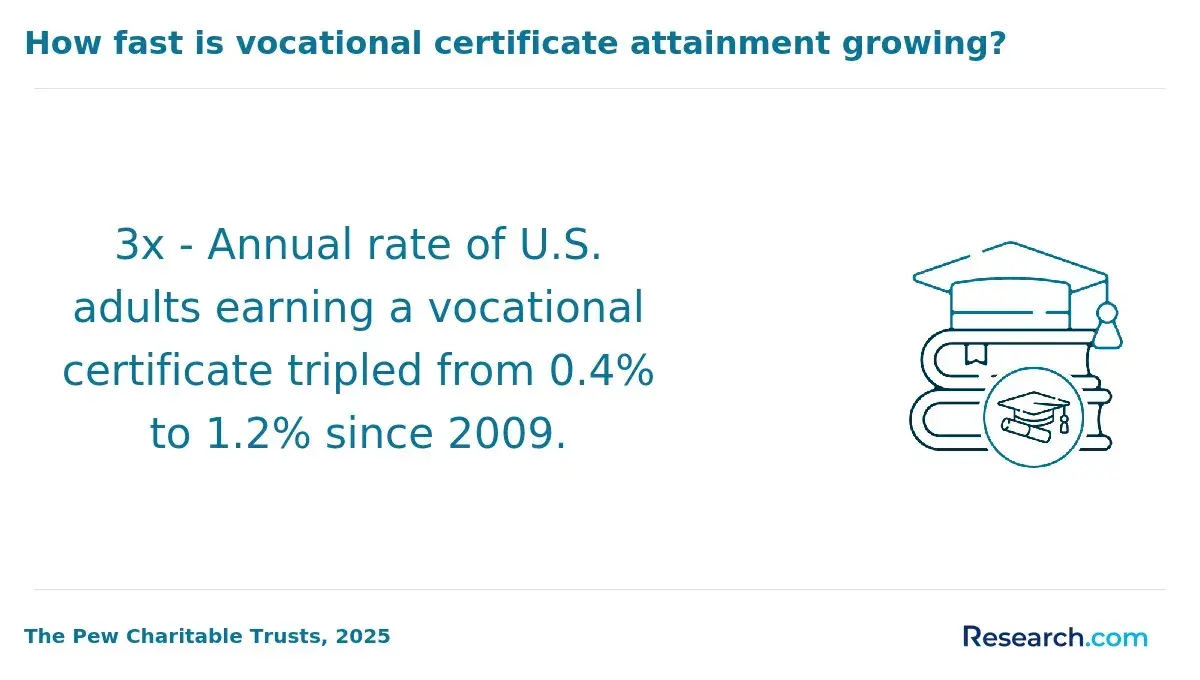
Not every student needs a traditional degree application list. Some students may be better served by community college transfer pathways, apprenticeships, employer-funded programs, or online certificates that build job-ready skills before or instead of a degree.
Applicants can use a practical list-building process to avoid both overreaching and underselling themselves.
- Start with the intended academic or career goal, then identify programs that directly support it.
- Check admission requirements, not just college reputation or rankings.
- Use net price calculators for every serious option before finalizing the list.
- Compare graduation rates, retention, transfer outcomes, advising, internship access, and career services.
- Include at least one financially realistic option with a clear path to the student's goal.
- Limit applications to a number the student can complete well, especially if essays and portfolios are required.
A common mistake is applying only to famous colleges or only to the lowest-tuition schools. Reputation and tuition both matter, but the better decision is usually based on net price, academic fit, support, completion likelihood, and whether the program leads toward the intended outcome.
What strategies can students use to strengthen their applications over time?
Strong applications are usually built over time, not assembled at the last minute. Students can improve their chances by making deliberate academic, extracurricular, financial, and logistical choices before application season begins.
The most important long-term strategy is to take appropriate courses and do well in them. Colleges want evidence that the applicant can handle the next level of work, so course selection should match the student's goals without creating an unrealistic workload.
Students can use the following steps to strengthen an application over months or years. These actions are practical because they improve both admissions readiness and college success.
- Choose the strongest sustainable course schedule available, especially in core subjects related to the intended major.
- Address weak grades early by seeking tutoring, teacher help, study-skills support, or a schedule adjustment before problems compound.
- Build depth in a few meaningful activities rather than joining many clubs briefly.
- Keep a running record of awards, work hours, responsibilities, projects, service, leadership, and family obligations.
- Develop relationships with teachers, counselors, supervisors, or mentors who can later write specific recommendations.
- Draft essays early enough to revise for clarity, authenticity, and fit with each college's prompt.
- Research financial aid, fee waivers, scholarship deadlines, and state aid programs before applications are due.
- Review each college's policies on testing, major admission, transfer credit, housing, and enrollment deposits.
Graduate and adult applicants should also think strategically about speed, cost, and workload. Someone comparing the quickest cheapest masters degree should still verify accreditation, employer recognition, weekly time demands, credit transfer, and whether the accelerated pace is realistic.
The table below summarizes common application-strengthening priorities by stage. It is designed to help students focus on the right actions at the right time rather than trying to fix everything during senior fall.
| Stage | Main priority | Why it matters |
| Early high school | Build academic habits and choose appropriate core courses. | Early grades and course placement can affect later options. |
| Middle high school | Increase rigor where appropriate and develop meaningful activities. | Colleges value sustained effort and preparation over last-minute résumé building. |
| Junior year | Research colleges, test if useful, visit or attend virtual sessions, and identify recommenders. | This reduces rushed decisions during application season. |
| Senior fall | Finalize essays, submit applications, request documents, and complete aid forms. | Deadlines often overlap, and missing materials can delay review. |
| After admission | Compare net price, program fit, credit policies, and enrollment conditions. | The best decision is based on the full offer, not the admit letter alone. |
Applicants should avoid shortcuts that create risk, such as exaggerating activities, submitting generic essays to every school, ignoring financial aid deadlines, or applying to programs without checking licensure and accreditation rules. A stronger strategy is honest, organized, and aligned with the student's real goals.
Other Things You Should Know About
The academic record is usually the most important factor, especially grades, course rigor, grade trends, and prerequisite completion. At selective colleges, essays, recommendations, activities, and context can also play a major role.
Apply early if the application is strong, the deadline is nonbinding, or the college is clearly affordable and a true first choice. Regular Decision may be better if the student needs more time for essays, grades, testing, or financial comparison.
Test-optional colleges let applicants decide whether to submit scores, but policies vary. Scores may still be used for scholarships, course placement, specific programs, or certain applicant groups, so students should read each college's policy carefully.
Yes, it is possible, but it depends on the college, major, course rigor, grade trend, essays, recommendations, test scores if used, and applicant context. Students with lower GPAs should include target and likely schools rather than relying only on reach colleges.
References
- Difference between Hybrid, Online & In-Class Degree Programmes | BSBI https://www.berlinsbi.com/blog/what-is-the-difference-between-hybrid-online-and-in-class-degree-programmes
- The Missing Link: Adult Learners and the Transfer Process https://www.cael.org/resouces/pathways-blog/the-missing-link-adult-learners-and-the-transfer-process
- What Do Colleges Look For in Students? https://www.collegedata.com/resources/getting-in/what-do-colleges-look-for-in-students
- How to Build a Balanced List of Colleges to Apply To https://riseglobaleducation.com/blogs/how-to-build-a-balanced-list-of-colleges-to-apply-to
- Blog - Holistic admissions: The role of extracurriculars, essays, and recommendations https://sparkprep.com/en/blog/holistic-admissions-the-role-of-extracurriculars-essays-and-recommendations
- The Ultimate Guide to College Application Strategy - Bentham Admissions https://www.benthamadmissions.com/post/the-ultimate-guide-to-college-application-strategy
- Nontraditional Students: Simple Strategies to Recruit Them https://www.youvisit.com/learning-center/blog/simple-strategies-to-recruit-nontraditional-students/
- Traditional Vs. Non-Traditional Students in Higher Education https://moderncampus.com/blog/traditional-vs-non-traditional-students-in-higher-education.html
- 16 Factors in College Admission Decisions — Elite Educational Institute https://eliteprep.com/blog/16-factors-influencing-college-admission-decisions
- How hybrid and online learning supports student accessibility and affordability - OI Digital Institute https://oidigitalinstitute.com/news/how-hybrid-and-online-learning-supports-student-accessibility-and-affordability/