2027 Psychiatric Mental Health Nurse Practitioner ROI by Institution Type: Public vs Private vs Nonprofit Online Programs

Co-Founder and Chief Data Scientist
A prospective psychiatric mental health nurse practitioner student faces a stark dilemma when comparing seemingly similar online programs from public, private, and nonprofit institutions. Though tuition differences can appear modest, a 2024 study by the National Center for Education Statistics found that graduates from private online programs often carry 35% higher average student debt than their public counterparts, despite comparable graduation rates.
This discrepancy significantly influences long-term financial stability and career flexibility. Institutional support and employer recognition also vary, affecting job placement success and professional advancement. This article analyzes these dimensions, offering a detailed comparison of psychiatric mental health nurse practitioner ROI by institution type to guide informed program choices.
Key Things to Know About Psychiatric Mental Health Nurse Practitioner ROI by Institution Type
- Public programs typically offer lower tuition but can have longer completion times, increasing indirect costs; this tradeoff impacts overall ROI by balancing upfront affordability against delayed workforce entry.
- Private online PMHNP programs often boast stronger employer brand recognition, influencing hiring preferences notably in competitive urban healthcare markets, though this advantage varies significantly by region and specialty.
- Nonprofit institutions generally provide robust learner support and flexible pacing, reducing dropout risk; the 2024 National Student Clearinghouse data links such services to a 12% higher graduation rate, enhancing long-term career stability.
- Key Things to Know About Psychiatric Mental Health Nurse Practitioner ROI by Institution Type Key Things to Know About Psychiatric Mental Health Nurse Practitioner ROI by Institution Type
- What Does ROI Mean for a Psychiatric Mental Health Nurse Practitioner Program and How Is It Measured? Understanding Psychiatric Mental Health Nurse Practitioner Program ROI
- How Do Public, Private, and Nonprofit Online Psychiatric Mental Health Nurse Practitioner Programs Differ in Overall Value? Value by Institution Type
- How Do Tuition Costs Affect the ROI of a Psychiatric Mental Health Nurse Practitioner Program Across Institution Types? Tuition Costs and ROI
- How Do Graduation Rates Influence Psychiatric Mental Health Nurse Practitioner Program ROI? Graduation Rates Impact ROI
- What Role Do Career Outcomes Play in the ROI of a Psychiatric Mental Health Nurse Practitioner Degree? Career Outcomes and ROI
- How Does Student Debt Impact the Long-Term ROI of a Psychiatric Mental Health Nurse Practitioner Program? Debt vs. Long-Term ROI
- How Do Flexibility and Adult Learner Support Affect Psychiatric Mental Health Nurse Practitioner Program Value? Flexibility and Program Value
- How Do Accreditation and Institutional Reputation Influence Psychiatric Mental Health Nurse Practitioner ROI? How Do Accreditation and Institutional Reputation Influence Psychiatric Mental Health Nurse Practitioner ROI?
- How Does Time-to-Degree Affect the ROI of Public, Private, and Nonprofit Psychiatric Mental Health Nurse Practitioner Programs? How Does Time-to-Degree Affect the ROI of Public, Private, and Nonprofit Psychiatric Mental Health Nurse Practitioner Programs?
- How Can You Choose the Best Psychiatric Mental Health Nurse Practitioner Program Based on Your ROI Goals? Choosing Programs by ROI
What Does ROI Mean for a Psychiatric Mental Health Nurse Practitioner Program and How Is It Measured?
Evaluating the return on investment for a psychiatric mental health nurse practitioner program requires balancing total educational costs against tangible career outcomes and time commitments rather than focusing solely on tuition fees. For instance, a lower-cost public program might have longer time-to-degree or lower graduation rates, which can extend opportunity costs through delayed workforce entry and increased cumulative expenses.
Conversely, a private or nonprofit online program offering faster completion and stronger institutional support may justify higher upfront costs by enabling earlier employment and reducing debt accumulation, highlighting the importance of weighing these tradeoffs in psychiatric mental health nurse practitioner program return on investment measurement.
Students should also consider how different goals affect their individual ROI calculations, whether those prioritize minimizing debt load, accelerating licensure, or maximizing employer-preferred credentials. Clinical training quality and institutional reputation heavily influence job placement and long-term advancement, elements sometimes underrepresented in simple salary comparisons.
Data from the National Center for Education Statistics reveal wide variation in average debt levels across program types, validating why a low tuition sticker price alone often fails to predict true financial value or program satisfaction. Decision-makers evaluating these programs should consult reliable sources and comprehensive reports, such as listings of online nursing degree programs to assess real-world outcomes, affordability, and institutional performance together in context.
How Do Public, Private, and Nonprofit Online Psychiatric Mental Health Nurse Practitioner Programs Differ in Overall Value?
Cost efficiency in public online psychiatric mental health nurse practitioner programs often comes with tradeoffs in student support and graduation pacing, which can impact long-term outcomes. While public institutions benefit from lower tuition due to state funding, graduates may face less individualized advising and slower employment transitions compared to private peers.
Research from the American Association of Colleges of Nursing in 2024 documents a 78% job placement rate within six months after graduation for private program alumni-significantly higher than the roughly 65% rate seen in public programs. This difference reflects private institutions' emphasis on career services, which may justify their higher tuition for students prioritizing quicker workforce entry despite a heavier debt load.
Nonprofit programs present a middle ground, often combining specialized psychiatric accreditation with flexible pacing options that help working professionals manage debt and clinical obligations simultaneously. This balance enhances employer recognition without the premium debt burdens typical of private avenues.
However, the initial cost can still exceed public offerings, necessitating careful weighing of affordability against program reputation and part-time study viability. Institutional reputation and specialty certification remain key drivers of long-term career mobility, reinforcing the value of accreditation quality over sheer price sensitivity for many candidates.
One graduate recalled struggling to decide among a flagship public program, an expensive private institution with top-notch support, and a nonprofit offering part-time flexibility. Initially drawn to the prestige of the private option, they hesitated over the nearly 30% greater average debt compared to public routes reported by the Institute for College Access & Success. Ultimately, choosing the nonprofit program's accredited curriculum and manageable schedule aligned better with their financial limitations and ongoing employment, reflecting a nuanced approach that balanced debt, support, and career readiness rather than pursuing the highest-ranked or cheapest option outright.
How Do Tuition Costs Affect the ROI of a Psychiatric Mental Health Nurse Practitioner Program Across Institution Types?
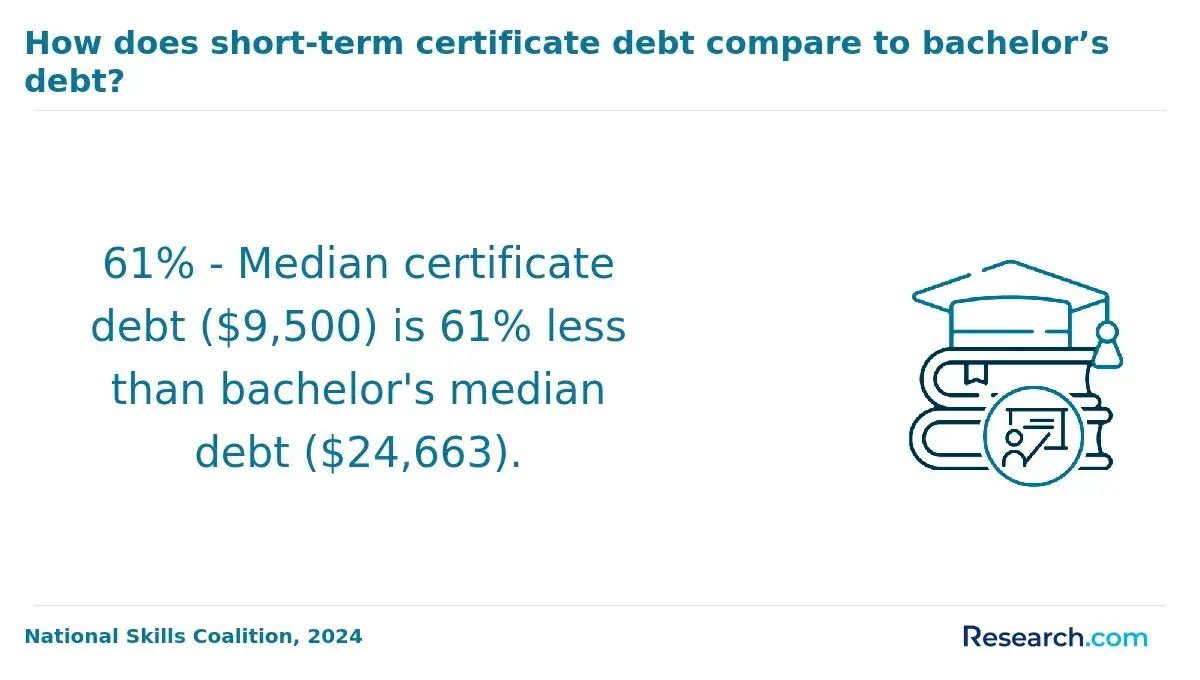
Assessing return on investment for psychiatric mental health nurse practitioner programs requires more than comparing tuition rates across public, private, and nonprofit online institutions. While public programs often present lower sticker prices, typically between $12,000 and $25,000 annually, reduced tuition does not inherently guarantee better financial outcomes. Larger class sizes and fewer individualized supports in public schools can prolong time-to-degree or limit access to quality clinical experiences, directly affecting employability and income potential.
By contrast, private institutions may charge over $40,000 per year but often invest in smaller cohorts, specialized curricula, and stronger career resources, which can enhance job placement-though this premium usually increases student debt by 30 to 50 percent versus public counterparts, according to the Institute for College Access & Success.
Nonprofit online programs frequently offer a middle path, balancing moderately competitive tuition with flexible scheduling and supportive services that reduce time-to-graduation and allow working adults or career changers to enter the workforce sooner. These tradeoffs can translate into tangible ROI differences, especially when early employment offsets educational costs.
However, prospective students must weigh whether the incremental benefits of private or nonprofit program quality justify the heavier debt burden and longer repayment period compared to the typically leaner public option. The net financial impact hinges on borrowing limits, employer perceptions, program reputation, and individual career goals, underscoring the importance of evaluating total cost after aid alongside measurable outcomes rather than tuition alone.
How Do Graduation Rates Influence Psychiatric Mental Health Nurse Practitioner Program ROI?
Graduation rates significantly shape the return on investment for psychiatric mental health nurse practitioner programs, particularly when comparing public, private, and nonprofit online options. Higher completion percentages often reflect streamlined curricular pathways and effective student support, which can reduce time-to-degree and overall costs, thereby improving financial outcomes for students.
For example, nonprofit online programs with structured academic advising typically boast better on-time graduation, which a 2024 Postsecondary Success Research Institute report quantified as a 20% higher likelihood of degree completion compared to many private online schools. This difference directly influences debt burden, especially for adult learners juggling work and study, where prolonged enrollment often increases borrowing and delays workforce entry.
Despite their value, graduation rates alone do not fully capture program ROI. Public institutions may have lower completion rates, reflecting diverse student populations facing varied challenges, yet offer more affordable tuition that can offset slower time-to-degree. Conversely, private online programs often exhibit greater variation in completion due to less consistent student support, affecting financial returns despite possibly shorter enrollments for some cohorts.
Students weighing psychiatric mental health nurse practitioner program options must consider how graduation outcomes align with factors like flexibility, employer recognition, and debt, as well as related choices such as program focus and delivery. When assessing long-term value, integrating quantitative graduation data with qualitative elements, including real-world job placement and credential utility, provides a more informed basis for decision-making than completion rates alone. Cost-conscious learners may also benefit from exploring related fields, such as a masters in nutrition, to compare alternative pathways with differing financial and career implications.
What Role Do Career Outcomes Play in the ROI of a Psychiatric Mental Health Nurse Practitioner Degree?
Career outcomes are a central determinant in assessing the ROI of public, private, and nonprofit online Psychiatric Mental Health Nurse Practitioner programs, particularly as they interplay with costs, debt, and long-term professional value. While private programs may offer more specialized training, their higher tuition often demands stronger employment returns to justify the expense.
Public institutions frequently provide broader clinical networks and higher placement rates-sometimes exceeding 85% within six months-which can translate into quicker recoupment of educational costs and smoother entry into high-demand regional markets. Conversely, nonprofit programs often balance affordability with quality but may lag in employer recognition and career service consistency, affecting graduates' ability to leverage credentials effectively in competitive healthcare environments.
The U.S. Bureau of Labor Statistics projects a 40% growth for nurse practitioners overall through 2034, signaling robust demand but also reinforcing that graduates' success heavily depends on how well programs align with evolving local industry needs and offer practical clinical experiences.
Programs with stronger employer partnerships and accreditation status tend to enhance graduate mobility and acceptance in specialized psychiatric roles, critical factors when weighing not only time-to-degree but also the degree's capacity to open leadership or advanced clinical positions. For students managing debt and evaluating long-term value, it's crucial to scrutinize how each program's career outcomes mesh with geographical job markets and employer preferences, rather than equating ROI solely with salary levels or prestige.
One graduate who completed an online program noted that early doubts about whether her degree would translate into meaningful career gains gave way after she secured a role that expanded her clinical responsibilities and allowed internal advancement. Initially cautious about the program's recognition by local employers, she found that the network opportunities and practicum placements were pivotal in bridging her academic credentials with actual job opportunities, illustrating how nuanced factors like employer perception and professional mobility weigh heavily in real ROI calculations beyond immediate financial returns.
How Does Student Debt Impact the Long-Term ROI of a Psychiatric Mental Health Nurse Practitioner Program?
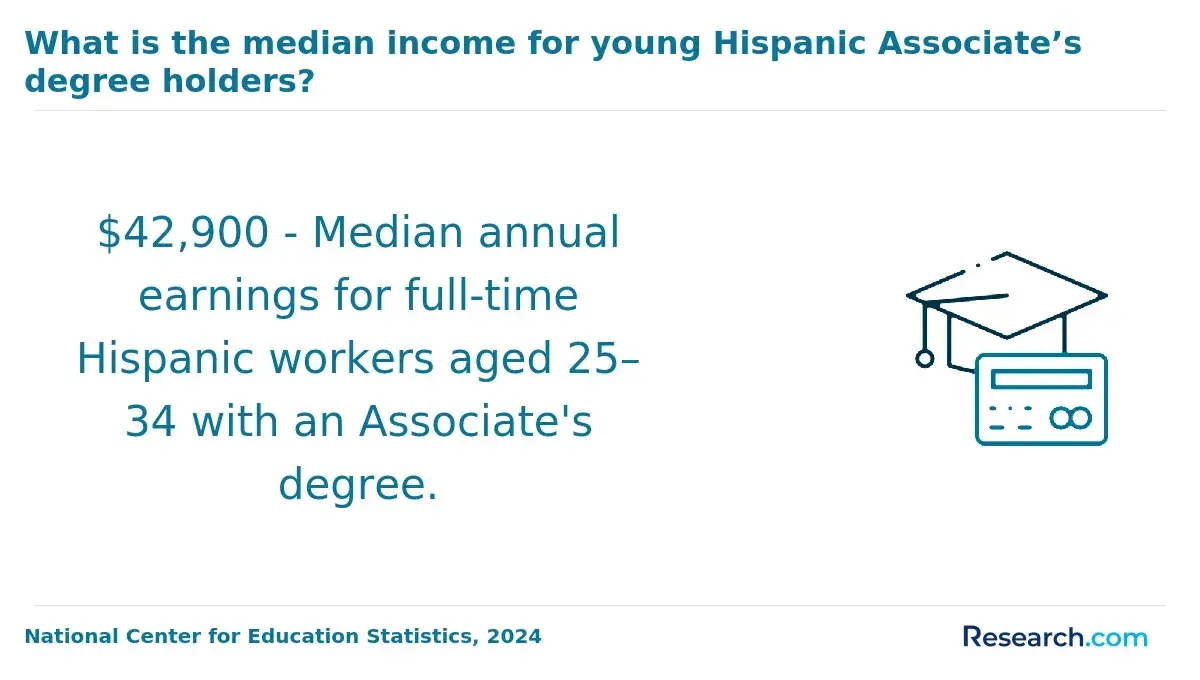
Higher student debt burdens substantially influence the long-term return on investment of psychiatric mental health nurse practitioner programs, especially when comparing public, private, and nonprofit online institutions. Graduates from private programs often accumulate debt exceeding $70,000, which can extend repayment timelines and increase financial stress, sometimes pushing borrowers toward less desirable work settings or delaying further specialization.
In contrast, public programs typically entail lower tuition and result in debt closer to $30,000-$50,000, offering a more manageable debt-to-income ratio that supports steadier financial progress post-graduation. These differences underscore the importance of evaluating debt impact on psychiatric mental health nurse practitioner program ROI in light of both upfront costs and career earnings trajectories.
Graduation rates, program length, and career placement services also shape borrowing needs and eventual ROI. While private institutions may charge higher tuition, stronger employer connections can accelerate employment, partially offsetting larger debts through faster income gains. Nonprofit programs generally fall between these extremes but vary widely in financial aid availability and outcomes.
Prospective students must weigh these variables against personal financial commitments and local job markets, balancing the sometimes slower but steadier returns of less costly options against potential payoffs of more expensive programs. Exploring specialized routes such as shortest online PMHNP certificate programs can be a strategic choice for debt-conscious learners seeking to minimize borrowing while entering the workforce more quickly.
The long-term financial effects of student loans for psychiatric mental health nurse practitioner graduates hinge on cumulative repayment obligations, interest, and income growth. Borrowers with debt over $60,000 face increased repayment challenges, including higher default risk, which dampens the overall educational value despite potential salary gains. Without adequate employer loan reimbursement or income-driven repayment options, this debt can impose hidden costs that diminish career flexibility. Therefore, analyzing program quality, cost, and career support in tandem is crucial to making informed decisions that optimize ROI and align with individual professional goals.
How Do Flexibility and Adult Learner Support Affect Psychiatric Mental Health Nurse Practitioner Program Value?
Flexibility in scheduling and targeted support services shape the real value of psychiatric mental health nurse practitioner programs, especially for adult learners juggling work, family, and other commitments. Offering asynchronous courses and part-time enrollment options can improve retention and completion rates, as the National Center for Education Statistics reported a 25% higher persistence in programs that combine flexible learning modalities. However, this flexibility often extends the time to degree, increasing opportunity costs despite potentially lower per-term tuition, which is a crucial consideration for working professionals assessing total investment versus time spent in training.
Support structures such as academic advising, career counseling, and credit transfer assistance vary notably across institution types and influence both immediate affordability and long-term career prospects. Public schools typically provide more affordable tuition and robust advising, yet may fall short in delivering individualized career services due to larger student populations. Conversely, private and nonprofit providers often offer greater faculty accessibility and personalized career support, which can enhance job readiness but often come with higher tuition and student debt. Students must weigh these tradeoffs carefully, recognizing how these elements affect retention, preparation for employment, and ability to manage debt while meeting workforce demands.
Technology infrastructure also plays an integral role in adult learner success by reducing barriers to engagement and facilitating effective communication. Programs investing in integrated faculty interaction tools can significantly lower midterm dropout rates, per 2024 EDUCAUSE findings. For cost-sensitive students balancing multiple priorities, this capability can mean the difference between delayed graduation and a timely credential that aligns with workforce expectations. In sum, prospective psychiatric mental health nurse practitioner students benefit most from evaluating how flexibility, support, and technology intersect to influence persistence, total costs, and ultimately return on investment across public, private, and nonprofit online options.
How Do Accreditation and Institutional Reputation Influence Psychiatric Mental Health Nurse Practitioner ROI?
Accreditation and institutional reputation directly influence the return on investment for Psychiatric Mental Health Nurse Practitioner graduates by shaping licensure eligibility, employer recognition, and graduate school opportunities. For instance, candidates from regionally accredited schools with programmatic nursing accreditation often experience better employment outcomes; a 2024 National League for Nursing report shows these graduates enjoy a 15% higher hiring rate within six months of graduation compared to peers from less recognized programs. This advantage translates into more competitive starting salaries and smoother career entry, especially in regions and healthcare systems where credential evaluation plays a decisive role in hiring.
However, reputation alone does not guarantee superior ROI. Many public or nonprofit online institutions offer strong PMHNP curricula combined with extensive clinical partnerships and support services that can match or exceed private institutions in practical value. The key tradeoff lies in weighing tuition costs and debt against these quality indicators since higher prestige often correlates with elevated expenses but not always proportionally higher employment returns. Transfer credit acceptance, student support, and licensure eligibility also impact the long-term affordability and flexibility critical to working professionals or transfer students balancing multiple responsibilities.
Ultimately, students should prioritize programs with recognized regional and programmatic accreditation to ensure credential validity and broader employer acceptance, while carefully assessing how institutional reputation aligns with actual academic quality and postgraduation support. These factors collectively influence both initial hiring prospects and long-term career sustainability, affecting overall ROI beyond the immediate diploma. Practical decisions about PMHNP education must integrate these nuanced considerations rather than rely solely on brand prestige or cost alone.
How Does Time-to-Degree Affect the ROI of Public, Private, and Nonprofit Psychiatric Mental Health Nurse Practitioner Programs?
Time-to-degree materially shapes the return on investment for public, private, and nonprofit psychiatric mental health nurse practitioner programs by influencing tuition exposure, opportunity costs, and career timing. For example, public institutions typically offer full-time, structured programs lasting 24 to 36 months, balancing predictable timelines with controlled costs-this often suits students prioritizing timely workforce entry.
Conversely, private programs may promote accelerated or flexible scheduling but tend to carry higher tuition and inconsistent graduation rates, which can increase debt burden and delay salary gains. Nonprofit programs frequently emphasize part-time formats to accommodate working professionals, extending completion times and potentially diminishing early financial returns despite supporting degree completion for those managing work and family commitments.
Enrollment intensity, credit transfer policies, and accelerated pathways also critically affect completion speed and ultimately shape ROI. Full-time students with transferable credits or certification backgrounds generally shorten degree duration and reduce lost income periods, while part-time learners spread tuition payments but face prolonged educational expenses and opportunity costs.
Graduation rates, often higher in well-resourced public and nonprofit programs, further impact the realization of potential returns by lowering dropout-related losses. This constellation of factors makes it essential for prospective students to assess program flexibility and realistic completion likelihoods carefully, especially when balancing competing demands and considering the differential time-to-degree impact on psychiatric mental health nurse practitioner roi.
Students seeking the fastest possible route should explore options like the fastest FNP program online, recognizing that such accelerated paths may not align with all learners' life circumstances or support needs. Ultimately, evaluating completion time alongside affordability, program quality, and career goals is crucial for informed decision-making that matches individual situations and long-term professional outcomes in the psychiatric mental health nurse practitioner field.
How Can You Choose the Best Psychiatric Mental Health Nurse Practitioner Program Based on Your ROI Goals?
Determining the highest return on investment (ROI) in a psychiatric mental health nurse practitioner program hinges more on individual priorities than on institution type alone. For example, public programs often present lower tuition and reduced upfront debt, appealing to cost-conscious learners balancing family obligations or ongoing employment. However, these options may come with larger cohorts and less personalized support, potentially affecting time-to-degree and licensure success-factors critical to career launch and early earnings.
Students who prioritize faster completion or strong clinical networks might find nonprofit or private programs more conducive, despite higher tuition and debt considerations. This nuanced tradeoff illustrates why ROI analysis must account for financial aid availability, graduation rates, and program outcomes, not just sticker price.
Many employers place value on accreditation and regional reputation as much as program control, underscoring the need to scrutinize outcome data carefully. The 2024 Integrated Postsecondary Education Data System highlights wide variability in online nonprofit PMHNP graduation and licensure rates, reinforcing that institutional type alone does not guarantee consistent ROI.
Adult learners weighing these factors against personal circumstances, such as pursuing an online PhD counseling path concurrently or managing work-study balance, must integrate these dimensions into their decision matrix. Ultimately, those evaluating the ROI of top psychiatric mental health nurse practitioner programs online and on campus programs should calibrate choices to both immediate affordability and longer-term employment prospects, factoring in specific workforce demands and geographic employer preferences.
References
- How Student Loan Debt Impacts Long-Term Financial Wellness - iGrad Financial Wellness | Enrich https://enrich.org/insights/1921/how-student-loan-debt-impacts-long-term-financial-wellness
- How to Measure ROI and VOI in Behavioral Health https://eleos.health/blog-posts/roi-ai-post-acute-healthcare/
- Psychiatric or Mental Health Nurse Practitioner: Alternate Paths to Mental Treatment | Maryville Nursing https://nursing.maryville.edu/blog/psychiatric-or-mental-health-nurse-practitioner
- How Student Loans Affect Healthcare Professionals https://luvohealthcare.com/how-student-loans-affect-healthcare-professionals/
- Psychiatric-Mental Health NP Role: PMHNP Pros and Cons https://www.npschools.com/blog/pros-and-cons-of-being-a-pmhnp
- Psychiatric-Mental Health Nursing - Psychiatric Nursing | APNA https://www.apna.org/about-psychiatric-nursing/
- Role of Psychiatric Nurse Practitioners in Facility-Based Mental Health - Supportive Care https://www.thesupportivecare.com/blog/role-of-psychiatric-nurse-practitioners-in-facility-based-mental-health
- Finding the Right psychiatric provider: a guide to choosing a psychiatric mental Health Nurse Practitioner (PMHNP) — Aspire Psychology https://www.aspirepsychologyportland.com/our-blog/finding-the-right-psychiatric-provider-in-portland-a-guide-to-choosing-a-psychiatric-mental-health-nurse-practitioner-pmhnp
- What Is a PMHNP? What They Do & How To Become One https://my.clevelandclinic.org/health/articles/psychiatric-nurse-practitioner-pmhnp
- MSN-PMHNP https://stmary.edu/pmhnp.html
Other Things You Should Know About Psychiatric Mental Health Nurse Practitioner
Clinical placement quality and availability can vary significantly by institution type, affecting practical training and employer perceptions. Public programs often have established partnerships with local healthcare systems that facilitate diverse, hands-on clinical experiences, which can translate to stronger resumes and better job placement. Private and nonprofit programs may offer more flexible or out-of-state placements, but without strong local networks, graduates might face longer job searches or fewer high-quality clinical sites, lowering immediate ROI.
Employer preference tends to favor public and well-known nonprofit institutions due to their perceived rigor and clinical affiliations. Graduates from these programs may benefit from alumni networks and recruiter familiarity, enhancing job prospects and salary negotiation leverage. Private online programs, especially newer or lesser-known ones, might lack these established connections, requiring graduates to invest extra effort in credential validation and networking, which can delay or diminish financial returns.
The credit hour requirements for psychiatric mental health nurse practitioner online programs generally vary by institution type. Public programs often require around 50 credit hours, while private and nonprofit institutions may require between 45 to 55 credit hours to graduate by 2027.
Graduates must pass the ANCC Psychiatric-Mental Health Nurse Practitioner board certification exam, then apply for state APRN licensure. Most states require a current RN license, an MSN or DNP, official transcripts, and proof of at least 500 supervised clinical hours in psychiatric mental health nursing.