2027 Psychiatric Mental Health Nurse Practitioner Degree Completion Rates by Format: Online, Hybrid, and Campus Programs Compared

Co-Founder and Chief Data Scientist
A prospective student faces a critical choice when deciding how to complete a psychiatric mental health nurse practitioner degree: pursue an online, hybrid, or traditional campus program. Each format demands different levels of self-discipline, time management, and engagement with faculty and peers. This decision directly affects the student's ability to stay on track, meet clinical requirements, and ultimately finish the degree.
Completion rates vary notably across these formats due to factors like accessibility, support services, and learning environment. Understanding these differences is essential for aligning educational delivery with personal circumstances and career goals. This article compares online, hybrid, and campus program completion rates, examines influences on student success, and offers insights for choosing the format that best supports degree completion and professional advancement.
Key Things to Know About Psychiatric Mental Health Nurse Practitioner Degree Completion Rates by Format
- Online Psychiatric Mental Health Nurse Practitioner programs report about a 65% completion rate, reflecting challenges in self-paced study but allowing students with rigid schedules to persist despite low in-person interaction.
- Hybrid programs often yield higher completion rates near 78%, benefiting from structured face-to-face mentorship combined with online flexibility, which supports complex clinical skill integration practically and theoretically.
- Campus-based formats maintain completion rates around 82%, underscoring the importance of immersive clinical access and cohort support, though geographic and scheduling constraints may limit feasibility for many working nurses.
- Key Things to Know About Psychiatric Mental Health Nurse Practitioner Degree Completion Rates by Format Key Things to Know About Psychiatric Mental Health Nurse Practitioner Degree Completion Rates by Format
- How Do Completion Rates Compare Across Online, Hybrid, and Campus Psychiatric Mental Health Nurse Practitioner Programs? Completion Rate Comparison
- What Factors Have the Greatest Impact on Psychiatric Mental Health Nurse Practitioner Degree Completion? Degree Completion Factors
- Which Psychiatric Mental Health Nurse Practitioner Degree Format Is Hardest to Complete? Completion Difficulty
- How Does Each Psychiatric Mental Health Nurse Practitioner Learning Format Affect Student Success? How Does Each Psychiatric Mental Health Nurse Practitioner Learning Format Affect Student Success?
- How Does Enrollment Status Affect Psychiatric Mental Health Nurse Practitioner Completion Rates? How Does Enrollment Status Affect Psychiatric Mental Health Nurse Practitioner Completion Rates?
- Can Transfer Credits Improve Psychiatric Mental Health Nurse Practitioner Degree Completion? Transfer Credits
- What Student Support Services Improve Psychiatric Mental Health Nurse Practitioner Completion Rates? Student Support Services
- How Do Psychiatric Mental Health Nurse Practitioner Completion Rates Affect Career Outcomes? Impact on Career Outcomes
- How Should Students Choose the Best Psychiatric Mental Health Nurse Practitioner Learning Format? Choosing the Best Format
- What Are the Long-Term Pros and Cons of Each Psychiatric Mental Health Nurse Practitioner Learning Format? Learning Format Pros & Cons
How Do Completion Rates Compare Across Online, Hybrid, and Campus Psychiatric Mental Health Nurse Practitioner Programs?
Completion rates for psychiatric mental health nurse practitioner degree programs reflect a complex interplay between student demographics and program delivery rather than serving as straightforward indicators of program quality. Variations often stem from the distinct profiles of students choosing each format-campus, hybrid, or online-whose circumstances influence persistence and graduation outcomes. Recognizing this distinction helps interpret completion statistics as markers of who enrolls rather than how well the program performs in isolation.
Differences in completion rates across online, hybrid, and campus formats frequently relate to external factors like work schedules, personal commitments, and enrollment intensity. Online programs, for example, attract many nontraditional students balancing full-time employment or family obligations, often prolonging time to completion or contributing to higher attrition. Hybrid models offer a blend of flexibility and occasional face-to-face interaction, supporting professionals seeking a middle ground. Meanwhile, campus-based programs typically enroll students with greater availability for immersive engagement, which can bolster retention but demands structured time commitments. Ultimately, student success hinges as much on individual circumstances as on the chosen instructional format, underscoring the need to consider personal readiness alongside format differences when evaluating psychiatric mental health nurse practitioner program completion rates online vs campus or hybrid.
Prospective students can leverage comparisons of graduation success in hybrid and campus PMHNP programs alongside online options by aligning these data with their study habits, external responsibilities, and career objectives. For instance, a working clinician pursuing the MSN to DNP programs may favor hybrid or online paths that accommodate clinical scheduling while maintaining progress toward licensure. Conversely, those able to dedicate full time on campus might benefit from the structured accountability that higher completion rates suggest. Balancing statistical outcomes with personal learning preferences and realistic demands remains crucial for selecting a program format that maximizes the likelihood of degree completion and professional advancement.
What Factors Have the Greatest Impact on Psychiatric Mental Health Nurse Practitioner Degree Completion?
Degree completion for psychiatric mental health nurse practitioner programs hinges on a combination of personal circumstances, academic support, and program design rather than sheer motivation alone. Students often face overlapping challenges such as work-life balance, financial stability, and access to resources that collectively influence their persistence. Recognizing how these factors interact helps prospective students make informed decisions to bolster their chances of success. The following points highlight the most consequential influences on degree completion.
- Balancing Personal Responsibilities and Academic Demands: Managing family, caregiving, or employment alongside coursework is the strongest predictor of completion, with a recent American Association of Colleges of Nursing study showing this outweighs format differences. Students with stable routines who set realistic time commitments typically sustain progress, while those overwhelmed by competing demands may delay or drop out.
- Access to Support Services: Availability of academic advising, mental health counseling, and career guidance significantly improves retention rates. Programs with proactive outreach reduce attrition by addressing obstacles early. Students should verify these supports exist and actively engage with them, especially in online and hybrid settings where isolation risk is higher.
- Peer and Faculty Engagement: Direct interaction with instructors and classmates fosters accountability and motivation. Online students report higher dropout risks due to limited peer contact; hybrid models mitigate this by combining virtual flexibility with face-to-face sessions. Building regular communication routines strengthens commitment regardless of program delivery.
- Financial Stability and Employment Status: Consistent employment, particularly in nursing roles, correlates with higher completion rates as observed in the Lumina Foundation workforce analysis. Steady income alleviates stress and offers practical experience, yet excessive work hours can impede study time, requiring careful planning.
- Program Flexibility and Format Suitability: While format alone is not determinant, students' personal learning styles and life situations influence persistence. Online programs provide scheduling flexibility but pose isolation challenges; campus programs enable immediate access to resources but demand greater time investment. Hybrid options offer a balance, often resulting in marginally higher completion rates.
- Effective Time Management Skills: Students who develop strong organizational habits navigate coursework and clinical requirements more successfully. Those lacking these skills are prone to falling behind when unexpected challenges arise. Time management training and self-discipline practices improve persistence across all formats.
- Intrinsic Motivation Coupled with Realistic Expectations: While motivation is critical, overestimating personal capacity to juggle commitments can lead to burnout. Students aware of program rigor, potential obstacles, and who plan accordingly tend to persist, whereas those underprepared for the program demands are vulnerable to attrition.
For example, consider a registered nurse working full-time with family obligations who chooses an online psychiatric mental health nurse practitioner program. Without access to robust support services and structured peer engagement, this student may struggle to maintain momentum despite high motivation. By selecting a program offering hybrid components and strong advising, the student can create touchpoints that bolster persistence and ultimately completion.
Students evaluating their options may also explore related LPN programs to understand foundational educational pathways that complement their career goals.
Which Psychiatric Mental Health Nurse Practitioner Degree Format Is Hardest to Complete?
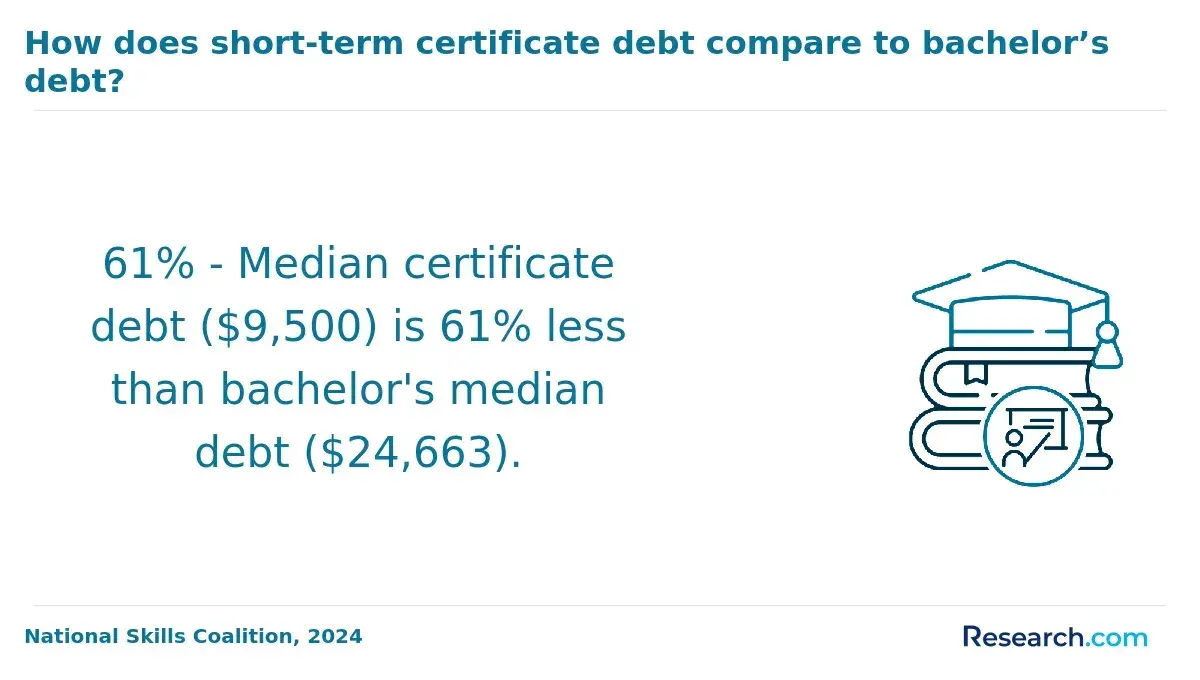
Data from the National Center for Education Statistics in 2024 reveals that campus-based psychiatric mental health nurse practitioner (PMHNP) programs have the highest completion rates, often surpassing 70%, while hybrid programs typically achieve moderately lower persistence around 60%, and fully online programs lag behind near 50%. The complexity of clinical placements and limited direct support in online formats contribute significantly to student attrition. In contrast, campus programs provide a structured environment with immediate access to clinical instructors and peer networks, facilitating problem-solving and timely academic interventions that boost completion odds. Hybrid programs strike a balance by offering intermittent face-to-face engagement, which helps offset the isolation common in online learning but demands flexibility that not all students can easily accommodate.
Choosing the right format involves weighing these completion dynamics against individual constraints. For example, a working parent enrolled fully online might struggle with scheduling clinical hours amid caregiving duties and miss the accountability that on-campus presence fosters. Conversely, a student with a rigid work schedule might find hybrid residencies challenging to attend but appreciate the flexible coursework combined with periodic in-person support. Thus, the difficulty in finishing a PMHNP program is less about intrinsic program format and more about the alignment between a learner's circumstances and the specific demands of each delivery mode.
One graduate who pursued a hybrid PMHNP degree recalled how the biannual campus residencies initially felt overwhelming due to travel logistics and tight work deadlines. They hesitated briefly, fearing the time commitment might derail progress. Yet, those in-person sessions became critical moments of motivation, offering direct mentorship and peer encouragement that an exclusively online colleague didn't experience. Reflecting back, the graduate recognized that the hybrid format's blend of flexibility and structured accountability ultimately made completion feasible, despite early doubts about managing competing responsibilities.
How Does Each Psychiatric Mental Health Nurse Practitioner Learning Format Affect Student Success?
Student success in psychiatric mental health nurse practitioner programs depends less on the learning format alone and more on how well the chosen method fits a student's learning preferences, available time, and life commitments. A working parent juggling shifts may thrive with flexible online instruction, while someone seeking hands-on guidance might benefit from campus programs. Recent 2024 findings from the National Center for Education Statistics and the National Student Clearinghouse highlight that while campus formats report the highest completion rates, hybrid programs often close that gap by combining flexibility with engagement. The following points outline key ways learning formats impact completion and student outcomes.
- Academic Engagement and Support: Campus formats provide direct access to faculty and peer interaction, fostering collaboration and immediate academic help, which supports persistence. Students who struggle with self-motivation typically benefit from this in-person engagement that drives retention.
- Flexibility and Time Management: Fully online formats offer unmatched scheduling freedom, ideal for those balancing work or family. However, this requires strong self-discipline; students lacking routine may find it challenging to stay on track without structured checkpoints common in campus settings.
- Community and Peer Networks: In-person programs foster a sense of belonging and build professional connections that can enhance learning and career prospects. Hybrid learners also gain networking opportunities during periodic meetings, while purely online students might experience isolation, impacting motivation.
- Access to Resources: Campus students generally benefit from on-site academic support services and clinical site coordination, which can streamline progress. Online students may face barriers if virtual support services are limited or cumbersome, although new technology improvements are reducing this divide.
- Learning Style Compatibility: Some students absorb information better through hands-on, in-person instruction typical of campus programs. Others excel in self-directed, flexible environments online. Hybrid options suit those wanting a mix, blending autonomy with personal contact.
- Completion Rates and Outcomes: According to 2024 data, campus programs show modestly higher degree completion compared to hybrid and online formats. This trend reflects the structured environment's benefits but also underlines that evolving online supports are narrowing this gap over time.
- Practical Application and Career Readiness: Programs with in-person components may better facilitate practicums and clinical placements critical for psychiatric mental health nurse practitioner licensure. Students unable to attend campus risk delays in gaining these experiential requirements, affecting readiness and timing for workforce entry.
How Does Enrollment Status Affect Psychiatric Mental Health Nurse Practitioner Completion Rates?
Enrollment status is one of the most critical factors influencing the completion rates of psychiatric mental health nurse practitioner degree programs. Its effect depends greatly on individual circumstances rather than the sheer number of courses taken. Factors like professional obligations, personal support systems, and program flexibility shape how enrollment type affects a student's ability to finish their degree. Below are key ways enrollment status impacts psychiatric mental health nurse practitioner degree completion.
- Academic Engagement and Persistence: Full-time enrollment facilitates concentrated study and frequent peer interaction, which supports persistence and timely progression toward degree completion. Students balancing full-time study often find themselves better immersed, increasing completion likelihood.
- Work-Life Balance Challenges: Part-time students frequently juggle work and family demands that extend their program duration and raise attrition risks, especially in less flexible campus formats. Recognizing these constraints helps students opt for a manageable pace aligned with their lifestyle.
- Program Format Flexibility: Online and hybrid programs offer asynchronous coursework and adaptable pacing, which improve outcomes for part-time students by reducing scheduling conflicts. This flexibility can be decisive for those managing external responsibilities while aiming to graduate.
- Self-Discipline and Support Needs: Part-time learners in hybrid or online settings must maintain strong self-discipline and seek proactive academic advising to avoid dropout. Students who anticipate needing extensive guidance should weigh full-time enrollment or more structured formats.
- Completion Rates by Enrollment Type: According to the National Center for Education Statistics, full-time psychiatric mental health nurse practitioner students have completion rates approximately 20% higher than part-time students, highlighting the accelerated progress possible under full-time study.
- Campus Attendance Requirements: Part-time students in campus-only programs face rigid schedules that can intensify conflicts with personal responsibilities, often leading to delays or withdrawal. Those requiring part-time study may benefit more from online or hybrid options to accommodate their needs.
- Alignment with Long-Term Goals: Choosing the right enrollment status involves balancing immediate obligations with career timeline aspirations. Some may prioritize faster completion through full-time study, while others leverage part-time online or hybrid models for sustainable progress without sacrificing external commitments.
Students balancing professional or personal demands might explore options like the best exercise science degree online to see how program flexibility supports degree completion in comparable health fields, lending insight into psychiatric mental health nurse practitioner pathways.
Can Transfer Credits Improve Psychiatric Mental Health Nurse Practitioner Degree Completion?
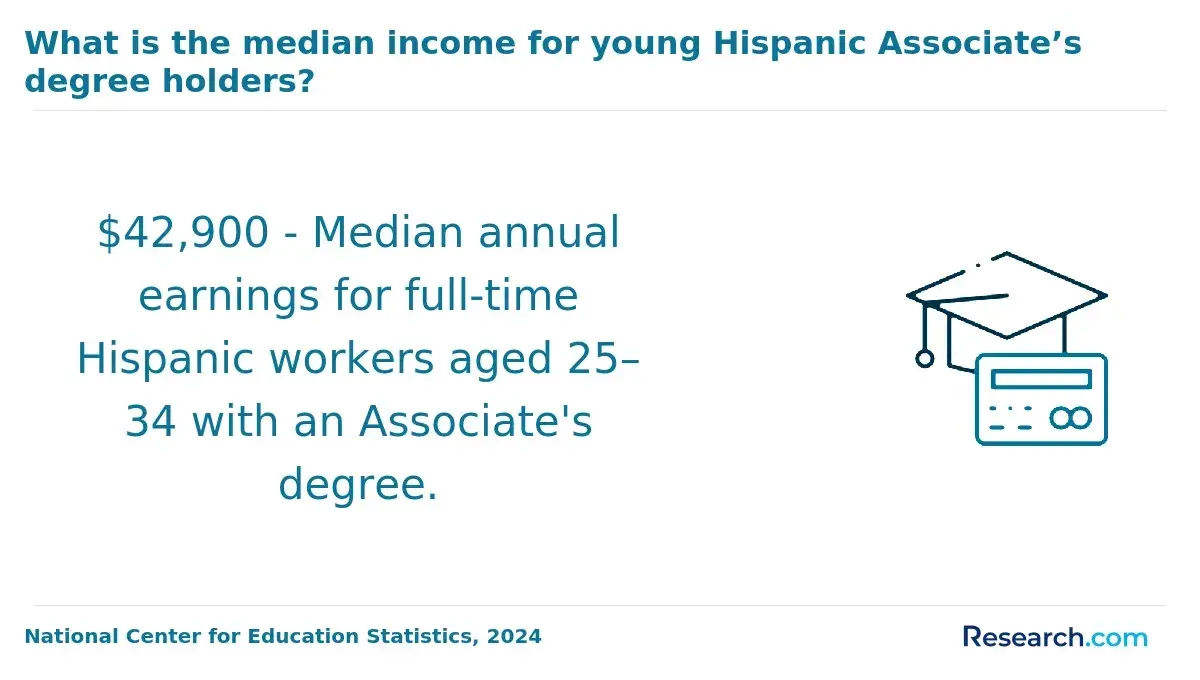
Transfer credits can meaningfully shorten the path to completing a psychiatric mental health nurse practitioner degree by eliminating redundant coursework and decreasing overall credit requirements. Data from the National Center for Education Statistics in 2024 shows that programs with more lenient transfer policies experience a 12-15% higher rate of on-time graduation compared to those with strict credit acceptance. Yet, this advantage is not uniform; it depends heavily on how well transferred credits align with specific program curricula and clinical competencies.
Consider a working nurse with graduate-level courses and clinical training seeking to enroll in an online psychiatric mental health nurse practitioner program. If their prior credits meet the program's standards, they can bypass foundational classes, accelerating completion and alleviating financial and time burdens. However, if those credits are deemed insufficiently related or miss key clinical components, the student may gain little advantage and still face a full course load.
The format of the program significantly influences transfer credit impact. Campus-based programs often have rigid, sequential curricula with limited flexibility to integrate prior learning, making transfer credits less effective as a tool for accelerating degree progress. In contrast, online and hybrid programs commonly feature policies and advising structures designed to evaluate and incorporate transfers with greater flexibility, enhancing persistence for students balancing professional and personal commitments.
Prospective students should actively assess transfer policies before enrollment by requesting an official credit evaluation and comparing the remaining required credits with their capacity to maintain a steady enrollment pace. This approach allows a realistic projection of time-to-completion and informs decisions about program format and course load.
While transfer credits can be a valuable factor in improving program completion rates, they represent only one element among several-including student support, curriculum design, and delivery mode-that collectively influence degree attainment in psychiatric mental health nurse practitioner education.
What Student Support Services Improve Psychiatric Mental Health Nurse Practitioner Completion Rates?
Completion rates for psychiatric mental health nurse practitioner programs depend heavily on the availability and quality of student support services, especially as programs expand into online and hybrid formats with unique demands. Not all supports are equally effective across formats; for instance, distance learners often need more personalized academic guidance, while campus students benefit from direct access to mental health services. The following key services have shown consistent impact in improving persistence and degree completion:
- Targeted academic advising: Proactive, personalized advising that helps students tailor study plans and navigate clinical placement logistics is critical, particularly for online learners balancing work and coursework. The National Center for Education Statistics reports a 15-20% boost in completion rates when advisors engage regularly with students.
- Mental health counseling and coping workshops: On-campus programs that offer structured stress management sessions and immediate counseling referrals tend to retain students better by addressing the emotional strains specific to psychiatric nursing education.
- Integrated communication platforms: Hybrid students benefit from seamless digital and in-person tools that encourage interaction and group support, offsetting feelings of isolation common in partially online cohorts.
- Cohort-based peer mentoring: Establishing peer networks through group mentoring fosters accountability and mutual encouragement, both vital in maintaining motivation across all delivery modes.
- Flexible technical support services: Troubleshooting access or usability issues promptly prevents technology from becoming a barrier, thus reducing dropout risk in online environments.
- Time management and study skill resources: Offering workshops or one-on-one coaching helps students develop discipline and organization critical to juggling clinical hours, coursework, and personal responsibilities.
- Early intervention systems: Monitoring academic performance and engagement to identify at-risk students allows programs to deploy targeted support before problems escalate.
One online PMHNP graduate recalled struggling initially to coordinate clinical hours with work shifts while navigating unfamiliar digital platforms. Early academic advising helped reconfigure her schedule realistically, while accessible tech support resolved persistent login problems. She noted, "Without that personalized guidance and quick help, I probably would have fallen behind or considered quitting." Her experience underscores how tailored supports not only enhance persistence but reduce anxiety, building the confidence essential to completing rigorous training remotely.
How Do Psychiatric Mental Health Nurse Practitioner Completion Rates Affect Career Outcomes?
Completion rates for psychiatric mental health nurse practitioner (PMHNP) programs significantly shape the educational and professional trajectories of students. Graduating on time not only facilitates timely entry into the workforce but also correlates with better job prospects and long-term career growth. Real-world experience shows that students struggling with program attrition-especially in fully online formats-may face delays in licensure and certification, which can subsequently hinder their economic stability and leadership opportunities.
Below are key ways completing a psychiatric mental health nurse practitioner program impacts career outcomes:
- Higher employment likelihood within six months of graduation: Completing the degree signals persistence and competence, enhancing job placement rates across clinical, academic, and community settings. Graduates from hybrid and campus programs often benefit from stronger support networks that improve completion rates and early employment prospects, although no completion guarantees employment given labor market variability.: Employers tend to prioritize candidates who finish their programs on schedule, viewing completion as an indicator of professional reliability. Those who graduate promptly can leverage clinical experience gained during their studies to secure roles more quickly.
- Increased earnings potential and promotion opportunities: Graduates completing the PMHNP credential frequently experience a 15% to 25% salary increase compared to registered nurses without advanced practice licensure. This wage premium reflects the value of advanced knowledge and skills in psychiatric mental health.: Persistence through program completion enables access to advanced clinical roles and leadership positions, although actual earnings depend on experience, location, and employer demand.
- Better access to licensure and specialty certifications critical for career advancement: Completion is a prerequisite for state licensure and certification eligibility, which are essential for practicing as a psychiatric mental health nurse practitioner.: Students enrolled in hybrid or campus formats generally benefit from structured clinical experiences that aid in meeting licensure requirements more efficiently, compared to some fully online peers.
- Higher likelihood of pursuing graduate education and subspecialties: Timely degree completion positively correlates with enrollment in doctoral programs or specialty training, expanding career options and leadership roles in the field.: Students who finish their PMHNP program on schedule are better positioned to pursue advanced study, a factor linked with sustained professional development according to recent data.
The health information management bachelor degree salary data from 2024 underscore the broader labor market trend that higher educational attainment facilitates improved employment outcomes and wage growth, offering a useful comparative perspective for prospective PMHNP students weighing program format decisions.
How Should Students Choose the Best Psychiatric Mental Health Nurse Practitioner Learning Format?
Degree completion in psychiatric mental health nurse practitioner programs depends heavily on choosing a format aligned with individual circumstances and learning preferences. Recent 2024 data from national educational databases show that no single format guarantees success, but alignment with student profile matters most. For example, a nurse working full-time with family commitments might find fully online programs flexible but potentially isolating, while a student able to attend campus may leverage richer peer and faculty support, improving engagement and completion rates overall. Evaluating these practical factors critically can position students for success.
Key decision factors for choosing the best learning format for psychiatric mental health nurse practitioner programs include:
- Work and Family Commitments: Students juggling irregular shifts or caregiving often benefit from the flexibility of online programs. However, this can challenge skill integration and engagement, so those needing structured routines might prefer hybrid or campus formats where in-person time anchors their schedule.
- Learning Style and Engagement Needs: Campus programs generally offer immersive interaction, benefiting students who thrive on face-to-face dialogue. Conversely, independent learners comfortable with virtual environments may succeed in online formats despite fewer immediate interactions.
- Access to Clinical Experiences: Hybrid and campus formats typically provide more direct supervision during hands-on clinical training, an essential component of psychiatric mental health nurse practitioner preparation. Online-only programs must ensure partnerships offering local practicums, which can vary in quality.
- Geographic and Logistical Factors: Students in remote or underserved areas may find campus attendance difficult, making online options more viable. Travel time and costs also influence sustainability and program completion likelihood.
- Support Systems and Peer Networks: Students with robust local support may handle isolated online study better, but those seeking peer collaboration often find campus or hybrid environments more conducive to persistence and motivation.
- Program Completion Data Trends: Studies indicate students enrolled in hybrid programs often achieve a balance of engagement and flexibility, correlating with higher on-time completion rates compared to fully online peers, who sometimes struggle with retention.
- Career Goals and Specialized Training: Specific psychiatric mental health nurse practitioner competencies might require in-person training experiences more accessible on campus or hybrid formats. Prospective students should assess whether their chosen program's format supports the clinical depth needed for their targeted employment.
For those considering degrees in related fields, insights into flexible online learning can also be found in addiction counseling online degree programs, which similarly balance work demands and training rigor.
What Are the Long-Term Pros and Cons of Each Psychiatric Mental Health Nurse Practitioner Learning Format?
Long-term outcomes for psychiatric mental health nurse practitioner degree formats vary notably, influenced by student circumstances and program design. Online degrees provide flexibility ideal for working adults but may limit networking and hands-on experience, affecting integration into clinical teams post-graduation. Hybrid programs blend remote learning with in-person practicums, improving skill application and confidence while sometimes extending time to completion. Traditional campus formats offer robust mentorship and career support at the cost of less flexibility, which may not suit all learners. Below are essential long-term considerations for prospective students evaluating these formats.
- Completion and Graduation Rates: Campus-based programs consistently show the highest immediate graduation rates due to immersive environments, while online programs have variable completion rates, often lower but improving with better student support systems. Hybrid programs typically fall between these two.
- Flexibility and Life Balance: Online formats excel in accommodating work and family responsibilities, making them suitable for non-traditional students, whereas campus programs demand significant time and location commitment.
- Practical Skills and Clinical Exposure: Hybrid and campus students benefit from in-person clinical practicums critical for skill development, enhancing employability, unlike purely online students who may face initial integration challenges.
- Professional Networking Opportunities: Direct faculty interaction and peer engagement are strongest in campus and hybrid settings, fostering long-term career connections; online formats require proactive networking strategies.
- Time to Degree Completion: Hybrid programs may extend completion time due to scheduling onsite components, while online and campus formats vary based on student pace and program rigor.
- Post-Graduation Employability: Graduates of campus and hybrid programs often report smoother transitions into collaborative clinical roles, supported by strong institutional career services, whereas online graduates might initially experience adaptation hurdles.
- Suitability Based on Learner Profile: Working professionals and caregivers often prefer online formats for flexibility, students valuing hands-on mentorship gravitate toward campus programs, and those wanting a balance may opt for hybrid options, aligning education with personal goals.
References
- All RN to Psychiatric Nurse Practitioner Programs https://www.rntomsn.org/programs/nurse-practitioner/psychiatric-mental-health/
- Graduate Programs https://www.utoledo.edu/programs/grad/nursing-psychiatric-mental-health-nurse-practitioner
- How to Become a Psychiatric Nurse Practitioner (PMHNP) https://nursinglicensemap.com/advanced-practice-nursing/nurse-practitioner/psychiatric-and-mental-health-nurse-practitioner-pmhnp/
- How to Become a Psychiatric-Mental Health NP (PMHNP) https://www.npschools.com/blog/how-to-become-a-psychiatric-nurse-practitioner
- Psychiatric-Mental Health Nurse Practitioner https://uthsc.edu/nursing/dnp/pmhnp.php
- Psychiatric Nurse Practitioner Programs (PMHNP) | Jobs and Salary Information | Education https://www.graduatenursingedu.org/psychiatric-mental-health-nurse-practitioner/
- The Importance of NP Student Support Services https://www.nphub.com/blog/why-are-np-student-support-services-vital-for-success
- Psychiatric-Mental Health Nurse Practitioner DNP https://www.rushu.rush.edu/college-nursing/programs-admissions/psychiatric-mental-health-nurse-practitioner-dnp
- www.pmhnponline.com: Verifying that you are not a robot... https://www.pmhnponline.com/pmhnp-programs/michigan/
- Top 8 Psychiatric Nurse Practitioner Programs | ThriveAP https://provider.thriveap.com/blog/top-8-psychiatric-nurse-practitioner-programs
Other Things You Should Know About Psychiatric Mental Health Nurse Practitioner
The psychiatric mental health nurse practitioner degree requires rigorous clinical hours, which can pose a challenge particularly for online students who must secure local placements independently. Campus and hybrid formats often provide more structured clinical coordination, which can ease completion. Prospective students struggling with self-organization should prioritize hybrid or campus programs, as the embedded hands-on support directly correlates with smoother clinical progress and thus higher completion odds.
While online programs offer scheduling flexibility crucial for working professionals, this often comes with increased risks of procrastination and isolation that negatively impact completion. For students who require strong external accountability, hybrid or campus formats tend to foster more consistent engagement through regular in-person interactions. Prioritizing a hybrid model may balance needed flexibility with sufficient structure, improving chances to stay on track while managing work-life demands.
Some employers in psychiatric mental health nursing remain cautious about candidates from fully online programs, valuing observed clinical competencies often more evident in campus or hybrid formats. Although online degrees are growing in recognition, students aiming for roles in highly competitive or traditional clinical environments might face subtle disadvantages when their format lacks in-person elements. Those targeting institutions with strict clinical training standards should weigh choosing hybrid or campus routes to enhance employer confidence and job placement success.
Campus-based programs tend to have more predictable schedules, which can help students better manage study loads and clinical demands simultaneously. Conversely, online programs require greater self-discipline to juggle asynchronous coursework with clinical hours that may be scheduled irregularly. Students prone to burnout should consider hybrid programs that combine flexible online learning with some structured on-site commitments, as this format often provides a healthier balance by enforcing routine while allowing autonomy.