2027 Education Degree Types: Tuition & College Requirements

Co-Founder and Chief Data Scientist
A note from the author, Imed Bouchrika, PhD, career planning expert:
Choosing an education degree is not just a question of picking a major. You are also choosing an age group, subject area, licensing route, program format, and financial commitment. That decision can affect how quickly you qualify for classroom work, whether you can transfer credits later, and which roles you can pursue beyond teaching. This guide explains the main education degree types, common requirements, specialization options, licensure steps, costs, financial aid, and career paths so you can compare programs with clearer expectations.
Quick answer: What should you know before choosing an education degree?
- Education degrees are offered from associate through doctoral levels, and each level serves a different purpose. An associate degree can support entry-level childcare or transfer goals, while a bachelor’s degree is the standard route for many licensed teaching roles.
- Your specialization matters. Early childhood education, special education, ESL, STEM education, school counseling, and educational leadership can lead to very different coursework, fieldwork, and licensure requirements.
- ESL remains a major area of need. The global English-speaking population reached approximately 1.53 billion in 2025, which reflects continued demand for English language instruction and support services.
- Teaching demand varies by grade level and region. By 2034, projections indicate 91,000 annual openings for elementary teachers and 66,200 for high school teachers.
- Licensure is state-specific. After earning a degree, candidates usually complete student teaching, pass required certification exams, and apply to the state education agency. Depending on the state and pathway, teacher certification may take one to three years.
- Financial aid is common. The National Center for Education Statistics (NCES) indicates that over 84% of all college students receive some form of financial assistance.
- What is an education degree?
- Types of education degrees
- Skills developed in education degree programs
- Education degree admission and readiness requirements
- Common education degree specializations
- How to become a licensed teacher after earning an education degree
- How long teacher certification usually takes
- How to choose an education degree program
- Education degree costs
- How online ESL master’s programs can expand teaching expertise
- How to evaluate the ROI of an education degree
- How online doctoral programs support educational leadership
- How education and library science can work together
- Common challenges in earning an education degree
- Career advantages of specialized online programs
- How programs respond to policy and standards changes
- Lower-cost alternatives to traditional teacher certification
- Financial aid for education degree students
- Jobs you can pursue with an education degree
- Why advanced certifications can matter
- Career growth through advanced education degrees
- Current trends in education degree programs
What is an education degree?
An education degree is an academic program that prepares students to teach, support learners, design curriculum, manage classrooms, or lead educational organizations. Depending on the level and concentration, it can lead to work in preschools, elementary schools, middle schools, high schools, colleges, community programs, training departments, libraries, or education administration.
For students who want to teach children in the earliest stages of development, an early childhood education degree can provide preparation in child development, family engagement, curriculum planning, assessment, and inclusive classroom practice. Other students may choose secondary education, special education, ESL, counseling, educational technology, or leadership depending on the learners and settings they want to serve.
The most important point is that “education degree” is a broad category. A program that prepares preschool teachers may not meet the requirements for high school science teaching, school counseling, or principal licensure. Before enrolling, students should connect the degree level, specialization, accreditation, and field experience requirements to the specific job they want.
Types of education degrees
Education degrees are available at multiple academic levels. The right option depends on whether you are exploring the field, preparing for initial teacher licensure, moving into a specialty, or aiming for leadership or research roles. Students comparing credentials may also want to review the broader four types of degrees used across higher education.
| Degree level | Typical purpose | Best fit for | Key considerations |
| Associate degree in education | Introduces foundational education, child development, and classroom support concepts | Students seeking childcare, substitute teaching, homeschool support, paraprofessional work, or transfer into a bachelor’s program | Often takes two years, though some online formats may shorten the timeline; usually not enough by itself for full teacher licensure |
| Bachelor’s degree in education | Prepares students for many entry-level teaching careers and state licensure pathways | Future elementary, middle, or high school teachers | Usually takes four years and commonly includes fieldwork or student teaching; some states or specializations may require graduate study |
| Master’s degree in education | Builds advanced teaching, leadership, counseling, curriculum, or specialization skills | Licensed teachers, administrators, career changers, or educators pursuing advancement | Many programs take about two years, with accelerated options available; admissions may depend on prior teaching credentials or experience |
| Doctoral degree in education | Develops high-level research, policy, leadership, and systems-change expertise | Education leaders, researchers, administrators, consultants, and senior practitioners | Programs vary widely in research focus, dissertation or capstone requirements, and professional outcomes |
1. Associate Degree in Education
An associate degree in education is usually an entry point into the field. Students often study child development, educational psychology, classroom behavior, communication, and introductory teaching methods. Some programs focus on early childhood or elementary settings, while others are designed mainly for transfer into a bachelor’s degree.
This option can make sense if you want to test your interest in education before committing to a four-year program. It may also support roles in childcare centers, classroom assistance, homeschool instruction, or substitute teaching, depending on state and employer rules.
Students who plan to become licensed teachers should check transfer agreements carefully. The strongest associate pathway is usually one that clearly maps into a bachelor’s program and preserves as many credits as possible.
2. Bachelor’s Degree in Education
A bachelor’s degree is the common starting point for students who want to become licensed teachers. Programs combine general education courses, subject-area preparation, teaching methods, classroom assessment, and supervised field experience. Students may prepare for elementary education, secondary education, special education, early childhood education, or another approved licensure area.
Education coursework often introduces instructional design, student assessment, classroom management, and teaching approaches such as competency-based education and cooperative learning. In many programs, the first part of the degree includes broad academic requirements, while the later years focus more heavily on pedagogy, subject specialization, and classroom practice.
Most bachelor’s programs take four years. Many also include a student teaching placement, which is essential because state licensure agencies usually require supervised classroom experience before granting certification.
3. Master’s Degree in Education
A Master’s Degree in Education is often designed for current teachers, administrators, or professionals seeking a specialized credential. Common concentrations include curriculum and instruction, educational leadership, adult education, special education, literacy, school counseling, instructional technology, and teaching English as a second language.
Many master’s programs take about two years, although accelerated formats may be available. For working educators, online or hybrid programs can be attractive because they allow students to continue teaching while completing graduate coursework. However, students pursuing licensure, endorsements, or counseling credentials should confirm whether online fieldwork or practicum requirements meet their state’s rules.
4. Doctoral Degree in Education
Doctoral education programs are intended for professionals who want to influence schools, districts, higher education institutions, policy organizations, or educational systems at a senior level. A Ph.D. in education may emphasize scholarly research and theory, while a professional doctorate such as an Ed.D. often focuses on applied leadership, organizational improvement, and practice-based research.
Doctoral students study education through multiple lenses, including social, political, historical, economic, organizational, and technological factors. They may evaluate programs, analyze learning systems, study policy implementation, or design interventions for complex education problems.
Because doctoral programs differ substantially, applicants should compare dissertation or capstone expectations, faculty research areas, leadership preparation, residency requirements, and career outcomes before applying.
Skills developed in education degree programs
An education degree should do more than prepare you to deliver lessons. Strong programs help students learn how to interpret learner needs, plan instruction, manage groups, use evidence, collaborate with families, and adjust teaching when students are not progressing. These skills are useful in classrooms as well as training, advising, nonprofit, and education technology roles.
- Clear communication: Educators need to explain ideas in ways that students, parents, colleagues, and administrators can understand. Degree programs strengthen presentation, writing, questioning, and feedback skills.
- Classroom management: Students learn how to create routines, set expectations, respond to disruptions, and build a learning environment where students feel safe and engaged.
- Instructional planning: Education programs teach students how to create lessons, align activities with learning goals, adapt materials, and use assessments to guide instruction.
- Critical thinking and problem-solving: Teachers regularly make decisions with incomplete information. Coursework and fieldwork help future educators analyze student needs, revise plans, and respond to learning barriers.
- Leadership and mentoring: Educators guide students, collaborate with peers, and often support schoolwide initiatives. These abilities can also support later roles as department heads, instructional coaches, or administrators.
- Adaptability: Classrooms include students with different academic levels, language backgrounds, learning preferences, and support needs. Flexible teaching is especially important in online, hybrid, and inclusive environments. Students comparing flexible formats may find an online college teaching degree useful when balancing study with work or family responsibilities.
- Cultural competence: Effective educators must understand how culture, language, disability, income, family structure, and community context shape learning experiences.
- Digital fluency: Modern teachers increasingly use learning management systems, digital assessments, classroom apps, online collaboration tools, and data dashboards.
Education degree admission and readiness requirements
Admission requirements vary by school and degree level, but education programs often evaluate both academic preparation and readiness to work with children or young adults. Applicants should review admission rules for the college, the teacher preparation program, and any licensure track because these may have separate requirements.
Common admission requirements
- High school diploma, GED, or prior college credit: Bachelor’s applicants generally need proof of high school completion or a GED. Transfer and graduate applicants must submit college transcripts. Some schools expect a minimum GPA, often set at 2.0 or higher.
- SAT or ACT scores: Some colleges request ACT or SAT results. While many institutions do not set a strict minimum, applicants with scores below a combined score of 20 on the ACT or a combined score of 1,000 on the SAT may decide to retest if doing so could strengthen admission or scholarship eligibility.
- Background check: Because education students often complete fieldwork in schools or childcare settings, programs may require criminal history or other background checks. These checks can involve a small fee and may take several weeks.
- Supplemental application materials: Some programs ask for a personal statement, references, letters of recommendation, prerequisite coursework, or a separate application to the teacher preparation sequence.
Academic and personal readiness
- Core academic skills: Education majors need strong reading, writing, research, and quantitative reasoning skills. These are necessary for coursework, lesson planning, assessment analysis, and licensure exams.
- Professional communication: Teachers work with students, families, colleagues, administrators, and community partners. Programs expect applicants to develop professional judgment and respectful communication habits.
- Time management: Education degrees can include coursework, observation hours, student teaching, exam preparation, and part-time work. Students should plan for periods when field placements require daytime availability.
- Patience and emotional resilience: Education work can be rewarding, but it also involves behavioral challenges, workload pressure, and accountability expectations. Students should enter the field with realistic expectations.
Common education degree specializations
Specialization determines what you study, which learners you serve, and which licenses or endorsements you may pursue. Before choosing a concentration, ask whether it aligns with the grade level, subject, disability category, language need, or leadership role you want.
| Specialization | What it focuses on | Who should consider it |
| Early Childhood Special Education (ECSE) | Instruction and support for young children with disabilities or developmental delays, commonly from birth to age five, with some programs extending to age six | Students interested in early intervention, preschool special education, family collaboration, and inclusive early learning |
| Applied Behavior Analysis (ABA) | Behavioral principles, skill development, and interventions that may support children with developmental disorders, including autism | Students interested in behavior support, intervention planning, and data-informed practice |
| Visual and/or Hearing Impairment | Teaching strategies, accessibility tools, and specialized support for students with visual or hearing impairments | Educators who want to serve students requiring specialized communication, mobility, or assistive technology support |
| English as a Second Language (ESL) | Language acquisition, multilingual instruction, cultural responsiveness, and English language development | Teachers who want to work with multilingual learners in domestic or international settings |
| Special education | Instruction, accommodations, legal frameworks, and individualized learning supports for students with disabilities | Students who want to work across ability levels and collaborate with families, specialists, and school teams |
| Educational leadership | School administration, supervision, organizational improvement, policy, and instructional leadership | Experienced educators preparing for administrative or systems-level roles |
ESL is one of the most globally relevant concentrations. In 2025, the global English-speaking population, either as a native or second language, reached approximately 1.53 billion. That figure points to the continuing need for educators who understand language development, cultural context, and multilingual classroom support.
How to become a licensed teacher after earning an education degree
Teacher licensure is controlled by states, so there is no single national process that applies to every candidate. Still, most candidates complete the same general steps.
- Earn a bachelor’s degree and complete an approved teacher preparation program.
- Finish the required student teaching or supervised classroom placement.
- Complete a master’s degree if your state, subject area, or specialization requires it.
- Pass the certification exams required by your state.
- Submit an application for state teacher certification or licensure.
Teacher certification confirms that a candidate has completed the required education, testing, field experience, and state review to teach in a defined grade level or subject area. Some educators also pursue national certification, but state licensure is the key requirement for public school teaching.
Teachers moving across state lines should not assume their license transfers automatically. Many states use reciprocity agreements that can make the process easier for teachers licensed elsewhere. Currently, over 40 states have reciprocity agreements with at least one other state. However, reciprocity may be provisional, meaning teachers may need to satisfy additional requirements within the first few years of employment in the new state.
How long teacher certification usually takes
After completing an education degree, teacher certification or licensure timing depends on the state, the applicant’s prior coursework, exam schedule, and whether additional fieldwork is needed. In many cases, candidates can complete the certification process within one to three years after earning a bachelor’s degree.
If you already hold a bachelor’s degree in the subject you want to teach, an alternative or postbaccalaureate route may allow you to complete remaining certification requirements within one to two years. The fastest route is not always the best route, though. Candidates should confirm that the program is approved by the state where they plan to teach.
How to choose an education degree program
A good education program should match your career goal, licensure state, budget, schedule, and preferred learner population. Do not choose based on convenience or tuition alone. A low-cost program that does not meet licensure requirements can cost more in the long run.
1. Confirm the specialization fits your target role
Education programs can differ sharply by grade band and subject. A candidate preparing for elementary teaching will not take the same sequence as someone preparing for secondary mathematics, special education, school counseling, or educational leadership.
For example, special education teachers may work with students across several grade levels depending on district structure. Their programs often emphasize disability law, individualized education programs, behavior support, assessment, and collaboration. Students interested in adjacent fields may also consider how coursework in psychology can support understanding of learning, behavior, and development.
2. Check institutional and programmatic accreditation
Accreditation affects transfer credit, financial aid eligibility, graduate admissions, employer confidence, and licensure review. For many education students, regional accreditation is especially important because it is widely recognized by colleges, districts, and state agencies.
Some education programs also hold programmatic accreditation or specialized recognition. The National Council for Accreditation of Teacher Education (NCATE) is associated with accreditation history in teacher preparation, while specialized graduate fields may have their own accreditors. For example, school counseling programs may reference accreditation from the Council for the Accreditation of Counseling and Related Educational Programs (CACREP).
3. Compare fieldwork and student teaching requirements
Field placements are not just graduation requirements; they are often required for licensure. Ask where placements occur, who arranges them, whether online students receive placement support, and whether you can complete requirements in your local district.
4. Review financial aid and total cost
Many students rely on aid to complete their degrees. NCES reports that over 84% of all college students receive some form of financial assistance. Compare tuition, fees, books, housing, transportation, technology costs, exam fees, background check costs, and lost income during student teaching.
| Question to ask | Why it matters |
| Is the program approved for teacher licensure in my state? | Approval determines whether your degree can lead to certification where you plan to teach. |
| Does the program include supervised student teaching? | Most licensure routes require documented classroom experience. |
| What grade levels and subjects does the program prepare me for? | Licensure is usually tied to a specific grade band, subject, or specialty. |
| Are online students supported with local placements? | Online coursework does not remove fieldwork requirements. |
| What is the transfer credit policy? | Transfer rules can change your timeline and total cost. |
| What support is available for certification exams? | Exam preparation can affect how quickly you move from graduation to licensure. |
Education degree costs
The cost of an education degree depends on the institution, program level, residency status, format, and how long you take to finish. Students should calculate more than tuition. In U.S. university education, annual expenses can also include housing, books, supplies, technology, transportation, background checks, licensure exams, and unpaid or reduced-work periods during field placements.
According to the Education Data Initiative, books and supplies cost $1,295 per year, while housing costs $1,513 per month.
| Cost factor | What to review before enrolling |
| Tuition and mandatory fees | Compare per-credit pricing, flat-rate tuition, online course fees, and student services fees. |
| Books and supplies | Ask whether courses use open educational resources, digital access codes, or required classroom materials. |
| Housing and transportation | Campus students may face housing costs, while online students may still travel for fieldwork or residencies. |
| Licensure-related expenses | Budget for background checks, certification exams, fingerprinting, and state application fees. |
| Time away from work | Student teaching can reduce available work hours, which affects affordability even when tuition is manageable. |
| Transfer credit limits | Poor transfer planning can force students to repeat courses and increase total cost. |
How online ESL master’s programs can expand teaching expertise
Online ESL master’s programs can help licensed teachers and language educators deepen their knowledge of language acquisition, culturally responsive instruction, assessment, and curriculum design for multilingual learners. These programs are especially useful for educators who already work with English learners and want more advanced strategies for supporting academic language development.
Because ESL teaching often involves both language and culture, students should look for programs that include applied practice, digital teaching tools, and coursework in linguistics or second-language learning. Educators comparing graduate options can review ESL masters programs online to understand how online programs may fit working professionals.
How to evaluate the ROI of an education degree
Return on investment should be measured by total cost, licensure value, career mobility, and long-term fit—not salary alone. Start by estimating direct costs such as tuition, fees, books, housing, and exam expenses. Then add opportunity costs, including reduced work hours during student teaching or graduate study.
Next, compare the degree with your target role. A bachelor’s degree that leads directly to licensure may have a clearer short-term return than a general education degree without certification. A master’s or doctorate may make sense if it supports a defined advancement goal, such as instructional coaching, administration, counseling, curriculum leadership, or salary-lane movement in a district.
Students seeking a lower-cost academic route in a related discipline can also compare options such as the cheapest online English degree, especially if their goal is writing, tutoring, language instruction, or graduate study rather than immediate teacher licensure.
How online doctoral programs support educational leadership
Online doctoral programs in education can help experienced professionals study school improvement, organizational change, research methods, policy, data use, and leadership strategy while continuing to work. These programs are often designed for educators who want to move beyond classroom instruction into district leadership, higher education administration, consulting, or systems-level reform.
Applicants should compare whether a program emphasizes applied leadership, original research, dissertation work, or a practice-based capstone. They should also confirm residency requirements, faculty expertise, and the time commitment expected each term. For educators interested in leadership and change management, a doctor of education in organizational change and leadership online may provide a more focused path than a general doctoral program.
How education and library science can work together
A background in both education and library science can prepare professionals for roles that combine teaching, information access, digital literacy, research support, and curriculum resources. This combination may be useful for school librarians, media specialists, information literacy instructors, curriculum support professionals, and digital resource managers.
Students considering this route should compare licensure rules for school library roles in their state, especially if they plan to work in K-12 public schools. Cost is also important. Reviewing the MLIS degree online cost can help students decide whether a library science pathway fits their career goals and budget.
Common challenges in earning an education degree
Education degrees can be demanding because they combine academic study, fieldwork, professional standards, and state licensure requirements. Students should plan for these challenges early rather than discovering them near graduation.
- Balancing coursework with life responsibilities: Working adults, parents, and career changers may need part-time or online options, but fieldwork can still require daytime availability.
- Managing total cost: Tuition is only one part of the expense. Certification exams, books, housing, transportation, and unpaid student teaching can affect affordability.
- Keeping up with education technology: Programs increasingly expect students to use digital learning platforms, assessment tools, virtual collaboration systems, and classroom technologies.
- Understanding licensure rules: Requirements differ by state, grade level, and subject. A program that works in one state may not automatically meet another state’s requirements.
- Comparing program outcomes: Students should review completion support, field placement quality, exam preparation, and career services rather than relying only on advertised flexibility.
Prospective graduate students who need a lower-cost route can compare options such as a cheapest masters in education online, but they should still verify accreditation, licensure alignment, and field placement support.
Career advantages of specialized online programs
Specialized online education programs can be valuable when they match a real workforce need and a clear career goal. For example, a teacher who wants to support students with disabilities may benefit more from a focused special education program than from a broad education master’s degree.
Good specialized programs offer targeted coursework, applied assignments, access to faculty with relevant expertise, and support for required field experiences. They may also help educators build a professional network in a specific field. Teachers comparing special education options can explore masters in special education online to see how program focus, format, and career preparation differ.
How programs respond to policy and standards changes
Education programs must adjust as state standards, licensure rules, assessment expectations, special education laws, and school accountability systems change. Strong programs update coursework, clinical experiences, and advising so students understand current requirements rather than outdated models of teaching or administration.
Students interested in leadership roles should look for programs that address policy implementation, legal compliance, school finance, personnel management, data-informed decision-making, and instructional improvement. Those comparing leadership-focused programs may want to review cheapest online educational leadership programs as part of a broader cost and fit comparison.
Lower-cost alternatives to traditional teacher certification
Alternative teacher certification programs can provide a faster or more flexible route for candidates who already hold a bachelor’s degree and want to move into teaching. These pathways are often designed for career changers, paraprofessionals, substitute teachers, or professionals with strong subject-area knowledge.
However, “alternative” does not mean lower quality should be accepted. Candidates should verify that the program is state-approved, includes adequate classroom preparation, and leads to the license they need. A useful starting point is comparing affordable teacher alternative certification programs online while checking each program against state certification rules.
Financial aid for education degree students
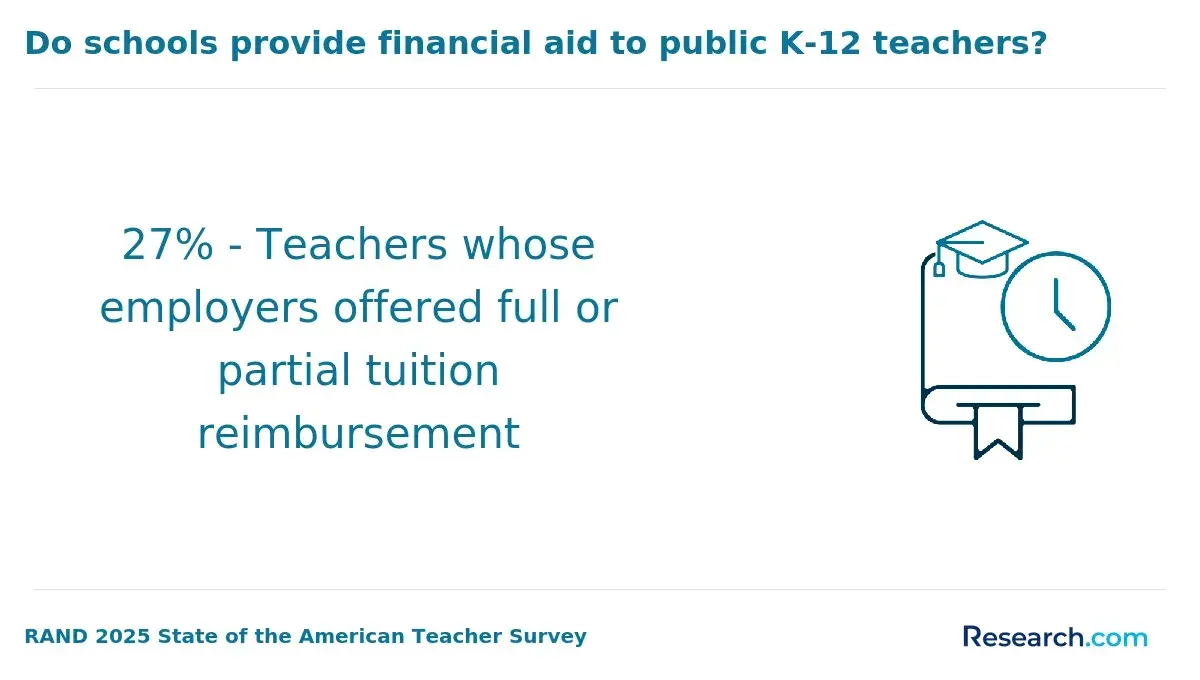
Education majors may qualify for federal aid, loans, grants, scholarships, fellowships, and institutional awards. The best strategy is to complete required aid applications early, compare grant and scholarship options before borrowing, and understand any service obligations attached to teacher-focused aid.
Federal financial aid programs
- TEACH Grants: The TEACH Grant provides yearly grants of up to $4,000 for students completing or planning to complete coursework required for a teaching career. This grant comes with a service obligation. If the obligation is not fulfilled, the grant converts into a loan that must be repaid with interest.
- Federal Pell Grants: Federal Pell Grants are generally awarded to undergraduate students with exceptional financial need who have not earned a bachelor’s, graduate, or professional degree. In some cases, students in postbaccalaureate teacher certification programs may also receive a Federal Pell Grant.
- Stafford Loans: Federal Stafford Loans, also known as Direct Loans, provide education funding for eligible students. They may be subsidized or unsubsidized. Eligibility is generally limited to students enrolled at least part-time at a school participating in the Direct Loan Program.
- PLUS and Graduate PLUS Loans: PLUS Loans can help cover remaining costs after other aid. Parent PLUS Loans are available to parents of dependent undergraduates, while Grad PLUS Loans are available to graduate and professional students. Borrowers may borrow up to the cost of attendance minus other aid received, but they do not have to borrow the maximum amount. Both loans have an interest rate of 7.6%, and there is an additional borrowing fee of almost 4% each time.
Private scholarships for education majors
- The James Madison Memorial Fellowship Foundation: The foundation awards $24,000 James Madison Graduate Fellowships to individuals preparing to become outstanding secondary school teachers of the American Constitution. Candidates compete against applicants from their legal state of residency, and the foundation aims to award one fellowship per state each year, depending on available funding.
- The National Council of Teachers in Mathematics Prospective 712 Secondary Teacher Scholarship: Awards of about $1,500 to $24,000 are available to support prospective and current mathematics educators working to improve mathematics teaching and learning.
- The PDK Educational Foundation Scholarship: The PDK Educational Foundation Scholarship Program awards scholarships each year to eligible individuals across PDK International membership levels. Awards may be one-time or renewable and range from $500 to $5,000.
- The AFCEA Educational Foundation STEM Teacher Graduate Scholarship: Students pursuing graduate degrees, certificates, or certifications to teach science, technology, engineering, and mathematics (STEM) in U.S. schools may qualify for $2,500 AFCEA Educational Foundation awards. Contributions from ManTech International and AFCEA International help fund these scholarships.
Jobs you can pursue with an education degree
An education degree can lead to classroom teaching, student support, academic coaching, school operations, curriculum work, and information services. Some roles require state licensure, while others depend on employer requirements, graduate credentials, or specialized certification.
| Role | Typical responsibilities | Important requirements to check |
| Elementary school instructors | Teach grades 1 to 8, plan lessons, assess student progress, manage classrooms, and communicate with families and administrators | State elementary education licensure; by 2034, there will be 91,000 annual new openings for elementary teachers and 40,500 for middle school teachers |
| School counselors | Support students with academic, social, personal, and emotional concerns through individual or group services | Graduate counseling preparation, supervised experience, and state credential rules |
| School administrators | Oversee school operations, staff, safety, compliance, instruction, and organizational goals | Teaching experience, graduate study, administrative licensure, or leadership certification may be required |
| Literacy coaches | Help teachers improve literacy instruction through observation, feedback, professional development, and model lessons | Teaching experience, literacy expertise, and sometimes reading specialist certification |
| School librarians | Manage library or media center resources and help students and staff use information effectively | Library science, education credentials, or state school librarian requirements |
| Tutors | Help learners understand concepts, complete assignments, prepare for assessments, and build study skills | Subject expertise, teaching experience, or employer-specific requirements |
Why advanced certifications can matter
Advanced certifications can help educators document specialized expertise, qualify for additional responsibilities, or move into focused instructional roles. Their value depends on the credential, state or district recognition, and how closely it aligns with an educator’s goals.
- Deeper specialization: Certifications in areas such as special education, literacy, instructional technology, or leadership can strengthen practice in a defined area.
- Stronger job positioning: Schools with specific staffing needs may prefer candidates who already hold relevant endorsements or advanced credentials.
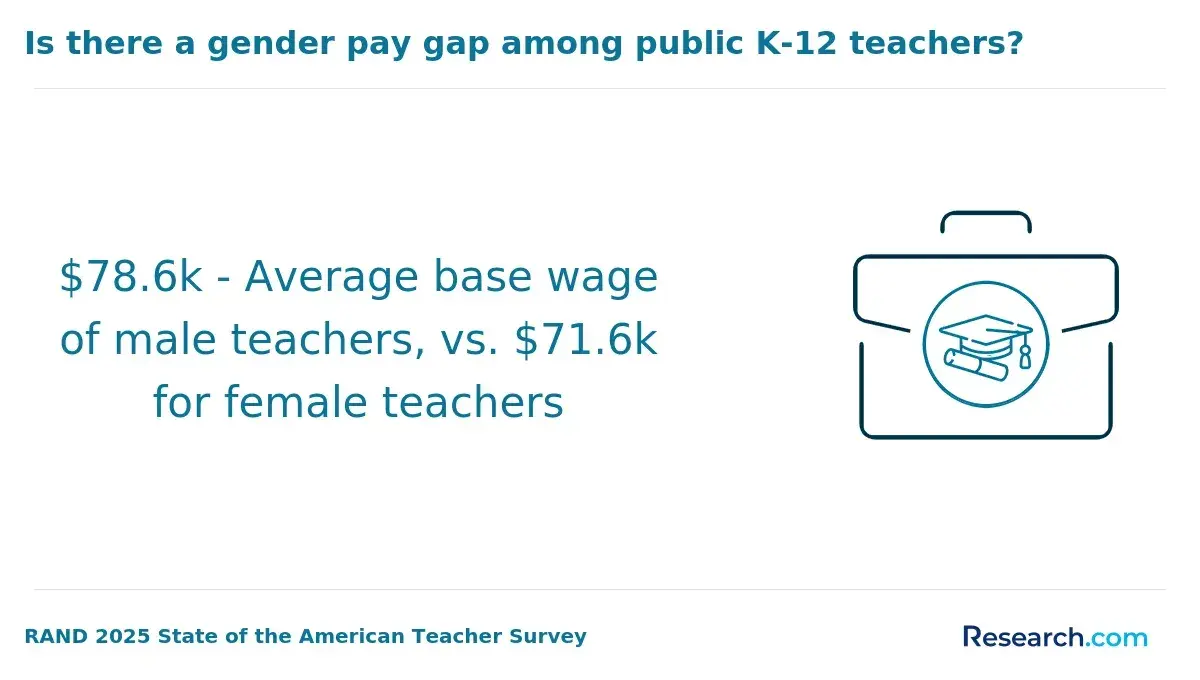
- Possible salary benefits: Some districts offer stipends, salary-lane movement, or pay increases for approved credentials, though policies vary.
- Leadership access: Certain credentials can support movement into roles such as instructional coach, curriculum specialist, department chair, or administrator.
- Continuing professional growth: Certification coursework can help educators stay current with teaching methods, learning technologies, assessment practices, and student support strategies.
Career growth through advanced education degrees
Advanced education degrees can help educators move from direct classroom instruction into leadership, policy, curriculum, research, counseling, or specialized support. A master’s degree may support advancement into instructional coaching, reading specialization, ESL, special education, or school counseling. A doctoral degree may prepare experienced professionals for district administration, higher education leadership, education consulting, or applied research.
A Doctorate in Education (Ed.D.) is often structured around leadership, applied research, educational policy, organizational improvement, and strategic decision-making. Educators comparing doctoral options can review the cheapest online EdD programs while also checking accreditation, faculty fit, dissertation or capstone expectations, and whether the program supports their intended leadership path.
Current trends in education degree programs
Education degree programs are changing as schools respond to technology, teacher workforce needs, student diversity, and demand for flexible learning. Students choosing a program in 2026 should look for evidence that the curriculum reflects current classroom realities rather than outdated assumptions.
More online and hybrid options
Online education programs have expanded access for working adults, rural students, caregivers, and career changers. However, online students should remember that clinical experiences, practicums, and student teaching may still require in-person placements. Cost-conscious students interested in early childhood education can compare options such as the cheapest online master's degree in early childhood education.
More specialized tracks and micro-credentials
Programs increasingly offer focused tracks in areas such as special education, STEM education, ESL, early childhood education, educational leadership, and instructional technology. Shorter credentials and endorsements can also help educators build targeted skills without committing immediately to another full degree.
Greater emphasis on educational technology
Future educators are expected to understand digital classrooms, learning management systems, online assessment, accessibility tools, and AI-supported learning environments. Strong programs teach not only how to use technology but also when technology improves learning and when it may create equity, privacy, or engagement concerns.
Continued focus on practical experience
Fieldwork remains central to teacher preparation. Internships, practicum placements, classroom observations, and student teaching help candidates connect theory with actual learner needs. Students should prioritize programs that provide clear placement support, strong mentor supervision, and preparation for certification exams.
Common mistakes to avoid when choosing an education degree
| Mistake | Better approach |
| Choosing a program before checking state licensure rules | Start with the state education agency requirements for your target role and work backward. |
| Comparing only tuition | Calculate total cost, including fees, books, housing, transportation, exams, background checks, and lost income during fieldwork. |
| Assuming every online program leads to certification | Ask whether the program is state-approved and whether it supports student teaching in your location. |
| Ignoring accreditation | Confirm institutional accreditation and any relevant programmatic accreditation before applying. |
| Choosing a specialization too broadly | Select a track that matches the grade level, subject, learner population, or leadership role you want. |
| Relying only on rankings or marketing claims | Review curriculum, field placement support, transfer policy, licensure exam preparation, and graduate outcomes. |
Key Insights
- An education degree is a pathway, not a single credential. The right choice depends on whether you want classroom licensure, a support role, specialization, administration, or research.
- A bachelor’s degree is the typical starting point for licensed teaching, while master’s and doctoral degrees are more often used for specialization, leadership, or advancement.
- State licensure rules should guide your program search. Always confirm that a program meets requirements in the state where you plan to teach.
- Specialization affects both coursework and career options. ESL, special education, early childhood education, school counseling, and educational leadership can lead to very different requirements.
- Cost comparisons should include more than tuition. Books, supplies, housing, fieldwork, certification exams, and reduced work hours can change the real price of the degree.
- Online education degrees can be flexible, but they may still require in-person clinical placements or student teaching.
- Financial aid, scholarships, TEACH Grants, and lower-cost online options can improve affordability, but students should understand service obligations and borrowing terms before accepting aid.
- The strongest programs combine accreditation, licensure alignment, meaningful field experience, strong advising, and clear preparation for the specific role you want.
References:
- Hanson, M. (2025, October 27). Cost of online education vs. traditional education. Education Data Initiative. https://educationdata.org/cost-of-online-education-vs-traditional-education
- Ma, J., Pender, M., & Hu, X. (2025). Trends in College Pricing and Student Aid 2025. College Board. https://research.collegeboard.org/media/pdf/Trends-in-College-Pricing-and-Student-Aid-2025-final_2.pdf
- National Center for Education Statistics. (n.d.). Sources of financial aid. Retrieved from https://nces.ed.gov/programs/coe/indicator/cuc
- National Center for Education Statistics. (n.d.). Teacher qualifications. Retrieved from https://nces.ed.gov/fastfacts/display.asp?id=58
- National Student Clearinghouse Research Center. (2026, January 15). Final Fall Enrollment Trends. https://nscresearchcenter.org/final-fall-enrollment-trends
- Steiner, E. D., Levine, P. R., Doan, S., & Woo, A. (2025). Teacher WellBeing, Pay, and Intentions to Leave in 2025. RAND. https://www.rand.org/pubs/research_reports/RRA1108-16.html
- U.S. Bureau of Labor Statistics. (2025, August 28). Occupational projections, 2024–2034, and worker characteristics. Retrieved February 2026, from https://www.bls.gov/emp/tables/occupational-projections-and-characteristics.htm
Other Things You Should Know About Education Degree Types
Most education degree programs require a supervised student-teaching placement of 12 to 16 weeks in a K-12 classroom. Candidates usually need junior- or senior-level standing, a minimum GPA around 2.75 to 3.0, and a background check before placement.
For 2027 education degree admissions, common standardized tests include the SAT or ACT for undergraduates and the GRE for graduate programs. These tests assess skills necessary for success in college and are often required across various institutions.
In 2027, students pursuing education degrees can access financial aid through federal grants like the Pell Grant, student loans, scholarships specific to education majors, and state-funded programs. Eligibility may depend on financial need, academic performance, and enrollment status.
Different types of education degrees cater to various career goals within the field of education by offering specialized curricula tailored to specific roles. For instance, a Bachelor's in Elementary Education prepares students to teach young children, focusing on foundational skills and child development. A Master's in Educational Leadership is designed for those aiming for administrative positions, emphasizing leadership, policy, and management. Special education degrees equip graduates to work with students with diverse learning needs, incorporating training in adaptive teaching methods. Degrees in curriculum and instruction are ideal for those interested in developing educational materials and programs. Each degree type aligns with distinct career paths, ensuring targeted preparation and expertise.