
2027 Best Business Schools in California – Accredited Colleges & Programs

Co-Founder and Chief Data Scientist
Choosing a business school in California is not just a rankings question. It is a decision about cost, career access, learning format, specialization, admissions competitiveness, and whether the program’s network matches the industry you want to enter. California’s higher education system serves a robust 3 million student enrollment, and the state’s $4.3 trillion GDP supports major hiring markets in technology, finance, healthcare, entertainment, logistics, energy, real estate, and entrepreneurship.
This guide is for students comparing undergraduate business degrees, MBA programs, and specialized graduate business programs in California. It explains what to expect from a business program, how online and campus formats compare, what costs and admissions factors to review, which schools stand out, and how to connect a business degree to realistic career options.
Quick answer: Is a California business degree worth considering?
A business degree in California can be a strong option if you want access to large employer networks, internships, alumni connections, and industries concentrated in the state. The value depends on the school’s accreditation, total cost after aid, location, specialization, career services, and whether the program fits your career target. Business and financial occupations have a median annual wage of $80,920, while business-related roles in California can range from around $72,250 to $84,180 annually, with entry-level roles around $52,437 and experienced workers reaching up to $139,640.
What are the benefits of getting a degree in business?
- Career flexibility: Business graduates can move into management, marketing, accounting, finance, operations, analytics, human resources, entrepreneurship, and consulting.
- Strong wage potential: The median annual wage for business and financial occupations is $80,920, though actual pay varies by role, experience, industry, location, and degree level.
- Flexible study options: Online business programs can help working adults earn a credential while managing employment, family responsibilities, or relocation limits.
What can I expect from a business degree in California?
Business programs in California usually combine core business foundations with electives or concentrations tied to the state’s major industries. Students commonly study accounting, finance, marketing, management, business law, operations, analytics, economics, strategy, and organizational leadership. Graduate programs, especially MBA programs, often add case studies, team projects, consulting assignments, leadership labs, internships, capstones, and employer networking events.
Admissions can be highly competitive at top-ranked schools, especially selective MBA programs with small cohorts, strong alumni networks, and close ties to Silicon Valley, Los Angeles, Orange County, San Diego, and Bay Area employers. Less selective public universities and online programs may offer broader access, lower costs, evening classes, or part-time enrollment for working professionals.
Where can I work with a business degree in California?
California business graduates can work across technology, healthcare, entertainment, finance, real estate, public agencies, nonprofits, manufacturing, logistics, energy, and startups. Common roles include business analyst, marketing specialist, financial analyst, operations coordinator, project manager, human resources specialist, sales manager, product manager, accountant, entrepreneur, and business development associate.
Your best-fit career path depends on your concentration. Finance and accounting students may pursue banking, corporate finance, auditing, or financial planning. Marketing students may move into brand strategy, digital campaigns, market research, or product marketing. Analytics-focused students may target business intelligence, operations analytics, or data-driven strategy roles.
How much can I make with a business degree in California?
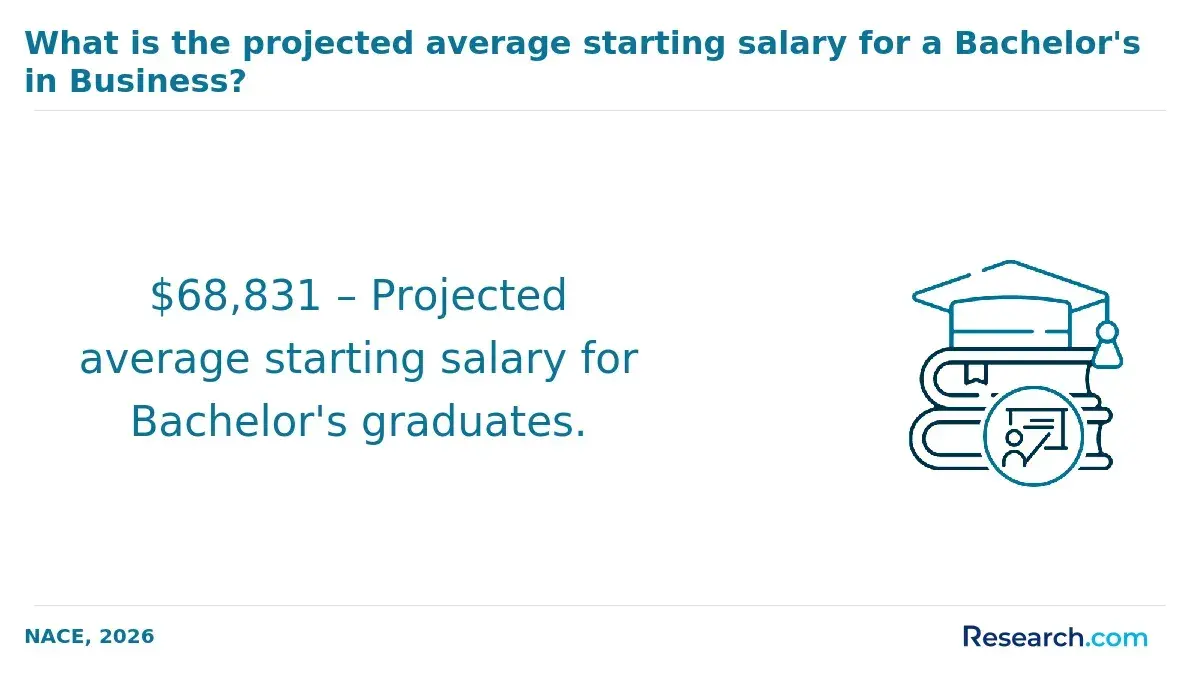
Business-related occupations in California can earn around $72,250 to $84,180 annually. Entry-level positions will naturally start lower, around $52,437, while experienced workers can reach up to $139,640. Salaries differ significantly by specialization: financial management generally pays more than many human resources roles, while analytics, product, consulting, and executive-track positions may offer higher earning potential for experienced professionals.
- 2027 best business schools in California
- Benefits of attending business school in California
- How long California business programs take
- Online vs. on-campus business programs in California
- Average cost of a California business program
- Financial aid for California business students
- Business program prerequisites and admissions factors
- Common business courses in California programs
- Business specializations available in California
- Certifications that can strengthen a business degree
- How to choose the best California business school for you
- Healthcare and business career combinations
- Online MBA programs for career advancement
- Business and psychology career combinations
- International exposure in business careers
- Business degrees and healthcare-adjacent careers
- Professional certifications for long-term growth
- Business degrees and legal career transitions
- Business skills in investigative careers
- Business careers in the pharmaceutical sector
- Other career options for business graduates
- Career paths for California business graduates
- Business degrees and social impact careers
- Extracurricular activities for business students
- California job market for business graduates
- Tips for succeeding in a business degree program
2027 List of the Best Business Schools in California
The best business school is not automatically the most famous one. Students should compare academic quality, accreditation, cost, graduation outcomes, admissions selectivity, location, curriculum, employer access, and career support. Research.com reviewed California business schools using verified education datasets and school-level indicators to help students make a more informed comparison.
How do we rank schools?
Research.com uses established data sources to evaluate schools rather than relying only on reputation. The ranking process considers factors such as tuition, graduation rates, acceptance rates, and available institutional data. Sources used in the review include:
- Integrated Postsecondary Education Data System (IPEDS database)
- Peterson’s database, including the Distance Learning Licensed Data Set
- College Scorecard database
- National Center for Education Statistics
California business schools at a glance
| School | Program Length | Concentration or Track | Cost Information | Required Credits | Accreditation |
| Stanford University | 2 years | Business Management | $1,224 per credit | 90 | Association to Advance Collegiate Schools of Business |
| University of California Berkeley | 1-2 years | Business Administration | $3,708 per credit | 51 | Association to Advance Collegiate Schools of Business |
| San Francisco State University | 2 years | Business Administration | $3,841 per credit | 57 | Association to Advance Collegiate Schools of Business |
| University of California Irvine | 2 years | Entrepreneurship, Real Estate, and Digital Transformation | $459 per credit | 92 | Association to Advance Collegiate Schools of Business |
| University of Southern California | 2 years | Business Management | $2,307 per credit | 63 | Association to Advance Collegiate Schools of Business |
| Santa Clara University | 2 years | Business administration | $1,277 per year | 100 | Association to Advance Collegiate Schools of Business |
| Chapman University | 21months | Business administration | $1,790 per credit | 50 | Western Association of Schools and Colleges |
| Pepperdine University | 2 years | Business administration | $2,030 per credit | 55 | Association to Advance Collegiate Schools of Business |
| Claremont Graduate University | 2 years | Business administration | $2,020 per credit | 48 | Association to Advance Collegiate Schools of Business |
| California State University-Bakersfield | 2 years | Business management | $1,665 per credit | 36 | Association to Advance Collegiate Schools of Business |
1. Stanford University
Located between San Francisco and San Jose in Silicon Valley, Stanford University is a highly selective MBA option for students seeking an innovation-centered business education. The program uses discussion-based learning, case analysis, seminars, mock interviews, collaborative projects, and leadership development to prepare students for high-impact business roles.
- Program Length: 2 years
- Tracks/Concentrations: Business Management
- Cost per credit: $1,224
- Required Credits to Graduate: 90
- Accreditation: Association to Advance Collegiate Schools of Business
2. University of California Berkeley
The Haas School of Business at the University of California Berkeley emphasizes leadership, evidence-based decision-making, collaboration, and independent thinking. Its MBA culture is known for encouraging students to challenge assumptions, build confidence, and connect business decisions to broader organizational and social impact.
- Program Length: 1-2 years
- Tracks/Concentrations: Business Administration
- Cost per credit: $3,708
- Required Credits to Graduate: 51
- Accreditation: Association to Advance Collegiate Schools of Business
3. San Francisco State University
San Francisco State University offers an MBA program with attention to sustainable business practices, corporate responsibility, applied learning, and Bay Area business issues. Its diverse faculty and collaborative classroom model can appeal to students who want a practical program connected to regional employers.
- Program Length: 2 years
- Tracks/Concentrations: Business Administration
- Cost per credit: $3,841
- Required Credits to Graduate: 57
- Accreditation: Association to Advance Collegiate Schools of Business
4. University of California Irvine
The University of California Irvine, founded in 1965 in Orange County, prepares students for a digitally driven business environment. The program emphasizes analytical thinking, problem-solving, collaboration, and access to alumni networks such as the Dean’s Leadership Circle and regional chapters.
- Program Length: 2 years
- Tracks/Concentrations: Entrepreneurship, Real Estate, and Digital Transformation
- Cost per credit: $459
- Required Credits to Graduate: 92
- Accreditation: Association to Advance Collegiate Schools of Business
5. University of Southern California
The University of Southern California Marshall School of Business offers a full-time MBA designed for students preparing for leadership, research-informed decision-making, and managerial responsibilities. USC’s alumni network spans accounting, real estate, marketing, technology, finance, and entrepreneurship.
- Program Length: 2 years
- Tracks/Concentrations: Business Management
- Cost per credit: $2,307
- Required Credits to Graduate: 63
- Accreditation: Association to Advance Collegiate Schools of Business
6. Santa Clara University
Santa Clara University offers an MBA experience shaped by its Silicon Valley location. Students can build leadership skills while engaging with a regional economy known for technology, entrepreneurship, innovation, and venture activity.
- Program Length: 2 years
- Tracks/Concentrations: Business administration
- Cost per year: $1,277
- Required Credits to Graduate: 100
- Accreditation: Association to Advance Collegiate Schools of Business
7. Chapman University
The Argyros College of Business and Economics at Chapman University provides a 21-month MBA with a personalized format and eight different specializations. This structure can be useful for students who want a focused graduate business experience aligned with a specific career direction.
- Program Length: 21months
- Tracks/Concentrations: Business administration
- Cost per credit: $1,790
- Required Credits to Graduate: 50
- Accreditation: Western Association of Schools and Colleges
8. Pepperdine University
Pepperdine University offers a full-time MBA built around small classes, faculty interaction, experiential learning, and ethical and sustainable business practice. Its global community model may appeal to students who value close peer collaboration and values-based leadership.
- Program Length: 2 years
- Tracks/Concentrations: Business administration
- Cost per credit: $2,030
- Required Credits to Graduate: 55
- Accreditation: Association to Advance Collegiate Schools of Business
9. Claremont Graduate University
Claremont Graduate University offers a STEM-designated MBA that blends business fundamentals with technology, analytics, and applied problem-solving. The program can be a fit for students interested in using data and technology to guide strategy, operations, and organizational decision-making.
- Program Length: 2 years
- Tracks/Concentrations: Business administration
- Cost per credit: $2,020
- Required Credits to Graduate: 48
- Accreditation: Association to Advance Collegiate Schools of Business
10. California State University-Bakersfield
The MBA at California State University-Bakersfield is designed for students and working professionals who need practical scheduling options. The program offers night, weekend, and online classes and regularly reviews its curriculum to keep coursework relevant to changing business needs.
- Program Length: 2 years
- Tracks/Concentrations: Business management
- Cost per credit: $1,665
- Required Credits to Graduate: 36
- Accreditation: Association to Advance Collegiate Schools of Business
Key Findings
- The median annual wage for business and financial occupations is $80,920.
- California's GDP is estimated to be around $4.3 trillion in 2025.
- The total yearly tuition and fees for an undergraduate degree at a public four-year school in California are $24,015 for in-state students and $34,398 for out-of-state students.
- Approximately 44 business programs in California are accredited by the Association to Advance Collegiate Schools of Business (AACSB) or another accrediting body.
- A traditional, full-time MBA and master’s degree in specialized business fields take one to two years to finish.
What are the benefits of attending a business school in California?
California can be a strong place to study business because students are close to major employers, startup networks, venture-backed companies, global brands, public agencies, and fast-growing regional industries. The advantage is not automatic, however. Students must actively use internships, career services, alumni networks, student organizations, and local events to turn location into career value.
| Benefit | Why it matters | Best fit for |
| Access to major industries | California has large markets in technology, entertainment, healthcare, finance, logistics, real estate, and energy. | Students targeting industry-specific internships or post-graduation roles. |
| Networking potential | Classmates, alumni, faculty, recruiters, and guest speakers can become long-term career contacts. | MBA students, career switchers, entrepreneurs, and students seeking competitive roles. |
| Entrepreneurial environment | Programs near Silicon Valley and other innovation hubs may provide startup exposure and venture connections. | Students interested in entrepreneurship, product, innovation, or venture-backed companies. |
| Specialized curriculum | Many schools offer focused tracks in finance, analytics, entrepreneurship, real estate, digital transformation, and healthcare management. | Students who already know the business function or industry they want. |
| Flexible formats | Part-time, evening, hybrid, and online options can help working adults continue employment while studying. | Professionals comparing campus programs with online MBA no GMAT options. |
How long does it take to complete a business program in California?
Program length depends on the credential, enrollment pace, transfer credits, and whether the student attends full time or part time. A bachelor’s degree in business generally takes two to four years, depending on prior credits and program structure. A traditional, full-time MBA and master’s degree in specialized business fields take one to two years to finish. Some programs also offer weekday evening classes and specializations in Business Analytics, International Business, and Supply Chain.
| Program Type | Typical Time Commitment | Who It Usually Serves |
| Bachelor’s in business | Two to four years | First-time college students and transfer students preparing for entry-level business careers. |
| Full-time MBA | One to two years | Students seeking career acceleration, leadership roles, or a structured graduate business experience. |
| Specialized master’s degree | One to two years | Students focused on fields such as analytics, finance, management, international business, or supply chain. |
| Part-time or evening program | Varies by course load | Working professionals who need to keep their jobs while studying. |
How does an online business program in California compare to an on-campus program?
Online and on-campus business programs can both be credible when the school is properly accredited and the curriculum supports your career goal. The better choice depends on your schedule, learning style, need for networking, budget, and access to internships or employer events.
| Factor | Online Business Program | On-Campus Business Program |
| Schedule | Often more flexible and easier to combine with work. | More structured, with set class meetings and campus activities. |
| Networking | Requires more intentional effort through virtual events, group projects, and alumni outreach. | Usually stronger for in-person recruiting, clubs, guest speakers, and peer relationships. |
| Cost considerations | May reduce commuting or relocation costs, though tuition varies by school. | Can include higher living, transportation, and campus-related expenses. |
| Learning style | Works best for self-directed students with strong time-management habits. | Works well for students who prefer face-to-face discussion and regular classroom structure. |
| Career access | Can be effective if the program has strong online career services and employer partnerships. | May offer easier access to local internships, recruiting events, and campus-based networking. |
Students comparing flexible programs should review curriculum quality, accreditation, career support, faculty access, and employer outcomes rather than choosing only by convenience. Some students also research lower-cost online options, including pages that discuss the cheapest online executive mba programs, but program relevance should always come before price alone.
What is the average cost of a business program in California?
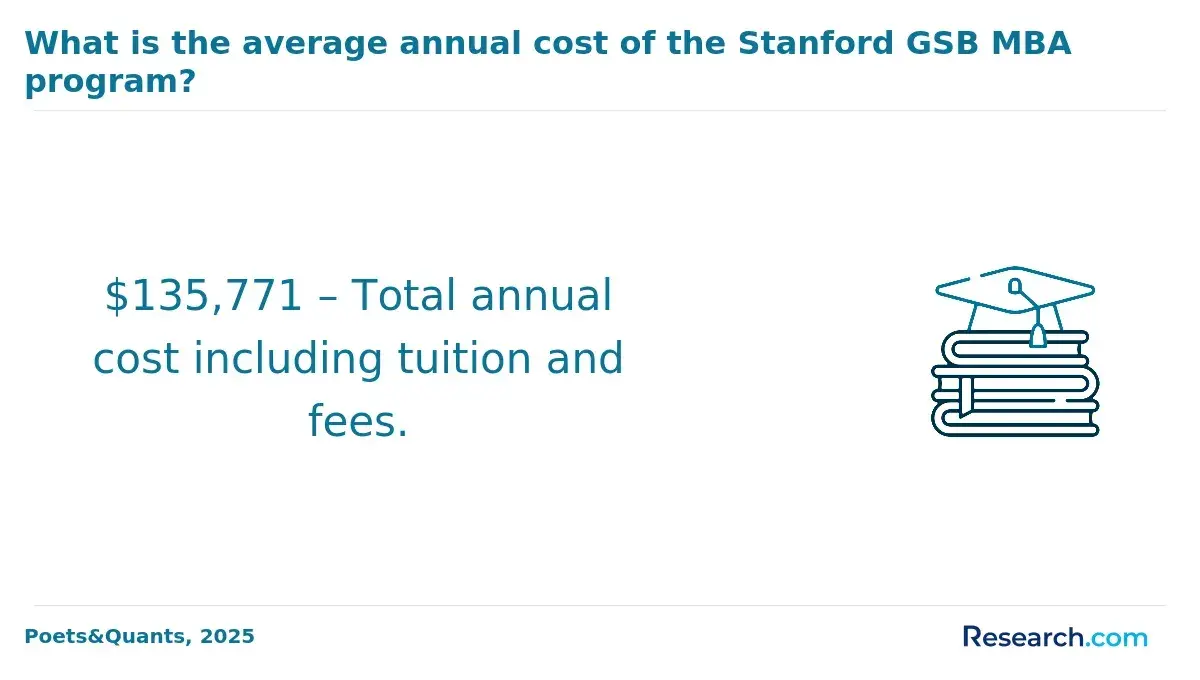
Business degree costs in California vary widely by institution type, residency, credential level, delivery format, and financial aid. Public four-year universities typically range from $24,015 for in-state students to $34,398 for out-of-state students, while private four-year schools can reach up to $53,680. Public two-year colleges can be much lower, with yearly costs as low as $1,285. Research on California business schools found that, after financial aid, some budget-friendly options start around $15,000 for undergraduate programs and $30,000 for MBA programs.
Do not compare tuition alone. Add fees, books, technology charges, transportation, housing, lost wages, internship travel, health insurance, and loan interest. For MBA programs, also consider opportunity cost if you leave full-time work.
What are the financial aid options for students enrolling in a business program in California?
California business students may be able to combine school scholarships, state aid, federal aid, employer tuition assistance, graduate assistantships, private scholarships, and payment plans. Availability depends on the school, degree level, citizenship or residency status, academic record, financial need, and enrollment status.
- Merit-based scholarships: These awards usually consider GPA, test scores, leadership, academic history, professional accomplishments, or admissions strength. Competitive business schools may use merit aid to attract high-performing applicants.
- Need-based scholarships and grants: Students with financial need may qualify for institutional aid or state-funded grants such as the Cal Grant program for eligible programs at public institutions.
- Program-specific scholarships: Some awards support students pursuing entrepreneurship, healthcare management, finance, analytics, accounting, or an MBA specialization.
- Employer support: Working professionals should ask whether their employer offers tuition reimbursement, professional development funds, or sponsorship for job-relevant graduate study.
- Federal student aid: Eligible students should complete the FAFSA and compare grants, loans, and work-study options before accepting a financial aid package.
What are the prerequisites for enrolling in a business program in California?
Admission requirements differ for undergraduate business programs, transfer pathways, specialized master’s degrees, and MBA programs. Undergraduate programs may focus on GPA, general education preparation, math readiness, and transfer coursework. Graduate business programs may review a bachelor’s degree, work experience, resume, essays, recommendations, quantitative readiness, interview performance, and sometimes standardized test scores.
- General education courses: Many California colleges require coursework in English, math, social sciences, humanities, and natural sciences before or during a business major.
- Minimum GPA: Each school sets its own GPA standards for admission, transfer, progression into the major, or graduate enrollment.
- Transfer credits: Students with prior college coursework should ask how credits transfer, whether business prerequisites apply, and how transfer policies affect graduation timelines.
- Program-specific prerequisites: Some business concentrations require additional preparation. For example, accounting, analytics, finance, and information systems may require stronger quantitative coursework.
- Degree variation: Business programs differ by credential type and academic focus. Students comparing business administration options can review how specialization programs within business may vary.
The table below shows selected acceptance rate and graduation rate information that students may consider when comparing California business schools. These figures should be reviewed alongside cost, curriculum, accreditation, career placement, and program fit.
| School | Institution Type | Graduation Rate | Acceptance Rate | Class Size |
| USC Marshall Business School | Private nonprofit, 3- and 4-year programs | 92% | 16% | Up to 441 |
| University of California, Berkeley | Public, 4-year program | 91% | 17% | 291 |
| Stanford Graduate School of Business | Private, nonprofit | 94.2% | 6.1% | 400 |
| UCI Paul Merage School of Business | Public | N/A | ~20% | 51 |
| San Francisco State University | Public 4-year | 55% | 82% | 22 |
What courses are typically in a business program in California?
Most business programs begin with broad foundations and then let students specialize. A typical curriculum may include accounting, economics, finance, marketing, management, business law, statistics, organizational behavior, operations, strategy, leadership, entrepreneurship, and business communication. California programs may also offer applied coursework connected to technology, entertainment, healthcare, real estate, sustainability, and analytics.
- Information Technology Management: Covers the management of technology resources, systems, infrastructure, vendors, cybersecurity priorities, and IT projects.
- Business Analytics: Trains students to gather, analyze, interpret, and communicate data that supports business decisions.
- FinTech: Combines finance and technology, including digital payments, blockchain applications, financial platforms, and technology-enabled investment services.
- Sports Management: Focuses on the business side of teams, leagues, venues, events, sponsorships, marketing, and media.
- Entertainment Management: Addresses business issues in film, television, music, streaming, production, talent management, and entertainment marketing.
- Healthcare Management: Prepares students to work with hospitals, health systems, insurers, clinics, and healthcare operations.
What types of specializations are available in a business program in California?
California schools offer broad business administration degrees as well as focused tracks for students with specific goals. Students comparing a highly competitive MBA degree should look closely at whether the program’s concentration, recruiting network, and alumni base match their target industry.
| Specialization | What You Study | Possible Career Direction |
| Finance | Financial analysis, investment management, risk management, and corporate finance. | Investment banking, commercial banking, financial planning, corporate finance. |
| Marketing | Consumer behavior, branding, market research, digital marketing, and campaign strategy. | Marketing management, product marketing, advertising, social media marketing. |
| Accounting | Financial accounting, auditing, tax regulations, cost accounting, and reporting. | CPA preparation, corporate accounting, tax roles, audit positions. |
| Management | Leadership, organizational behavior, human resources, operations, and project management. | General management, operations, human resources, team leadership. |
| Business Analytics | Data analysis, dashboards, business intelligence, statistics, and decision modeling. | Business analyst, data analyst, strategy analyst, operations analyst. |
| Entrepreneurship | Venture creation, innovation, startup finance, product-market fit, and growth strategy. | Founder, startup operator, venture roles, innovation teams. |
What certifications can enhance your business education in California?
Certifications can make a business degree more targeted, especially when a student wants to prove job-ready skills in accounting, finance, analytics, project management, or digital marketing. The right credential depends on the role you want, not simply on which certification is most recognizable.
- Certified Public Accountant: Useful for students pursuing accounting, audit, tax, corporate accounting, or finance roles. Students can review how to become a CPA in California to understand education, exam, and licensing steps.
- Project Management Professional: Helpful for professionals moving into project leadership, operations, consulting, implementation, or cross-functional management.
- Chartered Financial Analyst: Relevant for students targeting investment management, portfolio analysis, equity research, or advanced finance roles.
- Google Analytics Individual Qualification: Useful for students focused on digital marketing, web analytics, campaign measurement, and customer behavior analysis.
How to choose the best business school in California?
The best California business school for you is the one that produces the strongest fit across career outcomes, cost, academic focus, admissions realism, and learning format. A prestigious school may be worthwhile for some students, but a lower-cost accredited program with strong local employer connections may be the smarter choice for others.
| Question to Ask | Why It Matters | What to Look For |
| Is the school properly accredited? | Accreditation affects quality assurance, credit transfer, employer confidence, and sometimes financial aid. | Approximately 44 business programs in California are accredited by the Association to Advance Collegiate Schools of Business (AACSB) or another accrediting body. |
| Does the specialization match my goal? | A finance, analytics, marketing, or entrepreneurship track can shape internship and job options. | Courses, faculty expertise, employer partnerships, and capstone projects in your target area. |
| What is the total cost after aid? | Sticker price can be misleading if scholarships, fees, living costs, and lost wages are ignored. | Net price, grants, assistantships, employer tuition support, and loan repayment impact. |
| How strong are career services? | Internships, resume help, job fairs, interview preparation, and alumni access can affect outcomes. | Dedicated business career advisors, employer events, placement support, and alumni mentoring. |
| Are admissions requirements realistic? | Competitive programs require planning and backup options. | Deadlines, essays, recommendations, work experience, test policies, and flexible application deadlines for business schools. |
Current trends affecting business students in California
Business education is changing quickly. Employers increasingly expect graduates to understand analytics, artificial intelligence tools, digital transformation, remote collaboration, cybersecurity risk, sustainability, and cross-functional leadership. These trends do not replace core business fundamentals, but they do raise the bar for students entering competitive roles.
- AI and automation: Students should learn how AI tools affect marketing, finance, analytics, operations, recruiting, customer service, and decision-making. Human judgment, ethics, communication, and problem framing remain important.
- Data-driven management: Employers often prefer candidates who can use data to support recommendations, not just describe business concepts.
- Credential stacking: Degrees, certificates, internships, portfolios, and professional certifications can work together to show both academic preparation and applied skill.
- Flexible learning demand: More working adults are comparing online, hybrid, evening, and accelerated formats to reduce career disruption.
- Cost and ROI scrutiny: Students are paying closer attention to net cost, debt, employer outcomes, and whether a degree supports a specific career move.
Common mistakes when choosing a California business school
| Mistake | Why It Can Hurt You | Better Approach |
| Choosing only by ranking | A highly ranked program may not match your budget, location, specialization, or career target. | Use rankings as one input, then compare cost, outcomes, curriculum, and fit. |
| Ignoring accreditation | Accreditation can affect academic quality, credit transfer, aid eligibility, and employer perception. | Verify institutional and business-school accreditation before applying. |
| Looking only at tuition | Fees, housing, transportation, books, and loan interest can change the real cost. | Calculate total cost of attendance and expected net price after aid. |
| Assuming online means easier | Online programs require self-discipline, consistent scheduling, and independent communication. | Ask about live sessions, faculty access, advising, workload, and online career services. |
| Choosing a specialization too late | Delayed planning can lead to missed internships, prerequisites, or recruiting cycles. | Map your target roles early and choose electives, clubs, and internships accordingly. |
| Assuming salary outcomes are guaranteed | Pay depends on role, employer, geography, experience, performance, and market conditions. | Review school career reports carefully and compare outcomes for your intended field. |
How can integrating healthcare expertise enhance my business career?
Business skills can translate well into healthcare management, wellness companies, insurance operations, health technology, supply chain management, and patient services administration. California’s health and wellness economy rewards professionals who understand operations, finance, service delivery, compliance, and consumer behavior. Students interested in nutrition, wellness entrepreneurship, or food-related ventures may also review how to become a nutritionist in California to understand a complementary health-focused pathway.
Are online MBA programs a strategic choice for advancing your business career?
Online MBA programs can be a practical choice for working professionals who need flexibility and want to continue earning while studying. They are most effective when the program is accredited, career services are accessible to online students, faculty engagement is strong, and the curriculum includes applied projects. Students comparing value-focused options can review online MBA programs that emphasize affordability and flexibility.
How can combining business and psychology enhance your career prospects?
Psychology and business overlap in marketing, leadership, organizational development, human resources, negotiation, consumer behavior, behavioral finance, and user experience research. Students who want to understand decision-making, motivation, team dynamics, and customer behavior may benefit from interdisciplinary study. For related academic options, explore the best colleges for psychology in California.
How can international exposure influence my business career?
International experience can strengthen cultural awareness, market analysis, communication, negotiation, and global strategy skills. This can matter for students interested in multinational companies, import-export operations, global finance, consulting, international marketing, or supply chain management. Students exploring global roles can use the guide to international business careers to compare possible paths.
Can a Business Degree Open Doors to Interdisciplinary Careers in Healthcare?
A business degree can support healthcare-adjacent roles in clinic operations, healthcare administration, community health programs, wellness organizations, and nonprofit service management. Students who want to combine business operations with direct human services may also examine how to become a licensed substance abuse counselor in California to understand a regulated care-focused pathway.
How can professional certifications drive long-term career growth in California?
Professional certifications can help business graduates signal specialized competence, especially in fields with technical standards or regulatory expectations. Accounting is one example where credentials can influence advancement. Students interested in finance or accounting roles can review how to become a CPA in California for a clearer view of education and licensing requirements.
Can a Business Degree Support a Transition Into Legal Careers?
Business training can be useful in legal operations, compliance, contract administration, risk management, corporate governance, and regulatory affairs. Graduates who want an entry point into legal support work may explore how to become a paralegal in California and consider pairing business knowledge with legal research and documentation skills.
How can a business degree support investigative career opportunities in California?
Business graduates with strong analytical skills may move toward fraud analysis, forensic accounting support, compliance reviews, internal audit, insurance investigation, or risk assessment. These roles require careful documentation, pattern recognition, financial reasoning, and ethical judgment. Students interested in more science-based investigative pathways can review forensic scientist education requirements in California.
How can business expertise drive success in the pharmaceutical sector?
Pharmaceutical and healthcare organizations need professionals who can manage budgets, supply chains, market access, operations, compliance processes, and product strategy. A business graduate does not become a pharmacist through a business degree alone, but understanding pharmacist licensure requirements in California can help students see how business roles connect to regulated healthcare environments.
What other career paths can I consider with a background in business?
Business graduates are not limited to corporate roles. They may work in public policy, nonprofit leadership, sustainability, economic development, real estate, city operations, and planning-related organizations. Students interested in development, land use, infrastructure, or public-sector strategy can review urban planning schools in California to understand another interdisciplinary route.
What career paths are available for graduates of a business program in California?
California offers many types of business careers, but students should connect their coursework to specific roles early. A general business degree can be valuable, yet employers often look for evidence of applied skills through internships, projects, software tools, certifications, and specialization.
- Technology: Business graduates may pursue product management, marketing, operations, finance, sales strategy, customer success, or business analytics roles in technology firms.
- Entertainment: Students with a degree in business can pursue careers in film, television, music, streaming, talent management, production finance, and entertainment marketing.
- Finance: California employers hire for financial analysis, banking, wealth management, corporate finance, investment support, and risk-related roles.
- Healthcare: Business graduates can work in healthcare administration, insurance operations, health technology, revenue cycle, project management, and service operations.
- Energy and sustainability: Clean energy, renewable energy, efficiency, and sustainability organizations may need business talent in finance, project management, operations, and marketing.
- Entrepreneurship: California’s startup ecosystem can support students interested in founding companies, joining early-stage teams, or working in venture-backed growth roles.
Can a Business Degree Facilitate a Transition to Social Impact Careers?
Business training can be valuable in nonprofit management, social enterprise, philanthropy, public programs, community development, and mission-driven consulting. Skills in budgeting, operations, fundraising, analytics, communication, and strategy can help organizations improve sustainability and reach. Students drawn to direct community service can also review how to become a social worker in California to compare business-adjacent and licensed helping-profession pathways.
What extracurricular activities can enhance your business education in California?
Extracurriculars can be as important as coursework because they help students build experience, relationships, and proof of skills. Choose activities that match your target role rather than joining clubs randomly.
- Business clubs: Finance, consulting, entrepreneurship, marketing, analytics, and investment clubs can connect students to peers, alumni, and employers.
- Case competitions: These events strengthen problem-solving, teamwork, presentation, and strategic thinking under pressure.
- Internships and co-ops: Applied work experience helps students test career interests, build resumes, and develop employer references.
- Community service: Volunteer leadership can demonstrate management, communication, budgeting, and event-planning skills.
- Industry events: Conferences, startup events, finance forums, technology meetups, and alumni panels can expose students to hiring trends and professional contacts.
- Applied projects: Consulting projects, capstones, analytics dashboards, business plans, and market research portfolios can give employers concrete evidence of ability.
What is the job market for graduates with a business degree in California?
The job market for business graduates in California is broad, but competition can be intense for top employers and high-paying roles. Business majors in California can earn $92,766 per year. MBA graduates at Standford University can earn an average base salary of $142,000, which can increase to $202,000 including signing and performance bonuses. These figures show the potential upside of business education, but individual outcomes depend on school, work experience, industry, location, networking, internships, and performance.
Students should review each school’s career reports, employer lists, internship support, alumni outcomes, and job placement resources. For MBA applicants, prior work experience and post-MBA career goals are especially important when estimating return on investment.
What tips can help you succeed in a business degree program?
- Start with a career hypothesis: You do not need to know your final job on day one, but you should identify two or three target roles so you can choose the right electives and internships.
- Build quantitative confidence: Finance, analytics, accounting, economics, and operations courses often reward students who are comfortable with numbers and spreadsheets.
- Use career services early: Do not wait until graduation. Attend resume workshops, employer sessions, mock interviews, and alumni events in your first year.
- Document your projects: Keep examples of presentations, dashboards, market research, financial models, business plans, and consulting work where appropriate.
- Network with purpose: Build relationships with classmates, professors, alumni, recruiters, and internship supervisors before you need a job referral.
- Compare degree difficulty and fit honestly: If you want a manageable path aligned with your strengths, review easiest business degree options, but do not choose only by perceived ease.
- Stay organized: Use a calendar or project-management tool to track exams, assignments, recruiting deadlines, group projects, and application dates.
- Get practical experience: Internships, part-time work, consulting projects, and campus leadership roles can make classroom learning more credible to employers.
Key Insights
- California is a strong business education market because its schools are connected to major industries, but the best choice depends on fit, not reputation alone.
- Accreditation, total cost after aid, career services, specialization, and employer access should carry more weight than rankings by themselves.
- Business-related roles in California can offer solid earning potential, but salaries are not guaranteed and vary by role, experience, industry, and school network.
- Online business programs can be worthwhile for working professionals, but students should verify accreditation, faculty access, career support, and networking opportunities.
- Specialization matters. Finance, accounting, analytics, marketing, management, entrepreneurship, healthcare management, and technology-focused tracks can lead to very different outcomes.
- Students improve ROI by combining the degree with internships, certifications, applied projects, alumni networking, and a clear career plan.
Related Articles for Nearby States
- 2027 Best Business Schools in Nevada – Accredited Colleges & Programs
- 2027 Best Business Schools in Oregon – Accredited Colleges & Programs
- 2027 Best Business Schools in Arizona – Accredited Colleges & Programs
- 2027 Best Business Schools in Idaho – Accredited Colleges & Programs
- 2027 Best Business Schools in Utah – Accredited Colleges & Programs
- 2027 Best Business Schools in Washington – Accredited Colleges & Programs
- 2027 Best Business Schools in New Mexico – Accredited Colleges & Programs
- 2027 Best Business Schools in Colorado – Accredited Colleges & Programs
- 2027 Best Business Schools in Montana – Accredited Colleges & Programs
- 2027 Best Business Schools in Wyoming – Accredited Colleges & Programs
References:
- AdmissionSight. (2024, July 1). The Best Colleges For Business In California. https://admissionsight.com/the-best-colleges-for-business-in-california/
- BLS. (2025, August 28). Management Occupations. https://www.bls.gov/ooh/management/home.htm
- Federal Reserve Bank of St. Louis (2026, January 23). Gross Domestic Product: All Industry Total in California (CANQGSP). https://fred.stlouisfed.org/series/CANQGSP
- Inspira Futures. (2024, March 20). Top 10 Business Schools In California. https://www.inspirafutures.com/blog/top-10-business-schools-in-california
- National Center for Education Statistics (2024). Average undergraduate tuition, fees, room, and board charges for full-time students in degree-granting postsecondary institutions, by control and level of institution and state. https://nces.ed.gov/programs/digest/d23/tables/dt23_330.20.asp
Other Things You Should Know About the Best Business Schools in California?
Look for AACSB accreditation first; it is the most widely recognized business-school standard in the United States. Some California programs also hold regional accreditation from WSCUC, the Western Association of Schools and Colleges Senior College and University Commission, which supports credit transfer and graduate study eligibility.
Yes, top business schools in California offer various scholarships in 2027, including merit-based awards and need-based aid. Notable options include the Haas Merit Scholarship at UC Berkeley and the Knight-Hennessy Scholars program at Stanford, designed to reduce financial barriers for qualified students.


