
2027 Most Affordable Online Bachelor's in Sports Management Degree Programs

Co-Founder and Chief Data Scientist
Choosing an online bachelor’s degree in sports management is really a career and ROI decision: you are deciding whether a flexible business-focused degree can help you move into team operations, athletics administration, sports marketing, facility management, recreation, analytics, or related roles without putting your life on hold. The right program can give you useful business training and access to internships or projects; the wrong one can leave you with debt, weak employer connections, or credits that do not transfer.
This guide explains what online sports management programs teach, how long they take, what they cost, how online and campus formats compare, which programs appear in our current list, and what career paths may be available after graduation. It also covers financial aid, admissions requirements, specializations, practical experience, employer perceptions, and mistakes to avoid before enrolling.
Quick answer: Is an online sports management degree worth considering?
An online bachelor’s degree in sports management can be a practical option if you want a flexible path into the business side of sports and recreation. Most bachelor’s programs take about four years and require 120 credits, though transfer credits, part-time study, summer courses, and accelerated formats can change the timeline. Graduates may work for sports teams, college athletic departments, event companies, recreation organizations, sports marketing agencies, fitness businesses, or related employers. Salary depends heavily on the role, location, employer, and experience; sports managers earn around $62,661 annually, while some related management roles report higher earnings.
What are the main benefits of earning an online bachelor’s degree in sports management?
- Flexible scheduling: Online coursework can make it easier to study while working, caring for family, coaching, or managing other commitments.
- Potential cost savings: Many online students avoid relocation, campus housing, and daily commuting costs, though tuition and fees still vary widely by school.
- Career relevance: Programs usually combine business, marketing, finance, law, leadership, and sports industry coursework.
- Accessible career preparation: Students can often complete assignments online while arranging internships, volunteer work, or field experience near where they live.
- Earning potential varies by path: The salary for those working in sports management can earn an average of $62,661 annually.
What can I expect from an online sports management degree program?
An online sports management degree typically blends general business education with courses focused on the sports industry. Students usually study marketing, finance, management, ethics, facility operations, event planning, sports law, and leadership. The goal is to prepare graduates to understand both how sports organizations operate and how business decisions affect teams, athletes, fans, sponsors, venues, and communities.
The online format usually includes recorded or live lectures, discussion boards, digital assignments, team projects, case studies, exams, and sometimes internship or capstone requirements. Students should expect regular deadlines even when courses are asynchronous. The flexibility is real, but online learning still requires planning, self-direction, and consistent communication with instructors and classmates.
Where can I work with an online degree in sports management?
Graduates can pursue roles across the sports, recreation, fitness, entertainment, and business sectors. Common employers include professional and amateur sports teams, athletic departments, sports marketing agencies, event management firms, recreation centers, fitness organizations, sports media companies, public agencies, and nonprofit youth or community sports programs.
Typical work settings include front offices, athletics departments, stadiums and arenas, recreation facilities, tournament operations, marketing departments, sponsorship teams, and data or business operations units. Some graduates also move into adjacent areas such as athlete representation, sports technology, esports, community programming, or facility management.
How much can I make with an online degree in sports management?
Pay depends on the job title, employer, location, level of responsibility, and prior experience. Entry-level positions, such as coaches and scouts can earn around $46,000 annually. Higher-level roles can pay more: promotions and marketing managers can earn around $157,000 per year. Sports managers earn around $62,661 annually.
It is important not to treat any salary figure as guaranteed. Sports is a competitive field, and many graduates start in assistant, coordinator, sales, operations, coaching, or internship-based roles before advancing into management. Your earnings may improve if you build practical experience, develop strong business skills, specialize in an in-demand area such as analytics or sponsorship, and work in a market with a large sports economy.
- 2027 List of the Best Online Sports Management Programs
- How long does it take to complete an online sports management program?
- How does an online sports management program compare to an on-campus program?
- What is the average cost of an online sports management program?
- What are the financial aid options for students enrolling in an online sports management program?
- What are the prerequisites for enrolling in an online sports management degree program?
- What courses are typically in an online sports management program?
- How can online sports management students gain practical experience?
- What types of specializations are available in an online sports management program?
- How do I choose the best online sports management program?
- What career paths are available for graduates of online sports management degree programs?
- Is integrating sports psychology essential for effective sports management?
- What is the job market for graduates with an online degree in sports management?
- Is an online sports management degree a sound investment?
- How do online sports management programs keep pace with industry trends?
- What advanced career opportunities can you explore with an online sports management degree?
- Is earning a doctoral degree in sports management beneficial for long-term career advancement?
- What skills can you develop through an online sports management degree program?
- Can online certificate programs enhance your sports management credentials?
- How do online sports management programs build industry connections?
- Are online sports management degrees respected by employers?
- Is an online associate degree a viable option for launching a career in sports management?
- Can accelerated degree options fast-track my sports management career?
- Should I pursue an advanced degree to further my sports management career?
2027 List of the Best Online Sports Management Programs
How do we rank schools?
Research.com ranks programs to help students compare online options using consistent academic, affordability, and institutional information. Our process follows the Research.com methodology and draws on established education data sources, including:
- IPEDS database
- Peterson's database, including their Distance Learning Licensed Data Set
- College Scorecard database
- National Center for Education Statistics
Rankings should be a starting point, not the only deciding factor. Before enrolling, confirm current tuition, fees, accreditation, transfer rules, internship expectations, and whether the program supports your target career path.
| School | Program focus | Program length | Credits | Cost per credit/tuition | Accreditation |
| American Public University | Online BS in sports management covering sports finance, marketing, law, facility operations, public relations, and event management at professional, collegiate, and amateur levels. | Four Years | 120 | $350 | Commission on Sport Management Accreditation (COSMA) |
| Post University | BS in Sports Management with business-oriented coursework in sports administration, economics, events, communication, societal sports, and global sports perspectives. | Four Years | 120 | $629 | New England Commission of Higher Education (NECHE) |
| Columbia Southern University | Online BSBA with a concentration in sports management for students who want a business administration foundation connected to sports teams, arenas, communication, and leadership. | Four Years | 120 | $270 | Southern Association of Colleges and Schools Commission on Colleges (SACSCOC) |
| Bellevue University | BA in sport management emphasizing leadership, communication, accounting for athletic organizations, sports merchandising, media, event marketing, and an optional BS path with applied statistics. | Four Years | 127 | $449 | Higher Learning Commission (HLC) |
| Shorter University | BBA in sports management combining business principles with sport management, marketing, event planning, athletic administration, legal issues, economics, internships, and applied experiences. | Four Years | 120 | $396 | COSMA |
| Missouri Baptist University | Online bachelor’s degree in sports management designed for students interested in sports administration, broadcasting, public relations, program facilitation, and business administration. | Four Years | 120 | $521 | HLC |
| Davenport University | Online BBA in sports management focused on accounting, marketing, economics, finance, statistics, global sports, facility management, advertising, events, and sports governance. | Four Years | 120 | $658 | HLC - North Central Association of Colleges and Schools (NCA) |
| University of Minnesota at Crookston | Online bachelor’s degree in sports and recreation management with active learning, technology-supported coursework, and business training in marketing, management, and finance. | Four Years | 120 | $448 | COSMA |
| University of Florida Online | BS in Sports Management covering management, finance, law, operations, facility design and management, social issues in sports, sports marketing, business law, and entrepreneurship. | Four Years | 120 | $130 (in-state online), $553 (out-of-state online). | SACSCOC |
| Southern New Hampshire University | 100% online sports management degree with coursework in sports business, economics, management principles, social responsibility, and 18 free elective credits. | Four Years | 120 | $330 | NECHE |
How long does it take to complete an online sports management program?
Most online bachelor’s programs in sports management take about four years and require 120 credit hours. The actual timeline depends on how many courses you take each term, whether you enroll full time or part time, how many transfer credits the school accepts, and whether the program offers summer or year-round enrollment.
| Student situation | Typical impact on timeline | What to confirm before enrolling |
| First-time full-time student | Often about four years for a 120-credit bachelor’s degree. | Course sequence, internship requirements, and whether all required courses are offered online. |
| Part-time working student | Completion may take longer because fewer credits are taken each term. | Maximum time to degree, course availability, and advising support. |
| Transfer student | Timeline may be shorter if prior credits apply to general education, electives, or major requirements. | Transfer credit limits, residency requirements, and whether old credits expire. |
| Accelerated student | Some students may finish faster through condensed terms, summer courses, or year-round study. | Workload expectations and whether acceleration affects internship scheduling. |
How does an online sports management program compare to an on-campus program?
Online and campus sports management programs can cover similar academic content, but the learning experience differs. The better format depends on your schedule, need for structure, budget, learning style, and access to local sports organizations.
| Factor | Online sports management program | On-campus sports management program |
| Flexibility | Best for students who need to balance school with work, coaching, caregiving, travel, or military obligations. | Best for students who prefer fixed class times and a structured campus routine. |
| Networking | Requires intentional effort through virtual events, LinkedIn, faculty outreach, internships, and local sports organizations. | Offers more spontaneous interaction through campus events, athletics departments, clubs, and in-person faculty access. |
| Practical experience | Students may need to arrange internships locally or remotely, although many programs provide support. | Students may have easier access to campus athletics, university events, and local employer relationships. |
| Costs | Can reduce housing and commuting expenses, but tuition and fees vary by institution. | May involve additional costs for relocation, transportation, campus fees, and housing. |
| Best fit | Self-directed learners who can manage deadlines without daily face-to-face accountability. | Students who learn best through in-person discussion, campus activities, and direct supervision. |
Students comparing sports-related degrees may also look at an affordable online exercise science degree if they are more interested in health, performance, fitness, or applied movement science than the business side of sports.
What is the average cost of an online sports management program?
The cost of an online sports management program depends on tuition rate, number of credits, fees, residency status, transfer credits, books, technology requirements, and internship-related expenses. Based on programs in this guide, examples include an online BS in sports management program at Post University costing $75,480, an online BA in sports management at Bellevue University costing $57,023, the BSBA in sports management at CSU costing $32,400, and a BBA in sports management at Shorter University costing $47,520.
Do not compare programs by tuition alone. Ask for a full cost estimate that includes fees, required materials, graduation fees, online learning charges, and any costs tied to internships, background checks, travel, or software.
What are the financial aid options for students enrolling in an online sports management program?
Online sports management students may be eligible for several forms of aid, but eligibility depends on the school, enrollment status, degree level, citizenship or residency status, academic progress, and aid rules. Start with the school’s financial aid office before assuming a program qualifies.
- Federal financial aid: Eligible students can submit the Free Application for Federal Student Aid (FAFSA) to be considered for grants, loans, and work-study. Grants such as the Pell Grant do not have to be repaid, while federal loans must be repaid under the terms of the loan.
- Scholarships: Schools, foundations, sports organizations, community groups, and private donors may offer awards based on academic performance, financial need, leadership, athletics involvement, community service, or career goals.
- Institutional aid: Colleges may provide grants, scholarships, payment plans, tuition discounts, or awards for online learners. Ask whether online students receive the same institutional aid as campus students.
- Private student loans: Private loans may help close funding gaps, but they often have different rates, protections, and repayment terms than federal loans. Compare carefully before borrowing.
- Military and veteran benefits: Active-duty service members, veterans, and eligible family members may qualify for GI Bill or other education benefits. Aid rules can also apply across other online programs, including an online Christian counseling master's degree program.
- Employer tuition assistance: Students already working for schools, recreation departments, fitness companies, or sports organizations should ask whether their employer reimburses tuition or supports professional development.
What are the prerequisites for enrolling in an online sports management degree program?
Admissions requirements vary by institution, but online bachelor’s programs in sports management commonly ask for basic undergraduate admission materials. Transfer applicants may need additional documentation.
- High school diploma or equivalent: Applicants generally need a high school diploma or GED. Some schools may expect a minimum GPA, often around 2.0-3.0, depending on the program.
- Transcripts: Schools typically require official high school and college transcripts to verify prior coursework and determine transfer credit eligibility.
- Standardized test scores: Some colleges may request SAT or ACT scores, though online and adult-focused programs often waive this requirement or make it optional.
- Personal statement or essay: Some programs ask applicants to explain their interest in sports management, career goals, and readiness for online study.
- Prerequisite coursework: A few programs may prefer or require prior coursework in business, economics, management, or math, though many bachelor’s programs include these subjects in the first year.
- Technology access: Students need a reliable computer, stable internet connection, and the ability to use learning management systems, video platforms, spreadsheets, and basic digital collaboration tools.
If you are drawn to sports but want a more technical or creative path, an online game design degree may be a better fit for careers involving sports simulations, interactive media, or game development.
What courses are typically in an online sports management program?
Sports management programs usually begin with business fundamentals and then add courses specific to sport organizations, events, facilities, athletes, fans, sponsors, and legal issues.
| Course area | What students usually learn | Why it matters |
| Introduction to Sports Management | Industry structure, common employers, career paths, governing bodies, and basic management principles. | Helps students understand how teams, leagues, events, venues, and recreation organizations operate. |
| Leadership and Management in Sports | Personnel management, motivation, communication, decision-making, and organizational leadership. | Useful for coaching support, athletics administration, operations, and program leadership. Students seeking deeper communication training may also compare the cheapest master's in counseling options. |
| Sports Marketing | Branding, sponsorships, ticket sales, fan engagement, digital campaigns, promotions, and social media. | Prepares students for roles that connect sports organizations with fans, partners, and revenue opportunities. |
| Sports Law and Ethics | Contracts, liability, intellectual property, compliance, athlete welfare, and ethical decision-making. | Sports organizations operate in a highly visible environment where legal and ethical errors can be costly. |
| Sports Finance and Economics | Budgeting, revenue generation, financial planning, economic forces, and resource allocation. | Supports roles in operations, administration, facility management, and executive decision support. |
| Sports Analytics | Data interpretation, performance metrics, business analytics, market trends, and decision tools. | Analytics is increasingly relevant in player evaluation, fan engagement, operations, and business strategy. |
| Event and Facility Management | Venue operations, logistics, safety, scheduling, staffing, crowd management, and event execution. | Essential for students who want to work with tournaments, arenas, stadiums, recreation facilities, or live events. |
How can online sports management students gain practical experience?
Experience matters in sports management because many employers want proof that you can handle events, communicate with stakeholders, manage logistics, and work under pressure. Online students should plan early for internships, volunteer roles, part-time work, seasonal jobs, campus athletics support, youth sports administration, recreation programming, or remote projects.
Good online programs help students connect coursework to real sports settings through internships, capstones, simulations, employer-sponsored projects, virtual networking events, guest speakers, and faculty guidance. Before enrolling, ask whether the school helps online students find local internships or whether students are expected to secure placements on their own.
If you are comparing institutions for online student support, accreditation, and flexible delivery, Research.com’s guide to the top 10 online colleges can help you think through broader school-quality factors.
What types of specializations are available in an online sports management program?
Specializations allow students to aim their degree toward a specific part of the sports industry. Not every school offers concentrations, so review the curriculum instead of relying only on the program title. Students comparing sport-adjacent paths may also look at an affordable exercise science degree if their interests are more health, performance, or fitness oriented.
- Sports marketing and promotion: Focuses on branding, sponsorships, advertising, public relations, ticketing, digital marketing, and fan engagement. According to the BLS, around 1.2 million are employed in advertising, promotions, and sales management.
- Sports event and facility management: Covers tournament planning, venue operations, scheduling, risk management, staffing, crowd control, and safety procedures.
- Athletic administration: Prepares students for work in school, college, amateur, or professional athletics departments, including compliance, budgeting, program management, and leadership.
- Sports analytics: Teaches students to use data to support player evaluation, business strategy, market analysis, operations, and performance-related decisions.
- Esports management: Applies management, media, event, sponsorship, and digital community skills to competitive gaming. Students interested in creative media careers can also explore what to do with an animation degree.
- Sports psychology: Examines motivation, athlete behavior, team culture, performance improvement, and mental resilience. This is useful for coaching, athlete development, and leadership support, though clinical mental health roles may require separate graduate training and licensure.
How do I choose the best online sports management program?
The best online sports management program is the one that fits your career target, budget, schedule, learning style, and need for hands-on experience. Use rankings as a shortlist, then verify the details that affect outcomes.
| Selection factor | What to check | Why it matters |
| Accreditation | Confirm institutional accreditation and, when relevant, sport management accreditation through the Commission on Sport Management Accreditation (COSMA). | Accreditation affects quality assurance, credit transfer, graduate school options, financial aid eligibility, and employer confidence. |
| Curriculum | Review required courses, electives, concentration options, capstones, and internship expectations. | A program focused on marketing may not be ideal if your goal is analytics, athletics administration, or facility operations. |
| Practical experience | Ask how online students secure internships, projects, and employer contacts. | Sports employers often value experience as much as classroom knowledge. |
| Faculty background | Look for instructors with academic preparation and real sports industry experience. | Faculty networks and practical examples can improve learning and career preparation. |
| Total cost | Compare tuition, fees, books, technology costs, transfer credits, aid, and time to completion. | A lower tuition rate may not be the cheapest option if fewer credits transfer or extra fees are high. |
| Student support | Check advising, tutoring, career services, internship support, library access, and technical help. | Online learners need accessible support without having to visit campus. |
| Employer alignment | Look for partnerships, alumni outcomes, guest speakers, and career placement support. | Industry connection can help students compete in a relationship-driven field. |
What career paths are available for graduates of online sports management degree programs?
Sports management graduates can pursue business, operations, marketing, administrative, event, and analytics roles. Some positions may require additional experience, graduate education, certifications, licensure, or sport-specific expertise.
| Career path | Common responsibilities | Helpful preparation |
| Sports marketing manager | Develop campaigns, manage sponsorships, promote teams or events, oversee brand partnerships, and analyze fan engagement. | Marketing coursework, internships, digital media skills, sales experience, and portfolio projects. |
| Athletic director | Oversee athletic programs, budgets, coaches, compliance, facilities, scheduling, and student-athlete or participant support. | Sports administration experience, leadership training, budgeting skills, and sometimes graduate education. Students comparing public-sector leadership routes may review the cheapest online MPA programs. |
| Event and facility manager | Plan events, coordinate staff and vendors, manage venue operations, handle safety procedures, and improve guest experience. | Event internships, operations coursework, customer service experience, and risk management knowledge. |
| Sports agent | Represent athletes, support contract negotiations, coordinate endorsements, manage communications, and protect client interests. | Negotiation skills, legal and business knowledge, relationship-building ability, and industry experience. |
| Community and recreation manager | Run local sports programs, manage facilities, supervise staff, coordinate schedules, and support community engagement. | Program management, public service experience, budgeting, and volunteer or recreation work. |
| Sports data analyst | Analyze performance data, business trends, ticketing information, fan behavior, and operational metrics. | Analytics coursework, spreadsheet and visualization skills, statistics, and possibly graduate study through programs such as the cheapest data science masters in USA colleges. |
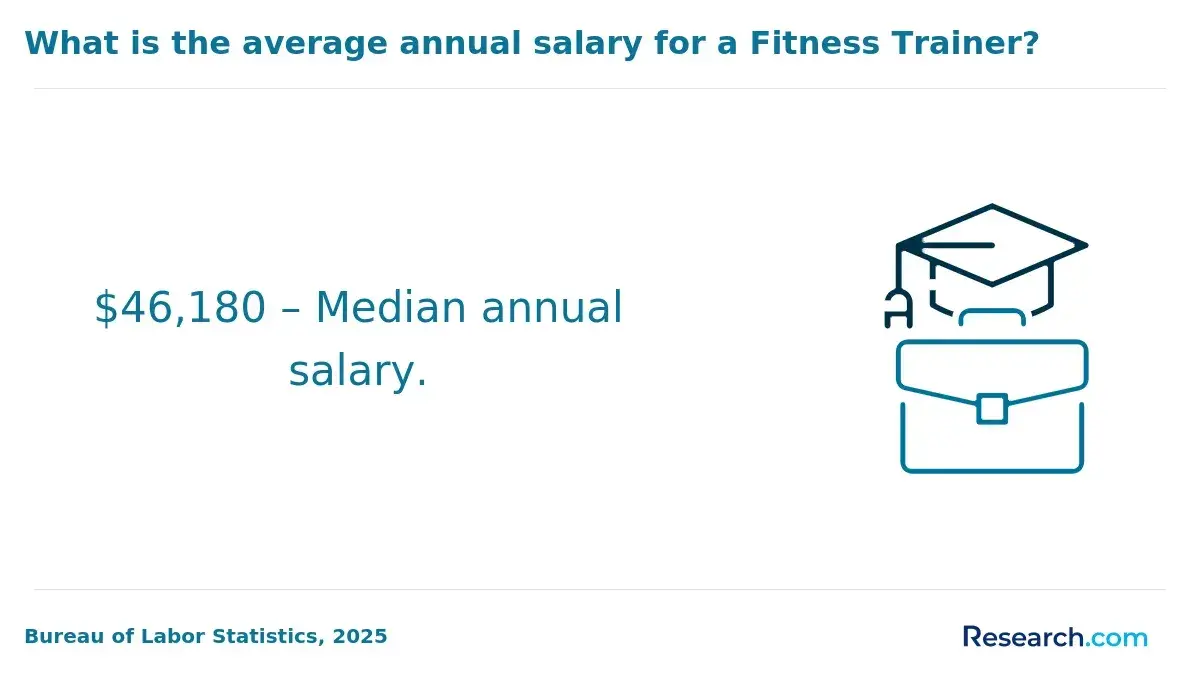
Beyond sports manager roles earning around $62,661, related careers can have different salary profiles. Coaches and scouts, who recruit and train amateur or professional athletes, can earn $45,910. Advertising, promotions, and marketing management roles can earn around $144,530. Financial managers for athletes can earn around $156,100. Project management specialists for sports teams can earn around $98,580. For a broader salary and career overview, see Research.com’s guide to sports management degree salary.
Students interested in combining sports, software, simulation, and fan engagement can also explore game dev careers, especially if they want to work on sports games, training tools, analytics platforms, or interactive media products.
Is integrating sports psychology essential for effective sports management?
Sports psychology is not required for every sports management job, but it can strengthen leadership, coaching support, team culture, athlete development, and conflict resolution. Managers who understand motivation, communication, resilience, pressure, and group behavior may be better prepared to support athletes, coaches, staff, and organizational performance.
However, students should distinguish between applying sports psychology concepts in management and becoming a licensed mental health professional. Specialized roles may require graduate education, supervised experience, and licensure depending on the state and job duties. If you are evaluating that path, review career and pay information for sports psychologist salary.
What is the job market for graduates with an online degree in sports management?
The sports management job market offers varied opportunities but can be competitive, especially for high-profile team, league, agency, and professional sports roles. Graduates may find openings in college athletics, professional teams, recreation departments, fitness organizations, public relations, marketing, media, facilities, and event operations.
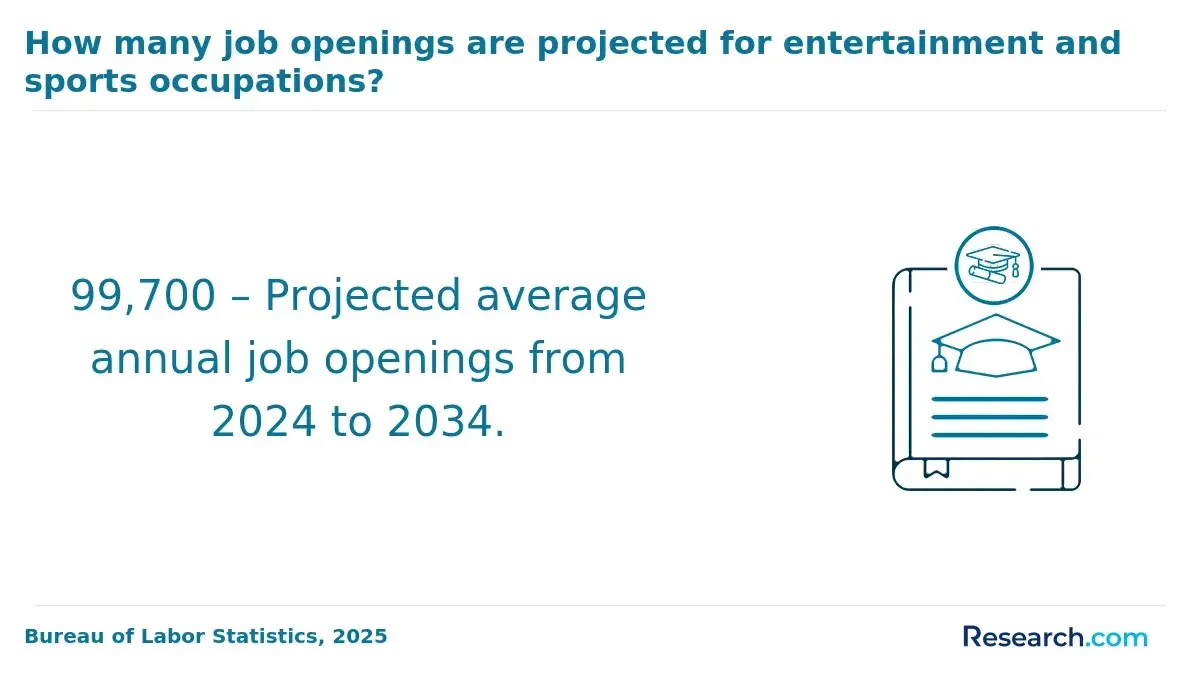
The demand for advertising, promotions, and marketing managers is expected to grow by 5.2% through 2034. The demand for coaches and scouts in the sports industry is expected to increase by nine percent. The projected employment growth rate for athletic trainers is 11% through 2034. These figures point to opportunities in related areas, but individual outcomes depend on experience, location, networking, internships, and the specific role pursued.
Is an online sports management degree a sound investment?
An online sports management degree can be a sound investment when the program is accredited, affordable for your situation, aligned with your career goal, and strong in practical experience. It is a weaker investment if you enroll mainly because you love sports but do not want to build business, communication, sales, finance, operations, or data skills.
To evaluate ROI, compare total program cost against realistic entry-level roles, your current income, available aid, transfer credit, graduation timeline, and local internship options. Also review graduation rates, job placement information where available, employer partnerships, alumni paths, and career services. Students focused on reducing cost can compare broader options among the best inexpensive online colleges.
What are the fastest online sports management degree options?
Students who want to finish faster should look for programs with generous transfer policies, multiple start dates, year-round courses, summer enrollment, condensed five- or eight-week classes, and clear degree maps. Some students complete bachelor’s programs faster by applying previous college credits or professional experience, though policies differ by school.
Acceleration is not always better. Shorter terms can mean a heavier workload, and internships may be harder to schedule if you are taking several courses at once. Students considering graduate education can also compare affordable options such as the cheapest online master's degree sports management programs.
How do online sports management programs keep pace with industry trends?
Strong online sports management programs update coursework to reflect changes in digital marketing, sports analytics, social media, sponsorship strategy, fan experience, esports, facility technology, compliance, and remote collaboration. Many programs use current case studies, virtual simulations, guest speakers, capstone projects, and employer-informed assignments to connect theory with practice.
Students should ask how often the curriculum is reviewed, whether faculty remain active in the field, and whether online learners can access the same career and networking resources as campus students. For students comparing aid-friendly online institutions, Research.com also explains What online college gives the most financial aid?.
What advanced career opportunities can you explore with an online sports management degree?
With experience, an online sports management degree can support movement into higher-responsibility positions such as operations director, athletics administrator, facility executive, franchise operations leader, sponsorship director, sports analytics consultant, recreation director, or senior event manager. Advancement usually requires more than the degree: employers often look for proven leadership, measurable results, strong industry relationships, and the ability to manage people, budgets, contracts, and strategy.
Career development can continue through graduate programs, certificates, analytics training, management credentials, or specialized education. Professionals changing careers later in life may also compare flexible options such as online college degrees for seniors.
Is earning a doctoral degree in sports management beneficial for long-term career advancement?
A doctoral degree in sports management may be useful for people aiming for academic, research, high-level consulting, or senior policy and leadership roles. It is usually not necessary for most entry-level or mid-level sports business jobs. Before pursuing a doctorate, clarify whether your target role requires it, whether the time and cost make sense, and whether a master’s degree or professional certification would be more efficient.
Students considering doctoral study should compare accreditation, faculty research areas, dissertation or capstone expectations, funding, online residency requirements, and career outcomes. Research.com’s guide to affordable PhD programs online can help with broader doctoral program comparisons.
What skills can you develop through an online sports management degree program?
A strong online sports management program should help students build practical business and leadership skills, not just general knowledge about sports. The most transferable skills include:
- Business and financial judgment: Students learn budgeting, accounting, revenue planning, operations, and financial decision-making for sports organizations.
- Leadership and personnel management: Coursework and projects can develop skills in supervision, motivation, team coordination, communication, and conflict management.
- Marketing and public relations: Students study branding, sponsorship, fan engagement, public communication, social media, and campaign planning. Short credentials in digital marketing or analytics can complement this area; see Research.com’s guide to online certification programs.
- Event and facility operations: Programs may cover scheduling, logistics, safety, compliance, staffing, vendor coordination, and game-day or event execution.
- Legal and ethical awareness: Students learn about contracts, liability, athlete welfare, intellectual property, compliance, and ethical decision-making.
- Analytical problem-solving: Courses in analytics, finance, research, and management help students interpret data and recommend practical solutions.
- Digital collaboration: Online programs require students to communicate clearly, manage projects remotely, use digital platforms, and participate in virtual teams.
Should I pursue an advanced degree to further my sports management career?
An advanced degree may help if you want to move into senior leadership, athletics administration, analytics, research, teaching, or specialized management. It may be less necessary if your immediate goal is an entry-level coordinator, sales, operations, recreation, or event role where experience and networking may matter more.
Before applying, ask employers in your target area whether they prefer a master’s degree, certifications, or direct experience. If you want a faster or less demanding graduate route, compare options carefully using Research.com’s guide to easy masters degrees, but do not choose a program only because it appears simple. Fit, accreditation, cost, and career relevance still matter.
Can online certificate programs enhance your sports management credentials?
Online certificate programs can strengthen a sports management resume when they add a specific skill your degree does not fully cover. Useful areas may include digital marketing, project management, data analytics, facility operations, fundraising, leadership, event planning, esports, or finance. Certificates work best when they are targeted, credible, and connected to the job you want.
Students and professionals comparing short credentials can review Research.com’s guide to online certificate programs.
How do online sports management programs build industry connections?
Because sports careers are relationship-driven, online programs must create networking opportunities intentionally. Strong programs may offer virtual career fairs, alumni panels, guest lectures, mentorship programs, internship support, employer projects, student associations, and connections with professional teams, athletic departments, recreation agencies, or sports businesses.
Ask each school how online students meet employers, how internships are approved, whether faculty have industry contacts, and whether graduates work in roles similar to the one you want. Students still deciding on a major can compare sports management with other options in Research.com’s guide to the best degrees to get in college.
Are online sports management degrees respected by employers?
Employers generally care less about whether the degree was online and more about whether the institution is credible, the program is rigorous, and the graduate can do the work. Accreditation, relevant coursework, internship experience, communication skills, and evidence of practical projects all affect employer perception.
Degrees from institutions that meet recognized academic standards, including regionally accredited online colleges, are typically easier to explain to employers and graduate schools. Still, students should research employer expectations in their region and target role before enrolling.
Is an online associate degree a viable option for launching a career in sports management?
An online associate degree can be a cost-conscious starting point for students who want foundational business and sports coursework before committing to a bachelor’s degree. It may help with entry-level roles in recreation, customer service, event support, fitness operations, or administrative work, but many management roles prefer or require a bachelor’s degree.
The associate route makes the most sense if credits transfer cleanly into a bachelor’s program. Before enrolling, request a written transfer plan. Students looking for lower-cost options can compare the cheapest associate's degree online.
Can accelerated degree options fast-track my sports management career?
Accelerated degree options can shorten the time to completion, especially for motivated students with transfer credits, prior college coursework, or the ability to study year-round. They can be useful for career changers and working adults who need a credential quickly.
The trade-off is intensity. Condensed courses require strong time management, and fast programs may leave less room for internships, networking, or part-time sports work. Advanced accelerated options also exist in other degree categories, including 1 year PhD programs, but students should verify quality, accreditation, workload, and whether the credential fits their professional goal.
Common mistakes to avoid when choosing an online sports management program
- Choosing based only on the word “sports”: A love of sports is not enough. Review whether you want marketing, operations, analytics, administration, coaching support, recreation, or facility work.
- Ignoring accreditation: Always confirm institutional accreditation and whether COSMA accreditation matters for your goals.
- Comparing tuition but not total cost: Fees, books, transfer-credit limits, repeated courses, and internship expenses can change the real price.
- Assuming online means self-paced: Many online courses still have weekly deadlines, group work, exams, and required participation.
- Overlooking internships: Sports employers often value experience, so ask how the program helps online students build it.
- Assuming salaries are guaranteed: Reported salary figures vary by job title, location, employer, and experience. Plan for realistic entry-level roles.
- Relying only on rankings: Rankings help narrow options, but fit, cost, support, curriculum, and outcomes should drive the final decision.
- Not checking transfer policies: Transfer students should get a credit evaluation before enrolling so they know the true timeline and cost.
Questions to ask before enrolling
- Is the institution accredited, and is the sports management program accredited or aligned with recognized industry standards?
- How many credits will I need after transfer credits are evaluated?
- What is the full program cost, including fees, technology, books, and internship expenses?
- Are internships required, optional, virtual, local, or arranged by the student?
- What sports organizations, athletic departments, or employers does the program work with?
- Can online students access the same career services as campus students?
- What concentrations, electives, or certificates match my intended career path?
- What percentage of graduates complete the program and move into related roles?
- How often is the curriculum updated for analytics, esports, digital media, sponsorship, and facility technology?
- Will this degree support graduate school, certification, or advancement if I decide to specialize later?
Key Insights
- An online sports management degree is best for students who want business training connected to sports, not only for students who enjoy watching or playing sports.
- Most bachelor’s programs take about four years and require 120 credits, but transfer credits, part-time study, summer terms, and accelerated formats can change the timeline.
- Program costs vary widely. Examples in this guide range from CSU costing $32,400 to Post University costing $75,480, so students should compare total cost, not just tuition per credit.
- Graduates of online sports management programs can work in sports teams, college athletic departments, sports marketing agencies, event management companies, recreation organizations, and related sectors.
- Entry-level positions, such as coaches and scouts can earn around $46,000 annually, while sports managers earn around $62,661 annually; higher management roles may report larger salaries but usually require experience.
- The job market offers opportunity but is competitive. Internships, networking, project work, and specialized skills in marketing, analytics, operations, or facility management can improve employability.
- Online degrees can be respected by employers when they come from accredited institutions and include rigorous coursework, practical experience, and clear evidence of career-ready skills.
- Before enrolling, confirm accreditation, transfer credit, career support, internship access, total cost, and whether the curriculum matches your specific sports career goal.
References:
- American Public University. (2024). Sports Management. https://www.apu.apus.edu/online-bachelor-degrees/bachelor-of-science-in-sports-management
- Bellevue University. (2024). 2024 / 2025 Academic Year. https://www.bellevue.edu/degrees/bachelor/sport-management-ba
- Columbia Southern University. (2024). Affordable Tuition Rates. https://www.columbiasouthern.edu/tuition-financing/tuition-overview
- Cost Estimator for 2024-2025 – United States Sports University https://ussu.edu/admissions/costs-aid/cost-estimator/
- Coursera. (2025). What Does a Sports Analyst Do? https://www.coursera.org/articles/sports-analyst
- PayScale. (2026). Athletic Director salary in 2026. https://www.payscale.com/research/US/Job=Athletic_Director/Salary
- Post University. (2024). Online Tuition & Fees. https://post.edu/financial-aid/tuition-fees/online
- Shorter University. (2024). Tuition and Fees. https://www.shorter.edu/tuition-and-fees
- U.S. Bureau of Labor Statistics. (2025). Occupational Outlook Handbook: Entertainment and Recreation Managers. https://www.bls.gov/ooh/management/entertainment-and-recreation-managers.htm
- U.S. Bureau of Labor Statistics. (2025). Occupational Outlook Handbook: Fitness Trainers and Instructors. https://www.bls.gov/ooh/personal-care-and-service/fitness-trainers-and-instructors.htm
- ZipRecruiter. (2024). Sport Management Salary. https://www.ziprecruiter.com/Salaries/Sport-Management-Salary
Other Things You Should Know About Online Sports Management Programs
Yes, many online bachelor's in sports management programs in 2027 require internships to provide practical experience. Internship opportunities vary by institution and may include working with sports organizations, marketing firms, or community recreation centers to meet program requirements and complete your degree.
The average duration of online bachelor's in sports management programs in 2027 is typically four years, equivalent to 120–128 credit hours. Some institutions may offer accelerated options that allow completion in as little as three years.
Many programs require 120 to 400 internship hours, usually completed in a local sports organization, athletic department, or recreation agency. Some schools let students substitute a capstone project, but many still require documentation, supervisor evaluation, and approval from the program coordinator.


