2027 How to Become an Auditor: Step-By-Step Guide

Co-Founder and Chief Data Scientist
Auditing is the career path for people who want to understand whether an organization’s financial records can be trusted. Auditors examine statements, test internal controls, review transactions, identify risk, and help companies meet tax, accounting, and regulatory requirements. The work matters more as businesses operate across borders, use more financial technology, and face closer scrutiny from regulators, investors, lenders, and the public.
This guide is for students, career changers, accounting majors, and early-career finance professionals who are deciding whether auditing is a practical career choice. You will learn what auditors do, what education is usually required, which certifications matter, how salaries vary by role, how to compare degree options, and how trends such as AI, cybersecurity, ESG reporting, and continuous auditing are changing the profession.
About 124,200 openings for accountants and auditors are projected annually (BLS, 2026). The Bureau of Labor Statistics also reported 1,579,800 accountants and auditors employed in the United States as of May 2024, with employment projected to grow 5% from 2024 to 2034 (BLS, 2024). Those numbers point to a stable career field, but not every auditing path is the same. Your long-term outcome depends on your degree, certifications, technical skills, industry, location, and ability to adapt to new audit tools.
If you are still comparing business-related careers, it can help to review adjacent paths as well. For example, leadership-focused professionals may look at a doctorate in human resources, while mathematically oriented students may want to understand what actuaries do before choosing between risk, finance, and accounting careers.
Auditing Careers Table of Contents
- Quick answer: Is auditing a good career?
- Auditing job outlook and demand
- Skills employers expect from auditors
- Daily responsibilities and work settings
- How to become an auditor
- Degree and education pathways
- How to move into higher-level auditing roles
- Career alternatives for auditors
- Trends changing the future of auditing
- How to decide if auditing fits you
- Regulatory and compliance issues auditors face
- Certification costs and career value
- How location affects pay and opportunity
- Other high-paying majors to compare
- How to improve your education ROI
- Ways to strengthen professional credentials
- AI, automation, and auditing practice
- Financial incentives in auditing
Quick Answer: Is Auditing a Good Career?
Auditing can be a strong career choice for people who like financial analysis, rules-based problem solving, investigation, documentation, and ethical decision-making. The field offers clear entry points through accounting, finance, or business degrees; multiple certification paths; and advancement into senior auditor, audit manager, compliance, risk, forensic accounting, or executive audit leadership roles.
The trade-off is that auditing can be deadline-heavy. Public accounting firms often have demanding busy seasons, and auditors may need to manage client pressure, regulatory complexity, travel, and detailed documentation standards. It is best suited for people who are comfortable reviewing evidence, asking difficult questions, learning new rules, and defending conclusions with clear support.
| Auditing may be a good fit if... | You may want another path if... |
| You enjoy analyzing financial records and finding inconsistencies. | You prefer highly creative work with few rules or formal procedures. |
| You are comfortable with deadlines, documentation, and compliance expectations. | You dislike repetitive testing, record review, or detailed evidence gathering. |
| You want a career with advancement through experience and credentials. | You want a role where salary growth does not depend on certifications or technical specialization. |
| You can communicate findings clearly to managers, clients, and regulators. | You prefer work with limited stakeholder interaction or minimal written reporting. |
Why Pursue a Career in Auditing?
Auditors help organizations prove that their financial information is accurate, complete, and prepared under the appropriate standards. They review records, evaluate controls, test transactions, and report weaknesses that could expose a company to errors, fraud, penalties, or poor decision-making.
The value of the role comes from trust. Investors, lenders, boards, executives, government agencies, and the public rely on credible financial reporting. Auditors support that trust by approaching financial information with independence, evidence, and professional judgment.
Auditing also gives professionals a broad view of how organizations operate. An auditor may study revenue cycles, payroll, inventory, cybersecurity controls, procurement, tax compliance, or governance. That exposure can lead to career options in accounting leadership, risk management, consulting, forensic accounting, finance, and compliance.
For students choosing a major, auditing is usually reached through accounting, finance, or business. A dedicated “auditing degree” is uncommon, so the better question is which education path gives you enough accounting coursework, internship access, CPA eligibility if needed, and exposure to data analytics tools.
Auditing Career Outlook
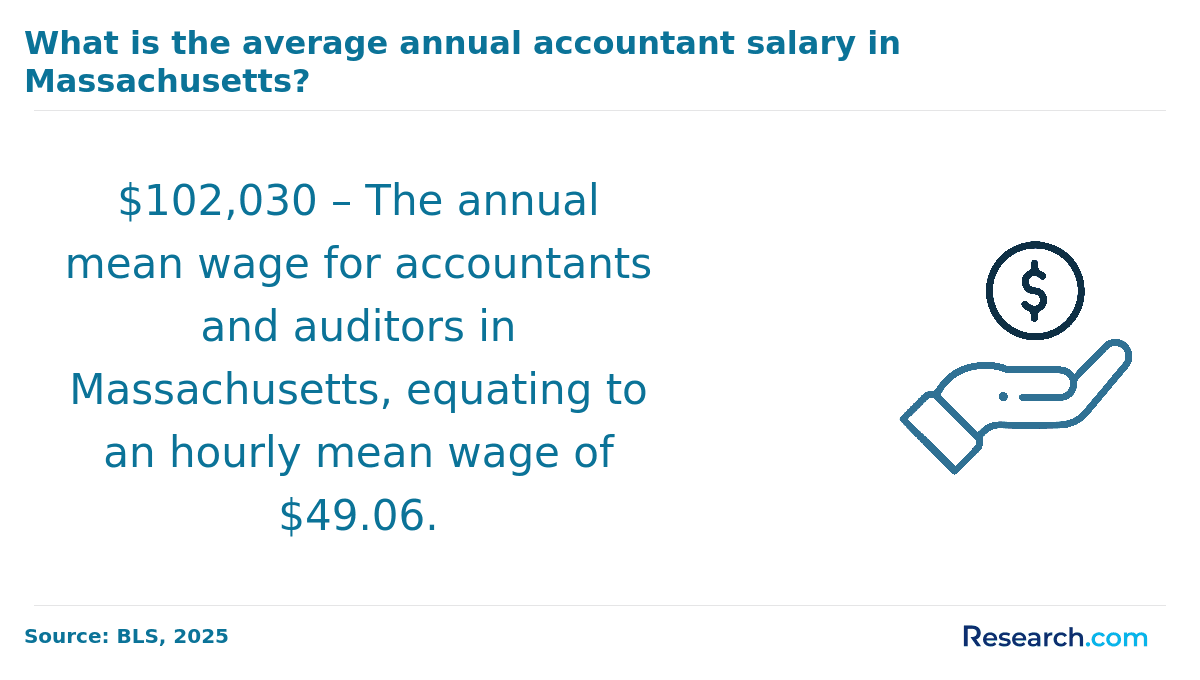
The employment outlook for auditors is stable because organizations continue to need professionals who can prepare, examine, and explain financial records. The Bureau of Labor Statistics reports that employment for accountants and auditors is projected to increase by 5% until 2034, about as fast as the average for all professions.
Demand is tied to several forces: business growth, international operations, tax complexity, regulatory reporting, and the need for financial transparency. Companies operating across countries often need auditors who understand international accounting issues, internal controls, risk assessment, and documentation standards.
Job availability can vary by region, industry, firm size, and specialization. Public accounting firms, corporate internal audit departments, government agencies, financial institutions, technology companies, healthcare organizations, and consulting firms all use audit talent, but the duties and pace can differ significantly.
Required Skills for Auditors
Auditors need more than accounting knowledge. The strongest candidates combine technical accounting ability, professional skepticism, communication skills, data analysis, and judgment. As audit work becomes more technology-driven, employers increasingly value people who can work with large datasets, audit software, cloud-based records, and risk analytics.
Core Technical Skills
- Regulatory compliance: Auditors must understand the laws, standards, policies, and industry rules that apply to the organization being reviewed. Compliance work may involve financial reporting, tax requirements, privacy rules, internal policies, grant requirements, or industry-specific regulations.
- Audit software proficiency: Audit teams use digital tools for documentation, sampling, testing, workflow management, and analysis. Knowing how to use audit platforms and spreadsheet tools can make entry-level auditors more productive.
- Data analysis: Auditors increasingly review large volumes of transactions to identify unusual patterns, control gaps, and potential errors. Strong data skills help auditors test risks more efficiently and support conclusions with evidence.
- Professional skepticism: Auditors must question whether evidence is reliable and whether explanations are supported by records. One study found that a high degree of extraversion and a low degree of professional skepticism among auditors could improve audit quality, thereby reducing a company’s relevant operating procedures.
Professional Skills That Affect Audit Quality
- Clear communication: Auditors interview employees, request documentation, explain issues, and present findings. They need to ask precise questions, listen carefully, and write reports that non-auditors can understand.
- Attention to detail: Small errors can point to larger control problems. Auditors must review numbers, dates, approvals, policies, reconciliations, and supporting documents carefully.
- Integrity and independence: Auditors must be willing to report problems honestly, even when findings are inconvenient for management or clients.
- Adaptability: Standards, technologies, business models, and regulations change. Auditors who keep learning are better positioned for advancement.
| Skill Area | Why It Matters | How to Build It |
| Accounting fundamentals | Auditors must understand financial statements, journal entries, controls, and reporting standards. | Complete accounting coursework, practice financial statement analysis, and pursue internships. |
| Evidence evaluation | Audit conclusions must be supported by reliable documentation. | Learn sampling, walkthroughs, reconciliations, confirmations, and control testing. |
| Data literacy | Modern audits often involve large transaction files and automated systems. | Practice spreadsheets, database basics, visualization tools, and audit analytics. |
| Business communication | Findings must be explained to clients, managers, and executives. | Write concise memos, practice presentations, and learn to translate technical issues into business impact. |
Day-to-Day Responsibilities and Work Environment
Auditors spend much of their time reviewing financial records, testing transactions, evaluating internal controls, documenting procedures, and discussing findings with clients or company staff. Depending on the assignment, an auditor may examine invoices, bank reconciliations, payroll records, tax documents, inventory reports, system access logs, or management approvals.
The work environment depends on the employer. Public accounting auditors often work in teams and may travel to client sites. Internal auditors usually work within one organization and focus on risk, controls, compliance, and operational improvement. Government auditors may review agencies, contractors, grants, or tax filings. Some auditors work as consultants or specialize in fraud, information systems, healthcare, or financial services.
Busy seasons can be demanding, especially in public accounting. Long hours may occur when filing deadlines, year-end reporting, or regulatory reviews approach. On the other hand, auditing can provide structured career progression, exposure to multiple industries, and a strong foundation for leadership roles in accounting and finance. Students who want a faster accounting pathway can compare accelerated accounting degree programs before committing to a traditional timeline.
| Type of Auditor | Typical Focus | Common Work Setting |
| External auditor | Financial statement audits, assurance work, and client reporting. | Public accounting firms and client locations. |
| Internal auditor | Risk, internal controls, governance, compliance, and operational improvement. | Corporate, nonprofit, government, and institutional audit departments. |
| Government auditor | Public funds, tax compliance, agency performance, and regulatory reviews. | Federal, state, and local agencies. |
| Information systems auditor | Technology controls, cybersecurity, access management, and IT governance. | Technology, finance, consulting, healthcare, and large enterprise environments. |
| Forensic auditor | Fraud investigation, litigation support, and financial misconduct analysis. | Consulting firms, law enforcement, corporations, and legal support teams. |
How to Start Your Career in Auditing
Most auditors begin with a bachelor’s degree in accounting, finance, business administration, or a closely related field. In the United States, the average auditor salary falls between $74,979 and $99,978 (Salary.com, 2026). Salary.com also reports that about 53.8% of auditors earn a bachelor’s degree, making it the most common educational attainment for the profession.
Because colleges rarely offer a standalone auditing major, students usually choose accounting first. Finance or business management can also work, especially if the program includes accounting, tax, auditing, information systems, and analytics coursework. If you are comparing broader business options, a business management degree may be relevant, but make sure it includes enough accounting coursework for your target audit roles.
A Practical Step-by-Step Path
- Choose the right undergraduate major: Accounting is the most direct route, but finance or business can work if you add accounting electives.
- Take auditing, tax, information systems, and analytics courses: These subjects help you stand out for internships and entry-level audit roles.
- Get practical experience early: Look for internships, part-time bookkeeping work, accounting assistant roles, or campus audit-related projects.
- Decide whether CPA eligibility matters: If you want public accounting or external audit roles, review your state’s CPA education requirements early.
- Build software skills: Strengthen spreadsheet, data analysis, and audit documentation skills before applying.
- Apply for entry-level roles: Common starting jobs include audit assistant, staff accountant, junior internal auditor, and accounting analyst.
- Pursue certifications strategically: Choose CPA, CIA, CISA, or CFE based on your intended specialization, not just name recognition.
What jobs can audit majors get?
| Career Level | Occupation | What the Role Usually Involves | Median Salary | Common Industries |
| Entry-level | Audit Assistant | Supports senior audit staff by preparing workpapers, reviewing records, tracking documents, and helping analyze financial reports. | $57,837 | Accounting firms, corporate finance departments |
| Intermediate | Internal Auditor | Reviews company records, controls, and procedures to determine whether financial activity is accurate and compliant. | $76,390 | Fortune 500, retail, professional, finance, technology, government |
| Mid-level | Auditing Manager | Plans audit projects, supervises audit teams, reviews findings, and coordinates communication with leadership. | $135,665 | Fortune 500, retail, professional, finance, technology, government |
| Senior or executive-level | Top Audit Executive | Leads the organization’s audit strategy, internal audit function, risk priorities, and compliance with standards and regulatory expectations. | $276,837 | Fortune 500, retail, professional, finance, technology, government |
What can I do with an Associate Degree in Accounting?
An associate degree can help you enter accounting support roles, but it may not be enough for many auditor positions. It can be a cost-conscious first step if you plan to transfer into a bachelor’s program later.
Bookkeeper
Bookkeepers maintain financial records, post transactions, reconcile accounts, manage ledgers, and support tax form preparation. As of 2025, approximately 1.6 million people were employed as accounting, auditing, and bookkeeping clerks.
Median Salary: $43,110
Billing Specialist
Billing specialists manage invoices, payments, balances, financial database updates, billing reports, payment deadlines, and account follow-up for clients or customers with outstanding amounts.
Median Salary: $45,505
Payroll Associate I
Payroll associate I roles involve entering payroll data, processing new-hire paperwork, updating benefit and tax withholding information, preparing payroll documentation, and completing related clerical tasks.
Median Salary: $48,070
What can I do with a Bachelor’s Degree in Accounting?
A bachelor’s degree is the standard entry point for many audit and accounting roles. It can also position you for CPA eligibility, depending on your state and total credit hours.
Staff Accountant
Staff accountants maintain ledgers, budgets, reconciliations, and financial records. Some specialize in auditing or taxation and may recommend process improvements that reduce errors or improve efficiency.
Median Salary: $60,638
Auditor
Auditors examine accounting records, financial statements, and operational data to identify errors, control weaknesses, compliance issues, or areas for improvement.
Median Salary: $63,810
Financial Analyst
Financial analysts study company performance, market conditions, portfolios, and economic trends to help organizations and individuals make investment and financial planning decisions.
Median Salary: $64,395
Can you get an auditing job with just a certificate?
A certificate alone is usually not enough for most auditing roles. Certificates can show interest and build foundational knowledge, but employers often expect a bachelor’s degree, accounting coursework, relevant experience, and, for many roles, professional credentials such as CPA, CIA, CISA, or CFE.
A certificate may be useful if you already work in bookkeeping, accounting support, compliance, or IT and want to move gradually toward auditing. It is less likely to replace a full degree for external audit, internal audit, or senior-level positions.
Education Pathways to Start an Auditing Career
The best education path depends on your budget, timeline, prior credits, and target role. A bachelor’s degree in accounting is the most direct option. A finance or business administration degree can also work if you plan your electives carefully and gain audit-related experience. Students seeking a lower-cost route can compare the cheapest online business bachelor's degree options, but they should verify accounting course coverage before enrolling.
| Education Option | Best For | Limitations to Check |
| Associate degree in accounting | Students seeking bookkeeping, payroll, billing, or transfer preparation roles. | May not qualify you for many auditor positions without a bachelor’s degree. |
| Bachelor’s degree in accounting | Students targeting staff accountant, auditor, public accounting, internal audit, or CPA preparation. | CPA eligibility may require additional credits depending on state rules. |
| Bachelor’s degree in finance | Students interested in financial analysis, risk, investment, or audit-adjacent roles. | May need extra accounting and auditing coursework for audit-specific jobs. |
| Bachelor’s degree in business administration | Students who want broader management training with accounting electives. | Not all programs include enough technical accounting depth. |
| Master’s degree in accounting | Professionals seeking advanced audit, tax, CPA preparation, or leadership roles. | Requires additional tuition and time, so ROI should be evaluated carefully. |
How to Choose an Auditing Program
- Confirm accreditation: Choose an institution with recognized accreditation and verify whether the business or accounting program has additional discipline-specific accreditation if that matters to your goals.
- Check CPA alignment: If CPA licensure is part of your plan, ask whether the curriculum helps meet your state’s education requirements.
- Review course depth: Look for auditing, intermediate accounting, tax, accounting information systems, business law, data analytics, and ethics.
- Ask about internships: Programs with employer relationships can make it easier to enter public accounting, corporate accounting, or internal audit.
- Compare total cost, not just tuition: Include fees, books, technology, transportation, lost wages, and exam preparation costs.
- Evaluate flexibility: Online, hybrid, evening, accelerated, and part-time formats can help working adults, but students should verify transfer policies and employer recognition.
How can I advance my career in auditing?
Career growth in auditing usually comes from a combination of experience, strong reviews, technical specialization, leadership ability, and credentials. After earning a Bachelor’s Degree in Accounting or a related credential, many auditors pursue certifications, graduate coursework, or specialized training in data analytics, IT audit, fraud examination, risk management, or taxation.
A master’s degree can help auditors deepen technical expertise, meet credit-hour requirements for CPA eligibility, or compete for senior roles. However, it is not automatically the best investment for every auditor. Compare program cost, employer tuition support, certification requirements, and salary potential before enrolling. If you are comparing compensation across business fields, reviewing a social media marketing manager salary can provide context outside accounting and finance.
What can I do with a Master’s in Accounting?
Senior Tax Accountant
Senior tax accountants manage tax-related reporting, review filings, support compliance, and help ensure financial reports and statements are accurate and timely.
Median Salary: $94,701
Senior Auditor
Senior auditors lead audit procedures, review records and transactions, supervise junior staff, discuss findings with management, and help ensure compliance with tax and accounting rules.
Median Salary: $94,901
Senior-Level Financial Analyst
Senior-level financial analysts evaluate data, estimate risk, support financial decisions, complete projects, and may participate in hiring, training, or supervising staff.
Median Salary: $96,190
What kind of job can I get with a Doctorate in Accounting?
A doctorate in accounting is less common for practicing auditors but can be valuable for research, teaching, consulting, and senior advisory work. It is usually best for people who want academic or high-level expert roles rather than a standard audit career ladder.
Accounting Consultant
Accounting consultants advise organizations on financial processes, reporting, risk reduction, fraud prevention, portfolio decisions, and data-informed improvements.
Median Salary: $94,997
Accounting Manager
Accounting managers oversee accounting teams, reporting workflows, reconciliations, internal processes, and departmental performance to support accurate financial operations.
Median Salary: $120,306
Accounting Professor
Accounting professors teach courses, mentor students, develop curriculum, conduct research, and contribute to academic programs in accounting and related fields.
Median Salary: $135,098
Which certification is best for auditing?
The best auditing certification depends on the type of audit work you want to do. CPA is especially valuable for public accounting and external audit. CIA is built for internal audit. CISA fits IT audit and systems control. CFE is useful for fraud investigation and forensic accounting.
| Certification | Best Fit | Career Value |
| Certified Internal Auditor (CIA) | Internal audit, governance, risk, and control roles. | Shows knowledge of internal auditing standards, risk assessment, governance, and audit engagement practices. |
| Certified Public Accountant (CPA) | Public accounting, external audit, accounting leadership, and financial reporting roles. | Widely recognized across accounting and auditing, even though it is not only an audit credential. |
| Certified Information Systems Auditor (CISA) | IT audit, cybersecurity controls, systems governance, and technology risk. | Signals expertise in auditing and assessing business and IT systems. |
| Certified Fraud Examiner (CFE) | Fraud investigation, forensic accounting, compliance, and litigation support. | Recognized in anti-fraud work; CFEs earn 17% more than their non-certified counterparts. |
- Certified Internal Auditor (CIA): Offered by the Institute of Internal Auditors, the CIA focuses on internal audit standards, principles, risk, controls, governance, and audit engagement practices. Certified professionals are expected to understand the IIA’s International Professional Practices Framework (IPPF). As of this writing, there are 61,643 certified internal auditors in North America (The Institute of Internal Auditors, 2024).
- Certified Public Accountant (CPA): The CPA credential is not limited to auditing, but it is one of the most respected accounting credentials and includes auditing as a core competency.
- Certified Information Systems Auditor (CISA): Offered by Information Systems Audit and Control Association (ISACA), CISA is designed for professionals who control, monitor, assess, and audit business and IT systems.
- Certified Fraud Examiner (CFE): Offered by the Association of Certified Fraud Examiners, the CFE is a major credential in fraud prevention and investigation. According to ACFE, CFEs earn 17% more than their non-certified counterparts.
Alternative Career Options for Auditors
Auditing builds transferable skills in financial analysis, documentation, risk assessment, interviewing, controls, and compliance. Those skills can lead to several careers beyond traditional audit departments.
What else can an auditor do?
- Forensic accountant: Investigates fraud, embezzlement, financial misconduct, and suspicious transactions. This path is a natural fit for auditors who enjoy investigative work.
- Personal financial advisor: Uses financial knowledge and analytical skills to help individuals plan, invest, and manage financial decisions.
- Entrepreneur: Applies financial controls, budgeting, cash-flow analysis, and risk thinking to business ownership. If you are considering broader business roles first, the business administration job outlook is projected to grow 8% from 2024 to 2034 (BLS, 2026).
- Human resources compliance: Reviews HR policies, payroll practices, benefits processes, and employment-related procedures for compliance. Professionals interested in people-focused organizational work may also explore the psychology of business.
What emerging trends are shaping the future of auditing?
Auditing is changing because the records auditors review, the risks organizations face, and the tools audit teams use are changing. Future-ready auditors will need accounting knowledge plus technology awareness, data literacy, and the ability to evaluate nontraditional forms of evidence.
- Artificial intelligence and machine learning: AI can help automate repetitive testing, scan large datasets, identify unusual patterns, and improve anomaly detection. Auditors still need judgment to evaluate evidence, interpret findings, and understand business context.
- Blockchain and digital ledgers: Blockchain can create transparent transaction records, but auditors must understand how to verify data integrity, access controls, and the reliability of systems that record transactions.
- Environmental, social, and governance reporting: Companies are facing more pressure to report sustainability, governance, and social impact information. Auditors may be asked to verify non-financial data and assess reporting controls.
- Remote and hybrid auditing: Secure portals, cloud records, video meetings, and digital workpapers make remote auditing more common. Auditors must still ensure evidence is complete, reliable, and properly controlled.
- Continuous auditing: Some organizations are moving from periodic reviews toward more frequent monitoring of controls and transactions. This can help identify risks sooner but requires strong data pipelines and control design.
- Cybersecurity audits: As cyber risk grows, auditors are increasingly involved in evaluating information security controls, access rights, data protection practices, and compliance with privacy requirements.
Is Auditing the Right Career Choice for Me?
Auditing is worth considering if you like structured problem-solving, financial records, rules, investigation, and evidence-based conclusions. It is also a good fit for people who want a career with multiple specialization options rather than one narrow track.
Before choosing the field, be honest about the work style. Auditors must handle deadlines, detailed documentation, complex standards, and conversations about mistakes or weaknesses. If that sounds energizing rather than frustrating, auditing may align well with your strengths. If you are comparing accounting more broadly, this guide on whether accounting is a good career for you can help you evaluate fit.
| Question to Ask Yourself | Why It Matters |
| Do I enjoy working with financial documents and numbers? | Auditing requires frequent review of statements, ledgers, reconciliations, and transaction details. |
| Can I stay objective when findings are unpopular? | Auditors must protect integrity and independence. |
| Am I willing to keep learning regulations and technology? | Audit standards, compliance expectations, and digital tools continue to evolve. |
| Do I want a credential-based career path? | Certifications can strongly affect advancement in audit, accounting, and risk roles. |
| Can I communicate technical issues clearly? | Audit findings are only useful if stakeholders understand the risk and recommended action. |
Auditors: Supporting Financial Trust and Organizational Health
Auditing is a practical career path for people who want to combine accounting knowledge with investigation, risk assessment, and compliance. Since a dedicated auditing degree is uncommon, most students prepare through a bachelor’s in accounting or a degree in finance, then add experience and certifications that match their target role.
The path is not limited to public accounting. Auditors can work in corporations, government, consulting, technology, healthcare, finance, and nonprofit settings. If you eventually decide to move into a different management-oriented field, a program such as an online masters in hospitality management may support a pivot into service-sector leadership, but it is not a direct auditing credential.
What Regulatory and Compliance Challenges Must Auditors Address?
Auditors must keep up with changing financial reporting rules, tax requirements, industry regulations, privacy obligations, and internal governance standards. Professionals may need to monitor updates from organizations such as the Financial Accounting Standards Board and the International Accounting Standards Board while also understanding how digital systems affect audit evidence and controls.
Compliance challenges can be especially complex for organizations that operate internationally, process sensitive data, receive government funding, or work in heavily regulated industries. Students who want a lower-cost starting point in the field can compare an affordable accounting associate degree online, but should remember that many auditor roles still require a bachelor’s degree or higher.
What Are the Certification Costs and Their Impact on Career Advancement?
Audit certifications can improve credibility, but they also require a financial and time investment. Candidates should consider application fees, exam fees, study materials, review courses, retake costs, membership fees, and continuing education. Exact costs vary by credential, provider, location, and membership status, so candidates should verify current prices directly with the certifying organization.
The best way to evaluate certification ROI is to connect the credential to a specific career goal. CPA may be more valuable for public accounting and financial reporting. CIA may fit internal audit leadership. CISA may support IT audit and cybersecurity control roles. CFE may be better for fraud and forensic work. Comparing adjacent credentials, such as bookkeeping certification cost, can also help early-career professionals understand the difference between entry-level certificates and advanced professional certifications.
How Does Location Influence Auditor Compensation and Career Opportunities?
Auditor pay can differ by region because local industry concentration, employer size, cost of living, public accounting demand, government presence, and regulatory activity are not the same everywhere. Large metropolitan areas may offer more firms and corporate headquarters, while smaller markets may provide less competition or different work-life trade-offs.
Location also matters for licensing and career planning. If you plan to become a CPA, review state-specific requirements before choosing courses or relocating. Salary comparisons such as the average CPA salary by state can help you understand regional pay differences and prepare for negotiations.
What other high-paying majors are available to aspiring auditors?
Auditing is not the only financially focused major to consider. Students who are attracted to accounting because of salary potential may also compare finance, economics, data analytics, information systems, actuarial science, and business-related fields. The right choice depends on whether you prefer compliance, investing, risk modeling, systems, management, or advisory work.
To compare options beyond auditing, review the best majors to make money and then weigh salary potential against course difficulty, licensing requirements, work environment, and your actual interests.
How Can Auditors Optimize Their Educational Investment for Long-term Success?
Auditors can improve ROI by choosing programs that are affordable, accredited, career-relevant, and aligned with certification goals. A cheaper program is not always the better choice if it lacks audit coursework, internship access, transfer pathways, or CPA preparation. Likewise, a more expensive program should justify its cost through outcomes, flexibility, employer connections, or credential alignment.
Students should compare tuition, fees, credit transfer policies, online flexibility, employer tuition assistance, scholarships, and graduation requirements. Resources on accounting degree online cost can help prospective students evaluate lower-cost accounting programs while keeping career goals in view.
What Steps Can Auditors Take to Enhance Their Professional Credentials?
Auditors can strengthen their credentials by combining formal education, certification, continuing education, and specialized experience. A junior auditor might begin with strong accounting coursework and an internship. A mid-career auditor may add CPA, CIA, CISA, or CFE. A senior auditor may focus on leadership, risk management, cybersecurity, ESG assurance, or industry specialization.
If public accounting or financial statement audit is the goal, learning how to become a CPA is an important step. Auditors should also attend industry training, document continuing education, learn emerging tools, and seek assignments that expose them to higher-risk areas.
How Will Artificial Intelligence and Automation Impact Auditing Practices?
AI and automation are likely to change what auditors spend time on, not eliminate the need for audit judgment. Automated tools can process large volumes of financial information, flag unusual transactions, compare patterns, and reduce manual testing. Auditors still need to evaluate whether data is reliable, whether controls are designed properly, and whether conclusions are reasonable.
The auditors who benefit most from automation will be those who understand both accounting and technology. Skills in data analytics, systems controls, cybersecurity, and process automation can support advancement into higher-value audit work. Professionals comparing earning potential across accounting careers can also review accountants salary information for related roles.
The Financial Incentives of a Career in Auditing
Auditing can offer competitive pay, especially for professionals who advance into senior, management, executive, IT audit, or specialized compliance roles. Salary potential is influenced by education, certification, industry, location, employer size, and technical expertise. Students comparing finance-related options may also want to review finance major salary data.
- Internal Auditor: These professionals focus on internal controls, risk, compliance, and process improvement, with median salaries of around $76,390.
- Auditing Manager: Managers oversee audit planning, staff, workpaper review, findings, and communication with leadership. The median salary listed is $135,665.
- Top Audit Executive: Senior audit leaders guide enterprise-wide audit strategy, governance, risk priorities, and compliance, with earnings up to $276,837.
Common Mistakes to Avoid When Planning an Auditing Career
- Choosing a program without checking accreditation: Accreditation affects transferability, employer recognition, and eligibility for some financial aid and credentials.
- Assuming any business degree is enough: Some business programs do not include enough accounting, audit, tax, or information systems coursework for audit roles.
- Ignoring CPA eligibility until graduation: CPA requirements vary by state, and waiting too long can mean taking extra credits later.
- Focusing only on tuition: Fees, books, software, exam prep, lost income, and commute costs can change the real price of a degree.
- Choosing certifications without a career target: CPA, CIA, CISA, and CFE serve different goals. Pick the credential that matches your intended audit specialty.
- Underestimating technology: Auditors who avoid data tools, systems controls, and cybersecurity basics may limit their future options.
- Assuming salary outcomes are guaranteed: Published salaries are useful benchmarks, but actual pay depends on market, employer, experience, credentials, and performance.
Questions to Ask Before Choosing an Auditing Program or Career Path
- Does the program include auditing, intermediate accounting, tax, business law, ethics, accounting information systems, and analytics?
- Will the degree help me meet CPA education requirements in my state if I choose that route?
- What internships, employer partnerships, or recruiting opportunities does the school offer?
- How many credits will transfer if I begin at a community college or switch schools?
- What is the total program cost after fees, books, technology, and exam preparation?
- Which certification best matches my goal: CPA, CIA, CISA, or CFE?
- Do I want public accounting, internal audit, government audit, IT audit, forensic accounting, or risk advisory work?
- Am I prepared for busy seasons, detailed documentation, and ongoing professional education?
Key Insights
- Auditing is a trust-centered accounting career: Auditors review evidence, test controls, and help organizations prove their financial information is reliable.
- The labor market is steady: About 124,200 openings for accountants and auditors are projected annually, and employment is projected to grow 5% from 2024 to 2034.
- A bachelor’s degree is the common starting point: Accounting is the most direct major, but finance or business can work if you complete enough accounting and auditing coursework.
- Certifications should match your specialty: CPA fits public accounting and financial reporting, CIA fits internal audit, CISA fits IT audit, and CFE fits fraud examination.
- Technology is reshaping audit work: AI, analytics, cybersecurity, blockchain, remote auditing, and continuous monitoring are changing the skills auditors need.
- Career growth depends on more than technical skill: Communication, judgment, ethics, adaptability, and the ability to explain risk clearly are essential for advancement.
- ROI requires careful planning: Compare accreditation, cost, transfer credits, CPA alignment, internships, and certification expenses before committing to a program.
References:
- Bureau of Labor Statistics. (2026). Business and Financial Occupations. https://www.bls.gov/ooh/business-and-financial/home.htm
- Related academic literature. https://doi.org/10.1111/1911-3846.12847
- Institute of Internal Auditors. (2026). Certified Internal Auditor® (CIA®) program brochure. https://www.theiia.org/en/certifications/cia/
- The Institute of Internal Auditors. (2024). 2023 Annual Report. https://www.theiia.org/en/about-us/the-iia-annual-report/ CIA certification information
- Salary.com (2026). Accounting Consultant salary. https://www.salary.com/research/salary/posting/accounting-consultant-salary
- Salary.com (2026). Accounting Manager salary. https://www.salary.com/research/salary/benchmark/accounting-manager-salary
- Salary.com (2026). Auditing assistant salary. https://www.salary.com/research/salary/posting/auditing-assistant-salary
- Salary.com (2026). Auditing manager salary. https://www.salary.com/research/salary/benchmark/auditing-manager-salary
- Salary.com (2026). Billing Specialist salary. https://www.salary.com/research/salary/listing/billing-specialist-salary
- Salary.com (2026). Bookkeeper salary. https://www.salary.com/research/salary/benchmark/bookkeeper-salary
- Salary.com (2026). Financial Analyst I salary. https://www.salary.com/research/salary/benchmark/financial-analyst-i-salary
- Salary.com (2026). Intermediate Internal Auditor Salary. https://www.salary.com/research/salary/alternate/intermediate-internal-auditor-salary
- Salary.com (2026). Payroll Associate I salary. https://www.salary.com/research/salary/alternate/payroll-associate-i-salary
- Salary.com (2026). Professor salary. https://www.salary.com/research/salary/benchmark/professor-accounting-salary
- Salary.com (2026). Senior auditor salary. https://www.salary.com/research/salary/alternate/senior-auditor-salary
- Salary.com (2026). Senior Level Financial Analyst salary. https://www.salary.com/research/salary/alternate/senior-level-financial-analyst-salary
- Salary.com (2026). Senior Tax Accountant salary. https://www.salary.com/research/salary/alternate/senior-tax-accountant-salary
- Salary.com (2026). Staff Accountant I salary. https://www.salary.com/research/salary/alternate/staff-accountant-i-salary
- Salary.com (2026). Top audit executive salary. https://www.salary.com/research/salary/benchmark/top-audit-executive-salary
- U.S. Bureau of Labor Statistics (2026). Accountants and Auditors: Work Environment. https://stats.bls.gov/ooh/business-and-financial/accountants-and-auditors.htm#tab-3
- Zippia (2026). Auditor demographics and statistics in the US. https://www.zippia.com/auditor-jobs/demographics
Other Things You Should Know About Becoming an Auditor
For auditors in 2027, continuing education often requires earning 40 hours of credits annually to maintain certifications. Courses must be sanctioned by professional bodies like the Institute of Internal Auditors, ensuring up-to-date knowledge in financial regulations and auditing practices.
To become an auditor in 2027, a bachelor's degree in accounting or a related field is typically required. Courses in auditing, taxation, and business law are beneficial. Some roles may prefer or require a master's degree or relevant certifications like the CPA (Certified Public Accountant).
In 2027, certifications such as Certified Internal Auditor (CIA), Certified Public Accountant (CPA), and Certified Information Systems Auditor (CISA) are highly beneficial for auditors, enhancing their credibility and career prospects by demonstrating specialized expertise in auditing and compliance standards.
Yes. Internal auditors review a company’s controls and risk processes, external auditors provide independent assurance on financial statements, and government auditors examine public funds and compliance. In the U.S., government auditors often follow standards from the GAO Yellow Book and may work for federal, state, or local agencies.