2027 Payroll Accountant Careers: Guide to Career Paths, Options & Salary

Co-Founder and Chief Data Scientist
Payroll accounting is the part of accounting that makes sure employees are paid accurately, taxes are withheld correctly, benefit deductions are recorded, and payroll costs are reported in a way leaders can trust. If you are considering this career, the real question is not only whether payroll accountants are needed. It is whether the role fits your strengths, education plans, salary goals, and tolerance for deadlines, compliance rules, and sensitive employee data.
This guide explains what payroll accountants do, how the career compares with related accounting roles, what education and skills employers may expect, and how technology, regulation, and workforce changes are reshaping the field. It is designed for students choosing among accounting majors, working adults considering a payroll or accounting credential, and early-career professionals deciding whether to specialize in payroll.
Accounting remains one of the major college pathways for students interested in business, finance, compliance, and data-driven work. In 2025, out of an estimated 2.16 million undergraduate degrees and 864,457 graduate degrees granted in the United States (Education Data Initiative, 2025), 55,152 were in accounting (AICPA, 2025). That relatively small pool of new accounting graduates, combined with the ongoing need for accurate financial reporting and payroll compliance, can create opportunities for people who build the right skill set.
Quick Answer: Is Payroll Accounting a Good Career Path?
Payroll accounting can be a strong career choice for people who are accurate with numbers, comfortable with deadlines, interested in tax and labor compliance, and able to protect confidential employee information. The broader accountant and auditor occupation is projected to grow by 6% between 2023 and 2033, with about 130,800 accounting job opportunities expected each year in the U.S. during that period. Payroll-specific entry roles may pay less than accountant and auditor roles, but they can provide a practical entry point into accounting, HR finance, tax, compliance, or corporate accounting.
The best route depends on your target role. A high school diploma, certificate, or associate degree may be enough for some clerical payroll jobs, while accountant, auditor, tax, management, and CPA-oriented roles usually require more formal accounting education. Online options, including online associate degree accounting programs and bachelor’s programs, can make the path more flexible for working adults.
Payroll Accountant Careers Table of Contents
- Why payroll accounting can be a practical career choice
- Payroll accounting salary and job outlook
- Skills payroll accountants need
- How to begin a payroll accounting career
- How to move into higher-level payroll and accounting roles
- How technology is changing payroll accounting
- Common payroll accounting challenges
- Regulatory and legal issues in payroll accounting
- International payroll challenges
- Work-life balance in payroll accounting
- Payroll data security and privacy
- Balancing cost and quality in payroll accounting education
- Economic trends affecting payroll careers
- Professional networking and career growth
- Alternative careers for payroll accountants
- Choosing the right education path
- Educational requirements for payroll accountants
- Continuing education and payroll certifications
Why Payroll Accounting Can Be a Practical Career Choice
Payroll accountants sit at the intersection of accounting, human resources, tax compliance, and employee trust. Their work affects whether employees receive the correct pay on time, whether deductions are handled properly, and whether the organization can document payroll expenses for audits, budgets, and financial reports.
In many organizations, payroll accountants are part of a larger accounting or finance team. They may reconcile payroll accounts, review wage expenses, prepare reports for management, coordinate with HR on employee changes, and help resolve discrepancies involving overtime, benefits, taxes, bonuses, or leave balances. Because payroll data affects both people and financial statements, the work requires accuracy, discretion, and strong process discipline.
The broader market for accounting talent also matters. In the U.S., about 130,800 accounting job opportunities are projected to open annually between 2023 and 2033 [US Bureau of Labor Statistics (BLS), 2024]. In 2025, accountants earned a median salary amounting to nearly $86,000, which is higher than that of millions of full-time workers in the country. Payroll accounting is not always the highest-paid accounting specialization at the entry level, but it can be a stable route into accounting operations, tax, compliance, auditing, or finance leadership.
Modern payroll work also depends heavily on accounting information systems. Payroll accountants may help implement or maintain an accounting information system (AIS) that records company transactions, wage expenses, purchases, sales, and related financial activity. In the 2024 study “The influence of accounting information systems on the quality of financial reports,” published in the International Journal of Professional Business Review, Meiryani et al. explained that a functioning AIS depends on trained human resources, financial data forms, hardware, software, procedures, communication technology networks, and databases.
The same study noted that high-quality financial statements should be comprehensive, relevant, material, reliable, honestly presented, neutral, complete, and grounded in sound judgment. For payroll accountants, that means payroll records are not just administrative paperwork. They are part of the financial evidence organizations use to report expenses, evaluate labor costs, comply with rules, and make decisions.
Payroll Accounting Salary and Job Outlook
Payroll accounting careers should be evaluated in two layers: payroll-specific clerical roles and broader accountant or auditor roles. Entry-level payroll and timekeeping roles can help you gain experience, but long-term salary growth often depends on moving into accountant, auditor, tax, compliance, management, or specialized finance positions.
As of 2024, 1,515,200 full-time employees in the U.S. are accountants and auditors (U.S. Bureau of Labor Statistics, 2024). Employment for accountants and auditors is projected to increase by 6% between 2023 and 2033, which is as fast as the average for all occupations. For readers comparing accounting specializations, this makes a payroll-focused route worth considering alongside audit, tax, corporate accounting, and the broader payroll accounting career path.
Salary comparisons also show why education and role choice matter. The median annual salary of accountants and auditors in the U.S. in 2023 was $79,880. That figure is at least 31% higher than the estimated median annual wage of 120.7 million full-time wage and salary workers in the last quarter of 2024, which is $60,580, based on median weekly earnings of $1,165 (US BLS, 2025).
Related administrative and clerical roles tend to pay less. In 2023, payroll and timekeeping clerks earned a median annual wage of $50,270 (US BLS, 2024). Bookkeeping, accounting, and auditing clerks made $47,440 (US BLS, 2024), while financial clerks made $47,850 (US BLS, 2024). Job outlooks also differ: bookkeeping, accounting, and auditing clerk employment is projected at -6% between 2023 and 2033, while financial clerk positions are projected at -1% during the same period.
| Role | Median Annual Salary (2025) | Employment Outlook |
| Accountant and Auditor | $77,250 | 6% |
| Payroll and Timekeeping Clerk | $47,610 | N/A |
| Bookkeeping, Accounting, and Auditing Clerks | $45,560 | -5% |
| Financial Clerks | $44,760 | -3% |
How to Interpret These Salary and Outlook Numbers
- Payroll clerk roles can be an entry point. They may help you learn payroll cycles, deductions, timekeeping systems, and employee recordkeeping before moving into accounting roles.
- Accountant and auditor roles generally offer stronger long-term prospects. The salary and outlook data suggest that building toward accountant-level responsibilities can improve career mobility.
- Automation affects routine clerical work. Negative outlooks for some clerical roles suggest that workers should build skills in analysis, compliance, software, reporting, and exception handling rather than relying only on data entry tasks.
- Salary outcomes are not guaranteed. Pay depends on education, location, industry, employer size, certification, experience, and whether the job is clerical, staff-level, managerial, or specialized.
Skills Payroll Accountants Need
Payroll accountants need more than basic math ability. The role requires technical accounting knowledge, payroll system fluency, tax awareness, confidentiality, communication skills, and the judgment to investigate discrepancies before they become expensive or legally risky errors.
Core Technical Skills
- Payroll systems and spreadsheet proficiency. Payroll accountants commonly work with spreadsheets such as Microsoft Excel and Google Sheets, along with payroll software used to calculate, document, and report payroll activity. In 2024, payroll software is the largest market segment of human resources applications, valued at $29.56 billion (Fortune Business Insights, 2024), showing how central digital payroll systems have become.
- Payroll processing and reconciliation. Professionals must understand hours worked, wage rates, salaries, overtime, deductions, payroll taxes, leave, reimbursements, and benefit-related adjustments. They also need to reconcile payroll accounts so payroll costs match accounting records.
- Tax preparation and withholding knowledge. Payroll accountants help calculate and verify taxes connected to employee pay. This requires careful attention to applicable tax rules, employee classifications, and employer obligations.
- Accounting information systems. Because payroll feeds into financial reporting, payroll accountants should understand how payroll data moves between HR systems, timekeeping tools, payroll software, general ledger accounts, and reporting platforms.
Professional and Soft Skills
- Attention to detail. A small payroll mistake can affect paychecks, tax filings, benefits, employee morale, and financial reports. Accuracy is central to the job.
- Analytical thinking. Payroll accountants often investigate unusual variances, explain labor cost changes, and identify process weaknesses.
- Clear communication. Payroll teams regularly coordinate with HR, finance, employees, managers, auditors, and outside vendors. The ability to explain payroll issues without jargon is valuable.
- Confidentiality and ethics. Payroll professionals handle personal, financial, and employment data. Employers need people who can protect sensitive information and follow internal controls.
- Deadline management. Payroll has fixed processing schedules. Strong organization is necessary during pay periods, quarter-end reporting, year-end tax work, audits, and system changes.
| Skill Area | Why It Matters | How to Build It |
| Payroll compliance | Helps prevent tax, wage, deduction, and reporting errors | Study payroll rules, tax concepts, labor law basics, and employer policies |
| Accounting fundamentals | Connects payroll activity to financial statements and general ledger accounts | Take accounting coursework or pursue an accounting certificate or degree |
| Software fluency | Reduces manual errors and improves reporting speed | Practice spreadsheets, payroll platforms, and accounting systems |
| Data analysis | Supports variance review, budgeting, and labor cost analysis | Learn reporting tools, pivot tables, reconciliations, and dashboard basics |
| Communication | Helps resolve payroll issues with employees, HR, managers, and auditors | Practice written explanations, documentation, and cross-team collaboration |
How to Begin a Payroll Accounting Career
Your starting point depends on your current education, work experience, and target role. Some payroll-related jobs are clerical and may accept candidates with a high school diploma, while accounting roles usually expect college coursework or a degree. If you are asking, “Is a bachelor’s degree worth it for payroll accounting?” the practical answer is this: it may not be required for every entry job, but it can improve your options if you want to become an accountant, auditor, tax professional, controller, or manager.
Some financial clerk roles may require only a high school diploma. Bookkeeping, accounting, and auditing clerk roles may require some college coursework but not always a completed degree. An associate degree can help you qualify for entry-level accounting support roles, while a bachelor’s degree can position you for accountant-level work and future advancement. If you need flexibility, online and hybrid programs can make it easier to study while working.
Step-by-Step Path Into Payroll Accounting
- Learn the basic role. Review payroll job descriptions to understand recurring tasks such as timekeeping review, payroll processing, deductions, tax withholding, reconciliations, and employee record maintenance.
- Choose an education level that matches your target job. A certificate or associate degree may support entry-level payroll work, while a bachelor’s degree is more useful for accountant and auditor roles.
- Build spreadsheet and payroll software skills. Employers value candidates who can work accurately in payroll systems and spreadsheets.
- Gain entry-level experience. Look for payroll clerk, accounting assistant, bookkeeping, HR payroll assistant, or finance clerk positions.
- Document your results. Track projects such as process improvements, reconciliations, error reductions, system implementations, or audit support.
- Consider certification or additional education. Certifications, a bachelor’s degree, or graduate study may help when you seek higher-level roles.
| Public Accounting Path | Private Accounting Path | Government Accounting Path | |
| Provides accounting, audit, tax, and advisory support to clients | Works inside a company’s finance, accounting, payroll, or HR operations team | Reviews tax compliance, public funds, filings, records, or revenue processes | |
| Entry Level Jobs | Financial Clerk ($44,760) | Payroll and Timekeeping Clerks ($47,610) | Bookkeeping, Accounting, and Auditing Clerks ($45,560) |
| Mid Level Jobs | Certified Public Accountant ($77,250) | Auditor ($77,250) | Tax Examiners and Collectors, and Revenue Agents ($56,780) |
| High Level Jobs | Postsecondary Teacher ($79,640) | Top Executive ($98,980) | Internal Revenue Service Supervisor ($99,153) |
What Can You Do With an Associate Degree in Payroll Accounting?
Payroll and Timekeeping Clerk
Payroll and timekeeping clerks maintain records related to work hours, compensation, deductions, paychecks, and payslips. They may work in many settings, including accounting, tax preparation, bookkeeping, and payroll service organizations (US BLS, 2024).
Median Annual Salary: $47,610
Bookkeeping, Accounting, and Auditing Clerk
Bookkeeping, accounting, and auditing clerks record transactions, check financial documents for accuracy, use accounting or bookkeeping software, and help produce reports such as balance sheets and income statements (US BLS, 2024).
Median Annual Salary: $45,560
What Can You Do With a Bachelor’s Degree in Payroll Accounting?
Certified Public Accountant
Accountants review financial statements for accuracy, prepare and support tax filings, assess records and accounting systems, and may advise individuals or organizations on financial processes, compliance, and cost control.
Median Annual Salary: $77,250
Tax Examiner, Tax Collector, and Revenue Agent
Tax examiners, tax collectors, and revenue agents review submitted tax returns, verify whether credits and deductions comply with the law, contact taxpayers or authorized representatives when documentation is missing or inconsistent, and record the actions taken to resolve issues.
Median Annual Salary: $56,780
Can You Get a Payroll Accounting Job With Only a Certificate?
Yes, some entry-level payroll or clerical accounting jobs may be accessible with a high school diploma plus a certificate, especially if you already have office, bookkeeping, HR, or administrative experience. A certificate can signal that you understand payroll basics, but it may not replace a degree for accountant-level jobs. If you want a lower-cost way to test the field, consider online accounting certificate options before committing to a longer program.
How to Move Into Higher-Level Payroll and Accounting Roles
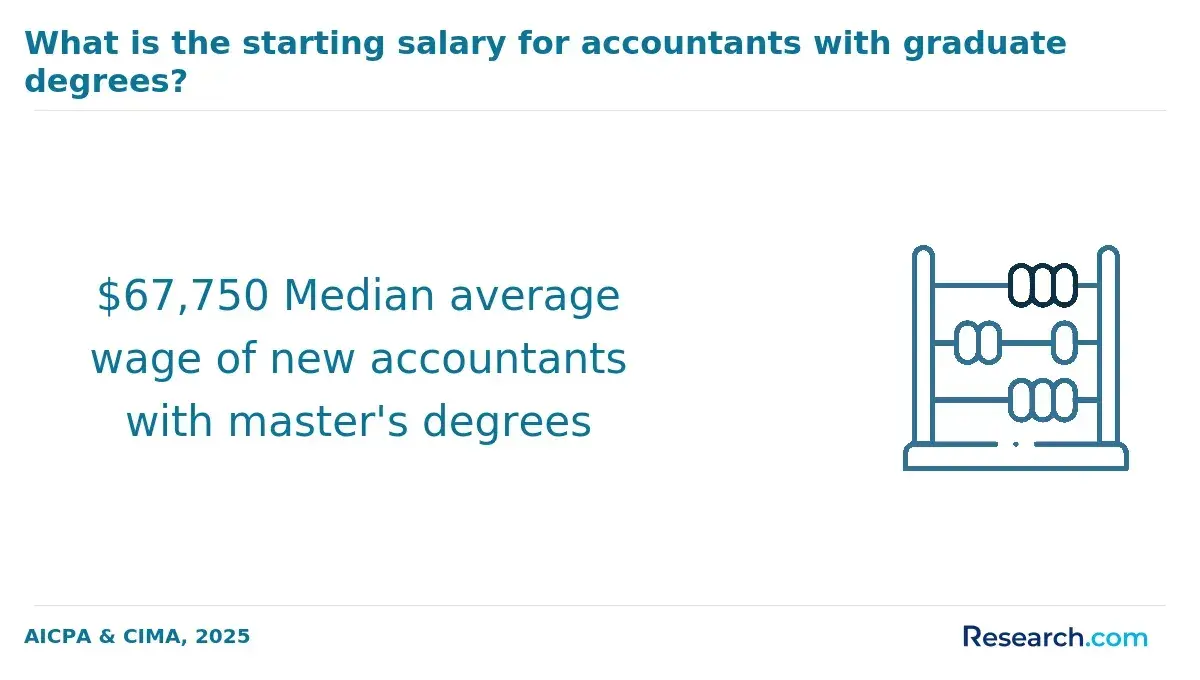
Advancement in payroll accounting usually comes from combining experience, education, software expertise, compliance knowledge, and leadership ability. A professional may begin with payroll processing, then move into payroll accounting, payroll management, accounting analysis, tax, audit, or finance leadership. Some professionals also pursue CPA eligibility, a master’s degree, or a doctorate degree in accounting if they want advanced professional, leadership, research, or teaching roles.
What Can You Do With a Master’s in Payroll Accounting?
Top Executive
Top executives set organizational goals, policies, systems, and performance expectations. They oversee areas such as operations, finance, production, customer relationships, and staffing. Because many executive decisions involve budgets, compensation, compliance, and profitability, an accounting background can be useful for professionals who want to move into senior leadership.
Median Annual Salary: $98,980
Postsecondary Teacher
Postsecondary instructors and professors teach college-level courses in their areas of expertise. They design lessons, evaluate student work, provide feedback, align instruction with curriculum expectations, and may collaborate with colleagues on academic standards and course materials.
Median Annual Salary: $79,640
What Job Can You Get With a Doctorate in Payroll Accounting?
Internal Revenue Service Supervisor
Internal revenue service supervisors assign work, manage projects, review team performance, provide feedback, and may participate in hiring, promotions, reassignment, or other workforce decisions (USA Jobs, 2024).
Median Annual Salary: $99,153
Which Certification Is Best for Payroll Accounting?
The best certification depends on your goal. If you want payroll operations or payroll management roles, choose a credential that emphasizes payroll law, calculations, systems, reporting, and compliance. If you want broader public accounting or audit opportunities, CPA-related preparation may be more relevant. If affordability is a major concern, compare credentials with degree pathways such as affordable online degrees and consider which option employers in your target market request most often.
How Technology Is Changing Payroll Accounting
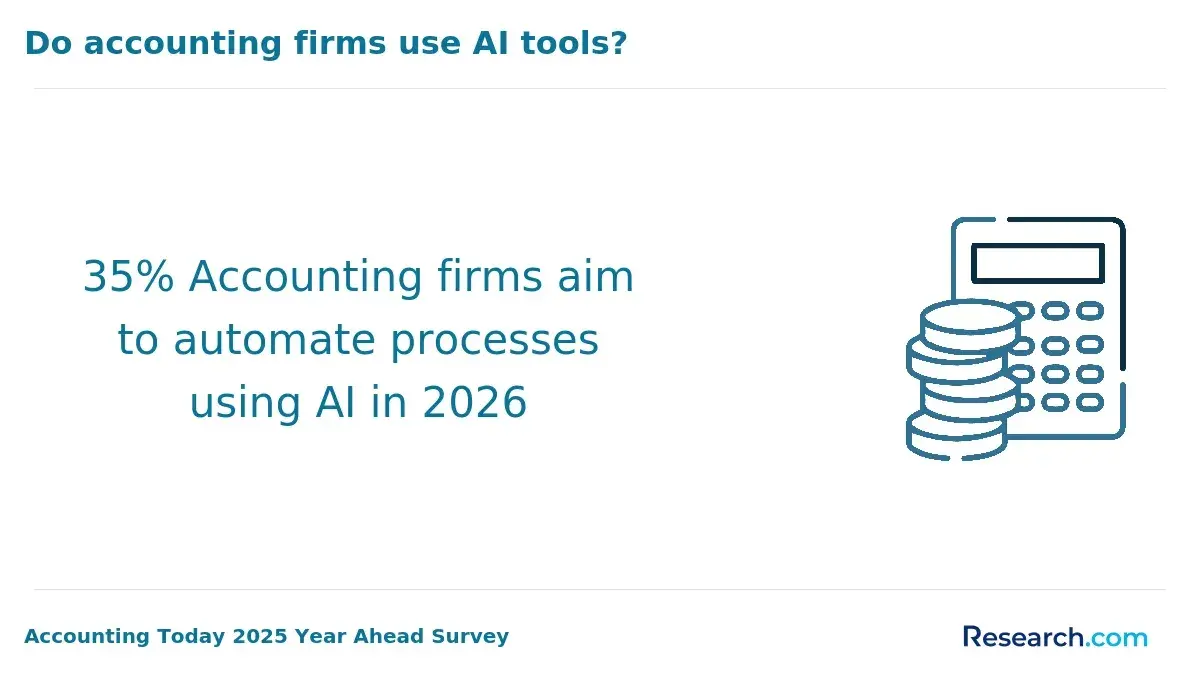
Payroll accounting is becoming more system-driven and less dependent on manual calculations. Automation, artificial intelligence, cloud platforms, and integrated HR-finance systems are changing what employers expect from payroll professionals. Routine data entry is easier to automate, while exception review, compliance analysis, system controls, reporting, and interpretation are becoming more important.
Cloud-based payroll systems can support real-time collaboration, centralized records, and easier integration with HR and accounting platforms. AI-enabled tools may help flag irregularities, identify missing data, or detect unusual payroll patterns. These technologies do not remove the need for payroll accountants; they shift the role toward oversight, review, system understanding, and judgment.
Blockchain is also discussed as a possible tool for payroll transaction integrity, particularly because immutable records can help protect compensation data from unauthorized changes. For cross-border payroll, digital tools may also support currency conversion, documentation, and payment tracking. However, organizations still need trained professionals to verify rules, review exceptions, and interpret requirements.
For students comparing accounting programs, technology coverage should be part of the decision. A useful curriculum should not only teach debits, credits, and tax basics. It should expose students to accounting information systems, spreadsheets, analytics, payroll platforms, internal controls, and data security. If you are comparing flexible study options or wondering what’s the easiest degree to get, avoid choosing only by convenience. Make sure the program builds skills employers actually use.
Common Payroll Accounting Challenges
Payroll accounting can be rewarding, but it is not low-pressure work. Pay errors are visible immediately, deadlines are strict, and compliance responsibilities can be complex. The most successful payroll accountants build repeatable processes and communicate early when data is missing or inconsistent.
- Changing tax and labor rules. Payroll accountants must keep up with rules that affect withholding, deductions, classifications, overtime, benefits, and reporting. Mistakes can expose employers to penalties and employee complaints.
- Multi-state or multi-country payroll. Employees in different jurisdictions may be subject to different taxes, wage rules, benefits, and documentation requirements.
- Data accuracy. Incorrect employee records, time entries, pay rates, bank details, or deduction codes can create payroll errors that require urgent correction.
- Confidentiality and security. Payroll files contain sensitive employee and financial information. Access controls and careful handling are essential.
- Deadline pressure. Payroll cycles leave little room for delay. Last-minute changes, missing approvals, or system problems can create intense workloads.
- System integration issues. Payroll software must often connect with HR, accounting, timekeeping, benefits, and reporting systems. Poor integration can create duplicate work and reconciliation problems.
Common Mistakes to Avoid
| Mistake | Why It Creates Risk | Better Approach |
| Choosing a program without checking accreditation | Credits, financial aid eligibility, employer recognition, or graduate study options may be limited | Confirm institutional accreditation before enrolling |
| Focusing only on tuition | Fees, books, software, lost transfer credits, and extra terms can raise the real cost | Compare total program cost, transfer policies, and completion time |
| Assuming all online programs fit every career goal | Some programs may not align with certification, employer, or graduate school expectations | Ask advisors how the curriculum supports payroll, accounting, CPA, or career goals |
| Relying only on rankings | A highly ranked program may still be a poor fit for your budget, schedule, or location | Use rankings as one input, not the whole decision |
| Ignoring software skills | Payroll work is increasingly system-based | Choose courses or projects that build spreadsheet, payroll, and accounting system experience |
| Expecting salary outcomes to be automatic | Pay varies by role, location, employer, experience, and credentials | Research job postings in your area and compare required qualifications |
How Do Regulatory Compliance and Legal Considerations Affect Payroll Accounting?
Payroll accounting is heavily shaped by laws and regulations. Payroll professionals must understand tax obligations, wage and hour rules, employee classifications, deductions, benefits, record retention, and privacy expectations. These rules can vary by jurisdiction, which makes compliance especially important for organizations with remote, multi-state, or international employees.
Education can help, but students should choose carefully. When comparing an online degree vs traditional degree, look beyond delivery format. Ask whether the program includes taxation, business law, accounting systems, internal controls, ethics, and practical assignments that mirror real payroll issues.
How Can Payroll Accountants Navigate International Payroll Challenges?
International payroll adds layers of complexity, including currency differences, local tax rules, labor regulations, benefits, reporting timelines, and documentation requirements. Payroll accountants working with global teams need strong process controls and reliable systems because a rule that applies in one country may not apply in another.
Cloud-based payroll platforms can help centralize data, but software alone does not solve compliance. Professionals need training in accounting, risk management, documentation, and cross-functional communication. If you want to work in a multinational environment, compare accounting degrees online with attention to international business, taxation, systems, and analytics coursework.
How Does Work-Life Balance Affect a Payroll Accounting Career?
Payroll accounting can offer steady, office-based work, but the workload often intensifies around payroll deadlines, month-end close, quarter-end reporting, year-end tax work, audits, system migrations, and regulatory changes. Work-life balance depends heavily on staffing, software quality, process maturity, and employer expectations.
Remote or hybrid work can make the career more flexible, but it does not eliminate deadline pressure. Strong systems, clear approval workflows, and documented procedures make a major difference. If you are exploring broader careers in accounting, ask employers how payroll cycles are managed, whether overtime is common, and what tools the team uses to prevent last-minute emergencies.
How Do Payroll Accountants Protect Data Security and Privacy?
Payroll accountants handle some of the most sensitive data in an organization, including compensation, tax details, bank information, addresses, identification data, and benefits information. Protecting that data is both an ethical obligation and a business necessity.
Common safeguards include multi-factor authentication, role-based access, encryption, secure document storage, regular software updates, system audits, employee training, and careful vendor management. Payroll teams may also need to consider privacy and data rules such as GDPR and HIPAA when applicable. Professionals who develop strong information governance skills may be better positioned for higher-responsibility accountant jobs that involve compliance, controls, and risk management.
How Can You Balance Cost and Quality in Payroll Accounting Education?
A lower-cost program is not automatically the best choice, and an expensive program is not automatically better. The right program should be accredited, affordable for your situation, flexible enough to complete, and aligned with your target role. If you are starting with an associate degree, reviewing the cheapest accounting associate degree online options can help you reduce cost while building a foundation in accounting principles.
Questions to Ask Before Enrolling
- Is the institution accredited?
- Does the curriculum include payroll, taxation, accounting systems, business law, and financial reporting?
- Will credits transfer into a bachelor’s program if you continue?
- Are courses asynchronous, synchronous, hybrid, or campus-based?
- What software or technology tools will you learn?
- Are internships, career services, or employer connections available?
- What is the total cost after tuition, fees, books, software, and transfer credit policies?
- Does the program support your certification or CPA-related goals if you have them?
How Do Economic Trends Affect Payroll Accounting Careers?
Payroll accounting is tied to the labor market. When companies hire, restructure, expand internationally, shift to remote work, or invest in automation, payroll processes often need to change. Inflation, budget pressure, technology investments, and regulatory changes can also affect compensation planning and payroll operations.
Professionals who understand payroll data can help organizations analyze labor costs, improve reporting, and prepare for changes. Additional credentials may also improve adaptability. For example, preparing for the bookkeeping certification exam can strengthen foundational accounting knowledge for people moving from clerical payroll work into broader accounting roles.
Is Professional Networking Important for Payroll Accounting Career Growth?
Networking can help payroll accountants learn about rule changes, software practices, job openings, salary expectations, and advancement paths. Mentors and professional peers can also help you understand which credentials matter in your local market or industry.
Useful networking activities include joining accounting or payroll associations, attending employer webinars, participating in alumni groups, connecting with accounting faculty, asking experienced professionals for informational interviews, and building relationships with HR, tax, audit, and finance colleagues at work. Networking is not a substitute for competence, but it can make career options more visible.
Alternative Careers for Payroll Accountants
Payroll accounting skills can transfer into related roles that involve financial data, budgets, reporting, compliance, and business analysis. If you enjoy the analytical side of payroll more than recurring payroll cycles, one of these paths may be worth exploring.
- Budget Analyst. Budget analysts review budget proposals, help organizations plan spending, assess whether proposed budgets are realistic, and monitor spending against approved plans. In 2024, the median annual salary of budget analysts was $84,940, and employment between 2023 and 2033 is expected to increase by 4% (US BLS, 2024).
- Financial Analyst. Financial analysts evaluate historical and current financial information, identify trends, prepare reports, and make recommendations about investments or business decisions. In 2024, the median annual wage of financial analysts was $99,890, and the job outlook is projected to be 9% between 2023 and 2033 (US BLS, 2024).
| Career Option | Best Fit If You Like | How Payroll Experience Helps |
| Payroll accountant | Accuracy, compliance, recurring processes, employee pay, and accounting systems | Direct experience with payroll records, reconciliations, deductions, and reporting |
| Budget analyst | Planning, departmental spending, forecasts, and resource allocation | Payroll is often a major labor cost, making payroll data useful for budget analysis |
| Financial analyst | Trends, performance analysis, reporting, and strategic recommendations | Payroll data supports labor cost analysis and workforce-related financial insights |
| Tax or compliance role | Rules, documentation, filings, audits, and risk reduction | Payroll work builds familiarity with tax withholding, records, and regulatory deadlines |
Choosing the Right Education Path for Payroll Accounting
Aspiring payroll accountants can start with a certificate, associate degree, bachelor’s degree, or graduate credential depending on career goals, budget, and timeline. If you want the fastest entry into payroll support work, a certificate or associate degree may be enough. If you want broader accountant, auditor, CPA, tax, or leadership options, a bachelor’s degree is usually more useful. If you are comparing short, practical credentials, researching the best associate degree to get can help you weigh cost, transfer value, and career mobility.
Educational Requirements for Payroll Accountants
Formal education requirements vary by employer and job level. Some entry-level payroll positions do not require a degree, but a relevant credential can improve your competitiveness and make advancement easier.
- Bachelor's degree in Accounting or Finance: This route is often preferred for accountant-level roles. It typically provides broader preparation in accounting principles, financial reporting, taxation, business law, and systems, all of which support payroll accounting and compliance work.
- Associate's degree in Accounting or Business Administration: This can be a practical starting point for entry-level payroll, bookkeeping, or accounting support positions. It can also serve as a stepping stone toward a bachelor’s degree.
- Certificate in payroll or accounting: A certificate may help career changers or current employees build targeted skills. It is most useful when paired with software experience, office experience, or a plan to continue into a degree.
Should You Consider an Online Accounting Degree?
Online accounting programs can work well for students who need flexibility because of work, family, location, or cost constraints. The key is to choose based on quality, not convenience alone. Look for accreditation, accounting depth, transfer policies, faculty support, technology exposure, and career services. Research.com’s guide to top online accounting programs can help you compare options as you narrow your list.
Continuing Education and Certifications in Payroll Accounting
Payroll rules, software, tax requirements, privacy expectations, and employer practices change over time. Continuing education helps payroll professionals keep their knowledge current and qualify for more specialized responsibilities. This is especially important for workers who want to move beyond processing payroll into accounting, audit, compliance, tax, management, or consulting roles.
An accounting graduate certificate can be useful for professionals who already have a degree and want deeper exposure to advanced accounting, payroll management, taxation, or related areas. It may also help career changers strengthen their academic background before pursuing higher-level accounting opportunities.
Professional certifications such as the CPA or CPP can also support advancement, depending on the career goal. A CPA path is generally broader and more relevant to public accounting, audit, tax, and senior accounting roles. A payroll-focused credential may be more relevant for payroll operations, payroll management, and compliance-heavy roles. Before investing, compare job postings in your target market and confirm which credentials employers actually request.
Should You Become a Payroll Accountant?
Payroll accounting is a good fit for people who want accounting work with direct human impact. Every payroll cycle affects employees, families, managers, and the organization’s financial records. If you value accuracy, fairness, compliance, and reliable processes, the work can be meaningful.
It may not be the right fit if you dislike deadlines, sensitive data, repetitive cycles, or rule-heavy work. In that case, you might prefer financial analysis, forensic accounting, budgeting, or a broader accounting role. Students who want flexible study options can compare online accounting degree programs with campus-based programs to find the best mix of cost, quality, and convenience.
If investigation and fraud detection appeal to you, forensic accounting may be another path to consider. There are many schools for forensic accounting that can help students prepare for that specialization. If you are more interested in the employee side of organizations, Research.com’s HR degrees online guide may also be useful.
Key Insights
- Payroll accounting is both financial and people-centered. The role affects employee pay, tax compliance, accounting records, and organizational trust.
- Career outcomes depend on role level. Payroll and clerical roles can provide entry experience, while accountant, auditor, tax, and management roles usually offer stronger long-term mobility.
- The broader accountant and auditor outlook is positive. Employment is projected to grow by 6% from 2023 to 2033, with about 130,800 accounting job opportunities expected annually during that period.
- Technology is changing the work. Automation and payroll software reduce manual tasks, but they increase the value of professionals who can review exceptions, manage systems, analyze payroll data, and maintain controls.
- Education should match your goal. Certificates and associate degrees may help with entry-level roles, while bachelor’s degrees, graduate credentials, and certifications can support advancement.
- Do not choose a program by price or ranking alone. Check accreditation, curriculum, transfer policies, software exposure, career support, total cost, and fit with your desired role.
- Payroll skills are transferable. Experience with payroll data, compliance, reporting, and systems can support movement into budgeting, financial analysis, tax, audit, HR finance, or accounting leadership.
References
- AICPA. (2025). 2025 Trends: A Report on Accounting Education, the CPA Exam, and Public Accounting Firms' Hiring of Recent Graduates. https://assets.ctfassets.net/rb9cdnjh59cm/vWGh3wPbGyNEKzyuULyn5/8b13adeec80b9a1c63928d591739f7f9/Trends_Report_2025_FINAL.pdf
- AICPA & CIMA. (2025). MAP survey executive summary. https://www.aicpa-cima.com/resources/download/map-survey-executive-summary
- Fortune Business Insights. (2024). Payroll Software Market Size, Share & Industry Analysis, 2024-2032. https://www.fortunebusinessinsights.com/payroll-software-market-104598
- Hood, D. (2026, January 2). Accounting in 2026: The year ahead in numbers. Accounting Today. https://www.accountingtoday.com/list/accounting-in-2026-the-year-ahead-in-numbers
- Meiryani, M., et al. (2024). The influence of accounting information systems on the quality of financial reports. International Journal of Professional Business Review, 9(1), e04215. https://doi.org/10.26668/businessreview/2024.v9i1.4215
- Robert Half. (2024). 2025 Salary Guide: Accounting and Finance. https://www.roberthalf.com/us/en/insights/salary-guide
- U.S. Bureau of Labor Statistics. (2024, April 3). Occupational Employment and Wage Statistics: May 2023 National Occupational Employment and Wage Estimates. https://www.bls.gov/oes/current/oes_nat.htm
- U.S. Bureau of Labor Statistics. (2024, August 29). Accountants and Auditors: Occupational Outlook Handbook. https://www.bls.gov/ooh/business-and-financial/accountants-and-auditors.htm
- U.S. Bureau of Labor Statistics. (2024, August 29). Bookkeeping, Accounting, and Auditing Clerks: Occupational Outlook Handbook. https://www.bls.gov/ooh/office-and-administrative-support/bookkeeping-accounting-and-auditing-clerks.htm
- U.S. Bureau of Labor Statistics. (2024, August 29). Budget Analysts: Occupational Outlook Handbook. https://www.bls.gov/ooh/business-and-financial/budget-analysts.htm
- U.S. Bureau of Labor Statistics. (2024, August 29). Financial Analysts: Occupational Outlook Handbook. https://www.bls.gov/ooh/business-and-financial/financial-analysts.htm
- U.S. Bureau of Labor Statistics. (2024, August 29). Payroll and Timekeeping Clerks: Occupational Outlook Handbook. https://www.bls.gov/ooh/office-and-administrative-support/payroll-and-timekeeping-clerks.htm
- U.S. Bureau of Labor Statistics. (2024, August 29). Table 1.2 Employment by detailed occupation, 2023 and projected 2033. https://www.bls.gov/emp/tables/occupational-projections-and-characteristics.htm
- U.S. Bureau of Labor Statistics. (2025, January 23). Usual Weekly Earnings of Wage and Salary Workers — Fourth Quarter 2024. https://www.bls.gov/news.release/pdf/wkyeng.pdf
- USAJOBS. (2024, September 20). Supervisory Internal Revenue Agent. Internal Revenue Service. https://www.usajobs.gov/job/810020400
Other Things You Should Know About Payroll Accountant Careers
Yes, you can start a payroll accounting career with just a certificate. Many entry-level positions accept candidates with a certificate in payroll accounting. However, obtaining further certifications or a degree may enhance your career opportunities and salary potential in the long term.
Key skills include technological literacy, payroll management, tax preparation, attention to detail, analytical thinking, and data presentation. Strong communication skills are also vital for collaborating with finance and HR teams.
Certifications such as Certified Public Accountant (CPA), Certified Payroll Professional (CPP), and other relevant accounting certifications can be highly beneficial. These certifications demonstrate expertise and can lead to career advancement.
A career in payroll accounting offers stability and growth. With every organization needing accurate payroll processing, demand remains steady. The role also allows for specialization and advancement opportunities, making it an attractive option for those interested in finance and detail-oriented work in 2027.
Career advancement opportunities include roles such as certified public accountant, auditor, tax examiner, and eventually top executive or postsecondary teacher. Advanced degrees and professional certifications can significantly enhance these opportunities.