
2027 Best Online Construction Management Degree Programs

Co-Founder and Chief Data Scientist
The construction industry is booming and the demand for construction managers is increasing. However, as an expert career planning advisor with 10+ years of experience, I have encountered higher education students as well as skilled professionals who need to earn the required qualifications to take on this role but do not have a clear path identified. Now that institutions are offering online bachelor’s degrees in construction management, there is a flexible and accessible path to a rewarding career.
If you are hesitant to take an online construction management degree for fear of not being able to earn hands-on experience, many online programs integrate simulations, virtual labs, and project work into their curriculum, equipping you with practical skills alongside theoretical knowledge. And the best part? You can earn that degree while juggling work, family, or other commitments, thanks to the online format.
So, if you are looking for a career that combines intellectual challenge, practical skills, and the potential to make a real difference, an online bachelor’s degree in construction management might be the perfect fit. Forget the limitations of traditional education, embrace the flexibility and potential of online learning, and build your future in the exciting world of construction.
What are the benefits of getting an online degree in construction management?
- Online programs allow you to study on your own schedule, making it easier to balance coursework with full-time jobs or family responsibilities. This is ideal for construction workers or tradespeople looking to move into management roles without pausing their careers.
- Online construction management degrees often come with lower tuition costs, reduced commuting expenses, and no need for on-campus housing
- Online construction management programs typically cover topics like project planning, contract administration, safety regulations, budgeting, and leadership—all of which are critical for advancing in the field.
- With online learning, students can choose from top-ranked construction management programs across the country, gaining access to better resources, faculty, and industry connections.
What can I expect from an online degree in construction management?
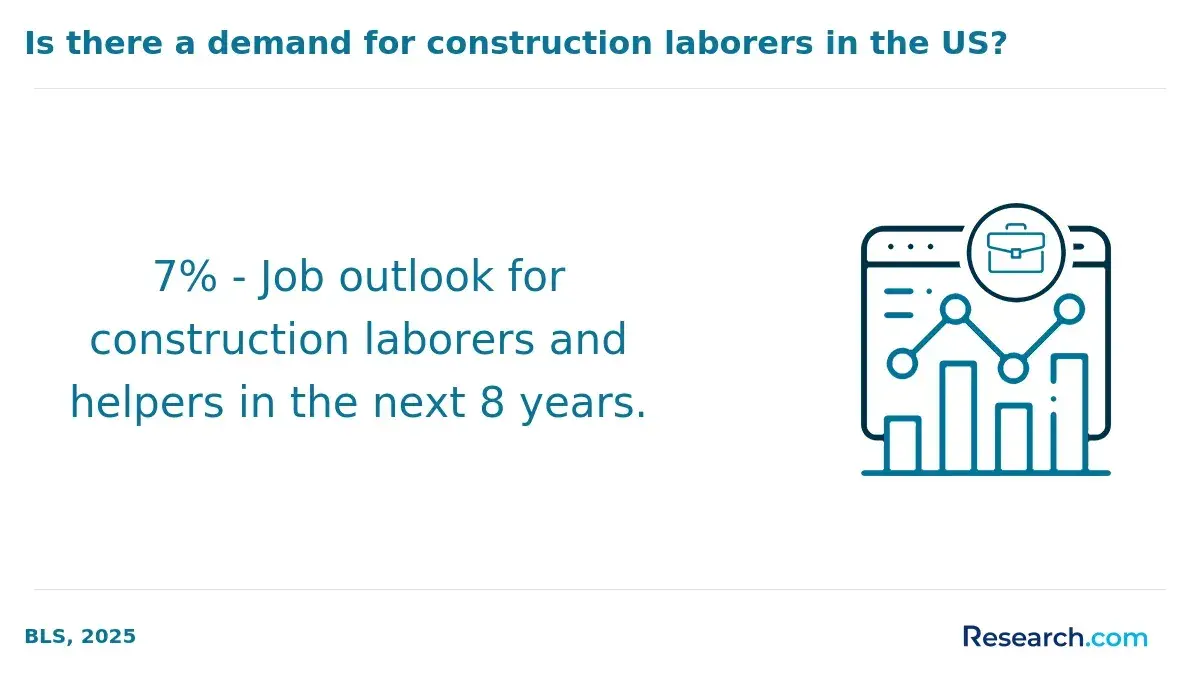
The construction industry is experiencing steady growth, with the Bureau of Labor Statistics projecting an 8% job growth rate for construction managers over the next decade. This means a qualified graduate with a construction management degree will have a greater chance of finding and securing employment.
Where can I work with an online degree in construction management?
The skills learned in a construction management program, such as project management, budgeting, leadership, and communication, are valuable across various industries. The program typically covers essential skills like communication, leadership, teamwork, problem-solving, and conflict resolution. This knowledge will make you a more effective and efficient manager on construction sites.
Construction managers are crucial for planning, executing, and overseeing complex projects. From skyscrapers to bridges, they are the backbone of the industry, ensuring projects are completed on time, within budget, and to the highest standards. With a bachelor’s degree in construction management, you can open doors to roles like project manager, field engineer, estimator, and more.
How much can I make with an online degree in construction management?
A bachelor’s degree unlocks higher salaries, fast-tracks promotions, and equips you with the technical and leadership skills to navigate complex projects. Construction managers with bachelor’s degrees typically earn significantly more than those without. The median annual wage for construction managers with a bachelor’s degree was $106,980 in May 2024, compared to $81,540 for those with an associate degree.
Construction management offers a dynamic and challenging career path, where you will be constantly learning and adapting to new technologies and trends. You will get to see your work take shape, literally, leaving a lasting impact on the built environment. And the financial rewards are just as impressive as the career itself.
- 2027 Best Online Construction Management Degree Programs Best Programs
- How long does it take to complete an online construction management degree program? Completion Time
- How does an online construction management degree program compare to an on-campus program? How does an online construction management degree program compare to an on-campus program?
- What is the average cost of an online construction management degree program? Average Cost
- What are the financial aid options for students enrolling in an online construction management degree program? Financial Aid
- What are the prerequisites for enrolling in an online construction management degree program? Requirements
- What courses are typically in an online construction management degree program? What courses are typically in an online construction management degree program?
- What types of specializations are available in an online construction management degree program? What types of specializations are available in an online construction management degree program?
- How do you choose the best online construction management degree program? How do you choose the best online construction management degree program?
- How does an online construction management degree prepare students for real-world challenges? How does an online construction management degree prepare students for real-world challenges?
- What career paths are available for graduates of online construction management degree programs? What career paths are available for graduates of online construction management degree programs?
- What is the job market for graduates with an online construction management degree program? Job Market
- How do emerging technologies impact construction management? How do emerging technologies impact construction management?
- How do construction management degrees prepare professionals to prevent errors in project operations? How do construction management degrees prepare professionals to prevent errors in project operations?
- Should I pursue a doctoral degree in construction management? Should I pursue a doctoral degree in construction management?
- What professional certifications can complement an online construction management degree? What professional certifications can complement an online construction management degree?
- How do online construction management programs support job placement and career growth? How do online construction management programs support job placement and career growth?
2027 Best Online Construction Management Degree Programs
Choosing an online construction management degree is not just a question of convenience. It is a decision about cost, accreditation, schedule, field experience, and whether the program can help you move into roles such as project manager, estimator, site supervisor, field engineer, or construction manager. The right program should teach you how construction projects are planned, priced, scheduled, staffed, documented, and delivered safely.
This guide is for working adults, transfer students, military learners, recent high school graduates, and construction professionals who want a bachelor’s-level credential without putting their careers on hold. You will find ranked program options, cost and timeline comparisons, admissions requirements, common courses, specializations, career paths, technology trends, and practical questions to ask before enrolling.
Quick Answer: Is an Online Construction Management Degree Worth Considering?
An online construction management degree can be a strong option if you want a flexible path into construction leadership and you are comfortable learning technical, business, and project management skills remotely. The best programs are accredited, transparent about total cost, offer access to internships or applied projects, and include coursework in estimating, scheduling, contracts, safety, building systems, and construction technology.
Online study works especially well for students already employed in construction because they can connect coursework to real jobsite experience. However, students with no construction background should look closely for programs that include labs, internships, site visits, mentorship, or employer partnerships.
How Research.com Evaluates Online Construction Management Programs
Online construction management degrees often sit at the intersection of business, engineering technology, architecture, and project management. For readers comparing related pathways, our broader engineering degree resources can help clarify how construction management differs from engineering-focused programs.
Research.com reviews programs using institutional and program-level information from sources such as the IPEDS database, Peterson’s Distance Learning Licensed Data Set, College Scorecard, and the National Center for Education Statistics. These sources help assess school characteristics, distance learning availability, student outcomes, cost information, and institutional profile.
Our ranking methodology considers factors such as curriculum relevance, affordability, accreditation, student support, faculty and institutional quality, and career preparation. Rankings should be used as a starting point, not as the only reason to choose a school. Always compare the program’s accreditation, transfer policy, field experience options, and total cost against your own career goals.
Ranked Online Construction Management Degree Programs
| Rank | School and Degree | Program Length | Cost per Credit | Credits Required | Accreditation Listed |
| 1 | Everglades University: BS in Construction Management | 41 months | $570 | 120 | Southern Association of Colleges and Schools Commission on Colleges (SACSCOC) |
| 2 | Indiana State University: BS in Construction Management | 4 years | $420 | 120 | National Construction Safety Awareness (NCSA), Accreditation Board for Engineering and Technology (ABET) |
| 3 | National University: BS in Construction Management | 2 to 3 years | $663 | 120 | WASC Senior College and University Commission (WASCUC) |
| 4 | Colorado State University-Pueblo: BS in Construction Management | 4 years | $418 | 120 | National Construction Safety Awareness (NCSA), Accreditation Board for Engineering and Technology (ABET) |
| 5 | Park University: BS in Construction Management | 3 to 4 years | $564 | 120 | The Higher Learning Commission |
| 6 | Seminole State College of Florida: BS in Construction | 4 years | $153 | 126 | Southern Association of Colleges and Schools Commission on Colleges (SACSCOC) |
| 7 | University of Alaska Anchorage: BS in Construction Management | 4 years | $362 $745 | 120 | American Council for Construction Education (ACCE) |
| 8 | Tarleton State University: BS in Construction Science and Management | 4 years | $437 | 128 | Southern Association of Colleges and Schools Commission on Colleges (SACSCOC) |
| 9 | University of Southern Mississippi: BS in Construction Management | 2 to 4 years | $401 | 120 | Southern Association of Colleges and Schools Commission on Colleges (SACSCOC) |
| 10 | National American University: BS in Construction Management | 2 to 3 years | $495 | 120 | Accreditation Council for Business Schools and Programs (ACBSP) |
1. Everglades University: BS in Construction Management
Everglades University offers a BS in Construction Management designed for students who want an accelerated online format with coursework tied to project management, building codes, and construction leadership. The program can support career goals in construction management, project management, and property management, particularly for learners who need flexibility while working.
The curriculum also prepares graduates to sit for the LEED Green Associates exam to become a Certified LEED Green Associate, making it relevant for students interested in sustainable building practices.
- Program Length: 41 months
- Tracks/concentrations: Construction Management
- Cost per Credit: $570
- Required Credits to Graduate: 120
- Accreditation: Southern Association of Colleges and Schools Commission on Colleges (SACSCOC)
2. Indiana State University: BS in Construction Management
Indiana State University provides a fully online BS in Construction Management for students who want a management-oriented program with technical construction coursework. The degree is intended to build knowledge in construction operations, leadership, and business practices used across construction industries.
This program may appeal to students who want specialization options, internship exposure, competitive tuition, and access to an established alumni network.
- Program Length: 4 years
- Tracks/concentrations: Construction Technology, Sustainability
- Cost per Credit: $420
- Required Credits to Graduate: 120
- Accreditation: National Construction Safety Awareness (NCSA), Accreditation Board for Engineering and Technology (ABET)
3. National University: BS in Construction Management
The National University BS in Construction Management is structured for students seeking preparation for roles such as construction executive, project manager, field engineer, planning and scheduling engineer, cost engineer, or cost estimator. Coursework covers modern surveying methods, technical problem-solving, and the basics of mechanical and electrical system design.
With multiple start dates and an emphasis on leadership and communication, this program may be useful for students who need scheduling flexibility and want exposure to BIM-related construction management topics.
- Program Length: 2 to 3 years
- Tracks/concentrations: Construction Management, Construction Management with BIM
- Cost per Credit: $663
- Required Credits to Graduate: 120
- Accreditation: WASC Senior College and University Commission (WASCUC)
4. Colorado State University-Pueblo: BS in Construction Management
Colorado State University-Pueblo offers a BS in Construction Management that combines civil engineering technology, business concepts, and construction management coursework. Students can study topics that support work in project controls, green building, and construction operations.
The program may be a fit for learners who want online coursework but also value applied learning through onsite labs and industry-centered projects.
- Program Length: 4 years
- Tracks/concentrations: Construction Management, Construction Management (Minor in Civil Engineering)
- Cost per Credit: $418
- Required Credits to Graduate: 120
- Accreditation: National Construction Safety Awareness (NCSA), Accreditation Board for Engineering and Technology (ABET)
5. Park University: BS in Construction Management
Park University offers a BS in Construction Management that blends construction knowledge with business training. Students take courses in areas such as financial management, marketing, building planning, and project management.
The program includes an internship elective and may be especially relevant for students who want to strengthen both their construction and management skill sets while studying online.
- Program Length: 3 to 4 years
- Tracks/concentrations: Construction Management
- Cost per Credit: $564
- Required Credits to Graduate: 120
- Accreditation: The Higher Learning Commission
6. Seminole State College of Florida: BS in Construction
The Seminole State College BS in Construction focuses on preparing students to manage building projects from early planning through completion. The program emphasizes project management and uses applied examples to connect classroom instruction with real construction situations.
This option may be attractive to students interested in professional certification as a general contractor, including Certified GC and/or Building Contractor preparation.
- Program Length: 4 years
- Tracks/concentrations: Construction
- Cost per Credit: $153
- Required Credits to Graduate: 126
- Accreditation: Southern Association of Colleges and Schools Commission on Colleges (SACSCOC)
7. University of Alaska Anchorage: BS in Construction Management
The University of Alaska Anchorage BS in Construction Management prepares students for entry-level management responsibilities in construction. Students study how to control cost and schedule, administer contracts, select construction methods, and manage labor, materials, equipment, safety, and design requirements.
The program is distinctive for its Arctic focus, including cold-climate construction and project management in remote locations.
- Program Length: 4 years
- Tracks/concentrations: Construction Management, Arctic Engineering & Construction, Project Management
- Cost per Credit: $362 $745
- Required Credits to Graduate: 120
- Accreditation: American Council for Construction Education (ACCE)
8. Tarleton State University: BS in Construction Science and Management
Tarleton State University offers a BS in Construction Science and Management that includes labs, field visits, internships, and team-based competitions. Students gain exposure to hand tools, power tools, testing equipment, and computer-based technologies used in construction settings.
This program may suit students who want a hands-on learning model supported by online coursework and onsite construction lab experiences.
- Program Length: 4 years
- Tracks/concentrations: Construction Management
- Cost per Credit: $437
- Required Credits to Graduate: 128
- Accreditation: Southern Association of Colleges and Schools Commission on Colleges (SACSCOC)
9. University of Southern Mississippi: BS in Construction Management
The University of Southern Mississippi BS in Construction Management includes study in structural design, building modeling, mechanical systems, electrical systems, plumbing systems, and construction leadership. Faculty backgrounds include architecture, engineering, construction, planning, and pedagogy.
Students looking for broad construction management preparation and specialization options may find this program relevant, especially if they want exposure to disaster recovery, mitigation, construction science, quantity surveying, or cost estimating.
- Program Length: 2 to 4 years
- Tracks/concentrations: Construction Management, Disaster Recovery & Mitigation, Construction Science & Construction Management, Quantity Surveying & Cost Estimating
- Cost per Credit: $401
- Required Credits to Graduate: 120
- Accreditation: Southern Association of Colleges and Schools Commission on Colleges (SACSCOC)
10. National American University: BS in Construction Management
National American University offers an online BS in Construction Management focused on planning, controlling, scheduling, supervising, and monitoring construction projects. Students study residential and commercial construction processes while building practical management skills.
The program may be appropriate for students seeking a flexible online format with a curriculum centered on applied construction project oversight.
- Program Length: 2 to 3 years
- Tracks/concentrations: Construction Management
- Cost per Credit: $495
- Required Credits to Graduate: 120
- Accreditation: Accreditation Council for Business Schools and Programs (ACBSP)
What Online Construction Management Graduates Say About the Experience
- Ashley: "I had already spent years on construction sites, but the online degree helped me connect my hands-on experience to formal project management concepts. Terms I had heard for years finally fit into a bigger framework. Studying online let me keep working and stay present for my family, while still earning a credential that supports my leadership role today."
- Marco: "Online learning made college feel possible for me. The discussion boards brought together people with different jobsite backgrounds, career goals, and problem-solving styles. I learned from the coursework, but I also learned from classmates who had seen construction from angles I had not. That made me feel more prepared when I stepped into larger projects."
- Sarah: "A campus schedule would not have worked with my full-time job and kids. The online format gave me room to study in smaller blocks and keep moving forward. Some assignments even became conversations at home because my children saw me learning. The degree was professional growth, but it also showed my family what persistence looks like."
Key Findings
- Most online bachelor’s programs in construction management require about 120 credits, though some listed programs require 126 or 128 credits.
- Completion time varies widely. Traditional full-time programs often take 4 years, while some accelerated online pathways list timelines of 2 to 3 years.
- Accreditation matters. Students should check both institutional accreditation and any construction-related program accreditation before enrolling.
- Online programs are best for self-directed learners, especially those who already have construction experience or can access internships, labs, or field-based projects.
- Cost should be evaluated by total degree price, not only by cost per credit. Fees, transfer credits, residency rules, technology costs, and course load can change the final amount.
How Long Does It Take to Complete an Online Construction Management Degree?
A standard online bachelor’s degree in construction management usually takes 4 years for full-time students. Part-time students may need 5 to 6 years, depending on course load, transfer credits, and whether required courses are offered every term. Some accelerated options can be completed in 2 years when students enroll full-time and bring in enough qualifying credits.
Most programs follow a semester or quarter schedule with a planned sequence of general education, construction management, business, safety, estimating, and capstone or internship courses. Accelerated programs often require heavier course loads, summer enrollment, or transfer credits from previous college work.
| Student Situation | Typical Timeline | What to Check Before Enrolling |
| First-time full-time student | 4 years | Course sequencing, math readiness, internship expectations, and lab requirements |
| Part-time working adult | 5 to 6 years | Maximum time to degree, course availability, and whether evening or asynchronous options are offered |
| Transfer student | Potentially shorter | How many credits transfer, whether construction courses must be retaken, and residency credit minimums |
| Accelerated student | 2 years in some programs | Weekly workload, summer terms, transfer credit expectations, and whether field experience is still included |
Online vs. On-Campus Construction Management Degree: Which Format Is Better?
Online and campus-based construction management degrees can cover similar academic content, but they differ in schedule, delivery, student interaction, access to labs, and the amount of structure built into the week. The better format depends on your work schedule, learning style, location, and need for hands-on support.
Construction management shares some planning and leadership concepts with master’s degrees in project management, but construction programs also require industry-specific knowledge in building systems, jobsite safety, estimating, contracts, codes, and field operations.
| Factor | Online Construction Management Degree | On-Campus Construction Management Degree |
| Schedule | Often asynchronous, sometimes synchronous, and usually more flexible for employed students | Usually tied to fixed class times, campus meetings, and term-based schedules |
| Learning environment | Best for organized, self-directed students who can manage deadlines independently | Better for students who want frequent face-to-face contact with faculty and classmates |
| Hands-on learning | May use virtual labs, simulations, local internships, or limited campus requirements | Often easier to access labs, construction materials, site visits, and faculty-supervised projects |
| Networking | Can include virtual career fairs, alumni groups, mentorship, and discussion-based collaboration | Often provides stronger spontaneous networking through clubs, labs, events, and campus recruiting |
| Pacing | Some schools offer 2 to 3 years accelerated pathways | Commonly 4 years for a traditional bachelor’s degree, with full-time and part-time options |
| Cost | Can reduce relocation and commuting costs, but tuition varies by school | May include campus fees, housing, transportation, and location-based living expenses |
Format and Course Delivery
Online programs may be fully remote, hybrid, or mostly online with limited in-person requirements. Students typically work through modules, recorded lectures, assignments, discussions, and digital simulations. Campus programs give students more immediate access to in-person labs, physical models, peer collaboration, and faculty office hours.
Schedule Flexibility
Many online courses are asynchronous, which means students can view materials and complete assignments at different times during the week. Some courses are synchronous and require attendance through a video platform at set times. Hybrid formats may require campus visits for labs, orientation, exams, or intensive project work.
Learning Experience
Online study rewards discipline. Students must track deadlines, communicate proactively, and solve technical issues quickly. Among students in online degree programs, the top personal challenge identified by 72% of students include social isolation and lack of personal interactions with colleagues and staff (72%). At the same time, 51% hiring managers consider the ability to work independently as the main benefit of online learning.
Cost Differences
An online bachelor’s degree in construction management can cost students $5,800 to $14,000 per semester. Some hybrid options advertise tuition of $10,000 per year. Data from 50 colleges in the U.S. offering a bachelor’s degree in construction management show that the average cost for in-state degrees is $8,934 while out-of-state costs are $20,301. Other estimates place traditional four-year degree costs between $28,000 to $116,000 per year.
Because these figures vary widely, students should request a full cost estimate from each school and compare tuition, fees, software, books, travel, transfer credits, and required in-person components.
What Is the Average Cost of an Online Construction Management Degree?
Online construction management tuition depends on whether the school is public or private, whether you qualify for in-state pricing, how many credits you transfer, and how many fees are charged to online students. Public universities may charge between $5,000 and $15,000 per year for in-state residents and $15,000 to $25,000 for out-of-state students. Private universities commonly charge higher tuition, ranging from $10,000 to $25,000 per year even for in-state residents.
At the lower end, the price gap between online and in-state options can be about $3,000. At the higher end, the difference between online and traditional programs can reach approximately $6,000. Students should be cautious when comparing advertised tuition because the final amount can change once fees, transfer credits, course load, books, technology, and residency rules are included.
Cost Factors That Can Change Your Total Price
| Cost Factor | Why It Matters | Question to Ask |
| Per-credit tuition | Programs with the same 120-credit requirement can differ greatly in total price if the per-credit rate is high. | What is the total tuition for all required credits after transfer evaluation? |
| Tiered tuition | Some schools charge different rates depending on how many credits you take in a term. | Is there a lower rate if I enroll in a certain number of credits per term? |
| Transfer credits | Accepted credits can reduce both cost and time to completion. | How many credits can I transfer, and which requirements will they satisfy? |
| Online fees | Technology, proctoring, software, and distance learning fees can add to tuition. | What mandatory fees apply to online students? |
| Field or lab requirements | Some programs may require travel, onsite labs, internships, or local placements. | Will I need to travel or pay additional costs for required hands-on components? |
| Financial aid | Grants, loans, scholarships, employer assistance, and military benefits can reduce out-of-pocket cost. | What aid can online bachelor’s students use in this program? |
Financial Aid and FAFSA
Students in eligible online bachelor’s programs may use federal financial aid if they meet federal and institutional requirements. In the second quarter of 2025 alone, there were over 4.068 million FAFSA applications processed all over the US. Eligibility for aid has historically depended on measures of family financial capacity, and applicants with families that earn $27,000 or less per year will be given an automatic EFC of zero. Because financial aid rules and terminology can change, students should confirm current FAFSA requirements directly with the school’s financial aid office.
What Financial Aid Options Are Available for Online Construction Management Students?
Online students should approach financial aid in layers: federal aid first, then state grants, school scholarships, industry awards, employer support, military benefits when applicable, and payment plans. Do not assume that an online format means the program is automatically cheaper or that every online program qualifies for the same aid.
Federal Aid
- Federal Pell Grant. This need-based grant can help undergraduate students lower their tuition burden.
- Federal Supplemental Educational Opportunity Grant (SEOG). This grant is designed for students with exceptional financial need.
- Federal Work-Study. Eligible students can earn money through approved employment to help cover education-related costs.
- Federal Direct Loans. Subsidized and unsubsidized loans are available to eligible students, with subsidized loans offering more favorable interest treatment while the student is enrolled.
State and University Grants
Many states provide grants for residents, and some may prioritize workforce-related fields. Universities may also offer scholarships or grants for online learners. Ask whether awards are automatically considered at admission or require separate applications.
Construction Industry Scholarships
Construction associations, trade organizations, local builders’ groups, and professional societies may offer scholarships for students pursuing construction management. Program advisors and department chairs are often good sources for identifying these opportunities.
Employer Tuition Assistance
If you already work in construction, ask your employer whether tuition reimbursement, apprenticeship support, professional development funding, or promotion-based education assistance is available. Employer assistance can be especially valuable for students who want to stay employed while completing the degree.
What Are the Admission Requirements for an Online Construction Management Degree?
Admissions requirements vary by school, but most online construction management bachelor’s programs ask for standard undergraduate materials. Specialized programs may resemble other applied online degrees, such as a health informatics online degree, in that students must provide academic records and sometimes professional materials that show readiness for technical coursework.
| Requirement | What It Usually Includes | Why It Matters |
| Official transcripts | High school transcripts and transcripts from any colleges previously attended | Schools use these to verify graduation, transfer credits, and academic readiness. |
| SAT/ACT or placement assessment | Some schools request qualifying SAT/ACT scores or require placement testing | This can affect placement into math, writing, or introductory courses. |
| Transfer credit review | Evaluation of previous college coursework and credit hours | Accepted transfer credit can shorten the degree and reduce cost. |
| Resume | Academic achievements, work history, internships, volunteer experience, skills, and construction exposure | A resume can help admissions teams understand your preparation beyond grades. |
| Statement of purpose | A short essay about your goals, fit for the program, and interest in construction management | This helps the school assess motivation and career direction. |
| Recommendation letters | Typically from counselors, teachers, supervisors, or professional mentors | Programs may request one or three recommendation letters depending on policy. |
| GPA requirement | Some colleges require a cumulative GPA of 2.0 or 3.0 | GPA rules may affect admission, transfer eligibility, or progression in the major. |
If you are a transfer student, ask for a written credit evaluation before enrolling. A school may accept credits as electives but not apply them to construction management major requirements, which can affect your real graduation timeline.
What Courses Are Included in an Online Construction Management Degree?
A bachelor’s in construction management usually combines general education, construction science, business, project management, safety, law, estimating, and technology coursework. The exact curriculum varies, but most programs are designed to help students understand how a construction project moves from concept to closeout.
Common Core Courses
- Fundamentals of Construction Management. Students examine the roles, responsibilities, and workflows of construction teams across project types. Topics may include delivery methods, contractor responsibilities, project phases, and jobsite coordination.
- Construction Project Management. This course covers planning, coordination, monitoring, and completion of construction projects. Students learn how to define goals, manage communications, allocate resources, and guide projects through initiation, planning, execution, and closeout. Students who want a broader explanation of PM structures can review Research.com’s guide to project management office concepts.
- Construction Materials. Students study soils, metals, concrete, wood, finishes, and other building materials. The course helps future managers understand how material choices affect structural performance, safety, durability, and cost.
- Construction Cost Estimating. This course teaches students how to prepare cost estimates, evaluate pricing inputs, and work within budget constraints. Cost control is a major concern because cost overruns run at 16% for nationwide construction projects at a minimum.
- Building Design and Planning. Students learn how projects move through pre-design, design development, documentation, permitting, bidding, and construction administration. Coursework may include sketches, models, specifications, code checklists, and coordination with contractors.
General education courses often include mathematics, science, communication, humanities, and social sciences. These subjects matter because construction managers must communicate clearly, solve quantitative problems, interpret documentation, and coordinate with diverse project stakeholders.
What Specializations Are Available in Online Construction Management Programs?
Specializations help students align the degree with a target industry, project type, or technical skill area. Not every school offers formal concentrations, so students should review electives, certificates, internships, and faculty expertise in addition to the concentration title.
Technical Specializations
- Infrastructure Construction. Focuses on roads, bridges, transportation systems, and other public works. Students may study structural topics, geotechnical concepts, and infrastructure project delivery.
- Facilities Management. Emphasizes operation, maintenance, energy use, preventive maintenance, and long-term building performance.
- Construction Robotics and Automation. Explores automation, 3D printing, autonomous equipment, and data-supported construction workflows.
Project Management-Focused Specializations
- Project Controls. Builds deeper skills in planning, scheduling, budgeting, risk tracking, critical path method (CPM), and earned value management (EVM).
- Sustainable Construction. Covers green building practices, renewable systems, low-impact materials, and life cycle assessment.
- Construction Dispute Resolution. Examines contract administration, communication, negotiation, legal considerations, and alternative dispute resolution (ADR).
Industry-Specific Specializations
- Commercial Construction. Centers on offices, hotels, retail spaces, tenant improvements, building systems integration, and cost control.
- Residential Construction. Focuses on single-family homes, apartments, multi-unit housing, scheduling, codes, financing, and residential project delivery.
How Should You Choose the Best Online Construction Management Degree?
The best online construction management program is the one that fits your career goal, budget, schedule, learning style, and need for applied experience. As with comparing the best online computer science programs, you should look beyond name recognition and evaluate the details that affect graduation and employability.
Key Selection Factors
- Accreditation. Confirm institutional accreditation and any construction-related program accreditation. Accreditation can affect transfer credit, financial aid eligibility, employer recognition, and graduate school options.
- Curriculum fit. Review whether courses cover estimating, scheduling, safety, contracts, building systems, construction law, project controls, and digital tools such as BIM.
- Field experience. Look for internships, co-ops, labs, site visits, capstones, employer projects, or practical simulations.
- Total cost. Compare full program cost, not only tuition per credit. Include transfer credits, fees, technology, books, software, and required travel.
- Online support. Strong programs offer advising, tutoring, library access, technology help, career services, and faculty contact comparable to campus services.
- Career network. Ask about employer partnerships, alumni outcomes, mentorship, career fairs, and construction industry connections.
- Licensure or certification alignment. If your goal involves contractor licensing or certification, confirm whether the program satisfies relevant requirements in your state or industry area.
Questions to Ask Before You Apply
- Is the institution accredited, and is the construction management program accredited or industry-recognized?
- How many of my credits will transfer into the major, not just into electives?
- Are labs, internships, or site visits required, and can they be completed near where I live?
- What construction software will I learn?
- Does the program prepare students for LEED, OSHA, PMP, contractor licensing, or other credentials?
- What percentage of students complete the program online, and what support do they receive?
- Can the school provide a full estimated cost to graduation?
- How does the program connect students with employers?
Students who want a less demanding entry point or want to compare alternatives may also review easier construction management programs. If affordability is the main concern, compare bachelor’s programs against lower-cost starting options such as the cheapest associate degree online pathways before committing to a four-year plan.
Industry conditions can change, and employer demand depends on location, specialization, experience, and the construction cycle. Reports on contractor confidence, such as this update on the future in construction management, can help students understand why local market research matters.
How Do Online Construction Management Degrees Prepare Students for Real-World Work?
Good online construction management programs do more than assign readings. They use case studies, scheduling exercises, estimating assignments, collaborative projects, virtual labs, and simulation-based activities to help students practice decision-making. Students may work through scenarios involving change orders, subcontractor coordination, delays, safety incidents, material shortages, and budget pressure.
Many programs also introduce industry tools such as Building Information Modeling (BIM), project management platforms, estimating software, and digital documentation systems. These tools are now central to how project teams coordinate work, identify conflicts, track progress, and communicate across disciplines.
For students with little jobsite experience, the strongest programs provide internships, mentorship, employer projects, or local field opportunities. For students already working in construction, coursework can help formalize practical knowledge and prepare them for supervisory or office-based roles.
What Factors Matter Most When Choosing the Right Construction Management Program?
Start with your goal. A student who wants to become a field superintendent may need a program with strong safety, scheduling, and field operations coursework. A student who wants to move into estimating should prioritize cost estimating, quantity takeoff, and construction software. A student aiming for sustainability roles should look for LEED-related content, green building coursework, and sustainable construction electives.
Program format also matters. Fully online options are convenient, but hybrid programs may provide stronger hands-on learning. If you need maximum flexibility, ask whether courses are asynchronous. If you learn best with structure, ask whether live online sessions, cohort models, or faculty check-ins are available.
Students who are still exploring lower-barrier options can compare degree intensity, admissions requirements, and curriculum design with Research.com’s guide to the best degree to get online. The right path is not always the fastest one; it is the one that gets you the skills, credential, and experience your target employers value.
How Do Online Construction Management Programs Build Industry Connections?
Industry connection is one of the most important quality signals in an online construction management program. Strong programs create structured ways for students to meet employers, alumni, faculty mentors, and professional organizations even when students are not on campus.
Look for virtual job fairs, employer panels, alumni networking groups, mentorship programs, internship placement support, guest lectures, and capstone projects sponsored by construction firms. These features can help online learners build professional visibility and learn how hiring works in the construction sector.
What Careers Can You Pursue With an Online Construction Management Degree?
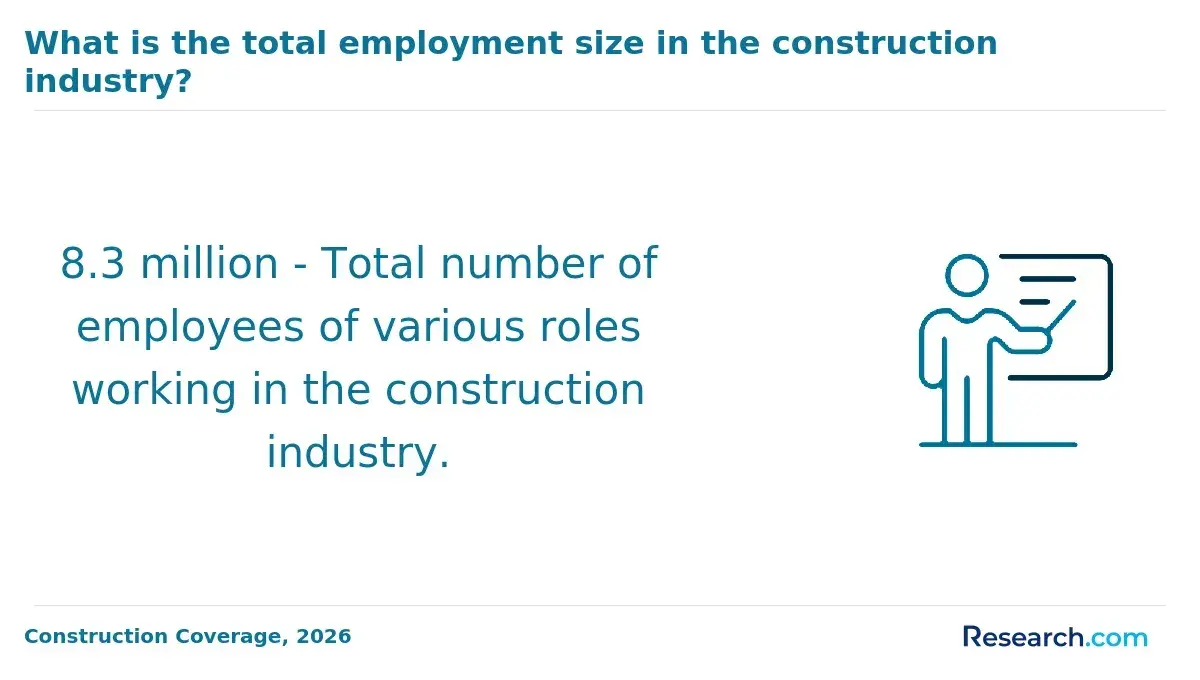
A bachelor’s degree in construction management can support careers in field operations, project management, estimating, facilities, risk, sustainability, and construction technology. In 2025, there were 9 million construction workers employed in the US of which 9.34% were involved in nonresidential building construction.
Field-Based Roles
- Construction Project Manager. Coordinates project planning, budgeting, scheduling, execution, team communication, and closeout.
- Field Engineer. Supports technical work on site, reviews plans, monitors quality, checks materials, and helps ensure compliance with safety and design requirements.
- Site Supervisor. Directs crews, coordinates daily work, tracks schedule progress, solves jobsite problems, and supports a safe working environment.
- Estimator. Reviews drawings and specifications, calculates material and labor needs, develops cost estimates, and supports bid preparation.
Office-Based Roles
- Preconstruction Manager. Leads early project planning, budget development, scheduling, value analysis, and subcontractor coordination before construction begins.
- Quantity Surveyor. Measures work, values materials, tracks cost, and supports resource planning and project profitability.
- Facilities Manager. Oversees building operations, maintenance, safety, repair scheduling, and occupant needs.
- Sustainability Consultant. Advises on energy efficiency, sustainable materials, green building strategies, and environmental performance.
Specialized Roles
- Construction Software Specialist. Helps teams adopt and use software for project management, estimating, BIM, documentation, or scheduling.
- Risk Manager. Identifies cost, safety, contract, schedule, and operational risks and develops mitigation strategies.
- Construction Law Specialist. Works with legal and project teams on contracts, disputes, claims, compliance, and risk management.
Budget overruns remain a common construction challenge, and construction management students learn methods for estimating, tracking, reporting, and controlling project costs more effectively.
How Can Online Programs Support Networking and Career Growth?
Online construction management programs can support career development when they intentionally connect students to employers and practitioners. Useful services include resume reviews, interview coaching, portfolio support, internship coordination, virtual career fairs, alumni mentoring, and job boards focused on construction roles.
Students should not wait until graduation to use these services. Start building a network in the first year by joining class discussions, contacting faculty, attending virtual employer events, and asking about student chapters or professional associations. Networking is especially important for online learners because they may not have the informal campus interactions that create opportunities for internships and referrals.
What Is the Job Market for Online Construction Management Graduates?
The construction industry supports infrastructure, commercial development, residential building, maintenance, and public works, which creates ongoing need for skilled managers. Employers may accept online degrees when the institution is credible and the graduate can demonstrate practical ability, construction knowledge, and communication skills.
According to the BLS, the median annual wage for construction managers in May 2024 was $106,980. Actual salary depends on location, employer, specialization, project size, certifications, union or nonunion environment, and years of experience.
Graduates should still expect competition, especially for entry-level management roles. Employers may prefer candidates who have field experience, internships, apprenticeships, or documented project work. Construction hiring can also respond to local economic conditions, as reflected in reports about competition for open positions.
Students who want to advance beyond bachelor’s-level preparation may consider an online master’s degree in construction management, particularly if they are aiming for senior project leadership, specialized consulting, or executive roles.
What Should You Consider Before Choosing an Accelerated Online Construction Management Degree?
Accelerated programs can be useful for students who want to finish quickly, but speed should not come at the expense of accreditation, applied learning, or career readiness. A fast program works best when you already have transfer credits, construction experience, or enough weekly study time to handle intensive coursework.
First, confirm accreditation. Second, examine whether the curriculum still covers essentials such as estimating, scheduling, contracts, safety, building systems, sustainability, and construction technology. Third, ask how the program provides practical experience through labs, simulations, internships, or employer projects.
Students prioritizing speed can compare options such as a 2 year construction management degree online. Before enrolling, ask for a sample course plan and estimate the weekly workload. A program that is shorter on paper may become difficult if courses overlap heavily or if required classes are not offered every term.
What Advanced Education Options Can Strengthen a Construction Management Career?
After earning a bachelor’s degree, construction professionals can pursue graduate degrees, certificates, or industry credentials. A master’s degree may be useful for professionals seeking senior project management, construction executive roles, consulting, research, or specialized technical leadership.
Professionals who want a shorter, intensive graduate pathway may compare one year online masters options. Those evaluating salary potential across graduate fields can also review best paying master's degree jobs, while remembering that compensation depends on experience, location, and employer demand.
What Is the Return on Investment for an Online Construction Management Degree?
The ROI of an online construction management degree depends on what you pay, how quickly you finish, how much income you can maintain while studying, and whether the degree helps you move into higher-responsibility roles. Online programs can reduce opportunity cost if they allow you to keep working, but they are not automatically affordable.
To evaluate ROI, compare total program cost against realistic career outcomes in your region. Ask whether graduates move into project engineer, assistant project manager, estimator, superintendent, or construction manager roles. Also consider whether your employer recognizes the degree for promotion or tuition reimbursement.
How Are Emerging Technologies Changing Construction Management?
Construction managers increasingly rely on digital tools to coordinate teams, reduce errors, improve safety, and monitor project performance. Degree programs that include construction technology can help students stay current as employers adopt more data-driven workflows.
- Building Information Modeling (BIM): BIM helps teams create and coordinate 3D models, detect conflicts, visualize building systems, and improve collaboration among architects, engineers, contractors, and owners.
- Drones: Drones can support site surveys, progress documentation, inspections, and safety monitoring by providing aerial views that are difficult to capture from the ground.
- Artificial Intelligence (AI) and Machine Learning: AI tools can help analyze project data, identify risk patterns, support scheduling decisions, and improve resource planning.
- 3D Printing: 3D printing may be used for components or structures and can support faster production, material efficiency, and new design approaches.
- Augmented Reality (AR) and Virtual Reality (VR): AR and VR can support design review, virtual walkthroughs, safety training, and stakeholder communication before work is performed in the field.
How Do Construction Management Degrees Help Prevent Project Errors?
Construction mistakes can lead to delays, rework, safety incidents, budget overruns, and disputes. A construction management degree helps students build the planning, communication, technical, and risk management skills needed to reduce those errors before they become expensive problems.
Affordable options, including the cheapest online construction management degree programs, can still be valuable if they teach core competencies such as scheduling, cost estimation, resource allocation, safety, contracts, and quality control.
Students learn how to use project management software, BIM, schedules, budgets, and documentation systems to monitor work and identify problems early. They also study communication methods that keep owners, architects, engineers, subcontractors, suppliers, and crews aligned.
Safety training is another major component. Courses may cover safety standards, risk assessment, and Occupational Safety and Health Administration (OSHA) concepts so graduates understand how to support safer work environments. Quality assurance and quality control coursework also helps students learn inspection processes, documentation practices, and performance standards that reduce rework and client dissatisfaction.
Should You Pursue a Doctoral Degree in Construction Management?
A doctoral degree in construction management is not necessary for most project management, superintendent, estimating, or construction manager roles. It is more appropriate for professionals interested in university teaching, advanced research, policy, high-level consulting, or industry innovation.
If your long-term goal involves research leadership or academic work, compare program structure, dissertation expectations, faculty expertise, and cost carefully. Research.com’s guide to affordable PhD programs online can help you begin comparing lower-cost doctoral pathways.
What Certifications Can Complement an Online Construction Management Degree?
Certifications can help construction professionals show specialized knowledge beyond the degree. Common areas include project management, sustainability, safety, estimating, scheduling, and construction technology. Credentials such as Project Management Professional (PMP), LEED Accreditation, and OSHA safety certifications may support career development depending on the role and employer.
Students entering the field from another career may want a step-by-step credential plan. Some begin with foundational college study, including options discussed in Research.com’s guide to what is an easy associate's degree to get, then add a bachelor’s degree and role-specific certifications. Graduates who want to compare credentials by earning potential can review highest paid certifications.
Common Mistakes to Avoid When Choosing an Online Construction Management Program
| Mistake | Why It Can Hurt You | Better Approach |
| Choosing only by ranking | A highly ranked program may not fit your budget, schedule, location, or career goal. | Use rankings as a shortlist, then compare accreditation, cost, transfer credits, and field learning. |
| Ignoring accreditation | Accreditation can affect financial aid, transfer options, employer recognition, and graduate study. | Verify institutional and program accreditation before applying. |
| Focusing only on tuition per credit | Fees, required credits, transfer limits, and travel can change total cost. | Ask for a full cost-to-completion estimate. |
| Assuming online means no hands-on work | Construction management requires applied judgment and field awareness. | Look for internships, simulations, labs, capstones, or employer projects. |
| Overlooking state or licensing issues | Contractor requirements may differ by location. | Check whether the program supports your state or career-specific credential goals. |
| Underestimating workload | Accelerated and asynchronous programs require strong time management. | Ask about weekly workload, course sequencing, and student support. |
References
- Construction Management Association of America. (n.d.). What is Construction Management?
- Future Learn. (n.d.). Do employers value online learning?
- Future Learn. (n.d.). Employer perspectives on online learning.
- Precedence Research. (2025, December 17). Construction equipment market size, share & trends analysis report, 2026–2035. Precedence Research. Retrieved February 8, 2026, from https://www.precedenceresearch.com/construction-equipment-market
- U.S. Bureau of Labor Statistics. (2025). Construction Managers.
Key Insights
- An online construction management degree is most valuable when it combines accredited coursework with applied experience, software exposure, and career support.
- Most bachelor’s programs require about 120 credits, but timelines can range from 2 years in accelerated formats to 5 to 6 years for part-time students.
- Total cost varies widely. Compare full cost to graduation, not just tuition per credit, and confirm how transfer credits apply to major requirements.
- Online programs are a strong fit for working adults and construction employees, but students new to the field should prioritize internships, labs, and employer-connected projects.
- Career outcomes depend on more than the degree. Field experience, certifications, networking, technical software skills, and local construction demand can strongly influence job prospects.
- Before enrolling, verify accreditation, ask about hands-on learning, review the exact curriculum, and request a written estimate of cost, transfer credits, and graduation timeline.
Other Things You Should Know About Online Construction Management Degree Programs
Top programs often require a minimum GPA of 3.0 for admission in 2027. Some competitive programs may demand higher GPAs or additional evidence of academic excellence. Always check specific program requirements as they may vary between institutions.
In 2027, online construction management programs generally provide practical experience through virtual simulations, project management software training, and partnerships with local construction companies for internships. Some schools arrange on-site visits and collaborations to enrich learning with hands-on exposure.
The best online construction management degree programs in 2027 are accredited by organizations such as the American Council for Construction Education (ACCE) and the Accreditation Board for Engineering and Technology (ABET), ensuring the programs meet high-quality education standards specific to the construction industry.
No, many online construction management degrees do not require an internship to graduate, but some programs include a supervised practicum, co-op, or capstone project. Requirements are set by each school, and a few programs may ask for 120 credit hours and documented field experience before awarding the degree.


