
2027 Most Affordable Colleges for Online Business Degree Programs

Co-Founder and Chief Data Scientist
Students are increasingly opting for online business degrees due to its convenience and affordability. After all, it enables students to complete their program while pursuing other interests or perhaps fulfilling duties at home. These programs are also particularly helpful for students who are working to pay for their education in an effort to avoid hefty student debts.
So, I developed this guide to assist students who are looking to begin a career in business management or related fields. In this guide, you’ll find a list of the most affordable online business degree programs that can significantly increase the feasibility of turning your professional aspirations into reality.
What are the benefits of getting an online business degree?
- Online business degree programs let you pursue academic and professional goals from anywhere with internet access.
- With an online business degree, you can work in areas such as business management, marketing, finance, and human resources.
- Graduating from an online business degree can potentially lead to a salary of up to $158,280.
What can I expect from an online Business degree?
Enrolling in an online business degree provides a convenient and adaptable approach to education, enabling you to pursue both academic and professional objectives from any location with internet access. The programs typically offer flexible schedules, allowing you to study at your preferred pace. You’ll participate in a virtual learning environment, accessing lectures, assignments, and resources online. The degree also integrates various technologies, like virtual classrooms and collaborative tools, enhancing your learning experience and preparing you for the technology-driven business landscape.
Moreover, an online business degree equips you with diverse careers in the business field by providing a robust understanding of fundamental business functions, including accounting, finance, economics, and marketing. This knowledge empowers you to address intricate business challenges within today’s dynamic business environment.
Where can I work with an online Business degree?
With an online business degree, you can work in various fields and pursue diverse career opportunities. Some of the areas you can venture into include:
- Business management
- Marketing
- Finance
- Human resources
- Information systems
- Supply chain management
- Consulting firms
- Government agencies
- Healthcare
How much can I make with an online Business degree?
Salaries in the business field can differ based on your area of expertise. Generally, larger companies in major cities offer higher salaries compared to smaller companies in rural areas. Certain industries, like technology and healthcare, often have higher salary ranges as well.
To give you a more concrete idea of a business graduate’s potential earning, here are the median annual salaries for a few common careers linked to an online business degree:
- Market research analysts $68,230
- Management analysts $95,290
- Financial managers $139,790
- Accountants and Auditors $78,000
- Marketing managers $ 158,280
- 2027 Best Online Business Degree Programs List of Programs
- How long does it take to complete an online Business degree program? How long does it take to complete an online Business degree program?
- How does an online Business degree program compare to an on-campus program? How does an online Business degree program compare to an on-campus program?
- What is the average cost of an online Business degree program? Program Cost
- What are the financial aid options for students enrolling in an online Business degree program? Financial Aid Options
- What are the prerequisites for enrolling in an online Business degree program? What are the prerequisites for enrolling in an online Business degree program?
- What courses are typically in an online Business degree program? What courses are typically in an online Business degree program?
- What types of specializations are available in online Business degree programs? What types of specializations are available in online Business degree programs?
- How to Choose the Best Online Business Degree Program How to Choose the Best Online Business Degree Program
- What is the return on investment for an online business degree? What is the return on investment for an online business degree?
- How do online business degree programs support professional networking and career advancement? How do online business degree programs support professional networking and career advancement?
- Accreditation and Its Importance in Online Business Degree Programs Accreditation and Its Importance in Online Business Degree Programs
- What challenges do online business degree students typically face? What challenges do online business degree students typically face?
- What are the most common career misconceptions about online business degrees? What are the most common career misconceptions about online business degrees?
- What career paths are available for graduates of online Business degree programs? Career Paths
- What is the job market for graduates with online Business degrees? Job Market
- Should I consider a one year online masters to further my business career? Should I consider a one year online masters to further my business career?
- How can a master's degree enhance your business career? How can a master's degree enhance your business career?
- What are the most accredited online colleges for business degree programs? What are the most accredited online colleges for business degree programs?
- Is an online doctoral degree a strategic advancement for elevating your business expertise? Is an online doctoral degree a strategic advancement for elevating your business expertise?
2026 Best Online Business Degree Programs
Choosing an online business degree is not just a question of convenience. You are comparing tuition, accreditation, transfer policies, career support, specialization options, and whether the program can realistically fit around work or family responsibilities. A strong online business program should give you practical training in management, finance, marketing, accounting, operations, analytics, and communication while also helping you build a professional network.
This guide is designed for students who want a flexible business bachelor’s degree, working adults returning to college, associate degree holders seeking a completion program, and learners comparing affordable online options. You will find a ranked list of online business programs, cost and timeline guidance, admissions expectations, specialization choices, career paths, accreditation considerations, and practical questions to ask before enrolling.
Quick answer: What is the best online business degree program?
The best online business degree program depends on your transfer credits, budget, career goal, and preferred specialization. Aspen University has the lowest listed tuition in this guide at $4,968 per year, but its online bachelor’s completion option is intended for students who already have an associate’s degree or 60 college credits. Students who need more specialization choices may prefer programs such as West Texas A&M University, Southern Utah University, or Fort Hays State University. Before applying, confirm accreditation, total program cost, online student support, transfer credit rules, and whether the curriculum matches your target career.
How do we rank schools?
Research.com evaluates online business programs with a structured research method that considers affordability, availability of online learning, institutional data, and student-focused program information. The ranking process uses established education data sources, including the IPEDS database, Peterson’s database and its Distance Learning Licensed Data Set, the College Scorecard database, and the National Center for Education Statistics. The goal is to help prospective students compare programs using practical factors such as tuition, format, curriculum, and career relevance.
| Rank | School | Listed tuition | Best fit for |
| 1 | Aspen University | $4,968 per year | Students with an associate’s degree or 60 credits who want a low-cost online completion path |
| 2 | West Texas A&M University | $4,972 per year | Learners who want multiple online business specialization choices |
| 3 | California Coast University | $5,355 per year | Students looking for business fundamentals and interest-free payment options |
| 4 | Clayton State University | $5,694 per year or $2,847 per 15 credit hours | Online students who value technology support and access to student software |
| 5 | University of the Cumberlands | $5,970 per year or $199 per credit hour | Students seeking a broad business administration curriculum |
| 6 | Fort Hays State University | $6,806 per year or $3,403.20 per 15 credit hours | Students interested in management, business law, accounting, HR, and entrepreneurship foundations |
| 7 | Indiana University East | $7,170 per year or $239.01 per credit hour (in-state or reciprocity) | Learners who want team-based problem-solving and decision-making preparation |
| 8 | Southern Utah University | $7,200 per year or $3,600 per 12-20 credit hours | Students seeking an AACSB-accredited management degree and career coaching |
| 9 | Dickinson State University | $7,470 per year or $3,735 per 15 credit hours (in-state) | Students who want an online BBA focused on organizational operations and applied business theory |
| 10 | Georgia Military College | $7,785 per year | Students seeking an applied business management degree with leadership and problem-solving emphasis |
1. Aspen University
Tuition: $4,968 per year
Aspen University offers a Bachelor of Science in Business Administration completion program for students who already bring substantial college credit. The online option is built for learners who have earned an associate’s degree or completed 60 college credits, making it better suited for degree completers than first-time freshmen. Its low listed tuition and monthly payment structure make it a notable option for cost-conscious students, but learners starting from the beginning should verify format availability because the fully online pathway is not designed as a four-year start-to-finish option.
2. West Texas A&M University
Tuition: $4,972 per year
West Texas A&M University provides fully online Bachelor of Business Administration options with several academic tracks. Students can study general business, marketing, business management, finance, computer information systems, or economics with a law and economics specialization. Learners who want occasional in-person learning may also combine online coursework with face-to-face classes, making the program useful for students who prefer a flexible but not fully remote experience.
3. California Coast University
Tuition: $5,355 per year
California Coast University offers an online Bachelor of Science in Business Administration that introduces students to major business concepts and common organizational practices. Coursework covers areas such as management, operations, and communication, giving learners a general business foundation. Its interest-free payment plans may appeal to students trying to manage tuition without taking on unnecessary short-term financial pressure.
4. Clayton State University
Tuition: $5,694 per year or $2,847 per 15 credit hours
Clayton State University delivers four business-related programs through Clayton State Online. The university emphasizes that distance courses follow the same academic expectations as campus-based offerings. Online learners can also contact Communications and Technology Services for help with distance-learning tools, and students may receive access to resources such as Microsoft Office at no added cost.
5. University of the Cumberlands
Tuition: $5,970 per year or $199 per credit hour
University of the Cumberlands offers an online bachelor’s in business administration designed to build a broad base of business knowledge. Students study leadership, management processes, accounting, economics, marketing, and financial management. This option may fit learners who want a general business administration degree rather than a highly narrow specialization.
6. Fort Hays State University
Tuition: $6,806 per year or $3,403.20 per 15 credit hours
Fort Hays State University offers a Bachelor of Business in Administration Management that prepares students for business employment or entrepreneurial goals. The curriculum introduces accounting principles, business law, marketing, human resource management, organizational behavior, and organizational development. Students who want a management-centered business degree with practical exposure to several core business functions may find this program relevant.
7. Indiana University East
Tuition: $7,170 per year or $239.01 per credit hour (in-state or reciprocity)
Indiana University East offers an online Bachelor of Science in Business Administration through IU East Online. The program focuses on preparing students to contribute to teams, solve business problems, and make informed decisions. Core study areas include finance, business analytics, economics, management, and related business subjects.
8. Southern Utah University
Tuition: $7,200 per year or $3,600 per 12-20 credit hours
Southern Utah University offers an AACSB-accredited management degree online. Students can build business knowledge for corporate roles, leadership positions, or entrepreneurial plans. The program also offers opportunities to earn certification in ERP with SAP recognition, international business, or entrepreneurship. Students may work with a full-time career coach who can help arrange internships or on-the-job training.
9. Dickinson State University
Tuition: $7,470 per year or $3,735 per 15 credit hours (in-state)
Dickinson State University offers a Bachelor of Business Administration online in addition to business programs at its Dickinson, Williston, and Bismarck campuses. The online BBA focuses on business fundamentals, organizational efficiency, and applying business theory to practical situations. It may suit students who want a straightforward online business foundation from a public university.
10. Georgia Military College
Tuition: $7,785 per year
Georgia Military College offers an online Bachelor of Applied Science in Business Management through its Global Online College. The program emphasizes leadership preparation across industries, with coursework and assignments designed to strengthen critical thinking, problem-solving, and decision-making skills. It may be a practical fit for students seeking an applied degree with a workplace-oriented focus.
What graduates say about online business degrees
- : "“My online business degree gave me the flexibility to keep working while studying. I could move through coursework at a manageable pace and apply what I learned directly to problems at work.” — Sam"
- : "“The online format exposed me to classmates with different professional backgrounds. Group discussions, virtual classrooms, and case-based assignments helped me understand business from a broader perspective.” — Alexa"
- : "“Studying online allowed me to learn from anywhere while connecting with faculty and peers. The discussions and digital resources helped me build confidence and expand my professional network.” — Emma"
Key Findings
- The lowest listed tuition in this ranking is $4,968 per year, while other listed programs range up to $7,785 per year.
- Some online business degrees are full bachelor’s programs, while others are completion programs for students who already have an associate’s degree or 60 credits.
- Online and campus business programs often cover similar academic content, but online students must be more intentional about networking, group collaboration, and time management.
- Accreditation should be checked before cost, speed, or convenience because it affects financial aid eligibility, credit transfer, employer recognition, and graduate school options.
- Career outcomes vary by specialization, experience, location, internships, and professional skills. A business degree can support many roles, but no program can guarantee a salary or job title.
How long does it take to complete an online business degree program?
The completion time for an online business degree depends on the number of required credits, whether you study full time or part time, how many transfer credits you bring, and whether the school offers accelerated terms. Students who already have an associate’s degree or substantial prior college credit can often finish faster than students beginning with no transfer credits.
In general, an online bachelor’s degree in business takes about two to four years. Students entering with an associate’s degree in business may be able to complete the bachelor’s portion in approximately two academic years, including part-time options in some cases. Without major enrollment breaks, completing the BBA portion can be possible in as little as two years, depending on the school’s structure and transfer evaluation.
| Student situation | Typical timeline | What to confirm before enrolling |
| First-time bachelor’s student | About two to four years, depending on course load and program design | Total credits required, term length, course availability, and part-time options |
| Associate degree holder | Often around two academic years for the bachelor’s completion portion | How many credits transfer and whether prerequisites are already satisfied |
| Working adult studying part time | May take longer than a full-time path | Maximum time-to-completion rules and whether courses are offered every term |
| Accelerated student | Can finish faster if the school offers intensive schedules | Weekly workload, tuition structure, and whether acceleration affects learning quality |
How does an online business degree program compare to an on-campus program?
An online business degree and an on-campus business degree can lead to the same academic credential when they come from the same accredited institution. The difference is usually not the diploma itself but the learning format, communication style, schedule structure, and amount of face-to-face interaction. Online learning continues to grow: the number of online learning platform users is expected to reach 60.3 million, and online university education users are projected to reach 11.7 million by 2028.
| Factor | Online business degree | On-campus business degree | Decision point |
| Interaction | Students collaborate through discussion boards, video meetings, messaging platforms, and shared documents. | Students interact in classrooms, campus events, group meetings, and informal conversations. | Choose online if flexibility matters most; choose campus if frequent in-person connection is important. |
| Communication | Virtual communication can be effective but requires clear writing, reliable technology, and active participation. | In-person meetings provide more nonverbal cues and spontaneous discussion. | Online learners should be comfortable asking questions and joining virtual discussions. |
| Instruction | Many programs use the same faculty and comparable course outcomes as campus programs. | Students may have easier access to office visits and campus-based support. | Ask whether online courses are taught by the same faculty who teach campus courses. |
| Diploma | Graduates typically receive the same diploma as campus students when the program is institutionally equivalent. | Campus graduates receive the same academic recognition from the institution. | Confirm how the degree and transcript identify the program format. |
Students comparing formats should also review how different business majors in college align with their work style, preferred specialization, and career goals.
This chart sourced from Statista shows user growth in the online education market.
What is the average cost of an online business degree program?
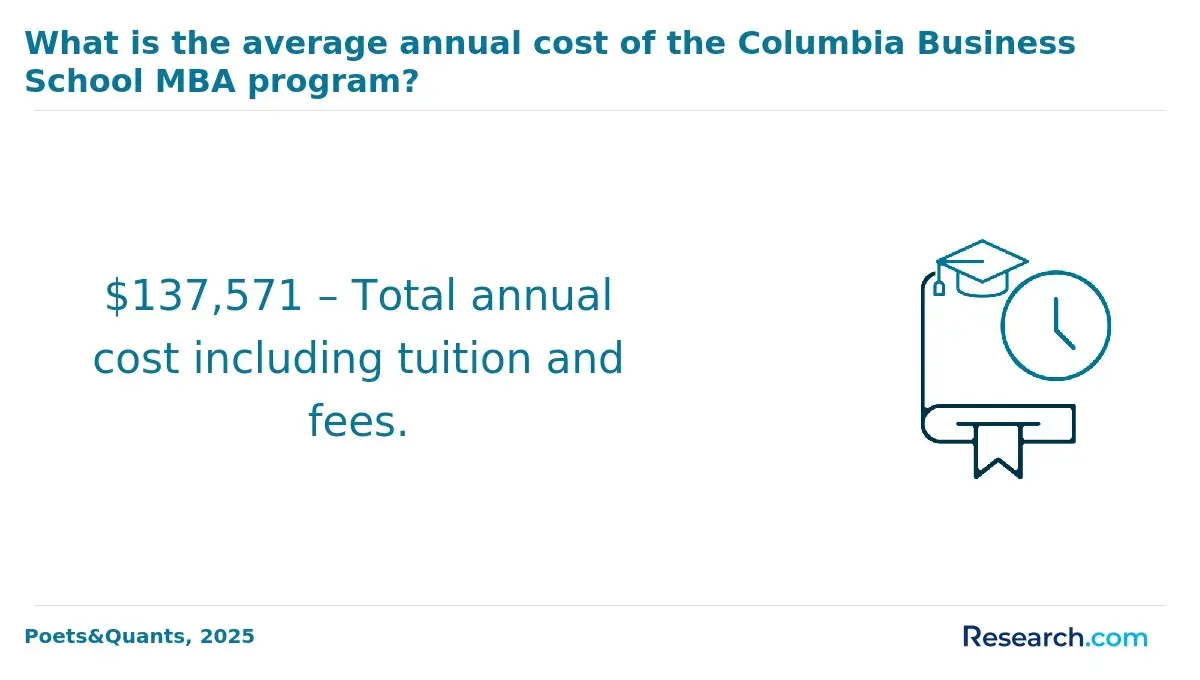
Online business degree costs vary by school type, residency status, credit requirements, transfer credits, fees, and course load. Education Data Initiative reports that the average online bachelor’s degree in business costs around $51,091. In this ranking, the lowest listed tuition is $4,968 per year, showing why students should compare program-level costs rather than relying only on national averages.
Tuition is only one part of the total cost. Students should also review technology fees, textbooks or digital materials, graduation fees, transfer credit limits, course repeat policies, and whether the school charges different rates for out-of-state online learners. Financial aid, scholarships, employer tuition assistance, and grants can reduce out-of-pocket costs, but they should be verified through the school’s financial aid office before enrollment.
| Cost factor | Why it matters | Question to ask |
| Tuition rate | Schools may charge per year, per credit, or per term. | What is the total tuition estimate for my exact transfer-credit situation? |
| Fees | Online, technology, assessment, and graduation fees can raise the actual price. | Which mandatory fees are not included in advertised tuition? |
| Transfer credits | Accepted credits can shorten your timeline and lower total cost. | How many of my previous credits apply to the business degree requirements? |
| Course availability | Delayed courses can extend enrollment and increase indirect costs. | Are required courses offered every term or only once per year? |
| Financial aid eligibility | Accreditation and enrollment status can affect aid access. | Am I eligible for federal, state, institutional, or scholarship aid as an online student? |
What are the financial aid options for students enrolling in an online business degree program?
Online students at accredited institutions can often pursue the same general categories of financial aid as campus-based students. Options may include federal aid, state aid, institutional grants, need-based scholarships, merit scholarships, and employer tuition assistance. Some outside awards also support business students, including the National Business Association’s Scholarship for students with entrepreneurial interests.
Before assuming an online program is affordable, ask the financial aid office for a written cost estimate based on your enrollment status. Also confirm whether aid changes if you attend part time, take accelerated courses, or transfer in a large number of credits.
What are the prerequisites for enrolling in an online business degree program?
Admission requirements for online degree programs are often similar to campus-based programs, but some online business degrees are built specifically for transfer students. Requirements vary by institution, so applicants should read the admissions page carefully and contact an advisor before paying application fees.
- High school diploma or GED
- Minimum GPA requirements
- Completion of required coursework such as English Composition, Introduction to Statistics, Microeconomics, or similar classes
- Official transcripts from all previously attended higher education institutions
- Goal statement or personal statement
- Completed admission application
- For some programs, an associate’s degree in business or a related area
What courses are typically in an online business degree program?
After general education courses, business majors usually complete a core curriculum that builds knowledge across major business functions. The exact course list depends on the institution and specialization, but many online business programs include the following subjects.
- Microeconomics. Students study how individuals, firms, and consumers make decisions within markets.
- Macroeconomics. This course examines broader economic conditions, including inflation, unemployment, and economic growth.
- Principles of Marketing. Learners explore consumer behavior, market research, branding, and promotional strategy.
- Business Ethics. Students analyze ethical decision-making, professional responsibility, and the consequences of business conduct.
- Introduction to Business. This course gives students a foundation in business terminology, structures, functions, and principles.
- Managerial Accounting. Learners study accounting information used for planning, budgeting, and internal business decisions.
What types of specializations are available in online business degree programs?
Specializations help students connect a general business education to a specific career direction. The right concentration depends on whether you want to work with data, money, customers, people, operations, or new ventures.
| Specialization | What you study | Good fit for students interested in |
| Business Analytics | Data analysis, visualization, statistical analysis, predictive modeling, machine learning, and tools such as R, Python, and Tableau | Analytics, reporting, business intelligence, and data-informed decision-making |
| Finance | Investments, markets, corporate finance, financial statements, valuation, and risk assessment | Financial analysis, corporate finance, banking, investment-related roles, and preparation for credentials such as the CFA from the CFA Institute |
| Marketing | Digital marketing, social media strategy, branding, advertising, public relations, consumer behavior, and campaign planning | Brand management, customer growth, content strategy, market research, and communications |
| Entrepreneurship | Business models, startup management, venture capital, innovation, and new venture development | Launching a business, working in startups, or developing new products and services |
| Human Resource Management | Recruitment, training, compensation, employee relations, employment practices, and organizational leadership | People operations, HR coordination, talent development, and workplace policy |
How to choose the best online business degree program
Affordability matters, but the cheapest option is not always the best choice. Students comparing affordable online bachelor degree programs should also evaluate accreditation, academic fit, graduation requirements, career services, and transfer credit policies.
- Verify accreditation first. Start with online accredited business schools because accreditation can affect financial aid, graduate school eligibility, employer recognition, and credit transfer.
- Match the concentration to your career goal. Compare the curriculum in online business degree programs and choose a concentration that supports your target role, not just one that sounds broad or popular.
- Review employment information. If a school publishes employment reports, look for hiring organizations, job titles, full-time offer rates, and internship pathways. Use this information as context, not as a guarantee.
- Assess career support for online students. Many affordable online colleges offer career coaching, resume help, internship guidance, and job-search resources. Confirm whether online students receive equal access.
- Ask about networking opportunities. Look for virtual events, alumni panels, student organizations, live projects, mentorship, and employer sessions. Business education is more valuable when it helps you build relationships as well as knowledge.
| Program feature | Why it matters | Red flag |
| Accreditation | Supports legitimacy, aid eligibility, transferability, and employer confidence | The school cannot clearly identify its accrediting body |
| Transfer policy | Can reduce time and total cost | You must enroll before receiving a detailed transfer evaluation |
| Course scheduling | Affects whether you can graduate on time | Required classes are offered infrequently |
| Faculty access | Online students still need feedback, advising, and academic support | Faculty response expectations are unclear |
| Career services | Internships, resume help, and employer connections can improve job readiness | Career support is available only to campus students |
What is the return on investment for an online business degree?
The return on investment for an online business degree depends on how much you pay, how long you study, how many credits transfer, whether you keep working while enrolled, and how the degree supports your next career move. A lower tuition rate can improve ROI, but only if the program is accredited, recognized, and aligned with your goals.
Students should compare total cost against likely benefits such as qualifying for business roles, improving promotion prospects, building specialized skills, and preparing for graduate study. An accelerated bachelor's degree pathway may reduce time to completion, but only if the pace is realistic for your work schedule and learning needs.
How do online business degree programs support professional networking and career advancement?
Strong online business programs do more than post lectures and assignments. They create structured ways for students to meet peers, faculty, alumni, and employers. Common networking features include virtual career fairs, mentorship programs, live case discussions, group projects, employer webinars, internship support, and industry-specific discussion spaces.
When comparing online business degree programs accredited, ask whether online learners can join student organizations, participate in career events, access alumni networks, and receive individualized career counseling. These services can be especially important for students changing careers or entering business roles for the first time.
Accreditation and its importance in online business degree programs
Accreditation is one of the most important quality checks for an online business degree. It means an institution or program has been reviewed by an accrediting body and found to meet defined academic standards. For students, accreditation affects far more than reputation. It can influence financial aid eligibility, transfer credit acceptance, employer confidence, graduate admissions, and eligibility for certain professional pathways.
Why accreditation matters for career success
Many employers prefer candidates from accredited institutions because accreditation provides assurance that the school meets recognized academic expectations. In fields connected to accounting, finance, and human resources, accreditation may also matter when pursuing professional certifications or licenses. A non-accredited degree can create problems if an employer, graduate school, or credentialing body does not recognize the coursework.
Accreditation and financial aid eligibility
Federal student loans and grants are generally tied to enrollment at accredited institutions. If a school lacks proper accreditation, students may not qualify for federal aid, which can make the degree much more expensive. Accredited schools are also more likely to provide institutional scholarships and recognized aid packages.
Transferability of credits
Students who may transfer schools or continue to graduate study should pay close attention to accreditation. Credits from accredited institutions are more likely to be evaluated for transfer, although acceptance is never automatic. Non-accredited coursework may be rejected, forcing students to repeat classes and spend more time and money.
Global recognition of accredited degrees
Students interested in multinational companies or international business roles should consider how their degree will be viewed beyond the local market. Accreditation can help signal that a program meets recognized academic standards, which may be useful when applying to employers or graduate programs with global expectations.
If speed is a priority, make sure any accelerated option is still properly accredited. Students comparing faster routes can review accelerated bachelor's degree business administration programs while keeping accreditation and total cost at the center of the decision.
What challenges do online business degree students typically face?
Online business students often succeed when they treat the program like a serious professional commitment. The flexibility is valuable, but it also means students must manage deadlines, participate without daily in-person reminders, and stay organized while balancing work, family, and coursework.
| Challenge | Why it affects students | Better strategy |
| Time management | Online courses may have weekly deadlines but fewer scheduled class meetings. | Block study hours on a calendar before each term starts. |
| Limited face-to-face contact | Networking and group work require more intentional effort. | Join live sessions, discussion boards, student groups, and virtual events. |
| Technology dependence | Course access, exams, projects, and meetings depend on reliable tools. | Test your internet, webcam, software, and learning platform early. |
| Self-motivation | Students can fall behind if they wait until deadlines approach. | Use weekly milestones and check in with advisors when workload increases. |
| Program fit | Some programs provide stronger support than others. | Compare advising, tutoring, career services, and online student resources before enrolling. |
Students who want flexible options with strong support should compare programs carefully rather than choosing only by speed or cost. Some learners also explore online college degrees that align with practical career goals and manageable completion timelines.
What are the most common career misconceptions about online business degrees?
Online business degrees are often misunderstood. Clearing up these misconceptions can help students choose programs more carefully and set realistic expectations.
- Misconception: Employers automatically reject online degrees. Employers are generally more concerned with accreditation, school reputation, skills, experience, and fit for the role than the delivery format alone.
- Misconception: Every online business program is similar. Programs vary widely in accreditation, curriculum, faculty involvement, student support, specialization options, and career services.
- Misconception: Online students cannot build a network. Networking is possible online, but students must actively participate in virtual events, group projects, alumni programs, and professional communities.
- Misconception: Online coursework is easier. Flexibility does not mean lower rigor. Online students often need stronger self-discipline because they manage more of the schedule independently.
- Misconception: Online graduates are limited to entry-level jobs. Career level depends on the student’s skills, work history, internships, leadership experience, and specialization, not only the degree format.
What career paths are available for graduates of online business degree programs?
A business degree can prepare students for many industries because organizations need people who understand money, customers, operations, technology, strategy, and teams. Career options depend heavily on specialization, internships, professional experience, and technical skills.
- Financial analysts. These professionals review financial information, study market conditions, and support investment or business decisions.
- Marketing managers. Marketing managers plan campaigns, oversee promotional strategies, analyze markets, and help organizations reach customers. According to Zippia’s resume database, there are currently over 300,258 employed marketing managers in the United States.
- Accountants. Accountants maintain financial records, prepare reports, and support compliance with financial rules and organizational standards.
- Entrepreneurs. Students with degrees in business management may apply their knowledge to launching, operating, or growing a business.
- Medical and health services managers. These managers help run healthcare facilities, coordinate staff, manage budgets, and support efficient care delivery.
- Information security analysts. These professionals help protect computer systems, networks, and sensitive information from security threats.
What is the job market for graduates with online business degrees?
Business graduates can pursue roles across finance, marketing, management, healthcare, technology, consulting, operations, and entrepreneurship. Their value often comes from transferable skills such as communication, critical thinking, problem-solving, data analysis, budgeting, and project coordination.
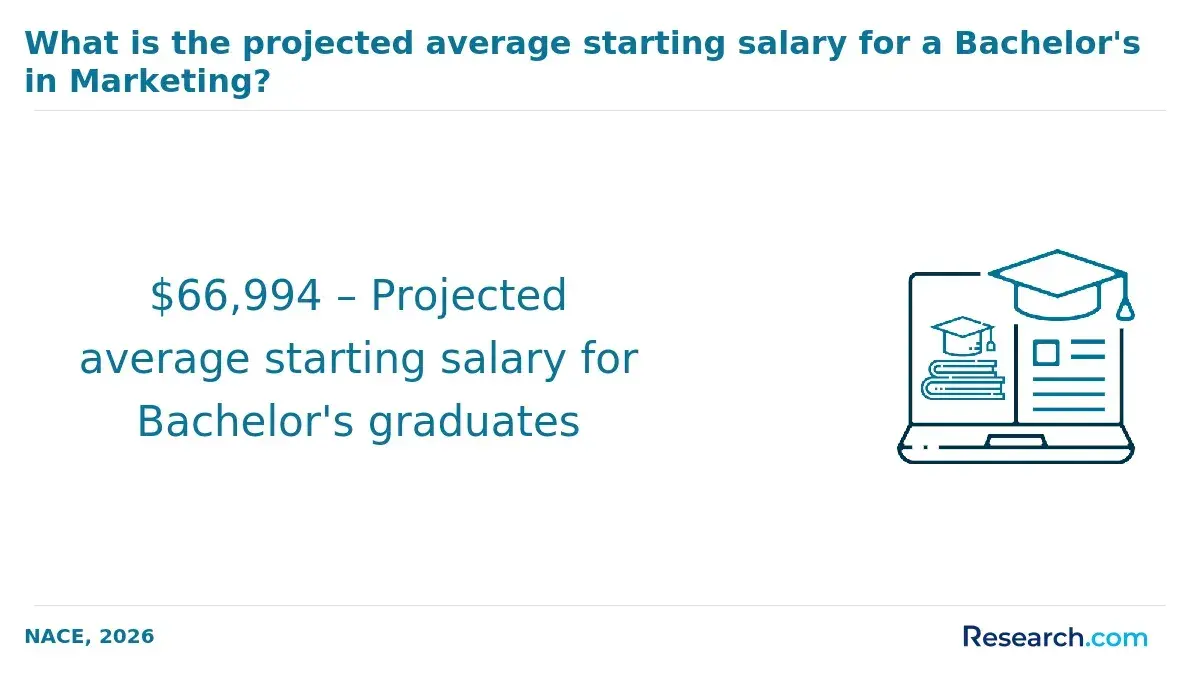
Some business-related roles show positive projected demand. Market research analysts are projected to have 7% employment growth, while financial managers may see a 15% increase from 2024 to 2034. These projections do not guarantee individual outcomes, but they show why business programs that build analytical and financial skills can be useful in a changing labor market.
The chart below, based on US BLS data, shows several business degree career paths and their projected job outlook.
Exploring flexible admission requirements: online business degrees without GMAT
Some business programs have moved away from standardized testing requirements, particularly for applicants with strong academic records or professional experience. GMAT waivers can reduce the cost and time involved in applying, but students should still evaluate academic quality, accreditation, career support, and curriculum rigor.
Applicants interested in graduate business study without standardized testing can compare online MBA programs no GMAT to find options that use broader admissions criteria while still maintaining meaningful academic expectations.
Should I consider a one year online masters to further my business career?
A one-year master’s program can make sense for business professionals who already know their career direction and want to deepen leadership, analytics, management, finance, or strategy skills quickly. The trade-off is intensity: accelerated graduate study can require a demanding weekly workload, especially for students working full time.
Before enrolling, compare total cost, accreditation, employer recognition, faculty access, and whether the curriculum matches your advancement goal. Students exploring faster graduate pathways can review one year online masters options as part of a broader career plan.
How can a master's degree enhance your business career?
A master’s degree can strengthen advanced business skills in leadership, strategic decision-making, analytics, finance, operations, and specialized industry practice. It may also provide access to graduate-level projects, alumni networks, and employer connections that are not always available in undergraduate programs.
However, graduate school is most valuable when it solves a specific career problem. Before applying, clarify whether you need a master’s degree for promotion, a career pivot, salary growth, professional credibility, or entry into a specialized field. For more context on graduate-level career outcomes, read What are the highest paying jobs with a master's degree?
What are the most accredited online colleges for business degree programs?
The most reliable online colleges for business are those with recognized accreditation, transparent admissions policies, clear tuition information, strong student support, and business curricula aligned with real career paths. Accreditation should be verified through official school and accreditor sources rather than assumed from marketing language.
Accredited online colleges may offer business programs in finance, marketing, management, entrepreneurship, analytics, and related fields. Students should compare not only the school’s accreditation but also program-specific outcomes, faculty experience, internship access, and support for online learners.
For a broader overview of institution-level accreditation, see this guide to the most accredited online colleges. Choosing an accredited school helps protect the long-term value of your business degree.
Is an online doctoral degree a strategic advancement for elevating your business expertise?
An online doctoral program in business may be useful for professionals pursuing research, consulting, executive leadership, or academic roles. Doctoral study typically emphasizes research design, advanced analysis, organizational strategy, and complex problem-solving rather than broad introductory business training.
This path is not necessary for most entry-level or mid-level business roles, so students should be clear about the professional reason for pursuing it. If cost is a major factor, compare accredited options carefully and review online PhD cheap pathways with attention to quality, faculty fit, dissertation support, and completion expectations.
What certifications should I pursue alongside your online business degree?
Certifications can complement an online business degree by validating targeted skills. Useful areas may include project management, digital marketing, data analytics, financial planning, human resources, supply chain, or business intelligence. The best credential depends on the job you want, not simply on which certification is most popular.
| Career interest | Certification area to consider | Why it may help |
| Marketing | Digital marketing, analytics, content strategy, or advertising platforms | Shows practical ability with tools and campaign measurement |
| Finance | Financial analysis, planning, or investment-related credentials | Can demonstrate specialized financial knowledge beyond the bachelor’s curriculum |
| Operations or management | Project management or process improvement | Signals ability to coordinate teams, timelines, and deliverables |
| Business analytics | Data visualization, spreadsheet modeling, SQL, Python, R, or Tableau-related training | Supports roles that require data interpretation and reporting |
| Human resources | HR management or talent-related credentials | Can strengthen preparation for people operations and employee relations roles |
Students still building foundational college credit may also compare lower-cost starting points, including what is the easiest associate degree to get, before committing to a full bachelor’s pathway.
Common mistakes to avoid when choosing an online business degree
- Choosing by tuition alone. A low annual tuition can still become expensive if few transfer credits apply or required courses are delayed.
- Ignoring accreditation. Accreditation affects financial aid, credit transfer, employer recognition, and graduate study options.
- Assuming all online programs are self-paced. Many programs have weekly deadlines, group projects, exams, and scheduled activities.
- Skipping career services questions. Business students benefit from internships, resume support, employer events, and alumni access.
- Overlooking specialization fit. A general business degree may be flexible, but a concentration can better support specific goals in finance, marketing, analytics, HR, or entrepreneurship.
- Assuming salary outcomes are guaranteed. Earnings depend on location, experience, industry, performance, and labor market conditions.
Questions to ask before enrolling
- Is the institution properly accredited, and is the business program recognized by employers or graduate schools in my field?
- How many of my transfer credits will count toward the degree?
- What is the full estimated cost, including fees, books, technology, and graduation expenses?
- Are online students eligible for the same financial aid and scholarships as campus students?
- Who teaches the online courses, and how quickly do faculty respond to students?
- Are courses asynchronous, synchronous, or a mix of both?
- How often are required courses offered?
- What career services are available specifically to online students?
- Does the program offer internships, projects, employer events, or alumni networking?
- Will the concentration prepare me for the roles I actually want?
Key Insights
- An online business degree can be a practical option if you need flexibility, but the best program is the one that fits your transfer credits, budget, schedule, and career direction.
- Accreditation is the first filter. Do not commit to a program until you confirm its accreditation status and understand how that affects aid, transfer credits, and employer recognition.
- Listed tuition does not equal total cost. Ask for a personalized estimate based on your transfer credits, fees, course load, and aid eligibility.
- Online and campus programs can lead to equivalent credentials, but online students must be more intentional about communication, networking, and time management.
- Specialization matters. Business analytics, finance, marketing, entrepreneurship, and human resources can lead to different skill sets and career paths.
- Career outcomes are strongest when the degree is paired with experience, internships, projects, certifications, and a clear job-search strategy.
References:
- Education Data Initiative. (2025). Average Cost of Online College. https://educationdata.org/average-cost-of-online-college
- Statista. (2025). Online Education United States. https://www.statista.com/outlook/dmo/eservices/online-education/united-states#users
- US BLS. (2025). Occupational Employment and Wage Statistics. https://www.bls.gov/oes/current/oes112021.htm
- US BLS. (2025). Accountants and Auditors. https://www.bls.gov/ooh/business-and-financial/accountants-and-auditors.htm
- US BLS. (2025). Financial Managers. https://www.bls.gov/ooh/management/financial-managers.htm
- US BLS. (2025). Management Analysts. https://www.bls.gov/ooh/business-and-financial/management-analysts.htm
- US BLS. (2025). Market Research Analysts. https://www.bls.gov/ooh/business-and-financial/market-research-analysts.htm
- Zippia. (2025). Marketing Manager Demographics and Statistics in the US. https://www.zippia.com/marketing-manager-jobs/demographics Zippia marketing manager data Marketing manager demographics
Other Things You Should Know About Online Business Degree Programs
Most colleges recommend a stable broadband connection of at least 25 Mbps download and 5 Mbps upload for online business classes in 2027. Students also need a computer with a current browser, webcam, microphone, and the latest version of Zoom, Microsoft Teams, or the school’s learning platform.
Enrolling in an online business degree program in 2027 requires a stable internet connection, a computer with video conferencing capability, and access to course platforms like Moodle or Blackboard. Specific software or hardware may be needed depending on the college's curriculum requirements.


