2027 Best Business Schools in Nevada – Accredited Colleges & Programs

Co-Founder and Chief Data Scientist
Choosing a business school in Nevada is not just about finding a recognizable college name. It is a decision about cost, accreditation, flexibility, career access, and whether the program fits the industries where Nevada’s economy is strongest. The state is consistently positioned within the top 10 most business-friendly states and offers advantages that matter to companies, including exemptions from corporate income tax, inventory tax, estate tax, and other business-focused taxes.
Nevada is also a practical place to study business because its projected employment growth across all industries is 14.2% through 2032. For students, career changers, entrepreneurs, and working professionals, that growth can translate into opportunities in hospitality, finance, real estate, healthcare administration, logistics, entertainment, technology, and operations management. Still, with over 20 postsecondary degree-granting institutions in the state, comparing programs can quickly become confusing.
This guide explains how to evaluate the best business schools in Nevada for 2027, what business degree levels usually require, how costs vary, which schools offer notable programs, and how to connect your education to business careers that are financially lucrative. The goal is to help you shortlist schools based on evidence, not marketing language.
Quick Answer: Are Nevada Business Schools Worth Considering?
Yes, Nevada can be a strong choice for business students who want access to a growing state economy, business-friendly tax policies, and industries that rely heavily on management, finance, accounting, marketing, analytics, hospitality, and operations talent. The average business school career outcomes and salaries in Nevada stand at more than $94,400, and Reno is identified as the highest-paying city for business degree holders, with salaries above the state average.
The best choice depends on your goal. A community college may be more cost-effective for transfer students or certificate seekers. A public university may be better for students who want a bachelor’s degree, graduate study, alumni networks, internships, and broader employer recognition. An MBA or doctoral degree may make sense for experienced professionals pursuing leadership, consulting, research, or executive roles.
Best Business Schools in Nevada Table of Contents
- Is Nevada a smart place to earn a business degree?
- How long do business programs in Nevada take?
- What does a business degree cost in Nevada?
- Nevada schools with business programs for 2027
- How to compare Nevada business programs
- Business education trends shaping Nevada programs
- Student support services to look for
- Preparing for accounting careers in Nevada
- Business careers connected to urban development
- When an advanced business degree may pay off
- Using psychology to improve business strategy
- Doctorate in business administration timeline
- Business roles in Nevada’s health and wellness sector
- Forensic thinking in corporate risk management
- Business skills in substance abuse prevention work
- Business graduates in Nevada social services
- Licensing paths for financial oversight careers
- Moving from business into Nevada’s legal sector
- Business careers in healthcare and pharmacy operations
Is Nevada a good state for business majors?
Nevada is a credible option for business majors because its economy depends on industries that need people who understand finance, management, operations, customer behavior, compliance, and growth strategy. The state’s average business school career outcomes and salaries are more than $94,400, which places Nevada above the national average. Reno stands out as the highest-paying city for business degree holders in the state, with earnings that exceed Nevada’s average.
The state’s major industries also create multiple routes for business graduates. Nevada’s economy includes arts and entertainment, finance, food services, real estate, hospitality, and other sectors where business training is useful. As Nevada presents diverse opportunities across these fields, students can pursue roles in accounting, analytics, marketing, hotel and casino operations, real estate management, financial services, entrepreneurship, and public-sector administration.
Cost of living should still be part of the decision. Nevada’s cost of living is higher than the national average, but the state sits near the middle nationally for overall expense and livability. The average post-tax salary of around $4,124 can cover more than a month’s expenses, which makes the state workable for many business professionals, although students should compare housing, transportation, and program costs before enrolling.
| Factor | Why it matters for business students | What to check before enrolling |
| Industry fit | Nevada’s economy offers business roles in hospitality, finance, real estate, entertainment, healthcare, and operations. | Look for concentrations, internships, employer partnerships, and alumni outcomes in your target field. |
| Salary potential | Business career outcomes and salaries in Nevada are reported at more than $94,400 on average. | Ask schools for program-specific outcomes instead of relying only on statewide salary figures. |
| Cost of living | Higher-than-average living costs can affect the real value of a salary or financial aid package. | Estimate rent, commuting, fees, books, and lost wages if you plan to study full-time. |
| Business climate | Tax advantages and employer growth can support entrepreneurship and corporate expansion. | Evaluate whether the school connects students with local employers, incubators, or business networks. |
Business Program Length in Nevada
Business program timelines in Nevada vary by credential, enrollment status, transfer credits, and course format. A full-time student can move through a degree faster than a working adult attending part-time, while online and accelerated formats may shorten or extend the calendar depending on course load.
- Associate’s Degree. A full-time associate program usually takes around two years and can prepare students for entry-level roles or transfer into a bachelor’s program.
- Bachelor’s Degree. A traditional full-time bachelor’s program generally takes around four years. Students with transfer credits, dual enrollment credits, or an accelerated pathway may finish sooner.
- Master’s Degree in Business (MBA). Full-time MBA programs in Nevada usually take about one to two years. Part-time and executive MBA options often take longer because they are designed for working professionals.
- Doctoral Degree in Business (Ph.D.). Doctoral business programs generally take around four to six years because they include advanced coursework, research preparation, dissertation development, and original scholarship.
| Credential | Typical timeline | Best for | Decision point |
| Certificate | Six weeks to one year or more, depending on depth | Students seeking targeted skills in analytics, human resources, digital marketing, or related areas | Confirm whether credits apply toward a future degree. |
| Associate degree | Around two years full-time | Cost-conscious students, transfer students, and entry-level job seekers | Check transfer agreements with four-year Nevada schools. |
| Bachelor’s degree | Around four years full-time | Students seeking broad business preparation and access to more career paths | Compare concentrations, internships, and employer partnerships. |
| MBA | About one to two years full-time | Professionals pursuing management, leadership, consulting, or career advancement | Evaluate ROI, schedule flexibility, and career services for experienced students. |
| Doctoral degree | Around four to six years | Future researchers, professors, senior consultants, or high-level specialists | Review faculty research fit and dissertation support. |
Length of Certificate Programs Offered by Business Schools in Nevada
Certificate programs are useful when you need a focused credential without committing immediately to a full degree. Some Nevada business schools offer certificates in areas such as business analytics, human resources management, digital marketing, accounting support, business administration, and related fields. Certificate programs had the highest enrollment growth in 2024, which reflects growing interest in shorter, career-focused credentials.
Program length depends on the school, subject, credit load, and delivery format. Short-term certificates can build job-ready skills in three to six months, and some may be as short as six weeks. Mid-length certificates often take six months to a year and provide broader coverage. Extended certificates may take a year or more when they include advanced coursework or prepare students for more specialized responsibilities.
Tuition and Costs of Business Programs in Nevada
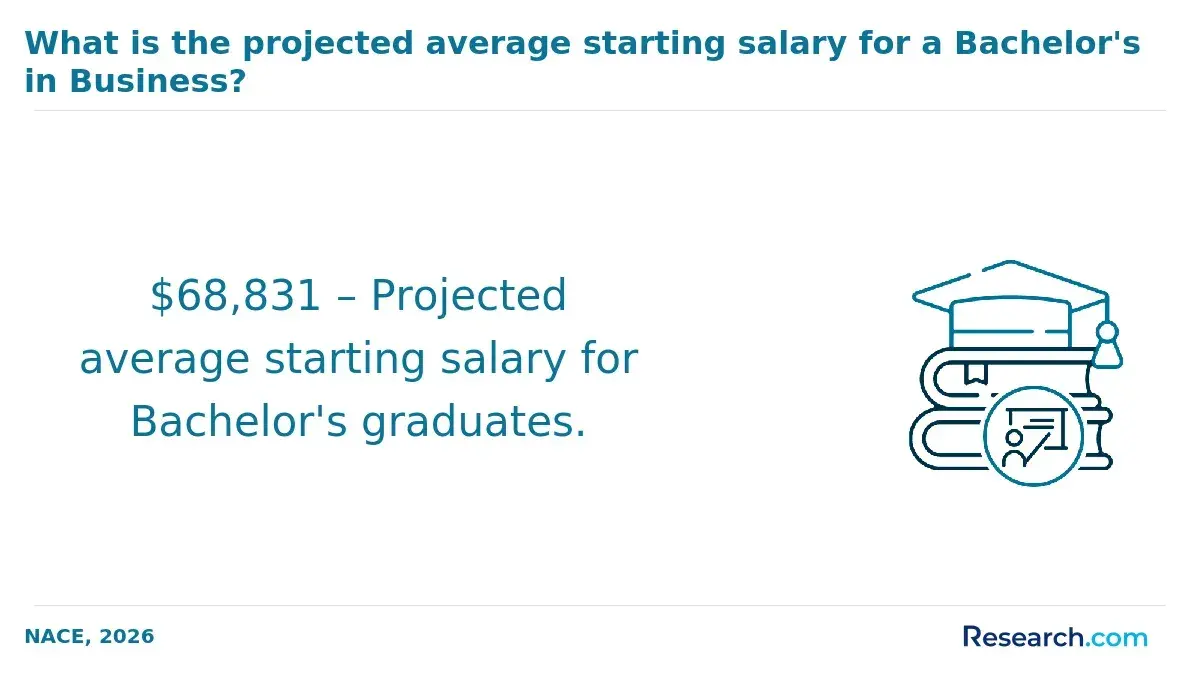
The cost of a Nevada business program depends on more than tuition. Fees, residency status, program length, living expenses, books, technology, transportation, and the amount of time you can continue working all affect affordability. Before enrolling, ask the financial aid office for a complete cost estimate for your intended program and attendance pattern.
Students should compare total cost, not just the advertised per-credit rate. A lower tuition rate may not be the best deal if transfer credits are limited, required fees are high, or the program takes longer to finish. Conversely, an accelerated program may cost more per term but reduce total living expenses and opportunity cost if it helps you graduate sooner.
- Type of institution. Public colleges and universities in Nevada often charge lower tuition to in-state residents than to out-of-state students, while private institutions may use a different pricing model.
- Program level. Associate, bachelor’s, master’s, and doctoral programs carry different price structures. Graduate and doctoral coursework usually costs more than lower-division undergraduate courses.
- Residency status. Of the full-time college students in Nevada, more than 80% are state residents. Students who qualify for Nevada residency typically receive lower tuition at public institutions than out-of-state or international students.
- Credit hours. Programs requiring more credits generally cost more in total. If you already have college credits, ask how many will transfer into the business major.
- Program length. Accelerated programs can raise the cost per semester but may lower total costs by reducing time in school. Part-time programs may be easier to manage while working, but they can extend completion time.
- Additional fees. Business programs may charge technology, materials, lab, graduation, online learning, or special course fees. These should be included in your budget.
- Financial aid and scholarships. Business school scholarships and financial aid in Nevada may include institutional awards, state-supported aid, merit-based scholarships, need-based support, federal aid, and private student loans.
| Cost question | Why to ask it |
| What is the total program cost through graduation? | This reveals tuition, mandatory fees, books, technology, and other required expenses. |
| How many of my credits will transfer? | Transfer loss can increase both cost and time to completion. |
| Are online students charged different fees? | Online tuition may look affordable until technology or distance-learning fees are added. |
| Does the program offer paid internships or employer partnerships? | Work-based experience can improve career readiness and may reduce reliance on loans. |
| What scholarships are available specifically for business students? | Department-level scholarships may not appear in general financial aid estimates. |
Nevada Schools Offering Business Programs for 2027
The schools below offer notable business-related programs in Nevada. This list is not presented as an official Nevada business school ranking. Instead, it highlights institutions based on factors such as program variety, accreditation, business curriculum options, student support, and career relevance.
| School | Business program strengths | Accreditation or quality marker noted | Best fit |
| University of Nevada, Reno | Undergraduate and graduate options in accounting, business administration, economics, and related areas | AACSB accreditation; 83% of alumni are employed full-time | Students seeking a research university with employer connections and graduate pathways |
| University of Nevada, Las Vegas | Majors, minors, and graduate programs in accounting, finance, marketing, and other business fields | Among the top 5% of global business schools with dual AACSB accreditation | Students interested in business careers connected to Las Vegas industries and graduate study |
| Nevada State College | Bachelor of Science in Business Administration, Bachelor of Applied Science in Management, and business minors | Regional accreditation from NWCCU | Students who want applied business preparation and internship-focused learning |
| Great Basin College | Business administration, management and supervision, accounting, human resources, finance management, marketing, and real estate coursework | Degree and certificate pathways available | Students seeking flexible or regional access to business credentials |
| College of Southern Nevada | Business, business management, casino management, marketing, bookkeeping, real estate, accounting, and related certificate options | ACBSP, AAPE, and Nevada Real Estate Division accreditations noted for relevant programs | Students looking for certificates, associate pathways, workforce training, or transfer options |
1. University of Nevada, Reno
The University of Nevada, Reno’s College of Business offers undergraduate and graduate study in areas such as accounting, business administration, economics, and related fields. The college maintains partnerships with local businesses and international corporations, which can support employer exposure, recruiting activity, and practical learning. Its reported 83% full-time alumni employment outcome is a useful signal for students who want a business school with workforce connections. The college also holds accreditation from the Association to Advance Collegiate Schools of Business (AACSB), a major business-school accreditor.
2. University of Nevada, Las Vegas
The University of Nevada, Las Vegas Lee Business School offers undergraduate majors, minors, and graduate degrees in fields including accounting, finance, marketing, and other business disciplines. The school is among the top 5% of global business schools with dual AACSB accreditation, which is especially relevant for students comparing business and accounting program quality.
3. Nevada State College
Nevada State College offers business programs through the School of Liberal Arts, Sciences, and Business. Options include a Bachelor of Science in Business Administration, a Bachelor of Applied Science in Management, and business minors. The college emphasizes applied learning and internships, and it holds regional accreditation from the Northwest Commission on Colleges and Universities (NWCCU).
4. Great Basin College
Great Basin College’s Business Department offers business credentials at multiple levels, including a Bachelor’s in Management and Supervision, an Associate in Business Administration, and an Associate in Business Administration Major in Accounting. The school also offers certificates of achievement in business administration and human resources. Coursework spans accounting, business, economics, finance management, management, marketing, and real estate.
5. College of Southern Nevada
The College of Southern Nevada’s School of Business, Hospitality, and Public Services provides business-related undergraduate and certificate options in business, business management, casino management, marketing, bookkeeping, real estate, and accounting degrees. Relevant accreditations include the Accreditation Council for Business Schools and Programs (ACBSP), the American Association for Paralegal Education (AAPE), and accreditation from the Nevada Real Estate Division.
What to Look for in a Business Program in Nevada
A strong business program should match your career goal, budget, schedule, and preferred learning style. The right program for an aspiring CPA may differ from the right program for a hospitality manager, entrepreneur, analyst, or future MBA student.
- Accreditation. Confirm institutional and programmatic accreditation. Business accreditors in the United States include AACSB and ACBSP, while Nevada institutions may also hold regional accreditation through NWCCU. Accreditation can affect transfer credits, graduate admissions, employer recognition, and financial aid eligibility.
- Program offerings. Make sure the school offers your intended field, such as accounting, finance, marketing, management, analytics, hospitality, entrepreneurship, or real estate. Also compare degree levels, minors, certificates, and concentrations.
- Admission requirements. Review GPA expectations, prerequisite courses, test policies, transfer rules, and program-specific standards. If you are comparing specialized majors, look closely at requirements such as finance degree requirements before applying.
- Faculty expertise. Look for faculty with industry experience, active research, consulting work, or professional credentials in the field you want to enter.
- Internship and job opportunities. Practical experience matters in business hiring. Ask whether the school supports internships, cooperative education, employer projects, career fairs, or local business partnerships.
- Industry connections. Nevada employers include hotels, casinos, medical centers, airports, real estate organizations, financial firms, and public agencies. If you are asking what can you do with a business administration degree, prioritize schools with employer relationships in industries that interest you.
- Flexibility and formats. Compare full-time, part-time, evening, hybrid, and online options. Online business degrees in Nevada may be helpful for working adults, but students should check whether online courses are synchronous, asynchronous, or blended.
- Class size and access to faculty. Smaller classes can make it easier to get feedback, build relationships with professors, and participate in projects.
- Student resources. Review business libraries, databases, analytics tools, tutoring, advising, technology support, and career coaching.
- Graduation and career outcomes. Ask for graduation rates, job placement information, internship participation, graduate school placement, and salary data by program when available.
Common Mistakes When Choosing a Nevada Business School
| Mistake | Why it can hurt you | Better approach |
| Choosing only by school name | A recognizable brand does not guarantee the best fit for your concentration, budget, or schedule. | Compare program outcomes, cost, accreditation, faculty, and employer access. |
| Ignoring accreditation | Unaccredited or poorly recognized programs can create problems with transfer credits, graduate admission, and employer trust. | Verify institutional accreditation and business-specific accreditation when relevant. |
| Looking only at tuition | Fees, books, commuting, housing, and delayed graduation can change total cost significantly. | Calculate the full cost through completion. |
| Assuming online means easier | Online business courses often require strong time management, writing, and independent learning skills. | Ask about course format, weekly expectations, proctored exams, and support access. |
| Skipping internship research | Business graduates often compete on experience, not coursework alone. | Choose programs with internships, projects, employer panels, and career coaching. |
| Assuming salary outcomes are guaranteed | Pay varies by role, location, experience, industry, and performance. | Use salary data as context, then evaluate the school’s actual placement support. |
Emerging Trends in Nevada's Business Education Landscape
Nevada business programs are adapting to employer needs, student demand for flexible learning, and the growing use of technology in business operations. When comparing schools, look for evidence that the curriculum reflects current workplace expectations rather than only traditional business theory.
- Innovation and entrepreneurship. More programs are emphasizing venture creation, business model design, design thinking, and startup planning. This is especially relevant for students who want to launch a company or work in a growth-stage organization.
- Data analytics and business intelligence. Employers increasingly expect business graduates to interpret data, build dashboards, understand performance metrics, and use evidence in decision-making. Courses in statistics, analytics, and business intelligence can strengthen employability.
- Specialization in growth industries. Nevada’s economy supports demand for business knowledge in hospitality management, healthcare administration, fintech, real estate, logistics, entertainment, and service operations.
- Online and blended learning. Flexible formats are important for working adults, parents, military-affiliated students, and students outside major metro areas. The best online programs still provide advising, career support, faculty access, and networking opportunities.
- Sustainability and social impact. Business programs increasingly cover ethical leadership, corporate social responsibility, environmental sustainability, and social impact strategy as organizations respond to customer, investor, and regulatory expectations.
- AI and automation readiness. Students should expect more emphasis on analytics tools, workflow automation, responsible AI use, and technology-supported decision-making. Business graduates do not need to become software engineers, but they do need to understand how technology changes operations, marketing, finance, and management.
If flexibility and affordability are priorities, compare Nevada options with our guide to the cheapest business administration degree online. Just remember that affordability should be weighed against accreditation, transfer credit policies, student support, and career outcomes.
What support services are available to help me succeed in a Nevada business school?
Support services can make a major difference, especially for first-generation students, transfer students, working adults, online learners, and students returning to school after time away. Before enrolling, ask whether services are available to all business students or only to those in specific programs.
- Academic advising. Advisors help students plan course sequences, meet graduation requirements, select concentrations, and avoid schedule mistakes that delay graduation.
- Career services. Strong business career offices provide resume reviews, interview coaching, employer events, internship listings, career fairs, and help translating coursework into marketable skills.
- Tutoring and study support. Accounting, finance, economics, statistics, and analytics courses can be challenging. Tutoring and study groups help students stay on track.
- Mental health and counseling services. Business programs can be demanding, particularly for students balancing work and school. Counseling services can support stress management and overall well-being.
- Library and research resources. Access to business databases, journals, market research tools, and citation support can improve projects, case analyses, and research papers.
- Professional workshops. Workshops on leadership, public speaking, networking, Excel, analytics tools, project management, and time management can add practical value beyond the classroom.
- Technology and IT help. Online platforms, business software, analytics tools, and secure testing systems require reliable technical support.
Questions to Ask Before You Apply
| Question | What a useful answer should include |
| Which employers recruit from this business program? | Specific employer examples, internship pipelines, or recent hiring destinations. |
| Are career services available to online and part-time students? | Remote advising, virtual events, evening appointments, and online job resources. |
| How does the school support transfer students? | Clear transfer evaluations, articulation agreements, and degree maps. |
| What percentage of students complete internships? | Program-specific internship participation or examples of required experiential learning. |
| Can certificates stack into degrees? | Written confirmation that credits apply to an associate, bachelor’s, or graduate pathway. |
How to Build a Strong Foundation for Accounting Careers in Nevada
Accounting remains one of the most practical specializations for business students because every industry needs accurate financial reporting, tax planning, budgeting, auditing, and compliance. In Nevada, accounting skills are valuable in hospitality, entertainment, real estate, finance, government, healthcare, and corporate operations.
Students interested in CPA licensure should plan early. The Certified Public Accountant credential can support advancement into public accounting, auditing, tax, controllership, forensic accounting, and financial leadership roles. If you want a Nevada-specific roadmap, review our guide on how to become a CPA in Nevada, which explains accounting schools, licensure expectations, and career opportunities.
Many business schools in Nevada include accounting coursework within broader business programs. Students may choose an accounting degree, a business administration degree with finance coursework, or a management program that includes accounting and financial analysis. Internships, networking events, and faculty guidance can help students prepare for auditing, tax preparation, management accounting, and financial consulting roles.
For students who are not sure whether to major in accounting, a good approach is to complete introductory financial and managerial accounting courses early. If you enjoy structured problem-solving, regulation, financial analysis, and detail-oriented work, accounting may be a strong business pathway.
What Career Paths Are Available to Business Graduates Interested in Urban Development?
Business graduates can contribute to urban development through budgeting, project finance, real estate analysis, public-private partnerships, community development administration, grant management, and operations planning. These roles may appear in government agencies, consulting firms, developers, transportation organizations, housing nonprofits, and sustainability-focused groups.
Students who want to combine business with planning should study finance, economics, data analysis, public administration, real estate, and project management. To understand the planning-specific route, see our guide to urban planning schools in Nevada, which covers education requirements, job outlook, and salary expectations for that field.
Is an Advanced Business Degree a Strategic Investment for Nevada Business Leaders?
An advanced business degree can be useful when it aligns with a clear career move: promotion into management, transition into consulting, preparation for executive leadership, entrepreneurship, or specialization in finance, analytics, healthcare administration, or operations. It is less compelling if you are enrolling only because you are unsure what to do next.
Before choosing an MBA or similar graduate program, compare curriculum strength, accreditation, faculty background, cohort quality, employer network, scheduling format, and total cost. Working professionals should also evaluate whether the program allows them to continue earning while studying. For a deeper look at flexible graduate formats, review is an online MBA worth it.
How Can Integrating Psychology Enhance Business Strategies in Nevada?
Psychology can strengthen business strategy by helping leaders understand motivation, decision-making, consumer behavior, employee engagement, negotiation, and team dynamics. In customer-centered Nevada industries such as hospitality, entertainment, healthcare, and retail, behavioral insight can improve service design, marketing, leadership, and workforce management.
Business students interested in this intersection may benefit from coursework in organizational behavior, consumer psychology, human resources, behavioral economics, and research methods. Exploring the best colleges for psychology in Nevada can also help students understand how psychology training can complement business strategy and leadership.
How Long Does It Take to Earn a Doctorate in Business Administration?
A doctorate in business requires a long-term academic commitment. Students typically complete advanced coursework, research methods training, comprehensive assessments, and a dissertation or major research project. Doctoral business programs generally take around four to six years, depending on enrollment status, research progress, faculty supervision, and program structure.
If you are comparing doctoral options or trying to understand degree timelines, review How long does it take to get a doctorate in business administration?
What Are the Best Career Opportunities for Business Graduates in Nevada?
Nevada business graduates can pursue roles across tourism, entertainment, gaming, real estate, finance, healthcare, technology, logistics, public administration, and entrepreneurship. Common pathways include management, marketing, financial analysis, human resources, business operations, accounting, project coordination, and customer experience strategy.
Hospitality and gaming remain major Nevada career areas. Casinos, hotels, resorts, restaurants, and entertainment companies need professionals who understand revenue management, operations, customer relations, compliance, marketing, finance, and leadership. These employers may offer opportunities for students with business administration, finance, hospitality management, analytics, and marketing backgrounds.
Nevada’s technology and startup activity also creates demand for business graduates who can work in digital marketing, e-commerce, business analytics, product operations, sales operations, and IT management. Real estate and development-related employers may need professionals in property management, investment analysis, leasing, development finance, and operations.
Professionals who already have work experience may consider an MBA to move into higher-level management or strategic roles. If speed is important, compare one year MBA programs online, but evaluate intensity, accreditation, networking, and total workload before choosing an accelerated format.
Choosing Among the Best Business Schools in Nevada
The best Nevada business school is the one that fits your objective, not necessarily the one with the broadest name recognition. A student planning to transfer may prioritize affordability and credit mobility. A future accountant may prioritize CPA preparation and accounting accreditation. A working manager may value evening, hybrid, or online scheduling. A student targeting hospitality leadership may benefit from programs with strong Las Vegas employer connections.
If you are still asking is business administration a good major to invest in, focus on fit: career relevance, cost, internship access, accreditation, and whether the curriculum builds practical skills employers can recognize. Business can be a flexible major, but flexibility is most valuable when paired with experience, specialization, and a clear career direction.
How Can Business Graduates Impact Nevada’s Health and Wellness Sector?
Business graduates can support Nevada’s health and wellness sector through operations management, market analysis, budgeting, customer experience, supply chain coordination, and service expansion. Wellness centers, fitness businesses, health-focused food services, clinics, and community health organizations all need professionals who can manage resources and improve service delivery.
Students interested in combining business with nutrition, wellness, or preventive health can explore how to become a nutritionist in Nevada to understand how business knowledge may complement direct health-focused career paths.
How Can Business Graduates Apply Forensic Science Principles to Strengthen Corporate Risk Management?
Business graduates can use forensic thinking to improve internal controls, fraud detection, compliance monitoring, and financial risk management. Skills such as pattern recognition, documentation, evidence review, data analysis, and process auditing are useful in corporate investigations and regulatory environments.
Students interested in this crossover may benefit from accounting, analytics, cybersecurity awareness, compliance, and forensic accounting coursework. Understanding forensic scientist education requirements in Nevada can also help business professionals collaborate more effectively with investigative and forensic teams.
How Can Business Graduates Enhance Nevada’s Substance Abuse Prevention Strategies?
Business graduates can strengthen substance abuse prevention and treatment organizations by improving budgeting, staffing models, grant administration, outreach strategy, data reporting, and operational efficiency. Prevention programs and treatment centers often need sustainable financial systems and clear performance measures to serve communities effectively.
Business skills can also support public-private partnerships, program evaluation, resource allocation, and long-term planning. If you want to connect business training with direct community service, review how to become a licensed substance abuse counselor in Nevada.
How Can Business Graduates Strengthen Nevada’s Social Services Sector?
Social services organizations need strong administration as much as direct service expertise. Business graduates can help nonprofits, agencies, and community organizations manage budgets, analyze service gaps, improve reporting, coordinate programs, and build sustainable funding strategies.
Students who want to combine management skills with community impact can learn more about how to become a social worker in Nevada. Even if you do not pursue social work licensure, understanding the field can improve your ability to manage programs that serve vulnerable populations.
What Are the Licensing and Regulatory Pathways for Business Graduates Interested in Financial Oversight?
Business graduates interested in financial oversight should understand that some roles require specific credentials, licenses, examinations, education hours, or supervised experience. Accounting, auditing, compliance, investment-related roles, and financial management positions may have different requirements depending on the employer and job function.
Students should build a plan around academic coursework, professional exams, ethics requirements, and experience expectations. For Nevada-specific accounting guidance, review how to become a CPA in Nevada.
How Can Business Graduates Transition Into Nevada’s Legal Sector?
Business graduates can move toward the legal sector through compliance, contract administration, risk management, corporate governance, legal operations, billing management, and regulatory documentation roles. These positions require organization, communication, process improvement, and careful attention to detail.
Students interested in a more direct legal support pathway can explore how to become a paralegal in Nevada. Business coursework in management, accounting, ethics, and communication can be useful in law firms, corporate legal departments, and compliance-heavy organizations.
How Can Business Graduates Impact Nevada’s Healthcare and Pharmacy Sectors?
Healthcare and pharmacy organizations need business professionals who can improve operations, manage inventory, analyze performance metrics, support compliance, coordinate supply chains, and control costs without undermining patient care. Business graduates may work with administrators, clinicians, vendors, insurers, and finance teams to improve efficiency.
Students interested in pharmacy administration or healthcare operations should understand the regulatory environment that shapes staffing, inventory, safety, and service delivery. Reviewing pharmacist licensure requirements in Nevada can help business professionals see how licensure rules affect workforce planning and operational decisions.
Key Insights
- Nevada is a strong business education market for the right student. The state combines a business-friendly tax environment, a projected 14.2% employment growth across all industries through 2032, and major industries that need business talent.
- Accreditation should be non-negotiable. Look for institutional accreditation and, when relevant, business accreditation such as AACSB or ACBSP. Accreditation can affect transfer, graduate school, financial aid, and employer confidence.
- Program fit matters more than general prestige. Choose based on your target field, such as accounting, finance, hospitality, analytics, management, entrepreneurship, or healthcare administration.
- Cost comparisons should include more than tuition. Fees, transfer credits, program length, residency status, books, transportation, and work schedule all affect the real cost of a Nevada business degree.
- Experience is a major differentiator. Internships, employer projects, career coaching, and networking can be as important as coursework for business students entering competitive roles.
- Flexible formats can help working adults, but they require scrutiny. Online and blended programs should still offer advising, faculty access, career support, and clear course expectations.
- Business degrees are versatile, but not automatic guarantees. Salaries and job outcomes depend on role, location, industry, experience, specialization, and the quality of the student’s professional network.
Related Articles for Nearby States
- 2027 Best Business Schools in California – Accredited Colleges & Programs
- 2027 Best Business Schools in Oregon – Accredited Colleges & Programs
- 2027 Best Business Schools in Idaho – Accredited Colleges & Programs
- 2027 Best Business Schools in Arizona – Accredited Colleges & Programs
- 2027 Best Business Schools in Utah – Accredited Colleges & Programs
- 2027 Best Business Schools in Washington – Accredited Colleges & Programs
- 2027 Best Business Schools in Montana – Accredited Colleges & Programs
- 2027 Best Business Schools in Wyoming – Accredited Colleges & Programs
- 2027 Best Business Schools in Colorado – Accredited Colleges & Programs
- 2027 Best Business Schools in New Mexico – Accredited Colleges & Programs
References:
- Livingcost. (2026, March 11). Cost of Living in Nevada. Livingcost.org.
- McGoldrick, J. (2026, January 26). Top 10 Highest Paying Jobs in Nevada 2026(Inc Salaries). Nexford University
- NCES. (2024, January). Degree-granting postsecondary institutions, by control and classification of institution and state or jurisdiction. National Center for Education Statistics.
- Nevada DETR. (n.d.). Nevada labor market information: Industry and occupational projections. State of Nevada Department of Employment, Training & Rehabilitation.
- Pena, A. (2026, January 1). Employment in Nevada. Nevada Business
- State of Nevada DOE. (n.d.). Nevada choice scholarship program. State of Nevada Department of Education.
- UNLV Lee Business School. (n.d.). Lee business school. University of Nevada, Las Vegas.
- UNR College of Business. (n.d.). Student career outcomes. University of Nevada, Reno.
- ZipRecruiter. (2026, May 25). Business degree salary in Nevada. ZipRecruiter.com.
Other Things You Should Know About The Best Business Schools in Nevada
Yes, Nevada is an excellent state for business majors due to its favorable economic prospects, competitive salaries, and a high number of job opportunities in various industries.
Some of the top business schools in Nevada for 2027 include the Lee Business School at University of Nevada, Las Vegas (UNLV) and the College of Business at University of Nevada, Reno (UNR). Both schools offer accredited programs recognized for their comprehensive curricula and strong industry connections.
Financial aid options include scholarships, grants, and loans provided by the state government, universities, and private organizations. Students are encouraged to contact the financial aid office of their chosen institution for specific information.
Yes, many institutions in Nevada offer online business degrees, providing flexibility for students who need to balance their studies with other commitments.
Business graduates in Nevada have excellent career prospects due to the state’s robust economic environment, diverse industries, and high demand for skilled professionals.
When choosing a business program in Nevada for 2027, consider factors like accreditation by recognized bodies such as AACSB or ACBSP. Look at faculty expertise, available specializations, internship opportunities, and alumni success stories. The strength of the university's ties to local businesses can also offer valuable networking and career possibilities.