2027 Art Education Degree Completion Rates by Format: Online, Hybrid, and Campus Programs Compared

Co-Founder and Chief Data Scientist
Choosing the right format to complete an art education degree presents a significant challenge for many students. Balancing work commitments, family responsibilities, and learning preferences demands careful consideration, especially when deciding among online, hybrid, and traditional campus programs. Each format offers unique advantages and challenges that can greatly influence a student's ability to persist and finish their degree.
Completion rates vary across delivery methods, reflecting differences in engagement, support structures, and real-world demands on students. Understanding how these factors interact with format choices is essential for those aiming to align their educational pathways with long-term career goals. This article compares online, hybrid, and campus art education degree completion rates, explores the factors behind student success, and guides prospective students in selecting the format most conducive to achieving their objectives.
Key Things to Know About Art Education Degree Completion Rates by Format
- Campus art education programs generally show a 15% higher completion rate than online formats due to direct mentorship and hands-on studio access influencing skill acquisition and sustained engagement.
- Hybrid formats blend online flexibility with periodic in-person critiques, resulting in completion rates bridging campus and online figures, highlighting the importance of scheduled interaction for skill mastery.
- A 2024 study found online art education completion struggles stem from limited peer collaboration, implying that students prioritizing community-driven learning may face disproportionate challenges completing purely virtual programs.
- Key Things to Know About Art Education Degree Completion Rates by Format Key Things to Know About Art Education Degree Completion Rates by Format
- How Do Completion Rates Compare Across Online, Hybrid, and Campus Art Education Programs? Completion Rate Comparison
- What Factors Have the Greatest Impact on Art Education Degree Completion? Degree Completion Factors
- Which Art Education Degree Format Is Hardest to Complete? Completion Difficulty
- How Does Each Art Education Learning Format Affect Student Success? How Does Each Art Education Learning Format Affect Student Success?
- How Does Enrollment Status Affect Art Education Completion Rates? How Does Enrollment Status Affect Art Education Completion Rates?
- Can Transfer Credits Improve Art Education Degree Completion? Transfer Credits
- What Student Support Services Improve Art Education Completion Rates? Student Support Services
- How Do Art Education Completion Rates Affect Career Outcomes? Impact on Career Outcomes
- How Should Students Choose the Best Art Education Learning Format? Choosing the Best Format
- What Are the Long-Term Pros and Cons of Each Art Education Learning Format? Learning Format Pros & Cons
How Do Completion Rates Compare Across Online, Hybrid, and Campus Art Education Programs?
Variations in completion rates between online, hybrid, and campus programs typically arise from contrasts in factors like work obligations, enrollment intensity, and availability of student support. Fully online programs report lower completion rates partly because they attract learners balancing significant personal responsibilities and requiring more flexible scheduling. Hybrid formats often offer a balance, combining flexibility with some face-to-face engagement, supporting students who benefit from both autonomy and structured interaction. However, success remains dependent on individual motivation and circumstances as much as on the learning model itself.
Prospective students can leverage a comparison of online hybrid and campus art education graduation rates to make informed choices aligned with their unique situations. Those with limited study time or complex outside obligations might find online formats more manageable despite the higher risk of attrition, while individuals seeking immersive learning and campus resources may favor traditional programs. Evaluating these completion trends alongside personal learning preferences and career goals offers a strategic approach to selecting the format most likely to result in successful degree completion. For those exploring different options, insights from related programs like the DNP program emphasize the value of assessing both outcomes and practical realities.
What Factors Have the Greatest Impact on Art Education Degree Completion?
Degree completion in art education relies on a complex interplay of personal circumstances, academic support, and program design rather than motivation alone. External pressures such as family responsibilities and work obligations often challenge students' persistence. Equally, institutional resources and curriculum relevance shape whether learners stay engaged and on track. Below are the key factors most strongly influencing students' success in completing art education programs.
- Robust Academic Advising and Mentoring: Personalized guidance significantly improves degree completion rates, with students benefiting from dedicated advisors showing up to 30% higher graduation likelihood. This factor is especially critical for learners juggling multiple responsibilities, as targeted mentorship provides accountability and tailored strategies for overcoming obstacles.
- Learning Format Impacts Engagement: Campus-based programs typically offer more face-to-face interaction, facilitating real-time support and community building. Conversely, online learners face isolation and time management challenges; however, those engaging in synchronous or cohort-based activities complete 18% more often, highlighting the importance of structured interaction in digital contexts.
- Curriculum Relevance and Practical Application: Programs integrating hands-on projects and portfolio development foster motivation by linking coursework to real-world skills. Students aligned with clear career pathways, such as teaching certifications or creative industry demands, sustain momentum better through visible employability outcomes.
- Flexible Scheduling and Support for Nontraditional Learners: Many art education students balance education with work and family, making flexible options essential. Hybrid formats that blend online and in-person elements can alleviate these pressures, allowing students to tailor their engagement without sacrificing connection or rigor.
- Community and Peer Support Networks: Developing a sense of belonging through cohort participation or study groups buffers against attrition. Those students who cultivate peer relationships within their program environment tend to persist longer, as shared experiences and encouragement mitigate feelings of isolation.
- Time Management Skills and Self-Discipline: Particularly pertinent for online learners, these skills impact the ability to meet deadlines independently. Students improving their organizational habits through workshops or coaching are better positioned to complete requirements despite competing demands.
- Financial Stability and Resource Access: Economic stress often derails student progress. Access to financial aid, scholarships, or institutional resources-such as technology support-enables students to focus on academics rather than external hardships, reinforcing persistence across all learning formats.
A practical example illustrates these dynamics: Maria, a working mother enrolled in a hybrid art education program, benefits from evening synchronous classes and dedicated online mentoring. This blended approach respects her time constraints while providing motivation through cohort interaction and real-time feedback, improving her likelihood of degree completion compared to an exclusively asynchronous setup.
Prospective students should consider these intertwined factors when assessing art education degree programs, as successful completion stems from a holistic alignment of personal, academic, and institutional supports.
For those exploring alternatives within education fields, investigating nursing schools that don t require TEAS or HESI can provide insight into how program design affects degree completion rates more broadly.
Which Art Education Degree Format Is Hardest to Complete?
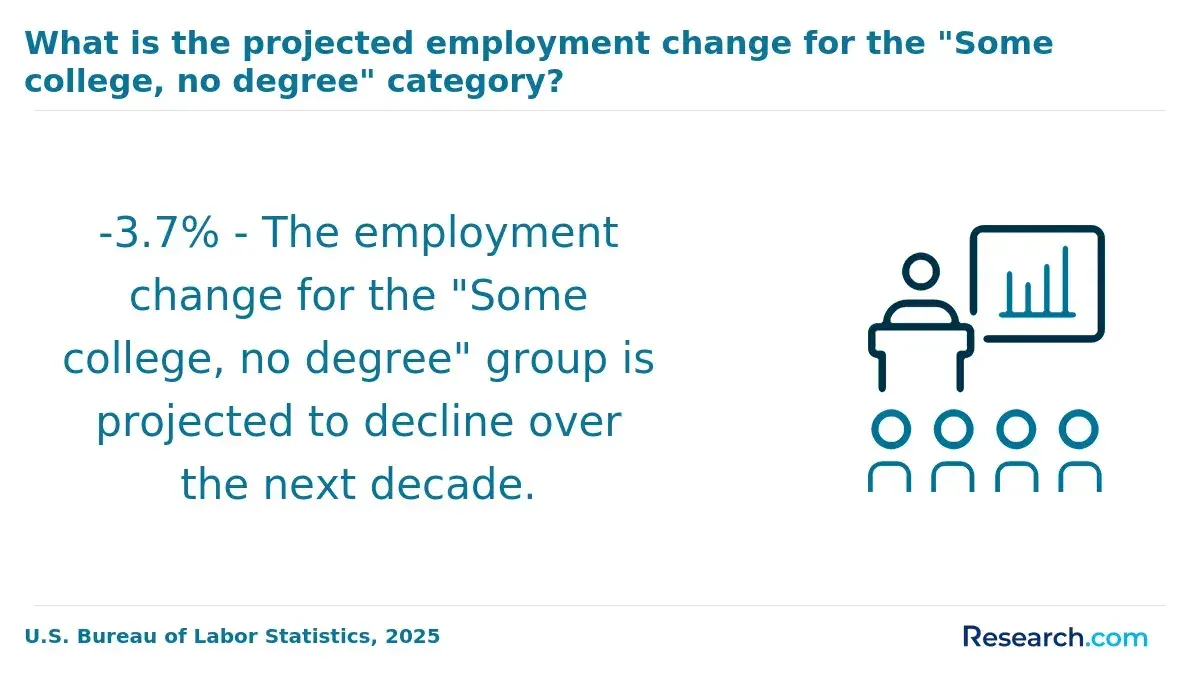
Recent data from the National Center for Education Statistics and the National Student Clearinghouse Research Center indicate that fully online art education programs show notably lower completion rates than hybrid or campus-based formats, with online rates often falling below 50%. In contrast, campus programs regularly exceed a 70% completion benchmark, aided by structured scheduling and richer access to resources and peer interaction. Hybrid formats typically fall in between, with 60% to 65% completion rates, offering some flexibility but still requiring significant self-motivation and management of in-person commitments.
The experiential demands of art education make format choice particularly consequential. For example, a student juggling family obligations and a part-time job may find campus attendance difficult, yet struggle with the isolation and limited hands-on feedback common in online courses, complicating their progress. Hybrid models attempt to balance autonomy with some direct engagement but still expect students to navigate multiple learning contexts effectively. These nuances highlight that completion difficulty is not uniform but shaped by how format-specific demands align with individual circumstances and learning preferences.
One graduate reflected on choosing a hybrid art education program while working full time: initially uncertain about handling both in-person studio days and remote lectures, they found that balancing the two required intense scheduling and energy. The occasional on-campus sessions were critical for receiving practical critiques, yet the remote components sometimes felt isolating and pushed their discipline to the limit. This graduate's experience underscores how navigating hybrid delivery can trigger both logistical stress and invaluable hands-on learning, illuminating why some students find this format uniquely challenging.
How Does Each Art Education Learning Format Affect Student Success?
Student success in art education programs hinges less on the format itself and more on how well it fits individual learning styles, time constraints, and external obligations. A student balancing a part-time job and caregiving may thrive in a hybrid setting, while another relying on hands-on interaction could find campus-based study essential. Recognizing these real-world conditions is critical because completion rates differ substantially across formats. The National Student Clearinghouse Research Center (2024) reports campus programs have the highest degree completion rates, with hybrid formats falling in the middle and fully online options trailing slightly behind. Here are key factors shaping how each learning format impacts academic outcomes.
- Engagement Through Physical Presence: Being on campus often leads to deeper immersion in coursework and more spontaneous interactions with faculty and peers, which drives motivation and academic persistence. Students who benefit from structured environments and direct observation of artistic processes usually perform better in this setting.
- Flexibility vs. Accountability Balance: Hybrid programs offer a mix of online convenience and scheduled in-person sessions, appealing to students juggling work or family obligations. While this flexibility helps sustain enrollment, it requires students to self-regulate effectively to avoid falling behind.
- Social Support Limitations Online: Fully online art education removes geographic barriers but can diminish peer connection and immediate academic feedback, often linked to higher attrition rates. Students who are self-motivated and comfortable with digital platforms tend to fare better, whereas those needing hands-on guidance may struggle.
- Access to Resources and Technology: Campus learning provides ready access to studios, equipment, and in-person mentoring, which are crucial in art disciplines. Online learners need robust virtual tools and proactive academic support to offset the lack of physical resources, impacting persistence and project quality.
- Structured Support Systems in Hybrids: Hybrid formats often combine institutional support services with flexible scheduling, which benefits nontraditional students seeking consistency without sacrificing accessibility. This approach results in moderate but improved completion rates when schools effectively integrate supports.
- Work-Life Integration Challenges: For adult learners balancing job and personal commitments, online and hybrid options reduce commuting time and offer schedule autonomy, but they demand higher self-discipline. Campus programs might be less feasible for these students despite potential academic advantages.
- Program Responsiveness to Student Needs: Success increases when art education programs tailor engagement, advising, and community-building strategies to their chosen format. Programs that invest in virtual mentoring and collaborative platforms help bridge gaps in online formats, while campus-based programs emphasize experiential immersion.
How Does Enrollment Status Affect Art Education Completion Rates?
Enrollment status is one of the most critical factors affecting art education degree completion rates, but its impact varies significantly depending on individual circumstances rather than just the number of courses taken. Understanding how full-time versus part-time enrollment shapes academic engagement, resource access, and time management is essential for students aiming to balance their education with personal and professional responsibilities. Decisions around enrollment should prioritize sustainable pacing tailored to each student's situation. Below are key ways enrollment status influences art education degree completion rates.
- Intensity of Academic Engagement: Full-time students generally experience more immersive engagement with coursework, studio work, and critiques, which are vital for art education success. This intensive focus supports higher completion rates, particularly in campus and hybrid formats, as confirmed by recent data from the National Student Clearinghouse Research Center showing full-time students graduate at rates nearly 30% higher than part-time peers.
- Competing Life Responsibilities: Part-time enrollment often suits students managing employment or family obligations but these commitments can detract from consistent study time and access to campus resources. Such conflicts often extend degree timelines and increase attrition risks unless students adopt rigorous time management and proactively seek support services.
- Access to Faculty and Facilities: Campus-based full-time students benefit from direct contact with instructors and hands-on facility use, enhancing practical skill development crucial for art education degrees. Hybrid formats partially replicate this advantage for part-time students, though fully online learners may face challenges maintaining necessary practical engagement.
- Interaction and Accountability: Part-time students, especially in online programs, tend to have fewer opportunities for peer interaction and instructor feedback, which can weaken motivation and academic accountability. Recognizing this, students should weigh the social and instructional support systems of their chosen format before committing to part-time enrollment.
- Program Structure and Completion Timelines: Full-time enrollment allows for more predictable and often shorter degree completion timelines, which correlate with better employment outcomes in the education and arts sectors per Bureau of Labor Statistics data. Part-time students must balance flexibility with the risk of extended enrollment that can diminish momentum and career readiness.
- Individual Learning Preferences and Life Circumstances: Some students thrive with the structure and pace of full-time study, while others require the flexibility of part-time pathways to accommodate work or life changes. Successful completion hinges on aligning enrollment status with personal circumstances to optimize both academic progress and well-being.
- Long-Term Career Implications: Timely completion enhances competitiveness in securing teaching roles and art-related positions, fields where delays can mean missed opportunities. Students should weigh how their enrollment choices impact not only graduation likelihood but also the critical timing of entering the workforce with relevant credentials.
For prospective students exploring flexible study options, similar considerations apply to programs such as the shortest post master's PMHNP online programs, where enrollment decisions balance pacing, resource access, and professional goals much like art education pathways do.
Can Transfer Credits Improve Art Education Degree Completion?
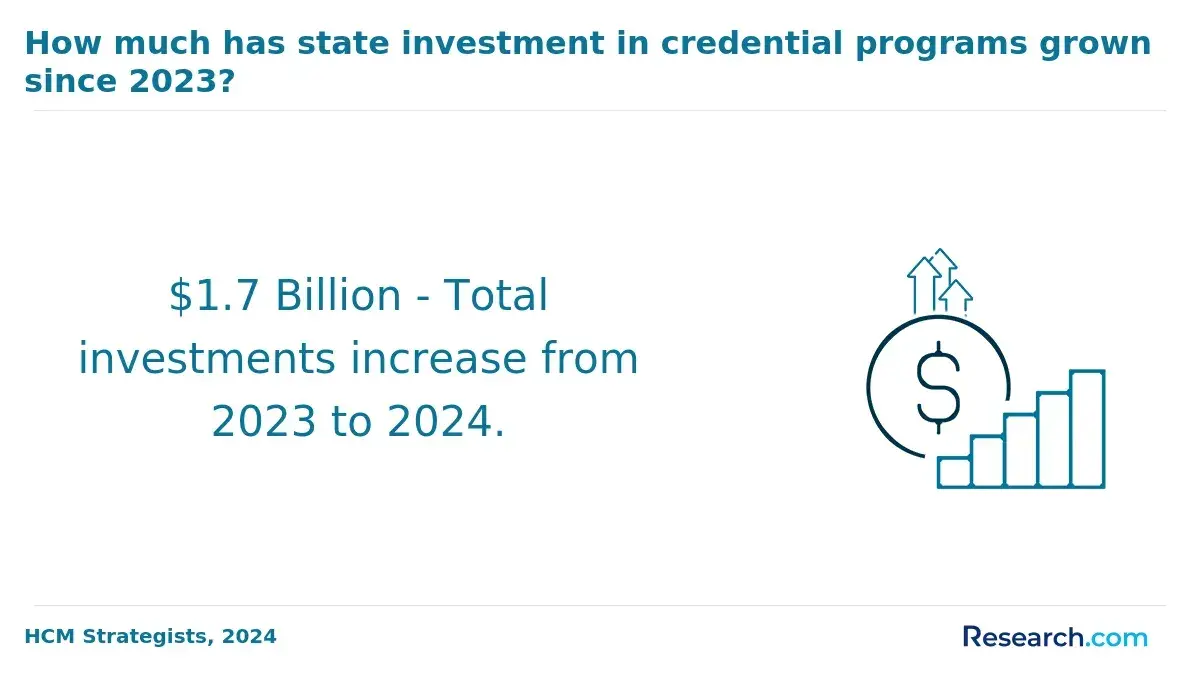
Transfer credits can significantly influence the trajectory and completion rates of art education degrees, especially when comparing online, hybrid, and campus formats. Evidence from the National Student Clearinghouse Research Center (2024) shows that students who successfully transfer credits often shorten their time-to-degree, which correlates with lower attrition and higher graduation rates. This impact is particularly notable among hybrid and online students, many of whom are adult learners returning to education with prior credits earned through community colleges, military education, or professional training.
However, the benefit of transfer credits is not universal. Their value hinges on the alignment between previously earned credits and the receiving institution's specific curriculum requirements. Since art education frequently involves specialized practical coursework and sequential classes, not all transferred credits will apply toward core degree components. For example, a student transferring general education credits from a community college may see reduced course loads, but if critical studio or pedagogy courses aren't accepted, the path to completion will not shorten substantially.
A 2024 report from the U.S. Department of Education's Institute of Education Sciences found that institutions with transparent and streamlined transfer credit policies experienced a 15% higher degree completion rate among transfer students within five years compared to those with restrictive policies. This illustrates that schools' transfer frameworks and advising infrastructure play a crucial role in realizing these advantages. Students who lack clear guidance or who attend institutions with rigid transfer rules may face unexpected course repetition and extended timelines.
Prospective students should critically assess how their unique academic histories-whether from military service, prior college study, or professional credentials-match the program's requirements. Obtaining an official credit evaluation before enrollment enables a realistic estimate of remaining coursework, avoiding assumptions that transfer credits will automatically accelerate graduation. Comparing this with their intended course load and enrollment format (online, hybrid, campus) helps set achievable timelines.
Ultimately, transfer credits can provide a meaningful route to reduce duplication, financial strain, and time spent in an art education degree. Still, they represent only one factor among many, including program rigor, institutional support, and personal circumstances, that influence completion success.
What Student Support Services Improve Art Education Completion Rates?
Student support services substantially influence degree completion in art education programs, particularly when balancing the diverse demands of online, hybrid, and campus settings. Recent research from 2024 shows that students engaged in focused advising and skill-oriented support have a 25% higher likelihood of finishing their degree on schedule. The varied nature of art education, especially its emphasis on hands-on practice and portfolio development, means that support services must be tailored to fit each delivery format for maximum effectiveness. Key services that consistently correlate with improved persistence include the following:
- Targeted Academic Advising: Personalized guidance helps students navigate course selections, manage workload, and set realistic milestones. This support is crucial in hybrid and online programs where students might miss informal faculty interactions.
- Accessible Tutoring for Skill Development: Tutoring focused on specific artistic techniques or theory reinforces classroom learning. Virtual tutoring sessions, especially those synchronized with course progress, reduce isolation and skill gaps in remote learners.
- Proactive Mentorship Programs: Mentorships linking students with experienced practitioners offer industry insights and motivation, fostering commitment and resilience across all formats.
- Integrated Progress Monitoring Tools: Dashboards embedded within learning platforms allow advisors to identify at-risk students early, enabling timely intervention before challenges escalate.
- Hybrid Support Coordination: Seamless access to both online coaching and in-person portfolio reviews in hybrid programs reduces fragmentation and supports comprehensive skill acquisition.
- Robust Campus Resources Access: For campus-based students, immediate availability of studio spaces, face-to-face critiques, and extracurricular communities strengthens belonging and persistence.
- Mental Health and Well-being Services: Sufficiently resourced mental health programs are vital, given the emotional demands of creative work and their proven link to retention.
One online art education graduate recalled hesitating midway through her program due to the solitary nature of remote learning and technical challenges with her portfolio work. Timely email check-ins from her academic advisor and access to synchronous tutoring sessions allowed her to stay on track. She credited the combination of proactive outreach and targeted skill support with turning her uncertainty into steady progress, illustrating how coordinated student services can make a tangible difference in navigating the unique challenges of online art education.
How Do Art Education Completion Rates Affect Career Outcomes?
Completion rates in art education degree programs are more than just numbers; they fundamentally influence long-term career trajectories for graduates. Research from 2024 shows a tangible link between finishing a bachelor's degree in art education and better employment outcomes, higher earnings, and greater chances for promotion across education and related creative sectors. For example, a recent data point from the National Center for Education Statistics indicates that individuals completing their degrees are over 30% more likely to secure relevant jobs within two years than those who do not. Below are key ways degree completion shapes career success.
- Greater likelihood of securing relevant employment: Graduates who complete an art education degree demonstrate mastery and commitment that employers prioritize. Completing the program signals readiness and often a stronger portfolio of skills, helping graduates navigate a competitive job market. Students balancing life responsibilities who persist through to graduation typically see better placement rates.
- Access to promotional opportunities and higher earnings: Degree completion correlates with measurable increases in salary and advancement within educational and arts organizations. Employers frequently require formal credentials for leadership roles or specialized teaching certifications, meaning graduates have a distinct advantage. This is especially true in institutions that value sustained academic rigor.
- Higher enrollment rates in graduate programs necessary for specialized roles: Completing a bachelor's is often a prerequisite for pursuing advanced degrees or certifications. These credentials open pathways to administrative or leadership positions in art education, underscoring that degree completion impacts not just entry-level employment but long-term professional growth.
- Impact of program format on completion and career outcomes: Online, hybrid, and campus programs differ significantly in completion rates. While online education increases accessibility, it also faces challenges like reduced engagement, which can lower completion relative to campus or hybrid models. Hybrid programs offer a compromise, supporting flexibility along with some in-person networking benefits, leading to moderately improved career prospects.
- Practical illustration of persistence value: A part-time student managing family and work who successfully completes a campus or hybrid program generally exceeds those pursuing purely online formats in both job placement and salary after graduation. This reflects how format choice affects employability, reinforcing the importance of aligning personal circumstances with program demands for optimal outcomes.
Prospective students evaluating the art education degree completion impact on career success should consider these nuances carefully. Sustained commitment through graduation does not guarantee employment but substantially improves opportunities. For those interested in flexible pathways, exploring options such as a FNP to acnp bridge program online may provide insights into balancing program format with career goals, even outside art education specifically.
How Should Students Choose the Best Art Education Learning Format?
Choosing the best format for an art education program goes beyond convenience; it demands analysis of personal circumstances, learning style, and professional objectives. According to the National Center for Education Statistics 2024 data, degree completion rates significantly vary by delivery method and student characteristics. Drawing from this, here are key factors students should weigh when deciding among online, hybrid, or campus pathways to maximize success and timely degree completion.
- Time Management and Self-Discipline: Online formats require strong self-direction due to fewer structured contact hours. Students juggling work or family may prefer flexibility but must honestly assess their ability to maintain consistent study habits without real-time oversight to avoid attrition.
- Need for Direct Interaction: Campus programs benefit learners who thrive on immediate feedback, peer collaboration, and instructor access. Those who learn best in immersive environments often complete degrees faster and build stronger professional networks.
- Balancing Commitments: Hybrid models suit students needing both flexibility and periodic on-campus engagement. This balance supports networking and practical learning, particularly valuable in fields emphasizing real-world teaching practice.
- External Responsibilities: Students with significant outside obligations benefit from formats that align with their daily schedule. Choosing a program that fits realistically with work and family limits stress and improves persistence.
- Motivation and Academic Preparedness: High-achieving, intrinsically motivated students often succeed in any format, while others may struggle in fully online settings without structured support.
- Career Readiness Considerations: Campus and hybrid pathways typically offer better opportunities for hands-on experience and connection-building vital for employability in art education.
- Practical Financial Planning: Tuition, fees, and related costs can differ significantly by format. Prospective students should review financial impacts carefully, including resources such as online speech pathology degree programs cost analyses for comparative insights.
What Are the Long-Term Pros and Cons of Each Art Education Learning Format?
Choosing between online, hybrid, and campus formats for an art education degree involves more than convenience-it shapes long-term success and career development. Recent 2024 studies from leading educational research institutions reveal notable differences in completion rates and professional outcomes tied to each format. For example, a working adult in a rural area may prefer online programs for flexibility but must consider potential networking limitations. Below are key long-term considerations for prospective students.
- Completion Rates and Retention: Campus art education programs lead in graduation rates due to immersive, hands-on instruction, followed by hybrid formats that offer balanced support. Fully online programs show higher attrition, especially without structured mentorship, posing risks for self-directed learners.
- Professional Networking Opportunities: In-person campus programs facilitate stronger peer and faculty connections critical for creative collaboration. Hybrid formats partially bridge this gap, while online learners may struggle to build impactful networks, affecting job prospects.
- Access to Resources and Facilities: Campus-based students benefit from direct access to studios and materials. Hybrid students gain limited access during scheduled sessions, whereas online-only students face challenges engaging with physical resources essential for skill development.
- Flexibility versus Structure: Online programs offer unmatched flexibility suited for working adults or those with geographic constraints. Hybrid learners experience increased scheduling demands but more face-to-face interaction. Campus students invest significant time with less scheduling freedom.
- Long-Term Employability and Skill Mastery: Studies by government education agencies note campus graduates often demonstrate stronger portfolios and collaboration skills, enhancing employability in creative fields. Hybrid graduates perform moderately well, while online-only graduates may need additional efforts to prove practical competencies.
- Financial and Time Investment: Campus programs typically require higher costs and time commitment, potentially deterring non-traditional students. Online formats reduce these barriers but may require supplemental experiences to offset practical skill gaps. Hybrid programs offer a middle ground.
References
- Curriculum https://theartofeducation.edu/university/masters/online-maae-in-art-education/
- Moore College of Art & Design Launches New Online Track of Art Education Graduate Program https://moore.edu/news/moore-college-of-art-design-launches-new-online-track-of-art-education-graduate-program/
- Transfer Credit https://meca.edu/academics/transfer-credit/
- The importance of arts education for students | Arts Award https://learn.artsaward.org.uk/importance-arts-education
- 3 tips about Curricula in SAP SuccessFactors Learning https://insights.tt-s.com/en/3-tips-about-curricula-in-sap-successfactors-learning
- Transfer Students https://handbooks.artcenter.edu/artcenter-catalog/transfer-students
- Art Blog of Bonnie Pang - The Art of Bonnie Pang https://www.bonniepangart.com/blog/to-art-school-or-not-to-art-school
- Student Success Archives - Arts Education Partnership https://www.aep-arts.org/topic_tag/student-success/
- Creating your own Art Curriculum https://www.deepspacesparkle.com/creating-your-own-art-curriculum/
- Degree Completion Program https://www.montserrat.edu/admissions/degree-completion-program/
Other Things You Should Know About Art Education
Yes, the reduced access to in-person studio facilities and hands-on critique in fully online art education programs can challenge students' ability to develop practical skills at the same pace as campus counterparts. This gap often results in slower progress or increased frustration, potentially lowering completion rates among students who require tactile learning. Prospective students should assess whether the online program offers sufficient virtual tools or hybrid options to compensate for these limitations, as skill mastery is critical for certification and employment.
Hybrid programs typically provide more flexible pacing through online components, which can help balance workloads for working students or those with family commitments. However, this flexibility also demands strong self-discipline, and some students may struggle without the fixed routine of campus schedules, risking delays or incomplete coursework. Those prioritizing timely completion should weigh their ability to manage flexible schedules against the structured environment campus programs offer.
Employers in education often still value traditional campus degrees due to perceived rigor and comprehensive training, which can influence graduates' job prospects. While hybrid degrees are gaining acceptance, fully online art education degrees may face skepticism regarding practical skill readiness, affecting graduates' confidence and thus their motivation to complete. Choosing a format recognized by local employers can improve both degree completion motivation and career outcomes.
Hybrid programs often strike a practical balance, offering direct engagement through campus sessions alongside the flexibility of online coursework, helping students maintain consistent motivation. Purely online formats risk isolation and uneven workload spikes that can hinder progress, while fully campus-based programs may be less adaptable to external obligations. Students juggling jobs or family should prioritize hybrid formats to optimize completion likelihood without sacrificing skill development.