
2027 What Is a Forensic Nurse? Guide to Career Paths, Options & Salary

Co-Founder and Chief Data Scientist
Forensic nursing is a specialized registered nursing career for nurses who want to care for patients affected by violence, abuse, neglect, assault, incarceration, or suspicious death while also protecting evidence that may be used in legal proceedings. The role is not simply “nursing plus crime scene work.” It requires trauma-informed care, careful documentation, knowledge of evidence protocols, and the ability to communicate with law enforcement, attorneys, social workers, clinicians, and courts.
This guide is for nursing students, registered nurses, and healthcare professionals considering forensic nursing as a career path. It explains what forensic nurses do, how to enter the field, which certifications matter, where forensic nurses work, how much they can earn, what skills employers look for, and when a related healthcare or legal-medical career may be a better fit. Our research shows the mean annual salary for a forensic nurse is $77,044.
You will also find practical decision points: whether forensic nursing is worth pursuing, how to compare education options, how to avoid common mistakes, and how current issues such as burnout, digital evidence documentation, telehealth, and policy changes are shaping the profession.
Forensic Nursing Careers Table of Contents
- Why forensic nursing may be worth pursuing
- Forensic nurse salary and career outlook
- Skills forensic nurses need
- How to become a forensic nurse
- How to grow in a forensic nursing career
- Alternative careers for forensic nurses
- Moving from forensic nursing into advanced practice
- Technology trends in forensic nursing
- Education and training pathways
- Affordable advanced education options
- Research, graduate study, and innovation
- Policy and legal changes affecting practice
- Mentorship and professional networking
- Ethics in forensic nursing
- Forensic nursing and forensic psychology
- When a related medical career may fit better
- Common challenges in forensic nursing and how to manage them
Quick Answer: What Does a Forensic Nurse Do?
A forensic nurse is a registered nurse who provides medical care to patients connected to violence, abuse, crime, legal investigation, or custody. Their work may include assessing injuries, collecting forensic evidence, preserving chain of custody, documenting findings, supporting survivors, coordinating with law enforcement and social services, and sometimes testifying in court.
The most common route is to become a registered nurse first, pass the NCLEX-RN through the National Council of State Boards of Nursing, gain clinical experience, and then pursue forensic nursing training or certification. Some nurses specialize as Sexual Assault Nurse Examiners, legal nurse consultants, death investigators, correctional nurses, or forensic psychiatric nurses.
Why Pursue a Career as a Forensic Nurse?
Forensic nursing is a strong fit for nurses who want a career that combines patient care, public safety, advocacy, and legal accountability. The work can be emotionally demanding, but it also gives nurses a direct role in helping people during some of the most vulnerable moments of their lives.
Forensic nurses often care for survivors of assault, abuse, intimate partner violence, neglect, human trafficking, and other traumatic events. They may also care for incarcerated people, individuals accused of crimes, or patients whose injuries require legal documentation. In each case, the nurse’s responsibility is to provide ethical, unbiased, clinically sound care while protecting the accuracy of evidence and records.
The role also appeals to nurses who enjoy interdisciplinary work. A forensic nurse may collaborate with emergency physicians, prosecutors, defense attorneys, police investigators, child protective services, social workers, victim advocates, correctional staff, and mental health professionals. This makes the field different from many bedside roles because the nurse’s documentation and clinical judgment can influence both patient outcomes and legal proceedings.
Forensic nursing may also provide a more focused specialty path for RNs who want meaningful work but need a change from general bedside practice. In the latest National Nursing Workforce Survey, 40% of RNs plan to leave the profession in the next five years, with the main reasons being retirement (61%) and stress and burnout (41%). For some nurses, moving into a mission-driven specialty can renew professional purpose; for others, the exposure to trauma can intensify stress. The right fit depends on temperament, support systems, training, and workplace culture.
| Forensic nursing may be a good fit if you... | You may want another path if you... |
| Can remain calm while caring for patients in crisis | Prefer predictable routines and lower-conflict settings |
| Are detail-oriented and comfortable with precise documentation | Dislike legal procedures, written records, or strict protocols |
| Want to work at the intersection of healthcare and justice | Want a role focused only on treatment without legal involvement |
| Can practice objectively even in emotionally difficult cases | Would struggle to provide unbiased care to victims, suspects, or incarcerated patients |
| Value advocacy, trauma-informed communication, and teamwork | Prefer minimal collaboration with outside agencies or courts |
Forensic Nurse Salary and Career Outlook
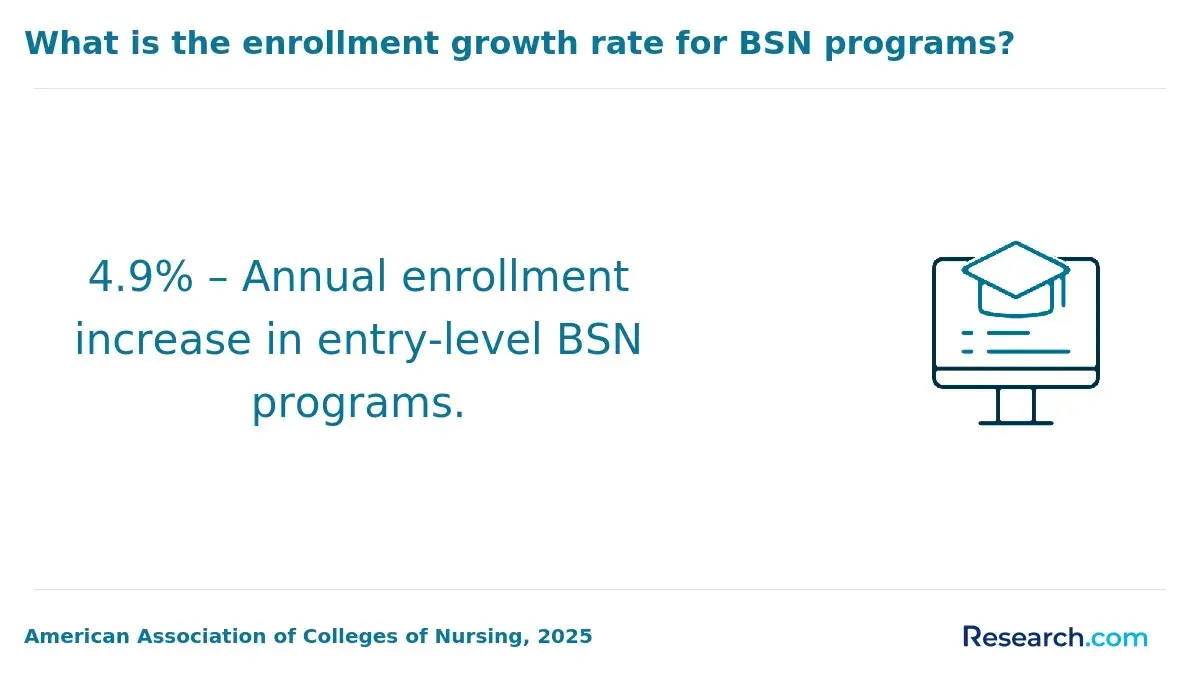
Forensic nursing is part of the broader registered nursing labor market. According to the Bureau of Labor Statistics, employment of registered nurses, among whom forensic nurses are included, is projected to grow by 5% in a 10-year period, through 2034. This growth is expected to provide 189,100 annual openings throughout the decade.
Forensic nurse salaries vary widely by setting, specialty, region, employer, experience, and certification. Reported annual salaries range from $32,500 at the low end to $125,500 at the top end, which is comparable to a registered nurse salary in many contexts. These earnings also compare with related clinical roles, including an EKG technician salary, although responsibilities, education requirements, and job settings differ substantially.
| Career metric | What the current data shows | How to interpret it |
| Mean annual forensic nurse salary | $77,044 | A useful benchmark, but not a guarantee for any single job offer. |
| Reported forensic nurse salary range | $32,500 to $125,500 | Pay depends heavily on location, employer type, experience, certification, and role complexity. |
| Registered nurse employment growth | 5% through 2034 | Forensic nurses are included within the broader RN category, so specialty demand may differ by region. |
| Annual RN openings | 189,100 annual openings throughout the decade | Openings include replacement needs as well as job growth. |
Skills Forensic Nurses Need
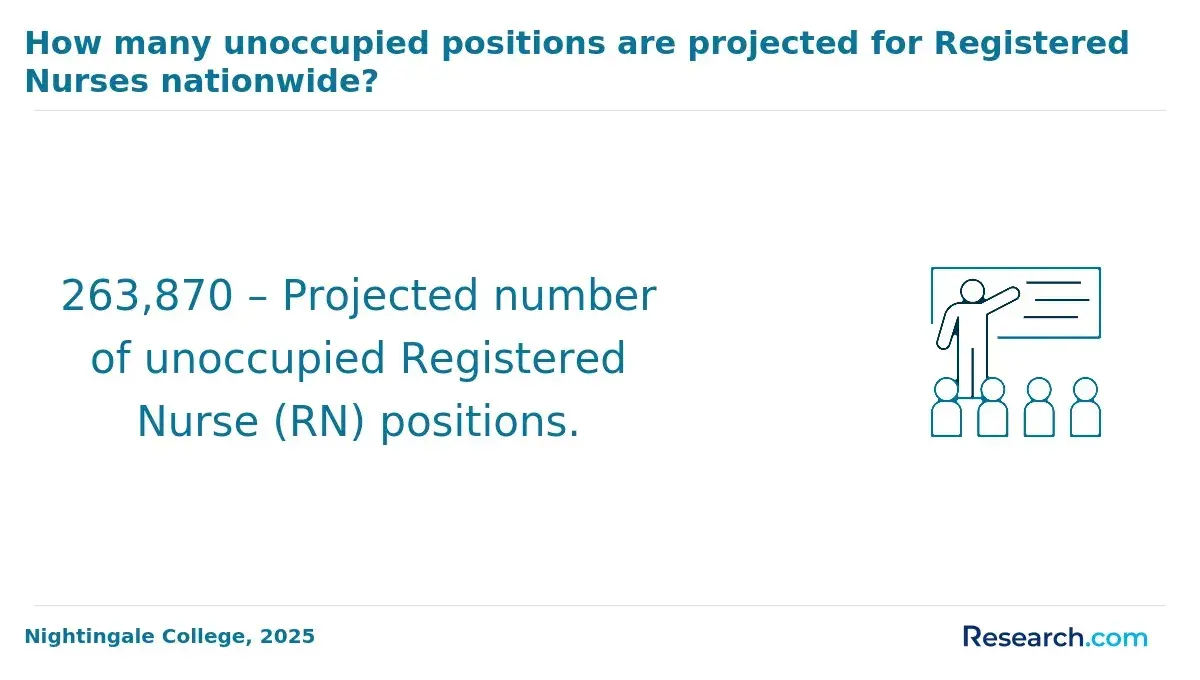
Forensic nurses need the clinical judgment of a registered nurse, the precision of an evidence handler, and the communication skills of a patient advocate. The BLS projects 189,100 annual openings throughout the decade for registered nurses overall, but forensic nursing roles typically require more specialized preparation than general RN positions.
Technical Skills
- Evidence collection and preservation: Forensic nurses must understand how to collect biological samples, package materials correctly, label evidence, and protect chain of custody so evidence can be used appropriately in legal settings.
- Forensic examinations: Nurses in this field may perform or assist with specialized assessments, including sexual assault examinations, injury evaluations, neglect assessments, or custody-related health evaluations.
- Detailed medical-forensic documentation: Clear, objective, and complete records are central to forensic nursing. Documentation must describe what is observed without exaggeration, assumptions, or unsupported conclusions.
- Clinical photography and imaging: Forensic nurses may photograph injuries or physical findings using appropriate lighting, measurement scales, angles, and facility protocols. Some settings also use specialized imaging tools, including ultraviolet (UV) lights for detecting bodily fluids.
- Forensic laboratory awareness: While forensic nurses are not usually laboratory scientists, they need to know how evidence should be collected, sealed, stored, transferred, and documented before it reaches a laboratory.
- Legal and courtroom knowledge: Forensic nurses may be asked to explain clinical findings, documentation, or procedures in depositions or court. They must communicate accurately without overstating what the evidence proves.
- Team-based case coordination: The work often involves law enforcement, attorneys, social workers, physicians, victim advocates, and mental health professionals. Strong coordination reduces errors and improves patient support.
These technical skills help forensic nurses deliver patient care while also protecting the integrity of legal evidence. Because clinical standards, evidence protocols, and legal expectations can change, forensic nurses should plan for continuing education throughout their careers.
Professional and Interpersonal Skills
- Trauma-informed empathy: Patients may be frightened, ashamed, angry, dissociated, or distrustful. A forensic nurse must respond with respect, patience, and emotional steadiness.
- Active listening: Listening carefully helps nurses understand patient concerns, gather relevant history, and avoid pressuring patients during sensitive examinations.
- Clear communication: Forensic nurses must explain medical procedures, evidence collection, consent, reporting requirements, and follow-up care in language patients can understand.
- Cultural humility: Patients may differ in language, identity, family structure, immigration status, religious beliefs, or prior experiences with healthcare and law enforcement. Culturally responsive care is essential.
- Emotional resilience: Exposure to violence and trauma can contribute to compassion fatigue. Forensic nurses need healthy boundaries, peer support, supervision, and stress-management strategies.
- Ethical judgment: The nurse must protect patient dignity, avoid bias, document objectively, and understand when mandatory reporting or legal obligations apply.
Many of these skills also transfer to adjacent roles, including work as a forensic psychologist, although psychology careers require a different education and licensure path.
How to Become a Forensic Nurse
The first step is to become a registered nurse. Unlike professions with a single direct training route, forensic nursing builds on RN preparation, clinical experience, and specialized forensic education. This makes the path different from routes such as how to become a surgeon.
Most aspiring forensic nurses begin by learning how to become a nurse, completing either an Associate Degree in Nursing (ADN) or a Bachelor of Science in Nursing (BSN) from an accredited institution. Some nurses later explore graduate or bridge options, including accelerated FNP programs, if they want a broader advanced practice pathway.
Our research reveals that in terms of education, 45% of forensic nurses hold bachelor’s degrees (Zippia, 2025).
After completing a nursing degree, candidates must pass the NCLEX-RN to obtain RN licensure. Licensure requirements are administered through state boards of nursing, with the exam overseen by the National Council of State Boards of Nursing (NCSBN).
Step-by-Step Path to Enter the Field
- Earn an accredited nursing degree. Choose an ADN or BSN program that prepares you for RN licensure and meets your state’s board of nursing requirements.
- Pass the NCLEX-RN. You must become a licensed registered nurse before practicing in forensic nursing roles that require RN licensure.
- Build clinical experience. Emergency departments, pediatrics, mental health, women’s health, correctional health, and community health can all provide relevant experience.
- Complete forensic nursing training. Look for training in evidence collection, trauma-informed care, sexual assault examination, injury documentation, reporting laws, and courtroom communication.
- Pursue certification when appropriate. Certification is not the same as RN licensure, but it can demonstrate specialized preparation and improve credibility with employers.
- Apply for forensic nursing roles. Search hospitals, sexual assault response programs, correctional facilities, medical examiner or coroner offices, community agencies, and legal consulting firms.
Important Forensic Nursing Certifications
Certification can help a nurse demonstrate specialized competence, but each credential serves a different purpose. Before enrolling in a course or paying exam fees, verify eligibility rules, renewal requirements, and whether local employers recognize the credential.
| Credential | Best suited for | Key requirements stated by the certifying organization |
| Certified Forensic Nurse Specialist | RNs seeking a broad forensic nursing credential | RN licensure, completion of a Forensic Nursing education program, and 230 contact hours of continuing education through AIHCP |
| Sexual Assault Nurse Examiner | RNs who want to conduct sexual assault medical-forensic examinations | Unrestricted RN licensure, at least two years practice as an RN, an accredited 40-hour SANE didactic course, a SANE clinical preceptorship, and at least 300 hours of SANE-related practice over the last 3-year period |
| Legal Nurse Certified Consultant | RNs who want to consult on medical-legal cases | RN licensure, five years of nursing work experience, and 2,000 hours of legal nurse consulting experience over a five-year period |
Certified Forensic Nurse Specialist
The Certified Forensic Nurse Specialist (CFNS) credential is designed to recognize knowledge in forensic evidence collection, injury documentation, forensic examinations, and testimony-related responsibilities.
CFNS certification is administered by the American Institute of Health Care Professionals (AIHCP). AIHCP’s certification process requires registered nurse licensure, completion of a Forensic Nursing education program, and completion of the AIHCP continuing education program, which consists of 230 contact hours of continuing education. After meeting the requirements, applicants submit an application, pay the application fee, and provide documentation. If approved, the certificate is mailed in around 3 weeks.
Sexual Assault Nurse Examiner
A Sexual Assault Nurse Examiner (SANE) is an RN trained to care for sexual assault survivors, conduct medical-forensic examinations, collect evidence, provide crisis support, and help patients understand follow-up care options. This is one of the most recognized forensic nursing roles.
SANE certification is administered by the International Association of Forensic Nurses (IAFN). IAFN exam eligibility requirements include unrestricted RN licensure, at least two years practice as an RN, completion of an accredited 40-hour SANE didactic course, completion of a SANE clinical preceptorship, and at least 300 hours of SANE-related practice over the last 3-year period. The exams are held twice a year in April and September.
Legal Nurse Certified Consultant
A Legal Nurse Certified Consultant (LNCC) applies nursing knowledge to legal cases. LNCCs may review medical records, identify clinical issues, support attorneys, explain standards of care, and provide medical-legal analysis in areas such as malpractice, injury, wrongful death, or liability claims.
LNCC certification is offered through the American Association of Legal Nurse Consultants (AALNC). Candidates can earn certification by passing the LNCC exam. Eligibility requires RN licensure, five years of nursing work experience, and evidence of 2,000 hours of legal nurse consulting experience over a five-year period.
Because forensic nursing is highly specialized and multidisciplinary, certification can strengthen credibility, but it should be chosen strategically. A nurse interested in emergency sexual assault response, for example, needs a different credential path than a nurse aiming for legal consulting or death investigation.
How Can I Advance My Career as a Forensic Nurse?
Career growth in forensic nursing usually comes from combining experience, specialization, certification, and sometimes graduate education. Nurses who want leadership, advanced clinical authority, education roles, or policy influence may also consider an online RN to MSN pathway.
Advancement may require changing employers. Some hospitals have limited forensic nurse openings, while correctional systems, public agencies, legal firms, advocacy organizations, and academic programs may offer different opportunities. When it comes to tenure, 13% of forensic nurses have less than a year of experience. Meanwhile, only 10% have eight to ten years of experience (Zippia, 2025).
| Advanced or specialized role | What the role involves | Median annual salary |
| Forensic Psychiatric Nurse | Provides mental health care for patients involved in the legal system, often in correctional, forensic hospital, or community forensic mental health settings. | $82,100 |
| Legal Nurse Consultant | Uses nursing expertise to help attorneys and legal teams interpret medical records and clinical issues. | $124,988 |
| Nurse Coroner | Applies nursing knowledge to death investigations and works with medical and legal professionals to help determine cause and manner of death. | $84,896 |
| Correctional Facility Nurse | Delivers healthcare to incarcerated individuals, including injury assessment, chronic care, mental health support, and emergency response. | $62,138 |
Forensic Psychiatric Nurse
A forensic psychiatric nurse works where mental health, public safety, and legal responsibility overlap. These nurses may care for patients with psychiatric conditions who are incarcerated, court-involved, hospitalized in forensic settings, or participating in community forensic mental health programs.
Median Annual Salary: $82,100
Legal Nurse Consultant
Forensic nurses with strong documentation, chart review, and clinical reasoning skills may move into legal nurse consulting. This role may involve medical malpractice, personal injury, wrongful death, disability, workers’ compensation, or criminal cases.
Median Annual Salary: $124,988
Nurse Coroner
A nurse coroner, sometimes connected to death investigation work, uses medical knowledge to support investigations into deaths. The role may involve scene information, medical history, injury review, collaboration with medical examiners, and communication with legal authorities.
Median Annual Salary: $84,896
Correctional Facility Nurse
Correctional nurses provide care in jails, prisons, detention centers, and related facilities. The role requires clinical flexibility, safety awareness, mental health sensitivity, and the ability to care for patients in a secure environment.
Median Annual Salary: $62,138
Alternative Career Options for a Forensic Nurse
Forensic nursing builds transferable skills in assessment, documentation, crisis response, interdisciplinary communication, and ethical decision-making. Nurses who want to leave direct forensic care may move into legal, administrative, writing, public policy, social service, or adjacent healthcare roles.
Forensic Social Worker
A forensic social worker supports people involved in the criminal justice system, including individuals on probation or parole, incarcerated people, court-involved families, and people reintegrating into the community. This path may appeal to nurses who want more emphasis on advocacy, case management, and social systems.
Median Annual Salary: $57,774
Healthcare Lobbyist
Healthcare lobbyists work to influence laws, regulations, funding priorities, and public policy decisions. A forensic nurse with experience in assault response, correctional health, mandatory reporting, or victim services may bring valuable clinical insight to policy advocacy.
Median Annual Salary: $65,019
Medical Writer
Medical writers translate clinical and scientific information into accurate, readable materials. Forensic nurses may contribute to patient education, professional training, clinical protocols, legal-medical content, research summaries, or healthcare communications.
Median Annual Salary: $87,114
Hospital Administrator
Hospital administrators manage operations, staffing, budgets, compliance, quality improvement, and strategic planning in healthcare settings. Nurses interested in leadership may consider graduate education, including a masters in nursing administration online, to prepare for administrative responsibilities.
Median Annual Salary: $262,107
The greatest concentration of forensic nurses employed across industries is found in healthcare at 57%. This is followed by positions in government, professional industries, and education (Zippia, 2025).
How Can Forensic Nurses Transition to Advanced Practice Roles?
Forensic nurses who want more autonomy, broader assessment authority, or leadership responsibility may pursue advanced practice roles such as nurse practitioner or clinical nurse specialist. This shift usually requires graduate-level nursing education, state-specific advanced practice licensure, and role-appropriate clinical preparation.
Advanced practice may make sense for forensic nurses who want to lead assault response programs, expand access to trauma-informed care, teach clinicians, participate in policy development, or manage complex patient populations. Nurses comparing pathways can review BSN to NP programs to understand how graduate nursing education may connect with long-term career goals.
How Can Emerging Technologies Enhance Forensic Nursing?
Technology is changing how forensic nurses document findings, coordinate care, and communicate with other professionals. Digital imaging, secure electronic records, telehealth consultation, mobile documentation tools, and data systems can improve consistency when used correctly. However, technology also introduces privacy, chain-of-custody, cybersecurity, and consent considerations.
Forensic nurses should not assume that a new tool automatically improves evidence quality. Employers need clear policies for image storage, record access, patient consent, device security, and documentation standards. Nurses who want to expand into technology-enabled care or advanced clinical practice may compare bridge options such as ADN to NP online pathways while checking whether each program supports their professional goals.
Education and Training Pathways for Aspiring Forensic Nurses
A strong forensic nursing career starts with accredited nursing education and RN licensure. An ADN may provide a faster entry into registered nursing, while a BSN may be preferred by some employers and can support later graduate study. Before choosing a program, confirm state approval, accreditation, clinical placement support, NCLEX preparation, and transfer policies.
After RN licensure, nurses can pursue forensic nursing education through employer training, continuing education, professional association programs, SANE training, graduate courses, or certification preparation. Nurses who are already working and want a flexible route may also consider online nursing programs. For example, fast track RN to BSN online programs may help licensed RNs strengthen academic credentials before specializing further.
Program quality matters. Look for nursing programs aligned with recognized standards from organizations such as the American Association of Colleges of Nursing (AACN), and verify forensic training expectations with sources such as the International Association of Forensic Nurses (IAFN). Accreditation, clinical access, and certification eligibility should carry more weight than advertising claims.
| Pathway decision | What to check before enrolling | Why it matters |
| ADN vs. BSN | State approval, accreditation, transfer options, employer preferences | Both can lead to RN licensure, but future advancement options may differ. |
| Online vs. campus | Clinical requirements, local placements, technology support, state authorization | Nursing education requires clinical preparation, even when coursework is online. |
| Forensic certificate or continuing education | Instructor qualifications, practicum requirements, employer recognition | Not every certificate carries the same value in hiring or practice. |
| Graduate nursing program | Licensure outcomes, specialty fit, cost, practicum placement, accreditation | Graduate study should match the role you actually want. |
How Can Forensic Nurses Pursue Cost-Effective Advanced Education?
Advanced education can expand forensic nursing options, but it should be financially realistic. Tuition is only one part of cost. Nurses should also consider fees, books, clinical travel, reduced work hours, certification exam costs, and whether credits can transfer into a later degree.
Cost-conscious nurses should compare accredited online, hybrid, employer-supported, and bridge programs. Flexible schedules can help working nurses continue earning income while studying. Nurses considering advanced practice should evaluate affordable options carefully, including resources on nurse practitioner programs cheapest, while remembering that the lowest sticker price is not always the best value.
How Can Ongoing Research and Advanced Education Drive Forensic Nursing Innovation?
Forensic nursing practice improves when nurses use evidence-based protocols, evaluate outcomes, and participate in research-informed training. Better documentation methods, trauma-informed care models, coordinated response systems, and interdisciplinary education can all strengthen patient care and legal reliability.
Nurses who want to shape systems rather than only follow protocols may pursue graduate or doctoral education. Options such as affordable online MSN to DNP programs may be relevant for nurses interested in leadership, quality improvement, practice scholarship, or policy-focused work.
How Do Legislative and Policy Changes Impact Forensic Nursing?
Forensic nursing is strongly affected by laws and institutional policies. Mandatory reporting rules, consent requirements, evidence handling procedures, privacy protections, documentation standards, and patient rights can vary by state and setting. A practice that is acceptable in one jurisdiction may not meet requirements in another.
Forensic nurses should stay current through employer training, professional associations, state board updates, continuing education, and consultation with legal or compliance teams. Foundational nursing education can also introduce regulatory responsibilities; students comparing entry-level options may review resources such as the most affordable LPN degree online, while recognizing that forensic nursing itself typically requires RN preparation for many roles.
How Can Mentorship and Professional Networking Enhance Forensic Nursing Careers?
Mentorship is especially valuable in forensic nursing because many skills are learned through supervised practice, case review, ethical reflection, and exposure to interdisciplinary systems. A strong mentor can help a newer forensic nurse avoid documentation errors, prepare for court-related communication, understand local protocols, and manage the emotional weight of the work.
Networking also helps nurses find job openings, preceptors, SANE programs, legal consulting opportunities, and continuing education. Professional groups, conferences, hospital committees, community response teams, and online forums can all help nurses build credibility and stay current. Nurses considering broader advanced practice options may compare programs such as easy nurse practitioner degrees, but program ease should never replace accreditation, licensure alignment, and clinical quality.
Ethical Considerations in Forensic Nursing Practices
Forensic nurses work in ethically complex situations because they serve patients while also handling information that may matter in legal proceedings. The goal is not to “help the prosecution” or “prove a case.” The goal is to provide competent care, document accurately, respect patient rights, and preserve evidence without bias.
Confidentiality and Patient Rights
Forensic nurses must protect patient privacy while understanding mandatory reporting laws and institutional obligations. This requires knowing when information must be reported, what can remain confidential, and how to explain these limits to patients before sensitive care begins.
Informed Consent
Patients should understand what an examination involves, what evidence may be collected, how records may be used, and what choices they have. Consent should be informed, voluntary, and documented. Patients may have the right to decline parts of an exam, depending on the setting and legal circumstances.
Dual Loyalty and Bias
Forensic nurses may care for victims, suspects, incarcerated patients, or individuals in custody. Ethical practice requires objective care regardless of the patient’s legal status or public perception. Documentation should describe findings, not personal judgments.
Trauma-Informed Care
Many forensic nursing patients have experienced physical, sexual, emotional, or psychological trauma. Trauma-informed care emphasizes safety, choice, collaboration, trust, and empowerment. It also reduces the risk that a medical-forensic exam will feel like another loss of control.
Continuing Education in Ethics
Ethical challenges evolve as laws, technologies, evidence systems, and healthcare policies change. Continuing education helps forensic nurses navigate consent, confidentiality, testimony, bias, and evidence-related dilemmas. Nurses entering the field through nontraditional routes may explore options such as the easiest direct entry MSN programs to get into, but should verify that any program supports licensure and career goals.
The Intersection of Forensic Nursing and Forensic Psychology
Forensic nursing and forensic psychology are separate professions, but they often intersect in trauma care, criminal investigations, court proceedings, correctional settings, and child protection cases. Forensic nurses focus on physical health, medical-forensic assessment, evidence documentation, and nursing care. Forensic psychologists focus on psychological assessment, mental health, competency, risk, trauma impact, and behavior within legal contexts.
How the Roles Work Together
- In sexual assault cases, forensic nurses may provide medical care and collect physical evidence, while forensic psychologists may assess psychological trauma or provide therapy.
- In child abuse investigations, forensic nurses may document injuries or neglect, while forensic psychologists may evaluate emotional, developmental, or cognitive effects.
- In correctional facilities, forensic nurses may manage medical needs, while forensic psychologists may assess mental health, behavioral risk, or rehabilitation needs.
Shared Competencies
- Trauma awareness: Both professions must recognize how trauma affects memory, behavior, communication, and trust.
- Objective documentation: Records must be accurate, clear, and appropriate for potential legal review.
- Court communication: Both forensic nurses and forensic psychologists may explain professional findings in legal settings.
If the psychological side of legal cases interests you more than nursing care, compare the forensic psychologist job outlook with forensic nursing requirements before choosing a path.
When a Related Medical Career May Fit Better
Forensic nursing is not the only healthcare career that offers meaningful work. Some students want patient care but prefer diagnostic technology, imaging, administration, or a less legally intense environment. Sonography, for example, uses ultrasound technology to help diagnose and monitor medical conditions. Students interested in that route can compare options such as an 8 month ultrasound tech program online or broader sonography online programs.
A related medical field may be a better fit if you want healthcare work but do not want frequent exposure to violence, testimony, evidence collection, or criminal justice systems. The best career choice is the one that matches your strengths, stress tolerance, preferred work environment, and long-term goals.
What Challenges Do Forensic Nurses Face and How Can They Overcome Them?
Forensic nursing can be rewarding, but it is not easy work. Nurses may repeatedly encounter trauma, grief, violence, distrust, legal conflict, and institutional pressure. They must provide compassionate care while following strict evidence and documentation standards.
| Common challenge | Why it matters | Practical response |
| Emotional burnout | Repeated exposure to traumatic cases can affect mental health and job satisfaction. | Use supervision, peer support, counseling resources, realistic scheduling, and boundary-setting. |
| Evidence errors | Improper labeling, storage, or documentation can weaken legal reliability. | Follow written protocols, use checklists, complete training, and ask for review when uncertain. |
| Legal pressure | Nurses may feel pushed to interpret findings beyond their scope. | Document objectively and testify only to professional observations and qualified opinions. |
| Patient mistrust | Patients may fear hospitals, police, reporting systems, or loss of control. | Explain choices clearly, use trauma-informed language, and obtain informed consent where required. |
| Changing policy requirements | Reporting, privacy, and evidence laws can shift over time. | Complete continuing education and monitor state, employer, and professional updates. |
Institutions can support forensic nurses through specialized training, mentorship, debriefing, peer support, safe staffing, and clear procedures. Aspiring nurses building toward RN practice may also explore accelerated routes such as a 6-month LPN to RN program online, while carefully verifying accreditation, state approval, and clinical requirements.
Common Mistakes to Avoid Before Choosing Forensic Nursing
- Assuming forensic nursing is only crime scene work: Most roles are grounded in patient care, examination, documentation, advocacy, and coordination, not television-style investigations.
- Choosing a nursing program without checking accreditation or state approval: An unapproved program can create licensure and employment problems.
- Focusing only on salary: Pay matters, but work environment, trauma exposure, schedule, support, and legal responsibility are just as important.
- Skipping clinical experience: Strong assessment and communication skills usually develop through hands-on nursing practice.
- Buying a certificate without checking employer recognition: Some credentials are more relevant than others depending on your target role.
- Assuming online coursework removes clinical requirements: Nursing and forensic practice require supervised skill development, even when didactic coursework is online.
- Ignoring emotional sustainability: Forensic nursing requires resilience, support, and self-awareness. Meaningful work can still be stressful.
Questions to Ask Before Entering Forensic Nursing
- Do I want direct patient care in high-stress and trauma-related situations?
- Am I comfortable documenting precisely and having my records reviewed in legal settings?
- Which forensic nursing specialty interests me most: SANE, correctional health, legal consulting, psychiatric forensic nursing, death investigation, or program leadership?
- Does my state or target employer require specific training, certification, or experience?
- Will my nursing program qualify me for RN licensure and future graduate study if I want advancement?
- What supervision, mentorship, and emotional support are available in the workplaces I am considering?
- How will I pay for additional training, certification, or graduate education without overextending financially?
References
- AACN. (2025). 2024-2025 Enrollment and Graduations in Baccalaureate and Graduate Programs. https://www.aacnnursing.org
- International Association of Forensic Nurses. (n.d.). The Forensic Nurse as a Death Investigator. https://www.forensicnurses.org/page/DeathInvest
- Nightingale College. (2025). Nursing Shortage: 2026 US Statistics. https://nightingale.edu
- U.S. Bureau of Labor Statistics. (2025). Occupational Outlook Handbook: Registered Nurses. https://www.bls.gov/ooh/healthcare/registered-nurses.htmForensic social worker salary referenceHospital administrator salary referencePsychiatric nurse salary reference
- Williams, L. (2025). Forensic Nurse Salary and Factors (Plus How To Become One). Indeed.com. https://www.indeed.com/career-advice/pay-salary/forensic-nurse-salary
- Zippia. (2025). Forensic Nurse Demographics and Statistics in the US. https://www.zippia.com/forensic-nurse-jobs/demographics
- ZipRecruiter. (2026). Forensic Nurse Salary. https://www.ziprecruiter.com/Salaries/Forensic-Nurse-SalaryNurse coroner salary reference
Key Insights
- Forensic nursing is an RN specialty with legal responsibilities. The work combines patient care, evidence handling, injury documentation, trauma-informed communication, and collaboration with legal and social service professionals.
- The typical entry point is registered nursing. Aspiring forensic nurses usually earn an ADN or BSN, pass the NCLEX-RN, gain clinical experience, and then pursue forensic training or certification.
- Salary potential varies widely. Our research shows a mean annual salary of $77,044, with reported annual salaries ranging from $32,500 to $125,500 depending on role, employer, location, experience, and credentials.
- Certification should match the career goal. SANE certification is highly relevant for sexual assault response, CFNS supports broader forensic nursing recognition, and LNCC is designed for legal nurse consulting.
- The field offers multiple advancement routes. Forensic nurses may move into forensic psychiatric nursing, legal consulting, death investigation, correctional health, administration, policy, education, or advanced practice.
- Emotional resilience is essential. The work is meaningful but can involve repeated trauma exposure, legal pressure, and ethical complexity. Mentorship, supervision, and workplace support are not optional extras; they are career sustainability tools.
- Program choice matters. Before enrolling in any nursing, bridge, online, or graduate program, verify accreditation, state approval, clinical requirements, licensure alignment, cost, and employer recognition.
Other Things You Should Know About Forensic Nurses
To become a forensic nurse in 2027, you typically need a Bachelor of Science in Nursing (BSN) degree and an active RN license. Additional certification in forensic nursing, such as the Sexual Assault Nurse Examiner (SANE) credential, may also be required depending on state regulations.
In 2027, forensic nurses can pursue certifications like the Sexual Assault Nurse Examiner (SANE) from the International Association of Forensic Nurses (IAFN). These credentials enhance credibility and expertise in forensic nursing, often broadening career opportunities and increasing salary potential.
Forensic nurses have a median annual salary of $81,220. The salary range for forensic nurses is from $61,250 at the low end to $129,400 at the top end.
Forensic nurses in 2027 need skills such as critical thinking, communication, and attention to detail. Additionally, they should possess a strong understanding of legal processes, evidence collection, trauma-informed care, and the ability to work collaboratively with law enforcement agencies.


