2027 How to Become a Surgeon – Salary and Requirements

Co-Founder and Chief Data Scientist
Becoming a surgeon is one of the longest and most demanding routes in healthcare, but it can also lead to high responsibility, strong earning potential, and direct impact on patients with serious injuries, diseases, or complex medical conditions. The path usually starts with a bachelor’s degree, continues through medical school, and then requires residency training in a surgical specialty before independent practice is possible.
This guide explains how to become a surgeon, how long the training can take, what skills matter most, what salary and job outlook data show, and how to decide whether surgery is the right medical career for you. It also covers alternative healthcare roles, certificate-based entry points, nursing and allied health pathways, emerging technology in surgery, and the questions aspiring surgeons should ask before committing to this career.
How To Become a Surgeon Table of Contents
- Quick answer: how do you become a surgeon?
- Why consider a surgical career?
- Surgery career outlook and salary data
- Skills surgeons need to develop
- How to start preparing for surgery as a career
- Is nursing a practical bridge toward surgery?
- Lifestyle realities of becoming a surgeon
- Common challenges for aspiring surgeons
- How mentorship and networking affect surgical careers
- How interdisciplinary research influences surgery
- How technology can improve surgical care
- How AI is changing surgical education and practice
- How to compare surgical training programs
- How high school and college students can prepare
- How biotechnology training can support a surgical career
- Alternative careers for people with surgical training
- Medical certificate options for aspiring surgeons
- Other education paths to consider
Quick answer: how do you become a surgeon?
To become a surgeon, you generally complete a bachelor’s degree, take the MCAT, attend medical school, complete residency training in a surgical specialty, obtain the required medical license, and pursue board certification when applicable. Medical school generally lasts for four years, and residency training can range from three to seven years or more depending on the specialty.
The route is competitive and time-intensive. It is different from shorter healthcare paths such as becoming a nurse, medical assisting, radiology support roles, or certificate-based healthcare jobs. However, for students who want to perform operations, manage high-stakes clinical decisions, and take long-term responsibility for surgical patients, it is the required professional pathway.
Why pursue a career in Surgery?
Surgery may be a good fit if you want a career that combines anatomy, diagnosis, technical skill, teamwork, and decision-making under pressure. Surgeons treat conditions that often cannot be resolved through medication alone, including traumatic injuries, tumors, organ disease, congenital conditions, and other problems requiring operative intervention.
The profession also offers strong compensation. The average annual wage for surgeons in 2024 was $352,200, according to the Bureau of Labor Statistics. The job outlook for surgeons and physicians shows projected growth of 3% from 2024 to 2034. Those numbers are important, but they should not be the only reason to choose surgery; the training is long, the workload can be intense, and the responsibility is substantial.
Surgery Career Outlook
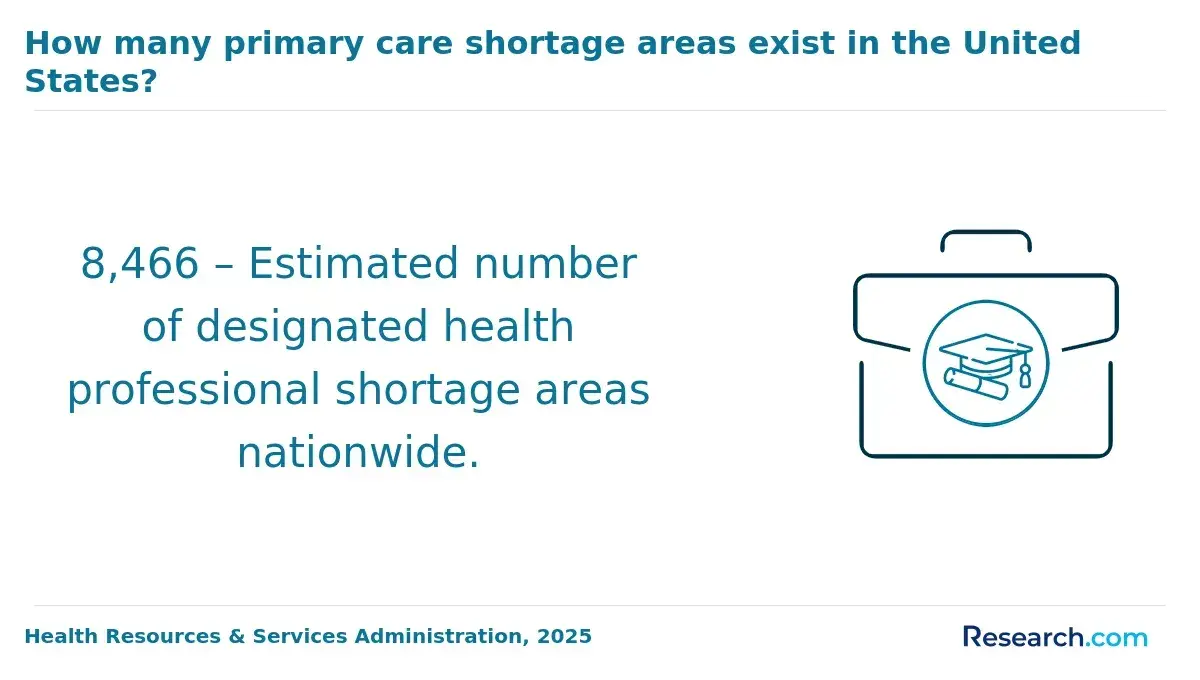
Demand for physicians and surgeons is shaped by population growth, aging patients, access to care, and the availability of residency-trained specialists. A 2024 report from the Association of American Medical Colleges projected a shortage of primary care physicians between 17,600 and 46,700 by 2037, while surgical specialties may face a shortage between 11,400 and 28,700. These projections point to persistent pressure on the healthcare workforce, although local opportunities vary by specialty, region, hospital system, and practice model.
Compensation remains one of the major advantages of medical careers. According to the Bureau of Labor and Statistics, physicians and surgeons earn a median annual wage of $208,000, which is higher than that of many other healthcare diagnosing or treating practitioners. Actual earnings can differ widely by specialty, location, employer, call schedule, payer mix, and years of experience.
| Job Role | Projected Job Growth (2024-2034) | Median Pay |
| Cardiologist | 3% | $239,200 |
| Neurologist | 3% | $224,260 |
| Psychiatrists | 9% | $226,880 |
| Dermatologist | 3% | $239,200 |
| Pediatrician, general | 1% | $190,350 |
| Ophthalmologist, except pediatric | 6% | $219,810 |
| Family Medicine Physicians | 3% | $211,300 |
Source: BLS (2025)
Required Skills for Surgeon
Successful surgeons need more than academic ability. The American College of Surgeons identifies traits such as judgment, dexterity, and conscientiousness as important qualities for surgical practice. In real clinical settings, those qualities show up in how surgeons evaluate risk, handle instruments, communicate with teams, respond to complications, and follow through on patient care before and after the operation.
Technical competence is built through medical education, simulation, supervised procedures, residency, feedback, and years of deliberate practice. Just as important, surgeons must keep learning as surgical devices, imaging, robotics, infection control standards, and evidence-based protocols continue to evolve.
Essential technical skills for surgeons
- Emergency response and critical care: Surgeons must recognize and manage complications quickly, including bleeding, airway issues, infection risk, unstable vital signs, or unexpected findings during a procedure.
- Surgical technique: Core operative skills include incision planning, tissue handling, suturing, wound closure, organ repair or removal, laparoscopic approaches, and specialty-specific procedures.
- Instrument handling: Surgeons need confidence with scalpels, forceps, retractors, scopes, laparoscopic tools, and other surgical equipment used in open, minimally invasive, or image-guided procedures.
- Anesthesia awareness: Anesthesiologists typically manage anesthesia, but surgeons still need to understand how anesthesia affects physiology, operative timing, bleeding risk, recovery, and patient safety.
- Infection prevention: Surgical outcomes depend heavily on sterile technique, operating room protocols, antimicrobial practices, and careful management of surgical wounds.
Professional and interpersonal skills for surgeons
- Precision: Small errors can have major consequences in surgery, so careful identification of anatomy, measured tissue handling, and accurate closure are essential.
- Problem-solving: Operations do not always follow the plan. Surgeons must adapt when anatomy, bleeding, disease spread, or patient instability changes the situation.
- Communication: Surgeons coordinate with nurses, anesthesiologists, surgical technologists, physician assistants, residents, patients, and families. Clear communication reduces errors and improves continuity of care.
- Emotional steadiness: Surgeons face pain, fear, complications, grief, and urgent life-or-death decisions. Emotional resilience helps them remain effective without becoming detached from patients.
- Lifelong learning: New procedures, guidelines, devices, and technologies require surgeons to continue studying long after residency is complete.
How to Start Your Career in Surgery
The most direct path begins with a bachelor’s degree that satisfies medical school prerequisites. Many students choose biology, chemistry, biochemistry, neuroscience, or another science-heavy major, although medical schools may accept applicants from different academic backgrounds if they complete the required coursework. A biology degree can also lead to other options; students still exploring medicine can review high-paying jobs for biology majors before committing to medical school.
After the bachelor’s degree, applicants take the MCAT and apply to medical school. If you are asking how many years is medical school, the general answer is four years, though the exact structure can vary by institution and country. After medical school, aspiring surgeons enter residency training, which can range from three to seven years or more depending on specialty.
Competition is real. According to Association of American Medical Colleges data, the number of medical school applicants in the school year 2024-2025 reached 67,490, compared with previous years in which the number of applicants ranged from 51,000 to 62,443. Strong grades matter, but admissions committees also evaluate clinical exposure, service, research, leadership, recommendations, communication skills, and evidence that applicants understand the realities of patient care.
Typical education and training sequence
| Stage | Purpose | What to focus on |
| Bachelor’s degree | Complete medical school prerequisites and build academic readiness. | Science coursework, GPA, research, clinical exposure, volunteering, and MCAT preparation. |
| Medical school | Earn the medical degree required for physician training. | Clinical rotations, anatomy, pathology, pharmacology, patient care, and specialty exploration. |
| Surgical residency | Train under supervision in operative and perioperative care. | Technical skills, case volume, judgment, patient management, professionalism, and specialty fit. |
| Licensure and certification | Meet legal and professional standards for independent practice. | State requirements, board eligibility, exams, continuing education, and specialty expectations. |
What can I do with an Associate’s Degree in Medicine?
An associate-level healthcare program will not qualify someone to work as a surgeon, but it can open the door to patient-facing or laboratory roles. These jobs may help students confirm whether healthcare is the right environment before investing in the longer medical school route.
| Role | What the role does | Median salary |
| Medical Assistant | Medical assistants support clinical and administrative care by recording patient histories, checking vital signs, helping with examinations, and managing records. | $37,190 |
| Medical Laboratory Technician | Medical laboratory technicians analyze patient samples such as blood, urine, or tissue to support diagnosis and disease monitoring. | $57,800 |
| Home and Personal Care Aide | Home and personal care aides assist people with daily living needs in homes or residential settings. This work is not a direct surgical pathway, but contact with nurses and care teams can help students understand patient support roles and the broader careers in nursing field. | $30,180 |
What can I do with a Bachelor’s Degree in Medicine?
A bachelor’s degree related to health or science can support medical school applications, but it can also lead to other healthcare roles if a student decides not to pursue surgery immediately.
| Role | What the role does | Median salary |
| Paramedic | Paramedics provide emergency assessment, treatment, stabilization, and transport for patients facing critical or life-threatening situations. | $49,090 |
| Registered Nurse | Registered nurses deliver patient care, educate patients and families, coordinate treatment plans, and document clinical information in hospitals, clinics, and other settings. | $81,220 |
Can you get a surgery job with just a certificate?
A certificate alone will not qualify someone to become a surgeon. Surgeons must complete medical school, residency, licensure, and often board certification. However, certificates can help students enter healthcare faster, earn income, and gain exposure to patient care or operating room environments.
Examples include medical office administration, medical assisting, pharmacy technician training, EKG technology, radiology support, and related allied health programs. Students who want an administrative starting point can compare a medical office administration certificate program, while those interested in cardiac testing can learn how to become an EKG technician. Students considering imaging-related work can also explore pursuing a career in radiology, although general surgery requires far more education and supervised clinical training.
How can I advance my career in medicine?
Advancement in surgery usually means choosing a specialty, completing residency, pursuing fellowship training when needed, building operative expertise, and meeting certification requirements. There are many types of surgeon, including fields that focus on general surgery, orthopedics, neurosurgery, cardiothoracic surgery, plastic surgery, vascular surgery, pediatric surgery, and other specialties.
During residency, physicians train under attending surgeons while rotating through clinical services and operating rooms. Residents are paid, but compensation is lower than that of practicing surgeons. A general surgery resident has a median annual wage of $100,964, while a general surgeon has a median annual wage of $239,200.
Some physicians also use advanced degrees to move into leadership, research, public health, policy, or academic medicine. For example, an online doctorate degree in public health may be relevant for physicians interested in population health, health systems, epidemiology, or program leadership rather than full-time operative practice.

Other advanced healthcare careers to compare
| Career | Role overview | Median salary |
| Epidemiologist | Epidemiologists study disease patterns, causes, and effects. They analyze data, assess risks, and design prevention or control strategies. | $78,520 |
| Occupational Therapist | Occupational therapists help people improve or regain the skills needed for daily activities after illness, injury, disability, or developmental challenges. | $93,180 |
| Speech Pathologist | Speech-language pathologists evaluate and treat speech, language, voice, fluency, and swallowing disorders. Students comparing flexible options can review an affordable speech pathology degree online. | $84,140 |
What kind of job can I get with a Doctorate in Medicine?
A Doctorate in Medicine can lead to physician practice, surgical training, research, academic medicine, healthcare leadership, and specialty care. The exact role depends on residency, licensure, board eligibility, and professional goals.
| Role | What the role involves | Median salary |
| Surgeon | Surgeons operate on patients to treat injuries, disease, deformities, or other conditions. Earnings vary by specialty, practice type, geography, call responsibilities, and experience; for example, a plastic surgeon salary may differ from salaries in other surgical fields. | $287,800 |
| Physician | Physicians diagnose, treat, prescribe, perform procedures, and manage ongoing care in areas such as family medicine, internal medicine, pediatrics, obstetrics and gynecology, psychiatry, surgery, and other specialties. | $267,180 |
Which certification is best for medicine?
The best certification depends on the person’s profession, specialty, clinical setting, and licensing requirements. A future surgeon should focus first on medical licensure and specialty training; other certifications may be useful depending on the stage of training and the practice environment.
- Board certification: Board certification is widely used to show competence in a medical specialty. Organizations such as the American Board of Medical Specialties offer certification pathways in fields including internal medicine, pediatrics, surgery, cardiology, and others. These credentials usually require residency training, examinations, and ongoing professional requirements.
- Specialty-specific certification: Some specialties have additional subspecialty certifications. For example, the American Board of Obstetrics and Gynecology offers certifications in areas such as reproductive endocrinology and infertility, maternal-fetal medicine, and gynecologic oncology.
- Advanced Cardiac Life Support and Basic Life Support: ACLS and BLS certifications are important in emergency, critical care, and procedural settings because they document skills in resuscitation, cardiac emergency response, and basic life support.
- Advanced Practice Registered Nurse certifications: APRN credentials apply to nurse practitioners, certified nurse midwives, certified registered nurse anesthetists, and clinical nurse specialists. These are nursing credentials rather than surgeon credentials, but they are relevant for students comparing advanced clinical careers.
Is accelerating your nursing career an effective pathway to surgery?
Nursing can provide meaningful clinical experience, but it is not a shortcut to becoming a surgeon. A nurse who wants to become a surgeon still needs to complete the medical school and residency route required of physicians. That said, nursing experience can strengthen patient care skills, expose students to hospital systems, and help them make a more informed decision before applying to medical school.
For licensed practical nurses, moving into registered nursing may improve clinical responsibility, income potential, and exposure to complex care settings. Programs such as the fastest LPN to RN program online may be useful for nurses seeking upward mobility while they evaluate long-term medical career plans.
The key is to be realistic. An LPN-to-RN program can help with healthcare experience and financial stability, but it does not replace the MCAT, medical school, residency, licensure, or surgical board requirements. It works best for people who want a staged approach rather than those expecting a direct transition from nursing into surgery.
What are the lifestyle considerations for a career in surgery?
Surgery is rewarding, but the lifestyle can be difficult. Students should understand the daily reality before making a decision based only on salary or prestige.
- Long and irregular hours: Surgeons may work nights, weekends, holidays, and on-call shifts. Emergency cases can disrupt planned schedules.
- Pressure and responsibility: Surgical decisions can carry immediate consequences for patient survival, function, pain, and recovery.
- Physical demands: Operations can require long periods of standing, fine motor control, and sustained concentration.
- Emotional strain: Surgeons manage complications, difficult conversations, patient losses, and ethical decisions.
- Work-life trade-offs: Building a surgical career can affect family time, sleep, relationships, and personal routines unless boundaries and support systems are developed intentionally.
Before choosing this path, ask whether you can tolerate high pressure, delayed gratification, years of training, and unpredictable schedules. If those conditions feel incompatible with your goals, another healthcare career may be a better fit.
What are the common challenges faced by aspiring surgeons?
Aspiring surgeons face academic competition, high tuition and training costs, demanding clinical schedules, technical skill development, and the stress of managing complex patients. Competition for residency positions can be intense, and students need strong performance across coursework, examinations, clinical rotations, recommendations, and interviews.
Burnout is another major concern. The long training pathway requires stamina, mentorship, financial planning, and honest self-assessment. Students who enjoy medicine but are unsure about surgery can compare adjacent fields, including pharmacy-related education such as the cheapest online pharmacy school, to understand other ways to contribute to patient care.
How do surgical mentors and networking opportunities impact career advancement?
Mentorship can strongly shape a surgical career. A good mentor helps students understand specialty choice, residency applications, research opportunities, operating room expectations, professional conduct, and the realities of different practice models.
Networking also matters because surgery is highly team-based and reputation-sensitive. Students should seek shadowing, research groups, surgical interest organizations, conference exposure, and relationships with residents and attending physicians. Understanding practice operations can also help future surgeons; for example, knowledge from resources on cheapest online medical billing and coding schools can clarify how documentation, coding, billing, and reimbursement affect clinical practice.
What impact does interdisciplinary research have on surgical advancements?
Modern surgery increasingly overlaps with engineering, imaging, data analytics, robotics, molecular medicine, and computational biology. Surgeons involved in interdisciplinary research can help improve operative planning, device development, cancer treatment, transplant protocols, trauma systems, and patient-specific care.
Students interested in the research side of surgery may benefit from exposure to bioinformatics, biostatistics, and data interpretation. A resource such as the best online bioinformatics masters program can help readers understand how biological data and computational methods connect to clinical innovation.
How can emerging technologies improve surgical outcomes?
Technology is changing how surgeons plan procedures, train, monitor outcomes, and communicate with care teams. Advanced imaging, minimally invasive tools, robotics, simulation, predictive analytics, and decision-support systems can help surgeons prepare more precisely and evaluate outcomes more consistently.
However, technology does not replace surgical judgment. Tools are useful only when clinicians understand their limits, data quality, workflow impact, and patient safety implications. Surgeons or healthcare professionals who want deeper analytics training can compare options such as the cheapest online master's in data science programs to understand how data skills may support clinical research or quality improvement.
How do emerging AI technologies shape surgical training and practice?
AI is increasingly used in simulation, image analysis, training feedback, workflow support, and preoperative planning. In education, AI-enabled tools may help trainees review performance patterns, practice scenarios, and identify errors earlier. In practice, AI may support risk assessment and decision-making, but it should be treated as an aid rather than an autonomous clinical authority.
Aspiring surgeons should build enough digital literacy to evaluate AI tools responsibly. Students interested in technical foundations can explore the cheapest online AI degree, while those comparing broader academic options can review schools with artificial intelligence programs. The practical goal is not to become a software engineer, but to understand how AI affects safety, bias, documentation, patient communication, and clinical accountability.
What factors should I consider when selecting a surgical training program?
Choosing a surgical training program is one of the most important decisions in the path to becoming a surgeon. Applicants should evaluate more than name recognition. Case volume, faculty support, specialty exposure, operative autonomy, research access, board preparation, culture, wellness support, and graduate placement all matter.
| Factor | Why it matters | Questions to ask |
| Accreditation and approval | Training must meet recognized standards for licensure and board pathways. | Is the program accredited, and does it meet requirements for the specialty you want? |
| Clinical exposure | Surgeons learn through supervised patient care and operative experience. | What types of cases do residents handle, and how does responsibility increase over time? |
| Mentorship | Faculty guidance can influence specialty choice, research, fellowships, and career direction. | Are mentors accessible, and do residents feel supported? |
| Simulation and technology | Simulation labs and modern tools can strengthen technical practice before patient procedures. | Does the program offer simulation, robotics exposure, or structured skills assessment? |
| Research opportunities | Research may be important for competitive fellowships, academic surgery, and innovation. | Can residents publish, present, or join interdisciplinary projects? |
| Program culture | Training quality is affected by workload, feedback, respect, and burnout prevention. | How do current residents describe supervision, call burden, and wellness support? |
How can high school and college students prepare for a surgical career?
Early preparation can make the medical school path more manageable. Students do not need to know their exact surgical specialty in high school, but they should begin building academic discipline, service experience, and realistic exposure to healthcare.
- Strengthen science and math foundations: Biology, chemistry, physics, and advanced mathematics help prepare students for pre-med coursework and the MCAT.
- Seek healthcare exposure: Volunteering, shadowing, hospital service, emergency medical experience, and pre-med organizations can clarify whether patient care is a good fit.
- Use advanced coursework wisely: AP biology, chemistry, and physics can help high school students prepare for college-level science demands.
- Choose a college major strategically: A specific major is not always required, but students must complete medical school prerequisites and perform well academically.
- Develop study systems early: Medical training requires sustained reading, memorization, application, and time management.
- Look for research or clinical projects: Research experience can strengthen applications and help students understand evidence-based medicine.
- Understand healthcare systems: Some students may later add leadership or administration training, such as a one year online masters in healthcare administration, especially if they want to lead departments, clinics, or surgical programs.
How can advanced biotechnology training complement a surgical career?
Biotechnology can support surgery through molecular diagnostics, regenerative medicine, imaging, device development, personalized treatment planning, and clinical research. Surgeons who understand biotechnology may be better prepared to collaborate with scientists, engineers, and industry partners on new treatments or tools.
This type of training is especially relevant for students interested in academic surgery, translational research, oncology, transplant medicine, tissue engineering, or surgical innovation. To compare career directions beyond clinical practice, review what to do with a masters in biotechnology.
Alternative Career Options for Surgeon
Not every person with surgical training remains in full-time operative practice. Some surgeons shift into roles that use their clinical expertise without the same operating room schedule.
- Medical writing and publishing: Surgeons with strong writing skills can contribute to textbooks, peer-reviewed journals, clinical guidelines, patient education materials, medical editing, or expert review work.
- Medical consulting: Surgeons may advise hospitals, insurers, legal teams, device companies, startups, or healthcare organizations on clinical quality, case review, product design, or patient safety.
- Global health and humanitarian work: Surgeons can participate in missions, training programs, disaster response, and care delivery in underserved communities.
- Academic medicine: Surgeons may teach residents and medical students, run research programs, lead departments, or design surgical education curricula.
- Healthcare leadership: Experienced surgeons may move into administrative leadership, quality improvement, policy, or hospital operations.
What are the financial opportunities for aspiring surgeons through medical certificate programs?
Medical certificate programs do not lead directly to becoming a surgeon, but they can help students enter healthcare sooner, earn income, and gain experience while deciding whether to pursue medical school. This can be useful for students who need a more affordable first step or who want practical exposure before committing to a long training path.
- Medical certificates with strong career utility: Some certificates prepare students for support roles in clinics, hospitals, diagnostic settings, and outpatient care. Students comparing short programs can review medical certificate programs that pay well.
- Surgical technologist certification: Surgical technologists help prepare operating rooms, organize instruments, maintain sterile fields, and assist surgical teams during procedures. This role can offer direct exposure to the operating room environment.
- Medical assistant programs: Medical assistants support patient intake, exam room preparation, basic procedures, and documentation. The role can help students build comfort with patients and clinical workflows.
- Phlebotomy and radiology technician certifications: These pathways support diagnostic and preoperative care through blood collection, imaging, and patient preparation. They can be practical entry points for students who want healthcare experience before applying to advanced programs.
The main advantage is flexibility. A certificate can support financial independence and experience, but aspiring surgeons should remember that the physician pathway still requires medical school and residency.
What Other Educational Opportunities Are Available for Aspiring Surgeons?
Students who are interested in surgery but not ready for medical school can explore related healthcare programs. Public health, sonography, nursing, medical assisting, biotechnology, healthcare administration, radiology, and data-focused health programs can all provide different perspectives on patient care and health systems.
For example, students interested in population health can compare an affordable MPH online, while those who want a clinical imaging route can explore sonography programs online. These options do not substitute for surgical training, but they may help students build healthcare experience or choose a more suitable career path.
Common mistakes to avoid when planning a surgical career
- Choosing surgery only for salary: High compensation does not erase the long training period, stress, call schedules, and patient responsibility.
- Ignoring accreditation and licensure: Always verify that medical schools, residency programs, and professional pathways meet the requirements for licensure and board eligibility.
- Assuming all healthcare experience is equivalent: Clinical exposure helps, but shadowing, research, direct patient care, and operating room exposure prepare students in different ways.
- Waiting too long to seek mentorship: Advisors, physicians, residents, and faculty can help students avoid poor course planning, weak applications, and unrealistic specialty expectations.
- Underestimating debt and opportunity cost: Medical training delays full professional earnings. Students should compare tuition, financial aid, residency pay, living costs, and long-term goals.
- Relying only on rankings: Program reputation matters, but case volume, teaching quality, culture, and fit can matter more for surgical development.
- Assuming technology will make surgery easier: AI, robotics, and simulation can support training and care, but they do not remove the need for judgment, anatomy knowledge, and manual skill.
How to decide if becoming a surgeon is worth it for you
Becoming a surgeon may be worth it if you are deeply motivated by operative care, can handle delayed gratification, enjoy technical mastery, and are prepared for years of competitive training. It may not be the right choice if you want a fast route into healthcare, predictable hours, minimal educational debt, or limited exposure to high-pressure clinical situations.
| Choose surgery if... | Consider another healthcare path if... |
| You want to perform procedures and manage complex surgical patients. | You prefer shorter training or faster entry into the workforce. |
| You can tolerate long hours, emergencies, and high-stakes decisions. | You want a more predictable schedule or lower-stress clinical role. |
| You enjoy anatomy, technical precision, and continuous skill development. | You prefer counseling, administration, diagnostics, public health, or research without operative responsibility. |
| You are willing to pursue medical school, residency, licensure, and certification. | You want to begin with certificate, associate, nursing, sonography, pharmacy, or allied health roles. |
How to become a surgeon?
The practical answer is to plan early, perform well academically, gain meaningful healthcare experience, apply strategically to medical school, complete surgical residency training, and meet licensure and certification requirements. Along the way, students should evaluate whether they are drawn to the actual work of surgery rather than the title alone.
Surgery can be financially rewarding and personally meaningful, but it requires exceptional commitment. The best candidates understand the trade-off: many years of training in exchange for a career centered on complex decision-making, technical skill, patient trust, and lifelong learning.
Key Insights
- The pathway is long and structured: Aspiring surgeons typically complete a bachelor’s degree, four years of medical school, and three to seven years or more of residency training, depending on specialty.
- Salary potential is strong, but not guaranteed: The average annual wage for surgeons in 2024 was $352,200, while earnings vary by specialty, location, practice type, and experience.
- Demand remains steady: Physicians and surgeons have projected growth of 3% from 2024 to 2034, and AAMC projections indicate possible physician shortages by 2037.
- Skills go beyond operating: Surgeons need judgment, dexterity, communication, emotional resilience, infection control knowledge, emergency response ability, and lifelong learning habits.
- Certificates can help, but they are not shortcuts: Medical certificates may provide healthcare experience and income, but they do not replace medical school, residency, or licensure.
- Program choice matters: When comparing surgical training programs, look at accreditation, clinical volume, mentorship, operative exposure, research access, technology, and resident support.
- Technology is changing the field: AI, robotics, simulation, data science, and biotechnology can support surgical training and outcomes, but they supplement rather than replace clinical expertise.
References:
- Association of American Medical Colleges. (2024). AAMC applicant, matriculant, and enrollment data. https://www.aamc.org/data-reports/students-residents/interactive-data/aamc-applicant-matriculant-and-enrollment-data
- Association of American Medical Colleges. (2024). The complexities of physician supply and demand: 2024 update. https://www.aamc.org/data-reports/workforce/research-reports/complexities-physician-supply-and-demand-2024-update
- Delta Technical College. (2025). Medical Coding Enrollment and Outcomes 2024-2025. https://www.deltatechnicalcollege.com/programs/medical-coding-training/enrollment-and-outcomes/
- HRSA. (2025). State of the Primary Care Workforce, 2025. https://bhw.hrsa.gov/sites/default/files/bureau-health-workforce/data-research/State-of-the-Primary-Care-Workforce-2025.pdf
- Salary Calculator AI. (2025). Radiology Tech Salary Guide. https://salary-calculator.ai/blog/radiology-tech-salary-guide
- UN News. (2026). Global health systems 'at risk' as funding cuts bite, warns WHO. https://news.un.org/en/story/2026/02/1166869
- U.S. Bureau of Labor Statistics. (2024). Physician Assistants: Occupational Outlook Handbook. https://www.bls.gov/ooh/healthcare/physician-assistants.htm
- U.S. Bureau of Labor Statistics. (2025). Physicians and surgeons: Occupational Outlook Handbook. U.S. Department of Labor. https://www.bls.gov/ooh/healthcare/physicians-and-surgeons.htm
Other Things You Should Know About Becoming a Surgeon
Becoming a surgeon typically requires around 13 to 15 years of education and training. This includes a 4-year undergraduate degree, 4 years of medical school, and 5 to 7 years of residency. Additional fellowship training may extend this timeline.
To become a surgeon in 2027, you need to complete a bachelor's degree with prerequisites in biology and chemistry, followed by a medical degree. After that, a surgical residency program, typically 5-7 years, is required to specialize further.
In the United States, you must pass the USMLE Steps 1 and 2 CK to match into most surgical residency programs, and Step 3 is usually taken during residency. International graduates often also need ECFMG certification before applying.
Surgeons in 2027 must complete continuing medical education (CME) credits annually. The American Board of Surgery requires at least 60 credits every three years, ensuring surgeons keep up-to-date with the latest advancements and maintain their certification.
To practice as a surgeon, you need board certification from bodies like the American Board of Surgery after completing residency and passing the USMLE steps. Continuous certification requires assessment every 10 years to ensure skills remain up to date.