2027 Benefits to Pursuing a Career in Nursing

Co-Founder and Chief Data Scientist
Choosing nursing is not only a question of whether you want to help patients. It is also a decision about workload, training time, licensing, cost, income potential, schedule demands, and long-term career mobility. The COVID-19 crisis exposed major pressure points in the healthcare system, but it also showed how central nurses are to patient care, community health, telehealth, emergency response, and healthcare operations.
This guide is for students, career changers, licensed practical nurses, associate-degree nurses, and working healthcare professionals who want a realistic look at the benefits of becoming a registered nurse. It also connects nursing to broader health career questions, including what you can do with a BS in public health and how nursing contributes to population-level outcomes.
Below, Research.com explains the main advantages of nursing, the education routes, typical costs, licensing requirements, technology trends, bridge programs, advanced degrees, and practical questions to ask before choosing a nursing school.
Benefits of Pursuing a Career in Nursing Table of Contents
- Main benefits of becoming a registered nurse
- Education paths that lead to nursing licensure
- How long nursing school can take
- How much a nursing degree may cost
- Education, licensure, and skill requirements
- Technology trends changing nursing work
- How nurses affect public health outcomesTechnology section
- How nursing bridge programs support advancement
- How to choose a nursing school
- Mentorship and networking in nursing
- When a DNP may be worth considering
- Ways to make nursing education more affordable
- How non-nurses can enter the profession
- How certifications can support career movement
- Functional medicine nursing as a specialty
- How becoming a nurse practitioner can expand your roleFunctional medicine nursingCertification optionsNon-nursing entry paths
Is Nursing a Good Career in 2026? Quick Answer
Nursing can be a strong career choice for people who want stable healthcare employment, direct patient impact, multiple education pathways, and room to specialize. Registered nurses are needed in hospitals, clinics, long-term care, home health, public health, schools, telehealth, and advanced practice settings. The field also offers schedule flexibility, travel roles, leadership pathways, and graduate-level advancement.
However, nursing is not an easy career. It requires licensure, clinical training, emotional resilience, physical stamina, ethical judgment, and comfort with high-pressure situations. The benefits are strongest for students who choose an accredited program, understand state licensure rules, compare total costs carefully, and enter the profession with a realistic view of shift work, patient care demands, and continuing education.
| Best fit for nursing | May need a different path |
| People who can handle clinical responsibility, teamwork, and direct patient care | People who want a low-stress job with predictable desk-based duties |
| Students who want multiple entry points, including LPN, ADN, BSN, and bridge programs | Students unwilling to complete clinical rotations, licensing exams, or continuing education |
| Professionals interested in healthcare mobility, specialization, or leadership | Professionals seeking guaranteed schedules, guaranteed salaries, or a career without physical demands |
7 Benefits of Pursuing a Career in Nursing
The advantages of nursing go beyond compensation. Pay matters, but many nurses value the profession because it combines meaningful work, mobility, practical skills, and several ways to grow without leaving healthcare.
1. Job Security, Strong Pay, and Employer Benefits
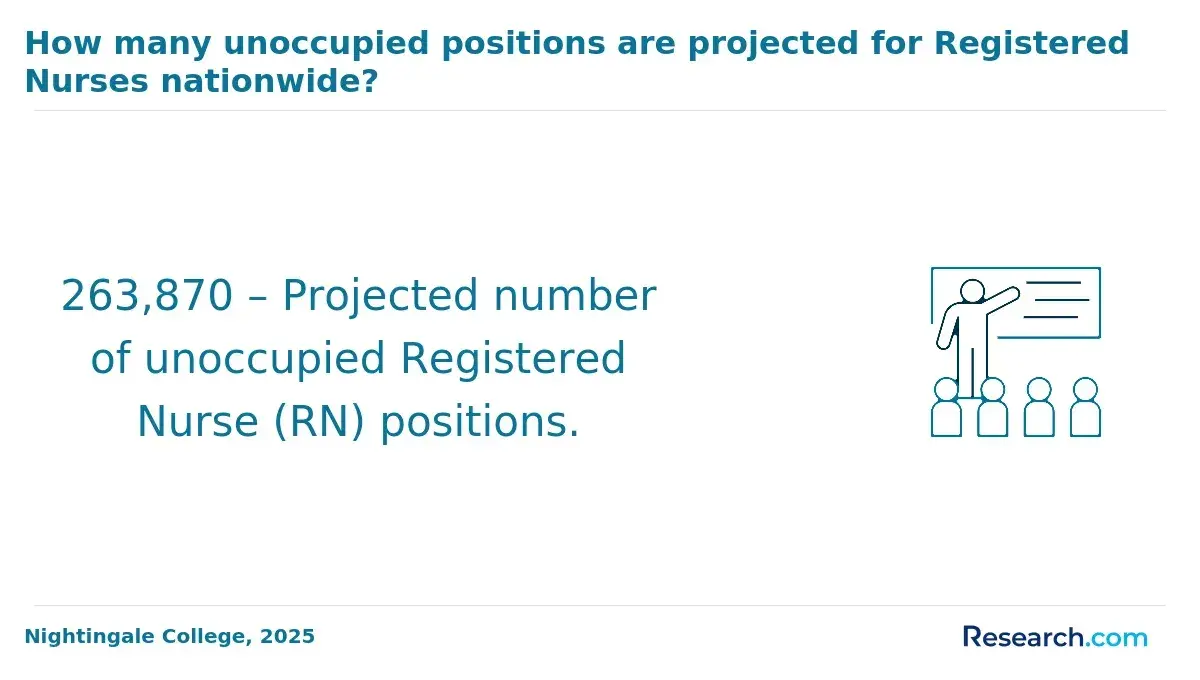
Healthcare systems continue to rely heavily on nurses. The United States has more than three times as many registered nurses as physicians, and the profession remains one of the largest licensed healthcare workforces. The nursing workforce is needed across hospitals, outpatient centers, community health programs, schools, home care, and long-term care facilities.
The BLS projects 6% growth in the field between now and 2031. It has also reported that many states face nurse shortages, which means job openings are expected to remain available in multiple regions and care settings.
Pay is another reason many people consider nursing. Registered nurses and advanced nursing professionals such as nurse practitioners often earn competitive salaries. In comparisons such as NP vs PA salary, nursing roles can be financially attractive depending on the position, state, experience level, and practice setting. Across the U.S., the median yearly wage for registered nurses is $89,010, which is higher than the median yearly wage across all occupations tracked by the BLS.
Employer benefits may also add value. Depending on the organization, nurses may receive paid sick leave, paid holidays, vacation time, family leave, health and life insurance, wellness programs, retirement contributions, tuition reimbursement, certification fee reimbursement, or childcare support.
2. Flexible Shifts and Multiple Work Settings
Nursing schedules vary widely. Some nurses work eight-hour shifts, while others work 10- or 12-hour shifts. Longer shifts may reduce the number of days worked each week, although they can also be physically and mentally demanding.
Schedule flexibility depends on the role. A school nurse may follow an academic calendar and have two months off each summer. A travel nurse may compare contracts by location, shift type, pay package, and assignment length. A clinic nurse may have a more predictable daytime schedule than a hospital nurse assigned to nights, weekends, or holidays.
Flexibility does not mean complete control. Nurses may be asked to work overtime, cover understaffed units, float to another floor, or adjust schedules during emergencies. Depending on role and state rules, some nursing professionals, including LPNs, may qualify for overtime pay.
3. Meaningful Work With Direct Human Impact
Nursing offers a clear connection between daily work and patient outcomes. Nurses monitor symptoms, notice changes, explain care instructions, comfort families, support recovery, and often serve as the healthcare professional patients see most often.
The work can be emotionally difficult, but it can also be deeply rewarding. Many nurses find purpose in helping patients regain independence, manage chronic illness, recover from procedures, or understand complex medical information. At a systems level, nurses also help improve safety, patient education, infection prevention, and care coordination.
4. Career Growth Without Leaving Healthcare
Nursing is not a single-track career. With experience, additional education, or certification, nurses can move into specialized clinical roles, case management, informatics, education, quality improvement, administration, or healthcare leadership jobs.
Specialty credentials can help nurses document expertise in areas such as critical care, emergency nursing, pediatrics, oncology, psychiatric mental health, or public health. Advanced degrees may also lead to roles such as nurse practitioner, nurse midwife, nurse educator, nurse executive, or clinical leader.
Technology has also expanded career possibilities. During the pandemic, nurses helped make telehealth work at scale. That shift continues as healthcare systems use remote monitoring, electronic documentation, virtual follow-ups, and digital patient engagement tools.
5. Transferable Skills That Remain Valuable Across Careers
Nursing develops skills that employers value in and outside healthcare. Nurses communicate with patients, physicians, families, social workers, a child life specialist, and other care team members. They learn to document accurately, manage competing priorities, stay calm under pressure, and make decisions with incomplete information.
Clinical work also strengthens critical thinking. Nurses routinely compare symptoms, lab results, medication orders, vital signs, and patient statements before deciding when to escalate concerns or intervene.
Trust is another important professional asset. In Gallup’s latest poll, nurses received an 89% high score for honesty and ethics. The number of registered nurses also increased by 12% between 2023 and 2024, surpassing their 2019 record.
6. Many Specializations to Choose From
Nurses can work in many specialties, including ambulatory care, cardiology, emergency care, dermatology, gastroenterology, home health, public health, pediatrics, psychiatric care, perioperative nursing, and informatics. Students comparing flexible study options may also review nursing classes online when planning their education route.
One advantage of nursing is that a nurse can often change specialties without starting a degree from the beginning. Some transitions require employer training, preceptorship, continuing education, or a certification course. A major shift, such as moving from home health into neurology or intensive care, may require more structured preparation.
7. Travel and Location Mobility
Travel nursing can appeal to nurses who want short-term assignments, geographic variety, and exposure to different healthcare systems. Travel nurses often fill staffing gaps in areas with shortages or temporary surges in demand.
Compensation packages may include an hourly rate, non-taxed per diems, housing allowance, and travel expense reimbursement. The trade-off is that travel roles require adaptability. Nurses may need to learn new systems quickly, adjust to different staffing models, and meet state licensing or compact requirements before starting an assignment.
How to Reap the Benefits of Being a Registered Nurse
To become a licensed nurse, you need to complete an approved nursing education pathway, meet clinical requirements, and pass the appropriate licensing exam. LPN candidates typically take the NCLEX-PN, while RN candidates take the NCLEX-RN. The NCLEX licensing exams are administered through the nursing regulatory system.
The best route depends on your budget, timeline, academic background, and career goal. A shorter program may help you enter the workforce sooner, while a BSN may provide broader preparation for leadership, graduate study, or employers that prefer bachelor’s-prepared nurses.
| Pathway | Typical purpose | Best for | Important trade-off |
| LPN program | Prepares students for practical nursing roles under RN or provider supervision | Students seeking the fastest entry point into nursing | Scope of practice and advancement options are more limited than RN pathways |
| ADN | Prepares graduates for registered nursing practice | Students who want an RN route that is often shorter and less expensive than a BSN | Some employers or advancement roles may prefer or require a BSN |
| BSN | Provides broader undergraduate nursing preparation | Students aiming for long-term clinical mobility, leadership, or graduate study | Usually requires more time and higher total cost than shorter entry routes |
| Bridge program | Builds on prior nursing education or healthcare experience | LPNs, ADNs, or RNs who want to move into higher credentials | Requires careful review of prerequisites, clinical placement, and accreditation |
BSN Degree
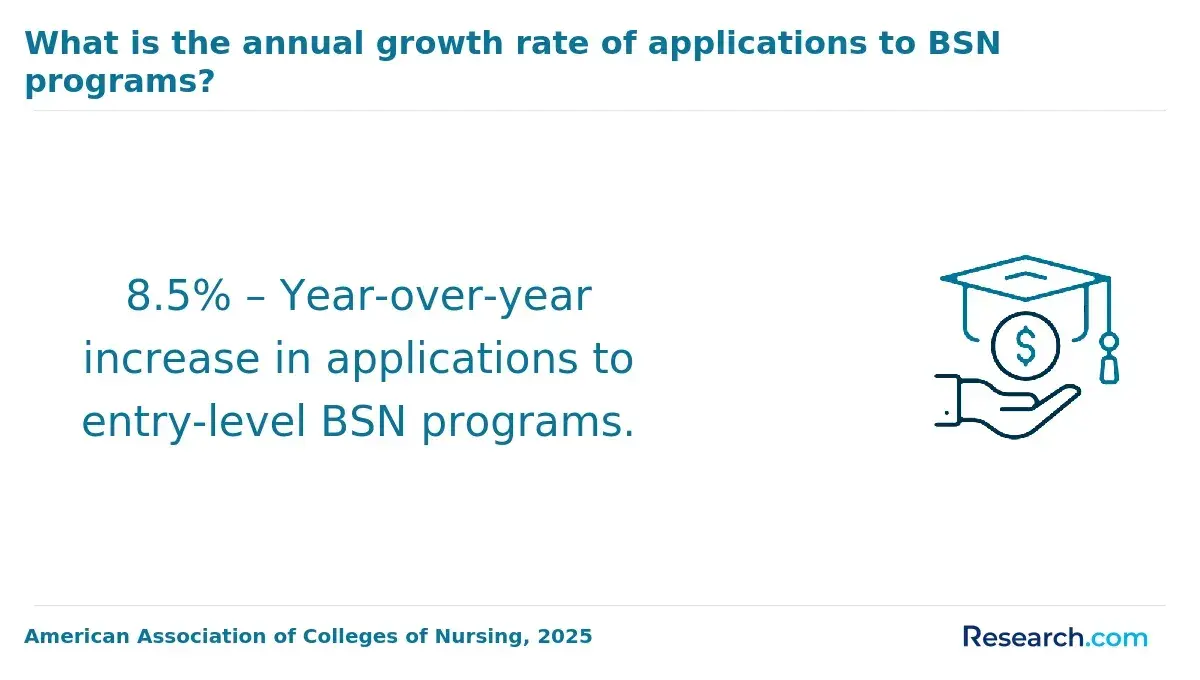
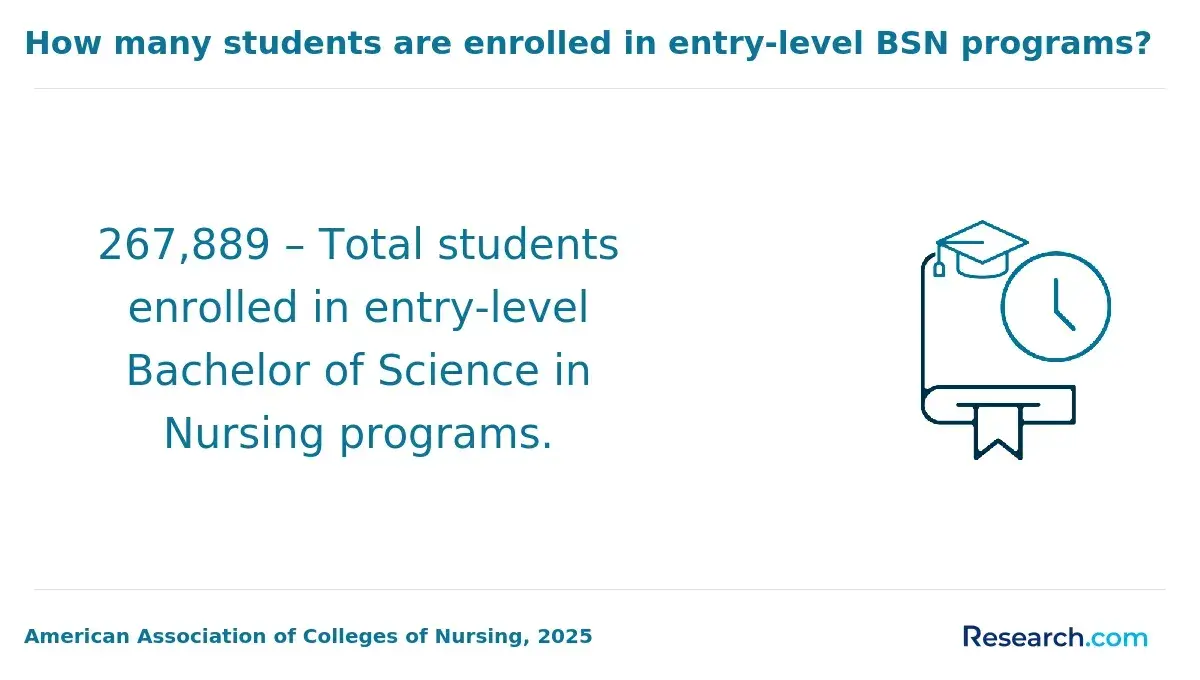
A Bachelor of Science in Nursing is commonly designed as a four-year undergraduate program for students preparing for registered nursing practice. Coursework often includes anatomy, pharmacology, microbiology, healthcare ethics, assessment, nursing theory, and clinical practice. Students also complete required clinical hours before graduation.
Compared with shorter nursing pathways, BSN programs usually include more content in leadership, research, public health, management, and systems-based care. Working registered nurses who already hold a diploma or associate degree can often continue through RN to BSN degrees. Some RNs also use bridge options to move into other healthcare fields. For example, RNs who decide to pursue pharmacy may consider RN to Doctor of Pharmacy or PharmD bridge programs at select universities. RNs who earn a PharmD may work toward clinical pharmacist roles and compare the clinical pharmacist salary as part of their decision.
LPN
A licensed practical nurse program can be completed in one year and may include up to 750 clinical hours, making it one of the quickest ways to enter nursing-related patient care.
LPNs, sometimes called vocational nurses, usually work under registered nurses and other licensed healthcare professionals. Their duties may include checking vital signs, changing dressings, assisting with medications, supporting daily care, and reporting changes in patient condition. LPNs may work in personal care services, insurance-related settings, junior colleges, long-term care, clinics, and other healthcare environments. Entry-level LPN pay may be comparable to an entry-level medical laboratory technician salary.
ADN
An associate degree in nursing can often be completed in two years, including prerequisite classes and clinical hours. ADN programs are commonly offered by community colleges and may cost less than many BSN programs.
The ADN is a common entry route for registered nursing. It combines classroom learning, laboratory practice, and clinical training. ADN-prepared RNs may work in hospitals, clinics, nursing homes, physician offices, and other care settings. Their responsibilities can include patient assessment, medication administration, health education, documentation, care coordination, and communication with families.
How long does it take to become a nurse?
The time required to become a nurse depends on the credential, program format, prerequisites, transfer credits, and whether you study full time or part time. Some routes can lead to nursing practice in as fast as 16 months. A traditional BSN often takes about four years, while an ADN can take two years or less.
| Goal | Common time frame stated | What can affect the timeline |
| Become an LPN | One year | Clinical hour requirements, admission schedule, and state approval |
| Become an RN through an ADN | Two years or less | Prerequisites, clinical placement availability, and exam preparation |
| Become an RN through a BSN | About four years | General education courses, clinical sequence, transfer credits, and full-time status |
| Accelerated or bridge option | As fast as 16 months | Prior credits, healthcare background, program intensity, and clinical scheduling |
How much does a nursing degree cost?
Nursing school costs vary by credential level, institution type, residency status, fees, clinical expenses, books, uniforms, background checks, exam fees, transportation, and whether you can transfer previous credits. Students should compare total cost of attendance, not tuition alone.
Some LPN programs may cost as little as $5,000, while the cheapest tuition for a BSN is $40,000. RNs planning graduate study can also compare affordable MSN programs if they want to move into advanced clinical, leadership, or education roles.
| Program | Public College | Private University |
| LPN | $5,000-$25,000 | $20,000-$40,000 |
| ADN | $6,000-$40,000 | $30,000-$100,000 |
Cost factors students often overlook
- Clinical expenses: Transportation, parking, immunizations, drug screening, background checks, supplies, and uniforms can add to the bill.
- Licensing and exam costs: Budget for application fees, test preparation, state board fees, and license renewal.
- Lost income: Intensive clinical schedules may reduce how much you can work while enrolled.
- Transfer policies: A low tuition rate may not save money if the school accepts few prior credits.
- Program delays: Waiting lists, failed courses, or limited clinical slots can increase total time and cost.
Requirements to Pursue a Career in Nursing
Nursing requires formal education, supervised clinical training, licensure, and a skill set that combines technical accuracy with judgment, communication, and emotional steadiness. The checklist below can help you understand what schools and state boards usually expect.
Education
Future nurses typically complete an approved LPN, ADN, or BSN program. Many nurses later pursue advanced study to qualify for specialized or higher-level roles.
Nursing curricula combine classroom instruction with laboratory practice and clinical experiences in healthcare settings. Bridge options are common, including LPN to RN degrees, second-degree BSN programs for students with non-nursing bachelor’s degrees, and online or hybrid formats for eligible learners. Working RNs can also compare cheap RN to BSN online programs when looking for a cost-conscious bachelor’s completion route.
Licensure
After finishing an approved program, nursing graduates must pass the required licensing exam for their intended role. Licensing is also required for several nursing-related roles, including Certified Nursing Assistant, Nurse Practitioner, and Certified Nurse Midwife, though requirements vary by state and credential.
Students interested in nurse practitioner or certified nurse midwife roles generally need graduate nursing education and must first meet registered nurse licensure requirements before pursuing the advanced credential.
Information about many nursing licensing exams is available through the National Council of State Boards of Nursing.
State Licenses
Nursing is regulated at the state level. Before practicing, nurses must meet the requirements of the state where they intend to work.
License mobility can be a major benefit for nurses who want to relocate or take travel assignments. Under the Nurse Licensure Compact, participating states use shared licensure standards that can make practice across state lines easier for eligible nurses.
In addition to passing licensing exams, nurses may need to verify their education, complete a criminal background check, and renew their licenses on a regular schedule. Renewal can require proof of active nursing work, continuing education, or other state-specific documentation.
Skills
- Medication and dosage math: Nurses must work accurately with measurements, formulas, ratios, time calculations, IV drip rates, medication doses, height, weight, and vital sign changes.
- Physical stamina: Many nurses spend 8 to 12 hours standing, walking, lifting, repositioning patients, and responding quickly to changing conditions.
- Clinical observation: Nurses must notice subtle changes, listen carefully, document clearly, and communicate patient information accurately to providers, coworkers, patients, and families.
- Patience under stress: Patients may be frightened, confused, in pain, or unable to complete basic tasks. Nurses need to remain calm while meeting immediate needs.
- Nonjudgmental care: Ethical nursing requires respect for patient dignity, autonomy, culture, spirituality, psychological needs, and physical safety, regardless of circumstance.
How Technology Can Shape the Future of Nursing
Technology is changing what nurses do, how they document care, and how patients receive follow-up. It does not remove the need for nursing judgment. Instead, it increases the value of nurses who can combine bedside skill with data literacy, digital communication, and safe use of clinical tools.
- Telehealth services: Nurses support virtual visits, remote follow-ups, patient education, triage, and chronic disease monitoring, especially for patients who face access barriers.
- Electronic health records: EHR systems centralize medication lists, lab results, provider notes, care plans, and clinical histories. Nurses need accurate documentation habits and comfort navigating digital records.
- Wearable health technology: Smartwatches and remote monitors can track activity, vital signs, and patient trends. Nurses may use this information to identify changes earlier and personalize care plans.
- Automated medication systems: Medication dispensing technologies can help reduce errors, track administration, and support safer medication workflows when used correctly.
- Artificial intelligence and predictive analytics: AI-supported tools may help flag deterioration risk, readmission concerns, or care gaps. Nurses still need to interpret alerts, verify context, and apply clinical judgment.
- Robotics in healthcare: Robots can support supply delivery, patient lifting, and some procedural settings. These tools may reduce physical strain, but nurses remain essential for assessment, communication, and human-centered care.
What is the role of nursing in shaping public health outcomes?
Nurses influence public health well beyond the hospital room. They educate patients, support prevention, identify health risks, participate in vaccination efforts, contribute to emergency response, and advocate for care access. Their daily work affects both individual outcomes and community resilience.
- Health education and promotion: Nurses teach patients and communities about vaccines, chronic disease management, nutrition, medication use, prevention, and healthy behaviors.
- Disease prevention and control: Nurses administer vaccines, follow infection control procedures, monitor outbreaks, and help reduce transmission in clinical and community settings.
- Advocacy and policy input: Nurses often see how social conditions, insurance barriers, transportation, housing, and language access affect health. That perspective can inform more practical health policies.
- Community-based care: School nurses, public health nurses, and community nurses address local needs such as childhood health, maternal health, screening, health literacy, and chronic disease support.
- Emergency preparedness: During pandemics, natural disasters, and public health crises, nurses provide care, coordinate resources, communicate with the public, and support vaccination or treatment campaigns.
- Data collection and care improvement: Nurses contribute observations and documentation that help healthcare teams identify trends, evaluate interventions, and improve delivery systems.
Nurses exploring high-impact roles can compare public health, community care, leadership, and clinical specialty paths alongside highest paying nursing jobs. The best choice depends on whether you value income growth, community impact, autonomy, schedule structure, or advanced practice authority most.
What Role Do Bridge Programs Play in Advancing a Nursing Career?
Bridge programs help nurses move from one credential level to another without repeating unnecessary coursework. They are especially useful for LPNs, ADN-prepared RNs, and working nurses who want to qualify for bachelor’s, master’s, or advanced practice roles.
Many bridge programs combine clinical progression with leadership, assessment, research, and systems-based coursework. Some are designed for working nurses and may offer online theory courses with in-person clinical requirements. A nurse interested in advanced practice could explore options such as ADN to acute care NP pathways to understand how bridge curricula connect prior RN preparation with graduate-level clinical responsibility.
| Bridge option | When it makes sense | What to verify first |
| LPN to RN or LPN to BSN | You want to expand scope of practice and qualify for RN licensure | State approval, clinical placements, transfer credit, and NCLEX preparation |
| RN to BSN | You are already licensed as an RN and want a bachelor’s credential | Accreditation, employer tuition support, practicum expectations, and schedule flexibility |
| ADN to MSN | You want graduate-level preparation without a separate BSN step | Admission standards, bridge coursework, specialty fit, and clinical hour requirements |
Tips for Selecting the Right Nursing School
The right nursing school is not simply the one with the lowest tuition or easiest admission process. It should be accredited, approved for licensure in your state, transparent about clinical placement, realistic for your schedule, and aligned with your career goal.
- Confirm accreditation and state approval: Look for recognized nursing accreditation and verify that the program is accepted by your state board of nursing.
- Match the format to your life: Decide whether campus, hybrid, or online coursework fits your work, family, and commute. If admission competitiveness is a concern, reviewing what is the easiest nursing school to get into can help you understand options, but ease of admission should not outweigh quality.
- Ask how clinical placements work: A program may advertise online coursework, but nursing still requires hands-on clinical practice. Find out whether the school assigns placements or expects students to secure them.
- Compare total cost: Include tuition, fees, equipment, exams, transportation, lost work hours, and possible relocation.
- Review graduation and licensure outcomes: Strong student support, tutoring, simulation labs, and exam preparation can influence completion and licensing success.
- Check specialization opportunities: If you are interested in pediatrics, geriatrics, emergency care, psychiatric nursing, or public health, ask whether the program offers relevant electives, clinical sites, or faculty expertise.
- Evaluate career services: Job placement support, alumni networks, employer partnerships, mentorship, and resume assistance can help you move from school into practice.
Questions to ask before enrolling
| Question | Why it matters |
| Is the program approved for licensure in the state where I plan to work? | An out-of-state or online program may not meet every state’s requirements. |
| Who arranges clinical placements? | Clinical placement delays can affect graduation timelines. |
| What is included in the published tuition? | Fees, supplies, exams, and clinical costs may not be included. |
| How many credits will transfer? | Transfer credit policies can change total cost and time to completion. |
| What support is available if I struggle academically? | Nursing programs are demanding, and support services can affect persistence. |
How Can Mentorship and Networking Boost Your Nursing Career?
Mentorship can help nurses make better decisions about specialties, graduate school, leadership, certification, and workplace challenges. A strong mentor can explain what a role is really like, recommend skill-building opportunities, and help you avoid common career mistakes.
Networking also matters. Professional associations, alumni groups, clinical preceptors, faculty members, and workplace committees can expose nurses to new openings, policy updates, leadership opportunities, and education resources. Nurses planning advanced practice may use these connections while researching options such as the cheapest NP programs online.
Is a Doctor of Nursing Practice (DNP) the Right Choice for You?
A Doctor of Nursing Practice is a terminal practice-focused degree for experienced nurses who want advanced clinical, leadership, quality improvement, systems, or policy preparation. It differs from a PhD because its emphasis is typically practice improvement rather than a longer research-intensive pathway.
A DNP may make sense if your goal involves advanced practice leadership, executive decision-making, evidence-based care improvement, or policy influence. Before enrolling, compare cost, accreditation, clinical requirements, faculty expertise, delivery format, and whether the degree is necessary for your target role. Cost-conscious nurses can begin by reviewing options such as the cheapest DNP online program.
How Can You Achieve an Affordable Nursing Education?
An affordable nursing education starts with choosing the lowest-cost credible pathway that still meets your licensing and career goals. Community colleges, employer tuition assistance, scholarships, transfer credits, in-state tuition, and bridge programs may reduce the total cost.
Do not choose a program based only on sticker price. A cheaper program that lacks proper approval, offers weak clinical support, or has poor completion outcomes can become expensive if it delays licensure. Students looking for a lower-cost entry point may compare options such as a cheap LPN degree online, while still verifying state requirements and clinical expectations.
Common mistakes when planning nursing school
| Mistake | Better approach |
| Choosing a school before checking accreditation and state approval | Verify both before submitting an application or deposit. |
| Looking only at tuition | Compare total cost, including fees, supplies, transportation, exams, and lost income. |
| Assuming every online program meets licensure rules | Confirm eligibility with the state board where you plan to practice. |
| Ignoring clinical placement details | Ask who secures placements and how far students may need to travel. |
| Relying only on rankings or admission ease | Use rankings as one input, then evaluate outcomes, support, cost, and fit. |
| Assuming salary outcomes are guaranteed | Research local employers, shifts, specialties, experience requirements, and cost of living. |
How to Transition from a Non-Nursing Background to a Nursing Career
Career changers can enter nursing, but they need to plan carefully. A prior degree or non-healthcare work history may help with communication, leadership, or time management, but it does not replace nursing prerequisites, clinical training, or licensure.
One route is an online nursing degree for non nurses. These programs are built for students who do not already hold nursing credentials and may combine online coursework with required in-person clinical experiences.
Steps for non-nurses entering the field
- Review prerequisites: Check whether you need biology, chemistry, anatomy, physiology, microbiology, statistics, or other required courses.
- Choose an accredited pathway: Compare second-degree BSN, accelerated BSN, ADN, and direct-entry options based on time, cost, and licensure eligibility.
- Plan for clinical scheduling: Online theory courses do not eliminate hands-on training. Make sure clinical requirements fit your work and family responsibilities.
- Strengthen foundational skills: Build study habits, medical terminology, communication, critical thinking, and comfort with patient care environments.
- Use support systems: Connect with advisors, faculty, mentors, classmates, and working nurses before and during the transition.
What opportunities are available for advanced nursing degrees?
Advanced nursing degrees can prepare nurses for specialty practice, leadership, education, informatics, administration, and policy-related roles. A Master of Science in Nursing is a common next step for registered nurses who want to expand their scope or move into advanced practice.
Because graduate nursing programs differ significantly, nurses should compare types of master degree in nursing before choosing a track. The right MSN depends on whether you want patient care autonomy, teaching roles, executive leadership, population health work, or preparation for doctoral study.
Can Specialized Certifications Accelerate a Nursing Career?
Certifications can help nurses demonstrate focused expertise without committing immediately to a full degree. They may be useful for nurses who want to move into a specialty, strengthen a resume, meet employer preferences, or prepare for graduate-level advancement.
Certification value depends on your current license, specialty area, employer demand, and state rules. Psychiatric mental health is one example of an area where additional credentials can support career direction. Nurses interested in this path may compare options such as the shortest PMHNP program while checking admission requirements and clinical expectations.
Can Functional Medicine Nursing Advance Your Career?
Functional medicine nursing appeals to some nurses who want to focus on prevention, lifestyle, root-cause assessment, and individualized care approaches. It may fit nurses interested in integrative health, chronic disease support, wellness-focused practice, or entrepreneurial care models.
This specialty should be evaluated carefully. Nurses need to understand scope of practice, evidence standards, patient safety, state regulations, and employer recognition. Those considering the advanced practice route can learn more about becoming a functional medicine NP.
How Can Becoming a Nurse Practitioner Enhance My Career?
Nurse practitioners are advanced practice registered nurses who provide patient care with greater clinical autonomy than many RN roles. Depending on state rules and practice setting, NPs may assess patients, diagnose conditions, order tests, prescribe medications, manage treatment plans, and lead care teams.
Becoming an NP can expand career options, but it requires graduate education, clinical hours, certification, and state authorization. Before enrolling, compare specialty tracks, program outcomes, cost, preceptor support, and whether the role matches your preferred patient population. If accessibility is a priority, reviewing the easiest nurse practitioner program may help you understand admissions options, but program quality and licensure fit should remain central.
What It Truly Takes to Become a Nurse
Nursing requires more than compassion. It demands scientific knowledge, clinical skill, professional discipline, ethical judgment, stamina, and the ability to communicate clearly during stressful moments. Nurses must keep learning throughout their careers because healthcare practices, technologies, medications, documentation systems, and regulations continue to change.
The rewards can be substantial: stable demand, meaningful work, flexible settings, competitive pay, travel options, and advancement pathways. The challenges are real as well, including physical strain, emotional intensity, licensing requirements, shift demands, and responsibility for patient safety.
If you want to work in healthcare but prefer administration, operations, or management over direct nursing care, a healthcare management degree online may be another route to consider.
Key Insights
- Nursing can be a strong career choice, but it is not an easy one: The field offers stability, mobility, and meaningful work, but it requires licensure, clinical judgment, stamina, and ongoing education.
- There are several entry points: LPN, ADN, BSN, bridge programs, and graduate pathways serve different timelines, budgets, and career goals.
- Registered nurses have competitive earning potential: The median yearly wage is $89,010, and the BLS projects 6% growth between now and 2031.
- Program choice matters: Accreditation, state approval, clinical placement, total cost, transfer credits, and licensure outcomes should carry more weight than advertising claims or admission ease.
- Technology is expanding nursing roles: Telehealth, EHRs, wearables, automated medication systems, AI-supported analytics, and robotics are changing how nurses deliver and coordinate care.
- Advancement is one of nursing’s biggest advantages: Nurses can specialize, move into leadership, pursue NP or DNP pathways, enter public health, or use certifications to build focused expertise.
- Cost planning is essential: Students should compare total expenses and consider lower-cost pathways, employer support, bridge programs, and affordable online options when appropriate.
References:
- Nightingale College. (2025). Nursing Shortage: 2026 US Statistics. https://nightingale.edu
- Carson-Newman. (2025). By the Numbers: Nursing Statistics 2025. https://onlinenursing.cn.edu/news/nursing-by-the-numbers
- AACN. (2025). 2024-2025 Enrollment and Graduations in Baccalaureate and Graduate Programs. https://www.aacnnursing.org
Other Things You Should Know About Pursuing a Career in Nursing
Nursing licensure is issued by each state board of nursing, not by one national agency. Registered nurses usually need an active RN license in every state where they practice, and multistate practice is allowed only through the Nurse Licensure Compact in participating states.
In 2027, nurses can earn an average annual salary of around $75,000, with opportunities for overtime and bonuses. Additionally, many employers offer comprehensive benefits packages, tuition reimbursement, and student loan forgiveness programs to attract new talent in the field.