2027 Best Online Healthcare Administration Degree Programs

Co-Founder and Chief Data Scientist
Choosing an online bachelor’s degree in healthcare administration is usually a practical decision: you want to move into the business, operations, compliance, or leadership side of healthcare without putting your life on hold. The right program can help you understand how hospitals, clinics, insurers, long-term care facilities, and public health organizations operate—and how administrators improve efficiency, patient experience, staffing, budgets, and regulatory compliance.
This guide is for students comparing online healthcare administration degrees, working adults planning a career change, and healthcare employees who want a stronger path into management. It explains what you can study, how long programs take, what they cost, how online and campus formats differ, which schools are included in this ranking, and what career outcomes may be possible after graduation.
Quick answer: Is an online healthcare administration degree worth considering?
An online bachelor’s degree in healthcare administration can be a strong fit if you want a healthcare career focused on operations and leadership rather than direct patient care. Most bachelor’s programs require 120 credits and take about four years of full-time study, although transfer credits, accelerated formats, and part-time enrollment can change the timeline. Graduates may pursue roles in hospitals, clinics, long-term care, insurance organizations, public health agencies, consulting firms, and other healthcare settings.
What are the main benefits of earning an online healthcare administration degree?
- Career-focused curriculum: Many programs cover healthcare systems, policy, finance, ethics, quality improvement, information systems, and leadership—topics that align with administrative and management roles.
- Flexible format: Online study can be useful for working adults, parents, military students, and learners who cannot relocate or commute regularly.
- Potential cost savings: Online programs may reduce expenses tied to commuting, housing, campus fees, and schedule disruption, although tuition varies widely by school.
- Specialization options: Some programs allow students to focus on healthcare informatics, health information management, patient safety, healthcare policy, or financial management.
- Management salary potential: Medical and health services managers earn an average salary of $110,680 per year, though actual earnings vary by role, location, employer, and experience.
What can I expect from an online program in healthcare administration?
An online healthcare administration program usually combines business training with healthcare-specific coursework. Students learn how healthcare organizations are structured, how reimbursement and regulation affect operations, how leaders manage teams, and how administrators use data to improve quality and performance.
Most online programs use a learning management system for lectures, readings, assignments, discussion boards, exams, and group projects. Some courses are asynchronous, meaning you can complete work on your own schedule before deadlines. Others may include live sessions, presentations, virtual meetings, or scheduled faculty interaction.
Common subjects include healthcare systems, healthcare law and ethics, healthcare policy, financial management, strategic planning, human resources, quality improvement, patient safety, and information technology. Depending on the school, students may also choose electives in healthcare informatics, healthcare marketing, public health, data analytics, or long-term care administration.
| Program feature | What it usually means for students |
| Online coursework | Lectures, assignments, discussions, and exams are completed through a digital learning platform. |
| Asynchronous classes | You can usually study around work or family obligations, but you must manage deadlines independently. |
| Synchronous activities | Some programs may require live classes, virtual presentations, group meetings, or instructor check-ins. |
| Healthcare-focused business training | Coursework connects management, finance, law, policy, technology, and quality improvement to healthcare settings. |
| Capstone, internship, or project | Some programs include applied work that helps students connect classroom concepts to real organizational challenges. |
Where can I work with an online degree in healthcare administration?
Healthcare administration graduates can work in organizations that deliver, finance, regulate, analyze, or support healthcare services. The degree is especially relevant for students who want to manage people, processes, compliance, budgets, information systems, or service quality.
- Hospitals and integrated healthcare systems
- Clinics, physician groups, and medical practices
- Long-term care and residential care facilities
- Public health organizations
- Government agencies
- Nonprofit healthcare organizations
- Health insurance companies
- Healthcare consulting firms
- Healthcare technology, informatics, and data support organizations
How much can I make with an online degree in healthcare administration?
Earnings depend on job title, location, employer type, experience, graduate education, certifications, and scope of responsibility. According to our research, medical and health services managers have an average annual salary of $110,680. Salaries may be higher in large healthcare systems, urban markets, government agencies, consulting firms, or specialized leadership roles, but a degree alone does not guarantee a specific salary.
When comparing programs, look beyond advertised salary outcomes. Ask whether the school publishes graduate employment data, what types of roles recent graduates enter, and whether the program offers career coaching, internship support, employer partnerships, or alumni networking.
- List of the Best Online Healthcare Administration Programs for 2027
- How long does it take to complete an online healthcare administration program?
- How does an online healthcare administration program compare to an on-campus program?
- What is the average cost of an online healthcare administration program?
- What are the financial aid options for students enrolling in an online healthcare administration program?
- What are the prerequisites for enrolling in an online healthcare administration degree program?
- What courses are typically in an online healthcare administration program?
- What types of specializations are available in an online healthcare administration program?
- How do I choose the best online healthcare administration program?
- What career paths are available for graduates of online healthcare administration degree programs?
- What support services ensure student success in online healthcare administration programs?
- How can combining healthcare administration with clinical expertise expand my career opportunities?
- What advanced degree options can enhance my career opportunities?
- How can specialized certifications and practical training accelerate career advancement in healthcare administration?
- What is the job market for graduates with an online degree in healthcare administration?
- How can healthcare administration complement a PharmD program?
- How can interdisciplinary skills enhance healthcare administration success?
- Should you choose healthcare administration or healthcare management?
- Emerging Trends and Technologies in Healthcare Administration
- Can online healthcare administration programs offer dual degree pathways?
- The Importance of Accreditation in Online Healthcare Administration Programs
List of the Best Online Healthcare Administration Programs for 2027
How do we rank schools?
Research.com evaluates online healthcare administration programs using a structured methodology designed to help students compare schools more confidently. Program selection can be difficult because students must weigh cost, accreditation, flexibility, curriculum, transfer policies, and career support. To strengthen the reliability of this ranking, we reference established education data sources, including:
Use this list as a starting point, not as the only factor in your decision. Confirm tuition, transfer credit policies, course delivery format, state authorization, and graduation requirements directly with each school before applying.
1. University of Phoenix
The University of Phoenix offers an online bachelor of science in health administration for students who want training in healthcare operations, healthcare information systems, and marketing to healthcare consumers. Students complete core health administration coursework and may select a specialization to broaden their preparation for healthcare management roles. A hybrid option is also available for students near Phoenix, Arizona.
- Program Length: Four Years
- Tracks/concentrations: legal issues in healthcare, facility planning, and risk management.
- Cost per Credit/Tuition: $398
- Required Credits to Graduate: 120
- Accreditation: Higher Learning Commission (HLC)
2. Florida International University
Florida International University offers an online bachelor of health services administration for students preparing for entry-level management roles in health-related organizations. FIU’s BHSA program is one of the largest undergraduate health services administration programs in the country and emphasizes systems engineering, policy and regulation, financial management, legal aspects of health systems, health services research, and program planning and evaluation.
- Program Length: Four Years
- Tracks/concentrations: N/A
- Cost per Credit/Tuition: $236 (in-state), $649 (out-of-state).
- Required Credits to Graduate: 120
- Accreditation: Southern Association of Colleges and Schools Commission on Colleges (SACSCOC)
3. Southern New Hampshire University
Southern New Hampshire University provides an online BS in healthcare administration with 24/7 access to the online classroom. The program accepts up to 90 transfer credits from accredited institutions, which may help eligible students shorten the time needed to finish a bachelor’s degree. Its curriculum is developed to align with principles established by the Association of University Programs in Health Administration (AUPHA), and coursework addresses operational strategies, data-informed decisions, stakeholder communication, organizational culture, and related management skills.
- Program Length: Four Years
- Tracks/concentrations: health information management and patient safety and quality
- Cost per Credit/Tuition: $330
- Required Credits to Graduate: 120
- Accreditation: New England Commission of Higher Education (NECHE)
4. Western Governors University
The online healthcare administration degree at Western Governors University combines general business preparation with healthcare administration coursework. The program is designed for students seeking administrative or managerial roles across healthcare settings. Students complete a capstone project at the end of the program, giving them an opportunity to apply what they have learned to practical healthcare administration situations.
- Program Length: Four Years
- Tracks/concentrations: N/A
- Cost per Credit/Tuition: $7,910 per year
- Required Credits to Graduate: 120
- Accreditation: Northwest Commission on Colleges and Universities
5. Drexel University
Drexel University offers an online bachelor’s degree in health services administration in a part-time format designed for professionals balancing school with work, family, or other commitments. The curriculum focuses on healthcare administration, economics, finance, policy, ethics, and information systems. Courses such as Ethics in Healthcare Management, Statistics for Health Sciences, and Healthcare Law help students build interdisciplinary skills for administrative work in healthcare and medical environments.
- Program Length: Four Years
- Tracks/concentrations: N/A
- Cost per Credit/Tuition: $459
- Required Credits to Graduate: 120
- Accreditation: Middle States Commission on Higher Education (MSCHE)
6. Purdue Global
Purdue Global offers an accelerated, self-paced online healthcare administration option for students who want more control over the speed of their studies. The curriculum introduces administration, management, values, research methods, and applied healthcare concepts. Purdue Global also offers an accelerated master’s option for students interested in earning both a bachelor’s and master’s degree in health sciences.
- Program Length: Three to four years
- Tracks/concentrations: N/A
- Cost per Credit/Tuition: $2,500 per term
- Required Credits to Graduate: 180
- Accreditation: HLC
7. Liberty University
Liberty University offers a fully online bachelor of science in healthcare administration with 8-week courses. The program includes opportunities to pursue an internship, which the university strongly recommends. Coursework introduces legal issues in the healthcare business environment and examines how cultural, political, and economic factors influence ethics and policy in healthcare.
- Program Length: Four Years
- Tracks/concentrations: N/A
- Cost per Credit/Tuition: $390 (full-time), $455 (part-time), and $250 (military graduate).
- Required Credits to Graduate: 120
- Accreditation: SACSCOC
8. University of Central Florida
The University of Central Florida offers an online BS in health services administration with three main specialization areas. The program may appeal to students looking for an affordable fully online undergraduate option. Coursework is designed to help students understand healthcare organizations, manage healthcare operations, and contribute to service quality improvement in a complex healthcare environment.
- Program Length: Four Years
- Tracks/concentrations: healthcare economics, epidemiology, and U.S. healthcare systems.
- Cost per Credit/Tuition: $105
- Required Credits to Graduate: 120
- Accreditation: SACSCOC
9. Louisiana State University
Louisiana State University offers an online BS in health professions with a concentration in healthcare administration. The program prepares students for administrative roles such as hospital administrator, health insurance analyst, and medical office business manager. LSU’s online courses may include both synchronous interaction with instructors and asynchronous coursework that students complete at their own pace.
- Program Length: Four Years
- Tracks/concentrations: N/A
- Cost per Credit/Tuition: $325
- Required Credits to Graduate: 120
- Accreditation: SACSCOC
10. St. Joseph’s University, New York
St. Joseph’s University at New York offers online health administration programs, graduate options, and dual degree pathways. Students may pursue a bachelor’s degree in health administration, MS and MBA programs in healthcare management, or dual degrees that allow them to work toward bachelor’s and master’s credentials together. Certificate options include nursing home administrator, management of health information systems, and a healthcare management advanced certificate.
- Program Length: At least four years
- Tracks/concentrations: health administration, healthcare management, and information systems.
- Cost per Credit/Tuition: $780
- Required Credits to Graduate: 120
- Accreditation: MSCHE
Online healthcare administration program comparison
| School | Program length | Credits | Listed tuition or cost | Accreditation |
| University of Phoenix | Four Years | 120 | $398 | Higher Learning Commission (HLC) |
| Florida International University | Four Years | 120 | $236 (in-state), $649 (out-of-state). | SACSCOC |
| Southern New Hampshire University | Four Years | 120 | $330 | NECHE |
| Western Governors University | Four Years | 120 | $7,910 per year | Northwest Commission on Colleges and Universities |
| Drexel University | Four Years | 120 | $459 | MSCHE |
| Purdue Global | Three to four years | 180 | $2,500 per term | HLC |
| Liberty University | Four Years | 120 | $390 (full-time), $455 (part-time), and $250 (military graduate). | SACSCOC |
| University of Central Florida | Four Years | 120 | $105 | SACSCOC |
| Louisiana State University | Four Years | 120 | $325 | SACSCOC |
| St. Joseph’s University, New York | At least four years | 120 | $780 | MSCHE |
What graduates say about earning a healthcare administration degree online
-
: "
"Earning my healthcare administration degree online was a life-changing experience. The flexibility of online classes allowed me to balance work and family while gaining the skills needed for a leadership role in healthcare. The knowledge I gained has already propelled my career forward.” - Jessica
"
-
: "
"The online healthcare administration program was perfect for my busy lifestyle. I appreciated the ability to study at my own pace and connect with professors and classmates from across the country. This degree has opened up new career opportunities and significantly increased my earning potential.” - David
"
-
: "
"Completing my degree online in healthcare administration provided me with both the convenience and quality education I needed. The program's interactive and engaging coursework made learning enjoyable and applicable to my current job. I'm now more confident in my leadership abilities and ready to take on greater responsibilities.” - Maria
"
Key findings
- An online undergraduate degree in healthcare administration generally takes about four years to complete, while a graduate degree commonly takes about two years.
- Financial aid may include federal aid, grants, scholarships, payment plans, employer support, military benefits, and school-based assistance.
- Many online healthcare administration bachelor’s programs do not require prior medical field experience for admission.
- Graduates may work in hospitals, government agencies, residential care facilities, medical offices, insurance companies, consulting firms, and related healthcare organizations.
- The demand for medical and health services managers is expected to increase by 28% over the next decade.
How long does it take to complete an online healthcare administration program?
Most online bachelor’s programs in healthcare administration require 120 credit hours and take about four years for full-time students. Students with transfer credits or access to accelerated coursework may finish sooner, while part-time students may need around five years depending on course load and school policy.
A master’s degree in healthcare administration commonly takes about two years. However, timelines can vary based on whether students enroll full-time or part-time, whether they take courses year-round, and whether the program includes internships, capstones, or prerequisite coursework.
| Study path | Typical timeline | Best for |
| Full-time bachelor’s degree | About four years | Students who can carry a standard course load each term |
| Accelerated bachelor’s path | Fewer years, depending on transfer credits and pace | Students with prior college credit or strong time-management skills |
| Part-time bachelor’s degree | Around five years, depending on pace | Working adults, caregivers, or students who need a lighter course load |
| Master’s degree | Usually about two years | Graduates seeking advanced leadership, policy, or executive preparation |
How does an online healthcare administration program compare to an on-campus program?
Online and on-campus healthcare administration programs can lead to similar academic outcomes when they are properly accredited and cover comparable competencies. The better format depends on your schedule, learning style, location, budget, and need for in-person networking.
| Factor | Online healthcare administration program | On-campus healthcare administration program |
| Schedule flexibility | Often easier to fit around work, caregiving, military service, or irregular schedules. | Usually follows fixed class times and campus-based schedules. |
| Location | Allows students to consider schools outside commuting distance, subject to state authorization. | Works best for students who live near campus or are willing to relocate. |
| Learning style | Requires self-discipline, planning, written communication, and comfort with digital tools. | Offers more face-to-face structure, in-person discussion, and campus routines. |
| Networking | May include virtual events, discussion boards, group projects, and online career services. | May provide easier access to campus events, local employers, faculty offices, and student organizations. |
| Cost considerations | May reduce commuting and housing costs; students can compare programs such as the cheapest online university in the USA or options in their state. | May involve additional housing, transportation, parking, and campus-based fees. |
Choose online if flexibility and geographic access are your top priorities. Choose campus-based study if you learn best through in-person interaction, want a traditional college environment, or need local internship connections provided through campus networks.
What is the average cost of an online healthcare administration program?
The cost of an online healthcare administration degree varies by school, residency status, credit requirements, tuition model, fees, and transfer credits. According to our research, an undergraduate healthcare administration program at Liberty University can cost around $46,800 for full-time students, $54,600 for part-time students, and $30,000 for military graduate students. The same program at the University of Phoenix can cost about $47,760, while Southern New Hampshire University can cost about $39,600.
Do not compare tuition alone. A lower per-credit price may not mean the lowest total cost if the program requires more credits, charges significant fees, accepts fewer transfer credits, or extends your time to graduation. Ask each school for a full cost estimate before enrolling.
| Cost factor | Why it matters | Question to ask |
| Tuition model | Schools may charge per credit, per term, or by enrollment status. | Is tuition charged per credit, per course, per year, or per term? |
| Transfer credits | Accepted credits can reduce time and total tuition. | How many credits can I transfer, and which requirements will they satisfy? |
| Fees | Technology, graduation, course, and student service fees can increase the total bill. | What mandatory fees are not included in advertised tuition? |
| Books and materials | Digital resources, textbooks, and software may add recurring costs. | Are books, course materials, or software subscriptions included? |
| Time to completion | Taking longer may increase total tuition and delay earnings growth. | What is the realistic graduation timeline for students with my transfer credits and schedule? |
What are the financial aid options for students enrolling in an online healthcare administration program?
Online healthcare administration students may qualify for several types of financial aid, depending on school eligibility, enrollment status, financial need, academic profile, employer benefits, military status, and state residency. Start with federal aid, then compare institutional, state, private, and employer-based options.
- FAFSA: The Free Application for Federal Student Aid (FAFSA) is the main application for federal grants, loans, and work-study programs. Many states and schools also use FAFSA information when awarding aid.
- Pell Grants: These need-based grants are available to eligible undergraduate students and do not need to be repaid. Award amounts depend on financial need, cost of attendance, and enrollment status.
- State grants and scholarships: Some states provide aid to residents attending eligible in-state institutions. Awards may be based on need, merit, demographic criteria, or workforce priorities.
- Institutional scholarships: Colleges may offer scholarships for transfer students, adult learners, online students, military-affiliated students, or students in healthcare-related programs.
- Installment plans: Payment plans can spread tuition across a semester or academic year, which may reduce the need to pay a large balance at once.
- Military benefits: Eligible veterans and active-duty service members may use GI Bill benefits for tuition, fees, and other education-related expenses. Active-duty service members may also qualify for Tuition Assistance programs.
- Employer tuition assistance: Healthcare employers sometimes help employees pay for degrees that support advancement into administrative, compliance, operations, or management roles.
What are the prerequisites for enrolling in an online healthcare administration degree program?
Admissions requirements depend on degree level. Bachelor’s programs usually focus on high school completion and transcripts. Graduate programs typically require a completed bachelor’s degree and may ask for professional experience, essays, recommendations, or prerequisite coursework.
Undergraduate program requirements
- High school diploma or equivalent: Applicants generally need a high school diploma or GED. This applies across institutions, including schools listed among the cheapest bachelor degree options.
- Official transcripts: Schools usually require high school transcripts and any prior college transcripts for transfer credit review.
- Standardized test scores: Some schools may request SAT or ACT scores, although many online programs now use test-optional admissions policies.
- Application materials: Depending on the institution, students may need an online application, fee, identification documents, placement information, or advising consultation.
Graduate program requirements
- Bachelor’s degree: Master’s programs generally require a bachelor’s degree from an accredited institution, often in healthcare, business, public administration, or a related field.
- Professional experience: Some graduate programs prefer or require healthcare or management experience. Students who begin with a related undergraduate path, such as one of the cheapest online bachelor degree in public administration options, may later use that background toward healthcare administration graduate study.
- Prerequisite courses: Some programs may require prior coursework in statistics, accounting, economics, or related quantitative areas.
- Personal statement or essay: Applicants may need to explain their background, goals, and reasons for pursuing healthcare administration.
- Letters of recommendation: Graduate applications often ask for two or three recommendations from supervisors, professors, or professional colleagues.
What courses are typically in an online healthcare administration program?
Healthcare administration programs combine healthcare context with business and management training. The exact curriculum varies, but most programs prepare students to understand healthcare operations, compliance, finance, technology, leadership, and service quality.
- Healthcare administration foundations: Students learn about financial management, strategic planning, regulatory compliance, ethics, human resources, patient relations, healthcare information technology, public relations, and marketing.
- Business and management: Coursework may include economics, organizational behavior, reimbursement, marketing, human resources, ethical and legal issues, and management principles. Similar business topics may also appear in the cheapest business administration degree online programs.
- Patient safety and quality: Courses examine methods for improving care quality, reducing risk, and understanding how patient safety connects to organizational performance.
- Healthcare operations: Students study staffing, patient flow, coordination of services, emergency preparedness, quality improvement, and operational efficiency.
- Systems and policy: Coursework introduces the U.S. healthcare system, healthcare policy, payer structures, and the administrator’s role in policy implementation and organizational decision-making.
What types of specializations are available in an online healthcare administration program?
Specializations help students align their degree with a specific career direction. Not every school offers concentrations, so compare the curriculum carefully if you already know the type of healthcare environment or function you want to enter.
| Specialization | What it focuses on | Who should consider it |
| Health Care Administration Leadership | Organizational policy, leadership, health information technology, workflow improvement, and change management. | Students aiming for supervisory, department, or operations leadership roles. |
| Health Information Management | Health information systems, statistical data structures, legal standards, regulatory requirements, and data governance. | Students interested in health records, informatics, privacy, compliance, or data-centered administrative roles. |
| Healthcare Analytics and Data Management | Data analysis, statistical analysis, data management, and evidence-based decision-making in healthcare. | Students who want to use data to improve efficiency, quality, patient outcomes, or organizational performance. |
| Patient Safety and Quality | Quality improvement, risk reduction, safety systems, performance metrics, and process improvement. | Students interested in quality coordinator, compliance, patient safety, or performance improvement roles. |
How do I choose the best online healthcare administration program?
The best online healthcare administration program is the one that fits your career goal, budget, schedule, learning style, and transfer credit situation while meeting recognized academic standards. A ranking can narrow your options, but your final choice should come from careful comparison.
- Verify accreditation: Look for institutional accreditation from a recognized accreditor. For graduate healthcare management programs, the Commission on Accreditation of Healthcare Management Education (CAHME) is a key field-specific accreditor. Some healthcare education programs may also reference organizations such as the Accrediting Bureau of Health Education Schools (ABHES).
- Match the curriculum to your goal: If you want operations leadership, prioritize management, finance, and quality improvement. If you want informatics, look for health information management and analytics coursework.
- Calculate total cost: Compare tuition, fees, transfer credits, books, technology costs, and realistic time to completion.
- Review student support: Strong online programs should offer academic advising, tutoring, technology help, library access, disability services, career coaching, and internship or networking support.
- Check course format: Ask whether classes are asynchronous, synchronous, self-paced, cohort-based, or accelerated.
- Ask about career outcomes: Request information on internships, employer partnerships, alumni roles, career fairs, resume support, and job placement resources.
- Confirm state authorization: If you live outside the school’s state, make sure the program is authorized to enroll students from your location.
Questions to ask before enrolling
- Is the institution accredited, and by which accreditor?
- Are any healthcare administration or healthcare management programs separately accredited?
- How many credits can I transfer?
- Will I need to complete an internship, practicum, or capstone?
- Are classes self-paced, scheduled, or a mix of both?
- What is the total estimated cost, including fees and materials?
- What support is available if I struggle in an online course?
- What types of jobs do recent graduates pursue?
- Does the program prepare students for any certifications or licensure-related pathways?
What career paths are available for graduates of online healthcare administration degree programs?
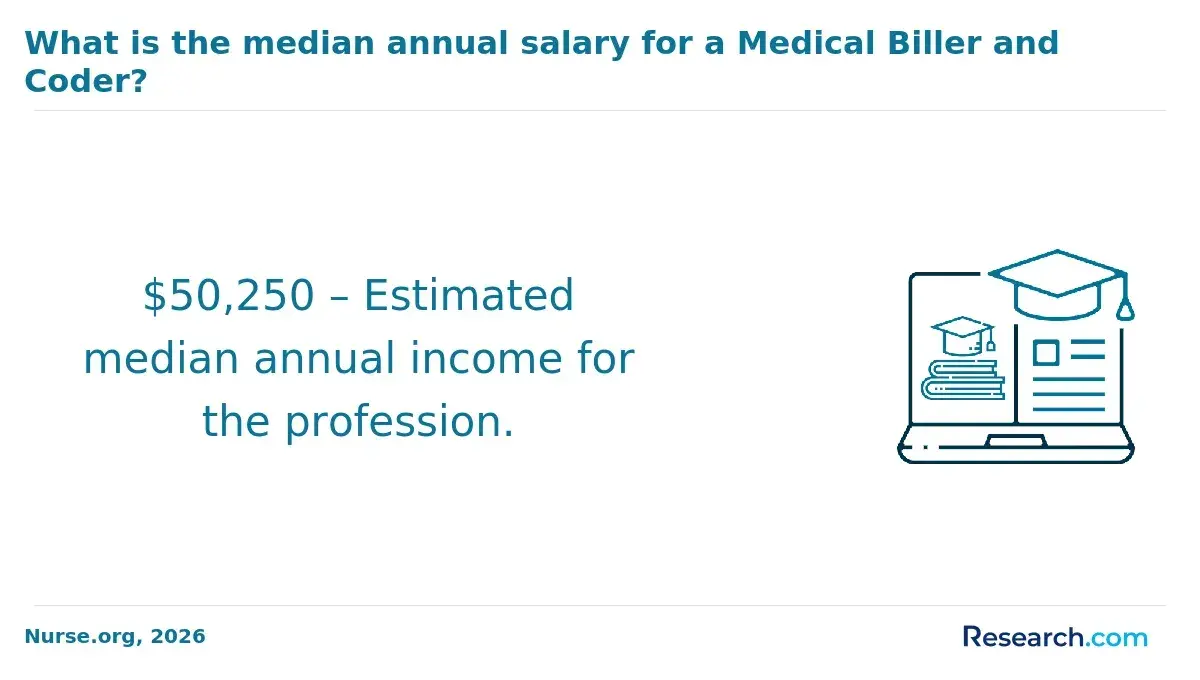
Healthcare administration graduates can pursue roles that connect healthcare delivery with business operations. Entry-level graduates may begin in coordinator, analyst, assistant manager, billing, scheduling, or practice support roles, while experienced professionals may move into department management, operations leadership, compliance, quality improvement, or consulting.
- Hospital administration: Graduates may work as clinical managers, program directors, business analysts, or department coordinators. Responsibilities can include managing workflows, supporting patient care improvement, analyzing operations, and using health information technology to increase efficiency. Students seeking a faster entry point into healthcare operations may also compare affordable medical billing and coding certification programs.
- Nursing home and long-term care administration: This path involves facility operations, staff oversight, resident services, compliance, budgeting, and quality improvement.
- Health insurance administration: Graduates may work as practice managers, business analysts, operations coordinators, or policy support professionals in insurance organizations.
- Healthcare IT and informatics: Students with health information management or analytics training may pursue work in healthcare IT support, informatics, data privacy, compliance, or reporting. Roles can include data analyst, IT manager, or informatics specialist.
- Consulting and financial services: Healthcare administration graduates may advise organizations on operations, compliance, finance, process improvement, or strategy. Students who want stronger finance preparation may consider related online accounting courses.
For medical and health services managers, hospitals pay the highest, with an average of $128,740. Other employment settings and salaries include government ($125,590), outpatient care centers ($104,710), offices of physicians ($102,360), and residential care facilities ($97,490). The chart below shows the median annual salaries for medical and health services managers in the U.S.:
What support services ensure student success in online healthcare administration programs?
Support services can make a major difference in whether online students persist, graduate, and transition successfully into healthcare administration roles. Before enrolling, check whether the program offers dedicated academic advising, technical support, online tutoring, virtual library access, career services, writing help, and opportunities to connect with faculty and classmates.
Strong programs also help students build professional confidence through resume reviews, mock interviews, internship guidance, alumni networks, and employer-facing events. If you are comparing broader program options, Research.com’s guide to a healthcare administration degree online can help you evaluate what different programs offer.
How can combining healthcare administration with clinical expertise expand my career opportunities?
Clinical knowledge can make a healthcare administrator more effective because it helps them understand how management decisions affect providers, patients, workflows, medication processes, and interdisciplinary teams. Professionals with both administrative and clinical training may be better positioned to communicate across departments and lead improvement efforts that are practical for frontline care environments.
For example, students interested in pharmacy-related leadership may explore the administrative value of online pharmacist programs. Combining operational knowledge with clinical training can be useful in settings where medication management, compliance, workflow design, and patient safety intersect.
What advanced degree options can enhance my career opportunities?
A bachelor’s degree can support entry-level administrative paths, but some leadership, policy, public health, consulting, and executive roles may prefer or require graduate education. Common next steps include a master’s in healthcare administration, master’s in public health, MBA with healthcare emphasis, health informatics degree, or public administration degree.
An MPH can be especially useful for students interested in population health, community health, prevention programs, research, policy, or health systems planning. Cost-conscious students may compare the cheapest MPH programs to find options that align with their long-term career plans.
How can specialized certifications and practical training accelerate career advancement in healthcare administration?
Certifications and applied training can strengthen a healthcare administration resume by showing focused skills beyond the degree. Depending on your career goal, you may look for training in healthcare informatics, revenue cycle, project management, quality improvement, compliance, medical office management, or data analytics.
Hands-on clinical exposure can also help administrators understand how care teams operate. For students seeking quick practical healthcare exposure, a fast track CMA program may provide a shorter, applied route into clinical support knowledge that can complement administrative education.
What is the job market for graduates with an online degree in healthcare administration?
The job market for healthcare administration graduates is supported by the ongoing need for professionals who can coordinate services, manage teams, interpret regulations, improve quality, control costs, and use data in healthcare organizations. The demand for medical and health services managers is expected to increase by 28%, which is much faster than average compared to all occupations. This represents about 54,700 job openings each year on average over the next decade.
Competition can still vary by location and role. Graduates may improve their prospects by completing internships, gaining healthcare experience, choosing a relevant specialization, developing data and technology skills, and building a professional network before graduation.
How can healthcare administration complement a PharmD program?
Healthcare administration can add management, finance, policy, compliance, and operations knowledge to clinical pharmacy training. A pharmacist with administrative preparation may be better equipped to improve medication workflows, manage teams, evaluate resource use, and help organizations connect clinical innovation with sustainable operations.
Students or professionals considering pharmacy leadership may benefit from understanding how a PharmD program can pair with administrative knowledge. This combination can be especially relevant in hospitals, health systems, managed care, pharmacy operations, and quality improvement roles.
How can interdisciplinary skills enhance healthcare administration success?
Healthcare administrators rarely solve problems from one discipline alone. They work with clinicians, finance teams, compliance officers, technology staff, patients, vendors, public health partners, and executives. Interdisciplinary skills help administrators translate between groups, anticipate operational consequences, and design solutions that work in real healthcare environments.
For example, professionals who plan to become a pharmacist and also understand healthcare administration may bring a valuable perspective to medication safety, resource allocation, staffing, patient education, and strategic planning.
Should you choose healthcare administration or healthcare management?
Healthcare administration and healthcare management overlap, and schools sometimes use the terms differently. In general, healthcare administration often emphasizes day-to-day operations in healthcare settings such as hospitals, clinics, medical offices, or long-term care facilities. Healthcare management may place more emphasis on broader organizational leadership, strategy, finance, policy, and executive decision-making.
| Option | Common focus | Best fit |
| Healthcare administration | Operations, staffing, compliance, service delivery, patient experience, department coordination. | Students who want to manage healthcare processes, teams, offices, departments, or facilities. |
| Healthcare management | Strategy, organizational leadership, financial oversight, policy, executive planning. | Students aiming for higher-level leadership, consulting, planning, or system-wide management roles. |
Students targeting executive roles may eventually consider a master’s in healthcare administration. Those who want a faster graduate pathway can compare 1 year MHA programs online to see whether an accelerated format fits their experience, schedule, and career goals.
Emerging Trends and Technologies in Healthcare Administration
Healthcare administration is being reshaped by digital systems, patient expectations, workforce pressures, regulatory complexity, and data-driven decision-making. Students entering the field should expect technology, compliance, and analytics to play a larger role in administrative work.
- Telemedicine and remote patient monitoring: Administrators increasingly help coordinate virtual care workflows, remote monitoring processes, scheduling, reimbursement, privacy, and patient access.
- Health data analytics: Electronic health records and digital tools create large amounts of operational and clinical data. Administrators who can interpret data may help improve quality, efficiency, staffing, and compliance.
- Artificial intelligence and automation: AI and automation are being used in areas such as scheduling, billing, documentation support, patient communication, and administrative workflows. Administrators need to understand both the benefits and risks of these tools.
- Healthcare compliance and regulations: Administrators must remain alert to privacy rules, HIPAA compliance, patient data protection, reimbursement changes, and policy shifts affecting healthcare organizations.
- Health informatics integration: As healthcare systems rely more on digital infrastructure, administrators who understand informatics can help connect clinical operations, technology, data governance, and patient safety.
Students who want deeper preparation in digital healthcare systems may compare the best health informatics programs online as a related or advanced study option.
Can online healthcare administration programs offer dual degree pathways?
Some online healthcare administration programs offer dual degree or accelerated pathways that allow students to pair administrative coursework with graduate study or a complementary clinical credential. These pathways can be useful for students who already know they want advanced leadership roles or who want to combine management expertise with specialized healthcare training.
Dual pathways are not automatically better for every student. They may save time, but they can also increase workload, cost, and planning complexity. Students interested in pharmacy and healthcare leadership, for example, may compare administrative options with clinical pathways such as the fastest PharmD degree programs.
The Importance of Accreditation in Online Healthcare Administration Programs
Accreditation should be one of the first items you verify before applying to an online healthcare administration program. Institutional accreditation indicates that a college or university has been reviewed against academic and operational standards. It can also affect credit transfer, graduate school eligibility, employer recognition, and access to federal financial aid.
For graduate healthcare management programs, the Commission on Accreditation of Healthcare Management Education (CAHME) is an important field-specific accreditor. At the undergraduate level, many programs rely primarily on institutional accreditation from recognized regional or national accrediting bodies such as the Higher Learning Commission (HLC). Always confirm accreditation directly with the school and the accreditor before enrolling.
If your goal is to finish faster, do not sacrifice accreditation for speed. An accredited accelerated healthcare administration degree online can be a strategic option, but only if the format, cost, credit policies, and workload match your situation.
Common mistakes to avoid when choosing an online healthcare administration program
- Choosing based only on tuition: Total cost includes fees, books, transfer credit limits, time to completion, and lost income opportunities.
- Ignoring accreditation: Accreditation can affect financial aid, transfer credits, graduate admissions, and employer confidence.
- Assuming online means easy: Online programs require self-direction, time management, and regular communication.
- Overlooking career support: Career coaching, internship guidance, alumni networks, and employer connections can matter as much as coursework.
- Not checking transfer credit rules: A school that accepts more applicable credits may be less expensive overall, even if its per-credit tuition is higher.
- Confusing administration with clinical licensure: A healthcare administration degree prepares students for administrative roles, not direct clinical practice licensure.
- Relying only on rankings: Rankings are useful, but the best program for you depends on your goals, schedule, budget, and location.
Key Insights
- An online bachelor’s in healthcare administration is best for students who want healthcare careers in operations, management, compliance, quality improvement, data, or organizational leadership rather than direct patient care.
- Most bachelor’s programs require 120 credits and take about four years full-time; part-time, accelerated, and transfer-friendly formats can change the timeline significantly.
- Costs vary widely. Compare total program price—not just tuition per credit—and ask about fees, transfer credits, books, payment plans, and financial aid.
- Accreditation is essential. Verify institutional accreditation before enrolling, and look for relevant programmatic accreditation when comparing graduate healthcare management options.
- Career outcomes depend on more than the degree. Experience, internships, certifications, data skills, healthcare knowledge, location, and employer type all influence opportunities and salary.
- Healthcare administration is increasingly shaped by telehealth, analytics, AI, automation, compliance, and informatics. Programs with strong technology and data coursework may offer better preparation for modern healthcare environments.
- The strongest program choice is the one that matches your career target, accepts your eligible transfer credits, fits your schedule, provides credible student support, and offers a realistic path to graduation without unnecessary debt.
Resources:
- Robert Half. (2025). The Best Healthcare Jobs for 2025. https://www.roberthalf.com/us/en/insights/career-development/highest-paying-healthcare-jobs
- Nurse.org. (2026). Medical Billing and Coding Salary by State. https://nurse.org/healthcare/medical-billing-coding-salary/
- U.S. Bureau of Labor Statistics. (2025). Medical Records Specialists. Occupational Outlook Handbook. https://www.bls.gov/ooh/healthcare/medical-records-and-health-information-technicians.htm
- U.S. Bureau of Labor Statistics. (2025). Occupational Outlook Handbook: Healthcare. https://www.bls.gov/ooh/healthcare/
Other Things You Should Know About Online Healthcare Administration Degree Programs
In 2027, top online healthcare administration degree programs will offer a robust curriculum combining strategic management, legal aspects of healthcare, and health informatics. Many programs incorporate interactive learning tools and provide networking opportunities through industry conferences and webinars, ensuring students are well-prepared for leadership roles.
As of 2027, reputable online healthcare administration programs include University of Southern California, George Washington University, and Penn State World Campus. These institutions are recognized for their strong curricula, experienced faculty, and comprehensive student support, offering degrees that prepare graduates for leadership roles in healthcare administration.
Most online healthcare administration degree programs in 2027 do not require previous healthcare experience for admission. However, having a background in healthcare may enhance your application and provide useful context during your studies.
In 2027, many online healthcare administration degree programs incorporate practical experiences. Universities like the University of Southern California and Pennsylvania State University offer opportunities to engage in virtual simulations, case studies, and local internships, enhancing skills through real-world experience and network building.