2027 Applied Psychology Master's Programs With Bridge or Foundation Courses

Co-Founder and Chief Data Scientist
Prospective students without a direct undergraduate background in applied psychology often face barriers when seeking master's programs due to prerequisite gaps and rigid admission policies. Programs offering bridge or foundation courses address this by integrating essential coursework, enabling conditional admission and reducing time-to-degree. In 2024, federal higher education data highlighted a 15% increase in enrollment among adult learners pursuing flexible, hybrid graduate studies, reflecting growing demand for accessible pathways amid career demands. Understanding variations in program structure, prerequisite credit loads, and financial aid eligibility is crucial for navigating these options effectively and aligning education with realistic career advancement.
Key Things to Know About Applied Psychology Master's Programs With Bridge or Foundation Courses
- Bridge courses embedded within applied psychology master's programs often increase total credit loads by 20-30%, reflecting a tradeoff between shorter overall duration and comprehensive preparation for nontraditional applicants.
- Employers show growing acceptance of integrated pathway credentials but may differentiate candidates by prerequisite completion method, valuing foundational mastery evident in full admission versus conditional offers.
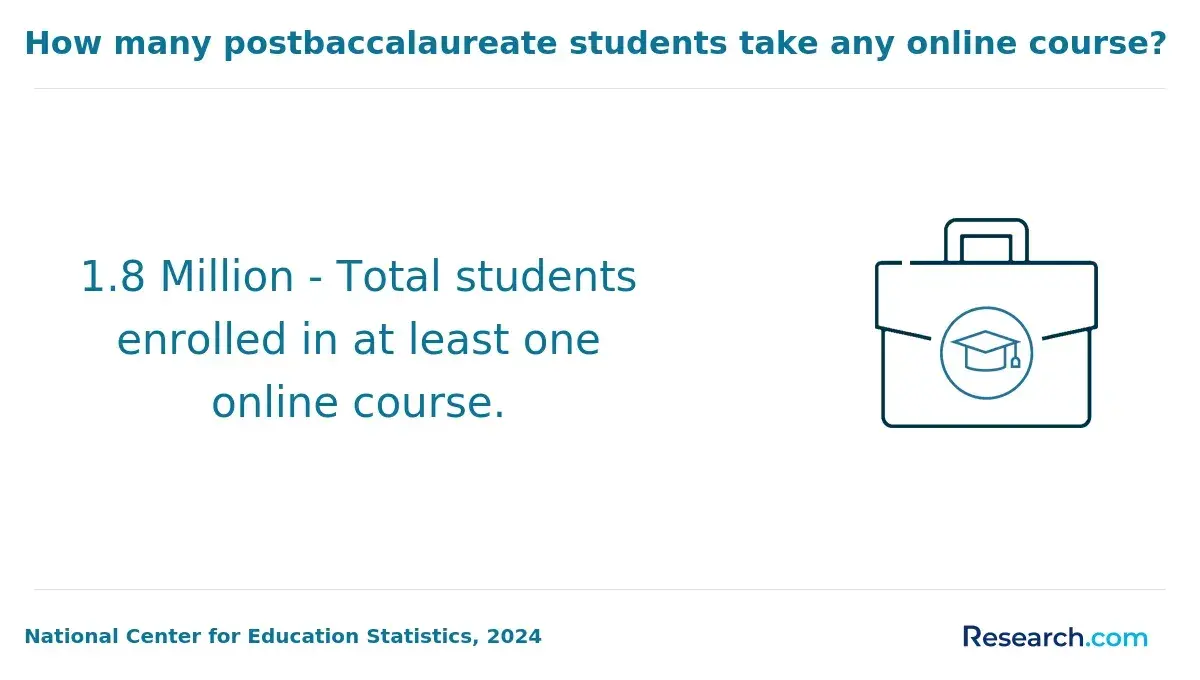
- Research from the National Center for Education Statistics highlights online enrollment growth among adult learners, underscoring timing and access advantages in bridge-inclusive programs, though these may entail higher tuition and extended cost commitments.
What Are Applied Psychology Master's Programs With Bridge or Foundation Courses, and Who Are They Designed For?
Applied psychology master's programs with bridge or foundation courses respond to a critical bottleneck in graduate admissions: students who lack the conventional prerequisite coursework face an all-or-nothing barrier that excludes many qualified but non-traditional candidates. Unlike standard programs requiring applicants to complete undergraduate psychology fundamentals before admission, these integrated pathways embed essential prerequisites within the graduate curriculum itself. This design particularly addresses career changers and recent graduates whose majors fall adjacent to but do not satisfy direct admission criteria. For example, a professional shifting from education or healthcare fields can enter graduate study without the time and financial costs of separate post-baccalaureate certificates or second degrees, embedding foundational knowledge alongside master's-level content.
Typically, these foundation courses cover core theories, research methods, and statistics and must be sequenced carefully-usually taken either prior to or concurrently with graduate-level specialization courses. This sequencing extends the overall program length by about one or two semesters, a tradeoff balancing accessibility with academic rigor. Institutions offering such programs range from public research universities to private online providers, reflecting varied approaches to flexibility, pacing, and financial aid eligibility. Those who benefit most include career changers, adjacent-major graduates, and working professionals requiring an integrated, flexible route into advanced applied psychology training.
- Barrier Addressed: Overcomes prerequisite gaps that block entry for non-psychology undergraduates and career changers.
- Program Integration: Foundation courses embedded within the master's curriculum to replace separate prerequisite study.
- Course Sequencing: Foundation courses typically precede or run concurrently with graduate core courses, extending study time.
- Time Impact: Program length usually increases by one to two semesters to accommodate foundational coursework.
- Institutional Range: Offered by diverse universities aiming to widen access and streamline credentialing.
- Ideal Candidates: Career changers, adjacent-major graduates, and working professionals requiring flexible, integrated pathways.
Which Accredited U.S. Universities Offer Applied Psychology Master's Programs With Built-In Bridge or Foundation Courses?
Choosing an applied psychology master's program with integrated bridge or foundation courses can significantly impact career changers and professionals juggling work commitments, as it often determines whether prerequisite gaps are managed efficiently within a single graduate trajectory. Opting for programs that embed foundational coursework reduces time-to-degree and avoids the complications tied to separate post-baccalaureate prerequisite programs, but candidates must weigh tradeoffs like conditional admission and course sequencing flexibility.
- Public Universities: Institutions such as the University of Central Florida, the University of Missouri-Kansas City, and the University of Illinois Springfield exemplify publicly accredited programs that offer master's tracks including built-in foundation courses. These options are predominantly found in teaching-oriented public institutions regionally accredited and usually requiring conditional admission, helping students without direct undergraduate preparation transition smoothly while maintaining recognized credential standards.
- Private Nonprofit Universities: Hofstra University, Pepperdine University, and Lesley University represent private, nonprofit schools with tailored foundation sections embedded directly within the master's curriculum. These programs cater well to career changers or those from adjacent academic backgrounds, supported by advising frameworks that mitigate the risk of extended time to degree and optimize integration of prerequisite content without separate enrollment.
- Online-Focused Institutions: Online universities like Capella University, Walden University, and Southern New Hampshire University provide asynchronous foundational modules integrated in the degree path. This model is especially relevant for working professionals requiring flexible, part-time study patterns, balancing career demands with the acquisition of foundational competencies needed for graduate-level applied psychology study.
Identifying such bridge or foundation programs demands direct verification via official sources: institution program webpages, accreditation bodies, and the Integrated Postsecondary Education Data System (IPEDS) offer the most reliable data. Third-party aggregators frequently lack currency and precision in noting conditional admission policies or embedded prerequisite course details. Prospective students should proactively contact admissions offices to clarify evolving program constructs and confirm financial aid eligibility since bridge offerings often incur distinct cost and aid considerations. This due diligence aligns expectations with actual program capacity and ensures career timelines remain feasible under program constraints.
What Specific Bridge or Foundation Courses Are Commonly Required Before Full Admission to a Applied Psychology Master's Program?
Admission to an applied psychology master's program often hinges on completing prerequisite bridge or foundation courses that fill gaps in essential knowledge and skills. Candidates without a directly relevant undergraduate background face varying academic expectations designed to ensure a baseline competence before fully engaging with graduate-level challenges. Decoding this landscape requires attention to how programs tailor these courses based on both institutional accreditation standards and the applicant's prior academic preparations.
- Discipline-Specific Coursework: These generally include foundational classes such as introductory psychology, behavioral science statistics, research methods, and biological psychology. Their presence reflects the critical need to establish core principles that underpin applied psychology, particularly for students transitioning from unrelated fields.
- Graduate Readiness Courses: Some programs supplement discipline-specific courses with training in academic writing, ethics, or critical thinking to equip students with graduate-level scholarly skills without mandating an additional formal degree.
- Assessment Methods: Institutions commonly determine required foundation courses via transcript evaluations, placement exams, or standardized admission metrics. Prospective students should inquire about this process to anticipate how their academic histories influence prerequisite loads.
- Program and Accreditation Variability: Requirements differ widely, reflecting the diversity of program focus and accreditation demands. A recent graduate with an adjacent bachelor's degree might face fewer prerequisites than a career changer entering without psychology coursework.
- Impact on Time and Cost: The extent and nature of required bridge courses can substantially affect program length, tuition expenses, and workload-key factors for working professionals balancing other commitments.
- Admissions Queries: Prior to enrollment decisions, candidates should clarify if conditional admission applies, how bridge courses integrate into the degree path financially and academically, and what flexibility exists. This due diligence helps manage realistic expectations.
How Do Bridge or Foundation Courses in Applied Psychology Master's Programs Differ From a Traditional Post-Baccalaureate or Second Bachelor's Degree?
Bridge or foundation courses embedded in an applied psychology master's curriculum provide a notably different route compared to pursuing a separate post-baccalaureate certificate or a second bachelor's degree. For career changers and those lacking direct undergraduate preparation, integrating prerequisite content into graduate study can drastically reduce time and financial barriers, enabling simultaneous progression toward a master's credential without pausing professional commitments.
- Program Structure: Unlike standalone post-baccalaureate certificates or second bachelor's degrees that precede master's admission as separate credentials, bridge courses are woven into the graduate program itself, allowing concurrent completion of foundational and advanced coursework.
- Time to Credential: Layering prerequisite material within the master's reduces overall study duration. Post-baccalaureate routes add months or even years before starting graduate-level study, while second bachelor's degree paths typically demand the longest time investment.
- Cost and Financial Aid: Master's programs with embedded bridge courses generally qualify for federal aid once enrolled, improving affordability relative to post-baccalaureate certificates that often lack aid eligibility. Second bachelor's degrees tend to be costly with limited financial assistance because they repeat undergraduate content.
- Credential and Employer Recognition: Employers prioritize the master's degree, but some competitive programs may prefer applicants with post-baccalaureate certificates as evidence of dedicated prerequisite mastery, potentially limiting bridge course acceptance in selective admissions.
- Flexibility for Working Students: Integrated programs commonly offer part-time or online formats that suit employed learners, whereas separate prerequisite programs may require more rigid full-time study commitments.
- Strategic Admissions Considerations: Candidates targeting top-tier applied psychology graduate programs often benefit from completing a post-baccalaureate certificate to strengthen academic readiness and candidacy before applying.
- Holistic Planning: Applicants should rigorously assess total credit loads, cumulative time-to-degree, and financial aid availability for each pathway to align choices with personal, professional, and financial priorities.
One graduate recalled applying to an applied psychology master's program with embedded bridge courses amid rolling admissions. Initially hesitant, they delayed application to improve readiness, uncertainty mounting over prerequisite acceptance policies. During this waiting period, competing offers emerged for post-baccalaureate certificates, but the graduate ultimately valued the time-efficient route and federal aid access the integrated program provided. The staggered admissions timeline required careful navigation yet ultimately enabled a smoother transition without pausing employment, underscoring how nuanced timing and program flexibility can decisively influence non-traditional students' trajectories.
What Are the Admission Requirements for Applied Psychology Master's Programs That Include a Bridge or Foundation Component?
Applied psychology master's programs with bridge or foundation courses deliberately lower traditional admission barriers for those without a relevant undergraduate background, recognizing diverse academic histories. This flexibility typically means applicants with less or no prior psychology coursework can access graduate study but face a rigorous introductory phase designed to address these gaps swiftly and thoroughly.
- Undergraduate GPA Thresholds: Minimum GPA expectations often hover around a 3.0 on a 4.0 scale but are more accommodating than standard programs, which may also assess prerequisite-specific grades. This broader baseline allows candidates from varied disciplines to qualify, though it signals the need for strong performance during bridge coursework.
- Required Documents: Core application materials-transcripts, recommendation letters, and personal statements-remain standard. Some programs request a statement of intent clarifying the applicant's motivation for shifting into applied psychology, reflecting an emphasis on candidate readiness and clarity of purpose.
- Standardized Test Policies: Unlike traditional pathways often requiring GRE scores, many bridge-inclusive programs waive these tests, focusing on holistic evaluation rather than standardized metrics, a tradeoff that may shift emphasis onto academic and experiential evidence.
- Professional Experience: Relevant work or volunteer roles can strengthen an application but usually aren't mandatory. The presence of a bridge component suggests admissions committees prioritize potential and adaptability over prior specialization.
Conditional Versus Direct Admission: Conditional admission requires successful completion of bridge coursework before full master's enrollment, which can limit financial aid options and complicate credit transfers. Direct admission to the combined pathway admits students to all phases upfront, often easing progression and access to resources.
This model suits career changers and recent graduates from adjacent fields but demands disciplined time management and a solid foundation in quantitative and scientific skills to navigate the intensive bridge phase and transition smoothly into graduate-level study.
What Is the Minimum GPA Requirement for Applied Psychology Master's Programs With Bridge or Foundation Courses, and How Does Prior Academic Background Affect Eligibility?
Admission to applied psychology master's programs with bridge or foundation courses typically requires a minimum undergraduate GPA threshold that, while often lower than standard master's programs, still signals meaningful academic aptitude. This gap in GPA criteria reflects the program's role in preparing candidates without a traditional applied psychology background for graduate-level rigor, but applicants should weigh this flexibility against workforce expectations and program demands. For professionals shifting careers without an applied psychology bachelor's, or recent graduates with adjacent majors, understanding these GPA standards is crucial to realistically evaluate admission chances and map preparatory steps.
- Minimum GPA Requirements: Most accredited bridge-inclusive programs set a baseline GPA near 3.0 on a 4.0 scale, though some admit candidates with GPAs as low as 2.7 when supplemented by strong professional experience or relevant coursework. This contrasts with standard applied psychology master's programs that often require 3.2 or higher, illustrating a comparatively wider acceptance range but still maintaining academic integrity.
- Impact of Prior Academic Background: Programs consider undergraduate majors carefully; applicants without applied psychology degrees face more stringent scrutiny, as institutions assess the coherence of prior coursework and its applicability. The impact of undergraduate record on applied psychology admission extends beyond GPA, incorporating course relevance and academic trajectory.
- Non-Traditional Applicant Evaluation: When GPA falls below typical thresholds, bridge programs place greater emphasis on professional experience, personal statements, and recommendation letters, allowing candidates to demonstrate graduate readiness in alternative ways, which is key for career changers balancing work and study.
- Conditional Admission Options: Conditional or probationary admissions tied to successful completion of foundation courses give applicants a pathway to prove preparedness despite lower GPAs, but these conditions often extend time to degree and may affect financial aid eligibility.
- Supplemental Coursework and Experience: Applicants near or below minimum GPA requirements can enhance admissibility by completing post-baccalaureate coursework or accruing relevant work experience. This deliberate effort aligns with how institutions value practical readiness alongside academic metrics.
Choosing programs that integrate bridge courses offers a practical route for diverse applicants, but requires balancing admission flexibility with the program's academic demands and eventual employability conditions. For those seeking flexible graduate options without pausing careers, resources such as ultrasound tech online programs demonstrate how specialized pathways can accommodate ongoing work commitments alongside advancing credentials.
How Many Additional Credit Hours Do Bridge or Foundation Courses Add to a Applied Psychology Master's Program, and How Does This Affect Total Cost and Time-to-Degree?
Bridge or foundation courses in applied psychology master's programs typically add between 6 and 18 credit hours, with the range reflecting key factors like program accreditation, the candidate's prior academic background, and whether these courses are embedded within the degree or required externally as non-degree prerequisites. Programs admitting students from unrelated fields usually mandate more extensive leveling coursework, effectively lengthening the path to completion. For instance, fast track programs like 12-credit bridge curriculum at a $700 per-credit tuition rate can add roughly $8,400 to total expenses, whereas programs with 6 bridge credits add about half that amount. This difference materially affects affordability, often outweighing per-credit rate advantages found in some programs.
Beyond direct tuition, added credits prolong time-to-degree, particularly for part-time students managing employment, which introduces indirect costs such as lost income and sustained living expenses. These opportunity costs amplify financial pressure and may delay workforce entry or progression in a new career. It is crucial for applicants to confirm if bridge credits apply toward the master's degree or stand apart, as this impacts financial aid options and final credential recognition. Evaluating total required credits-including bridge and core components-is essential before drawing conclusions about program cost-efficiency or duration.
- Primary Delivery Formats: Online, hybrid, and on-campus options cater to diverse scheduling needs of working professionals.
- Admission Requirements: Vary by academic background, with some programs offering conditional admission pending bridge course completion.
- Prerequisite Credit Loads: Generally range from 6 to 18 credits depending on the student's prior preparation.
- Time-to-Degree Impact: Additional credits frequently extend completion timelines by one or more semesters, especially for part-time learners.
- Financial Considerations: Total cost must reflect combined bridge and core credits plus the indirect costs tied to extended enrollment.
A graduate recalled applying to a program with rolling admissions and initially hoped to bypass extensive bridge coursework due to related undergraduate studies. However, conditional admission was offered, requiring 9 bridge credits that extended their timeline by a semester. Facing uncertain delays and the need to arrange part-time work adjustments, they hesitated before committing. Ultimately, completing the bridge courses integrated into the degree plan allowed steady progression without extra semesters beyond that initial extension. The experience underscored how timing and clarity about prerequisite credits critically influence planning for finance and career continuity.
What Types of Students Are Best Suited for Applied Psychology Master's Programs With Bridge or Foundation Courses?
Students best suited for applied psychology master's programs with bridge or foundation courses generally face a tradeoff between credential accessibility and extended time-to-degree, requiring deliberate evaluation. These programs serve those without a traditional psychology undergraduate but who aim to enter graduate studies without undertaking separate prerequisite certificates. For example, a career changer holding a sociology bachelor's degree who seeks to pivot into applied psychology roles within health systems benefits from bridge courses that provide foundational knowledge while maintaining employment. However, data from recent enrollment trends show that students lacking immediate access to flexible scheduling often defer or drop out of such extended programs, signaling the importance of time and financial management for these candidates.
- Academic Readiness: Ideal candidates hold a strong undergraduate GPA in an adjacent field such as sociology, education, or health sciences, proving their ability to handle graduate-level analysis and critical thinking requirements.
- Professional Motivation: They exhibit clear intent to shift careers or deepen expertise in applied psychology, understanding how the master's integrates with their long-term goals.
- Time and Financial Flexibility: Candidates must accommodate the increased duration and additional tuition required for the bridge coursework embedded within the program.
- Work and Life Balance: Often mid-career professionals who need schedules blending foundation and advanced topics without interrupting employment or personal obligations.
Conversely, those who have already completed substantial applied psychology coursework may find bridge programs redundant, unnecessarily prolonging their studies. Additionally, prospective students targeting credential-specific, highly selective roles often require direct admission pathways without bridge components to avoid conditional acceptance and to align with employer preferences. A rigorous self-assessment of academic background, career timeline, financial runway, and professional objectives remains essential before selecting a bridge-inclusive program.
For career changers from related but nonpsychology fields, such as bioinformatics, understanding relevant bioinformatics career paths can also inform how applied psychology intersects with their evolving professional trajectory and the practical value of integrated graduate credentials.
Are Bridge or Foundation Courses in Applied Psychology Master's Programs Offered Fully Online, On-Campus, or in a Hybrid Format?
The format in which bridge or foundation courses are delivered within applied psychology master's programs significantly shapes accessibility, student engagement, and educational outcomes. A common challenge arises when the delivery of these foundational courses differs from the primary master's curriculum, demanding unexpected on-campus commitments that disrupt flexibility and increase costs for working professionals and those outside the institution's geographic region.
- Fully Online: Online bridge courses for applied psychology master's programs often use asynchronous or synchronous formats to accommodate working adults and those residing remotely. While this enhances scheduling flexibility and reduces commuting expenses, the lack of hands-on components-such as labs or clinical demonstrations-may limit practical skill mastery critical for later program phases.
- On-Campus: Requiring physical presence, on-campus foundation courses offer immersive experiential learning and supervised practice opportunities. However, this format confines enrollment to those who can bear additional housing and travel expenses and may interrupt ongoing employment.
- Hybrid: Hybrid and on-campus foundation courses in applied psychology combine online theoretical instruction with periodic in-person sessions to balance accessibility with essential skill application. Still, such hybrid arrangements necessitate careful time management and may involve travel that some students find prohibitive.
- Format Consistency: Programs frequently present a mismatch in delivery mode between bridge and core phases. For instance, a fully online master's program preceded by on-campus foundation courses can impose unexpected residential demands, complicating financial planning and work-life balance for nontraditional students.
- Program Transparency: Applicants should specifically inquire about delivery formats for all program components rather than assuming uniform online accessibility. Misunderstandings here risk logistical disruptions and may affect preparedness for advanced coursework and employer expectations regarding practical competency.
Deciding on a program also requires evaluating whether an online bridge phase adequately equips students for the rigor of the master's core curriculum, especially given the applied psychology field's focus on practical skills. Prospective students balancing careers should consider these tradeoffs carefully to avoid surprises that could delay completion or degrade skill acquisition. For those exploring related workforce pathways, resources detailing how to become an athletic director may offer complementary insights into career trajectories requiring similarly integrated education and experiential components.
What Is the Average Cost of the Bridge or Foundation Component in Applied Psychology Master's Programs, and How Does It Affect Total Program Investment?
The cost structure of the bridge or foundation component in applied psychology master's programs directly shapes total program investment and influences practical decisions for career changers and working professionals. Many accredited programs bill bridge credits at the same per-credit rate as master's core coursework, apply a reduced rate, or bundle these courses into a flat program fee. This variability means applicants must carefully assess whether paying a premium for integrated bridge courses-convenient but often more expensive-offers sufficient value compared to completing prerequisites separately through community colleges or online certificates, which may be cheaper but lack seamless program continuity and may extend time to degree.
For example, a professional pivoting from an unrelated field with limited time may accept higher costs in exchange for an accelerated, all-inclusive pathway, knowing that employers increasingly value timely credential completion. Conversely, recent graduates with flexibility might opt for lower-cost prerequisites, potentially reducing total debt load despite longer timelines.
- Cost Range: Bridge components commonly range from $2,000 to $10,000, influenced by credit hours, institution type, and geography.
- Billing Structure: Tuition for bridge credits may align with core master's rates, be discounted, or consolidated into flat fees, affecting predictability and total expenses.
- Hidden Costs: Additional fees-including technology access, proctoring, materials, and clinical practicum components-can increase bridge phase costs by 10-20%, impacting budget planning.
- Total Program Impact: Integrated bridge and core tuition often raise overall program expenses by 25-40% versus master's programs without foundation coursework.
- Comparison With Alternatives: Comparing costs and timelines of bridge-integrated programs against post-baccalaureate certificates plus master's or second bachelor's plus master's is essential to identify the most cost-effective route given individual circumstances.
- Financial Aid Considerations: Eligibility for federal aid and scholarships may differ between pathways, substantially influencing net cost and accessibility.
- Decision-Making Advice: Requesting detailed, itemized tuition and fee breakdowns upfront helps avoid unexpected financial burdens and supports informed enrollment decisions.
What Graduates Say About Applied Psychology Master's Programs With Bridge or Foundation Courses
- Eddie: "Balancing a full-time job and family meant my time was tight, so I chose a program with foundation courses to bridge gaps quickly. While I couldn't pursue full licensure immediately, I gained a solid portfolio through remote internships that helped me land a position as a behavioral health coordinator. The job isn't the clinical role I hoped for, but it gave me practical experience and flexibility I didn't expect."
- Sage: "Switching careers from marketing was daunting, especially with my limited budget and no prior psychology background. I opted for a program offering bridge courses to get me qualified faster. That decision paid off when I secured a research assistant role during my studies, which employers valued more than credentials alone. Still, I'm aware advancement might require additional certifications down the line."
- John: "I enrolled in a master's program with foundation courses to speed up entry into the mental health field, despite my initial hesitation about workload. The rigorous pace meant competing for internships was tough, but I managed to build a concise portfolio that impressed local clinics. However, I quickly learned that without licensure, my salary growth and scope of practice are limited, so I'm now planning my next steps accordingly."
Other Things You Should Know About Applied Psychology Degrees
Students in bridge or foundation courses typically face strict minimum grade requirements-often a B or better-to progress into the master's core. These benchmarks reflect the need to demonstrate sufficient mastery of fundamental concepts that many programs treat as gatekeepers for advanced coursework. Failure to meet these standards can delay graduation or result in dismissal, so applicants should prioritize programs with transparent policies and support structures that mitigate risks of academic probation. Understanding this, prospective students must realistically assess their capacity for rigorous catch-up work alongside potentially ongoing professional commitments.
Students transitioning through the bridge or foundation phase of applied psychology master's programs in 2027 can often access various forms of financial support, including federal aid, scholarships specific to psychology, and employer tuition benefits. Institutions may offer scholarships tailored to bridge or foundation phase students to promote accessibility and alleviate financial burdens.
The inclusion of bridge or foundation courses generally does not diminish a graduate's professional recognition when the master's degree is fully accredited; however, employer perception can vary based on program reputation and structural transparency. Licensing boards typically evaluate credentials based on core degree requirements rather than prerequisite coursework, but extended time-to-completion caused by foundational classes may raise concerns in some certification timelines. Applicants should seek programs with clear accreditation and publicized graduate outcomes to minimize ambiguity during credential evaluation by hiring managers and licensing entities.
Prospective students should weigh how bridge coursework integrates with the full master's curriculum, focusing on options that allow seamless credit transfer and avoid lengthening total degree time excessively. Programs with conditional admissions tied to prerequisite completion often carry higher academic pressure and uncertainty; thus, prioritizing those providing full admission with embedded foundation courses offers clearer pathways and psychological security. Additionally, analyzing graduate employment rates, internship placements, and licensure pass statistics alongside cost and scheduling flexibility establishes a balanced assessment that addresses both academic and career objectives.
References
- 2024's Top Online Master's in Psychology Programs in California (CA) https://www.onlinemastersdegrees.org/best-programs/psychology/california-ca/
- Psychology Grad School Guide & Requirements | Psychology.org https://www.psychology.org/resources/graduate-application-guide/
- IMPORTANT LINKS https://www.fmarion.edu/psychology/graduatestudies/
- Prerequisites for a Masters in Psychology: 5 Helpful Pieces - Prereqcourses https://www.prereqcourses.com/prerequisites-for-a-masters-in-psychology/
- Return on Investment For an Online Psychology Degree https://www.onlinepsychologydegrees.com/articles/return-on-investment-for-an-online-psychology-degree/
- How Does a Combined Bachelor’s and Master’s Degree Program Work? https://www.albany.edu/psychology/communications/combined-bachelors-masters-degree-program
- Fully Funded Master's Programs in Psychology | ProFellow https://www.profellow.com/fellowships/fully-funded-ma-programs-in-psychology/
- Shippensburg University - Applied Psychology, MS https://www.ship.edu/programs/applied-psychology-ms/
- Masters in Psychology | Online Masters in Psychology | University of Phoenix https://www.phoenix.edu/online-psychology-degrees/psych-masters-degree.html
- MS in Applied Psychology - Online Master's Program - ECOK https://online.ecok.edu/online-degrees/master-of-science-in-applied-psychology/