
2027 Applied Psychology Degree Careers Ranked by Salary, Growth, and Work-Life Balance

Co-Founder and Chief Data Scientist
Choosing a career path with an applied psychology degree often raises complex questions-how to balance salary with growth potential and maintain a healthy work-life balance. For instance, although some roles boast salaries exceeding $90,000 annually, others may offer slower financial growth despite better lifestyle flexibility.
According to the U. S. Bureau of Labor Statistics, employment in psychology-related fields is projected to grow 8% through 2031, emphasizing opportunities alongside challenges in work-life harmony. This article ranks applied psychology degree careers by salary, career growth, and quality of life-guiding readers toward informed, strategic career decisions.
Key Things to Know About Applied Psychology Degree Careers Ranked by Salary, Growth, and Work-Life Balance
- Applied psychology careers with the highest salaries often require advanced degrees-clinical psychologist positions average $81,000 annually, reflecting specialized expertise and licensure benefits.
- Fields such as industrial-organizational psychology are projected to grow 14% through 2030, outpacing many other roles and indicating strong future employment opportunities.
- Work-life balance varies-school psychologists report more regular hours compared to clinical roles, enabling sustainable schedules that support long-term career satisfaction.
How Are Applied Psychology Degree Careers Evaluated and Ranked Across Salary, Growth, and Work-Life Balance?
Careers in applied psychology require evaluating more than just salary to understand true career quality. This article uses a three-pillar framework to rank opportunities based on salary, career growth, and work-life balance-offering a well-rounded view for those pursuing roles in this field. Such a multidimensional approach provides a richer perspective than earnings alone, helping readers align career choices with personal values and life goals.
- Salary: Median salaries are drawn from the U.S. Bureau of Labor Statistics (BLS) Occupational Employment and Wage Statistics, providing a solid benchmark of typical earnings across various applied psychology roles.
- Career Growth: Employment projections over the next decade from the BLS highlight which careers are expected to expand, offering insights into future job stability and advancement potential.
- Work-Life Balance: This pillar is measured by synthesizing qualitative and quantitative data from sources like the American Time Use Survey, Glassdoor reviews, and industry-specific workforce satisfaction studies, capturing important lifestyle factors such as schedule flexibility, stress levels, and overall job satisfaction.
Integrating these pillars, the rankings serve as a practical decision-making tool rather than a definitive list. Individual priorities vary-some may prioritize manageable stress and flexible hours over top-tier salaries. Consequently, readers are encouraged to consider which aspects matter most for their personal and professional aspirations.
The article compares five key applied psychology career paths: clinical psychologist, industrial-organizational psychologist, school psychologist, counseling psychologist, and human factors specialist. Each is evaluated for how well it balances earning potential, growth opportunities, and sustainable work-life balance, helping students and professionals navigate career choices with a comprehensive perspective. Those interested in expanding their credentials might also explore specialized pathways such as DNP programs online for related fields.
Which Applied Psychology Degree Career Paths Offer the Highest Starting and Mid-Career Salaries?
Regional salary variations are considerable, influenced by local demand, cost of living, and industry concentration. Private versus public sector employment and company size also affect compensation trajectories across careers.
Industrial-Organizational Psychology: Careers in this field consistently rank among the top for applied psychology degree salary ranges in the United States. Entry-level salaries typically start around $65,000, advancing to over $110,000 mid-career. The pay premium is largely due to their critical role in enhancing organizational efficiency and employee productivity and a limited supply of experts in this niche. Salaries are notably higher in large private corporations, especially in metropolitan centers, compared to public sector positions.
Human Factors Specialist: With median starting pay near $60,000 and mid-career earnings around $105,000, human factors specialists blend psychology and technical expertise to improve system design and user experience. High barriers to entry, such as specialized training and certifications, drive their above-average compensation. Those employed by defense contractors or technology companies generally earn more than those in academia or government roles.
Clinical Research Coordinator: This role commands starting salaries near $55,000 with growth to about $95,000 mid-career. Demand remains robust due to the growing focus on evidence-based health interventions and the economic value of managing clinical trials efficiently. Private pharmaceutical firms often provide higher pay than public institutions.
Market Research Analyst: Starting salaries hover around $50,000, with professionals earning up to $90,000 after a decade. Strong analytical skills combined with consumer behavior insight fuel success in sectors like advertising and consumer goods. Employer size and location significantly influence compensation.
Ergonomics Consultant: Early-career consultants earn about $55,000, increasing to nearly $88,000 mid-career. The role's importance in workplace safety and injury prevention boosts pay, especially in high-risk industries like manufacturing and healthcare. Those with certifications and experience in private consulting in urban areas earn the most.
Readers may explore the geographic section for a deeper understanding of salary differences by location. For those exploring their options in health-related fields, reviewing the cheapest accelerated nursing programs could provide useful insights.
Mid-career earnings for applied psychology professionals vary widely across these paths, reflecting both salary potential and career growth outlook alongside work-life balance considerations.
What Do the Bureau of Labor Statistics Job Growth Projections Reveal About the Future of Applied Psychology Degree Careers?
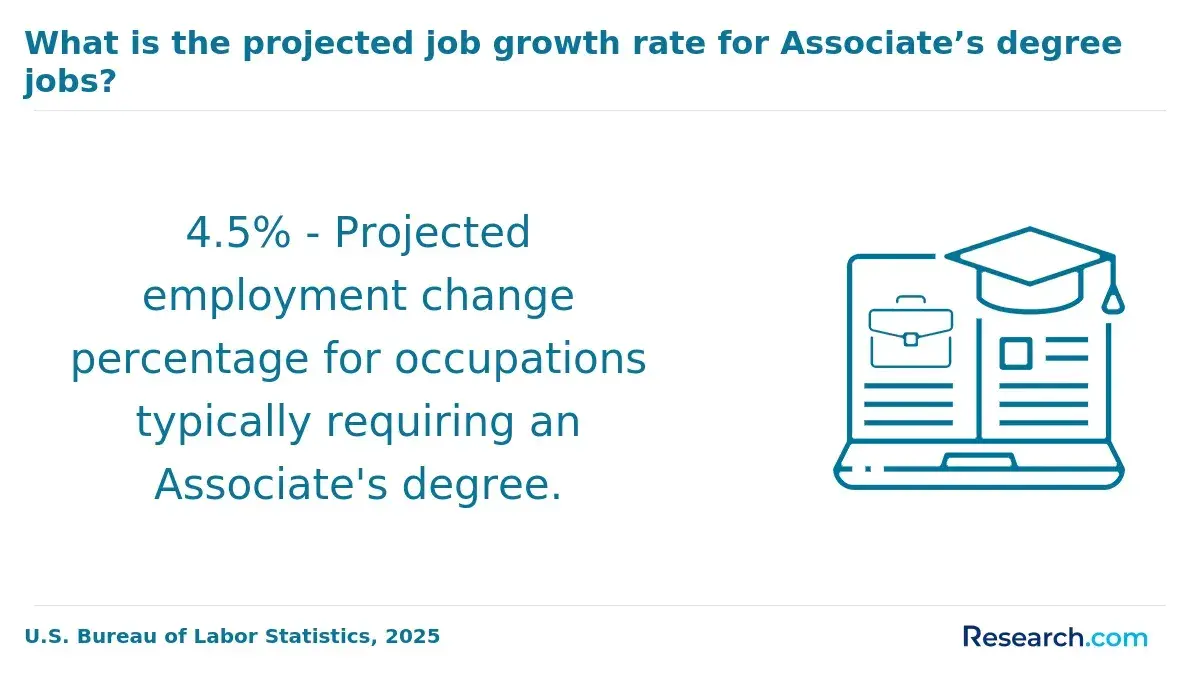
The Bureau of Labor Statistics (BLS) predicts varied growth rates across career paths for applied psychology graduates, with some rising notably faster than the national employment average of about 5% over the next decade. These distinctions highlight opportunities for individuals to align their career choices with fields experiencing genuine expansion.
- Clinical and Counseling Psychologists: Anticipated growth of roughly 8% benefits from heightened public focus on mental health and expanded healthcare policies incorporating psychological care. An aging population also elevates demand for mental health services tailored to older adults' unique needs.
- Industrial-Organizational Psychologists: Growth near 7% stems from increasing employer investment in workforce well-being, productivity, and analytics-driven human resources-factors driven by technological innovation and shifting business priorities.
- School Psychologists: With growth around 9%, this sector gains momentum from stronger emphasis on student mental health, special education, and policy-driven funding for school-based psychological support.
- Human Factors Specialists: Projected to grow about 6%, this niche benefits from booming technology adoption requiring expertise in designing intuitive, user-centered systems, particularly amid rising automation and artificial intelligence.
- Flat or Declining Areas: Some roles, including various social service positions, may see stagnant or shrinking demand due to automation and budget constraints. Professionals here can sustain momentum by developing niche specializations, earning certifications, or shifting to higher-growth contributions.
- Regional and Sector Differences: BLS projections reflect national averages, but job prospects differ widely by location, industry concentration, and policy climates, emphasizing the importance of considering local conditions when planning.
Reflecting on what BLS projections reveal about the future of applied psychology careers, one professional who completed an applied psychology degree shared how initial optimism met real-world complexity. "Transitioning from school to work wasn't straightforward," he noted. Navigating choices between stable but slower-growing sectors and emerging disciplines required thoughtful evaluation of growth data alongside personal interests and lifestyle goals. He emphasized the value of staying adaptable: "Understanding these trends helped me pivot when one path stalled, ultimately leading to a role that balances challenge with a manageable schedule." This experience highlights how applied psychology graduates can use labor projections not only as indicators of opportunity but as tools for ongoing career navigation.
Work-life balance in applied psychology careers involves multiple measurable factors beyond just hours worked. This article assesses average weekly hours, schedule predictability, remote or hybrid work availability, paid time off norms, and employee satisfaction scores from platforms like Glassdoor, Indeed, and Payscale. These metrics provide a comprehensive view of how professionals manage job demands alongside personal priorities, reflecting real-world experiences across sectors.
Among applied psychology degree job paths, clinical psychologists often encounter 40-45 hour weeks with less predictable schedules due to client needs. Industrial-organizational psychologists experience more stable hours and greater remote work options, contributing to higher work-life balance ratings. School and counseling psychologists fall in between, influenced by employer type-private practice versus public institutions-and sector distinctions such as healthcare, education, or corporate settings. These findings draw on BLS American Time Use Survey data, emphasizing how balance varies by employer and career focus.
Career stage also impacts work-life balance metrics for applied psychology careers in the United States. Early-career practitioners usually face longer hours and reduced flexibility while building clients or research credentials. Mid-career professionals often report increased schedule control and better paid time off, as workforce surveys show. Recognizing this, workers can strategically select employers and negotiate terms that align with their lifestyle goals to improve balance.
- Schedule Predictability: Varies by role and employer; organizational psychology roles tend to report more stability.
- Weekly Hours: Typically ranges between 35-50 hours; early-career roles often peak in hours.
- Remote/Hybrid Work: Common in corporate and research positions, less so in clinical practice.
- Paid Time Off Norms: Generally increase with experience and are better in private sector jobs.
- Employee Satisfaction: Ratings reflect workload, autonomy, and flexibility affecting perceived balance.
For those considering their career trajectory, understanding these work-life balance factors is key. For example, exploring concentration options or job offers in applied psychology fields can be enriched by data like those found when researching the best accredited medical billing and coding schools online, illustrating the value of evidence-based decision-making in career planning.
A balanced evaluation of salary, career growth, and work-life balance-each weighted equally-provides insight into the best career paths for applied psychology graduates. This composite score highlights roles that successfully blend financial reward, opportunity, and sustainable work conditions.
- Organizational Psychologist: Leads the ranking with a strong salary, promising job growth, and superior work-life balance, often benefiting from flexible office settings and steady demand.
- Human Factors Specialist: While salary is moderate, this role excels in growth potential due to expanding tech industry needs, combined with a favorable work-life balance.
- Clinical Research Coordinator: Offers solid compensation and growth prospects, paired with generally good work-life balance, especially valued in healthcare research environments.
- Community Psychologist: Shows moderate salary and growth but stands out for excellent work-life balance, working primarily in nonprofit or public sectors with flexible schedules.
- Industrial-Organizational Consultant: Features a competitive salary and steady growth, though work-life balance may be challenged by client expectations and demands.
- Health Psychologist: Maintains consistent scores across salary, growth, and balance, reflecting steady healthcare-driven demand and typical clinical workload.
- Talent Development Specialist: Balances good career growth and work-life harmony, despite offering a somewhat lower salary than other positions, favoring advancement in supportive environments.
Those prioritizing income tend to favor industrial-organizational consulting and organizational psychology roles, while individuals focused on lifestyle may lean towards community psychology or human factors, both known for flexibility and less stressful hours. Adjusting these rankings based on personal values ensures career choices align with individual goals.
A professional who built her career after completing an applied psychology degree shared how she navigated job offers by considering more than just salary figures. She reflected, "I realized the importance of work-life balance early on-high pay isn't everything if stress and long hours overwhelm you." Taking time to evaluate growth potential and daily workload helped her select a role that supported both her ambitions and wellbeing. This balanced approach allowed her to sustain enthusiasm for her work and maintain a fulfilling personal life, echoing the composite ranking's emphasis on multiple factors rather than a single metric.
Specializing within applied psychology shapes career outcomes distinctly in salary, growth, and work-life balance, with each area offering unique advantages and challenges.
- Industrial-Organizational Psychology: This specialization commands some of the highest salaries, exceeding generalist roles by up to 30%. Job growth is robust, spurred by increasing employer focus on workforce wellbeing and productivity. However, consulting demands may strain work-life balance, though in-house positions often provide more predictable schedules.
- Clinical Health Psychology: Salaries grow moderately amid strong demand in healthcare due to mental health provider shortages. Career progression can be slowed by licensing hurdles and required supervised clinical hours. Work-life balance varies widely-private practitioners enjoy flexible hours, while hospital settings may require on-call availability.
- School Psychology: Known for favorable work-life balance aligned with academic calendars, this field tends to offer lower salaries than other specializations. Nonetheless, job growth remains solid due to heightened recognition of student mental health. Entry involves specialized certifications and internships integrated in graduate programs.
- Forensic Psychology: While salaries are competitive and linked to governmental and legal contracts, workload intensity and irregular hours can challenge personal time. Growth prospects are moderate and often tied to public funding levels. Early training emphasizes forensic coursework and legal system internships.
- Human Factors Psychology: This emerging area focuses on technology interface design, boasting high salary potential and rapid expansion fueled by the tech sector. Work-life balance tends to be positive, supported by flexible corporate policies and remote work options.
Early decisions on specialization-through targeted graduate courses, certifications, and internships-deeply influence starting salaries and career trajectories. Focused expertise improves earning ceilings but may limit role flexibility. Conversely, generalists who cultivate strategic leadership and broad skills can surpass specialists in senior positions by managing diverse organizational challenges. According to a 2023 BLS report, applied psychology jobs are growing 8% annually, outpacing average growth and especially favoring those with advanced specialized degrees.
Geographic location significantly influences median salaries, employment growth, and work-life balance for applied psychology graduates, reflecting variations in economic strength, industry mix, and living costs across U.S. regions.
- Northeast: Cities like New York City and Boston offer some of the highest salaries due to dense healthcare and corporate sectors. However, these gains often diminish when factoring in high housing costs and long commutes, which can reduce disposable income and affect work-life balance despite promising employment growth.
- Southeast: This region tends to provide moderate salaries and faster job growth driven by expanding healthcare and educational services. Metropolitan areas such as Atlanta combine opportunity with relatively affordable living, supporting better work-life balance for many applied psychology professionals.
- Midwest: Known for stable employment and moderate wages, the Midwest, including cities like Chicago, offers lower costs of living. Smaller markets here often provide superior purchasing power after adjusting for housing and taxes, which translates to improved financial outcomes and lifestyle satisfaction.
- Southwest: Areas like Dallas and Phoenix show above-average salary growth with growing opportunities. Cost of living varies widely, but some suburban and smaller metropolitan markets strike a favorable balance between income and expenses, enhancing work-life quality.
- West: San Francisco and Seattle lead with the highest median salaries due to demand in technology and healthcare. Elevated housing expenses often erode purchasing power. However, the rise of remote and hybrid work enables many professionals to earn salaries benchmarked to these high-cost regions while living in more affordable areas, improving their overall lifestyle.
Graduates and professionals in applied psychology should consider geographic strategy as a key element in career decisions. The best location depends on specific career goals and personal priorities, such as commute times, community connections, and affordability, to optimize salary potential, job growth, and sustainable work-life balance simultaneously.
Applied psychology roles in the private sector generally offer higher base salaries across entry, mid, and senior levels compared to public sector positions. Entry-level salaries in private firms can exceed public agency pay by 15 to 25 percent. Mid-career professionals in private industry often see a similar or larger gap, while senior roles may command substantially higher compensation due to performance bonuses and profit-sharing opportunities.
However, this gap narrows significantly when factoring in the total compensation value of public sector benefits such as defined-benefit pension plans, eligibility for various loan forgiveness programs, and sometimes superior health coverage options. These benefits provide long-term financial security and reduce personal expenses, effectively increasing the public sector's relative compensation beyond what salary figures alone convey. This holistic view is essential for anyone comparing public sector applied psychology careers salary growth and balance.
Public sector demand is notably growing within federal agencies focused on veterans' health, social services, and educational policy, driven by increased infrastructure investment in mental health programs and demographic changes like aging populations. State and local government agencies show moderate expansion.
In contrast, private sector hiring robustly targets corporate organizational development, human factors, and user experience research, especially within tech companies and healthcare firms. These private employers actively recruit applied psychology graduates to meet market trends emphasizing employee wellness and consumer behavioral insights. While private sector growth tends to be more volatile, it can accelerate swiftly with innovation cycles. Considering the public sector applied psychology careers salary growth and balance together helps clarify these differing trajectories for prospective job seekers.
Careers in public sector applied psychology typically offer more predictable schedules, comprehensive leave policies, and generally higher employee satisfaction related to work-life balance. Civil service rules often limit mandatory overtime and provide generous vacation and sick leave accruals. That said, work-life balance varies widely by role and agency-some social service positions demand unpredictable hours due to client needs.
In private sector roles, flexibility such as remote work options or varied shifts may be available, but they often come with higher performance pressures and less guaranteed leave, with startups and high-growth firms frequently reporting lower satisfaction compared to established corporations. Those interested in applied psychology might also explore complementary fields, such as those detailed in dietetics masters programs, which can offer alternative career paths.
Advanced degrees and certifications in applied psychology significantly influence salary premiums, career growth acceleration, and work-life balance. Understanding the return on investment (ROI) of each credential type helps professionals prioritize education that aligns with their career goals.
- Master's Degree: Offers a 15-25% salary premium over a bachelor's per NACE data. Generally requires 2 years of full-time study, costing $20,000-$60,000. This credential unlocks specialized roles in industrial-organizational psychology, human factors, and senior HR positions with increased responsibility and managerial potential, fostering solid career growth.
- Doctoral Degree (PhD or PsyD): Leads to senior research, clinical, or academic roles with salary increases often exceeding 30% relative to bachelor's holders, according to BLS statistics. It demands 4-7 years of study, with widely varying costs by institution. Doctoral credentials enable independent clinical practice, tenure-track faculty positions, and leadership in niche sectors-offering greater autonomy and schedule flexibility but often accompanied by higher workloads and stress.
- Professional Certifications (e.g., Certified Professional in Learning and Performance or Board Certified Behavior Analyst): Usually attainable within a year through additional training and examinations. These certifications typically provide 10-20% salary boosts and access to niche career paths unavailable to degree holders alone. They can enhance work-life balance by enabling consulting or part-time opportunities, though some roles demand intensive client interaction.
Work-life balance differs by credential and career path-doctoral-level roles often provide more control over schedules, whereas some certifications might increase client-facing demands. Professionals should weigh time and costs against their specific career objectives in applied psychology salary growth and certifications improving work-life balance for applied psychology careers-avoiding credential accumulation without strategic purpose.
Investing in the right qualification maximizes earnings, advancement, and lifestyle sustainability. For those seeking specialized credentials, exploring PMHNP certificate programs can offer additional focused pathways within related psychological fields.
In a 2023 survey by Owl Labs, 58% of applied psychology professionals working remotely reported greater job satisfaction than their in-person counterparts, highlighting the expanding value of flexible work arrangements in this field.
Remote and hybrid work options are most common in organizational and human factors psychology, where over 40% of professionals report at least partial location flexibility, according to the BLS American Time Use Survey and LinkedIn Workforce Insights. In contrast, clinical and counseling psychologists generally need consistent onsite presence for evaluations and therapy, with fewer than 15% able to work remotely, as noted by Owl Labs' State of Remote Work report.
Applied psychology jobs offering remote work tend to have salaries on par with traditional roles, especially in corporate or technology sectors. Some specialized consulting positions do offer a modest salary boost for remote work, benefiting practitioners who live in lower-cost areas while earning metropolitan-level wages. Hybrid roles, however, often maintain regional pay differences more strictly, limiting such geographic arbitrage advantages.
Early worries about slower advancement for remote or hybrid psychologists have lessened as flexible work gains acceptance in certain subfields. Organizational psychologists report similar promotion rates regardless of work location when feedback and mentorship systems are in place. Conversely, clinical psychologists reliant on in-person supervision may face limited remote advancement opportunities, making geographic location a more critical factor in career progression.
Remote work clearly reduces commute time and increases control over schedules, promoting better integration of personal and professional life. Yet, research also flags challenges such as blurred boundaries and an "always-on" mindset, which can strain some individuals depending on personality and home setting. Those with dedicated workspaces and strong self-discipline typically thrive, while others may struggle to separate work from home life.
Careers in applied psychology that balance salary, growth, and work-life quality typically emerge in fields where flexible schedules, clear role boundaries, and reliable demand intersect. Data from Glassdoor, PayScale's Work-Life Balance Index, and the BLS American Time Use Survey highlight several roles that meet these standards simultaneously-offering not just competitive compensation or advancement, but a sustainable professional lifestyle overall.
- Organizational Psychologist: Commonly employed by medium to large corporations or consulting firms, these professionals enhance workplace dynamics and efficiency.
- Work environments often feature regular hours complemented by growing remote or hybrid options.
- Strong demand stems from a focus on employee wellbeing and managing organizational transitions.
- Work-life harmony is supported by project-driven tasks with few urgent interruptions.
- Human Factors Specialist: Focused on improving human-technology interaction, they work across industries like aerospace, healthcare, and software.
- Schedules generally have structure with some flexibility to support cross-disciplinary work.
- Rising importance of ergonomic and user-centered design fuels steady growth and attractive pay.
- Work-life balance benefits from predictable projects but may vary across sectors.
- Rehabilitation Counselor: Operating mainly in healthcare, nonprofits, or government, they aid individuals overcoming disabilities.
- Roles mix office-based and community engagements with adaptable hours.
- Demographic trends and healthcare expansion encourage solid career growth.
- Work-life balance is often favorable due to limited overtime and clear client-care limits.
It is crucial to recognize that perceptions of work-life balance vary with management, team culture, and personal limits. These career rankings provide a useful lens to begin employer research-not an assurance of specific role conditions. According to a 2023 PayScale report, over 60% of applied psychology professionals placed flexible scheduling as key to job satisfaction, reflecting the field's increasing emphasis on balance.
What Graduates Say About the Applied Psychology Degree Careers Ranked by Salary, Growth, and Work-Life Balance
- Kian: "Choosing applied psychology was one of the best decisions I ever made. The salary potential certainly stands out, but what impresses me more is the steady long-term career growth-you can really build something meaningful over time. Plus, the day-to-day work-life balance is surprisingly manageable, which has allowed me to maintain my personal interests alongside my career."
- Leonard: "Reflecting on my journey in applied psychology, I see how vital it is to weigh career factors carefully. While the salary at entry can vary, the prospects for advancement are promising with dedication. I've also learned that finding roles that offer a balanced work-life rhythm is essential for long-term satisfaction and success."
- David: "From a professional standpoint, applied psychology careers offer an intriguing mix of financial rewards, growth opportunities, and quality of life. In my experience, prioritizing jobs that balance a strong salary with manageable daily responsibilities makes all the difference. It's this combination that truly defines a fulfilling career in the field."
Other Things You Should Know About Applied Psychology Degrees
Salaries and growth prospects vary widely across industries employing applied psychology graduates. For example, healthcare and corporate sectors usually offer higher pay and clearer advancement paths compared to nonprofit or educational fields, which can sometimes provide better work-life balance but lower overall compensation. Choosing the right sector often means weighing financial goals against personal priorities like flexible hours and job satisfaction.
Applied psychology graduates can optimize their long-term outcomes by gaining relevant certifications, specializing in high-demand subfields, and seeking roles with progressive responsibilities early on. Developing strong networking and leadership skills also enhances career growth potential. Early investments in these areas often lead to better salary trajectories and more control over work schedules in mid-to-senior level positions.
The most useful credentials are board-certified behavior analyst certification from the Behavior Analyst Certification Board, Project Management Professional from PMI, and SHRM-CP for HR roles. These are relevant when graduates move into behavioral consulting, program management, or industrial-organizational psychology, and employers often prefer 1–3 years of related experience.
- Work–life balance - Wikipedia https://en.wikipedia.org/wiki/Work%E2%80%93life_balance
- Applied Psychology Career Scope, Skills & Salary – 2025 Stats https://www.upes.ac.in/blog/liberal-studies/applied-psychology-scope-and-careers
- Fastest Growing Careers In Psychology | Psychology.org https://www.psychology.org/resources/fastest-growing-careers-in-psychology/
- Work-Life Balance in Psychology: 12 Examples and Theories https://positivepsychology.com/what-is-work-life-balance/
- Top 5 Highest-Paying Psychology Careers - Rivier Academics https://www.rivier.edu/academics/online/resources/program-resources/top-5-highest-paying-psychology-careers-rivier-university/
- The Hidden Cost of Flexibility: How Remote Work Shapes Mental Health and Work Life Balance https://sites.aub.edu.lb/datavisualization/2025/11/24/the-hidden-cost-of-flexibility-how-remote-work-shapes-mental-health-and-work-life-balance/
- Public versus Private Sector Job Satisfaction https://ecpr.eu/Events/Event/PaperDetails/9308
- What they don’t tell you about psychology careers… | BPS https://www.bps.org.uk/psychologist/what-they-dont-tell-you-about-psychology-careers
- Work-Life Balance and Resilience - iResearchNet https://business-psychology.iresearchnet.com/industrial-psychology/work-life-balance/
- The Rise of Hybrid Work: Redefining Work-Life Balance https://blog.radancy.com/2025/02/06/the-rise-of-hybrid-work-redesigning-work-life-balance/


