
2027 Fastest-Growing Careers for Applied Psychology Degree Graduates

Co-Founder and Chief Data Scientist
Career seekers with an applied psychology degree often face uncertainty about which paths lead to robust job growth and strong earnings. Current labor market data show that employment for roles requiring applied psychology expertise is projected to grow 14% through 2032-much faster than the average for all occupations. This growth reflects increased demand in healthcare, human factors, and organizational development sectors where psychological principles solve real-world problems.
This article analyzes employment projections, salary trends, and hiring data to identify the fastest-growing career fields for applied psychology graduates and provides strategic guidance to help readers align their skills with these expanding opportunities.
Key Things to Know About the Fastest-Growing Careers for Applied Psychology Degree Graduates
- Employment projections from the Bureau of Labor Statistics indicate a 19% growth in clinical and counseling psychology roles-much faster than average-driven by increased mental health awareness and expanding healthcare access.
- Labor market analytics highlight rising demand for industrial-organizational psychologists in tech and corporate sectors, offering strong salary growth and leadership opportunities linked to workplace well-being.
- Current hiring trends show public health and human factors specialties gaining traction, with geographic accessibility improving due to telehealth expansion and interdisciplinary project collaborations.
Which Applied Psychology Degree Career Paths Are Experiencing the Fastest Job Growth in the United States Right Now?
The U.S. labor market is experiencing significant momentum in fields suited for graduates with an applied psychology degree, with the latest Bureau of Labor Statistics (BLS) Employment Projections highlighting rapid growth areas shaped by demographic shifts, policy changes, and technological progress. The highest demand is concentrated in roles that bridge psychology with evolving societal and workplace needs.
- Behavioral Health Technicians: Rising mental health awareness and expanded insurance coverage are driving job growth, particularly in treatment for substance abuse and behavioral disorders across healthcare and community settings.
- Industrial-Organizational Psychologists: Businesses increasingly rely on these specialists to boost employee productivity, satisfaction, and retention, fueled by advances in data analytics and remote work technology.
- School Psychologists: Increased focus on student mental health and learning disabilities is spurring growth, as policy initiatives push for early intervention and inclusive education programs.
- Social and Community Service Managers: Demand grows for leadership in welfare and justice programs targeting underserved communities, supported by government and nonprofit investment addressing social inequality.
- Human Factors Specialists: With technology integrated into daily life, these experts improve the safety and usability of interactive systems in sectors like healthcare and transportation, benefiting from ergonomic design innovations.
These occupations stand out amid changing labor market needs, reflecting both social priorities and technological integration in ways not seen before. This dynamic environment offers high-demand job opportunities for applied psychology degree holders across the US. As graduates evaluate these fastest-growing careers for applied psychology degree graduates in the United States, they can align their skills and credentials strategically.
For those considering further study, exploring short DNP programs may offer complementary pathways in healthcare-related roles. The following sections will delve into qualifications, career advancement, and strategies to thrive in these emerging opportunities.
What Does the Bureau of Labor Statistics Project for Applied Psychology Degree Employment Over the Next Decade?
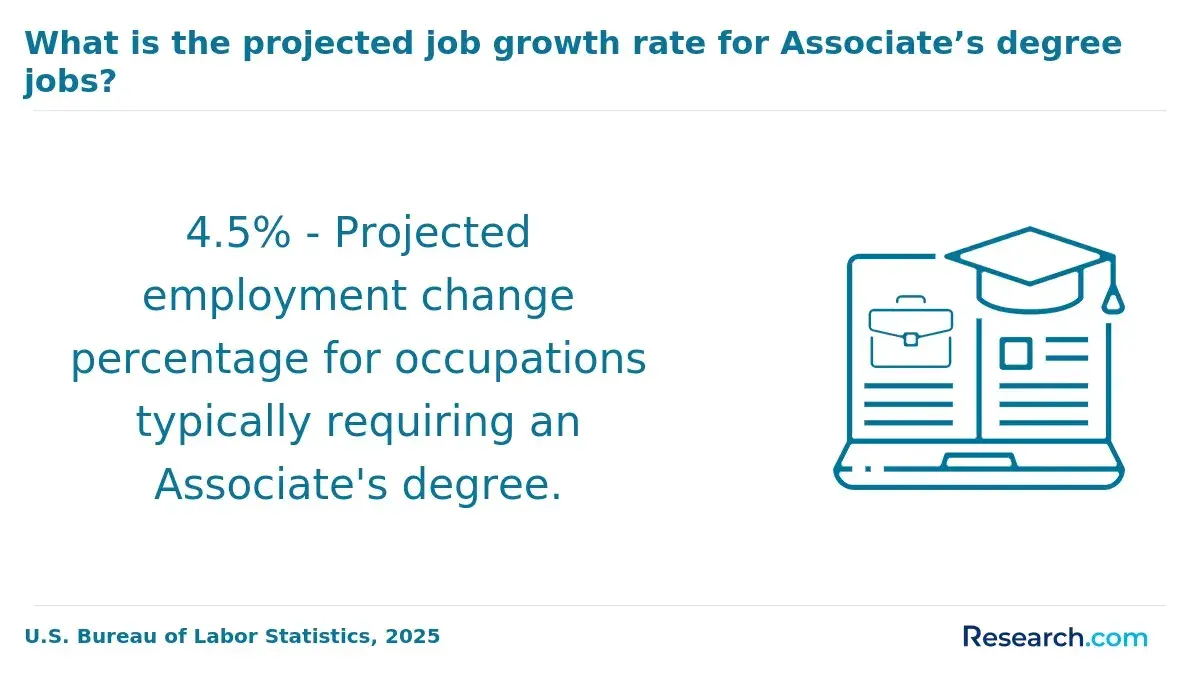
The Bureau of Labor Statistics (BLS) projects steady growth in occupations tied to applied psychology degree holders over the next decade, suggesting strong opportunities within this field compared to the national average growth rate of about 5% from 2022 to 2032. This outlook reflects evolving workplace needs, demographic shifts, and expanded healthcare services fueling demand for these professionals.
- Clinical and Counseling Psychologists: Expected to grow approximately 10%, roughly double the national average, as increased mental health awareness drives expansion in schools, healthcare, and workplace services.
- Industrial-Organizational Psychologists: Anticipated growth of around 12%, led by businesses prioritizing employee well-being and organizational effectiveness amid rapidly changing work dynamics.
- Social Workers and Behavioral Specialists: Projected growth ranges from 7% to 9%, supported by aging populations and government initiatives targeting substance abuse and developmental disorders.
- Human Factors Specialists: With technology integration accelerating, demand is expected to rise near 11%, focusing on optimizing user experience and safety across sectors including manufacturing and healthcare.
- Retirements and Workforce Turnover: An aging workforce among current applied psychology professionals creates significant openings for new graduates entering the field.
- Policy Influence: Legislative pushes for mental health parity and workplace well-being are expanding funding, boosting program growth, and increasing need for applied psychology expertise.
Sector Expansion: Growing healthcare, education, and corporate sectors underline sustained demand for applied psychology specialists skilled at transforming behavioral insights into effective interventions.
It is essential to recognize these projections offer a national average outlook; actual employment growth will vary, with some metropolitan and rural areas experiencing higher or lower demand based on local demographics, healthcare infrastructure, and economic factors. Navigating these regional trends is crucial for graduates mapping their career paths in applied psychology.
Graduates interested in broadening their qualifications might explore related fields, such as a healthcare administration course, to enhance their competitive edge in expanding healthcare environments.
How Do Emerging Technologies and Industry Disruptions Create New Career Opportunities for Applied Psychology Graduates?
Emerging technologies and industry disruptions are rapidly transforming the landscape of the modern workforce, creating a multitude of new opportunities for professionals across various fields. For applied psychology graduates, these changes open doors to innovative roles that leverage their understanding of human behavior, cognitive processes, and mental health in novel and impactful ways.
- Artificial Intelligence: AI's rapid growth is creating demand for professionals skilled in designing user-focused algorithms and ethical AI systems. Positions like human factors specialists, AI behavior analysts, and ethical AI consultants call for expertise in cognitive psychology, decision-making processes, and emotional dynamics-core areas within applied psychology. Graduates with foundational machine learning knowledge and data analysis skills are well positioned to help make AI technologies more user-friendly and socially responsible.
- Digital Health Transformation: The expansion of telehealth and remote monitoring has introduced roles such as digital health coaches, telebehavioral therapists, and health technology usability specialists. Success in these roles requires understanding behavior change theories and strategies to engage patients effectively. Applied psychology graduates offer valuable insight into motivation and adherence, enhancing the design and implementation of digital interventions that improve patient outcomes.
- Green Energy Transition: Shifting industries toward sustainability have generated new opportunities in change management, environmental behavior consulting, and organizational psychology. Applied psychology expertise supports workforce adaptation and promotes eco-friendly behavior through communication, motivation, and group dynamics. Such skills help guide companies and communities through transitions toward greener practices.
Research from the World Economic Forum and McKinsey highlights rapid job growth in these sectors, especially in AI-related roles expanding at double-digit rates. Applied psychology graduates who combine core psychological knowledge with digital literacy and data fluency increase their chances for leadership and well-compensated positions. Adaptability and cross-disciplinary competencies are vital to thriving amid these shifts and contributing to human-centered technological advances.
Jobs in rapidly growing sectors such as healthcare, technology, human resources, and education are currently in high demand for graduates with an applied psychology background. These roles leverage expertise in behavioral analysis, data interpretation, and interpersonal communication, making them well-suited for entry-level careers for applied psychology graduates seeking upward mobility.
- Mental Health Technician: Found primarily in healthcare and social services, this role involves assisting patients with daily needs and monitoring mental health, with starting salaries between $32,000 and $45,000. It provides a solid foundation for advancing into licensed therapist or counselor positions through further certification or graduate education.
- Human Resources Assistant: Common in corporate and nonprofit environments, these assistants support recruitment, onboarding, and employee engagement efforts. Entry-level pay ranges from $35,000 to $48,000. This role serves as an effective launchpad toward specialized HR careers like talent acquisition or organizational development.
- Behavioral Health Case Manager: Employed in community health and rehab services, case managers coordinate care plans and act as intermediaries between patients and providers. Salaries generally start at $40,000 to $52,000. This position is ideal for those targeting clinical case management or health program administration.
- Market Research Analyst: Within marketing and consumer behavior industries, analysts use statistical and psychological techniques to analyze data and predict trends. Starting wages typically fall between $45,000 and $58,000. This role often leads to advanced careers in consumer insight or product development strategy.
- Rehabilitation Specialist: Working in disability and vocational rehabilitation, these specialists help clients overcome barriers to employment, earning between $34,000 and $46,000 initially. It forms a stepping stone toward supervisory or clinical rehabilitation counseling roles.
Job seekers should emphasize these specific, most in-demand applied psychology jobs in the US, rather than generic terms, to improve applicant tracking system visibility. Aligning job searches and resumes with precise titles enhances long-term career development, particularly when complemented by internships, certifications, or graduate studies like a fast track program.
An applied psychology degree opens doors to a variety of exciting and rapidly growing career opportunities. With an increasing demand for mental health professionals, organizational psychologists, and research specialists, understanding the potential salary trajectory in these fields is essential for aspiring professionals. Here’s a look at what graduates can expect in some of the top five fastest-growing career paths within applied psychology.
- Human Factors Specialist: Entry salaries range from $60,000 to $75,000, typically linked to roles in usability and product design. Mid-career wages increase to between $85,000 and $110,000 as professionals gain ergonomic and cognitive system expertise. Senior-level specialists, often holding advanced certifications and leadership roles in tech firms, can earn upwards of $130,000.
- Industrial-Organizational Psychologist: Starting pay usually falls between $55,000 and $70,000, varying by sector and academic background. Those with master's or doctoral degrees may see mid-career earnings from $90,000 to $120,000. Senior positions in consultancy or corporate strategy often surpass $140,000 annually.
- Rehabilitation Counselor: Beginning salaries typically range from $40,000 to $50,000, influenced by the public sector predominance. Experienced counselors with certifications earn around $55,000 to $70,000, while those in senior or supervisory roles may reach $80,000 to $90,000.
- Market Research Analyst: Entry-level analysts make between $50,000 and $65,000, focusing on data collection and survey design. Mid-career professionals see salaries of $70,000 to $95,000, benefiting from advanced analytical tools. Senior analysts and managers command $100,000 to $120,000, reflecting increased leadership duties.
- Clinical Research Coordinator: Starting salaries are between $45,000 and $60,000, dependent on clinical or academic settings. Mid-career coordinators managing multiple studies earn $65,000 to $85,000, while senior coordinators with certifications can reach $90,000 to $110,000.
Salary progression varies widely across these fields-roles like human factors and industrial-organizational psychology offer accelerating income growth tied to credentials and management experience. Conversely, rehabilitation counseling tends to provide steadier, more moderate raises. Location, employer size, and sector significantly impact pay, making consideration of cost-of-living essential for long-term planning.
Employment prospects and wages for applied psychology degree holders vary significantly across U.S. regions due to differences in local economies, population trends, academic presence, and policy environments.
- Northeast: Job growth runs about 5% annually with median salaries near $78,000, driven by a concentration of research universities and healthcare organizations emphasizing clinical research and organizational psychology.
- Southeast: Around 7% growth with median wages close to $68,000. Expanding healthcare systems and educational institutions, coupled with rapid demographic increases, support roles in hospital psychology and community-based services.
- Midwest: Experiences moderate 4-5% growth and median pay near $70,000. Declines in manufacturing are balanced by opportunities in urban centers focused on applied research and industrial-organizational psychology.
- Southwest: Growth reaches approximately 8% with median earnings around $65,000. Population expansion and strong government and military employers generate demand in behavioral health and rehabilitation psychology.
- West: Highest growth nearing 9% and median wages exceeding $80,000 reflect the tech sector's influence, combined with university research and innovative public health initiatives.
Key metropolitan areas such as Boston, Seattle, Atlanta, and San Diego show robust hiring due to their distinct economic strengths-biotech and academic research dominate Boston, while Atlanta benefits from diverse healthcare and community health opportunities.
Local economic conditions shape demand patterns, with regions housing extensive university research infrastructure offering advanced roles in data-centric psychology fields. Rapid population growth in the Southeast and Southwest fuels need for mental health and educational psychology services. State policies that promote healthcare funding and workforce development also enhance employment prospects.
The growing prevalence of remote and hybrid roles has lessened geographic constraints for specialties like user experience research and telepsychology. However, careers relying on in-person interactions-such as clinical practice or industrial-organizational consulting-still demand physical proximity to client bases or employer hubs.
Applied psychology graduates should consider regional labor market dynamics alongside lifestyle priorities to strategically target areas with expanding industries and favorable economic conditions that support sustained career advancement.
In today’s competitive job landscape, many graduates with an applied psychology degree are exploring diverse industries to launch their careers. Understanding which sectors are actively hiring can help graduates make informed decisions and target their job search effectively. Here’s a look at the industries currently leading in employment opportunities for applied psychology degree graduates.
- Healthcare: Rising demand for mental health services and an aging population drive strong hiring of applied psychology graduates in healthcare. Common roles include clinical psychologists, behavioral health specialists, and patient advocates. Career advancement typically moves from assistant or coordinator roles to licensed psychologist positions and senior clinical or administrative leadership. Compensation generally meets or exceeds the field median, bolstered by increased public and private investment, expanded insurance coverage, and growing awareness of behavioral health's impact on physical health.
- Human Resources and Organizational Development: Organizations emphasize talent management and workplace well-being, fueling demand for applied psychology experts as organizational development consultants, talent acquisition specialists, and employee experience managers. Career paths span from HR specialist to strategic consultant or HR director. Salaries hover near the median but can surpass it within corporate headquarters and consulting firms. Key growth drivers include technology adoption and an emphasis on inclusive workplace culture.
- Technology and User Experience (UX): Applied psychology graduates find abundant opportunities as UX researchers, usability analysts, and human factors specialists amid rapid digital transformation. Career ladders often begin in research assistant roles, progressing to senior UX strategist or product manager positions. Compensation frequently exceeds the median due to specialized skills and tech sector premiums, with innovation cycles and cross-industry digital adoption sustaining demand.
- Education and Training: Roles such as educational psychologists, curriculum developers, and training coordinators support personalized learning and workforce development. Entry positions include research assistants or program facilitators, advancing to senior educator or training director roles. Salaries usually align with or slightly trail the median. Growth is driven by policy shifts toward evidence-based education and lifelong learning initiatives.
- Government and Public Policy: Public agencies hire program evaluators, policy analysts, and community outreach coordinators to advance evidence-based policymaking. Entry-level roles lead to senior program managers or policy advisors. Compensation is competitive but often below private sector levels. Hiring depends on public investment cycles and increasing demand for data-driven policy solutions.
Working across multiple industries helps applied psychology graduates diversify expertise, enhance adaptability, and mitigate sector-specific downturn risks. Assessing personal values and long-term career vision alongside labor market trends ensures graduates select sectors aligning with both professional goals and meaningful impact.
Advanced certifications for applied psychology career growth play a crucial role in enhancing both opportunity and compensation. Graduates with an applied psychology background can consider credentials that apply broadly as well as those tailored to specialized roles. Evaluating graduate credentials to boost applied psychology job prospects requires careful consideration of required investment, certification costs, and potential salary boosts.
- Licensed Professional Counselor (LPC): This widely recognized licensure across clinical, school, and counseling psychology fields demands graduate coursework, supervised clinical hours, and passing a state exam. Independent practice rights from LPC often translate into higher salaries and enhanced job security.
- Certified Applied Behavior Analyst (BCBA): Highly targeted for behavior analysis specialists, this certification requires a master's degree related to behavior analysis, significant supervised fieldwork, and an exam. The BCBA credential opens doors in healthcare, education, and developmental disability services, sectors with rapidly expanding demand.
- Master's or Doctorate in Industrial-Organizational Psychology: These graduate degrees prepare candidates for careers in human resources, organizational development, and workforce analytics. The skillset associated with these credentials reflects in salary premiums driven by advanced research and data expertise.
- Certified Neuropsychologist or Board Certification in Clinical Neuropsychology: These doctoral-level credentials require postdoctoral training and suit professionals focused on brain-behavior relationships. Strong growth prospects exist, especially in healthcare and rehabilitation.
- Project Management Professional (PMP): While not psychology-specific, the PMP is valued by applied psychology professionals aiming to manage interdisciplinary projects and teams, often accelerating advancement.
When prioritizing credential investments, one should weigh cost, time, prerequisites, and promotion potential. Licensure and advanced degrees typically offer the highest salary premiums but involve longer commitments, whereas certifications like PMP or BCBA can yield quicker returns in niche areas.
To effectively map your path, verify credential criteria with accrediting or licensing bodies, as requirements and recognition vary by state and employer. For those exploring healthcare adjunct roles related to psychology, the 4-week medical assistant program online can also be a complementary credential.
The rise of remote and hybrid work has transformed career opportunities for applied psychology graduates, especially in sectors showing the strongest growth. Recent surveys from Owl Labs indicate that 58% of the workforce occupies remote-friendly jobs - a rate that is even higher among roles tied to applied psychology, such as human resources, organizational development, and digital mental health services. These trends align closely with broader hybrid career growth trends in applied psychology jobs.
Among the fastest-growing positions offering remote options are organizational consultants, user experience researchers, and clinical program coordinators. Employers prioritize flexibility due to several factors:
- Talent Scarcity: The high demand for specialized applied psychology professionals pushes companies to expand their recruitment beyond local regions.
- Productivity Insights: Evidence shows that many remote psychology specialists maintain or exceed productivity levels when working outside traditional office settings.
- Digital Workflow Maturity: Advanced collaboration tools and virtual platforms facilitate seamless remote teamwork in areas like psychological assessment and coaching.
Financially, location-independent applied psychology professionals enjoy advantages by earning salaries benchmarked to high-cost urban markets while living in lower-cost areas. For instance, a user experience researcher making $90,000 annually in San Francisco may net only about $60,000 after housing and taxes. Residing elsewhere could boost net income by 20-30% without sacrificing salary, significantly enhancing quality of life.
Job seekers should target remote-friendly job boards and customize applications to emphasize skills in self-management, digital literacy, and virtual collaboration-qualities highly valued in distributed teams. Using these strategies can help graduates tap into the expanding remote work opportunities for applied psychology graduates.
According to the Society for Human Resource Management (SHRM), 72% of HR professionals report that roles closely associated with applied psychology now offer permanent remote work options, highlighting the sector's rapid adoption of flexible work environments.
For graduates exploring entry points or career shifts, considering programs such as accelerated direct entry MSN programs online can complement career development in health and applied psychology fields, broadening professional options.
Specializing within applied psychology can dramatically improve a graduate's earning potential, market appeal, and career advancement in rapidly growing sectors. The Bureau of Labor Statistics highlights that niche expertise boosts demand by aligning skillsets with evolving industry priorities and elevating professional standards.
- Industrial-Organizational Psychology: Focuses on employee behavior and organizational improvement, with a 13% projected job growth through 2031 and lucrative salaries tied to business impact. Advanced degrees plus certifications and corporate internships.
- Health Psychology: Examines psychological influences on physical health, with expected 14% growth supported by healthcare expansion. Roles span hospitals and community care. Graduate study with clinical training and licenses for therapy.
- Forensic Psychology: Applies psychology in legal contexts, offering salaries above general counseling due to specialized court and law enforcement work. Graduate education with forensic focus and legal internships.
- Human Factors Psychology: Enhances tech and product safety through user experience research, working often within engineering teams. Advanced interdisciplinary degrees blending psychology and design or engineering.
- Sports Psychology: Supports athlete mental conditioning amid growing focus on sports mental health, boosted by certifications and coaching experience. Specialized certifications and graduate coursework in athletic psychology.
Committing early to a specialization during graduate studies or career entry allows skill depth and credential building that command higher pay and clearer progression-but can reduce adaptability across fields. A broader path offers flexibility but may weaken competitive advantage.
Success depends on matching specialization choices with both labor market demands and personal passion. With psychology-related roles expected to grow 10% overall, targeted niches deliver stronger salary and job security, underscoring the value of aligning interests with industry trends.
The career paths for applied psychology graduates differ significantly between public and private sectors across growth, pay, and promotion prospects.
- Growth Trajectories: Public positions often show steady, predictable expansion tied to government budgets and policies. By contrast, private sector jobs-in fields like technology, healthcare, finance, and consulting-tend to grow faster due to innovation and market demand.
- Compensation Structures: Private employers usually offer higher starting salaries with performance-based bonuses, accelerating overall earnings. Public roles provide more uniform, incremental raises combined with valuable pensions and health benefits.
- Advancement Timelines: Promotions in the public sector rely on tenure and formal benchmarks, resulting in slower but systematic progression. The private sector often rewards merit with quicker advancement, though the competition and turnover rate are typically higher.
- Job Security and Benefits: Government and educational jobs deliver greater stability and retirement protections, appealing to those valuing long-term security. Private sector roles offer more entrepreneurial freedom and diverse benefits that may vary with company success.
- Hybrid Careers: Emerging initiatives-such as federal STEM recruitment programs, state workforce legislation, and public-private collaborations-foster hybrid opportunities blending sector advantages. These roles allow applied psychology graduates to capitalize on cross-sector skills and broaden professional options.
- Professional Values: Deciding between sectors requires reflection on personal priorities-whether mission-driven work, income potential, job stability, or autonomy. Optimal sector choice depends on individual goals rather than a universal standard.
Data from the BLS and public sector workforce reports underscore these contrasts, guiding graduates to align their capabilities with sectors offering the strongest growth and career fulfillment in applied psychology.
What Graduates Say About the Fastest-Growing Careers for Applied Psychology Degree Graduates
- Kian: "Graduating with a degree in applied psychology opened doors to some of the fastest-growing careers, especially in clinical and organizational psychology where advancement potential is impressive and compensation grows steadily with experience. I've noticed geographic accessibility plays a huge role-many urban centers now prioritize mental health professionals, making relocation easier and more rewarding. What really sets applied psychology graduates apart is our strong foundation in research methods combined with practical credentials which employers highly value."
- Leonard: "Reflecting on my journey through applied psychology, the career paths that stood out were those in tech-driven mental health fields like user experience research and AI behavior analysis, both showing exceptional growth and lucrative compensation trajectories. Geographic flexibility is a bonus here since remote work opportunities are expanding rapidly in this sector. The analytical and interpersonal skills developed during the program gave me a unique edge in these high-demand roles, proving invaluable in navigating complex problems."
- David: "From a professional standpoint, applied psychology graduates are well-positioned for roles in human factors and rehabilitation counseling-areas with promising advancement and competitive salaries. The accessibility of these careers varies, but many companies in both coastal and midwestern regions seek these specialties, creating nice geographic diversity. Having solid training in evidence-based practices and licensure preparedness truly distinguishes graduates in this crowded field."
Other Things You Should Know About Applied Psychology Degrees
The strongest hiring areas in 2027 are healthcare, education, human resources, and behavioral health services. Employers in hospitals, schools, corporate talent teams, and community agencies seek graduates who can support assessment, training, conflict resolution, and client or employee wellbeing.
Internships offer vital hands-on experience and networking opportunities that increase employability in high-growth applied psychology areas. Graduates should seek internships that align with industry trends like organizational psychology, behavioral health, or human factors. Early career roles that involve multidisciplinary collaboration also help build transferable skills necessary for advancement.
Joining associations such as the American Psychological Association (APA) or the Society for Industrial and Organizational Psychology (SIOP) provides access to conferences, mentorship programs, and job boards. Engaging with online forums and attending workshops can foster connections that lead to career opportunities. Regular networking ensures awareness of evolving job market demands and emerging specializations.
- Top 10 Highest Paying Jobs with Psychology Degree 2025 | Nexford University https://www.nexford.edu/insights/highest-paying-jobs-with-psychology-degree
- 14 Exciting Psychology Careers in High Demand https://www.ucumberlands.edu/blog/14-exciting-psychology-careers-high-demand
- Entry-Level Psychology Jobs - Choose From Many Career Opportunities https://www.tuw.edu/school-news/best-entry-level-psychology-jobs/
- Public vs. Private Sector Jobs: Choosing a Career Path https://tsengcollege.csun.edu/blog/public-vs-private-sector-jobs-choosing-a-career-path
- Public vs Private Sector Careers: Salary, Stability, Benefits, and How to Choose https://www.crawljobs.com/blog/public-vs-private-sector-jobs-career-guide/
- Applied Psychology Career Opportunities & Paths https://jgu.edu.in/opjgublog/applied-psychology-career-opportunities/
- Innovating at the Intersection of Psychology and Technology | Palo Alto University https://paloaltou.edu/resources/blog/psychology-and-technology-careers
- Career options in psychology | BPS https://www.bps.org.uk/career-options-in-psychology
- Question https://www.gauthmath.com/solution/1986291618184324/The-U-S-Bureau-of-Labor-Statistics-predicts-that-jobs-in-psychology-will-_-over-
- Navigating Career Paths with a Psychology Graduate Certificate - Global Gurus https://globalgurus.org/navigating-career-paths-with-a-psychology-graduate-certificate/


