2027 Are Too Many Students Choosing Applied Psychology? Oversaturation, Competition, and Hiring Reality

Co-Founder and Chief Data Scientist
A recent graduate with an applied psychology degree faces intense competition for limited roles such as organizational consultant or behavioral analyst. With over 15,000 students earning bachelor's degrees in applied psychology annually in the U. S., many find it difficult to differentiate themselves amid growing applicant pools.
Despite steady demand in areas like human factors and program evaluation, employer expectations increasingly favor specialized experience and advanced credentials. This mismatch creates challenges for early-career professionals navigating economic uncertainty and shifting hiring patterns.
This article explores the extent of oversaturation, competitive pressures, and hiring realities within applied psychology to help students make informed career decisions.
Key Things to Know About the Oversaturation, Competition, and Hiring Reality in the Applied Psychology Field
- The surge in applied psychology graduates, growing by 12% annually, strains job availability, with many sectors unable to absorb the increasing workforce.
- Heightened competition elevates hiring criteria; candidates must showcase specialized skills or advanced credentials to stand out effectively.
- A clear understanding of current market saturation and employer needs helps set realistic career goals and informs strategic job search planning.
Is the Applied Psychology Field Oversaturated With Graduates?
Oversaturation in the applied psychology field occurs when the number of graduates entering the workforce surpasses the available job opportunities. This results in a surplus of qualified candidates competing for a limited number of roles.
According to the U.S. Bureau of Labor Statistics, job growth for psychologists is projected at around 3% from 2022 to 2032, which is slower than the average for all occupations. Meanwhile, the annual volume of applied psychology graduates continues to increase steadily, creating an imbalance between supply and demand.
Oversaturation leads to heightened competition among job seekers, often causing longer job searches and more interview rounds. Employers may raise hiring standards, placing greater emphasis on advanced degrees, certifications, or specialized experience.
This shifts how candidates are evaluated, focusing more on unique skills and proven outcomes rather than solely on academic credentials, especially in fields with slower growth or limited funding.
What Makes Applied Psychology an Attractive Degree Choice?
Applied psychology continues to attract a large number of students, with STEM Education Data showing a 15% increase in undergraduate enrollment over the past five years.
This steady growth reflects the field's strong appeal as an engaging and practical area of study. Many students find that a degree in applied psychology offers a meaningful balance of scientific inquiry and real-world relevance.
The appeal of applied psychology as a degree choice can be summarized through several key factors:
- Versatility: Applied psychology provides foundational knowledge applicable to diverse sectors such as healthcare, education, business, and social services. This flexibility allows students to explore various career paths aligned with their personal interests and goals.
- Research Skills: The curriculum places significant emphasis on both qualitative and quantitative research methods. This focus cultivates critical thinking and analytical capabilities essential for understanding human behavior and evaluating complex social phenomena.
- Altruistic Motivation: Many students are drawn to applied psychology due to its emphasis on helping others and effecting positive social change. Courses often include counseling, behavioral interventions, and assessment techniques, supporting a human-centered approach.
- Interdisciplinary Nature: The field intersects with related disciplines like sociology, neuroscience, and public health, enriching students' academic perspectives and providing a well-rounded education.
- Career Foundation: Earning an applied psychology degree equips graduates with versatile skills and knowledge that open multiple opportunities, including a range of applied psychology career opportunities for graduates in both traditional and emerging fields.
For those interested in complementary fast-track healthcare options, consider fast medical assistant programs that can enhance practical skills alongside psychological studies.
What Are the Job Prospects for Applied Psychology Graduates?
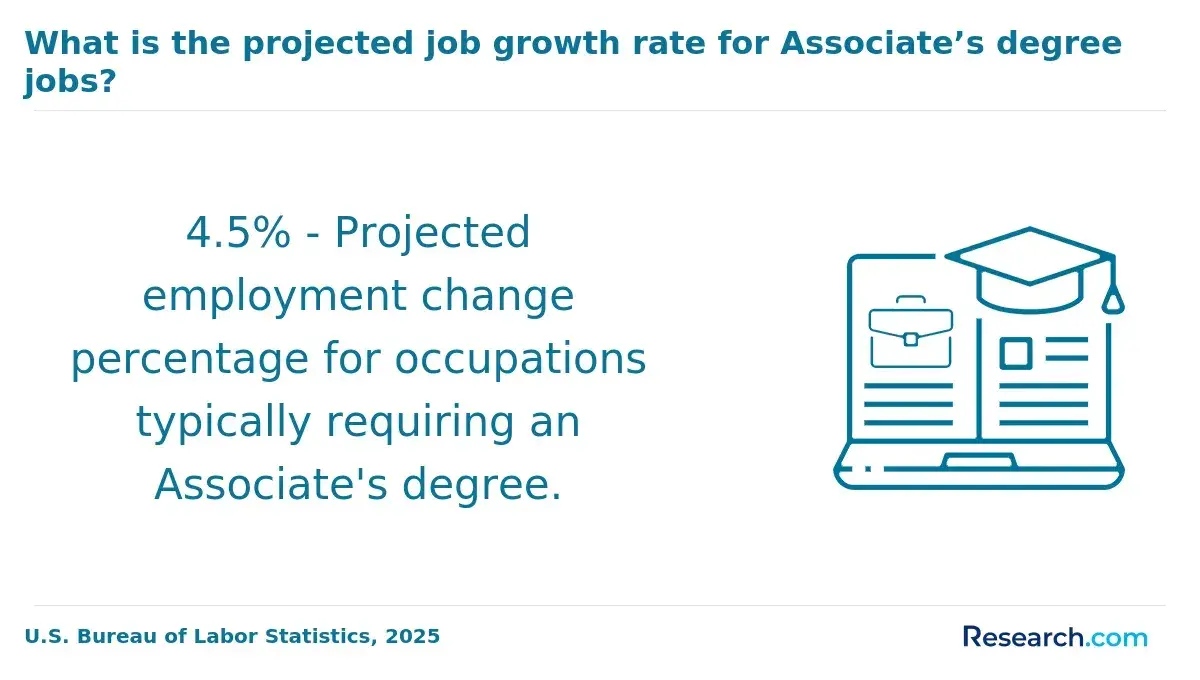
The job outlook for applied psychology graduates is steady but varies by sector and role. According to the U.S. Bureau of Labor Statistics, employment in psychology-related fields is projected to grow by approximately 8% within the next ten years, indicating moderate but stable demand. Opportunities differ depending on the specialization and region.
Below are some typical roles available to applied psychology graduates, highlighting the landscape of job prospects they might expect:
- Behavioral Therapist: These professionals usually work in clinical or educational environments, helping individuals with behavioral issues. Although demand is consistent, most positions require further certification or training beyond the bachelor's degree.
- Human Factors Specialist: Focused on improving product design and usability, these specialists are increasingly sought after in healthcare and technology industries. The role benefits from growth in ergonomic research and user-centered design.
- Industrial-Organizational Psychologist: Concentrating on workforce productivity and employee wellness, this role is often found within corporations or consulting firms. While many openings need advanced qualifications, graduates with relevant internships may access entry-level jobs.
- Research Assistant: Common as an entry point for those aiming for careers in academia or public research, these positions offer hands-on experience but tend to be temporary or contract-based, affecting long-term job security.
Sharing his experience, an applied psychology graduate described the job search as challenging, with competition intense in certain regions and sectors.
He noted, "It took multiple applications and networking efforts to secure an initial role, and the requirement for additional certifications added to the process." He also mentioned feeling uncertain at times due to the temporary nature of many early jobs but emphasized gaining valuable skills that helped advance his career.
The employment outlook for applied psychology majors in the United States shows steady growth overall, though demand varies significantly by sector.
The U.S. Bureau of Labor Statistics projects an 8% increase in psychology-related jobs from 2022 to 2032, roughly matching the average growth rate for all professions. However, competition and job availability can differ widely across career paths.
Below are some key roles highlighting current hiring trends and sector-specific demand:
- Clinical Psychologist: Demand remains consistent, particularly in healthcare and mental health services where awareness of psychological well-being is rising. Licensing requirements often restrict entry-level availability, intensifying competition for openings.
- Industrial-Organizational Psychologist: Growth in this field reflects a stronger emphasis on workplace well-being and efficiency. Job opportunities are primarily concentrated in corporate, consulting, and human resources environments.
- School Psychologist: Moderate growth is expected as schools address student mental health and learning needs. However, hiring is influenced by public education budgets and may fluctuate accordingly.
- Human Factors Specialist: Positions tied to technology and product safety are expanding in sectors like manufacturing and software development, focusing on user experience improvement.
- Market Research Analyst: Though not a traditional psychology role, applied psychology skills support strong employment growth here. The field is quite competitive given diverse applicant backgrounds.
Overall, job seekers in applied psychology should be mindful of sector-specific hiring patterns and the potential oversaturation in entry-level roles amid growing competition. For alternative study paths that ease application barriers, some may consider programs like the LPN program no TEAS required.
The job market for applied psychology graduates is known for its intense competition, largely driven by the growing number of students entering the field annually. In many psychology-related areas, the ratio of applicants to available jobs can reach as high as five to one, highlighting the challenges job seekers face.
Competition also differs between entry-level positions, which attract many candidates due to lower entry barriers, and specialized roles that require advanced education or certifications and tend to have fewer openings.
Variations in demand and qualifications create a landscape where candidates often must compete rigorously for limited opportunities.
Differences in sector demand also shape competitiveness; clinical and counseling psychology roles often require strict licensing and face tougher competition due to limited job availability.
By contrast, organizational or educational psychology roles might offer more openings but usually call for specialized skills, narrowing the candidate pool differently.
Geographic factors further influence job market intensity, with urban centers concentrating most positions and increasing selectivity, while rural areas offer fewer roles and less competition overall. These factors combine to create a complex competitive environment influenced by education, location, and sector-specific requirements.
A professional with an applied psychology degree reflected on her own job search, describing the process as "both exhausting and eye-opening." She recalled applying to dozens of positions, often facing rejections despite having relevant qualifications, which she attributed to the high volume of equally credentialed candidates.
"It felt like you had to stand out in ways beyond just the resume," she said, noting how she learned to navigate networking and specialized training to improve her chances. Her experience highlighted the resilience needed to succeed in such a competitive field while maintaining optimism about long-term career growth.
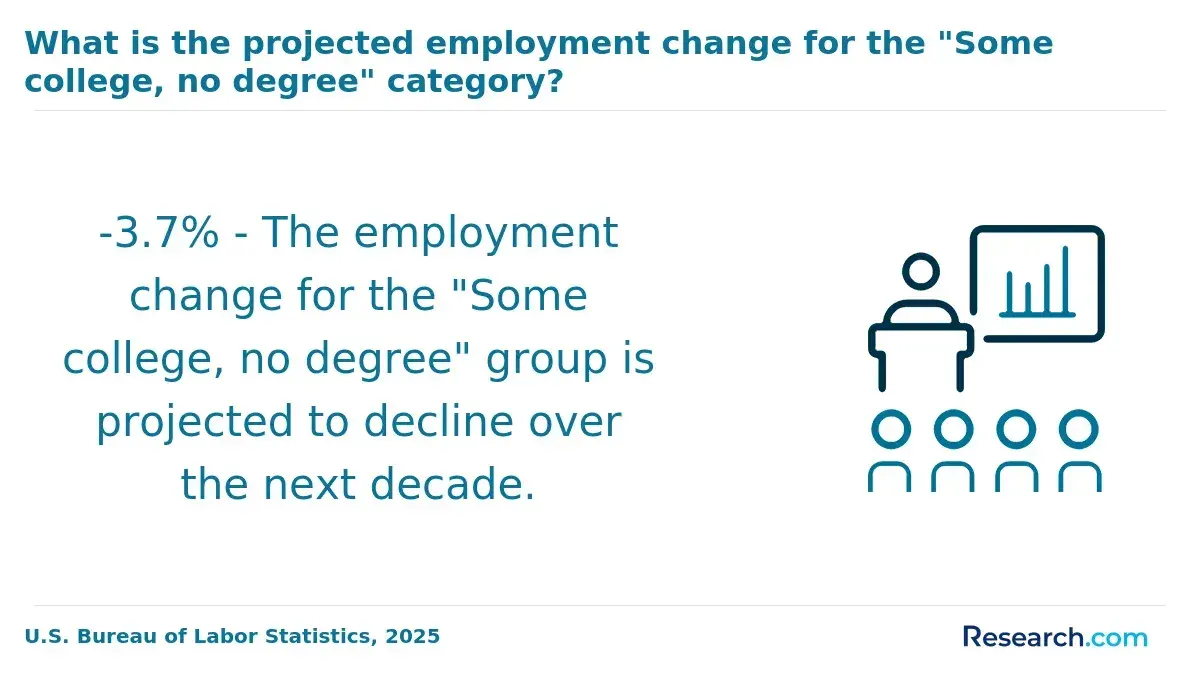
Certain applied psychology careers experience less competition due to ongoing demand, niche specialization, and more flexible entry qualifications.
For instance, school psychology faces fewer applicants per opening, with about 75% of school districts reporting shortages of qualified professionals. These factors help create more accessible opportunities in specific fields.
Below are some roles that typically have lower competition for applied psychology graduates:
- School Psychologist: Persistent staffing shortages in educational settings drive steady demand. Many districts struggle to fill these positions, resulting in a comparatively low applicant-to-job ratio.
- Industrial-Organizational Psychologist (Small Businesses): Jobs in smaller enterprises are often more geographically dispersed and less well-known, leading to fewer candidates. These roles require specialized skills that are less common among graduates.
- Rehabilitation Psychologist: Working with aging or disabled populations often involves underserved communities. The specialized nature of these roles reduces the pool of qualified applicants, easing competition.
- Community Psychologist: Positions in public health settings address broad societal needs but are scattered across regions. These jobs rarely attract large applicant pools due to their specialized focus and locations.
- Behavioral Health Specialist: This role welcomes professionals with interdisciplinary backgrounds beyond traditional applied psychology degrees. Such flexibility decreases competition strictly among applied psychology graduates.
Salary levels significantly influence job market saturation within applied psychology fields by directing where candidates choose to focus their careers. Higher-paying roles, such as clinical psychologists or organizational psychologists, often attract a larger pool of applicants, intensifying competition in these areas.
For example, the average annual salary for clinical psychologists in the United States ranges between $70,000 and $100,000, depending on location and experience.
In contrast, lower-paid positions like behavioral technicians or counseling support roles tend to face persistent vacancies due to fewer applications and less financial incentive.
This disparity in salary creates an uneven distribution of candidates, leading oversaturation to be concentrated mainly in the most lucrative specialties. Popular, well-compensated areas of applied psychology attract intense competition, while essential but lower-paid roles experience ongoing staffing challenges.
Consequently, salary-driven interest channels labor demand unevenly across the discipline, shaping the broader job market landscape and explaining why some segments are overcrowded while others remain understaffed.
Graduates with skills that blend foundational knowledge and practical application in applied psychology improve their chances of quick workforce entry despite concerns about program oversaturation.
For example, a 2023 survey by the American Psychological Association found that 68% of employers made faster hiring decisions when candidates showed strong data analysis and communication skills. These in-demand competencies for applied psychology careers enable graduates to stand out in a competitive job market.
Several key skills contribute to accelerated hiring outcomes for applied psychology graduates, especially when hiring managers must quickly identify qualified candidates.
Below are crucial skills that enhance employability and reduce time-to-hire:
- Critical Thinking: This skill helps graduates interpret complex behavioral data accurately, enabling them to solve problems effectively. Employers value candidates who reason with scientific evidence, which often leads to faster hiring decisions.
- Data Analysis: Proficiency in statistical software and research methodologies is essential, as many roles involve managing quantitative and qualitative data. Strong data skills demonstrate the ability to contribute to evidence-based projects, increasing hiring appeal.
- Communication Skills: Clear written and verbal communication facilitates teamwork and helps convey psychological concepts effectively. Candidates who articulate insights well tend to accelerate interview success and job offers.
- Adaptability: The dynamic nature of applied psychology requires flexibility to learn new approaches and techniques. Graduates who showcase adaptability meet evolving job market demands and employer expectations more readily.
- Interpersonal Skills: Building rapport with clients and colleagues is crucial for workplace integration and performance. Employers recognize strong interpersonal abilities as indicators of a successful hire.
For students aiming to boost their applied psychology graduate skills for employment success, exploring educational options like online colleges no application fee can reduce barriers while focusing on developing these critical competencies.
Graduates of applied psychology develop versatile skills that open doors beyond traditional roles like clinical or counseling psychology. Their training in human behavior, research methods, and data analysis equips them for diverse career trajectories.
This flexibility is especially valuable amid concerns about oversaturation and competition in the applied psychology job market. Some alternative career options for applied psychology graduates include:
- Human Resources and Organizational Development: Applied psychology graduates often contribute to employee assessment, training, and improving organizational culture. Their understanding of workplace behavior supports initiatives that enhance productivity and employee engagement.
- Market Research and Consumer Behavior Analysis: Graduates use skills in study design and behavioral data interpretation to analyze customer preferences. These insights guide marketing strategies and product development across various industries.
- Health and Wellness Coaching: Knowledge of psychological principles enables graduates to promote healthy lifestyle changes and mental well-being. This non-clinical career path often involves work in community programs or corporate wellness initiatives.
- User Experience (UX) Research: Graduates apply their understanding of cognitive processes to evaluate and improve digital product usability. This role ensures technology interfaces are user-friendly and accessible.
Exploring non-clinical career paths in applied psychology can help graduates circumvent traditional job market saturation, allowing them to leverage their skills in fields with growing demand. For those interested in related healthcare fields, resources on an ultrasound tech school may provide additional options worth considering.
The value of an applied psychology degree in today's job market is closely tied to how graduates tailor their career paths and areas of expertise.
While the field experiences growing interest that raises concerns about oversaturation, about 78% of graduates secure employment within a year, reflecting steady demand in various industries.
Specialization in areas like industrial-organizational psychology or behavioral health significantly enhances job prospects, as employers prioritize candidates with specific skills. Navigating the market with a clear focus is essential for those hoping to leverage the degree's potential.
Flexibility and a diverse skill set are key reasons applied psychology remains relevant, enabling graduates to work across sectors such as healthcare, social services, and organizational development.
The degree promotes critical skills in research, data analysis, and communication, all valuable in today's evolving workforce that favors multidisciplinary approaches.
Integrating knowledge from fields like data science or technology further increases competitiveness. Prospective students should also explore complementary fields such as the best online kinesiology degree programs to broaden their qualifications.
What Graduates Say About the Oversaturation, Competition, and Hiring Reality in the Applied Psychology Field
- Lauren: "Graduating with a degree in applied psychology opened my eyes to the tough hiring landscape that awaits many newcomers. I quickly realized that standing out in this oversaturated field means constantly updating skills and gaining specialized experience. It encouraged me to pursue niche certifications that set me apart and made a real difference in job opportunities."
- Gina: "Reflecting on my journey, I found the intense competition in applied psychology positions quite daunting at first. I had to weigh whether to compete aggressively for popular roles or explore related career paths with less saturation. Ultimately, this degree gave me versatile skills that allowed me to pivot toward organizational consulting, which proved rewarding and less crowded."
- Davidson: "My experience in applied psychology revealed the true hiring reality: many qualified candidates chase limited roles, making competition fierce. However, this degree provided a strong foundation that has been invaluable in my career as a behavioral analyst. Embracing continuous learning and alternative specialties has helped me thrive in an otherwise challenging job market."
Other Things You Should Know About Applied Psychology Degrees
Advanced degrees such as a master's or doctorate can significantly improve hiring prospects in applied psychology. Many specialized roles require graduate-level education, making those candidates more competitive. Employers often prefer candidates with relevant internships or research experience alongside higher qualifications.
Job opportunities in applied psychology can vary widely depending on the geographic area and industry sector. Urban centers and regions with larger healthcare, education, or corporate hubs tend to offer more positions. Conversely, rural areas may have fewer openings but also potentially less competition.
Practical experience, including internships, volunteer work, or supervised clinical hours, is crucial for applied psychology graduates. Such experience demonstrates applied skills and increases employability by bridging academic knowledge with real-world application. Employers highly value candidates who can show proven work in relevant settings.
For licensure, the program should be regionally accredited and meet the state board’s degree and practicum rules. In the United States, many psychology-related licenses also require a doctoral degree, supervised hours, and an exam such as the EPPP, but applied psychology bachelor’s degrees do not by themselves qualify.
- Social Psychology Network https://www.socialpsychology.org/market.htm
- Applied Psychology Career Scope, Skills & Salary – 2025 Stats https://www.upes.ac.in/blog/liberal-studies/applied-psychology-scope-and-careers
- Is Psychology Oversaturated Without Graduate School? - GradSimple https://gradsimple.com/is-psychology-oversaturated-without-graduate-school/
- Most Competitive vs Least Competitive Psychology Careers? https://www.thestudentroom.co.uk/showthread.php
- Fastest Growing Careers In Psychology | Psychology.org https://www.psychology.org/resources/fastest-growing-careers-in-psychology/
- Should You Change To A Degree In Psychology? Take This 5-step Test https://www.sacap.edu.za/blog/applied-psychology/psychology-degree/
- 10 Reasons I chose to study Applied Psychology https://www.davidkramaley.com/why-study-psychology
- Applied Psychology Career Opportunities & Paths https://jgu.edu.in/opjgublog/applied-psychology-career-opportunities/
- 10 Psychology Careers Worth Going to School For https://www.onlinepsychologydegrees.com/articles/10-psychology-careers-worth-going-back-to-school/
- Why choose an applied psychology degree? https://www.diploma-msc.com/blog/medical-news/why-choose-an-applied-psychology-degree