
2027 Most Recession-Resistant Careers You Can Pursue With an Applied Psychology Degree

Co-Founder and Chief Data Scientist
Graduates with an applied psychology degree often face uncertainty about job stability during economic downturns. The challenge lies in identifying careers that not only use their expertise but also remain resilient in recessions.
Recent data reveals that employment in mental health services, a key sector for applied psychology professionals, is projected to grow by 15% despite economic fluctuations, driven by increased demand for behavioral health support.
Navigating this landscape requires strategic skill-building and awareness of industries less susceptible to recession pressures. This article explores the most resilient career paths for applied psychology graduates and outlines ways to enhance competitiveness in these stable job markets.
Key Points About Recession-Resistant Applied Psychology Careers
- Clinical and counseling psychology roles remain stable during recessions due to ongoing mental health demands, with employment in these areas growing 8% faster than average according to recent labor data.
- Human factors specialists applying psychological principles to product design and workplace safety are increasingly essential, providing resilience against economic downturns by improving operational efficiency.
- Organizational psychologists support businesses in managing workforce changes and enhancing productivity—skills critical when companies prioritize stability and cost-effectiveness amid economic uncertainty.
What is the employment outlook for graduates of Applied Psychology?
The hiring landscape for graduates with an applied psychology degree is strong and steadily growing, driven by increasing demand in various professional sectors.
The U.S. Bureau of Labor Statistics forecasts a 10% growth rate for psychologists and related roles-outpacing the average for all occupations and indicating favorable applied psychology employment growth trends.
Key factors behind this robust job market demand for applied psychology graduates include the following:
- Heightened Mental Health Awareness: The rising prioritization of mental health services in healthcare, education, and workplace settings boosts demand for applied psychology professionals skilled in counseling and therapeutic support.
- Data-Driven Organizational Use: Businesses increasingly rely on psychological insights for human resources and organizational development, creating opportunities for graduates adept at behavioral analytics and strategy.
- Recession Resilience: Behavioral analysis and intervention roles remain essential in both public and private sectors-even during economic downturns-helping keep unemployment for applied psychology practitioners below average.
Graduates with specialized skills in assessment and evidence-based intervention find expanding opportunities beyond traditional clinical careers, including consulting, user experience research, and policy advising.
For those exploring accelerated entry paths into healthcare allied fields, programs like a medical assistant accelerated program complement applied psychology expertise with practical experience in a fast-paced environment.
What are the most recession-resistant careers for Applied Psychology degree graduates?
Certain roles within the field of applied psychology and adjacent industries are naturally shielded from economic volatility due to their essential or regulatory nature. Employment in these high-demand jobs with an applied psychology degree during economic downturns grows at a rate of 4%, compared to just 1.5% across all sectors.
Below are some of the most recession-resistant careers graduates can pursue:
- Clinical Psychologist: These professionals provide critical mental health diagnoses and treatments, with demand often increasing during economic recessions as mental health crises rise. Regulatory requirements in healthcare settings also help maintain consistent employment opportunities for clinical psychologists.
- Human Factors Specialist: Focusing on optimizing workplace safety and efficiency, human factors specialists ensure compliance with safety regulations, especially in manufacturing and transportation. Companies prioritize risk mitigation during downturns, reinforcing this role's stability.
- Organizational Development Consultant: These consultants help businesses adapt to economic pressures by improving employee engagement and streamlining operations. Their expertise enables strategic workforce management, making them valuable during recessions when companies aim to avoid reactive layoffs.
- Forensic Psychologist: Working at the junction of psychology and the legal system, forensic psychologists benefit from steady funding in courts, prisons, and law enforcement agencies, which remain operational during recessions. Their assessments are vital, protecting them from many budget cuts that affect other fields.
- School Psychologist: Addressing student mental health and learning challenges, school psychologists are protected by educational mandates that secure their roles even amid limited district funding. Their impact on student success makes them indispensable within educational systems.
Those exploring career options can find programs tailored for long-term stability, such as the cheapest online RN to BSN programs, which reflect a growing emphasis on accessible education pathways.
Graduates considering applied psychology degrees should note these roles consistently resist economic downturns and offer career resilience, making them prudent choices for a stable future.
In which industries can Applied Psychology degree holders find work?
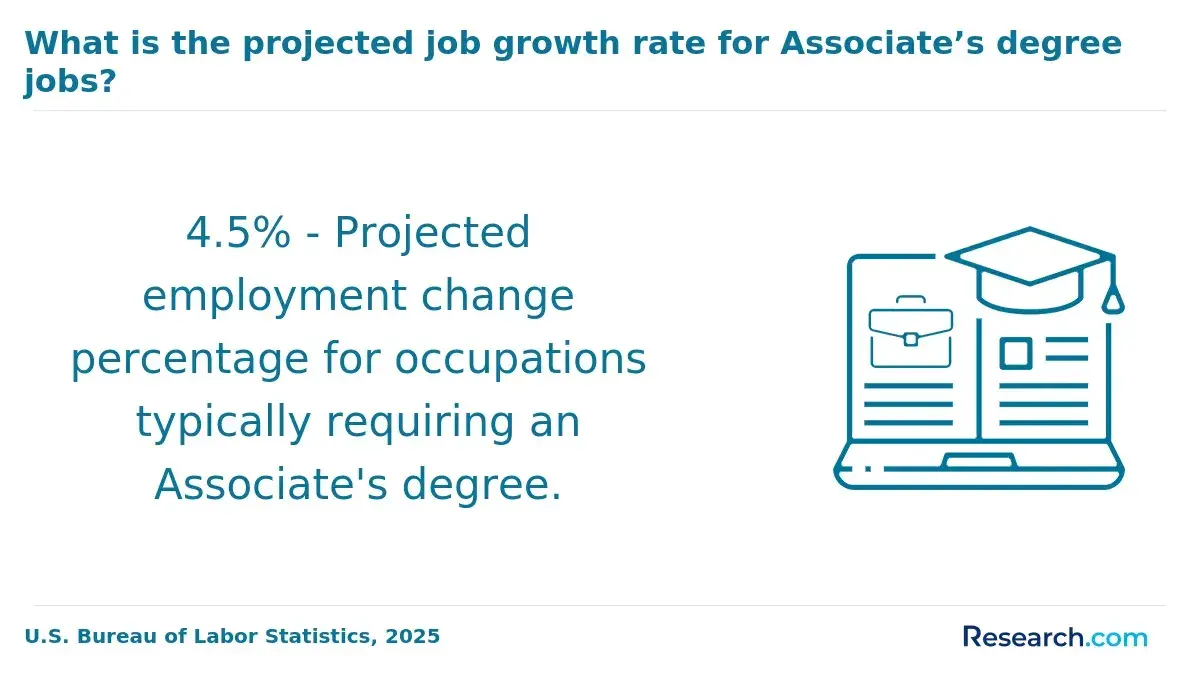
Graduates with an applied psychology degree often find their expertise valued across various economic sectors-not only within psychology-specific roles. According to the U.S. Bureau of Labor Statistics, psychology-related positions in public service are expected to grow about 8% over the next decade, reflecting resilience in several fields.
Below are industries where applied psychology skills prove essential:
- Healthcare: Professionals with applied psychology backgrounds work as mental health counselors, behavioral therapists, and clinical psychologists, addressing rising demands in patient care and program development despite economic shifts.
- Technology: The tech sector leverages applied psychology in UX research and human factors engineering, helping design accessible and user-friendly digital products amid growing remote work trends.
- Education: Applied psychologists support curriculum design, student counseling, and educational assessment, employing evidence-based strategies that promote effective learning environments.
- Corporate Consulting: Within organizations, applied psychology aids in enhancing employee performance, leadership training, and change management to sustain productivity during challenging economic times.
- Government and Public Policy: Roles include crafting social programs and conducting community research, where psychological expertise informs policy-making and crisis interventions in stable public sector positions.
When asked about the industries welcoming applied psychology graduates, a professional who completed an online bachelor's program in applied psychology shared, "Transitioning into the workforce wasn't straightforward. I initially struggled to identify roles that matched my skills beyond clinical settings."
He described how connecting with mentors and joining interdisciplinary projects helped him break into corporate consulting.
"Applying psychological principles to real business problems was challenging at first, but it became rewarding when I saw tangible improvements in employee engagement. The flexibility of my degree opened unexpected doors."
This perspective highlights how applied psychology graduates can navigate diverse career paths beyond traditional boundaries.
Applied psychology roles within public institutions—such as government agencies, universities, or nonprofits—typically offer greater job security than those in the private sector. These positions benefit from steady funding sources and experience less impact from economic downturns.
For instance, mental health and educational services funded publicly tend to maintain staffing levels even during recessions, with nearly 70% of professionals in these roles reporting stable employment during challenging economic times.
Conversely, private sector jobs in applied psychology—found in companies, startups, or consulting-often face more volatility. Though these roles may provide higher salaries and quicker professional development, they are vulnerable to budget cuts and organizational changes when the economy slows.
However, the private sector offers unique opportunities for rapid advancement and specialization in cutting-edge areas such as user experience research or organizational analytics.
Graduates weighing career paths in applied psychology should consider their appetite for risk and career goals. Those valuing steady employment and recession resilience often find public roles more suitable, while individuals seeking dynamic growth and innovation might prefer private sector opportunities despite greater uncertainty.
Where you choose to live can significantly impact job stability for applied psychology graduates, as some states serve as central hubs for industries in need of psychological expertise.
Below are three states known for offering resilient career opportunities in this field.
- California: The state's vast healthcare network and booming technology sector drive strong demand for applied psychology professionals. Roles in mental health services and organizational consulting are common, supported by a concentration of jobs that exceed the national average by 15%.
- Massachusetts: With numerous universities and research hospitals, this state fosters a rich environment for clinical psychology and behavioral research. The emphasis on evidence-based healthcare and education ensures steady employment across both public and private sectors.
- Texas: Texas benefits from a growing population and expanding healthcare facilities, alongside increased mental health initiatives. The diverse economy sustains a variety of positions in counseling, organizational behavior, and social services, helping cushion the field from economic fluctuations.
Applied psychology careers in these states often intersect with industries known for recession resistance, offering graduates a pathway to long-term job security even during economic downturns.
Post-graduate credentials and continuing education can act as a layoff shield by validating specialized, high-demand expertise in applied psychology careers. Research indicates that professionals with relevant certifications experience a 15% lower unemployment risk during recessions compared to their non-certified peers.
Below are some recession-resistant certifications to consider for applied psychology graduates.
- Board Certified Assistant Behavior Analyst (BCaBA): This certification builds on foundational behavior analysis skills, preparing candidates for roles in developmental and behavioral health services. BCaBA credential holders often find opportunities in healthcare, education, and social services, particularly addressing autism spectrum and behavioral interventions.
- Certified Rehabilitation Counselor (CRC): Focused on assisting individuals with disabilities, this credential is highly valued in vocational rehabilitation agencies and government programs. CRC certification enhances job security by demonstrating expertise in helping clients achieve personal and professional goals.
- Human Resources Certifications (PHR and SHRM-CP): For those leaning toward industrial-organizational psychology, the Professional in Human Resources (PHR) and Society for Human Resource Management Certified Professional (SHRM-CP) certifications validate skills in talent management and organizational development. These areas are vital to maintaining company stability during economic downturns.
- Certified Mental Health Counselor (CMHC): This license expands clinical and counseling opportunities, as mental health services continue to receive investment even during recessions. CMHC certification reflects advanced training in psychological well-being and intervention.
Careers bolstered by these certifications are more recession-resistant, giving applied psychology graduates a competitive edge in volatile job markets. Additionally, exploring complementary healthcare credentials-like a CMA to LPN pathway-can further enhance employability and career flexibility.
Incorporating certifications to make applied psychology careers recession-proof can be a strategic move to secure long-term professional resilience.
Regularly enhancing your expertise reduces the risk of replacement during economic downturns and organizational shifts. The following skills are especially valuable for applied psychology graduates seeking to strengthen their career resilience:
- Data Analysis: Proficiency in interpreting behavioral data and using statistical tools supports evidence-based decisions. This skill is critical in healthcare, marketing, and organizational development roles, making professionals indispensable.
- Digital Literacy: Familiarity with psychological research software and emerging AI-driven assessment tools enables graduates to integrate technology with human factors. This adaptability is increasingly demanded as companies adopt more digital solutions.
- Effective Communication: The ability to convey complex psychological insights in clear, practical terms fosters collaboration across departments. This skill enhances the value of professionals in roles requiring interdisciplinary teamwork and reporting.
- Organizational Behavior Expertise: Understanding change management equips graduates to guide businesses through restructuring and development. These competencies are vital when companies face instability, helping secure positions in leadership and consulting.
- Mental Health Advocacy: Designing wellness programs and resilience training meets growing employer demand for workplace stress reduction. Specializing in this area strengthens employability in applied psychology careers focused on employee retention and well-being.
Additionally, acquiring essential certifications for applied psychology careers can further distinguish professionals in competitive job markets. Mastery of these skills allows graduates to move flexibly among sectors and take on strategic roles requiring deep psychological insight.
Those exploring advanced education options might consider online nursing PhD programs as complementary pathways that expand interdisciplinary expertise and career opportunities.
In the current job market for applied psychology graduates, the prestige of an institution can significantly influence the stability of employment opportunities.
Employers often consider the reputation of a candidate's school as a proxy for the quality of education and training received. Graduates from well-known programs may find it easier to secure roles in competitive fields, which tend to be more resilient during economic downturns.
Attending a prestigious school also provides a valuable networking advantage. Established programs frequently offer connections to leading industry professionals, internships, and alumni networks that can open doors to exclusive job opportunities.
This access boosts a graduate's potential to enter recession-resistant careers by positioning them within influential circles early in their careers.
However, graduates of any accredited applied psychology program can remain competitive by demonstrating proven performance and relevant skills. Practical experience, certifications, and continual learning often outweigh school name alone. Ultimately, sustained success in this field depends on adaptability and the ability to deliver real-world results.
Proactively preparing for a career in applied psychology is crucial for aligning academic skills with the shifting demands of this dynamic field. Doing so enhances employability and strengthens job stability in sectors that tend to withstand economic downturns.
Below are key strategies students can adopt to position themselves competitively in the workforce:
- Hands-On Experience: Seek internships or cooperative education placements that offer direct involvement in psychological assessment and intervention. These opportunities help demonstrate practical abilities that employers value.
- Data Skills: Build expertise in statistical tools and research methods to excel in roles that require analysis of behavioral data. Gaining proficiency in software like SPSS or R can significantly increase job prospects.
- Interpersonal Development: Participate in group projects, campus organizations, or volunteer activities that nurture communication and teamwork skills. Emotional intelligence is a key asset in applied psychology careers.
- Professional Certification: Pursue certifications in evidence-based therapies or human factors to boost credibility and specialized knowledge within the field.
- Networking: Attend industry events and engage with professionals to stay informed about emerging trends and expand your career connections.
When asked about how applied psychology students can meet evolving job market expectations, a professional who completed an online applied psychology bachelor's program shared that balancing coursework, part-time work, and family commitments was initially overwhelming.
He emphasized how crucial it was to be adaptable and continuously update skills, noting, "I underestimated how fast the field changes and realized early on that staying current meant more than just finishing assignments."
He also mentioned the value of seeking mentorship and being proactive in pursuing opportunities that weren't always explicitly offered, which ultimately made a tangible difference in securing his desired position after graduation.
Applied psychology careers salary outlook reveals that professionals in this field typically earn between $85,000 and $110,000 annually. These roles notably surpass the national average wage of around $58,000 per year.
Positions such as clinical and industrial-organizational psychology are especially recession-resistant, offering competitive compensation due to their specialized skill sets and critical services.
When considering average earnings for recession-resistant applied psychology jobs, clinical and industrial-organizational psychologists often lead in income potential.
Other roles, while possibly less lucrative, still provide stable employment due to high demand in healthcare, human resources, and organizational development sectors. This stability is particularly valuable during economic downturns when mental health and workforce productivity are prioritized.
Income in applied psychology can vary widely based on industry, geographic location, company size, and advanced academic credentials. Professionals who earn specialized certifications or board credentials, for example, frequently receive bonuses that enhance overall compensation.
This is why graduates pursuing advanced degrees, including those interested in pathways like ADN to MSN NP programs, can experience strong, inflation-adjusted wage growth and long-term financial advantages within their careers.
What Graduates Say About Their Career After Getting a Degree in Applied Psychology
- Erica: "Choosing to pursue a degree in applied psychology was driven by my passion for understanding human behavior and helping others through evidence-based strategies. The practical skills and research methods I learned gave me a strong foundation for a career in healthcare, a field known for its resilience during economic downturns. This degree truly empowered me to navigate job markets confidently, knowing my expertise stays relevant no matter the economy."
- Sally: "Reflecting on my experience, the applied psychology program provided me with critical analytical tools and a deep understanding of workplace dynamics, which have been indispensable in my current role in human resources. What set me apart during the hiring process was not just my degree but the ability to apply psychological principles to real-world business challenges. This training secured my position in a sector that remains stable, even when many others do not."
- Eddie: "My decision to earn a degree in applied psychology was initially fueled by curiosity, but it quickly became clear how versatile this education could be. It prepared me for the mental health counseling profession, a field that consistently offers security due to ongoing societal needs. The insights I gained helped me support clients effectively and maintain a sustainable, recession-resistant career path."
Other Things You Should Know About Applied Psychology Degrees
Healthcare systems, government agencies, schools, and large employers with HR or employee assistance programs keep hiring because they must maintain mental health, compliance, and workforce support services. These roles often require a bachelor’s or master’s degree in applied psychology plus supervised experience for specialist positions.
Graduates should focus on gaining experience in healthcare and education sectors, which historically show stability. Additionally, honing skills in digital mental health tools and staying updated with continuing education can enhance job prospects, as these areas continue to grow in demand regardless of economic conditions.
Yes, professionals with an applied psychology background can transition into related fields such as human resources, market research, organizational development, and health promotion. Their skills in data analysis, human behavior, and program evaluation are highly transferable, which can mitigate risks during economic uncertainty and expand career options.
Continuing education is vital for maintaining career resilience in applied psychology, especially during recessions. Staying current with new research methods, technologies, and regulatory changes helps professionals adapt to evolving job requirements and increases their marketability. Many recession-resistant roles favor candidates who actively pursue certifications or advanced training relevant to emerging trends.
- 5 recession-proof skills that make you immediately employable | ELVTR https://elvtr.com/blog/5-recession-proof-skills-that-make-you-immediately-employable
- 3 types of recession-proof skills and how to develop them | edX https://www.edx.org/resources/how-to-future-proof-your-skills
- What Do Psychologists Earn? Highest Paying Psychology Jobs | Walbrook https://www.walbrook.ac.uk/subjects/psychology/psychologist-salaries-highest-paying-jobs/
- Fastest Growing Careers In Psychology | Psychology.org https://www.psychology.org/resources/fastest-growing-careers-in-psychology/
- Best Recession Proof Degrees https://www.academicinfo.net/educational-resources/best_recession_proof_degrees/
- My psychology degree is recession proof and has created so many opportunities for me. I actually turn down jobs at times lol https://www.threads.com/@moona_bri/post/DFk8Befxr8G
- Career options in psychology | BPS https://www.bps.org.uk/career-options-in-psychology
- Region Selector - AUBG https://www.aubg.edu/aubg-today/what-to-do-with-a-major-in-psychology-job-outlook-and-career-pathways/
- Top 5 Highest-Paying Psychology Careers - Rivier Academics https://www.rivier.edu/academics/online/resources/program-resources/top-5-highest-paying-psychology-careers-rivier-university/
- Recession-Proof Careers: Jobs Designed to Withstand an Economic Downfall https://uafs.edu/news/2025/uafs-degrees-that-lead-to-recession-proof-careers.php


