
2027 HIM vs. Medical Billing and Coding: Explaining the Difference

Co-Founder and Chief Data Scientist
Choosing between Health Information Management (HIM) and Medical Billing and Coding is a decision about scope, time, cost, and long-term career direction. Both paths work with healthcare information, but they prepare students for different levels of responsibility. HIM is broader and usually degree-based, with more emphasis on records governance, health data systems, compliance, and management. Medical Billing and Coding is more specialized and typically faster, focusing on diagnosis and procedure codes, claims, and reimbursement workflows.
This guide explains how the two programs compare in curriculum, difficulty, skills, cost, career outcomes, and fit. It is designed for prospective students, career changers, and working adults who want a healthcare administration role but need to decide whether a broader health information career or a coding-and-billing pathway makes more sense for their goals.
Key Points About Pursuing an HIM vs. Medical Billing and Coding
- HIM programs offer broader coursework including data management and healthcare law, typically lasting 2-4 years with tuition averaging $7,500 annually, preparing graduates for diverse administrative roles.
- Medical Billing and Coding focuses on coding accuracy and insurance claims, usually completed in under 2 years at about $4,000 total cost, targeting billing specialist careers.
- HIM graduates often see higher salary prospects and job growth (11% by 2030), while billing and coding roles grow 8%, reflecting differing industry demand and responsibilities.
What are HIM Programs?
Health Information Management programs prepare students to manage the information systems, policies, and records that support patient care and healthcare operations. Instead of focusing only on billing codes, HIM programs look at the full lifecycle of health data: how it is collected, stored, protected, analyzed, audited, and used across a healthcare organization.
HIM programs combine healthcare knowledge, information technology, law, privacy, and management. Students learn how electronic health records work, how patient data must be protected, and how accurate documentation supports quality care, reimbursement, reporting, and compliance.
Bachelor's degree programs in HIM typically require students to complete general education courses before admission and generally take two to three years to finish after entry into the major. Many schools offer full-time and part-time formats, and some provide online or hybrid options for working adults.
Common HIM coursework
- Electronic health record systems: How EHR platforms store, organize, retrieve, and protect patient information.
- Medical terminology and healthcare documentation: The language used in clinical records and administrative reporting.
- Healthcare laws and regulations: Privacy, security, legal recordkeeping, and compliance responsibilities.
- Data analytics and quality management: How health data is reviewed for accuracy, trends, and operational improvement.
- Management strategies: Leadership, workflow design, and supervision in health information departments.
Many HIM programs include internships, practicums, or affiliated healthcare management courses so students can apply classroom concepts in real healthcare settings. Admission standards vary by school, but they commonly include prior college coursework and a minimum GPA.
What are Medical Billing and Coding Programs?
Medical Billing and Coding programs train students to translate healthcare services into standardized medical codes and use those codes in the billing and reimbursement process. These programs are narrower than HIM programs, but they are also more directly tied to day-to-day coding, claims preparation, insurance rules, and payment follow-up.
Programs typically range from 10 months to one year, although some schools offer accelerated or part-time formats. Because the training is usually certificate- or diploma-focused, it can be a faster route into healthcare administration than a broader HIM degree.
Common medical billing and coding coursework
- Medical terminology: The language used to describe diagnoses, procedures, anatomy, and clinical documentation.
- Anatomy and physiology: Body systems and common conditions that coders must understand to assign accurate codes.
- Healthcare laws and ethics: Privacy, professional standards, and HIPAA regulations that affect patient information and billing.
- Insurance reimbursement: How claims are prepared, submitted, corrected, denied, and appealed.
- Coding systems: Practical use of ICD-10, CPT, and HCPCS coding manuals.
Admission usually requires a high school diploma or equivalent. Many programs include coding simulations, software practice, or externships to build job-ready skills. Students may also prepare for national certification exams such as the CBCS, CCA, or CPC, which can improve employment prospects in the field.
What are the similarities between HIM Programs and Medical Billing and Coding Programs?
HIM and Medical Billing and Coding programs both prepare students for non-clinical healthcare roles that depend on accurate information, confidentiality, and strong attention to detail. They are good options for people who want to work in healthcare without providing direct patient care.
The overlap is important because billing, coding, compliance, recordkeeping, and health data management all affect how healthcare organizations operate. A documentation error can affect care coordination, reimbursement, audits, reporting, and patient privacy.
- Healthcare data focus: Both paths teach students to work with patient information accurately and responsibly.
- Medical terminology foundation: Students in both types of programs need to understand the clinical language used in records, diagnoses, and procedures.
- Privacy and compliance training: HIPAA compliance and protection of sensitive patient information are central to both fields.
- Technology use: Both programs involve electronic health records, billing platforms, coding tools, and digital documentation systems.
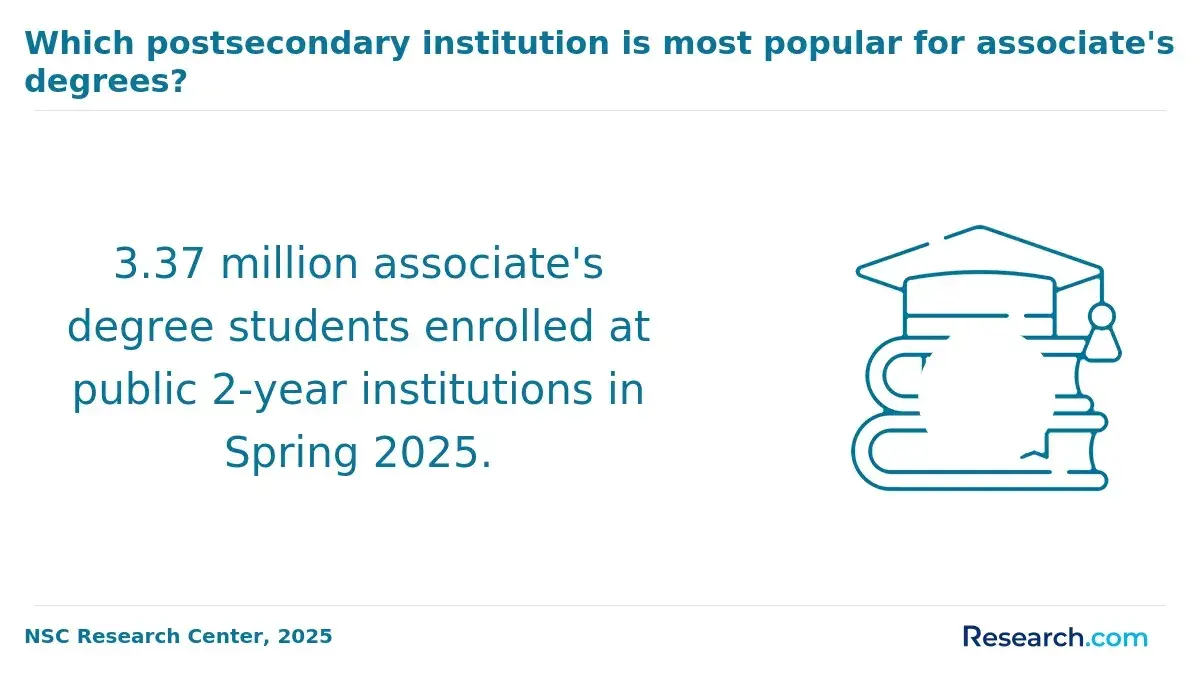
- Flexible formats: HIM and MBC programs may be offered online, hybrid, or in person. Certificate programs can be completed in under a year, while associate degrees typically require two years.
- Practical training: Many programs include practicums, simulations, internships, or externships so students can apply what they learn in realistic healthcare settings.
- Accessible entry points: Entry requirements are often manageable for recent graduates and career changers, generally requiring a high school diploma and sometimes prerequisites in biology or math.
- Positive employment outlook: Both fields have projected growth rates of 9% to 16%, with opportunities for certification, specialization, and remote or hybrid work depending on employer needs.
These similarities make both options attractive for students who want healthcare stability, data-focused work, and a career that can grow with additional credentials. For learners who need a flexible format, accelerated online degree completion programs for working adults may help them compare practical ways to finish a credential while balancing work and family responsibilities.
What are the differences between HIM Programs and Medical Billing and Coding Programs?
The main difference is breadth. HIM programs prepare students to manage health information systems and data governance across an organization. Medical Billing and Coding programs prepare students for a more specialized function: assigning codes and supporting reimbursement.
A useful way to compare them is to ask whether you want a broad administrative and data-management pathway or a focused technical pathway tied to coding accuracy and claims.
- Scope of work: HIM covers records management, data quality, privacy, compliance, health information technology, analytics, and department operations. Medical Billing and Coding focuses on code assignment, claims preparation, insurance rules, and reimbursement support.
- Program length and credential level: HIM is commonly associated with associate or bachelor's degree study. Medical Billing and Coding is often delivered through certificate or diploma programs that can be completed more quickly.
- Technology emphasis: HIM students study broader health IT systems, EHR administration, informatics tools, and data workflows. Medical Billing and Coding students focus more heavily on coding manuals, encoder tools, billing systems, and claims software.
- Regulatory focus: HIM programs emphasize healthcare laws, data privacy, documentation standards, and organizational compliance. Medical Billing and Coding programs emphasize accurate documentation and coding to support billing, audits, and reimbursement.
- Career trajectory: HIM can lead to supervisory, compliance, informatics, and records leadership roles. Medical Billing and Coding can lead to coder, biller, claims, auditing, and revenue cycle positions.
- Job growth: HIM-related jobs are projected to increase by 16% through 2033, while Medical Billing and Coding roles are expected to grow by 9%.
- Skill depth: HIM requires broader strengths in data management, health IT, policy, and operations. Medical Billing and Coding requires precision with medical terminology, coding guidelines, insurance processes, and claim documentation.
Neither path is automatically better. HIM is usually better for students who want a wider career ladder and are willing to complete more education. Medical Billing and Coding is often better for students who want a faster, more targeted route into healthcare administration.
What skills do you gain from HIM Programs vs Medical Billing and Coding Programs?
Both programs build healthcare administration skills, but the skill sets are aimed at different job functions. HIM develops broader systems, compliance, and data-management abilities. Medical Billing and Coding develops specialized coding, claims, and reimbursement skills.
Skill Outcomes for HIM Programs
- EHR systems management: Students learn how electronic health records are configured, maintained, secured, and improved so patient information remains accurate and accessible.
- Data integrity and quality assurance: HIM training emphasizes record audits, error identification, documentation standards, and reliable data practices.
- Regulatory compliance: Students study HIPAA and other privacy requirements so they can help organizations protect sensitive health information and maintain compliant policies.
- Health information analysis: HIM programs often teach students how to interpret health data for reporting, quality improvement, and operational decision-making.
- Department and workflow management: Students may build leadership skills for supervising staff, improving processes, and coordinating health information functions.
Skill Outcomes for Medical Billing and Coding Programs
- Medical coding expertise: Students learn to translate diagnoses, treatments, procedures, and services into ICD-10, CPT, and HCPCS codes.
- Billing systems proficiency: Training often includes claims preparation, billing software, payment posting, denial management, and discrepancy resolution.
- Insurance and reimbursement knowledge: Students learn how payer rules, documentation requirements, and claim errors affect payment.
- Detail-oriented documentation review: Coders must identify whether clinical documentation supports the codes being submitted.
- Remote collaboration skills: Many billing and coding roles require communication with providers, payers, and distributed teams, especially as telehealth and hybrid work models expand.
Students who want leadership, compliance, informatics, or health data administration may find that skills learned in health information management programs offer more long-term flexibility. Students who want a faster route to a defined healthcare support role may prefer medical billing and coding program skills, especially because some certifications are often completed in less than six months.
For learners comparing healthcare-related study options at different life stages, top college courses for seniors online can offer another way to review flexible academic paths.
Which is more difficult, HIM Programs or Medical Billing and Coding Programs?
HIM programs are generally more difficult than Medical Billing and Coding programs because they cover a wider academic and professional scope. HIM students must understand healthcare operations, information systems, compliance, data governance, privacy laws, management, and analytics. Medical Billing and Coding students focus more narrowly on codes, claims, reimbursement, and documentation accuracy.
The challenge in HIM comes from breadth and complexity. Students may need to complete research projects, case studies, comprehensive exams, management assignments, and applied work involving legal documentation or health data analytics. The workload can be heavier, especially in degree programs that include general education and upper-level healthcare administration courses.
The challenge in Medical Billing and Coding comes from precision. Students must learn detailed coding rules, apply them consistently, and avoid errors that can affect reimbursement or compliance. The material is more focused, but it still requires memorization, concentration, and repeated practice with ICD-10, CPT, and HCPCS guidelines.
Assessment formats often reflect the difference. HIM students may complete broader written projects and systems-based assignments, while billing and coding students typically spend more time on practical coding exercises and accuracy-based exams.
Certification exams also show that neither route is effortless. The Certified Professional Coder (CPC) exam has a 50-60% first-time pass rate. The Certified Coding Specialist (CCS) exam, which is frequently pursued by HIM graduates, has a 60-70% pass rate but includes significantly deeper content.
Choose HIM if you are comfortable with a broader academic program, technology, compliance, and long-term advancement. Choose Medical Billing and Coding if you prefer a shorter, task-focused program and are confident in your ability to work carefully with detailed rules and documentation.
What are the career outcomes for HIM Programs vs Medical Billing and Coding Programs?
Both HIM and Medical Billing and Coding can lead to stable healthcare administration careers, but the likely outcomes differ. HIM is more likely to lead to data governance, compliance, EHR, and management roles. Medical Billing and Coding is more likely to lead to coding, billing, claims, and revenue cycle support roles.
Career Outcomes for HIM Programs
Health information management career paths generally require two to four years of study for an associate or bachelor's degree. Because the training is broader, graduates may qualify for administrative, technical, or supervisory roles. Early-career salaries typically range from $50,000 to $65,000 annually. Health information technologists are expected to experience 16% employment growth from 2023 to 2033.
- Health information manager: Oversees patient record systems, data integrity, privacy practices, and health information department operations.
- Electronic health record (EHR) analyst: Helps manage, improve, and troubleshoot digital patient record systems.
- Compliance officer: Supports healthcare organizations in meeting regulatory, documentation, and data privacy requirements.
Career Outcomes for Medical Billing and Coding Programs
Medical billing and coding job opportunities may be available shortly after completing certification programs, usually within four to six months. Entry-level salaries range from $42,000 to $58,000. The expected 9% employment growth for medical records specialists indicates steady demand through 2033. Remote work options are also widely available, although availability depends on employer policy, experience level, and productivity expectations.
- Medical coder: Assigns standardized diagnosis and procedure codes for billing, reporting, and recordkeeping.
- Medical biller: Prepares and submits claims to insurance companies and follows up on payment issues.
- Claims analyst: Reviews claims for accuracy, completeness, compliance, and payment readiness.
Advancement paths also differ. HIM graduates may move into leadership, informatics, compliance, and records management roles as they gain experience. Medical Billing and Coding professionals may advance by earning additional certifications or specializing as coding auditors, denial specialists, or revenue cycle managers.
Before enrolling, students should verify accreditation, transfer policies, student support, and employer recognition. Reviewing the best non profit accredited colleges can help identify reputable institutions that meet recognized academic standards.
How much does it cost to pursue HIM Programs vs Medical Billing and Coding Programs?
HIM programs usually cost more than Medical Billing and Coding programs because they are longer and often lead to an associate or bachelor's degree. Medical Billing and Coding programs are usually shorter certificate or diploma programs, which makes them less expensive upfront.
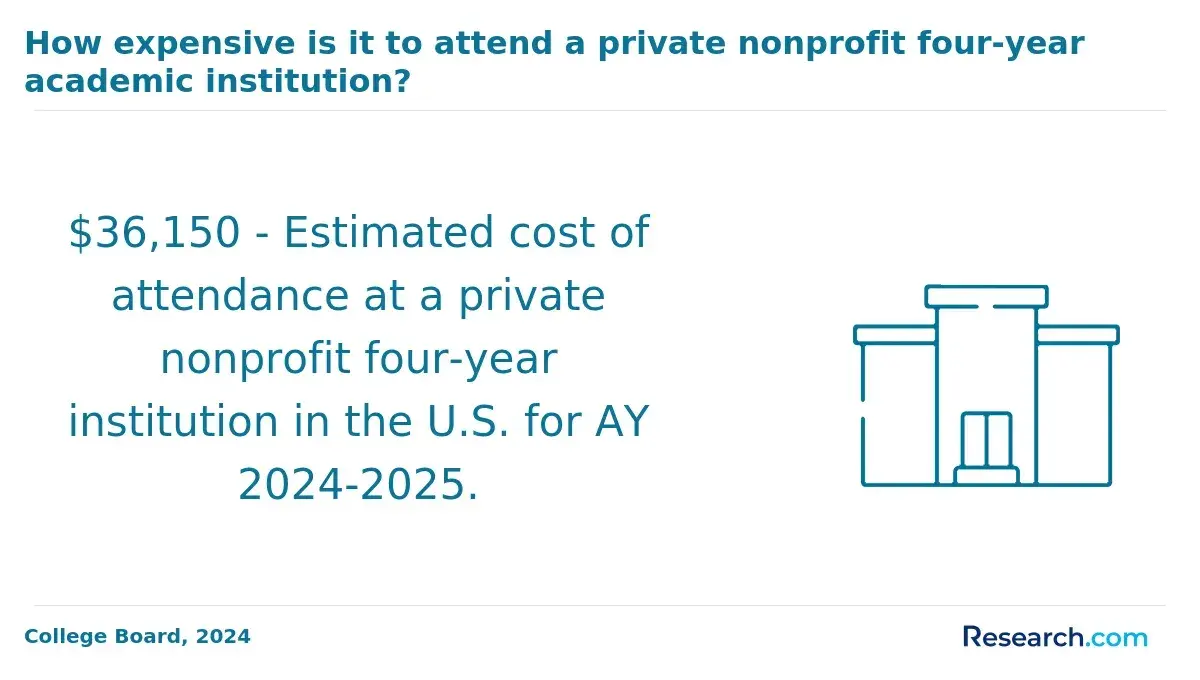
Tuition for HIM programs at public colleges usually ranges from $7,000 to $25,000 for an associate degree. Bachelor's programs at public universities often cost between $20,000 and $50,000 for in-state students. Private universities can charge $60,000 or more for the complete HIM program.
Students should also budget for costs beyond tuition. HIM students may need textbooks, technology fees, lab fees, background checks, professional association fees, and certification exam expenses. These costs vary by institution and program format.
Medical Billing and Coding programs are generally more affordable. Certificate or diploma courses at community colleges or technical schools cost between $2,500 and $15,000 and last about 9 to 18 months. Private institutions may charge up to $20,000 for similar programs. Books, specialized software, and certification fees typically add another $500 to $2,000.
Online options may reduce commuting and housing costs, but students should compare total program cost rather than tuition alone. A cheaper program is not always the better choice if it lacks strong certification preparation, career support, experienced instructors, or employer recognition.
Accredited programs are more likely to qualify for financial aid, especially at the associate and bachelor's degree levels. Before enrolling, confirm whether the program is eligible for federal aid, whether credits transfer, and whether the credential aligns with your intended certification or job target.
How to choose between HIM Programs and Medical Billing and Coding Programs?
The right choice depends on how quickly you want to enter the workforce, how much education you are willing to complete, and whether you want a specialized role or a broader career path. HIM is usually the better fit for students who want long-term growth in health information systems, compliance, analytics, or management. Medical Billing and Coding is usually the better fit for students who want a shorter, practical route into coding, billing, claims, or reimbursement work.
Choose HIM if you want:
- A broader healthcare administration career: HIM can lead to roles involving EHR systems, privacy, data quality, compliance, and department leadership.
- More long-term advancement options: The degree-based pathway may support movement into supervisory, informatics, or policy-focused positions.
- Work that combines healthcare, technology, and regulation: HIM is a strong fit for analytical students who like systems, data, and organizational problem-solving.
- Preparation for higher-responsibility roles: HIM typically requires more advanced IT, legal, and management knowledge than a coding certificate.
Choose Medical Billing and Coding if you want:
- A faster path into healthcare: Shorter certificate or diploma programs may help students enter the workforce sooner.
- A focused technical skill set: MBC centers on medical codes, claims, insurance rules, and reimbursement workflows.
- Detail-heavy, task-oriented work: This path suits people who enjoy accuracy, structured rules, and documentation review.
- Potential remote work: Many roles can be performed remotely, though new graduates may still need experience before qualifying for remote positions.
Career goals should drive the decision. HIM roles are projected to grow 16% from 2023 to 2033 and may offer broader responsibilities. MBC jobs expect a 9% increase and focus more narrowly on reimbursement processes. Both paths require computer skills, discretion with patient information, and strong attention to detail.
If you are still comparing hands-on career routes, reviewing jobs you can pursue after trade school may help you place medical billing and coding and related healthcare support roles in a broader career context.
What Graduates Say About Their Degrees in HIM Programs and Medical Billing and Coding Programs
- : "The Medical Billing and Coding program challenged me academically but equipped me with essential skills that are in high demand. I appreciated the hands-on training with real-world software, which made the transition into a hospital billing department seamless and boosted my confidence. The job outlook in this field is promising, and I'm now on track for a stable career with solid income growth. — Riggs"
- : "Reflecting on my time in the Health Information Management program, I found the blend of healthcare and technology fascinating. The curriculum offered unique learning opportunities like internships in diverse clinical settings, which helped me understand the complexity of managing patient data securely and efficiently. I feel well-prepared for supervisory roles, and the program has opened doors I hadn't considered before. — Curtis"
- : "Professionally, completing the Medical Billing and Coding course has been a strategic move. The detailed coding training and emphasis on compliance gave me an edge during job interviews. I appreciate how the program addressed industry standards and current trends, allowing me to increase my earnings in a growing sector. This program truly delivered practical skills tailored to today's healthcare environment. — Waylon"
Other Things You Should Know About HIM Programs & Medical Billing and Coding Programs
In 2027, a career in Health Information Management typically requires a bachelor's degree in HIM or a related field, focusing on data management, privacy, and compliance. Conversely, Medical Billing and Coding positions may require a certificate or an associate degree, emphasizing coding systems, billing procedures, and insurance claims processing.
Technology significantly influences both fields. HIM leverages advanced health informatics tools to manage patient information, while Medical Billing and Coding increasingly utilizes software for efficient claims processing. Staying updated with the latest technology is crucial for professionals in both areas.
Yes, certification requirements differ: HIM professionals often seek credentials like RHIA from AHIMA, while Medical Billing and Coding professionals might pursue CPC from AAPC. Certification in both fields can enhance job prospects and specialized knowledge, reflecting the distinct focus of each career path.
References
- What is Health Information Management (HIM)? https://www.herzing.edu/description/health-information-management
- Is Medical Billing and Coding the Same as Health Information Technology? | Miller-Motte College https://www.miller-motte.edu/med-billing-and-coding-vs-health-info-tech/
- Health Information Management Roles and Responsibilities https://www.bluecliffcollege.edu/blog/health-info-roles-and-responsibility/
- Health Information 101 | AHIMA https://www.ahima.org/certification-careers/certifications-overview/career-tools/career-pages/health-information-101/
- Billing Certification vs HIM Degree Comparison — AMBCI https://ambci.org/medical-billing-and-coding-certification-blog/medical-billing-coding-certification-comparison-him-degree
- Medical Billing and Coding vs HIT | DeVry University https://www.devry.edu/blog/medical-billing-and-coding-vs-health-information-technology.html
- What is Medical Billing and Coding? - AAPC https://www.aapc.com/resources/medical-billing-and-coding-training





