
2027 Social Work Careers: Guide to Career Paths, Options & Salary

Co-Founder and Chief Data Scientist
A social work career is for people who want to solve human problems at both the personal and systems level: helping a child stay safe, supporting a family through crisis, connecting a patient to services, advocating for fair policy, or helping someone manage mental health, substance use, housing, disability, aging, or poverty-related challenges. It is meaningful work, but it is not simple work. Social workers often operate where personal hardship, institutional barriers, and limited resources intersect.
This guide explains what a social work career can realistically look like in 2026: common roles, education paths, licensure considerations, salaries, advancement options, workplace settings, technology trends, burnout risks, and alternative careers. It is designed for students comparing degree options, career changers considering the field, and current social workers deciding whether an MSW, certification, clinical specialization, or doctorate is worth the investment.
Public understanding of social work has improved, but the profession remains widely undervalued. In a recent public perception survey, “88% of respondents agreed that social work is important in helping vulnerable people. Seventy-seven percent agreed that social work helps ensure children come to no harm. And 74% agreed that the value of social work is not fully appreciated". That gap between social value and public recognition is one of the defining realities of the profession.
Social Work Careers Table of Contents
- Why pursue a career in Social Work?
- Social Work Career Outlook
- Required Skills for a Social Work Career
- How to Start Your Career in Social Work
- How can I advance my career in Social Work?
- Why Pursue an Advanced Degree in Social Work
- Job Settings for Social Workers
- The Role of Technology in Modern Social Work
- How Can Social Workers Maintain Self-Care and Prevent Burnout?
- How Can Social Workers Enhance Their Professional Development?
- Is a Doctorate in Social Work a Worthwhile Investment?
- Can Accelerated Online Programs Fast-Track Your MSW Career?
- Is an Affordable Online Human Services Degree a Smart Start to Your Social Work Career?
- Which Online MSW Programs Offer the Best Balance of Ease and Quality?
- Alternative Career Options for Social Workers
- Financial Outlook and Earning Potential in Social Work
- What Opportunities Exist for Affordable Education in Social Work?
- Is Clinical Specialization the Right Fit for You?
Quick Answer: Is Social Work a Good Career?
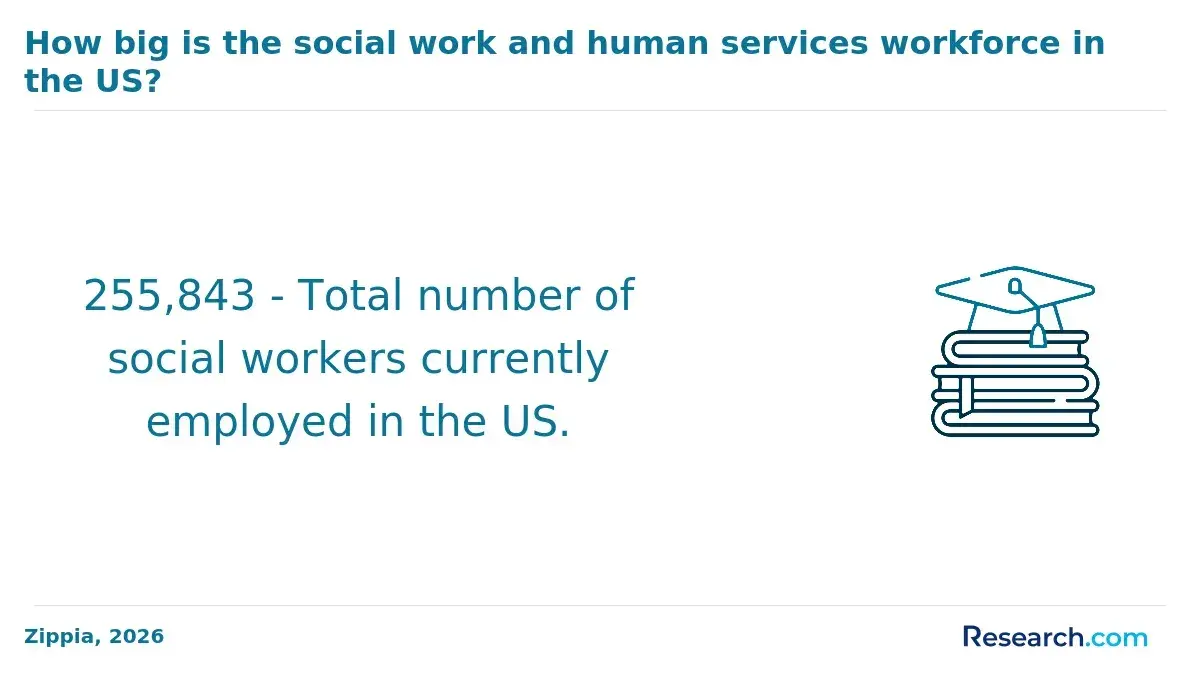
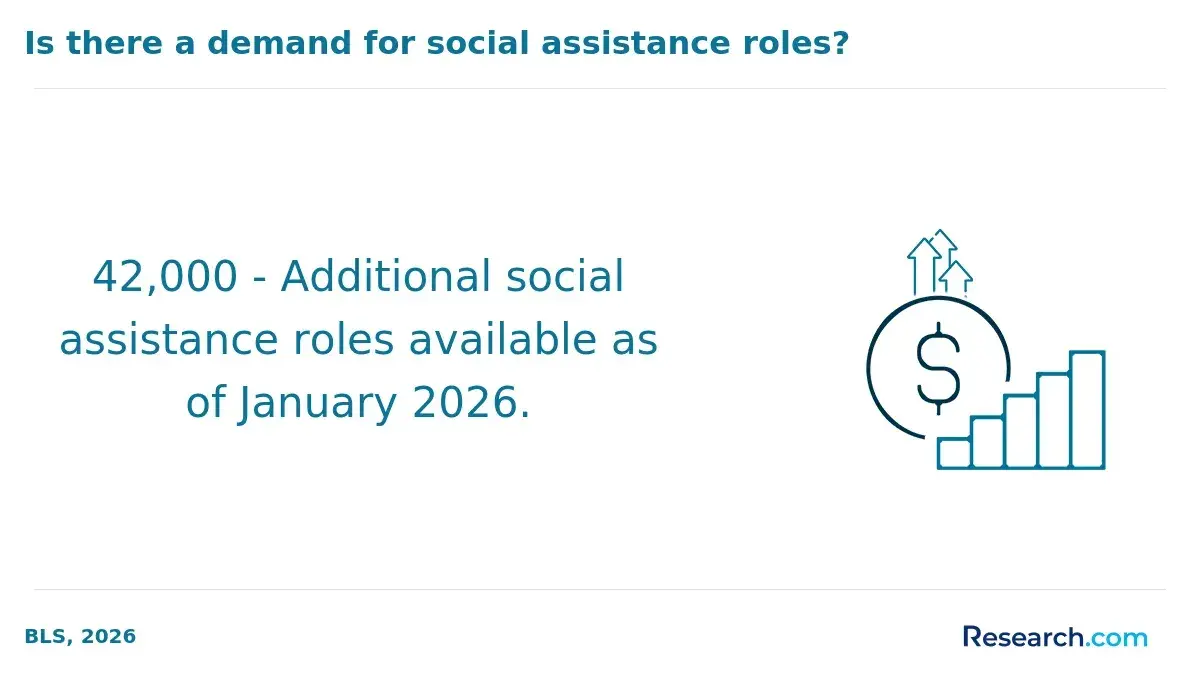
Social work can be a strong career choice if you want mission-driven work, can handle emotionally demanding situations, and are willing to meet education and licensure requirements. It is not usually chosen for high earnings alone, but it offers many practice settings, clear advancement paths, and strong demand. Overall employment of social workers is projected to grow by 9% through 2031, with about projected 74,700 openings for social workers each year, on average, over the decade.
The best path depends on your goal. A bachelor’s degree can support entry-level roles in case management, community services, child welfare, and related human services work. A Master of Social Work is usually the key credential for clinical practice, independent counseling, supervision, and many leadership roles. Doctoral study is most relevant for policy, research, executive leadership, advanced practice, and academic work.
Why pursue a career in Social Work?
The strongest reason to enter social work is the opportunity to help people navigate problems that affect their safety, health, stability, and dignity. Social workers may support children, older adults, people with disabilities, individuals experiencing poverty, people facing discrimination, clients with mental health conditions, survivors of violence, and families under severe stress.
The work can be emotionally heavy. Social workers may manage crises, advocate within underfunded systems, handle complex documentation, and make decisions that affect people’s lives. Still, many professionals view the work as deeply meaningful because they can see the practical impact of their efforts.
In a CareerExplorer.com survey updated for 2025, just over 3,200 social workers rated how meaningful their jobs felt on a 1-5 scale. 23% gave their work a 5, 33% rated it a 4, 23% rated it a 3, 13% rated it a 2, and 8% rated it a 1. The average score was 3.5 out of 5.
| Social work may fit you if... | You may want another path if... |
| You want direct work with people, families, schools, healthcare systems, courts, or communities. | You need a career where emotional exposure to trauma, poverty, or crisis is rare. |
| You are comfortable documenting cases, coordinating services, and working with agencies. | You dislike administrative work, compliance requirements, or detailed records. |
| You care about social justice, advocacy, and practical problem-solving. | You want a role focused mostly on technical tasks or independent project work. |
| You are willing to pursue licensure or graduate education for advanced roles. | You want rapid advancement without additional credentials or supervised experience. |
Social Work Careers Outlook
The outlook for social work remains favorable because many communities need support in healthcare, behavioral health, aging services, schools, substance use treatment, child welfare, criminal justice, and public assistance. Social workers are employed by hospitals, schools, public agencies, nonprofit organizations, mental health clinics, correctional systems, and community-based programs. Some also work in areas related to the forensic psychology job outlook, especially when cases involve courts, family systems, victim services, corrections, or behavioral assessment.
| Social Work Jobs | Median Annual Salary |
| Social Worker | $50,390 |
| Community Health Worker | $48,860 |
| Family Therapist | $49,880 |
| Probation Officer | $60,250 |
| Rehabilitation Counselor | $38,560 |
| School Counselor | $60,510 |
| Social Services Assistant | $37,610 |
| Mental Health Counselor | $48,520 |
Salary should be evaluated by role, credential, employer, and location. The figures above are useful benchmarks, but they do not guarantee individual earnings. Clinical licensure, specialized experience, supervisory responsibility, and high-demand practice areas can affect compensation.
Required Skills for a Social Work Career
Social work requires more than compassion. Professionals must assess risk, communicate clearly, build trust, document accurately, follow ethical standards, coordinate services, and make sound decisions under pressure. The University at Buffalo describes a diverse set of skills to effectively address the complex needs of their clients. If you are researching how to become a social worker, these competencies are central to preparing for the field.
Core Practice Skills
- Assessment and Evaluation: Social workers gather information about a client’s needs, strengths, risks, environment, and available supports. They use that information to create plans, monitor progress, and adjust services when circumstances change.
- Crisis Intervention and Decision-Making: Many roles involve urgent situations involving safety, mental health, family conflict, abuse, homelessness, substance use, or medical instability. Social workers must respond quickly while staying calm and ethical.
- Policy and Advocacy: Strong social workers understand that individual problems often connect to housing access, healthcare systems, school policy, legal structures, poverty, discrimination, and public benefits. Advocacy skills help them address both client needs and broader systemic barriers.
- Boundaries and Self-Care: The work can become unsustainable without clear professional limits. Social workers need boundaries, supervision, peer consultation, and healthy recovery time to reduce burnout risk.
- Professional Ethics and Integrity: Confidentiality, informed consent, cultural humility, documentation, mandatory reporting, and conflicts of interest all require sound ethical judgment.
Interpersonal and Workplace Skills
- Empathy and Compassion: Clients are more likely to engage when they feel respected rather than judged. Empathy helps social workers understand lived experience without losing professional objectivity.
- Active Listening: Effective practice depends on hearing what clients say, noticing what they do not say, and responding in ways that clarify needs and build trust.
- Cultural Competence: Social workers serve people from many identities, communities, religions, languages, family structures, and socioeconomic backgrounds. They must adapt practice to the client’s context instead of applying one approach to everyone.
- Collaboration and Teamwork: Social workers often coordinate with doctors, teachers, courts, therapists, housing agencies, benefits offices, law enforcement, nonprofits, and family members. Collaboration is a daily requirement, not an optional skill.
How to Start Your Career in Social Work
Most social work careers begin with formal education. When comparing social work degrees, pay close attention to the role you want, whether licensure is required, and whether the program includes field education. Degree expectations matter: among social workers, 59% possess a bachelor’s degree, 33% hold a master’s degree, and 5% hold an associate’s degree. (Zippia, 2026) This is consistent with the case for social work careers, where bachelor’s and master’s credentials are common.
| Education Level | Common Direction | Best For |
| Certificate or associate’s-level preparation | Support roles in human services, intake, advocacy, or administrative case support | Students testing the field or seeking entry-level community service work |
| Bachelor’s degree | Case management, social services, child welfare, eligibility work, probation-related roles, and entry-level social work positions | Students who want direct service roles or a foundation for graduate study |
| Master’s degree | Clinical practice, advanced case management, supervision, school or healthcare social work, and many licensed roles | Professionals seeking advanced practice, licensure, or leadership options |
| Doctorate | Research, policy, advanced leadership, higher education, program design, and executive-level roles | Experienced professionals focused on systems-level influence |
What can I do with an Associate’s Degree in Social Work?
Social Services Assistant
Social services assistants support caseworkers, social workers, and human services teams. Their work may include maintaining records, scheduling appointments, preparing forms, helping with intake, supporting client assessments, and connecting people with community resources. In some settings, they accompany clients to appointments or help them understand basic service options.
Median Salary: $37,610
Victim Advocate
Victim advocates help people affected by crime, violence, abuse, or trauma understand their rights and access support. They may assist with safety planning, court accompaniment, emotional support, referrals, housing resources, counseling connections, and communication with legal or social service agencies.
Median salary: $56,365
What can I do with a Bachelor’s Degree in Social Work?
Social Worker
Social workers help individuals, families, and communities address barriers to well-being. Depending on state rules and employer requirements, bachelor’s-level social workers may conduct intake, provide case management, coordinate services, advocate for clients, support crisis response, and participate in community programs.
Median Salary: $50,390
Probation Officer
Probation officers supervise people who are serving probation instead of incarceration or as part of a sentence. They monitor compliance with court conditions, meet with probationers, document progress, coordinate treatment or counseling requirements, and support reintegration while focusing on public safety.
Median salary: $60,250
Eligibility Worker
Eligibility workers determine whether applicants qualify for public benefits and social assistance programs. They review applications, interview applicants, verify documents, explain requirements, and help people navigate agency processes. Many work for social services departments, welfare offices, or other government agencies.
Median Salary: $50,020
Can I get a Social Work job with just a certificate?
A certificate may help you qualify for support roles, but it usually is not enough for professional social work practice. Most entry-level and advanced advanced social work roles prefer or require a bachelor’s or master’s degree. In many jurisdictions, a master’s degree is also tied to licensure for clinical social work.
How can I advance in my Social Work Career?
Advancement in social work usually comes from a combination of graduate education, licensure, supervised experience, specialization, and leadership responsibility. An MSW degree is often the pivotal credential because a master’s degree is a requirement for licensure as a social worker in many jurisdictions. Professionals interested in law, behavioral assessment, and justice-related systems may also consider whether a forensic psychology graduate program aligns with their goals.
According to a recent survey conducted by the Council on Social Work Education, enrollment in master’s programs for social work saw a 0.2% increase. Practice Doctorate enrollments increased 4.7% in the same period, while research doctorate enrollments also increased by 6.5% in the same period.
What can I do with a Master’s Degree in Social Work?
Licensed Clinical Social Worker (LCSW)
Licensed Clinical Social Workers provide advanced mental health services after meeting education, supervised practice, examination, and state licensure requirements. Their work may include assessment, diagnosis, psychotherapy, counseling, treatment planning, crisis intervention, and support for clients dealing with depression, anxiety, trauma, addiction, relationship problems, or other mental health concerns.
Median Salary: $77,800
Addiction Counselor
Addiction counselors work with clients affected by substance use and related behavioral health concerns. A major part of an addiction counselor career involves assessing substance use history, developing treatment plans, providing counseling, teaching relapse prevention strategies, and helping clients build recovery supports.
Median Salary: $48,520
Behavior Analyst
Behavior analysts use applied behavior analysis principles to understand behavior patterns and design interventions. They may work with clients who have developmental disabilities, behavioral challenges, or mental health needs. Their tasks often include assessment, data collection, behavior plans, reinforcement strategies, and progress monitoring.
Median Salary: $59,974
What can I do with a Doctorate Degree in Social Work?
Mental Health Technician
Mental health technicians support patients receiving behavioral health care, often under the direction of nurses, psychiatrists, social workers, or other clinicians. This role may appeal to professionals exploring an addiction recovery career. Duties can include observing behavior, documenting changes, assisting with daily routines, supporting treatment plans, helping with group activities, and maintaining a safe environment.
Median Salary: $93,545
Public Policy Analyst
Public policy analysts examine existing and proposed policies, study data, evaluate program effects, and advise decision-makers. Social workers in this area often focus on child welfare, healthcare access, housing, poverty, behavioral health, disability services, aging, or justice reform.
Median Salary: $78,930
Executive Director
Executive directors lead organizations, set strategy, manage operations, oversee budgets, work with boards or stakeholders, and ensure that programs align with mission. Social workers in executive roles often work in nonprofits, foundations, advocacy groups, community agencies, or nongovernmental organizations.
Median Salary: $75,644
What certification is best for Social Work?
The best certification depends on your practice area, state rules, employer expectations, and long-term plan. Several credentials can enhance knowledge, skills, and career opportunities for social workers, but they should not be treated as substitutes for required degrees or licensure.
- Certified Advanced Social Work Case Manager (C-ASWCM): A credential for social workers focused on case management, service coordination, advocacy, and complex client needs.
- Certified School Social Work Specialist (C-SSWS): A certification for professionals working in schools with students, families, teachers, and education teams.
- Certified Clinical Alcohol, Tobacco, and Other Drugs Social Worker (C-CATODSW): A substance use-focused credential for social workers involved in assessment, prevention, intervention, and family support.
- Certified Advanced Children, Youth, and Family Social Worker (C-ACYFSW): A certification for professionals serving children, youth, and families through developmentally informed and family-centered practice.
Why Pursue an Advanced Degree in Social Work
An advanced degree is most valuable when your target role requires clinical authority, independent practice, supervisory responsibility, policy influence, program leadership, or specialized expertise. The Master of Social Work is especially important because it can prepare students for advanced direct practice, clinical work, healthcare and school roles, administration, and licensure pathways such as LCSW preparation.
CSWE Accreditation and Online MSW Programs
If you are comparing graduate programs, accreditation should be one of your first checks. CSWE accreditation signals that a social work program meets recognized educational standards and is designed to prepare students for professional practice and, where applicable, licensure-related expectations.
Online study can make graduate education more accessible for working adults, caregivers, and students who cannot relocate. However, flexibility should never replace accreditation, field placement quality, licensure alignment, or student support. Many CSWE accredited online msw programs allow students to complete coursework remotely while meeting required field education components locally or through approved placements.
What to Expect from an MSW Program
MSW programs typically take two years to complete for full-time students. Coursework commonly covers human behavior, social welfare policy, ethics, research, clinical or advanced practice, and field education. Many programs also include internships, practicum experiences, a capstone, or a thesis-style requirement that demonstrates readiness for professional practice.
| Before choosing an MSW program, ask... | Why it matters |
| Is the program CSWE accredited? | Accreditation can affect licensure eligibility, employer recognition, and transferability of the degree. |
| Will the curriculum meet my state’s licensure expectations? | Licensure rules vary, so students should verify requirements before enrolling. |
| How are field placements arranged? | Field education is central to MSW training and can affect career readiness. |
| Can I complete the program while working? | Part-time, online, and accelerated options vary in workload and schedule intensity. |
| What support is available for licensure, supervision, and career placement? | Advising, exam preparation, and employer connections can influence post-graduation progress. |
Job Settings for Social Workers
Social workers are employed across many environments, and the setting you choose will shape your daily schedule, stress level, documentation requirements, client population, and advancement path. Hospital social workers may help with discharge planning, family support, patient advocacy, end-of-life planning, resource coordination, or crisis response. School social workers often work with students, families, teachers, and administrators to address attendance, behavior, trauma, disability, family instability, and social-emotional needs.
Mental health clinics may involve therapy, assessment, group work, crisis intervention, and case coordination. Child welfare agencies focus on child safety, family preservation, foster care, adoption, and court-related documentation. Nonprofits and community organizations often emphasize outreach, advocacy, benefits navigation, housing support, immigration services, food access, or public education.
| Work Setting | Typical Focus | Good Fit For |
| Hospitals and healthcare systems | Patient support, discharge planning, crisis intervention, care coordination | Social workers comfortable with fast-paced interdisciplinary teams |
| Schools | Student well-being, family support, behavioral concerns, attendance, trauma response | Professionals who want to work with children, adolescents, families, and educators |
| Mental health clinics | Assessment, therapy, counseling, treatment planning, case management | MSW graduates pursuing clinical or behavioral health practice |
| Child welfare agencies | Safety assessment, family preservation, foster care, court documentation | Social workers prepared for high-stakes family and legal systems work |
| Nonprofit organizations | Community outreach, advocacy, benefits, housing, crisis support, program delivery | Professionals interested in community impact and mission-driven services |
The Role of Technology in Modern Social Work
Technology is now part of everyday social work practice. It can expand access, improve documentation, support coordination, and help agencies use data more effectively. At the same time, it raises serious questions about privacy, confidentiality, access, and client consent.
- Telehealth and Virtual Counseling: Virtual service delivery expanded rapidly during the COVID-19 pandemic and remains important for clients who face transportation, rural access, disability, scheduling, or stigma-related barriers. Platforms such as Zoom, Talkspace, and BetterHelp are examples of tools used in modern behavioral health and support services, though social workers must follow privacy, licensing, and agency requirements.
- Data Analytics for Better Planning: Agencies use data to identify community needs, evaluate program results, monitor caseloads, and allocate limited resources. Social workers who understand data can contribute to more targeted and accountable interventions.
- Digital Case Management Systems: Tools such as Apricot and Social Solutions can help with documentation, scheduling, reporting, referrals, and team coordination. These systems can reduce manual work, but they also require careful attention to accuracy and confidentiality.
- Online Education and Training: Digital learning has expanded access to continuing education, MSW coursework, licensure preparation, webinars, and specialized training. If you are weighing graduate school, reviewing is a social work degree worth it can help you think through cost, credential value, and career outcomes.
Challenges and Ethical Considerations
Technology does not remove the ethical obligations of social work. Professionals must protect client information, verify secure communication methods, avoid inappropriate digital boundaries, understand telehealth rules, and recognize that some clients lack reliable internet access or private space. Digital convenience should never come at the expense of client safety or informed consent.
How Can Social Workers Maintain Self-Care and Prevent Burnout?
Burnout prevention has to be treated as a professional responsibility, not a personal weakness. Social workers regularly encounter trauma, grief, poverty, violence, family separation, mental illness, and institutional barriers. Without supervision, boundaries, realistic workloads, and recovery practices, even highly committed professionals can become exhausted.
Practical strategies include setting clear work-hour boundaries where possible, using supervision and peer consultation, documenting consistently instead of letting paperwork accumulate, taking time off when available, seeking counseling when needed, and building routines outside work that restore energy. Programs such as the most affordable online MSW options may also help students compare flexible education routes that support long-term career growth without unnecessary financial strain.
How Can Social Workers Enhance Their Professional Development?
Professional development should be intentional. Social workers can strengthen their careers by earning relevant certifications, attending workshops, joining professional organizations, learning new practice models, tracking policy changes, building supervision skills, and staying current with technology and documentation standards. Exploring careers with a masters in social work can also help professionals identify specialized roles that match their interests and credentials.
| Common Career Mistake | Better Approach |
| Choosing a program based only on tuition | Compare accreditation, field placement support, licensure alignment, completion format, and total cost. |
| Assuming every online program meets licensure requirements | Confirm requirements with your state licensing board before enrolling. |
| Waiting until graduation to think about specialization | Use electives, field placements, and supervision to build targeted experience early. |
| Ignoring burnout signs | Use supervision, peer support, counseling, boundaries, and workload planning before exhaustion becomes severe. |
| Relying only on rankings | Match the program to your career goal, schedule, location, licensure needs, and financial situation. |
Is a Doctorate in Social Work a Worthwhile Investment?
A doctorate in social work can be worthwhile for experienced professionals who want to move into advanced leadership, research, academia, policy development, program evaluation, or high-level practice innovation. It is usually less necessary for entry-level practice and should be evaluated carefully against cost, time, career goals, and expected role requirements.
Doctoral study can strengthen skills in research, data analysis, program design, evidence-based practice, organizational leadership, and systems change. Online doctoral formats may offer flexibility for working professionals. If affordability is a major factor, compare cheapest DSW online programs while verifying accreditation, faculty expertise, dissertation or capstone expectations, and employer recognition.
Can Accelerated Online Programs Fast-Track Your MSW Career?
Accelerated online MSW programs can shorten the path to advanced credentials, but they are not automatically easier. Condensed formats can require heavier weekly workloads, faster field placement timelines, and strong time management. They may work well for motivated students with relevant academic preparation, stable schedules, and clear career goals. To compare speed with academic quality, field education, and accreditation, review the fastest online MSW programs.
Is an Affordable Online Human Services Degree a Smart Start to Your Social Work Career?
An affordable online human services degree can be a practical first step if you want exposure to helping professions while managing cost and schedule demands. A cheap bachelor degree in human services online may prepare students for support roles in community services, case assistance, advocacy, nonprofit work, or social service agencies. However, students who specifically want licensed social work roles should confirm whether a human services degree will meet graduate admissions, employment, or licensure prerequisites.
Which Online MSW Programs Offer the Best Balance of Ease and Quality?
Some students search for online MSW programs with more accessible admissions, but “easy to get into” should not mean weak preparation. The better question is whether the program is accredited, realistic for your schedule, transparent about field requirements, supportive of online learners, and aligned with your state’s licensure pathway. A focused comparison of the easiest social work master's degree options can help you identify programs that reduce unnecessary barriers while still maintaining professional standards.
Alternative Career Options for Social Work
Not every social work graduate stays in a traditional social work job. Some move into education, human resources, mediation, public policy, nonprofit administration, criminal justice, community engagement, or healthcare navigation. This can happen because of burnout, a desire for higher earnings, interest in leadership, or a preference for less crisis-oriented work. The good news is that social work builds transferable skills: interviewing, conflict resolution, documentation, advocacy, program coordination, cultural competence, and systems thinking.
What else can a Social Worker do?
High School Teacher
High school teachers plan lessons, teach subject matter, evaluate student progress, support classroom engagement, and help students prepare for college, careers, and life after graduation. Social workers who enjoy adolescent development, mentoring, and structured educational environments may find this transition appealing, though teaching credentials may be required.
Median Salary: $61,820
Mediator
Mediators help people in conflict communicate, clarify interests, explore options, and work toward mutually acceptable agreements. Social workers’ listening, de-escalation, and systems skills can be useful in family, workplace, community, or legal mediation. Related pathways may also overlap with criminology jobs salary research for those interested in courts, corrections, or public safety systems.
Median Salary: $49,410
Human Resources Manager
Human resources managers oversee hiring, employee relations, onboarding, performance processes, benefits, training, policy implementation, and workplace conflict management. Social workers who understand human behavior, documentation, ethics, and organizational systems may transfer well into HR roles.
Median Salary: $126,230
Financial Outlook and Earning Potential in Social Work
Social work compensation varies widely by education, licensure, specialization, employer, region, and responsibility level. Many people choose the field for impact rather than maximum earnings, but financial planning still matters. Students should compare tuition, debt, required field hours, unpaid internship expectations, licensure costs, supervision requirements, and realistic salary ranges before committing to a path.
Graduate education and clinical licensure may improve earning potential for some professionals, especially in healthcare, schools, behavioral health, supervision, administration, and private practice. A masters level social worker salary guide can help you compare how credentials and location may affect compensation, though individual outcomes depend on role and market conditions.
Location also matters. Urban and high-demand areas may pay more, often reflecting cost of living and service demand. Rural roles may offer different advantages, such as closer community relationships, broader responsibilities, or lower living costs. The right financial decision depends on both salary and total life context.
What Opportunities Exist for Affordable Education in Social Work?
Affordable education is especially important in social work because salaries vary and graduate education may be necessary for advancement. Students should compare total program cost, transfer credit policies, financial aid, field placement logistics, online fees, books, transportation, and the opportunity cost of unpaid or reduced-work field hours. Reviewing the cheapest online social work degree options can be a useful starting point for students seeking a lower-cost route into the profession.
Is Clinical Specialization the Right Fit for You?
Clinical social work may be a strong fit if you want to assess mental health needs, provide therapy, support treatment planning, and work toward greater practice autonomy. It requires graduate education, supervised clinical experience, licensure steps, ethical competence, and comfort with emotionally complex client work. Students interested in this path can compare online clinical MSW programs to evaluate flexibility, clinical preparation, field placement quality, and licensure alignment.
| Clinical social work may fit if... | Consider another specialization if... |
| You want to provide therapy, counseling, assessment, and treatment planning. | You prefer macro practice, policy, community organizing, or administration. |
| You are prepared for licensure requirements and supervised practice. | You want a quicker route with fewer credentialing steps. |
| You can manage documentation, risk assessment, and emotionally intense sessions. | You prefer roles with less exposure to trauma, crisis, or mental health acuity. |
| You want long-term options in clinics, hospitals, agencies, schools, or private practice. | You are more interested in public benefits, nonprofit operations, research, or workforce development. |
Social Work: Fast-Growing Field, Slowly Changing World
Social work is a career of real impact and real strain. Professionals help people through crises, advocate for those with limited power, and work to improve systems that often change slowly. They may also face heavy caseloads, emotional fatigue, policy barriers, staffing shortages, and documentation demands.
The rewards are meaningful but should be understood honestly. Social workers can help families stabilize, connect people to life-changing services, support recovery, protect children, improve schools, influence policy, and strengthen communities. At the same time, success requires preparation, ethical judgment, resilience, and a realistic view of compensation and workload.
If you want to continue comparing options, you can explore state-specific graduate routes such as MSW Colorado programs or review how to become a social worker in Massachusetts.
Key Insights
- Social work is meaningful but demanding: The profession supports vulnerable individuals, families, and communities, yet the emotional and administrative workload can be significant.
- Demand remains strong: Overall employment of social workers is projected to grow by 9% through 2031, with about projected 74,700 openings each year, on average, over the decade.
- Education level shapes your options: Bachelor’s degrees can support entry-level direct service roles, while an MSW is often the key credential for clinical practice, licensure, supervision, and advancement.
- Accreditation and licensure matter: Students should verify CSWE accreditation and state licensure requirements before choosing a program, especially for online MSW or clinical tracks.
- Salary varies by role and credential: The median annual salary for social workers listed here is $50,390, while specialized or advanced roles such as LCSW positions may report higher figures.
- Technology is changing practice: Telehealth, digital case management, data tools, and online training can improve access and efficiency, but they also require careful attention to privacy and ethics.
- Burnout prevention is essential: Boundaries, supervision, peer support, manageable expectations, and self-care routines are necessary for long-term sustainability.
- Social work skills transfer well: Professionals can move into mediation, teaching, HR, policy, nonprofit leadership, healthcare navigation, criminal justice, or community programs.
References:
- American Psychology Association. (2025). Medical social work career and salary overview. https://www.psychology.org/social-work/medical-social-work/
- (Career Explorer, 2025) https://www.careerexplorer.com/careers/social-worker/satisfaction/
- Council on Social Work Education. (2025). Statistics on Social Work Education in the United States. https://www.cswe.org/research-statistics/research-briefs-and-reports/annual-survey-reports/
- ILO – International Labour Organization. (2026). Employment and Social Trends 2026. https://www.ilo.org/publications/flagship-reports/employment-and-social-trends-2026
- National Association of Social Workers. (2026). Social Worker III salary overview. https://joblink.socialworkers.org/index.php/salary/social-worker-iii
- MSWDegrees.org. (2025). Social work career pathways guide for 2025. https://www.mswdegrees.org/careers/social-work-career-paths/
- SocialWorkDegrees.org. (2025). Social Work career guide: Degrees, job options, and salaries. https://www.socialworkdegrees.org/careers-for-students
- U.S. Bureau of Labor Statistics. (2025). Social workers: Occupational outlook and job duties. https://www.bls.gov/ooh/community-and-social-service/social-workers.htm
- U.S. Bureau of Labor Statistics. (2025). Social and human service assistants: Occupational outlook. https://www.bls.gov/ooh/community-and-social-service/social-and-human-service-assistants.htm
- U.S. Bureau of Labor Statistics. (2025). Social and community service managers: Career profile. https://www.bls.gov/ooh/management/social-and-community-service-managers.htm
Other Things You Should Know About Social Work Careers
Most social work field placements require a criminal background check and, in some settings, a child abuse or elder abuse registry check before students can begin. Agencies may also require fingerprinting, immunization records, and proof of CPR or health clearance before placement approval.
To become a licensed social worker in 2027, you'll need a Bachelor of Social Work (BSW) or a Master's in Social Work (MSW) from an accredited program. Additionally, completion of supervised hours and passing the Association of Social Work Boards (ASWB) exam are required.
In 2027, the median annual salary for social workers was approximately $52,000. Salaries vary based on specialization, location, and experience level, with higher pay often found in urban areas or specialized fields such as healthcare or clinical social work.
Advancing a career in social work typically involves pursuing an MSW, gaining specialized certifications, and acquiring experience in various social work settings. Continuous professional development and networking within the field are also important.
Beneficial certifications for social workers include Certified Advanced Social Work Case Manager (C-ASWCM), Certified School Social Work Specialist (C-SSWS), Certified Clinical Alcohol, Tobacco, and Other Drugs Social Worker (C-CATODSW), and Certified Advanced Children, Youth, and Family Social Worker (C-ACYFSW).
To maintain social work licensure in 2027, professionals must complete continuing education credits, meet ethical standards, and often renew their license every 2-3 years, depending on state requirements. Renewals typically involve fees and proof of completed CEUs approved by the licensing board.


