2027 Highest-Paying Jobs You Can Get With a Cybercrime Degree

Co-Founder and Chief Data Scientist
An individual with a bachelor's degree in cybercrime faces the critical decision of whether to pursue graduate credentials or professional certifications to maximize earning potential. Salaries for cybercrime specialists fluctuate widely-advanced degrees and industry certifications can increase wages by up to 30% compared to bachelor's-only holders. Geographic location and employer type further influence salary outcomes, complicating the evaluation of return on investment for education expenses.
The average cybercrime analyst with a graduate degree earns approximately $95,000 annually, significantly above median salaries for associate degree holders. This article examines the highest-paying jobs available to cybercrime degree holders by analyzing wage premiums, the effects of licensure and certification, and how different educational pathways translate into financial rewards.
Key Things to Know About the Highest-Paying Jobs You Can Get With a Cybercrime Degree
- Graduate credentials in cybercrime often yield a wage premium of 15-25% compared to non-degree holders, significantly enhancing earning potential across IT security roles.
- Professional licenses and certifications-such as CISSP or CISM-can increase salaries by up to 20%, reflecting market demand for validated expertise.
- Compared to self-taught pathways, a cybercrime degree generally provides a higher return on investment, with median starting salaries exceeding $70,000 annually in key metropolitan areas.
What Exactly Does a Cybercrime Degree Qualify You to Do in Today's Job Market?
The scope of a Cybercrime degree goes far beyond basic IT knowledge-employers recognize it as proof of proficiency in digital security threats, forensic investigation, and the legal frameworks that govern cyber law enforcement. The U.S. Bureau of Labor Statistics and leading cybersecurity organizations define this credential as vital for roles requiring specialized skills in protecting information systems and investigating cyber offenses.
This credential-gated field demands core competencies that distinguish graduates from those relying solely on on-the-job training or alternative education pathways.
- Technical Expertise: Graduates master network security protocols, malware analysis, cryptography, and system vulnerabilities, enabling them to architect defense strategies and perform in-depth cyber forensic work.
- Analytical Skills: The degree cultivates critical thinking necessary to interpret complex digital evidence, reconstruct cyber incidents, and support prosecutions with credible forensic reports.
- Interpersonal Abilities: Training includes ethical reasoning, teamwork, and communication skills essential for collaboration with law enforcement, legal teams, and corporate partners.
- Credential Importance: Employer data from Lightcast and LinkedIn Insights highlights a preference for candidates with formal Cybercrime degrees for cybersecurity analyst and digital forensics roles, underscoring the value of structured academic credentials.
- Scope Misconceptions: The degree does not license graduates to practice law or act as official investigators without further certification, but it qualifies them for technical and support roles across government agencies, private sector companies, and consulting firms.
- Career Access: These positions contrast with open-entry tech jobs, as formal education directly influences salary potential and career advancement opportunities.
- Degree Levels and Earnings: High-paying job opportunities in Cybercrime degree career opportunities in the US often require advanced degrees-master's or doctoral programs lead to leadership, research, or policy roles, while bachelor's degree holders typically fill analyst and technician positions with competitive starting salaries.
For aspiring candidates evaluating their education investment, exploring the highest paying online degrees can provide guidance on maximizing financial returns and aligning short- and long-term career goals.
Which Cybercrime Jobs Command the Highest Salaries Right Now?
Professionals with a Cybercrime degree access several high-paying roles, reflecting a strong and growing market demand for expertise in digital security and fraud prevention. According to the most recent BLS Occupational Employment and Wage Statistics (OEWS) and complementary salary reports, notable highest-paying cybercrime jobs in the U.S. include cybersecurity analysts, digital forensics examiners, and information security managers-each featuring competitive compensation ramps tied to experience and certification.
- Cybersecurity Analyst: Median salaries approximate $103,000 annually, climbing to nearly $130,000 at the 75th percentile and topping $160,000 for the most experienced. These roles typically require a bachelor's degree in cybercrime or related fields and valued certifications such as CISSP or CEH. Specialized skill sets in threat detection and incident response significantly boost salary potential.
- Digital Forensics Examiner: Median wages hover around $95,000 while the top 25% earn near $120,000 and some exceed $150,000. Advanced degrees and forensic certifications increase earning power, especially within law enforcement and private cybersecurity firms.
- Information Security Manager: With median salaries over $140,000 and top earners exceeding $180,000, these leadership roles often demand a master's degree paired with extensive experience. Cybercrime graduates investing in management or compliance consulting frequently secure the highest offers.
- Security Software Developer: Specialists in secure software engineering report median salaries near $110,000, rising above $150,000 at the highest levels. A solid foundation in cybercrime principles combined with programming expertise enhances competitiveness relative to computer science peers.
- Penetration Tester (Ethical Hacker): Median pay is about $105,000, with top quartile and decile exceeding $130,000 and $160,000 respectively. Courses and certifications targeting penetration testing offer a verifiable salary edge.
Many cybercrime roles are highly competitive, with candidates holding degrees in computer science, information technology, or business frequently vying for the same positions. Yet, a specialized Cybercrime degree combined with professional certifications, hands-on experience, and sector-specific expertise can offer a measurable salary advantage.
Prospective students and career changers should also consider the return on investment when choosing a cybercrime path. Those exploring options can compare programs, including the best affordable online colleges, by visiting affordable online colleges. This insight equips learners with the financial confidence to select a credential aligned with their career ambitions and risk tolerance.
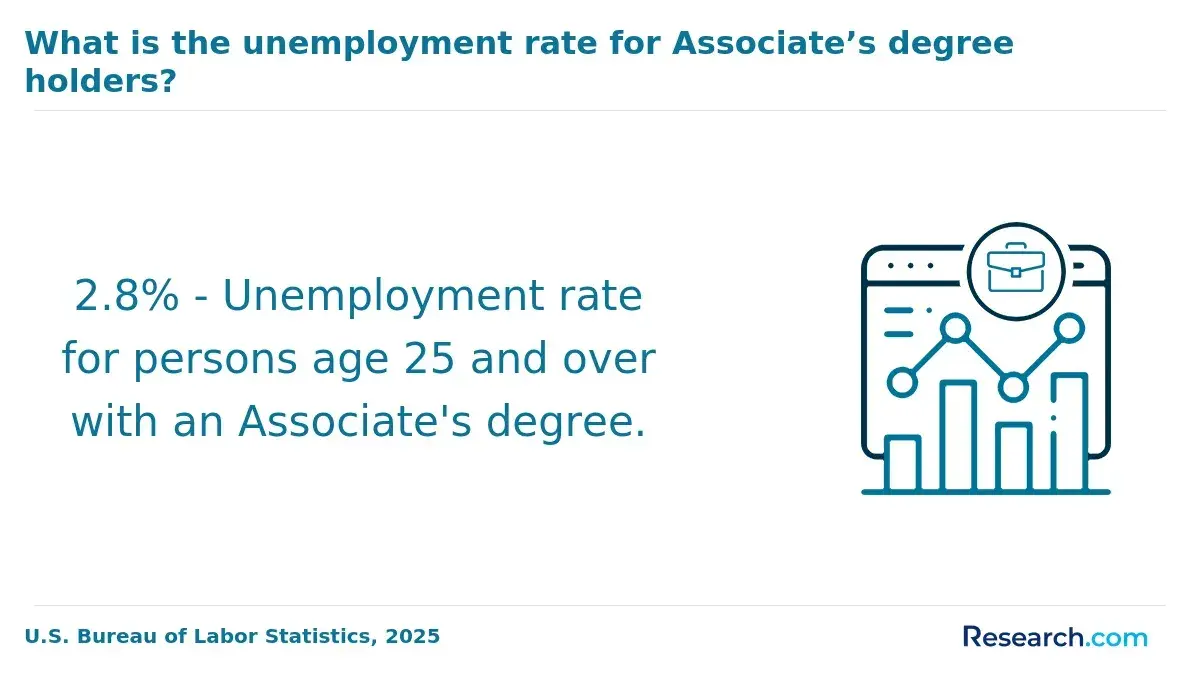
How Does Degree Level-Bachelor's vs. Master's vs. Doctoral-Affect Cybercrime Earning Potential?
Labor statistics and earnings data clearly show that degree level significantly affects income in cybercrime careers. Median wages for bachelor's degree holders in this field hover around $79,000 annually, while master's degree holders earn about $97,000. Those with doctoral degrees-whether research-based or professional-often surpass $120,000, depending on their industry and role.
- Bachelor's Degree: Graduates can access many well-paying roles such as cybersecurity analyst, digital forensics examiner, and information security specialist. With experience and industry certifications, bachelor's holders can achieve top salaries even without pursuing graduate studies.
- Master's Degree: This level frequently unlocks higher salaries in managerial and specialized technical roles, like cybersecurity manager, incident response leader, or cybersecurity consultant. Employers value graduate education for its development of advanced technical and leadership skills.
- Doctoral Degree: Holding a doctorate opens doors to the highest-paid niche positions-chief security officers, senior advisors in policy, R&D, or cyber threat intelligence. These roles often require deep expertise and may be mandated by licensing boards or federal agencies.
- Time-to-Payoff: Prospective students should weigh the cost of tuition and lost earnings during graduate study against the income premium earned afterward. Those shifting careers face bigger opportunity costs than recent bachelor's graduates continuing to advanced degrees.
- Credentialing Pathways: Bachelor's degree holders often benefit most from graduate studies that focus on leadership or specialties like cryptography or penetration testing. Career changers might find certifications combined with bachelor's courses a quicker, cost-effective route to competitive pay.
- Licensure and Certification Impact: Regardless of degree level, professional certifications such as CISSP and CISM considerably boost earning potential and are often required for higher-tier roles.
Compensation for cybercrime degree graduates varies significantly by industry, shaped by market dynamics, regulatory demands, and the complexity of security issues. Private sector employers-especially in technology, finance, healthcare, and defense-typically offer some of the most lucrative salaries. These industries benefit from large revenues and strict data protection laws, creating keen competition for highly skilled professionals.
- Technology Sector: Firms specializing in software development, cloud computing, and cybersecurity generally pay top dollar to attract talent amid constant innovation and evolving cyber threats.
- Financial Services: Banks and investment companies face rigorous compliance requirements involving protections like SOX and PCI-DSS, which translate into premium pay for specialists adept in these frameworks.
- Government Agencies: Federal, state, and local governments-particularly within intelligence, defense, and homeland security-maintain competitive salaries that reflect the critical nature of protecting national infrastructure and classified data.
- Healthcare Industry: The rise in electronic health records and privacy regulations drives healthcare providers and insurers to offer competitive wages for cybersecurity experts safeguarding sensitive patient information.
- Nonprofit and Academia: Typically offering lower salaries than private firms, these employers provide valuable research and policy-focused roles that complement hands-on skills.
- Self-Employment and Consulting: Experienced graduates often set their own lucrative rates as independent consultants, leveraging specialized expertise and flexible client engagements.
Industry choice interacts closely with job titles and educational attainment to produce wide salary variation-even among graduates with similar credentials. For example, a cybercrime analyst at a mid-sized financial institution with a bachelor's degree may earn substantially less than a certified cybersecurity architect holding a master's degree at a leading tech firm. Advanced professional certifications such as CISSP or CISM and graduate degrees intensify earning potential, especially in sectors facing acute talent shortages.
To navigate the highest-paying industries for cybercrime degree graduates, students should focus strategically on developing relevant technical skills, obtaining recognized certifications, and building targeted professional networks. Intentional alignment with market demands and regulatory contexts strengthens career outcomes. For those interested in further credential advancement, exploring options like the cheapest online EdD programs can offer additional pathways to increase earning capacity and leadership opportunities.
Examining metropolitan and regional data on cybercrime wages reveals distinct locations where median salaries surpass national averages after adjusting for cost of living. These adjusted figures offer a clearer view of genuine purchasing power in cybercrime roles across the country.
- Washington, D.C. Metro Area: Known for its robust federal presence and numerous cybersecurity contractors, this area maintains the highest median wages driven by strong demand from government and private sector employers.
- San Francisco Bay Area: Home to leading tech companies, this region provides top-tier nominal salaries in cybercrime. However, the exceptionally high living costs temper net earnings in practical terms.
- New York City Metropolitan Area: Finance and consulting industries boost demand for cybercrime experts here, but elevated housing and living expenses limit the real wage advantage.
- Seattle, Washington: The presence of major technology headquarters supports competitive salaries for roles like threat intelligence and incident response, while balancing moderate to high living costs.
- Austin, Texas: Rapidly developing as a cost-effective tech hub, Austin offers attractive adjusted incomes due to its relatively affordable living expenses coupled with growing cybercrime job availability.
Other noteworthy regions include Boston and Denver-both benefiting from strong ties between academia and industry-and states such as Virginia, Maryland, and Colorado that host dense clusters of employers elevating wage levels. Hybrid and remote work models are reshaping these geographic patterns, allowing many cybercrime specialists in analysis, penetration testing, or digital forensics to reside in lower-cost areas without sacrificing salaries. Nevertheless, some positions tied to on-site infrastructure or requiring government clearances typically remain concentrated in high-cost metros.
Professional certifications and licenses are increasingly vital in the cybersecurity industry, not only enhancing skills and credibility but also significantly boosting salaries. As cyber threats become more sophisticated, organizations value certified experts who can effectively combat cybercrime.
- Certified Information Systems Security Professional (CISSP): Recognized worldwide, this credential demands five years of relevant experience plus passing a comprehensive exam spanning eight cybersecurity fields. Maintaining it requires 120 Continuing Professional Education (CPE) credits every three years and an annual fee. CISSP holders typically earn around 25% more than their uncertified counterparts in cybercrime roles.
- Certified Ethical Hacker (CEH): Focused on penetration testing and offensive security, this certification requires either two years of work experience or completion of official training before the exam. Renewal involves 120 CPE credits every three years with associated fees. CEH professionals can see salary gains up to 20%, especially in consulting and government jobs.
- CompTIA Security+: Serving entry to mid-level security roles, this certification has no formal prerequisites and centers on fundamental security principles. Holders must recertify every three years via continuing education or a newer exam version. Salaries generally increase by 10-15% compared to uncertified individuals.
- Certified Information Security Manager (CISM): Tailored for management roles, it requires five years of experience with three in leadership positions. Recertification calls for 120 CPE hours every three years. CISM holders may earn up to 30% higher salaries, highlighting its leadership value.
- Licensure and Accreditation: Although formal licensure is uncommon, professionals should prioritize certifications accredited by reputable agencies like ANSI or NCCA to ensure credibility and industry acceptance, which indirectly supports better pay.
- Cost and Investment: Exam fees range widely-from about $339 for Security+ to over $700 for CISSP-plus study and renewal expenses. Evaluating these costs against salary boosts helps identify the most worthwhile certifications.
- Employer Preferences: It's crucial to investigate which certifications are preferred or mandatory in your desired industry, as this heavily influences job opportunities and salary potential.
The salary trajectory for cybercrime professionals typically reflects steady growth closely tied to experience, specialization, and leadership roles-data supported by the Bureau of Labor Statistics earnings reports and Georgetown Center on Education and the Workforce lifetime earnings research. Entry-level cybercrime roles, such as cybersecurity analysts or junior digital forensics experts, generally earn between $55,000 and $75,000 annually.
- Experience: After five years, many professionals see wages increase to $80,000-$100,000 as they gain practical skills and industry certifications. Compensation growth accelerates notably after five to seven years when professionals advance to mid-career positions involving greater responsibility for incident response or compliance management, with salaries pushing toward $110,000-$130,000.
- Certifications and Education: Holding advanced credentials-like Certified Information Systems Security Professional (CISSP) or Certified Ethical Hacker (CEH)-significantly boosts earning potential. A master's degree in cybersecurity or related fields further enhances salary prospects by unlocking access to specialized or leadership roles.
- Management and Specialization: Transitioning into managerial roles or focusing on emerging specializations, such as cloud security or cyber threat intelligence, often results in salary inflection points. Senior positions-including cybersecurity managers and chief information security officers (CISOs)-commonly command compensation exceeding $150,000 and may surpass $200,000 at peak career stages.
- Business Development and Reputation: High earners differentiate themselves by contributing beyond technical expertise-leading teams, shaping organizational strategy, and building industry standing through speaking engagements and research publications, which amplify compensation opportunities.
These benchmarks align with professional association compensation surveys and provide realistic expectations for cybercrime professionals at five-year, ten-year, and peak stages. Pursuing specialization and leadership strategically maximizes salary growth and career longevity in this evolving field.
Among the highest-paying roles in cybercrime-related fields, specializations like digital forensics, cybersecurity management, and penetration testing consistently lead in compensation. Digital forensics analysts-experts in collecting and analyzing electronic evidence-command premium salaries due to the technical depth required and significant legal implications.
Regulatory complexity in sectors such as healthcare, finance, and government also elevates demand and pay for specialists in compliance-focused cybercrime roles. These lucrative roles frequently appear in reports covering cybercrime incident response specialist salaries.
Cybersecurity management concentrations focus on strategic leadership and risk mitigation, preparing graduates for senior positions where managerial talent is scarce and wages rise accordingly. Penetration testers, or ethical hackers, find their skills highly valued as they proactively identify vulnerabilities and prevent costly data breaches. Alumni outcomes and BLS occupational wage data show that combining technical expertise with regulatory or leadership experience often yields the highest earnings.
Students early in their academic planning should analyze labor market demand, growth projections, and employer preferences for concentrations rather than basing decisions on interest alone. Advanced certifications such as CISSP or specialized cloud security training make a significant difference.
Regional salary premiums also vary widely. Current students with a general cybercrime degree can improve compensation prospects through targeted internships, certification stacking, and continuing education without pursuing an additional degree.
Top online cybercrime programs offer strong accelerated hospitality degree online ROI by facilitating fast degree completion and connections to employer networks. Key factors influencing value include:
- Return on Investment: Programs that accelerate completion improve earning potential sooner.
- Wage Premium: Graduate degrees and certifications can boost salaries by 15-30% in niche specializations.
- Market Demand: Talent scarcity in emerging specializations such as cloud forensics significantly raises compensation.
Those targeting top-paying cybercrime forensic analyst roles must weigh these elements carefully to align credentials with market realities and maximize career and earning potential.
The job market for cybercrime professionals is projected to grow steadily over the next decade, according to U.S. Bureau of Labor Statistics (BLS) data. Roles such as information security analysts and cybersecurity specialists have growth rates significantly above the average for all occupations.
This trend is fueled by increasing digital threats and evolving regulatory demands, which underpin long-term earning stability for workers holding cybercrime degrees-especially those who stay current with emerging technologies and advanced certifications. This perspective on cybercrime job market growth forecast provides valuable insight for those considering the degree.
Several key factors shape the supply and demand for cybercrime professionals:
- Technological Transformation: The rapid evolution of cyber threats drives demand for skilled experts capable of defending critical data and infrastructure, necessitating advanced technical knowledge.
- Low Automation Risk: Cybercrime roles require human judgment and critical thinking, making them less vulnerable to automation.
- Legislative Changes: New data protection laws and compliance standards increase positions that help organizations meet complex legal requirements.
- Demographic Demand: As digitalization penetrates businesses and government, qualified professionals remain scarce, contributing to higher salaries and job security.
However, some areas face challenges. Roles vulnerable to outsourcing or dependent on fluctuating budgets may encounter wage pressure or job instability. Credential inflation also means that continuous upskilling through advanced degrees and certifications is essential to competitiveness. Emerging specialties may offer high wages but have fewer openings, impacting long-term security.
- Strong Growth & Stability: Information security analysts and incident responders blend technical expertise with low automation risk, leading to robust career prospects.
- Risk Factors: Contract and consulting positions often provide high pay but tend to be cyclical and less secure.
- Credential Importance: Obtaining advanced degrees and certifications significantly boosts salary potential and employment persistence.
- Strategic Positioning: Remaining adaptable and acquiring multidisciplinary skills-such as cloud security and legal knowledge-enhances resilience in a shifting labor market.
For mid-career changers evaluating education benefits, including veterans and those seeking a financially sound credential, understanding this landscape is crucial. For example, similar career shifts can be navigated effectively by SLPs, who rely on precise credentialing pathways. Incorporating experience and certifications into cybercrime roles increases both earning potential and job stability-key factors for long-term success in this expanding field.
Leadership positions stand at the highest levels within cybercrime career paths, generally commanding salaries far surpassing those of individual contributors. Roles such as Chief Information Security Officer (CISO), Director of Cybersecurity, Security Manager, and Cybersecurity Program Manager operate mainly at senior management tiers-guiding enterprise-wide security strategies, regulatory compliance, and risk oversight.
- Salary Premium: Data from the Bureau of Labor Statistics indicates cybersecurity managers earn median salaries above $150,000 annually-typically 40% to 60% more than mid-level analysts-reflecting their broader scope of responsibility including budgeting, policy enforcement, and team leadership.
- Credentials and Experience: Leaders in these roles usually possess advanced qualifications such as an MBA or a master's degree in cybersecurity, complemented by certifications like CISSP or CISM. They often bring 7 to 10 years of hands-on experience demonstrating proficiency in threat mitigation, compliance, and collaboration across departments.
- Career Progression: Many professionals advance from technical roles such as security analyst or incident responder through a combination of management training, formal education, mentoring, and leadership of projects. Participating in industry conferences and gaining certifications further accelerate promotion.
- Strategic Choices: Prospective executives benefit from pursuing graduate degrees-especially combining an MBA with cybersecurity expertise-to build strategic vision and financial skills early in their careers. Establishing a professional network within cybersecurity and related sectors enhances advancement chances.
- Organizational Impact: Leadership roles encompass managing security budgets, crafting policies aligned with corporate objectives, directing incident response teams, and interacting with executive boards-responsibilities that justify elevated pay through their influence on organizational resilience and regulatory adherence.
Rapid advances in technology, evolving regulations, demographic changes, and shifting industry demands are redefining cybercrime career opportunities-highlighting roles expected to offer strong income growth within five to ten years. Educational programs in cybercrime are refreshing their course offerings to align with these market needs, integrating advanced skills and emerging technologies to ready students for future job market realities.
- Threat Intelligence Analysts: Experts who blend data science and cybersecurity to forecast and prevent attacks. Curricula increasingly focus on threat hunting and applying machine learning techniques, while supplementary training in data analytics strengthens prospects.
- Cloud Security Architects: Professionals securing cloud infrastructures amid surging cloud adoption. Degree programs incorporate cloud security modules, yet industry certifications from leaders like AWS and Azure remain critical for differentiation.
- Privacy and Compliance Officers: Specialists navigating complex data protection laws such as GDPR and CCPA. Additional study in regulatory frameworks and risk management enhances alignment with this burgeoning compliance landscape.
- Cyber Forensics and Incident Response Specialists: Roles centered on digital evidence analysis and post-breach response. Growing emphasis on forensic applications and real-world incident simulations enriches hands-on readiness.
- Security Automation Engineers: Professionals designing automated cyber defenses. Boot camps and coding courses featuring automation tools cultivate skills critical for these tech-driven positions.
Choosing a path in emerging cybercrime roles requires balancing early mover advantages against uncertainty in adoption timelines. Not all projected occupations reach expected prominence, so evaluating durability based on market signals is vital. Monitoring insights from professional bodies like (ISC)² and ISACA, alongside labor market analytics platforms such as Lightcast and Burning Glass, equips aspirants with up-to-date intelligence.
Supplementing degree studies with micro-credentials and continuous learning helps secure competitive wages and career longevity. Understanding how graduate credentials, certifications, and specialized skills influence salary premiums is essential for making financially informed decisions aligned with personal income goals and risk tolerance in this dynamic field.
What Graduates Say About the Highest-Paying Jobs You Can Get With a Cybercrime Degree
- Kaiden: "Choosing an online cybercrime degree really paid off for me - the wage premium linked to having formal credentials in this field is undeniable. What surprised me most was how much professional licensure and certification, like CISSP, could boost my starting salary beyond what I'd seen from peers with just hands-on experience. If you're weighing your options, this degree offers a solid return on investment when compared to shortcut paths that lack industry recognition."
- Hank: "Reflecting on my career journey after earning a cybercrime degree, I've come to appreciate how much the type of industry and geographic location influence earnings. Working in cybersecurity for a financial firm in a major city opened doors to some of the highest-paying roles. Also, the degree added credibility that made it easier to pursue specialized certifications - both factors combined beautifully increased my salary potential."
- Colton: "The professional nature of cybercrime has impressed me throughout my studies - the impact of licensure and certification on salary cannot be overstated in this competitive market. Plus, the return on investment for this degree far exceeded alternative education pathways I researched, especially when factoring in long-term career growth. It's clear that employers value graduates who come with both formal education and recognized credentials."
Other Things You Should Know About Cybercrime Degrees
In 2027, graduates with a cybercrime degree can pursue top-paying roles like Information Security Analyst, Cybersecurity Manager, and Chief Information Security Officer (CISO). Salaries vary, with Information Security Analysts earning around $100,000, Cybersecurity Managers approximately $135,000, and CISOs potentially over $200,000 annually.
Emerging high-paying roles for 2027 cybercrime graduates include Cybersecurity Analyst, Incident Responder, and Information Security Manager. These positions often offer salaries exceeding $100,000, driven by the increasing demand for specialists capable of managing advanced threats and protecting organizational data.
Employer type significantly influences compensation for cybercrime graduates. Private-sector jobs generally offer the highest salaries-especially in technology firms, finance, and consulting-due to greater revenue and budget flexibility. Public-sector roles may provide lower base pay but often include strong benefits and job security, while nonprofits tend to offer the lowest salaries but may appeal to those prioritizing mission-driven work over income.
Certifications like Certified Information Systems Security Professional (CISSP) and Certified Ethical Hacker (CEH) are highly beneficial for landing top-tier cybercrime positions in 2027. These credentials validate expertise and are often required or preferred by leading employers in the field.
- The Impact of Cybercrime on the Economy https://www.haltdos.com/vulnerabilities/the-impact-of-cybercrime-on-the-economy/
- 20 Jobs You Can Pursue With a Cybersecurity Degree - Champlain College https://www.champlain.edu/blog/stories/cybersecurity-degree-careers/
- Best Countries to Start a Career in Cybersecurity Jobs https://edglobalacademy.com/best-countries-for-cybersecurity-jobs-worldwide/
- Cyber Security Salary Guide: What To Expect | Walbrook https://www.walbrook.ac.uk/subjects/cyber-security/cybersecurity-salary-guide/
- The 3 Cybersecurity Certifications That Can Double Your Salary - GRMI https://grm.institute/blog/the-3-cybersecurity-certifications-that-can-double-your-salary/
- Top 8 Types of Cybersecurity Jobs and Salary Insights https://www.sprintzeal.com/blog/types-of-cyber-security-jobs
- How Cybersecurity Certifications Impact Your Salary | CrowdCruit https://crowdcruit.com/blog/how-cybersecurity-certifications-impact-your-salar
- Top 10 in-demand Cybersecurity Jobs. Career and Salary Information - zenarmor.com https://www.zenarmor.com/docs/network-security-tutorials/top-10-in-demand-cybersecurity-jobs
- Highest Paying Cybersecurity Jobs with State & City-wise Salary https://ccitraining.edu/blog/highest-paying-cybersecurity-jobs-with-state-and-city-wise-salary/
- The Cybersecurity Job Index: Where are Positions and Salaries Surging in the U.S.? - Upwind https://www.upwind.io/industry-research/cybersecurity-job-index