2027 How Fast Can You Get a Biology Degree Online?

Co-Founder and Chief Data Scientist
An online Biology degree can shorten the path to a credential, but speed depends on more than choosing “online.” Biology programs still require sequenced science courses, labs, and careful credit planning. The fastest route usually belongs to students who enter with prior college credits, choose a program with shorter terms, use approved transfer or prior learning options, and plan early for lab requirements.
This guide explains how long online Biology degrees typically take, when accelerated formats make sense, how transfer credits and prior learning assessments can reduce your timeline, and what to check before enrolling. It is written for students comparing online Biology programs, working adults returning to school, military learners, and career changers who need a realistic plan for finishing sooner without choosing a weak or poorly recognized program.
What are the benefits of pursuing a degree in Biology online?
- Fast-track Biology degrees online often reduce completion time by up to 50%, enabling quicker entry into growing fields like biotechnology and environmental science.
- Flexible scheduling and asynchronous courses support working professionals, parents, and others balancing education with personal commitments effectively.
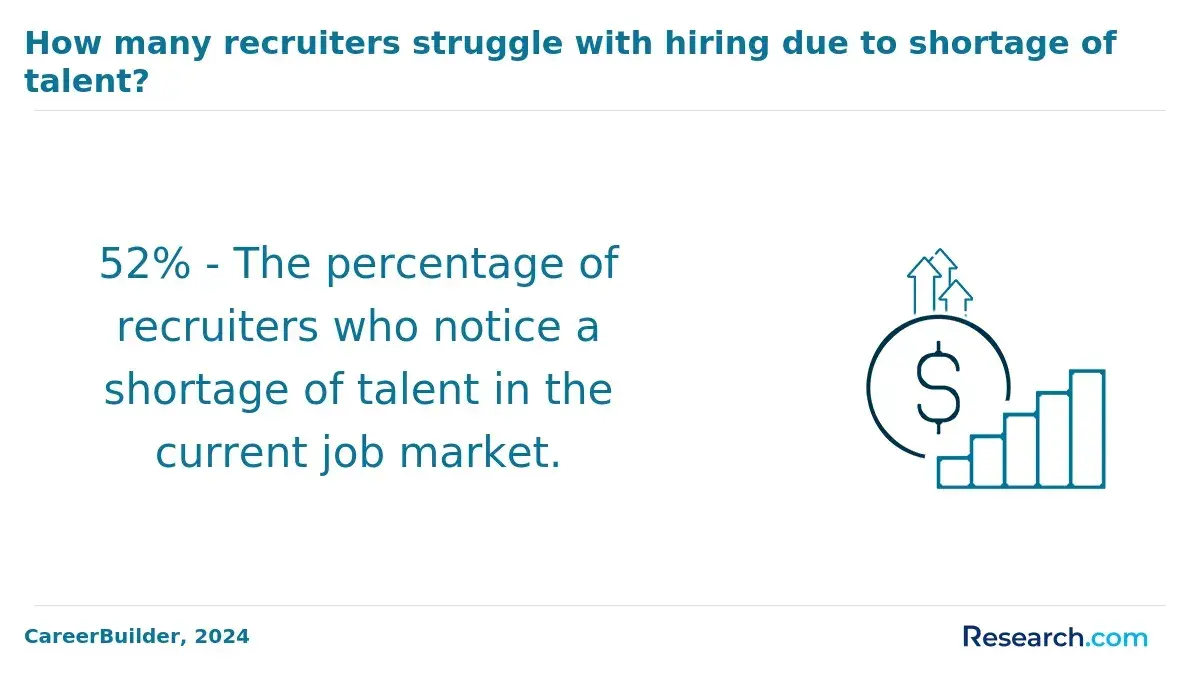
- Industry demand for biology graduates is rising 7% annually, making accelerated online programs valuable for timely career advancement.
How long does it typically take to earn a degree in Biology?
The typical completion time for an online Biology degree depends on the degree level, enrollment status, transfer credits, and whether the program uses a traditional semester, accelerated term, or competency-based structure. Online delivery can make scheduling easier, but it does not remove the scientific sequence required in biology, chemistry, labs, and upper-division coursework.
A bachelor’s degree in Biology online usually takes about four years for full-time students. Most programs require around 120-126 credit hours, combining general education courses with biology, chemistry, mathematics, and advanced science requirements. Students who attend part-time often need longer, especially if they are balancing employment, caregiving, internships, or lab schedules.
Some students finish faster. Institutions such as Western Governors University use competency-based models that allow learners to progress by proving mastery rather than waiting for a fixed semester schedule. In that format, many students complete their program in just over three years. Transfer credits can also reduce the number of remaining courses, which is often the most practical way to shorten the timeline.
Associate degrees in Biology generally require about 1.5 years to complete. They are most useful as a transfer pathway into a bachelor’s program rather than as a final credential for many biology-related careers. Students aiming for medicine, research, advanced laboratory roles, teaching at higher levels, or specialized scientific positions should also plan for graduate education, such as a master’s degree or PhD, which adds additional years beyond the bachelor’s degree.
Are there accelerated Biology online programs?
Yes. Accelerated online biology degree programs in the USA are available, but “accelerated” can mean different things. Some programs use shorter academic terms, some allow heavier course loads, and others help students move faster through transfer credits, exams, or prior learning. The best fit depends on how many credits you already have, how much time you can study each week, and whether you can meet any in-person lab requirements.
Fast-track options are strongest for students who have completed general education courses or lower-division science prerequisites before enrolling. Students starting with no prior college credit may still benefit from flexible online scheduling, but they should expect biology course sequencing and lab work to place limits on how quickly they can finish.
- Arizona State University: Arizona State University offers an online Bachelor of Science in Biological Sciences with coursework in biology, biochemistry, and genetics. The program requires 120 credits, with most coursework completed online. An organic chemistry lab must be completed at ASU or an approved institution.
- University of Arizona Online: University of Arizona Online offers a fully online Bachelor of Science in Biology. Only two organic chemistry labs require in-person attendance, giving students flexibility while preserving hands-on scientific training.
- University of Florida Online: University of Florida Online offers a Bachelor of Arts in Biology that combines a liberal arts education with a foundation in biological sciences. This format may appeal to students who want broad preparation rather than a narrowly lab-intensive degree.
When comparing fast track bachelor’s in biology online options, look beyond the advertised completion time. Review transfer limits, lab policies, course availability, and whether upper-division biology courses are offered often enough to support an accelerated plan. Students exploring shorter undergraduate pathways can also review Research.com’s guide to accelerated bachelor’s degrees.
How do accelerated Biology online programs compare with traditional ones?
Accelerated online Biology programs and traditional Biology programs can lead to similar academic outcomes when they are properly accredited and include appropriate laboratory or field experiences. The main differences are pace, scheduling, student workload, and how much responsibility the learner carries for staying on track.
| Factor | Accelerated online Biology programs | Traditional Biology programs |
| Completion time | May allow students to earn a bachelor’s degree in as little as two years when they use heavy course loads, prior learning assessments (PLAs), or substantial transfer credit. | Usually require four years of full-time study for a bachelor’s degree. |
| Pacing | Often uses shorter terms, summer enrollment, year-round study, or more credits per term. | Typically follows a standard semester timeline with a more predictable workload. |
| Flexibility | Usually offers more scheduling flexibility, especially when courses are asynchronous. | Often provides more face-to-face interaction but less flexibility in meeting times and campus requirements. |
| Lab experience | May use virtual labs, lab kits, approved local labs, or short in-person sessions. | Usually provides on-campus labs with direct access to equipment and faculty supervision. |
| Best for | Self-directed students with prior credits, strong time management, and a clear graduation plan. | Students who prefer a steadier pace, campus resources, and more structured academic support. |
The faster option is not automatically the easier option. Accelerated programs compress the same core learning into a shorter calendar, which can make biology, chemistry, genetics, ecology, and lab assignments feel more demanding. Traditional programs may take longer, but they can provide more time to absorb technical material, build faculty relationships, and participate in campus-based research.
Students looking for the most manageable route should compare workload, credit policies, and lab expectations rather than relying only on the word “accelerated.” Research.com’s guide to easy bachelor’s degree options can help students understand how program structure affects difficulty, but Biology remains a science-intensive field regardless of format.
Will competency-based online programs in Biology affect completion time?
Competency-based education (CBE) can reduce completion time for some Biology students because progress is based on demonstrated mastery instead of seat time. Rather than waiting for a full semester to end, students may move through material more quickly if they already understand the subject and can pass required assessments.
This model is most helpful for working adults, transfer students, military learners, and students with prior exposure to biology, healthcare, laboratory procedures, or related science coursework. A student who already understands introductory biology or general education topics may be able to focus on new material and complete requirements faster.
However, CBE is not a shortcut around scientific rigor. Biology still requires mastery of lab methods, data interpretation, scientific writing, and upper-level content. Many programs remain fully online for most coursework and may organize classes into short terms, sometimes as brief as seven weeks. Lab requirements may be handled through at-home kits, virtual simulations, approved local arrangements, or short on-campus sessions, depending on the school and accreditation expectations.
Completion time in a CBE Biology program depends heavily on student discipline. Learners who need frequent deadlines, live lectures, or close faculty supervision may find the self-paced format challenging. Before choosing CBE, ask how assessments work, how labs are completed, how often mentors meet with students, and whether course sequencing could delay your graduation plan.
Can you work full-time while completing fast-track Biology online programs?
Yes, it is possible to work full-time while completing a fast-track online Biology program, but students should be realistic. Accelerated science courses require consistent study, problem-solving, reading, writing, and lab preparation. Working full-time while taking the maximum course load can quickly become unmanageable, especially during chemistry, organic chemistry, genetics, anatomy, or lab-heavy terms.
The most workable approach is to choose a program with flexible pacing, asynchronous coursework, multiple start dates, and clear lab scheduling. Students should confirm whether any labs require campus visits, approved local facilities, or scheduled live sessions. Even a mostly online program can create conflicts if an in-person organic chemistry lab is offered only at limited times.
Full-time workers should consider these strategies before enrolling:
- Start with a realistic course load: It is better to progress steadily than to overload and withdraw from required science courses.
- Map lab requirements early: Identify which courses have in-person, virtual, or kit-based labs before building your work schedule around the program.
- Use employer flexibility when available: Some students benefit from shift adjustments, remote work days, or predictable study blocks.
- Protect weekly study time: Accelerated courses leave little room for falling behind, especially in sequential subjects.
- Plan lighter terms around difficult courses: Organic chemistry, microbiology, and upper-level biology courses may require more focused time than general education classes.
Students who must maintain full-time employment may still finish faster than a traditional part-time student, but they may not finish as quickly as someone studying full-time without work obligations.
Can prior learning assessments (PLAs) shorten Biology degree timelines?
Prior learning assessments (PLAs) can shorten an online Biology degree timeline by awarding credit for college-level knowledge gained outside a traditional classroom. Schools may evaluate learning through standardized exams, portfolios, faculty review, workplace documentation, or practical demonstrations, depending on institutional policy.
In Biology programs, PLA credit may be available for relevant knowledge in areas such as lab techniques, cellular biology, ecology, or other science-related competencies. Students with healthcare, laboratory, environmental, military, or technical experience may have the strongest case, but approval is never automatic.
Many schools allow up to 30 credits through PLAs. If accepted, those credits can reduce the number of remaining courses and help students finish in less than the standard four years. However, PLA credit is often easier to apply to electives or general education requirements than to upper-level Biology courses. Core science and lab requirements may still need to be completed through the institution to ensure students meet program outcomes.
Before relying on PLAs, ask the school these questions:
- Which Biology, elective, or general education requirements can PLA credit satisfy?
- What documentation, exams, or demonstrations are required?
- Is there a fee for PLA evaluation?
- Is there a maximum number of credits allowed?
- Will PLA credits affect graduate school prerequisites or professional program applications?
Can prior college credits help you get a degree in Biology sooner?
Yes. Prior college credits are one of the most reliable ways to complete an online Biology degree sooner. Transfer credits can reduce general education requirements, introductory science courses, electives, and sometimes lower-level Biology prerequisites. The more applicable credits you bring in, the fewer courses you need to complete after enrollment.
Most Biology bachelor’s programs require 120-126 total credits. Many accredited institutions accept transfer courses completed with a grade of “C” or higher, and some allow 60-90 credits to be transferred toward the degree. The exact number depends on the school, the age and content of the courses, accreditation, and whether the credits match the Biology curriculum.
To evaluate transfer credits for an online Biology program, follow these steps:
- Review the transfer policy before applying: Check grade minimums, credit limits, residency requirements, and whether science courses expire after a certain period.
- Submit official transcripts early: Admissions or registrar staff need official records before the school can make a formal credit decision.
- Request course equivalency review: Faculty may need syllabi or course descriptions to determine whether previous coursework matches requirements in cellular biology, chemistry, anatomy, or related subjects.
- Ask how credits apply to the degree plan: A large transfer total is only useful if credits satisfy required categories rather than counting only as extra electives.
- Explore PLA options separately: Exams, portfolio reviews, or CLEP credit may add credits beyond traditional transfer coursework if the school permits them.
- Compare flexible institutions: Schools such as Western Governors University and the University of Florida offer credit acceptance and progression options that may help qualified students shorten their timeline.
Transfer credits in biology degree online programs can make a substantial difference, but policies vary significantly by institution. Students planning future graduate study can also use the bachelor’s degree as a foundation for advanced credentials, including fields covered in Research.com’s guide to master’s degrees that pay the most.
Can work or military experience count toward credits in a degree in Biology?
Work or military experience can sometimes count toward an online Biology degree, but the credit is usually limited and depends on the school. Colleges may award credit when experience clearly demonstrates college-level learning, especially in technical, healthcare, laboratory, environmental, or military training contexts.
Many institutions use recommendations from the American Council on Education (ACE) to evaluate military training and certain workplace learning. These credits often apply to electives or general education requirements rather than specialized Biology major courses. That distinction matters: reducing electives can still help you graduate sooner, but it may not replace required courses such as genetics, microbiology, organic chemistry, or upper-level lab work.
Students may also earn credit through exams such as CLEP or DSST by demonstrating subject mastery. Acceptance varies by institution, and schools usually set limits on the number of credits that can come from exams, military training, portfolios, or other nontraditional sources.
If you have military or professional experience, ask each program for a written evaluation showing exactly how credits will apply. Do not assume that experience in a science-related job will automatically replace Biology major requirements, especially courses with lab competencies that graduate schools or employers may expect to see on your transcript.
What criteria should you consider when choosing accelerated Biology online programs?
Choosing an accelerated online Biology program requires more than comparing completion times. A shorter program is only valuable if the degree is recognized, the science training is credible, and the format fits your schedule. Before enrolling, evaluate whether the program can help you graduate faster without weakening your preparation for employment, graduate school, healthcare prerequisites, or research-focused roles.
Use these criteria when comparing the best accelerated biology programs online:
- Accreditation: Regional accreditation is essential because it affects employer recognition, transferability, graduate school eligibility, and financial aid access. Programmatic accreditation, such as from the Commission on Accreditation of Allied Health Education Programs, may add credibility for lab-focused or allied health-related tracks.
- Transfer credit policies: Look for clear rules on accepted credits, maximum transfer limits, minimum grades, old science coursework, and whether credits apply to major requirements or only electives.
- Prior learning and competency options: Programs that accept prior learning assessments (PLAs) or use competency-based progression, such as Western Governors University, may help students with existing knowledge finish sooner.
- Lab delivery format: Biology requires practical scientific training. Confirm whether labs are virtual, kit-based, completed at approved local sites, or handled through short on-campus residencies.
- Course sequencing: Accelerated programs can still be delayed if required courses are offered infrequently or must be taken in a strict order.
- Faculty qualifications: Instructors with terminal degrees and active research backgrounds can help ensure that coursework reflects current scientific methods and expectations.
- Student support services: Accelerated learners benefit from academic advising, tutoring, career counseling, library access, technology support, and help planning transfer or graduate school prerequisites.
- Flexibility for working adults: Asynchronous coursework, multiple start dates, and adjustable course loads can make the program more realistic for students with jobs or family responsibilities.
- Reputation and outcomes: Review graduation rates, alumni outcomes, employer relationships, research opportunities, internship options, and graduate school placement where available.
- Total cost and financial aid: Faster is not always cheaper if tuition is higher, lab fees are added, or transfer credits are not accepted as expected.
Students interested in accelerated education beyond the bachelor’s level can also compare fast graduate pathways, including Research.com’s guide to 1 year master’s program options.
Are accelerated online Biology degrees respected by employers?
Accelerated online Biology degrees can be respected by employers when they come from accredited institutions and include rigorous science coursework, credible lab experience, and a curriculum aligned with the role. Employers generally care less about whether a degree was online or accelerated and more about whether the graduate can demonstrate relevant skills.
In Biology, practical preparation matters. Employers may look for evidence of laboratory technique, data analysis, scientific writing, fieldwork, research exposure, quality control experience, or familiarity with biological systems. A program that is fast but light on labs or hands-on learning may raise concerns for roles that require technical scientific ability.
To improve employer confidence, students should choose accredited programs, document lab and research experiences, complete internships when possible, and build a portfolio of relevant projects or technical skills. Graduates applying to research, biotechnology, environmental consulting, healthcare-adjacent, or laboratory positions should be ready to explain how their online program handled lab training.
For students seeking careers that combine independent work, analysis, and scientific problem-solving, Biology can also connect to roles highlighted in Research.com’s guide to careers for an introvert. The degree format matters less than the credibility of the institution and the graduate’s ability to show job-ready competence.
What Biology Graduates Say About Their Online Degree
- : "Completing my accelerated online Biology degree was a turning point for my career. The flexibility helped me balance work and study while finishing much faster than a traditional route. With an average cost of attendance that made the program affordable, I felt prepared for my role in biotechnology. — Miller"
- : "The online Biology program was demanding, but it still gave me a deep learning experience. I was able to move quickly through complex concepts and apply them in practical ways, which strengthened my research skills and opened doors I had not expected. — Emery"
- : "As a professional changing careers, I needed a program that was efficient without being superficial. The accelerated Biology curriculum was rigorous, and the learning outcomes translated directly to my new work in environmental consulting. It gave me a strong foundation for the next stage of my career. — Gabriel"
Other Things to Know About Accelerating Your Online Degree in Biology
In 2027, completing an online Biology degree typically takes around four years if pursued full-time. However, accelerated programs may allow for completion in as little as two years, while part-time students might take longer. Program flexibility and credit transfers also influence the timeline.
To enroll, most programs require a high school diploma or GED, with coursework in biology and chemistry. Some schools may ask for SAT/ACT scores or placement tests. Check specific prerequisites with your chosen institution before applying for the 2027 academic year.
References
- Are Online Degrees Respected? What Employers Really Think in 2024 https://www.geteducated.com/careers/318-should-i-tell-employers-i-earned-my-degree-online/
- Accelerated Sciences | Quality Education at an Accelerated Pace https://acceleratedsciences.scuhs.edu/
- Biology Degrees & Careers for Military Veterans https://collegerecon.com/programs/biology-degrees/
- Prior Learning Assessment | Webster University https://www.webster.edu/admissions/undergraduate/prior-learning.php
- Best Online Accelerated Biology Degree Programs of 2025 - Intelligent https://www.intelligent.com/best-online-bachelors-degree-in-biology/accelerated/
- Accelerated Biology Degree https://und.edu/programs/biology-bs-ms/index.html
- Best Online Biology Degrees https://www.affordablecollegesonline.org/biology-programs/
- Prior Learning Assessment Policy https://www.ega.edu/about/at-a-glance/policies-and-procedures-of-the-college/04-egsc-prior-learning-assessment-policy.html
- What Do Employers Really Think About Accelerated Online Degree Programs? - Sooper Articles https://sooperarticles.com/business-articles/career-development-articles/what-do-employers-really-think-about-accelerated-online-degree-programs-488829.html
- Online Biology Degree | Bachelor's In Biology | UF Online https://ufonline.ufl.edu/degrees/undergraduate/biology/