
2027 Best Careers for Introverts

Co-Founder and Chief Data Scientist
If you are an introvert, the real career question is not “What jobs avoid people?” It is “Which careers let me do my best work without draining my energy all day?” The answer usually includes roles built around analysis, writing, research, technical problem-solving, design, structured collaboration, and one-on-one communication. Those jobs can offer strong pay, clear growth paths, and leadership opportunities without requiring you to perform extroversion to succeed.
This guide is built for students choosing a major, career changers comparing options, and professionals who want a better fit between personality, work environment, and long-term income goals. You will find practical career ideas, salary and outlook data, education requirements, decision-making tips, and the key trade-offs to consider before committing to a path.
Introversion is common, and it should not be treated as a limitation. Many careers—including several tied to the highest paying college majors—reward preparation, precision, independent thinking, and calm problem-solving more than constant visibility.
Quick Answer: What Are the Best Careers for Introverts?
The best careers for introverts usually have clear expectations, focused work, and communication that can happen through writing, scheduled meetings, or thoughtful one-on-one conversations. Strong examples include actuary, accountant, data scientist, software engineer, research scientist, writer, librarian, archivist, paralegal, engineer, therapist, psychologist, and IT manager.
The right choice depends on more than personality. You should also weigh your tolerance for meetings, need for autonomy, preferred work setting, salary expectations, education timeline, and whether the role requires licensure, certification, or a graduate degree.
Best Careers for Introverts: What to Look For
Introverts often do best in work that rewards concentration, deep thinking, and careful communication. A good fit is not simply “quiet.” It is a role where the daily tasks match how you solve problems and recover energy.
| What to evaluate | Why it matters | Questions to ask |
| Independent work time | Many introverts do better when they can analyze, write, code, research, or create without frequent interruption. | How much of the week is focused work versus live meetings and constant messages? |
| Communication style | Written and asynchronous communication often feels more manageable than immediate verbal responses. | Does the team rely on email, documentation, project boards, and scheduled check-ins? |
| Work setting | Noisy open offices and high-interruption environments can make sustained concentration harder. | Is remote work, hybrid work, quiet space, or flexible scheduling available? |
| Client or public contact | Some introverts are fine with structured conversations but not with unpredictable public-facing demands. | How often will the role require presentations, sales calls, events, or frequent client meetings? |
| Advancement path | You should know whether growth comes through expertise, management, licensure, or graduate study. | Can I advance as a specialist, analyst, researcher, or technical lead without a highly social role? |
The Value of Introverts in the Workplace
Introverts often bring strengths that organizations need: listening, preparation, careful judgment, and the ability to focus for long stretches. Those strengths are especially valuable in careers that depend on accuracy, research, technical work, documentation, or high-quality independent output.
Remote and hybrid work have made these strengths easier to see. A We Work Remotely survey from 2025 found that 77% of professionals believed remote work improved productivity, while 39% said they completed less work in the office because of coworker socializing. Gallup also reported in 2025 that Gen Z (71%) and Millennials (60%) preferred hybrid arrangements in which half or most working hours are remote.
Quiet space also matters. In Industrial and Organizational Psychology, McCord (2024) argued that restorative environments can help introverted employees recover energy and return to demanding tasks with better focus. In practice, many introverts perform best when employers value thoughtful contributions instead of constant visibility.
How to Decide Whether a Career Is Introvert-Friendly
A job title can be misleading. A role that sounds calm may still be exhausting if it involves nonstop calls, constant team chat, open-office distractions, or pressure to “be on” socially all day.
The best approach is to compare the actual work, not the stereotype. Look at the amount of independent work, the communication style, the environment, and the advancement track before you decide.
Flexible Work Arrangements
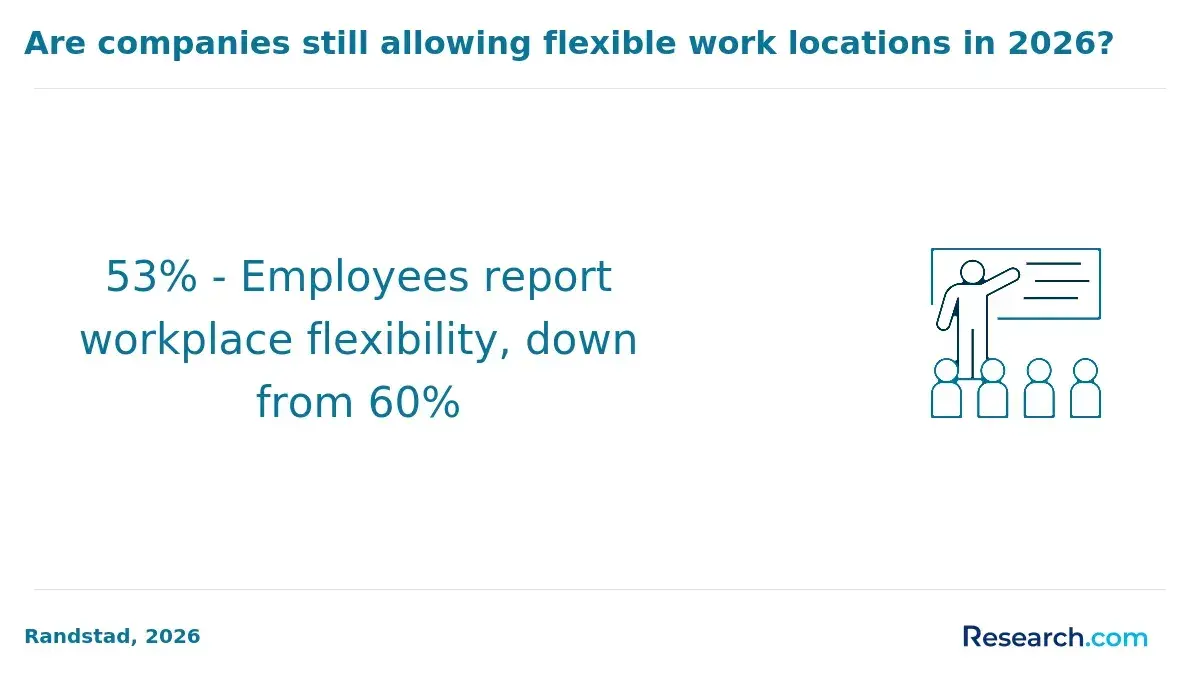
Flexible schedules can make a major difference. Remote and hybrid options may reduce unnecessary social fatigue and protect time for focused work. But flexibility does not automatically mean less interaction. Some remote jobs still involve back-to-back video calls, while some on-site jobs offer quiet offices and predictable routines.
Asynchronous Communication
Many introverts work best when they can process information before responding. Teams that use email, shared documents, issue trackers, and project management tools often create a better fit for this work style than teams that depend on instant reactions.
Know Your Limits
Self-awareness is a practical career skill. Before accepting a job or enrolling in a program, ask how much client contact, travel, presentation work, and meeting time is expected. The goal is not to avoid people entirely. It is to choose a role where collaboration is structured enough that you can still perform well.
Hybrid Work Preference by Generation

Best Careers for Introverts in 2026
The careers below tend to fit introverts because they often involve research, analysis, technical work, writing, design, structured client interaction, or hands-on problem-solving. The salary and outlook figures listed here use annual median pay and employment outlook through 2034 from the Bureau of Labor Statistics Occupational Outlook Handbook updated in August 2025.
| Career | Median Annual Salary | Job Outlook | Typical preparation |
| Actuary | $125,770 | 21.8% | Bachelor’s degree plus actuarial credentials for many roles |
| Accountant | $81,680 | 4.6% | Bachelor’s degree; CPA license may be required or preferred |
| Business Analyst | $91,290 | 21.5% | Bachelor’s degree; graduate study can support advancement |
| Auditor | $81,680 | 4.6% | Accounting degree and strong finance, database, and spreadsheet skills |
| Research Scientist | $58,040 - $140,910 | 4.4% - 19.7% | Field-related bachelor’s degree; advanced degrees often preferred |
| Data Scientist | $112,590 | 33.5% | Bachelor’s degree; master’s degree may be preferred |
| Software Engineer | $133,080 | 15.8% | Bachelor’s degree in software engineering, IT, computer science, or related field |
| Astronomer | $132,170 | 2.2% | Bachelor’s degree; doctorate can support advancement |
| Therapist | $63,780 | 12.6% | Bachelor’s or master’s degree in psychology, counseling, or social work |
| Psychologist | $94,310 | 5.8% | Doctorate for clinical psychology roles |
| Graphic Designer | $61,300 | 2.1% | Portfolio, software skills, experience, and sometimes a bachelor’s degree |
| Photographer | $42,520 | 1.8% | Equipment skills, portfolio, and sometimes a certificate or degree |
| Writer | $72,270 | 3.6% | Degree in English, journalism, communications, or equivalent writing experience |
| Filmmaker | $70,980+ | 4% | No single formal requirement; film education can help |
| Librarian | $64,320 | 1.7% | Bachelor’s or master’s degree in library science; teaching credentials may apply |
| Archivist | $61,570 | 3.8% | Bachelor’s degree in history, archival science, library science, or related field |
| Paralegal | $61,010 | 0.2% | Associate degree, bachelor’s degree, or legal studies preparation |
| Engineer | $106,070 | 6.9% | Bachelor’s degree in an engineering discipline |
| IT Manager | $171,200 | 15.2% | Bachelor’s degree plus substantial IT experience |
| Industrial Machinery Mechanic | $63,760 | 16.1% | High school diploma or equivalent; associate degree may help |
1. Actuary
Median Annual Salary: $125,770
Job Outlook: 21.8%
Actuaries evaluate risk using mathematics, statistics, and financial theory. They help organizations understand the likely cost of uncertain events and make decisions based on evidence, not guesswork. This is a strong fit for introverts who like long-term analysis and structured problem-solving.
Most actuaries start with a bachelor’s degree in mathematics, actuarial science, or a closely related field. Many also pursue credentials through the Casualty Actuarial Society or the Society of Actuaries.
2. Accountant
Median Annual Salary: $81,680
Job Outlook: 4.6%
Accountants examine financial records, prepare reports, handle taxes, support compliance, and help organizations understand their money. The work is detail-heavy and usually structured, which often appeals to introverts who prefer accuracy and predictable tasks.
A bachelor’s degree in accounting or a related business field is a common entry point. Some positions require or prefer a Certified Public Accountant license.
3. Business Analyst
Median Annual Salary: $91,290
Job Outlook: 21.5%
Business analysts study workflows, systems, data, and processes to recommend improvements. They often translate complex problems into practical reports or requirements, making this a good option for introverts who like structured thinking and clear outcomes.
A bachelor’s degree in business administration, finance, or a related subject may be enough for entry-level roles. An MBA focused on business analytics or a master’s degree in data analytics can support advancement.
4. Auditor
Median Annual Salary: $81,680
Job Outlook: 4.6%
Auditors review financial records, internal controls, operational data, and compliance procedures. The work favors careful observation, skepticism, and documentation, which can suit introverts who like clear standards and methodical review.
A bachelor’s degree in accounting is the most common path. Strong spreadsheet skills, database familiarity, and communication ability also help.
5. Research Scientist
Median Annual Salary: $58,040 - $140,910
Job Outlook: 4.4% - 19.7%
Research scientists design studies, run experiments, analyze results, and contribute to knowledge in areas such as medicine, geoscience, pharmacology, and meteorology. The work often combines laboratory tasks, data interpretation, technical writing, and collaboration with specialized teams.
A bachelor’s degree in a related subject is usually the starting point, but employers may prefer a master’s degree, Ph. D., or an Association of Clinical Research Professionals (ACRP) Certification.
6. Data Scientist
Median Annual Salary: $112,590
Job Outlook: 33.5%
Data scientists turn large datasets into insight. Their responsibilities can include cleaning data, building models, finding patterns, testing algorithms, and presenting results to decision-makers. Introverts who enjoy deep technical work often find this field especially appealing.
Most roles ask for a bachelor’s degree in computer science, data science, or a related area. Some employers prefer a master’s degree.
7. Software Engineer
Median Annual Salary: $133,080
Job Outlook: 15.8%
Software engineers design, build, test, and maintain software systems and digital tools. The role mixes logic, creativity, debugging, and team coordination. It can suit introverts particularly well when the team relies on documentation, code reviews, and scheduled collaboration instead of constant interruption.
A bachelor’s degree in software engineering, information technology, computer science, or a related field is commonly expected.
8. Astronomer
Median Annual Salary: $132,170
Job Outlook: 2.2%
Astronomers study celestial bodies and phenomena such as stars, planets, and galaxies. Their work may include observation, modeling, statistics, publishing research, and working with other scientists or engineers. This field can appeal to introverts who enjoy long-term scientific questions.
A bachelor’s degree in physical science, physics, or astronomy can begin the path, while a doctorate is often important for advanced research and academic roles.
9. Therapist
Median Annual Salary: $63,780
Job Outlook: 12.6%
Therapists help clients work through emotional, behavioral, and life challenges through counseling and structured conversation. Introverts who are empathetic, observant, and comfortable with meaningful one-on-one interaction may find this work rewarding.
Preparation usually includes a bachelor’s degree or master’s degree in psychology, counseling, or social work. Licensure rules vary by role and state, so students should verify requirements before choosing a program.
10. Psychologist
Median Annual Salary: $94,310
Job Outlook: 5.8%
Psychologists study behavior, thinking, emotion, development, and social interaction. Depending on the specialty, they may provide therapy, conduct assessments, do research, consult with organizations, or work in schools and healthcare settings. The field rewards listening, analysis, documentation, and ethical judgment.
The BLS reports that more than 204,300 psychologists are employed in the U.S., including 84,800 clinical and counseling psychologists who earn $95,830 yearly.
Clinical psychologists generally need a doctorate in psychology or a related field such as education with a psychology concentration.
11. Graphic Designer
Median Annual Salary: $61,300
Job Outlook: 2.1%
Graphic designers create visual content for brands, publications, advertisements, digital products, and marketing campaigns. Many introverts like this field because the work centers on concept development, layout, software, editing, and portfolio growth.
Some employers ask for a bachelor’s degree in graphic design or a related area, but a strong portfolio and software skill often matter just as much, if not more.
12. Photographer
Median Annual Salary: $42,520
Job Outlook: 1.8%
Photographers use lighting, composition, camera tools, and editing software to capture people, products, events, landscapes, and ideas. Career paths may include journalism, portraits, commercial work, fine art, science, and freelance work.
Some employers prefer a certificate or bachelor’s degree, but many photographers build careers through technical skill, a strong portfolio, and referrals.
13. Writer
Median Annual Salary: $72,270
Job Outlook: 3.6%
Writers produce articles, books, scripts, reports, technical guides, marketing copy, and educational content. This is often a strong introvert-friendly path because ideas can be developed privately before they are shared with others.
A degree in English, journalism, or communications can help, and so can internships, editorial experience, and a well-developed portfolio. Staying current with online education trends can also help writers adapt to changing formats and platforms.
14. Filmmaker
Median Annual Salary: $70,980+
Job Outlook: 4%
Filmmakers move projects from idea to production and post-production. The work may include scripts, planning, editing, visual direction, and collaboration with cast and crew. Introverts can do well in areas like writing, editing, directing, production design, or pre-production planning.
There is no single required degree, although film education can be useful. Students who are exploring trends in higher education may want to compare how different programs support technical and creative development.
15. Librarian
Median Annual Salary: $64,320
Job Outlook: 1.7%
Librarians organize information, help people find resources, manage collections, support research, and oversee library operations. Libraries, schools, museums, and academic settings can offer calmer workplaces than many high-pressure customer service roles.
Public and academic library roles often require a bachelor’s degree or a master’s degree in library science. Some positions may also require teaching credentials.
16. Archivist
Median Annual Salary: $61,570
Job Outlook: 3.8%
Archivists preserve, organize, catalog, and manage historical records and important documents. The job often involves research, metadata, conservation, and careful handling of materials, which can suit introverts who value accuracy and history.
Employers often prefer a bachelor’s degree in history, archival science, library science, or a related field, along with database and computer skills.
17. Paralegal
Median Annual Salary: $61,010
Job Outlook: 0.2%
Paralegals support lawyers by researching legal topics, drafting documents, organizing case files, filing materials, and preparing information for proceedings. This role can be a strong match for introverts who like writing, organization, and detail-oriented work.
One option is an online associate degree in paralegal studies. A bachelor’s degree in legal studies or a related field can also help with entry or advancement.
18. Engineer
Median Annual Salary: $106,070
Job Outlook: 6.9%
Engineers apply math, science, technology, and design principles to solve technical problems. Depending on the specialty, they may build products, improve systems, test materials, design infrastructure, or streamline manufacturing. Many roles combine deep individual work with structured team collaboration.
A bachelor’s degree in engineering is typically required, with options including mechanical, civil, industrial, and other specialties.
19. IT Manager
Median Annual Salary: $171,200
Job Outlook: 15.2%
IT managers oversee technology systems, infrastructure, security, software, hardware, upgrades, and technical teams. Although the role includes leadership, it can still fit introverts who prefer planning, systems thinking, and problem-solving over constant social performance.
A bachelor’s degree in information technology, computer science, IT project management, or a related field is commonly required, along with substantial IT experience.
20. Industrial Machinery Mechanic
Median Annual Salary: $63,760
Job Outlook: 16.1%
Industrial machinery mechanics inspect, troubleshoot, maintain, and repair factory equipment. The work can include cleaning, lubrication, testing, diagnostics, and part replacement, which may appeal to introverts who like hands-on technical problem-solving.
This occupation usually requires at least a high school diploma or equivalent, and some workers complete a two-year associate degree in industrial maintenance.
Career Growth Paths for Introverts
Introverts do not need to become extroverts to advance. Often, the most effective path is to build hard-to-replace expertise in a field that values skill over self-promotion.
That may mean becoming a senior analyst, principal engineer, specialist, researcher, licensed professional, or technical lead. For some students, graduate study can help open those doors. Introverts comparing structured graduate options may want to review the easiest master’s degrees alongside more specialized programs in data science, psychology, business analytics, or technology.
Professional certifications can also support advancement when they are tied to a clear career goal. In accounting, IT, analytics, project management, and design, the right credential can demonstrate competence without forcing you to rely on charisma.
| Growth path | Best for introverts who want | What to check first |
| Technical specialization | More responsibility without people management | Look for specialist, senior analyst, lead researcher, or principal roles. |
| Graduate degree | Access to licensed, leadership, or advanced analytical roles | Confirm whether the degree is required, preferred, or optional. |
| Professional certification | A focused credential that proves skill in one area | Choose credentials recognized by employers in your industry. |
| Management path | Influence over systems, strategy, and team direction | Look for roles with clear processes and predictable communication. |
| Freelance or consulting work | Greater control over clients and schedule | Plan for marketing, contracts, taxes, and uneven income. |
How Introverts Can Build Professional Networks
Networking does not have to mean large events or constant small talk. Introverts often do better with smaller, deeper connections that grow over time.
Informational interviews, mentorship, alumni contacts, former supervisors, classmates, and niche online communities can be more effective than trying to meet everyone in a room. Researching paths such as what can you do with a masters in sociology can also help you find fields where thoughtful communication and expertise matter more than personality theater.
How Advanced Academic Programs Can Support Introvert Career Growth
Advanced programs can help introverts move into specialized roles by offering structured study, independent projects, and a credential that signals expertise. Online and accelerated options can be especially useful for working adults who want to limit time on campus.
For example, 1 year master's programs online may help students complete graduate study more efficiently. Before enrolling, compare accreditation, workload, faculty access, practical training, transfer policies, and whether the program format fits your learning style.
How Introverts Thrive in Collaborative Work
Introverts do not need to avoid teamwork. They usually do best when collaboration is organized, purposeful, and balanced with quiet time for focused work.
- Use structured meetings: Agendas, pre-reads, time limits, and clear next steps make it easier to prepare and contribute.
- Rely on asynchronous tools: Shared documents, email, project boards, and issue trackers reduce pressure for immediate replies.
- Clarify roles early: Clear ownership and deadlines reduce confusion and repeated back-and-forth.
- Build one-on-one relationships: Smaller conversations often feel easier and create stronger trust.
- Protect focus blocks: Calendar time, quiet rooms, and meeting limits help preserve energy for deep work.
- Offer written feedback: Written comments after meetings can help introverts share better ideas than they might in the moment.
Online Education Options That Fit Introverts
Online education can be a strong option for introverts because it often gives more control over schedule, pace, and environment. It is especially useful for careers that require technical knowledge, research, or independent study.
Students interested in research-heavy fields may compare biotechnology master's programs online. The right format can help you build expertise without forcing you into a learning environment that drains your concentration.
Affordable Online Education Choices for Introverts
Cost should be part of the decision. A degree only makes sense if it supports your career goals and fits your budget. When comparing programs, look beyond tuition and include fees, books, technology, transfer credits, financial aid, and time away from work.
Budget-conscious students may want to review cheap online universities for working adults. The best option is not necessarily the lowest sticker price. It is the accredited program that offers a realistic return for your target path.
Short-Term Online Associate Degrees for Introverts
A short-term associate degree can work well when it leads to a credential that employers recognize or creates a clear pathway to further education. This may appeal to introverts who want a quicker, more structured entry into a practical field.
Anyone exploring the best 6 month associate degree online should confirm accreditation, transferability, employer recognition, and whether the timeline is realistic for the workload.
What Online Learning Formats Are Best for Introverts?
Online learning often works well for introverts when it supports reflection and independent progress. The best format depends on whether you need a full degree, a certificate, or a small skill upgrade.
- Self-paced online courses: Good for students who need flexibility and want to revisit difficult material.
- Degree programs for working adults: Many schools offer the best online degree programs for working adults with asynchronous courses.
- Online workshops and webinars: These can provide professional development without the pressure of large in-person events.
- Independent study options: These are useful for learners who prefer reading, projects, and feedback over constant discussion.
- Certification programs: Career-focused certificates can help document skill in technology, analytics, design, business, healthcare, or legal support.
How Accelerated Degree Programs Can Help Introverts
Accelerated programs can help you reach a credential faster, which is valuable if you already know your target field and can manage a heavier pace. They are not automatically easier, though, and they require strong time management.
If speed matters, you may want to compare fast degrees online. Before choosing, make sure the program is accredited, financially manageable, and aligned with the job you actually want.
Which Advanced Degree Fits an Introvert Best?
The best advanced degree depends on the career you want. For many introverts, the strongest options are fields that emphasize research, analysis, independent projects, or technical expertise, such as data science, psychology, library science, business analytics, engineering, education, biotechnology, and technology management.
When comparing graduate programs, examine faculty support, practicum or research expectations, group work requirements, licensure alignment, online flexibility, and career outcomes. If pay is a major goal, you can also review which masters degree pays the most.
Challenges Introverts May Face at Work
Introverts can thrive in many fields, but some workplaces reward visibility more than results. Knowing the common pressure points can help you plan ahead and protect your performance.
- Fewer networking opportunities: Large events can be draining, which may limit access to mentors and referrals.
- Misreading quietness: Colleagues may mistake listening for disengagement.
- Difficulty self-promoting: Introverts may understate accomplishments during reviews or promotion discussions.
- Too much collaboration: Open offices, frequent meetings, and nonstop messaging can interrupt deep work.
- Pressure to act extroverted: Some workplaces reward quick verbal confidence more than thoughtful output.
These issues are manageable. Document your results, ask for agendas, prepare talking points in advance, build a small support network, and choose roles that measure output clearly.
Students exploring quieter healthcare pathways may also consider online radiology tech programs, while checking clinical and licensure requirements before enrolling.
Are Fast Track College Programs a Good Choice for Introverts?
Fast track programs can suit introverts who want a focused, efficient path to a credential and are comfortable with a demanding schedule. They can shorten time in school, but they are not a shortcut around hard work.
Before choosing fast track college programs, compare accreditation, transfer rules, financial aid, course format, workload, and job relevance. A faster program is only valuable if it leads where you want to go.
Common Mistakes Introverts Should Avoid
| Mistake | Why it hurts | Better move |
| Picking a job only because it seems quiet | A low-noise role can still be underpaid, stagnant, or a poor skills match. | Review duties, growth, salary, and environment together. |
| Skipping accreditation or licensure checks | Some careers require specific credentials before you can practice. | Confirm requirements before enrolling in any program. |
| Assuming remote work means minimal interaction | Some remote roles still require constant meetings and messaging. | Ask about communication norms and meeting load. |
| Avoiding networking completely | That can reduce access to mentors, leads, and advancement opportunities. | Use smaller, more intentional relationship-building strategies. |
| Underestimating communication needs | Even independent jobs require updates, collaboration, and documentation. | Build strong written and structured verbal communication skills. |
| Choosing from salary lists alone | High pay does not guarantee a sustainable fit. | Match the role to your work style and long-term goals. |
How to Choose the Right Introvert-Friendly Career
- Identify how you like to work: Decide whether you prefer analysis, writing, coding, design, research, counseling, technical repair, or organizing information.
- Study the real day-to-day tasks: Read job descriptions carefully and talk to people in the field.
- Check education and credential requirements: Some roles need only a portfolio or associate degree; others require graduate study or licensure.
- Compare pay and outlook realistically: Use salary data as a guide, not a promise.
- Examine communication demands: Look for predictable meetings, written workflows, and clear expectations.
- Plan your advancement route: Decide whether you want to specialize, manage, consult, research, or own a business.
- Protect your energy: Choose work settings that give you enough quiet time to do high-quality work consistently.
Is an Introvert-Friendly Career Worth It?
Yes—if the role fits your strengths and your long-term goals. The best careers for introverts are not careers with zero interaction. They are careers that let you contribute through skill, focus, judgment, and thoughtful communication instead of constant social performance.
As you compare options, think about daily tasks, salary, training length, and how the job affects your energy. The right career should support your productivity, not force you to work against your natural style. If you want a broader look at work habits that support output, review productivity at work strategies as part of your planning.
Key Insights
- Introvert-friendly careers are about work style, not avoiding people: The best roles usually combine structure, focus, and purposeful communication.
- Job title alone is not enough: A “quiet” job can still be draining if it includes constant interruptions, heavy meetings, or poor boundaries.
- High-paying options do exist: Roles such as actuary, data scientist, software engineer, engineer, astronomer, and IT manager offer strong earnings potential in this list.
- Education paths vary widely: Some careers require licensure or graduate study, while others depend more on portfolios, certifications, or specialized technical skills.
- Introverts can grow into leadership: Calm decision-making, listening, and preparation can be powerful management strengths when organizations value results.
- The safest choice is the one that fits your daily life: Before you commit, check the actual tasks, communication style, environment, and advancement path.
References:
- McCord, M. A. (2024). Enjoy the silence: Providing space for introverted employees to thrive. Industrial and Organizational Psychology, 17(3), 353–356. https://doi.org/10.1017/iop.2024.27
- Pendell, R. & Agrawawl, S. (2025, July 23). Fully Remote Work Least Popular With Gen Z. Gallup. https://www.gallup.com/workplace/692675/fully-remote-work-least-popular-gen-z.aspx
- BBC Worklife. Why introverts excelled at working from home. https://www.bbc.com/worklife/article/20210713-why-introverts-excelled-at-working-from-home
- Randstad. (2026). Workmonitor 2026: The Great Workforce Adaptation. https://www.randstad.com/workmonitor
- SHRM. (2025). 2025 Employee Benefits Survey. https://www.shrm.org/topics-tools/research/employee-benefits-survey
- Training Magazine. (2025, November 10). 2025 Training Industry Report. https://trainingmag.com/2025-training-industry-report
- U.S. Bureau of Labor Statistics. (2025, August 28). Occupational projections, 2024–2034, and worker characteristics. Retrieved March 2026, from https://www.bls.gov/emp/tables/occupational-projections-and-characteristics.htm
- We Work Remotely. (2025). State of Remote Work Report 2025. https://weworkremotely.com/welcome-to-we-work-remotely-s-state-of-remote-work-report-2025
Other Things You Should Know About Careers for Introverts
In 2027, data science, software development, and cyber security are among the fastest-growing careers for introverts. These fields leverage analytical skills and often allow for independent work, aligning well with introverted preferences. The rise in digital transformation drives their rapid expansion.
High-paying careers for introverts in 2027 include software development, data analysis, and cybersecurity. These roles have strong demand, offer substantial salaries, and require minimal social interaction, making them ideal for introverts who thrive in independent, tech-focused environments.
Yes. Several introvert-friendly careers require formal credentials: accountants need CPA licensure for public accounting, medical laboratory scientists often need ASCP certification, and web developers may benefit from CompTIA or AWS certifications. Licensing rules are set by state boards or national certifying bodies, so requirements vary by field.
Introverts can advance their careers by pursuing advanced degrees or certifications, specializing in their field, and continuously learning new skills. Networking in a way that suits their personality, such as through one-on-one interactions or online communities, can also help them build professional relationships and find new opportunities.
Careers like data analyst, archivist, or technical writer typically require minimal collaboration, allowing introverts to work independently. These roles focus more on individual tasks and often involve working with data or text rather than extensive teamwork and interpersonal communication.


