2027 Fastest Online Criminology Bachelor's Degree Programs You Can Finish in 3 Years or Less

Co-Founder and Chief Data Scientist
Many adults and career changers face the challenge of advancing their education quickly while balancing work and personal commitments. Traditional criminology degrees often require four years or more, delaying entry into the workforce or career advancement. As of 2023, over 40% of online criminology bachelor's degree students pursue accelerated programs to reduce time-to-degree while maintaining accreditation and academic rigor. This article explores the fastest online criminology bachelor's degree programs that can be completed in three years or less, providing detailed insights on credit transfers, financial aid, and program formats to help prospective students make informed decisions aligned with their goals and schedules.
Key Benefits of the Fastest Online Criminology Bachelor's Degree Programs
- Fastest online criminology bachelor's programs offer flexible schedules that accommodate full-time work and family commitments, enabling students to balance education with professional responsibilities effectively.
- Accelerated formats focus on competency-based learning, allowing students to acquire critical criminology skills rapidly and apply them immediately in real-world contexts.
- These programs connect students with diverse global networks, fostering professional relationships that enhance career opportunities across law enforcement and criminal justice sectors.
What Are the Fastest Online Criminology Bachelor's Degree Programs You Can Complete in 3 Years or Less?
Fastest online criminology bachelor's degree programs allow students to accelerate completion through compressed course terms, year-round enrollment, and competency-based education options. These features suit traditional students eager to fast-track their education, working adults, and career changers with prior college credits seeking accelerated online criminology bachelor's degrees completion options without compromising accreditation or quality. Several respected accredited programs can be completed within 36 months:
- Western Governors University (WGU): Offers a competency-based Bachelor of Science in Criminal Justice requiring about 120 credits. Students advance by demonstrating mastery, enabling many to finish in as little as 2-3 years. Tuition is approximately $3,720 per term.
- Liberty University: Provides an online Bachelor of Science in Criminal Justice with year-round eight-week courses. Their flexible terms and transfer credit policies help complete the 120-credit program typically in 2.5 to 3 years, with tuition around $390 per credit hour.
- Southern New Hampshire University (SNHU): Features a 120-credit Bachelor of Arts in Criminal Justice with multiple start dates annually. Accelerated courses and prior learning assessments often allow graduation in about three years, costing roughly $320 per credit hour.
- Colorado State University Global: Offers a Bachelor of Science in Criminal Justice through six-week courses year-round. The 120-credit program's flexible transfer policies support completion within three years, with tuition near $350 per credit.
- Columbia Southern University: Uses eight-week terms and competency-based completion for motivated learners in its 120-credit Bachelor of Science in Criminal Justice. The program typically finishes in 2.5 to 3 years, costing about $295 per credit.
Speed-to-completion depends on course load, transfer credits, and availability of accelerated or competency-based formats. Many students shorten timelines significantly by applying transfer credits or military training. Continuous enrollment without breaks maintains momentum toward early graduation. Additionally, students balancing workload with financial aid options may benefit from related programs like an MSW degree for expanded career pathways.
How Does an Accelerated Online Criminology Bachelor's Degree Save You Money Compared to a Traditional 4-Year Program?
Choosing an accelerated online criminology bachelor's degree offers notable cost savings over traditional four-year programs. NCES data shows average tuition and fees at public institutions hover around $10,560 annually for in-state students. Compressing the degree into three years reduces tuition by roughly 25%, as students pay for fewer semesters and related costs.
Fewer semesters also mean lower cumulative fees, including technology charges, course materials, and incidental expenses such as parking or campus services. These recurrent costs add up in traditional programs but shrink significantly in accelerated formats, contributing to overall financial benefits. Such savings are crucial when comparing the direct costs of a fast-track criminology bachelor's program with standard enrollment.
The indirect financial benefits are equally compelling. According to BLS data, bachelor's degree holders earn a median weekly income of about $1,305, or $67,860 annually. Graduating a year earlier allows faster entry into the workforce, maximizing income potential and offsetting education costs sooner.
For a concrete example, consider a typical online criminology program's estimated costs:
- 3-Year Accelerated Program: Tuition and fees total approximately $32,580, with foregone earnings around $135,720, yielding an estimated total cost near $168,300.
- 4-Year Traditional Program: Tuition plus fees reach about $43,440, and foregone earnings rise to approximately $203,580, totaling roughly $246,960.
- Lower Tuition Costs: Accelerated programs require fewer semesters, reducing tuition expenses by around 25% compared to traditional timelines.
- Reduced Fees and Expenses: Technology fees, course materials, and incidental charges accumulate each semester; fewer semesters result in noticeable savings.
- Earlier Workforce Entry: Graduates begin earning income sooner, gaining a financial edge through a full year of additional earnings.
- Minimized Foregone Earnings: Shortening the time in school reduces lost potential income, a sizable financial advantage over four years.
- Concrete Cost Comparison: Combined tuition, fees, and foregone earnings show a total savings exceeding $75,000 in a typical program.
Students seeking ways to optimize education expenses may also explore related options by reviewing affordable online MFT programs as potential complementary or alternative pathways.
2026 Update: Course Sequencing and Scheduling Risks That Can Slow Completion
For this 2026 refresh, we added guidance on timeline risks that are easy to miss when comparing fast online criminology bachelor’s programs, especially course rotation, required prerequisites, and field-based components.
- Whether required criminology courses are offered every term or only during specific sessions
- How prerequisites are sequenced, especially for research methods, statistics, theory, and senior capstone courses
- Whether the program uses short terms, overlapping sessions, or fixed semester starts
- If internships, practicums, or service-learning projects are required and how placements are approved
- How many courses students can realistically take while working full time
- Whether academic advising provides a term-by-term graduation plan before enrollment
Checking these details helps students avoid hidden delays and choose an accelerated criminology program that fits their schedule, workload, and target graduation date.
- Fort Hays State University: Regionally accredited by the Higher Learning Commission, Fort Hays charges about $218 per credit hour. The 120-credit criminology program costs roughly $26,160 and offers an accelerated path that can be completed in around 2.5 years. The university also accepts transfer credits from previous education and military experience.
- University of Texas Permian Basin: Accredited by the Southern Association of Colleges and Schools Commission on Colleges (SACSCOC), this university's tuition runs near $234 per credit hour. Students can expect to pay around $28,080 for 120 credits. The school provides 8-week accelerated courses and flat-rate tuition options, enabling many to finish within 2.5 years.
- Columbia Southern University: With regional accreditation from the Distance Education Accrediting Commission (DEAC), Columbia Southern offers a tuition rate of $245 per credit hour. Its competency-based education model allows learners to progress at their own speed, often completing the 120-credit degree in less than three years, with total costs near $29,400.
- Western Governors University: Accredited by the Northwest Commission on Colleges and Universities (NWCCU), WGU charges a flat rate of about $3,745 per six-month term rather than per credit. Many students finish between two and three years, with total expenses dependent on how quickly they move through the competency-based curriculum.
- Columbus State University: Also regionally accredited by SACSCOC, Columbus State offers tuition at approximately $267 per credit. The 120-credit program can be completed in 2.5 to 3 years, supporting transfer of up to 90 credits to speed up degree completion.
Choosing regionally accredited schools is key for better credit transfer and employer recognition in criminology fields. Regional accreditation typically holds more weight than programmatic types for general degrees. Schools offering competency-based education or flat-rate tuition can provide significant savings and time flexibility. Considering tuition per credit alongside time-to-completion helps students assess true affordability and pace.
When asked about his experience pursuing an accelerated criminology degree online to change careers, a professional shared that initially navigating credit transfers and accelerated course loads felt overwhelming. He appreciated programs that acknowledged prior learning, which helped reduce time and costs. The freedom to study at his own pace was vital; "it wasn't just about speed but making sure I truly understood the material," he reflected. He found the balance between affordability and accreditation reassuring, knowing employers value recognized degrees. "Choosing the right program made a huge difference in how prepared I felt stepping into a new profession," he noted, emphasizing the importance of careful comparison before committing.
Admissions criteria for fast-track online criminology bachelor's programs vary widely depending on the institution's selectivity and educational approach. Many competency-based or open-enrollment options prioritize accessibility by waiving standardized test requirements and accepting applicants with minimal documentation.
More traditional accelerated online criminology degree programs typically require official transcripts confirming a minimum GPA, often between 2.5 and 3.0. These programs may also expect applicants to have completed prerequisite coursework in subjects like sociology, psychology, or criminal justice. While some schools still request SAT or ACT scores, these are increasingly rare in accelerated formats.
Applicants with relevant professional experience can bolster their submission by providing portfolios or verifying work history in law enforcement or criminal justice fields. Such documentation may also qualify students for prior learning credits, reducing time to graduation. Additional common requirements include letters of recommendation, especially for competitive programs, personal statements detailing career objectives, and in some cases, background checks or fingerprinting due to the practical components of criminology training.
To improve chances of acceptance into fast-track online criminology bachelor's program admissions criteria, candidates should consider completing prerequisites beforehand and securing strong references from academic or professional contacts. Understanding specific program demands and preparing accordingly is key. For comparison, some students explore related options, such as an accelerated construction management degree, which shares similar accelerated program structures.
Most bachelor's degrees in the U.S., including online criminology programs, require about 120 credit hours for graduation. To complete the degree in three years, students typically need to earn around 40 credits annually. This breaks down to approximately 13 to 14 credits each fall and spring semester, along with additional coursework during summer sessions to stay on track. Maintaining this intense schedule is crucial to fulfilling all degree requirements within the shortened timeframe.
Many students speed up their progress by applying transfer credits from previous college work or using prior learning assessments (PLA), such as military training, relevant work experience, and CLEP exams. These methods reduce the number of credits needed, allowing students to graduate sooner and saving money on tuition.
Competency-based education programs offer flexibility by replacing fixed credit hours with mastery of skills and knowledge. This means learners can advance faster by demonstrating proficiency, rather than adhering to traditional semester schedules, potentially shortening the time to degree completion significantly.
- Credit Hour Requirements: Completion requires 120 credit hours covering general education, major courses, and electives.
- Transfer Credits and PLA: Leveraging previous college credits and competency assessments can shorten degree duration and reduce costs.
- Competency-Based Programs: Allow self-paced advancement through demonstrated mastery, enabling quicker graduation.
- Accelerated Course Loads: Maintaining 13-14 credits per term plus summer classes is key to finishing in three years.
- Trend Insight: Nearly 40% of undergraduates take summer courses, underscoring a growing preference for faster completion pathways according to the National Center for Education Statistics.
A professional who completed an online criminology degree in under three years shared that managing an accelerated pace demanded careful planning and discipline. She took advantage of prior coursework and CLEP exams to lighten her course load each semester. "It wasn't easy balancing work and studies, but knowing that I could test out of some classes kept me motivated," she explained. The flexibility of online classes and summer terms allowed her to sustain momentum without burnout. Reflecting on the journey, she emphasized how strategic credit transfers and summer sessions made finishing early feel achievable rather than overwhelming.
When transferring credits toward an online criminology bachelor's degree, schools review official transcripts and detailed course information to decide which credits meet their program standards. This evaluation ensures that previous coursework aligns with specific curriculum requirements, supporting smooth credit application.
Transfer credits typically come from traditional colleges, CLEP exams, AP exams, or prior learning assessments. Credits from regionally accredited institutions usually transfer more easily, especially if course content closely matches. CLEP and AP credits are awarded based on standardized testing that shows mastery in relevant subjects, though acceptance varies by institution. Prior learning assessments evaluate professional experience or training, granting credit when competencies are demonstrated. Institutions apply different rules on how much and which types of credits count toward the criminology degree.
Some online universities have notably flexible transfer policies, accepting up to 90 credits. This can significantly reduce degree completion time, enabling students with substantial prior credits to graduate in three years or less.
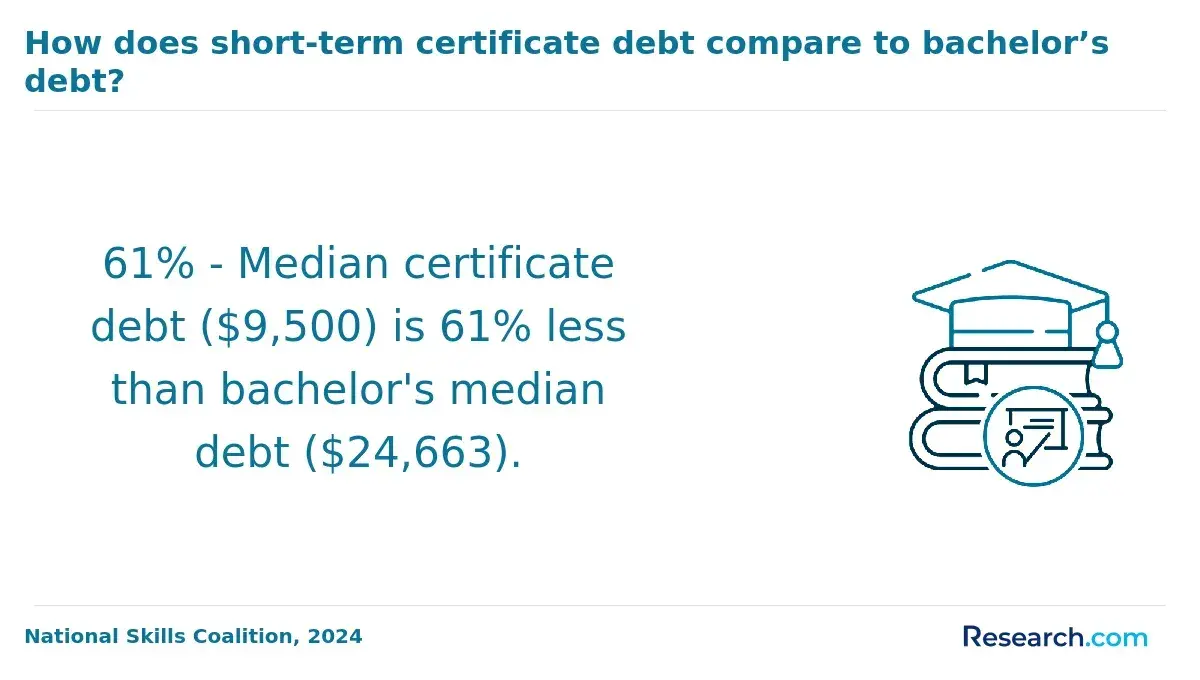
However, research indicates transfer students lose around 13 semester credit hours on average due to course mismatches. It is crucial for prospective students to confirm transfer credit eligibility before enrolling to avoid unexpected setbacks or costs.
- Comprehensive Credit Assessment: Institutions require official transcripts and course descriptions to verify equivalency and apply appropriate credits toward the criminology degree program.
- Varied Credit Origins: Transfer credits include courses from other colleges, CLEP and AP exam scores, and prior learning assessments, each with unique acceptance guidelines impacting degree progression.
- High Transfer Credit Limits: Some programs increasingly allow up to 90 transfer credits, drastically shortening time needed to earn the bachelor's degree.
- Credit Loss Potential: Students should anticipate losing an average of 13 semester credits during transfer evaluation due to non-transferable coursework.
- Emerging Prior Learning Trend: A 2023 study found online criminology programs are expanding recognition of prior learning assessments, thereby offering adult learners more credit options.
Students pursuing an accelerated online Criminology bachelor's degree have access to multiple financial aid sources to help manage costs. The federal aid process starts by completing the Free Application for Federal Student Aid (FAFSA), which determines eligibility for Pell Grants, subsidized loans, and work-study programs. These federal resources support students enrolled in accredited programs and can significantly reduce tuition expenses.
Institutional scholarships and merit-based awards play a key role in funding accelerated Criminology tracks. Awards may be offered for academic performance, leadership, or financial need. Furthermore, discipline-specific grants aimed at Criminology or Criminal Justice majors provide targeted financial support for students in this field.
Enrollment intensity impacts federal aid eligibility. Full-time students generally qualify for the highest aid amounts, but those in accelerated programs should confirm with financial aid offices how compressed credit loads affect eligibility. Part-time students may receive reduced aid or limited access to some grants.
Employer tuition reimbursement programs offer a practical supplemental funding option. Working students should verify whether their employers cover accelerated or online Criminology degrees, as policies vary widely. Combining employer assistance with federal and institutional aid can improve affordability when fast-tracking a degree.
- Federal Financial Aid: Completing the FAFSA grants access to Pell Grants, subsidized loans, and work-study for accredited online Criminology bachelor's programs, with aid varying by enrollment status.
- Institutional and Merit-Based Scholarships: Many universities award scholarships based on academic merit or financial need, with some targeting Criminology students in accelerated tracks.
- Enrollment and Aid Eligibility: Full-time enrollment maximizes aid potential; accelerated program students should plan carefully to maintain full-time status and optimize aid.
- Employer Tuition Reimbursement: Working students should confirm if their employer covers tuition for accelerated or online Criminology degrees to supplement other aid.
- Funding Trends: Over 70% of online degree students received some form of financial aid recently, highlighting the importance of exploring all available funding options.
Competency-based education (CBE) offers a flexible alternative to traditional credit-hour programs by enabling students to progress through an online criminology bachelor's degree based on demonstrating mastery of specific skills and knowledge rather than spending fixed hours in class. This approach benefits motivated learners, especially those with prior college credits or relevant experience, because it emphasizes what students know over seat time. Unlike standard programs with set schedules, CBE allows self-paced advancement, which can accelerate graduation timelines.
Several accredited universities, including Western Governors University and Southern New Hampshire University, provide CBE tracks in criminology and criminal justice. These programs often let students finish degrees within 12 to 18 months depending on their background, thanks to prior learning assessments and fast-track exams that let them bypass content they have already mastered. This model is particularly useful when looking for the fastest competency-based online criminology degrees.
Still, CBE requires strong self-discipline; students must independently manage their studies and meet mastery requirements without traditional class structures. Another consideration is employer perception-while recognition of CBE credentials is growing, some employers and graduate programs may be less familiar with this format, so students should be prepared to explain its rigor. Importantly, these CBE programs hold regional accreditation and qualify for federal financial aid, ensuring quality education and funding opportunities.
- Self-Paced Learning: Students can quickly move through familiar material, reducing time to degree completion by focusing only on what they need to learn.
- Prior Knowledge Recognition: Credit for previous college courses, military training, or work experience helps students fast-track their degree.
- Accreditation and Aid: Accredited CBE programs meet federal financial aid requirements, maintaining educational quality and affordability.
- Need for Discipline: With no fixed class times, learners must be highly motivated and organized to meet mastery-based standards on their own.
- Employer Perception: While increasingly accepted, some employers may require students to clarify the value and format of competency-based credentials.
For working adults aiming to combine fast, flexible education with affordability, exploring options such as a masters in human resources can reveal similarly efficient pathways within related fields.
An accelerated online criminology degree condenses the traditional four-year curriculum into a shorter timeframe, typically by offering intensive courses or year-round sessions. This format suits traditional students who want to fast-track their education without breaks. In contrast, degree-completion programs are tailored for adult learners who already have 30-60 transferable college credits, such as an associate's degree, and need to complete their remaining requirements. These programs often take one to two years to finish.
Students with no prior college credits who seek rapid entry into the workforce or career changes typically benefit most from accelerated online criminology degrees for career changers. Meanwhile, degree-completion programs are ideal for students resuming education after a break, leveraging previous credits and learning experiences.
- Credit History: If you have 30+ transferable credits, a degree-completion program can shorten your path and cost by applying those credits toward degree requirements.
- Career Timeline: Accelerated degrees fit those needing to finish quickly, while degree-completion suits learners with more flexible schedules.
- Financial Constraints: Degree-completion often reduces tuition costs by credit transfer; accelerated paths require tuition paid continuously over a shorter period.
- Learning Style: Accelerated programs demand strong time management due to intensive pacing; degree-completion formats generally provide more flexibility for working adults.
- Employer Perception: Both degrees hold respect, but clarifying program type and credit transfer can improve employer understanding.
Recent data from the National Center for Education Statistics reveals that nearly 40% of online undergraduates are adult learners focusing on degree completion, underlining the rising demand for these distinct formats.
Prospective students should also explore competency-based education formats and financial aid options to maximize savings without sacrificing quality or accreditation. Assessing admissions requirements and credit transfer policies carefully ensures selection of the best program for your needs and timeline.
For insights into related fields, consider reviewing online electrical engineering career outcomes, which illustrate the impact accelerated pathways can have across disciplines.
Accelerated online criminology bachelor's programs combine general education with specialized courses like criminal law, juvenile justice, forensic science, research methods, and ethics. These programs use shortened terms, often lasting 5 to 10 weeks instead of a traditional 16-week semester, requiring students to dedicate 15-25 hours weekly to studying and assignments. Many programs incorporate practical experiences such as internships or capstone projects, which are crucial for applying theory in professional contexts and must be planned carefully to fit within a three-year graduation goal. Accredited programs adhere to standards set by bodies like the Academy of Criminal Justice Sciences (ACJS), ensuring that online curricula match the quality of on-campus offerings.
- Compressed Course Terms: Shortened 5-10 week sessions demand sustained weekly effort to keep pace and fully grasp course material within an accelerated schedule.
- Integrated Curriculum: Students balance general education requirements with core criminology topics, providing a comprehensive understanding of the field.
- Hands-On Learning: Internships and capstone projects deliver essential real-world experience, preparing students for career challenges.
- Accreditation Assurance: Programs accredited by organizations like ACJS guarantee online degree credibility comparable to traditional campus degrees.
- Strategic Scheduling: Managing course load and practical components within an intensive timeline requires disciplined planning for timely degree completion.
Demand for online criminal justice degrees has grown by over 20% in the last five years, driven by the need for flexible. accelerated educational pathways that align with workforce trends.
Recent research indicates growing employer acceptance of online and accelerated criminology bachelor's degrees, particularly when earned from regionally accredited institutions. Accreditation status is the foremost criterion employers consider, outweighing concerns about program format or duration. Prospective students should verify accreditation through the Council for Higher Education Accreditation (CHEA) database to ensure their degree's legitimacy and professional value. Beyond accreditation, students can enhance their degree's credibility by participating in internships, obtaining professional certifications, and creating portfolios showcasing practical skills. Accumulating relevant work experience during study also boosts employability and addresses skepticism related to accelerated timelines. However, some employers and industries maintain a preference for traditional, on-campus credentials. Individuals targeting such fields should investigate industry-specific hiring standards to make informed choices about pursuing an accelerated online path.
- Accreditation Is Crucial: Regional accreditation assures quality and is the main factor employers use to evaluate degrees, regardless of delivery mode or completion speed.
- Internships and Certifications: Gaining practical experience and recognized credentials strengthens resumes and demonstrates applied knowledge.
- Portfolio and Work Experience: Showcasing relevant projects and work done alongside studies can offset concerns about accelerated programs.
- Industry Preferences Vary: Some sectors favor traditional degrees; researching career-specific norms helps align education with employer expectations.
What Graduates Say About Their Fast Online Criminology Bachelor's Degree Program
- Kayden: "Choosing an online criminology bachelor's degree was crucial for me because I needed a flexible schedule that fit around my full-time job. The affordability of the program made it even more appealing, allowing me to advance my education without the burden of overwhelming debt. Since graduating, I've noticed a significant boost in my confidence and opportunities within law enforcement."
- Cannon: "Reflecting on my decision to pursue an online criminology degree, the cost-effectiveness was a major factor, especially compared to traditional on-campus programs. The accelerated timeline helped me enter the workforce faster than I anticipated, creating a direct impact on my career progression. It's been rewarding to apply the knowledge I gained in real-world scenarios and see tangible results in my professional growth."
- Nolan: "From a professional standpoint, enrolling in the fastest online criminology bachelor's degree program was strategic-it balanced pace, cost, and quality. The online format allowed me to study from anywhere, which was ideal given my busy lifestyle. Completing the degree opened doors to new roles that require specialized knowledge, making the investment well worth it."
Other Things You Should Know About Criminology Degrees
Credit transfer policies for 2027 online criminology programs vary but often allow up to 60 credits from accredited institutions. Courses must align with the program's curriculum, and approval is needed from the admissions office to ensure applicable transferability.
Most accelerated online criminology bachelor's programs in 2027 require a high school diploma or equivalent, completion of specific prerequisite courses such as Sociology or Psychology, and sometimes a minimum GPA. Confirm requirements with each institution as they can vary significantly.
- Online Bachelor's Degree in Criminal Justice https://onlineprograms.ecu.edu/programs/undergraduate-degrees/bachelors-in-criminal-justice/
- Accelerated Bachelor of Arts in Criminology & Criminal Justice Online https://online.wpunj.edu/degrees/undergraduate/ba-criminology-criminal-justice-accelerated-professional-track/
- Online Accelerated College Degrees https://www.affordablecollegesonline.org/college-resource-center/accelerated-degrees/
- Online Bachelor's Degree Criminal Justice https://www.umgc.edu/online-degrees/bachelors/criminal-justice
- What is Competency-Based Education (CBE) and How Does it Work Online? https://www.onlineeducation.com/features/cbe-competency-based-education-online
- Online Criminology Degree - B.A. in Criminology https://online.ben.edu/programs/undergraduate/criminology-bachelors/
- Online Transfer Completion Program for Criminal Justice https://www.niagara.edu/colleges/college-of-arts-and-sciences/online-transfer-completion-program-for-criminal-justice/
- Online Bachelor's in Criminal Justice Curriculum | Maryville Online https://online.maryville.edu/online-bachelors-degrees/criminal-justice/curriculum/
- What is Competency-Based Education (CBE)? | University of Phoenix https://www.phoenix.edu/blog/what-is-competency-based-education-and-how-does-it-work.html
- How Credit Transfer Works in Fast Track Bachelor Programs https://aimscollegeuae.org/how-credit-transfer-works-in-fast-track-bachelor-programs/