2027 Best Executive Online MBA Programs in the U.S.

Co-Founder and Chief Data Scientist
An executive online MBA is built for experienced professionals who want senior-level business training without stepping away from full-time work. The key decision is not simply whether to earn an MBA, but whether an executive-format, online program fits your career stage, schedule, budget, and leadership goals.
For managers, directors, entrepreneurs, and technical leaders moving toward broader strategic responsibility, an online EMBA can offer advanced coursework in finance, operations, analytics, leadership, and organizational strategy while preserving career momentum. According to AACSB, more than 100 U.S. institutions now offer accredited online MBA programs, reflecting the continued demand for flexible graduate business education with recognized academic quality.
This guide explains how to compare executive online MBA programs in the U.S. in 2027, what AACSB accreditation means, how much these degrees may cost, whether accelerated and no-GMAT options are available, and how to choose a program that supports your next professional move.
Key Benefits of Getting Into Executive Online MBA Programs
- Career advancement opportunities: Graduates of executive MBA programs often qualify for senior-level management and leadership roles such as chief executive officer (CEO), operations director, or business development executive.
- Strong earning potential: According to the Graduate Management Admission Council (GMAC), MBA graduates earn a median base salary of around $125,000 annually, which is significantly higher than non-MBA professionals in similar roles.
- Flexibility and accessibility: Studying online allows working professionals to balance academic commitments with work and personal life while gaining the same quality of education and accreditation as on-campus programs.
What are the best executive online MBA programs in the U.S. in 2027?
The best executive online MBA programs in the U.S. in 2027 are the ones that combine respected business accreditation, a curriculum designed for experienced professionals, flexible delivery, strong faculty access, and a network that supports senior-level career growth. For most applicants, “best” should be measured against career fit rather than prestige alone.
Strong executive online MBA programs usually share several qualities: they enroll students with substantial work experience, emphasize strategic decision-making over introductory business concepts, use applied projects or case-based learning, and provide opportunities to build relationships with peers, faculty, alumni, and employers.
Frequently cited options include programs offered by the University of North Carolina–Chapel Hill (Kenan-Flagler), Indiana University (Kelley), and Carnegie Mellon University (Tepper), among others. These programs are known for graduate business education that emphasizes executive leadership, analytical decision-making, and global business strategy.
What to look for in a top executive online MBA
| Selection factor | Why it matters | What to check before applying |
| Accreditation | Signals that the business school meets recognized standards for academic quality and continuous improvement. | Confirm whether the business school holds AACSB accreditation or another recognized business accreditation. |
| Executive-level cohort | The value of an EMBA often comes from learning with peers who already manage teams, budgets, products, clients, or business units. | Review the average years of experience and leadership profile of admitted students. |
| Format and schedule | Online programs vary widely in live class requirements, asynchronous work, residencies, and travel expectations. | Ask how often you must attend live sessions, campus weekends, global immersions, or team meetings. |
| Career relevance | A strong program should connect directly to your goals, whether that means promotion, executive transition, entrepreneurship, or industry change. | Compare electives, concentrations, capstones, alumni roles, and career coaching options. |
| Total cost | Tuition is only one part of the investment; fees, travel, books, and time away from work can affect affordability. | Request the full estimated cost of attendance and ask about employer sponsorship or tuition reimbursement. |
Professionals comparing cost-sensitive options should also review the cheapest online MBA programs that may include executive-style formats or leadership-focused concentrations. A lower-cost program can be a smart choice when it is properly accredited, offers credible faculty and student support, and aligns with the learner’s career goals.
Which U.S. universities offer AACSB-accredited executive online MBA programs?
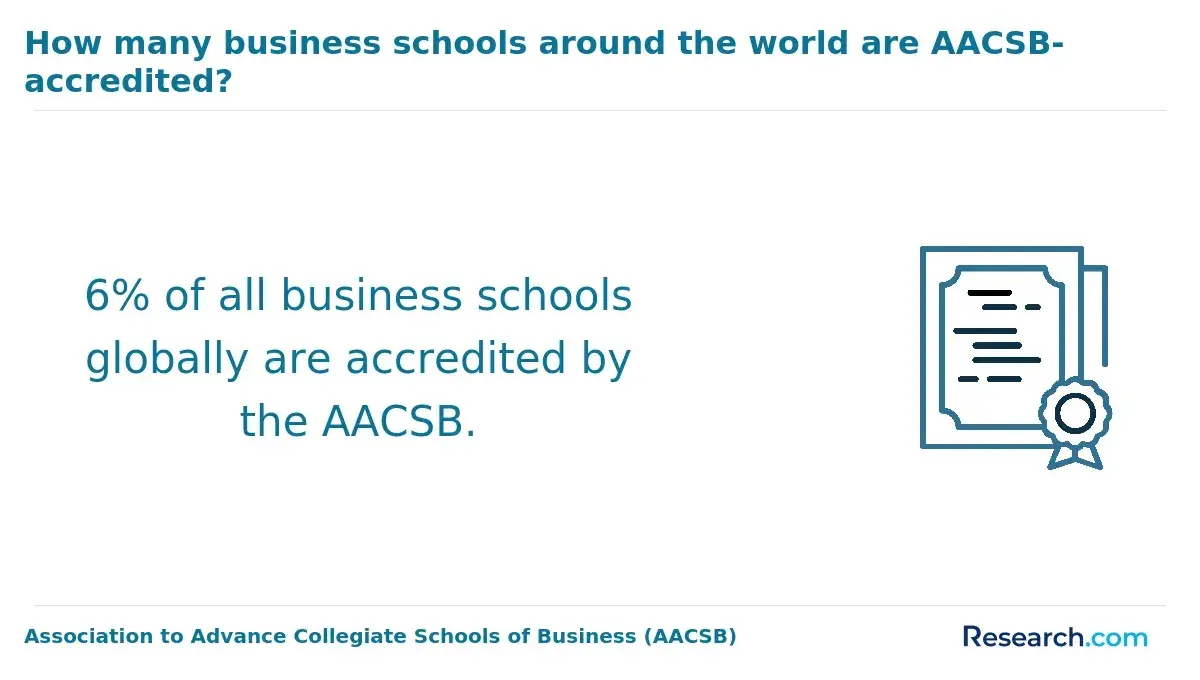
Many U.S. universities that offer executive online MBA programs are housed in business schools with AACSB accreditation. AACSB accreditation is one of the most widely recognized quality markers in business education because it evaluates areas such as faculty qualifications, curriculum quality, student learning, strategic management, and continuous improvement.
Examples of U.S. universities associated with AACSB-accredited online MBA offerings include the University of Florida, Arizona State University, and the University of Massachusetts–Amherst. These schools structure online graduate business study around applied management, innovation, leadership, and data-informed decision-making.
Choosing an AACSB accredited online MBA can help prospective students reduce the risk of earning a degree from a program with weak academic oversight or limited employer recognition. Accreditation is especially important for students who may later pursue executive roles, doctoral study, teaching opportunities, or jobs with employers that screen for degrees from accredited institutions.
Why AACSB accreditation matters
- Employer confidence: Accreditation gives hiring managers and promotion committees a clearer signal that the business school follows recognized academic standards.
- Faculty quality: Accredited business schools are expected to maintain qualified faculty who contribute to teaching, research, practice, or industry engagement.
- Transferable credibility: A degree from an accredited school is more likely to be understood across industries, regions, and global employers.
- Curriculum accountability: Accredited schools must regularly assess whether students are learning the skills the program promises to teach.
Applicants should verify accreditation directly on the university’s business school website or through the accreditor’s official directory. Do not assume that every MBA, online MBA, or executive MBA at a well-known university has the same accreditation status or delivery model.
How much does an executive online MBA cost?
The cost of an executive online MBA in the U.S. varies significantly by institution, program length, residency requirements, and included services. On average, tuition for these programs falls between $35,000 and $120,000. The final cost may be higher once required fees, books, technology, travel, lodging, and lost personal time are included.
Public universities may offer lower rates for some students, especially when in-state tuition applies. Private institutions may charge higher tuition but can also provide broader executive networks, global learning options, intensive career coaching, or more customized leadership development. Higher cost does not automatically mean better outcomes, so applicants should compare value, not just price.
Common cost factors to review
| Cost factor | What it can include | Question to ask the school |
| Tuition | Per-credit or total program tuition for the EMBA curriculum. | Is tuition locked for the cohort, or can it increase during the program? |
| University and technology fees | Online learning platforms, student services, graduation fees, and administrative charges. | Are fees included in the published program price? |
| Residencies or immersions | Campus visits, hotel stays, meals, flights, or international travel. | Which residencies are required, and what expenses are not covered? |
| Books and materials | Textbooks, cases, simulations, subscriptions, and software tools. | Are course materials included in tuition? |
| Opportunity cost | Evening, weekend, or travel time that may affect work, family, or consulting income. | How many hours per week should students realistically budget? |
Reviewing online executive MBA cost details can help applicants compare programs more accurately. Candidates should also ask whether their employer offers tuition reimbursement, corporate sponsorship, paid study time, or leadership development funding. Scholarships, payment plans, veterans benefits, and federal financial aid may also reduce out-of-pocket expenses for eligible students.
Yes. Some U.S. universities offer accelerated executive online MBA programs that can be completed in as little as 12 months, and many programs no longer require the GMAT for applicants with strong professional histories. These programs are typically designed for experienced managers who can demonstrate readiness through leadership experience, academic background, career progression, and professional accomplishments.
Schools such as the University of Miami, Babson College, and Pepperdine University offer accelerated EMBA formats that may appeal to executives who want a shorter path to completion. Coursework often emphasizes strategic leadership, corporate finance, innovation, organizational change, and executive decision-making.
A no-GMAT policy does not mean admission is easy. In many cases, the admissions committee places more weight on work history, leadership scope, recommendations, interviews, prior academic performance, and the applicant’s ability to contribute to an executive cohort.
Who should consider a 1-year no-GMAT executive online MBA?
- Good fit: Professionals with significant leadership experience, clear career goals, strong time management, and employer or family support.
- Potential risk: Applicants who need a lighter academic pace, want extensive networking time, or are changing industries and need more career exploration.
- Important trade-off: A shorter program can reduce time to degree, but it may also increase weekly workload and limit flexibility during busy work periods.
Many accelerated programs also appear in resources covering the 1 year online MBA no GMAT pathway. Before applying, candidates should confirm the exact admissions policy because some schools waive the GMAT only for applicants who meet specific work experience, GPA, graduate degree, or professional certification criteria.
Executive online MBA programs are designed for seasoned professionals, typically those with 8 to 15 years of experience. Traditional MBA programs often serve early-career professionals who are building management foundations, changing functions, or seeking internship-based career transitions.
Both degree types cover major business disciplines such as finance, marketing, accounting, operations, strategy, leadership, and analytics. The difference is the level of discussion, student profile, pacing, and career purpose. Executive MBA courses generally assume that students already understand workplace dynamics and can connect theory to real organizational decisions.
| Feature | Executive online MBA | Traditional MBA |
| Typical student profile | Experienced managers, directors, entrepreneurs, and professionals preparing for senior leadership. | Early- to mid-career professionals seeking broader business training or career change. |
| Work experience | Usually expects substantial professional and leadership experience. | May admit students with fewer years of experience. |
| Career goal | Promotion, executive advancement, broader strategic responsibility, or business ownership. | Career switching, management entry, specialization, or post-MBA recruiting. |
| Learning style | Peer-driven, case-based, applied, and focused on executive decision-making. | More foundational, with greater emphasis on internships, recruiting, and functional exploration. |
| Schedule | Designed for full-time working professionals, often with online coursework and limited residencies. | May be full-time, part-time, online, hybrid, or campus-based. |
Traditional MBA students often benefit from internships, campus recruiting, and structured career placement. Executive MBA candidates are more likely to use the degree to move up within their current organization, shift into broader leadership, strengthen credibility with boards or investors, or improve performance in an existing executive role.
Admission to an executive online MBA program usually depends on professional experience, academic preparation, leadership potential, and fit with the cohort. Most programs require a bachelor’s degree from an accredited institution and expect applicants to show a record of increasing responsibility at work.
Many universities prefer applicants with at least eight years of work experience, including five in a leadership capacity. That leadership can include managing people, leading cross-functional projects, overseeing budgets, running a business unit, serving clients at a senior level, or building a company.
Common application materials
- Professional résumé: Should clearly show career progression, leadership scope, budget or revenue responsibility, team size, measurable achievements, and strategic impact.
- Statement of purpose or essays: Usually ask why the applicant wants an EMBA, why now, and how the program supports specific career goals.
- Letters of recommendation: Often come from supervisors, executives, clients, board members, or industry leaders who can discuss leadership ability and growth potential.
- Interview: Allows the admissions committee to evaluate communication skills, motivation, readiness, and contribution to the cohort.
- Transcripts: Confirm completion of prior academic work and help the school assess readiness for graduate-level study.
Some programs still require standardized test scores, while many waive them for candidates with strong executive experience, prior graduate degrees, quantitative coursework, or professional credentials. Applicants should not rely only on minimum requirements. A strong application should connect past leadership experience with a realistic plan for using the degree.
An executive online MBA teaches experienced professionals how to make better strategic decisions across finance, people, operations, markets, technology, and organizational change. The curriculum builds on core business knowledge but focuses on the judgment, analysis, and leadership skills expected of senior decision-makers.
Common coursework includes:
- Global economics and financial strategy
- Executive leadership and organizational behavior
- Business analytics and data-driven decision-making
- Innovation management and entrepreneurship
Skills an executive online MBA should strengthen
- Strategic thinking: Evaluating competitive position, market shifts, growth options, risk, and long-term business trade-offs.
- Financial decision-making: Reading financial statements, assessing capital allocation, understanding valuation, and communicating financial implications.
- Leadership and influence: Managing change, aligning stakeholders, leading teams, and making decisions under uncertainty.
- Data-informed management: Using analytics to support decisions without ignoring context, ethics, or operational realities.
- Global and cross-functional perspective: Understanding how decisions in one area of the business affect customers, employees, partners, and financial performance.
Many programs include capstone projects, consulting assignments, simulations, or live business cases. One advantage of an online EMBA is immediate application: students can often test frameworks, tools, and leadership approaches in their current organizations while they are still enrolled.
Graduates of executive online MBA programs may gain stronger career mobility, broader leadership credibility, larger professional networks, and better preparation for senior management decisions. Outcomes vary by industry, prior experience, employer support, program reputation, economic conditions, and how actively the student uses the degree.
Common post-MBA positions include:
- Chief executive officer (CEO)
- Chief operations officer (COO)
- Senior financial manager
- Director of business development
According to the Executive MBA Council, the average post-graduation salary increase for EMBA graduates exceeds 14%. This figure can be useful as a broad benchmark, but it should not be treated as a guaranteed return. Salary changes depend heavily on role, location, industry, company size, performance, and whether the graduate changes employers or advances internally.
How an executive online MBA can support career growth
- Internal promotion: The degree can help managers demonstrate readiness for enterprise-level responsibility.
- Executive transition: Graduates may move from functional leadership into general management or C-suite-track roles.
- Entrepreneurship: Coursework in finance, strategy, marketing, and operations can support business launch or expansion.
- Board and advisory opportunities: Senior professionals may use the credential and network to strengthen executive credibility.
- Career resilience: A broader business foundation can help leaders adapt as markets, technologies, and organizations change.
The best outcomes usually come from pairing the degree with a clear career plan. Before enrolling, applicants should ask each program for examples of alumni roles, industries represented in the cohort, executive career services, and how the school supports students who are seeking promotion or transition.
Most executive online MBA programs can be completed in 18 to 24 months. Accelerated tracks can shorten the timeline to as little as one year, while more flexible formats may allow students to extend their studies when work or personal responsibilities require it.
Program length depends on course load, credit requirements, cohort structure, residency components, and whether courses are delivered synchronously, asynchronously, or in a hybrid format. A shorter timeline can be attractive, but it often requires a heavier weekly commitment and less room for unexpected work demands.
| Timeline | Best for | Potential drawback |
| As little as one year | Executives who want rapid completion and can handle an intensive schedule. | Less flexibility and a heavier weekly workload. |
| 18 to 24 months | Working professionals who want balance between momentum and manageability. | Requires sustained commitment across multiple business cycles. |
| Extended part-time pacing | Students with demanding travel, family responsibilities, or unpredictable workloads. | Longer time before receiving the degree and applying the credential. |
When comparing timelines, applicants should look beyond the advertised completion date. Ask how many hours students spend per week, whether group work is scheduled across time zones, whether residencies require travel, and what happens if a student needs to pause or reduce course load.
How can you choose the best executive online MBA program for your career goals?
Choosing the best executive online MBA starts with a clear career objective. A program that is excellent for a finance executive seeking C-suite advancement may not be the right fit for an entrepreneur, healthcare administrator, technology leader, or professional trying to switch industries.
Applicants should evaluate programs using both quality indicators and practical fit. Brand reputation matters, but it should be weighed alongside accreditation, student profile, faculty access, cost, schedule, curriculum relevance, and the strength of the alumni network in your target field.
Decision checklist for applicants
- Define the outcome: Are you seeking promotion, career change, entrepreneurship, board readiness, or broader leadership capability?
- Confirm accreditation: Prioritize programs with recognized business accreditation and verify status directly.
- Review cohort quality: Look for peers with enough experience to enrich discussion and networking.
- Compare total cost: Include tuition, fees, travel, books, time away from work, and available employer support.
- Assess schedule fit: Confirm live class times, residency dates, workload expectations, and flexibility policies.
- Examine curriculum depth: Match electives, capstones, and leadership development opportunities to your target role.
- Test career support: Ask whether services are designed for executives, not only traditional MBA job seekers.
- Speak with alumni: Alumni can provide practical insight into workload, faculty quality, networking, and real career value.
A strong final shortlist should include programs you can afford, complete successfully, and explain confidently to an employer or promotion committee. Attend virtual information sessions, request sample course schedules, ask direct questions about outcomes, and compare programs side by side before committing.
Other Things You Should Know About Executive Online MBA Programs
No. Many top executive online MBA programs waive the GMAT or GRE for applicants with substantial managerial experience, often 8 to 10 years. Some schools still require test scores for candidates with weaker academic records, and policies are set by the business school’s admissions office.
Top Executive Online MBA programs in 2027 often provide advanced learning platforms, access to virtual libraries, dedicated IT support, and collaboration tools like Slack or Microsoft Teams. These resources enhance the online learning experience and ensure students are equipped for digital coursework.
- AACSB. (n.d.). Search accredited Schools. aacsb.edu.
- AACSB. (n.d.). The value of accreditation. aacsb.edu.
- BLS. (2025, August 28). Top executives. bls.gov.
- EMBAC. (n.d.). Research | Research in Context. embac.org.
- Wharton EMBA. (2020, February 3). ROI of an EMBA: Is an Executive MBA worth it?. executivemba.wharton.upenn.edu.