2027 Online MBA Format Comparison: Live Classes vs On-Demand Learning

Co-Founder and Chief Data Scientist
Professionals seeking to advance their careers face a common dilemma: choosing between live classes and on-demand learning for their MBA studies. Live classes offer real-time interaction but require strict scheduling, which can conflict with work and personal commitments. On-demand learning provides flexibility but may lack immediate support and networking opportunities. Selecting the right format is crucial for balancing education quality with lifestyle demands. This article compares live and on-demand MBA formats, focusing on key factors like engagement, flexibility, and outcomes, helping prospective students make an informed decision tailored to their unique needs.
Key Things You Should Know
- Live MBA classes offer real-time interaction and networking, with 78% of students reporting higher engagement compared to on-demand formats.
- On-demand MBA learning provides flexibility, allowing 65% of working professionals to balance studies and employment efficiently.
- Cost differences are notable: live classes average 20% higher tuition, but often include access to live faculty and peer collaboration tools.
What is the difference between live classes and on-demand learning in online MBAs?
Live classes in online MBA programs require students to attend scheduled sessions in real time, promoting immediate feedback, active discussion, and networking opportunities. This format offers structured timelines that help maintain motivation and provide a disciplined learning environment, but fixed schedules and time zone differences may limit flexibility, especially for working professionals. Those weighing the advantages and disadvantages of live online MBA classes should consider these factors carefully.
On the other hand, flexible on-demand learning vs live MBA sessions presents a trade-off between convenience and interaction. On-demand learning allows students to access materials at their own pace, which suits those balancing work, family, or travel commitments. However, it demands strong self-discipline and often reduces real-time engagement and peer networking.
Many programs now adopt hybrid models that combine the benefits of both formats by offering scheduled live sessions alongside asynchronous materials. This approach tailors the experience to diverse student needs, enhancing flexibility without sacrificing interaction.
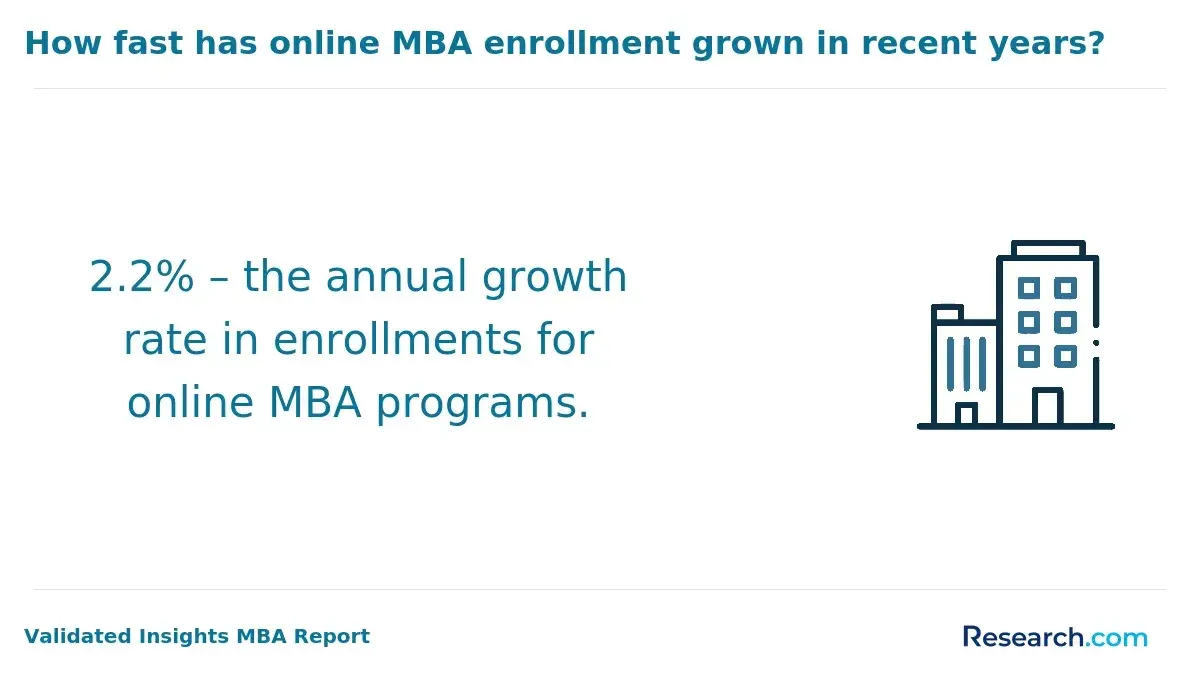
AACSB research highlights a significant rise in online MBA enrollment, from 14% in 2018 to 28% by 2023, reflecting growing acceptance of these delivery styles. Prospective students should match their learning preferences and professional goals carefully when choosing a format. For those interested in affordable options, exploring online MBA cheap programs can be valuable.
- Live classes foster real-time interaction but require commitment to fixed schedules.
- On-demand learning offers maximum flexibility but requires self-motivation and limits immediate feedback.
- Hybrid approaches balance flexibility with engagement to meet various student preferences.
What are the key pros and cons of live classes versus on-demand MBA formats?
Live classes in online MBA programs offer benefits like real-time interaction, immediate feedback, and dynamic discussions. About 75% of business schools now include virtual classrooms, making live sessions a popular choice for students who thrive in structured learning environments and value networking with peers and instructors. This format fosters engagement through live debates, group projects, and direct Q&A sessions, effectively simulating traditional classrooms.
However, live MBA class advantages and disadvantages include strict scheduling that can challenge working professionals, technical issues that disrupt sessions, and uniform pacing that might not suit all learning speeds. In contrast, on-demand MBA learning pros and cons show that this flexible format lets students access lectures anytime, fitting diverse schedules and allowing customized study paces, often lowering costs related to commuting and fixed schedules.
Yet, on-demand learning may weaken engagement due to the lack of immediate feedback, limit networking opportunities, and reduce accountability and motivation for some students. Prospective learners should balance these factors based on their learning style, career demands, and professional goals.
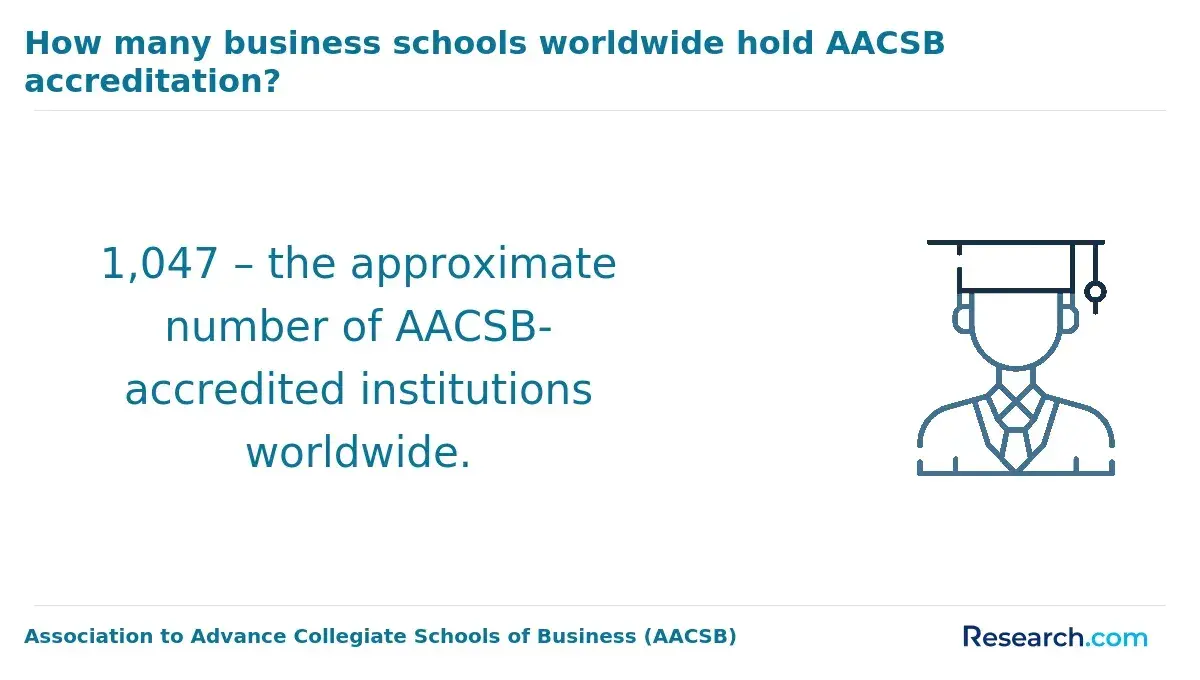
For those exploring options, reviewing AACSB accredited online MBA programs rankings can help identify programs that align with individual needs and ensure quality education.
Which online MBA format suits busy professionals best?
On-demand online MBA programs best suit busy professionals balancing work, family, and other commitments. Their flexibility allows students to study anytime without fixed class schedules, enabling progress around unpredictable work hours or personal obligations. Flexible online MBA programs for working professionals often use recorded lectures, downloadable materials, and self-paced exams, making them ideal for those needing maximum schedule autonomy. However, live classes may pose challenges due to rigid timing, which can conflict with meetings, travel, or caregiving responsibilities.
Students who prefer direct interaction and immediate feedback might lean toward live formats. Yet, the asynchronous nature of on-demand learning holds distinct benefits. Women increasingly prefer on-demand options for balancing career and education; they represented 41% of online MBA applicants in on-demand programs versus 35% in full-time, in-person programs, according to a GMAC survey. This indicates a growing trend in the best online MBA formats for busy professionals.
Networking is another vital factor to consider. Live online classes often include scheduled group discussions and real-time collaboration, fostering peer connections. On-demand formats may require more deliberate effort to engage with classmates through forums or social platforms. Employers typically recognize both formats equally if the institution is accredited, but completing an on-demand program successfully can signal strong organizational skills.
- On-demand learning fits professionals needing maximum schedule flexibility and autonomy
- Live classes benefit those prioritizing structured interaction and accountability
- Women increasingly prefer on-demand options for balancing career and education
Prospective students seeking affordability might explore the least expensive executive MBA options available, aligning cost with their career goals.
Live MBA programs' accreditation standards ensure that online and on-campus formats maintain consistent curricular rigor, often overseen by organizations like AACSB. Schools with AACSB accreditation frequently offer both live and on-demand MBA programs with matching faculty, assessments, and academic quality. The key difference lies in delivery and engagement: live MBA classes foster real-time interaction, networking, and immediate feedback through synchronous discussions and collaborative projects, aiding skill development.
On-demand MBA programs provide prerecorded lectures and flexible scheduling, catering to working professionals needing time management adaptability. Despite fewer synchronous opportunities, many include forums, occasional live sessions, and virtual office hours to support students. However, quality concerns for on-demand MBAs often relate to the self-discipline required and potential for isolation, which may impact the depth of learning compared to live settings. AACSB research notes 47,000 MBA students enrolled in completely online programs, reflecting the growing acceptance of quality online education.
When comparing on-demand versus live MBA options, students should verify accreditation and assess faculty accessibility, course design, and support services. Important questions include:
- Does the program offer live engagement opportunities or mentorship?
- What are the completion rates for each format?
- How accessible are faculty for personalized feedback?
Thorough research can help prospective students find a format aligned with their learning style and professional goals. For those seeking affordability and flexibility, exploring options such as an online MBA no GMAT low cost may offer strong value while meeting accreditation standards.
Admission criteria for live and on-demand MBA programs differ mainly in flexibility and interaction levels. Live MBA programs often require stronger academic records and standardized test scores like the GMAT or GRE. Applicants typically need official transcripts with a minimum 3.0 GPA, professional recommendations, detailed resumes, and interviews conducted in person or via video calls to evaluate communication and leadership skills. Generally, three to five years of relevant work experience is expected to demonstrate career progression.
On-demand MBA programs usually have more flexible requirements. Standardized tests are often optional or waived to improve accessibility. Transcripts and work experience may be less rigorous, with some programs accepting applicants with as little as two years or no experience at all. Recommendations and interviews are less formal or omitted entirely to simplify admission. This flexibility supports nontraditional and first-generation students, aligning with findings from the 2024 GMAC application trends survey that highlights online formats' appeal to these groups.
Applicants should confirm each program's requirements carefully since some online offerings mix live and asynchronous elements, influencing admission standards. Those with weaker academic credentials may find on-demand MBA paths preferable to avoid strict testing or interview demands, while working professionals seeking networking might prefer the thorough vetting in live programs. Both formats require clear documentation but vary significantly in assessment rigor and candidate experience.
Live class MBA programs usually last 18 to 24 months with set weekly sessions, requiring students to keep pace and attend regularly. Part-time live formats can extend to around 30 months or more, accommodating professionals balancing work and study. These formats provide structured interaction and consistent scheduling, ideal for those who benefit from direct instructor engagement.
On-demand MBA programs provide more flexibility, with durations spanning from 12 to 36 months depending on individual progress. Learners access recorded materials anytime, allowing faster completion options in 12 to 18 months or extended pacing over several years to fit busy lives. This flexibility suits students needing asynchronous study but demands strong self-discipline.
Online learning data reveals rising success rates, increasing from 60% in 2015 to 67% by Fall 2019, closing the gap with traditional class completion rates around 70%. This suggests that on-demand timing flexibility does not necessarily reduce effectiveness.
Prospective students should evaluate:
- Preference for real-time engagement and consistent pacing (favoring live classes).
- Need for asynchronous access due to work or life schedules.
- Available weekly time, since live formats require fixed hours.
- Institutional policies on maximum program duration, often capped at five years.
Choosing between live and on-demand MBA programs depends on individual time management, learning style, and career objectives.
Live online MBA programs usually cost between $40,000 and $90,000, reflecting the institution's prestige, program duration, and included services. These programs often maintain fees similar to on-campus options because they provide scheduled classes, live professor interactions, and cohort-based learning that require synchrony.
On-demand online MBA programs are more affordable, generally ranging from $20,000 to $50,000. Their lower pricing reflects flexible, asynchronous learning and reduced operational costs. This format suits working professionals seeking to balance study and career without attending real-time classes.
Both live and on-demand formats significantly reduce or eliminate expenses for accommodation, travel, and campus fees since content is delivered entirely online and accessible 24/7. According to StudyNext analysis, this can save students thousands annually compared to traditional programs.
Key considerations include potential hidden costs of live programs, such as technology needs for synchronous participation. Meanwhile, on-demand degrees may offer savings up to 40%, but students should confirm accreditation and career support services match those of live options to ensure long-term value.
Live MBA graduates often benefit from stronger connections with peers and faculty, which provide immediate access to mentors and job opportunities. This direct networking is especially valuable in industries like consulting, finance, and marketing, where personal recommendations carry significant weight. Campus events and real-time interactions increase the likelihood of recruitment for those in live classes.
On-demand MBA programs offer flexible schedules, enabling students to work full-time while studying. This allows for the immediate application of new skills in the workplace, often leading to faster promotion. However, the reduced networking opportunities and less spontaneous collaboration may limit exposure to some employers who prioritize teamwork.
According to 2019 e-learning data, 70% of students prefer online learning for its higher retention through interactive content, which benefits those in tech-driven fields requiring adaptable skill sets. Employers tend to view live MBA graduates as resilient and team-oriented, while on-demand learners showcase autonomy and strong time management.
Factors influencing outcomes include:
- Stronger networking and employer engagement in live formats
- Greater flexibility and skill retention in on-demand programs
- Faster promotions when applying skills concurrently in on-demand learning
- Varying employer preferences based on industry emphasis on collaboration versus independence
Salaries and job prospects differ significantly between live class and on-demand MBA formats, shaped mostly by interaction styles and employer preferences. Graduates of live online MBA programs often earn median salaries between $95,000 and $110,000 yearly. This advantage stems from enhanced networking and real-time collaboration, skills highly valued by employers as they mirror face-to-face engagement and foster leadership and communication.
In contrast, on-demand MBA graduates usually see salaries from $85,000 to $100,000. While this format offers flexibility and self-paced learning, it limits synchronous teamwork, which some employers consider less rigorous. Job outlooks also diverge:
- Live class students gain experience through scheduled group projects and live discussions, enhancing teamwork crucial in consulting, finance, and technology.
- On-demand learners focus on independent study, fitting careers in analytics, entrepreneurship, and remote roles demanding self-motivation.
Both formats rely on simulations and virtual projects that replicate real-world business challenges, boosting career advancement opportunities. This is especially beneficial in live classes where faculty-led interaction deepens practical skills, as noted in the Krea University comparison.
Prospective MBA candidates should align format choices with career goals: those pursuing leadership and interpersonal roles may prefer live classes, while professionals needing schedule flexibility might opt for on-demand formats, but should seek additional networking to compensate for limited live interaction.
How to choose a reputable live or on-demand online MBA program?
Selecting a reputable live or on-demand online MBA program involves considering accreditation from recognized bodies like AACSB, ACBSP, or IACBE to ensure quality and employer recognition. The delivery format matters: live classes offer real-time interaction and networking benefits, while on-demand options provide the flexibility needed by working professionals and those with family commitments.
Important factors include faculty credentials and industry experience, which enrich practical learning. The curriculum should cover relevant topics such as data analytics, digital transformation, and global markets. Programs that integrate experiential learning, case studies, consulting projects, or internships tend to improve job placement outcomes.
Student support and technology access also play critical roles. Live programs often feature scheduled office hours and cohort collaboration. On-demand platforms need strong tech support, discussion forums, and mentorship. Monitor graduation and job placement rates, as these metrics reflect overall program effectiveness. Be sure to calculate total tuition costs, including fees, materials, and possible travel expenses for hybrid options.
According to Magnet ABA, the e-learning user base is projected to reach 57 million by 2027, driven by institutional investments. This growth increases program options but also competition, underscoring the value of choosing established programs with proven reputations over newer, unvetted ones.
Other Things You Should Know About MBA
Many online MBA programs include options for internships or practical projects, but availability depends on the school's policies. Live-class formats may offer more direct access to local partnerships for internships, whereas on-demand programs often integrate virtual consulting projects or case studies to provide practical experience.
Online MBAs generally aim to support diverse learning preferences through different content formats. Live classes cater to those who benefit from scheduled interaction and immediate feedback, while on-demand programs suit self-directed learners who prefer to study at their own pace using video lectures, readings, and quizzes.
Most employers value the accreditation and reputation of the MBA program over its delivery format. However, candidates from live classes may have more opportunities to demonstrate teamwork and real-time collaboration skills, while on-demand graduates often highlight time-management and self-motivation, which are equally respected in many industries.
- How to Choose the Right Online MBA Program: A Step-by-Step Guide https://www.universalai.in/how-to-choose-the-right-online-mba-program-a-step-by-step-guide/
- Should I Get My MBA Online or In-Person? | University of Bridgeport https://www.bridgeport.edu/news/online-vs-in-person-mba-degree/
- How Much Can I Make with an MBA? https://www.allbusinessschools.com/mba/salary/
- Online vs. Traditional MBA: Pros and Cons https://krea.edu.in/ifmrgsb/online-vs-traditional-mba-pros-and-cons/
- Online MBA 2025 https://rankings.ft.com/rankings/2998/online-mba-2025
- MBA Career Paths & Salaries: What Can You Earn? https://online.aurora.edu/career-outcomes/mba-salary-expectations-by-industry/
- Online MBA vs Campus MBA Program - Which one to choose https://rcu.education/online-mba-vs-campus-mba-programs/
- Choosing Between an Online or Residential MBA | FIND MBA Online https://findmbaonline.com/articles/choosing-between-an-online-or-residential-mba
- Online MBA vs Traditional MBA Credibility | CU Online https://www.onlinecu.in/blog/cu/how-do-online-mbas-compare-to-traditional-mbas-in-terms-of-credibility.php
- Online vs. Blended MBA: Which Format Suits You Best? https://executiveacademy.at/en/knowledge/executive-education/online-vs-blended-mba-which-one-suits-my-needs-better