2027 Best Online MBA Programs for Engineers

Co-Founder and Chief Data Scientist
Engineers seeking to expand their careers often face the challenge of acquiring business acumen without disrupting demanding work schedules. Many find traditional on-campus MBA programs inflexible and time-consuming, complicating the pursuit of leadership roles. Additionally, choosing a program that bridges engineering expertise with managerial skills can be overwhelming given the variety of options. This article explores top online MBA programs tailored for engineers, highlighting accredited, flexible, and industry-relevant curricula. It aims to guide professionals toward informed decisions that align with their career goals and time constraints.
Key Things You Should Know
- Top online MBA programs for engineers in 2026 emphasize leadership, technology integration, and project management to enhance technical and business skills simultaneously.
- Accreditation and flexible pacing remain critical; over 70% of top-ranked programs offer part-time, asynchronous options suitable for working engineers.
- Graduates report a median salary increase of 25-40%, reflecting strong ROI, especially in engineering sectors like software, manufacturing, and energy.
What are the best online MBA programs for engineers?
The best online MBA programs for engineers in the US blend strong business fundamentals with flexible scheduling and technical relevance. Institutions like the University of North Carolina's Kenan-Flagler Business School and the University of Michigan's Ross School of Business are renowned for integrating engineering with leadership training. These programs often offer concentrations in technology management, operations, and innovation, meeting the specific needs of engineering professionals seeking advancement.
Top accredited online MBA degrees for engineering professionals frequently include STEM-designated programs. This designation is valuable for international students who benefit from extended Optional Practical Training (OPT) and domestic students seeking enhanced technical credibility. For instance, Carnegie Mellon's Tepper School offers an online MBA emphasizing analytics and technology management, tailored for engineers targeting leadership roles in technology-driven sectors.
Salary data reflect the advantage of an MBA for engineers. According to the Payscale College Salary Report (2025), engineers with an MBA earn a median annual salary of $152,530-28% higher than their counterparts without business degrees. This increase illustrates greater access to upper management and strategic positions requiring both technical expertise and business acumen.
When selecting a program, consider accreditation, faculty expertise, curriculum relevance to engineering, and strong career services. Flexible online formats combining synchronous and asynchronous learning accommodate full-time engineers effectively. For those seeking cheap online MBA options without compromising quality, research comprehensive program reviews and financial aid possibilities.
Why pursue an online MBA as an engineer?
Engineers pursue an online MBA to develop critical leadership and business skills that complement their technical expertise. With engineering manager positions expected to grow 10% from 2024 to 2034, outpacing the average for all occupations, earning an online MBA enhances career flexibility and advancement opportunities. This degree equips engineers with financial acumen, strategic thinking, and management techniques needed to lead complex projects and multidisciplinary teams.
Many engineers turn to MBA programs to transition into roles like project manager, product manager, or technology consultant, where knowledge of market dynamics and corporate strategy is essential. An online format allows working professionals to maintain their roles while integrating real-world experience with academic learning. For example, engineers in manufacturing can focus on supply chain management, while software engineers may emphasize innovation management to lead product development. This makes online MBA programs for engineers in the US particularly valuable.
In addition to technical-business integration, the online MBA addresses challenges such as improving communication with nontechnical stakeholders, mastering negotiation, and managing budgets, which are essential for smooth career progression. These skills reduce common bottlenecks and increase earning potential, while providing networking opportunities and access to mentorship programs bridging technical and business fields.
Choosing an online MBA tailored for engineers or including electives in technology management maximizes relevance and ROI. The combination of a technical background and MBA-acquired leadership skills positions engineers as top candidates for executive roles in engineering-driven companies and startups. Many programs emphasize affordability and accessibility; for those interested, the AACSB MBA programs no GMAT offer convenient options for professionals.
How do online MBAs differ from campus programs for engineers?
Online MBA flexibility for engineers is a key advantage over traditional campus programs. These programs deliver asynchronous coursework, enabling engineers to manage studies alongside demanding full-time roles, which supports a smooth transition into management without career interruption. Campus MBA programs, meanwhile, focus on in-person networking, direct faculty access, and collaborative teamwork that cultivates interpersonal skills.
Core business topics such as finance, marketing, and leadership are covered in both formats, but online MBA programs often incorporate technology-driven tools and virtual simulations aligned with the digital business realities faced by engineers. Practical projects in online courses frequently leverage students' current job experiences for immediate application.
Graduates of Boston University Questrom's online MBA have noted an average 40% salary increase within six months of finishing. This underscores the career impact of well-designed online MBA programs.
Differences between online and campus MBA programs for engineers also include factors like peer interaction quality, support services, and accreditation, which shape learning outcomes. While campus programs may offer stronger personal connections, online options provide greater accessibility and scalability without compromising rigor.
Engineers seeking to explore affordable options may find value in the cheapest executive MBA online, which balances cost with program quality.
Regional accreditation is essential for online MBA programs in the United States, ensuring institutions meet fundamental academic standards. Equally important are top-recognized online MBA accreditations in the US, such as the Association to Advance Collegiate Schools of Business (AACSB). This accreditation highlights rigorous curriculum quality, qualified faculty, and outcomes aligned with industry needs. Employers and licensing boards often prefer or require degrees from AACSB-accredited programs, especially in technical fields like engineering management.
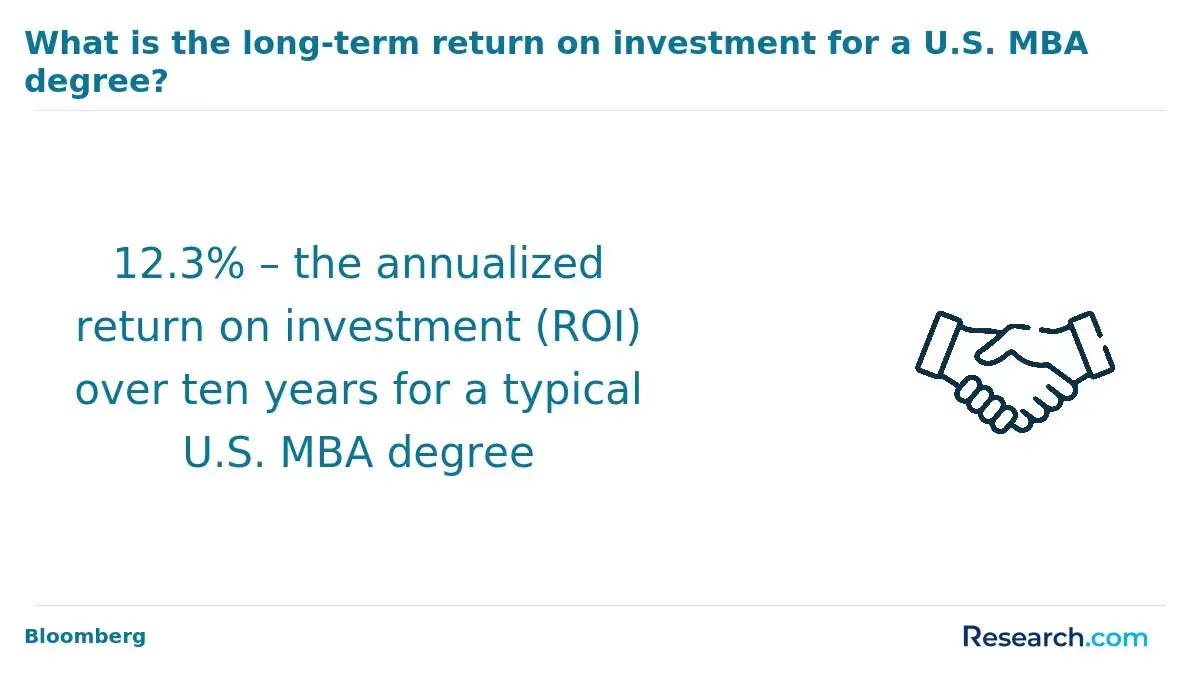
Students should confirm that both the university and its business school hold these accreditations. For instance, the University of Illinois Gies College of Business maintains AACSB accreditation. Its online MBA program delivers measurable success for engineers, with alumni in engineering-related roles seeing a 5-year return on investment of 125%, based on tuition costs versus salary gains. This underscores the practical and financial benefits of accredited programs.
Other credible accreditations include the Accreditation Council for Business Schools and Programs (ACBSP) and the International Accreditation Council for Business Education (IACBE), although they generally have less recognition than AACSB. Unaccredited or solely nationally accredited programs might lack employer recognition and transferable credits, limiting career flexibility.
Prospective students should verify if the program's accreditation is recognized by the U.S. Department of Education or Council for Higher Education Accreditation, and evaluate alumni outcomes compared to industry standards. To identify suitable options, consider consulting top ranked online MBA programs no GMAT that meet these accreditation standards for online MBA programs.
Admission to online MBA programs for engineers typically requires a bachelor's degree in engineering or a related STEM field. Applicants submit official transcripts showing strong quantitative and analytical coursework. Those with non-engineering degrees must demonstrate sufficient quantitative skills. Work experience, often between two and five years in engineering or technical roles, is highly valued to ensure candidates bring practical knowledge and leadership potential. Experience in project management or cross-functional teams is a plus, enhancing business acumen.
Standardized test policies vary; many schools waive the GMAT or GRE for seasoned professionals or advanced degree holders. Competitive programs might require minimum scores near 600 for GMAT or 310 for GRE to assess readiness for rigorous graduate study. Letters of recommendation, personal statements, and resumes are standard; essays should connect engineering experience to business goals, highlighting communication and leadership abilities.
Cost is a significant factor. For instance, Texas A&M International University offers an online MBA with tuition averaging $12,500 total, providing about 65% savings compared to the national average for AACSB-accredited programs. This affordability appeals to engineers seeking credible, cost-effective options.
Applicants with limited business background may need prerequisite courses in accounting, finance, or marketing. Checking these requirements early helps avoid enrollment delays.
The curriculum of online MBA programs tailored for engineers blends core business principles with technical problem-solving skills. These programs focus on financial management, project management, operations, and leadership development to prepare engineers for strategic roles. Specialized courses often cover data analytics, innovation management, and supply chain optimization, reflecting growing demand for leaders who understand both technology and business.
Practical learning through case studies and capstone projects enables students to tackle real-world business challenges using engineering knowledge. Electives frequently include technology commercialization, product development, and entrepreneurship, which support engineers aiming to manage or launch tech ventures. Essential skills developed include budgeting complex projects, risk assessment, and leading interdisciplinary teams.
For example, affordable options such as Pittsburg State University's online MBA, with tuition around $14,000, offer a strong return on investment. According to the Great Value Colleges ROI Study, this program provides engineering graduates a 200% ROI within three years, highlighting the value of a focused curriculum aligned with industry needs.
Typical coursework includes:
- Financial accounting and managerial economics for engineering contexts
- Leadership and organizational behavior emphasizing technical teams
- Operations and supply chain management in technology sectors
- Strategic marketing for high-tech products and services
- Data-driven decision-making and analytics
- Project management using methodologies like Agile and Lean
These elements equip engineers to lead multidisciplinary teams, solve complex business problems, and promote innovation in startups and established companies alike.
Online MBA programs typically take between 18 and 36 months to complete, depending on enrollment status and program format. Full-time students usually finish within 18 to 24 months, while part-time students, especially working professionals, may require 30 to 36 months. Accelerated programs can shorten this to 12 to 15 months, but demand intense workloads.
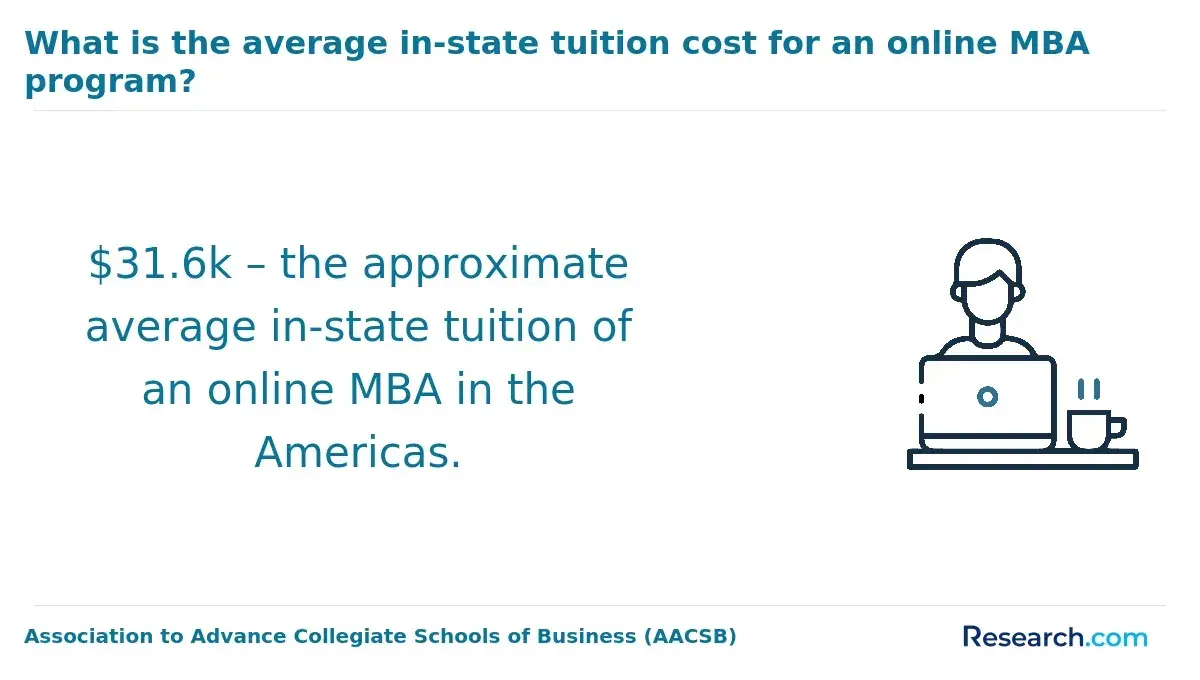
Tuition varies widely based on institution type, program length, and specialization, generally ranging from $25,000 to $90,000. Public and state schools often charge between $25,000 and $50,000, whereas private institutions exceed $60,000. Additional costs may include technology fees, books, and optional residencies.
Engineering-focused concentrations, such as project management, influence both duration and cost. These specialized courses may lengthen completion time but improve job prospects. According to the GMAC Corporate Recruiters Survey, online MBAs with project management concentrations achieve 15% higher placement rates in tech leadership roles.
Prospective students should assess career goals and professional commitments before selecting program length and focus. Options include:
- Accelerated programs for faster advancement
- Part-time schedules for work-life balance
- Evaluating tuition and financial aid availability
Careful comparison helps manage overall costs and ensures alignment with long-term career plans.
Engineers with an online MBA often expand their career opportunities beyond traditional technical roles. Common paths include product management, where technical expertise combines with business strategy to direct product development and market positioning. Operations management is another frequent choice, focusing on optimizing processes to boost organizational efficiency. Many also enter consulting, offering guidance on technology integration, innovation management, and digital transformation.
Leadership positions such as project manager, program manager, or director of engineering become attainable, blending team oversight with strategic planning and budget management. Some engineers transition into finance and investment roles targeting technology sectors, including venture capital or corporate finance related to engineering firms. Supply chain management also benefits from its analytical and systematic approach to logistics and procurement.
Entrepreneurship is increasingly popular among engineers with an MBA, using their combined technical and business skills to launch startups or grow existing companies. Business development and strategic partnerships within technology companies also attract these professionals, requiring an understanding of market demands alongside engineering constraints.
On average, engineering MBA holders recoup their educational investment in 2.1 years, faster than the 3.5 years typical for general MBA graduates, according to Financial Times. This reflects strong market demand for integrated technical and managerial expertise across industries, highlighting the practical advantage of an engineering MBA.
Engineers holding an MBA often see salaries between $110,000 and $160,000 annually, influenced by experience and industry. Those advancing into management positions in tech firms or consulting can earn over $150,000, while manufacturing and energy sectors tend to offer salaries above $110,000 but slightly lower. The U.S. Bureau of Labor Statistics projects a 7% growth rate in management jobs through 2030, reflecting strong demand.
Key factors boosting these prospects include leadership, strategic thinking, and cross-functional expertise developed through MBA programs. Employers value engineers who blend technical skills with business acumen, especially in roles like project management, product development, and strategic planning.
Waiving GMAT requirements has driven a 22% surge in enrollment for online engineering MBA programs since 2024, as reported by the Graduate Management Admission Council Application Trends Report. This growing accessibility aligns with the increasing need for advanced business training among engineers, further enhancing career potential.
Practical advice for candidates includes selecting MBA programs with strong industry networks and specializations such as operations management or data analytics. Networking and internships during the program are critical for securing jobs with salaries above $120,000.
Engineers with an MBA gain a competitive advantage for higher-paying management roles, often exceeding typical engineering salaries without an MBA.
How to choose the right online MBA program?
When selecting an online MBA program, it is crucial to consider curriculum quality, flexibility, and career impact. Programs blending technical and business courses meet the rising demand for hybrid skills, as highlighted by Deloitte's Engineering Workforce 2025 Report, which predicts that by 2028, 70% of engineering executives will hold hybrid technical-business degrees such as online MBAs.
Key factors to assess include:
- Accreditation by bodies like AACSB or ACBSP ensures program credibility.
- Faculty expertise with experience in both engineering and business for relevant insights.
- Networking opportunities, including live virtual classes and active alumni groups, to boost professional growth.
Flexibility is important for working professionals-look for asynchronous learning or part-time schedules. Some schools offer accelerated options or longer timelines to suit diverse needs.
Specializations in areas like technology management, supply chain, or product development help tailor your education to career goals. For example, engineers targeting project leadership may prefer programs emphasizing strategic management and leadership skills.
Cost and return on investment matter; affordable programs with strong career support and internship possibilities often offer better value. Investigate graduate placement rates and reported salary improvements.
Additional support, like career counseling, technical assistance, and mentorship, can improve completion rates and career advancement.
Other Things You Should Know About MBA
Most online MBA programs prefer candidates to have some professional work experience, often between two to five years, although this requirement can vary. Work experience enhances classroom discussions and practical learning, especially for engineers applying theoretical knowledge to business challenges. However, some programs offer conditional admission or accept recent graduates if they demonstrate strong academic potential.
Engineers should be comfortable with basic statistics, financial ratios, and spreadsheet analysis before enrolling. Most online MBA programs require no advanced calculus, but they do expect students to interpret data, read quantitative case studies, and complete core courses in accounting, finance, and operations.
Online MBA degrees from accredited and reputable schools are widely respected by employers, especially when the curriculum integrates engineering and business management principles. Employers value the combination of technical expertise and business acumen that engineers bring after completing such programs. Graduates often find their qualifications strengthen their leadership potential and credibility in technical and managerial roles.
- Top Online MBA Programs in Engineering - Europe 2026 | FIND MBA Online https://findmbaonline.com/schools/europe/specialization/engineering
- How to Choose The Right MBA Program Length https://www.princetonreview.com/business-school-advice/mba-program-length
- What Accreditations Should One Look for Before Enrolling in an Online MBA Program? - Finance, Tech & Analytics Career Resources | Imarticus Blog https://imarticus.org/blog/what-accreditations-should-one-look-for-before-enrolling-in-an-online-mba-program/
- MBA After Engineering: Benefits and Scope in 2024 https://sageuniversity.in/blogs/mba-after-engineering-benefits-and-scope
- What is the Curriculum? - Twinkl Teaching Wiki - Twinkl https://www.twinkl.co.uk/teaching-wiki/curriculum
- MBA Accreditation: AACSB's Impact on Business Programs https://www.onlinemba.com/rankings/best-online-mba/aacsb-accredited/
- How Much Does an Online MBA Cost? | University of Bridgeport https://www.bridgeport.edu/news/cost-of-online-mba/
- Definition of HOW https://www.merriam-webster.com/dictionary/how
- Best Online MBA Programs for Engineers – Rankings https://www.collegeconsensus.com/rankings/best-online-mba-programs-for-engineers/
- Engineering School Admissions Requirements - GPA, GRE, SAT https://www.onlineengineeringprograms.com/faq/admissions-requirements-for-engineering-school