
2027 What Can You Do with a Nutritional Science Degree: Costs & Job Opportunities

Co-Founder and Chief Data Scientist
Choosing a nutritional science degree is really a decision about where you want to work in health, food, wellness, research, or public service. Some students want to become dietitians or nutritionists. Others are interested in food product development, public health programs, sports performance, clinical nutrition, or graduate study. The right program depends on your career target, your budget, whether you need licensure preparation, and how much flexibility you need while studying.
This guide explains what a nutritional science degree covers, how much it can cost, what jobs it can lead to, and how to compare programs before enrolling. It is designed for students considering an associate, bachelor’s, master’s, or doctorate in nutritional science, including learners comparing online and campus-based options. You will also find practical guidance on accreditation, admissions, skills, salary expectations, degree levels, and ways to build a stronger career after graduation.
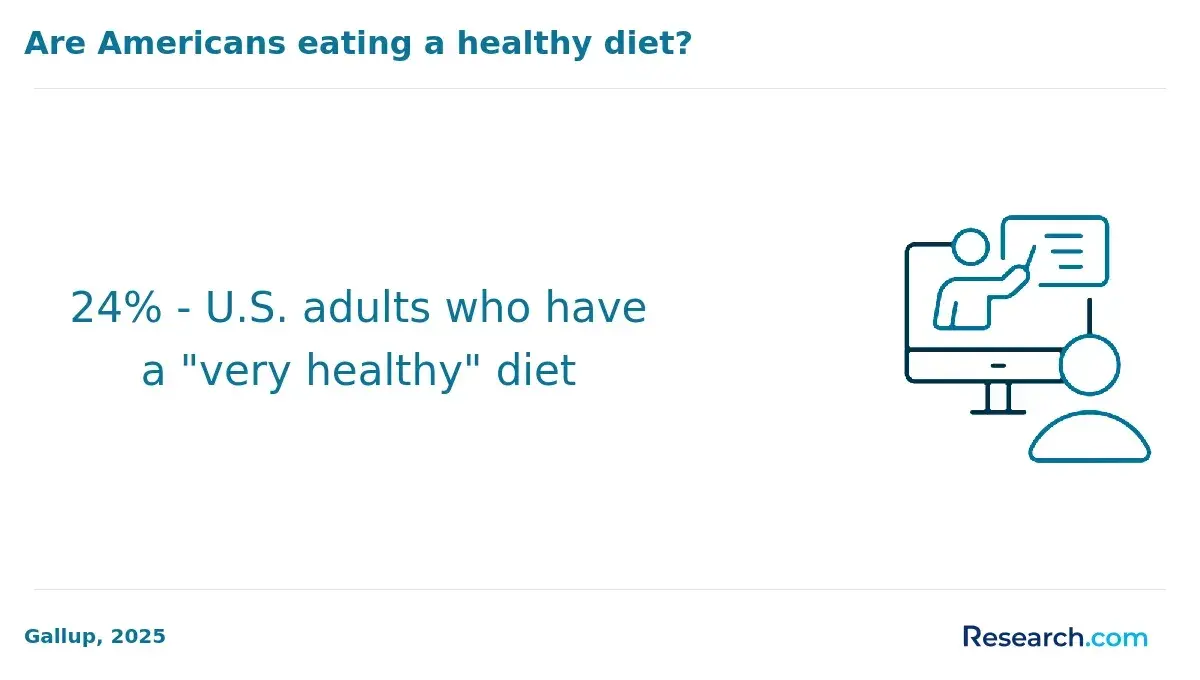
Nutrition remains an important public health and career topic. Gallup data show that 41% of U.S. adults believe they are overweight, while only 24% report having healthy diets. Nutritional science professionals help people and communities make evidence-informed food choices, manage health risks, and translate nutrition research into practical guidance. For many students, the first step is completing the requirements for an online bachelor’s degree in nutritional science or a comparable campus-based program.
Nutritional Science Degree Table of Contents
- What does a nutritional science degree cover?
- How much does a nutritional science degree cost?
- What jobs can you get with a nutritional science degree?
- Which nutritional science degree level should you choose?
- What are the admission and skill requirements?
- How can students find flexible and lower-cost nutrition programs?
- How are digital tools changing nutritional science?
- How should you compare nutritional science programs?
- 2027 best nutritional science degrees
- How can you build a career after earning the degree?
- Can online education support nutritional science career goals?
- When do cross-disciplinary credentials help nutrition graduates?
- How does holistic nutrition fit into nutritional science careers?
- Can administrative credentials help nutrition graduates?
- How can nutrition and pharmacy knowledge work together?
- What continuing education options can support advancement?
Quick Answer: Is a Nutritional Science Degree a Good Choice?
A nutritional science degree can be a strong option if you want a career connected to food, health, wellness, clinical care, public health, research, or dietetics. A bachelor’s degree is the most common entry point for many nutrition-related careers, while graduate study may be useful for specialized, research-based, clinical, or leadership roles. Students who want to become registered dietitians or registered nutritionists should pay close attention to accreditation, supervised practice requirements, and state-specific credentialing rules before enrolling.
The degree is most valuable when it matches a clear career goal. A student who wants to work in clinical dietetics should choose a program aligned with dietetics requirements. A student interested in food science should look for laboratory, product development, and research opportunities. A student aiming for community health should prioritize public health nutrition, program planning, and field experience.
What is a nutritional science degree?
A nutritional science degree studies how food, nutrients, digestion, metabolism, behavior, and health outcomes are connected. Students examine nutrients and food components, the biological processes involved in digestion and absorption, and the ways nutrition research informs health policy, disease prevention, and individual counseling. The field also connects with healthcare, social science, food systems, public policy, business, and community health.
In practice, nutritionists and dietitians may assess a person’s dietary habits, health goals, medical history, lifestyle, and barriers to healthy eating. They may then design meal plans, provide nutrition education, recommend behavior changes, and monitor progress. Their work can take place in hospitals, outpatient clinics, schools, public agencies, sports organizations, food companies, wellness businesses, and private practice.
The need for practical nutrition guidance is clear. Gallup data show that 24% of U.S. adults report having healthy diets, yet a much larger share believe they are overweight. This gap helps explain why many individuals seek professional support for weight management, healthier eating patterns, chronic disease prevention, and evidence-based nutrition advice.
Although curricula vary by school and degree level, nutritional science students often take courses such as:
- Nutrition Research
- Biostatistics
- Advanced Clinical Nutrition
- Micronutrients and Macronutrients
- Lifecycle Nutrition
- Dietetics
- Food and Nutrition Entrepreneurship
What can you do with a nutritional science degree?
A nutritional science degree can lead to roles in healthcare, public health, food science, education, wellness, athletics, research, and consulting. Some graduates pursue traditional nutrition and dietetics roles, while others use the degree as a foundation for health communication, product development, community programs, or management positions in health-related organizations. Students comparing broader health career options may also want to review related healthcare administration career paths.
Clinical nutrition is also a notable market. Mordor Intelligence projects the global clinical nutrition market size to reach $123.54 billion by 2031, with annual growth of about 8% (Mordor Intelligence, 2026). Market growth does not guarantee a specific job or salary for any graduate, but it does show that nutrition-related products, services, and clinical applications remain commercially and medically important. Common career directions include nutritionist, dietitian, sports nutritionist, clinical nutritionist, and public health professional.
Cost of a Nutritional Science Degree
The cost of a nutritional science degree depends on the institution, degree level, residency status, delivery format, fees, transfer credits, and whether the program includes supervised practice or laboratory requirements. Associate degrees are usually less expensive because they require fewer credits. Bachelor’s programs cost more but are often the standard academic foundation for nutrition-related careers. Graduate programs may be shorter than a bachelor’s degree, but their advanced coursework and professional positioning can make them more expensive.
How much does it cost to get a nutritional science degree?
Students can pursue nutritional science at several academic levels. An associate degree may take around two years and can help students enter support roles or transfer into a bachelor’s program. A bachelor’s degree generally takes four years and is the most common route for students seeking nutrition-focused professional roles. Master’s and doctorate programs are usually selected by learners who want advanced clinical, research, academic, or leadership opportunities.
Associate degrees in nutritional science can range from $5,000 to $30,000. Bachelor’s programs may cost around $14,000 to $80,000 in tuition. Master’s degrees can range from $20,000 to $65,000. These figures do not always include books, technology fees, transportation, housing, exam costs, background checks, insurance, or supervised practice expenses.
Students concerned about affordability should compare net price rather than tuition alone. Grants, scholarships, institutional aid, employer support, federal loans, and transfer credits can all change the final out-of-pocket cost.
| Program Level | In-State | Out-of-State |
| Undergraduate | $6,648 | $20,846 |
| Graduate | $11,711 | $22,799 |
| *Values are estimates. |
Is a degree in nutritional science worth it?
A nutritional science degree may be worth it when the program prepares you for the specific role you want, fits your budget, and supports required credentials or graduate study. The return on investment is strongest when students understand the credentialing pathway early. For example, someone aiming to become a clinical dietitian should not choose a general nutrition program without confirming whether it supports dietetics requirements.
The degree can also support long-term advancement. A nutritionist may later move into clinical nutrition, senior nutrition roles, consulting, public health leadership, research, or private practice. Some professionals eventually open their own clinics or nutrition businesses after building experience, reputation, client relationships, and sufficient capital.
| Cost Factor | Why It Matters | Question to Ask Before Enrolling |
| Accreditation | It can affect credentialing, employer recognition, and eligibility for certain professional pathways. | Does this program meet the requirements for my intended credential or license? |
| Transfer credits | Accepted credits can reduce time and total cost. | How many of my previous credits will count toward the degree? |
| Residency status | Public institutions often charge different tuition for in-state and out-of-state students. | Will I pay in-state, out-of-state, or online-specific tuition? |
| Supervised practice | Clinical or dietetics preparation may require field placements that add time and expenses. | Are placements included, and who is responsible for arranging them? |
| Fees and materials | Lab fees, books, technology costs, insurance, and exam fees can increase the final price. | What is the full estimated cost beyond tuition? |
Nutritional Science Degree Jobs
A nutritional science degree can prepare graduates for direct nutrition roles and adjacent careers. Common options include nutritionist, dietitian, public health worker, personal consultant, medical representative, sports medicine professional, nutraceutical scientist, product or process development scientist, health service manager, and herbalist. Some graduates also combine nutrition knowledge with culinary training, food entrepreneurship, communications, or healthcare operations.
Is nutritional science in high demand?
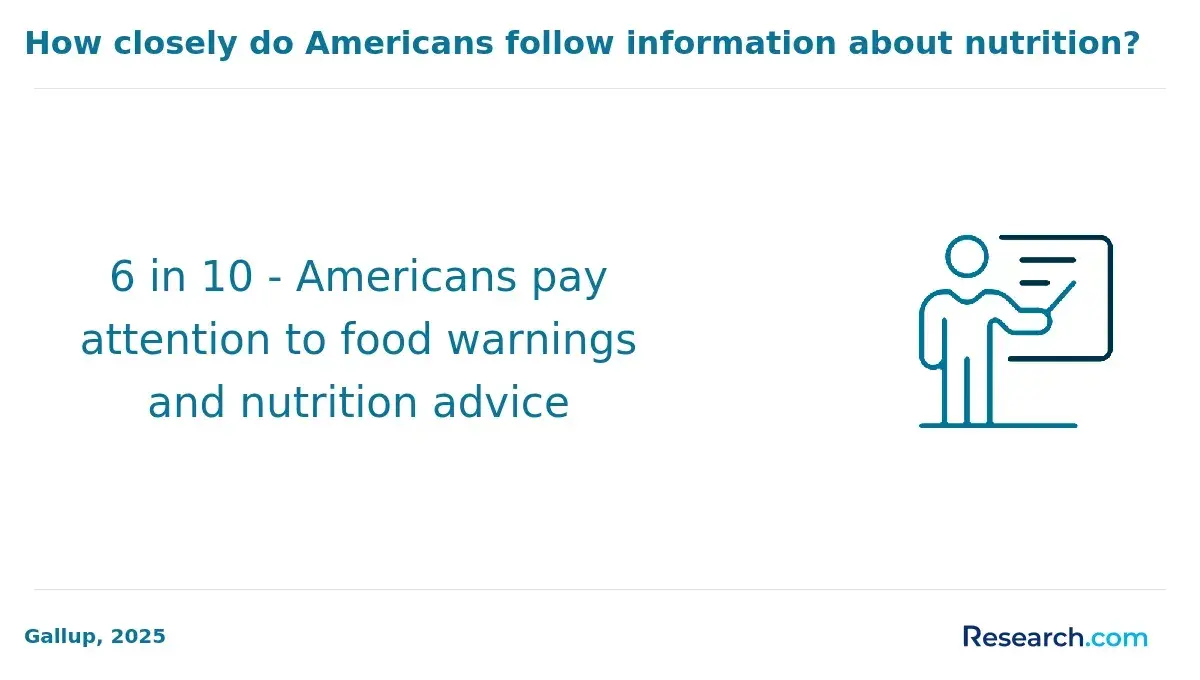
Demand for nutrition expertise is supported by growing public interest in diet quality, food safety, preventive health, and chronic disease management. Recent data show that six in ten adults actively pay attention to food warnings and nutrition advice (Evans, 2025). This suggests that many consumers want guidance but may need help interpreting nutrition information accurately and applying it to daily life.
Nutrition is also closely tied to weight management and perceived well-being. Physical activity matters, but food choices are central to many physique, metabolic, and health goals. Evidence that 29% of Americans who eat home-cooked meals daily report being very healthy (Kikuchi et al., 2025) reinforces the connection between dietary habits, nutrition literacy, and health perceptions.
In the United States, projected job growth for nutritionists and dietitians through 2034 is 5.5%, which is faster than the collective average for all U.S. occupations. There are currently 113,737 Registered Dietitians (RDs) and Registered Dietitian Nutritionists (RDNs) in the U.S. In addition, around 4,000 annual openings are expected for these professionals over the decade.
What jobs can you get with a nutritional science degree?
- Nutritionist. Nutritionists help clients understand food choices, build healthier routines, and work toward wellness or performance goals. They may create meal guidance, recommend lifestyle adjustments, monitor progress, publish educational resources, and develop nutrition content for websites, programs, or community audiences.
- Dietitian. Dietitians provide nutrition care that may support disease management, recovery, and long-term health outcomes. Their work can include nutrition assessment, counseling, meal planning, and coordination with medical teams. Depending on credentials and practice setting, dietitians may work with conditions such as eating disorders, substance abuse concerns, or symptoms connected to illness.
- Public Health Worker. Public health workers design, deliver, and evaluate programs that improve nutrition knowledge and access at the community level. They may partner with healthcare facilities, schools, agencies, and nonprofit organizations while collecting data to assess health needs, program results, disease trends, and recovery patterns.
Career options by interest area
| Interest Area | Possible Roles | Best Fit for Students Who... |
| Clinical nutrition | Dietitian, clinical nutritionist, nutrition care specialist | Want to work with patients, medical teams, and disease-related nutrition needs. |
| Community health | Public health worker, public health nutritionist, health educator | Want to improve nutrition outcomes across schools, agencies, neighborhoods, or populations. |
| Sports and performance | Sports nutritionist, wellness consultant, performance nutrition advisor | Are interested in athletes, fitness clients, body composition, and training support. |
| Food science and industry | Food scientist, product development specialist, nutraceutical scientist | Enjoy laboratory work, food products, formulation, quality, and consumer health trends. |
| Education and communication | Health writer, nutrition educator, program coordinator | Have strong writing, teaching, public speaking, or content development skills. |
| Business and consulting | Private nutrition consultant, corporate wellness specialist, food entrepreneur | Want flexibility, client-facing work, or the possibility of building a nutrition business. |
What unique career paths can nutritional science graduates pursue?
Not every nutritional science graduate follows the same professional route. Students with strong communication skills may work in health writing, nutrition education, curriculum development, or public-facing wellness content. Those who prefer science-heavy work may move toward food science, product development, research support, or nutraceutical roles.
Graduates interested in systems-level change may pursue public health nutrition, policy advising, school nutrition programming, or community health planning. Students drawn to athletics may specialize in sports nutrition and help athletes align food strategies with training, performance, and recovery. Learners who need flexible study formats can compare options through top online nutrition schools and evaluate whether each program supports their intended specialization.
Consulting is another path, especially in corporate wellness, private coaching, food entrepreneurship, and personal nutrition services. These routes can be rewarding, but they also require business skills, ethics, referral networks, and a clear understanding of what services you are legally permitted to provide in your state or region.
What kind of salary can I earn with a nutritional science degree?
According to the U.S. Bureau of Labor Statistics (BLS), nutritionists and dietitians have a median annual salary of $73,850. Health education specialists have a median pay of $63,000. For annual average salaries, an RDN (Registered Dietitian Nutritionist or Registered Dietitian) earns $80,400, while an NDTR (Nutrition and Dietetics Technician, Registered or Dietetic Technician, Registered) earns $56,700.
The highest median annual salaries for nutritionists and dietitians are reported in Merchant Wholesalers, Nondurable Goods services ($96,520) and Office Administrative Services ($93,480). Salaries vary by location, credential, employer, experience, specialization, and job duties, so students should treat these figures as labor market benchmarks rather than guaranteed outcomes.
Types of Degrees in Nutritional Science
Nutritional science is available at the associate, bachelor’s, master’s, and doctorate levels. Each level serves a different purpose. An associate degree can provide a faster and lower-cost entry point or transfer pathway. A bachelor’s degree is the most common foundation for nutrition careers. A master’s degree supports specialization and advancement. A doctorate is usually designed for advanced research, academic, high-level clinical, or leadership work.
What kinds of nutritional science degrees are there?
| Degree Level | Average Time to Complete | Common Focus | Example Roles |
| Associate Degree in Nutritional Science | 2 years | Nutrition foundations, human biology, biochemistry, assessment, and introductory applied practice. | Dietetic Technician, Dietary Assistant, Nutrition Care Assistant, Food Technologist |
| Bachelor’s Degree in Nutritional Science | 4 years | Dietetics, public health nutrition, molecular nutrition, food systems, and applied nutrition practice. | Registered Nutritionist, Registered Dietitian, Public Health Worker, Substance Abuse or Behavioral Disorder Counselor |
| Master’s Degree in Nutritional Science | 2 years | Advanced nutrition research, epidemiology, biostatistics, eating disorders, and professional specialization. | Certified Nutrition Specialist, Rehabilitation Counselor, Food Scientist, Nutrition Project Manager, Nurse |
| Doctorate Degree in Nutritional Science | 5-8 years | Original research, scholarly publication, advanced assessment, clinical decision-making, and leadership. | Chief Nutritionist, Metabolic Specialist, Regulatory Affairs Manager, Clinical Trial Administrator |
1. Associate Degree in Nutritional Science
Average Time to Complete: 2 years
An associate degree introduces students to core topics such as nutrition, biochemistry, human biology, and nutritional assessment. Some programs include applied coursework in community or healthcare settings and may offer an internship or dietetic supervised practice component. This degree can support entry-level work, but it usually does not provide the full preparation needed for licensure-focused professional roles.
Entry-level jobs: Dietetic Technician, Dietary Assistant, Nutrition Care Assistant, Food Technologist
2. Bachelor’s Degree in Nutritional Science
Average Time to Complete: 4 years
A bachelor’s degree provides broader and deeper preparation in nutrition and food-related science. Coursework often includes dietetics, biomedicine, molecular nutrition, public health nutrition, global nutrition, and food and nutrition entrepreneurship. Some bachelor’s programs are designed to support pathways toward becoming registered dietitians or registered nutritionists, but students should confirm accreditation and credentialing alignment before applying. Bachelor’s programs may be available on campus or online.
First-level jobs: Registered Nutritionist, Registered Dietitian, Public Health Worker, Substance Abuse or Behavioral Disorder Counselor
3. Master’s Degree in Nutritional Science
Average Time to Complete: 2 years
A master’s applicant generally needs a bachelor’s degree in nutritional science, nutrition, or a closely related discipline. The coursework in an online master’s degree in nutritional sciences often builds on professional experience and may focus on advanced topics such as epidemiology, biostatistics, eating disorders, and nutrition research methods. Graduate programs can help dietitians, nutritionists, and related professionals pursue more specialized or senior roles. Some students also use a master’s program to prepare for certified nutrition specialist pathways.
High-level jobs: Certified Nutrition Specialist, Rehabilitation Counselor, Food Scientist, Nutrition Project Manager, Nurse
4. Doctorate Degree in Nutritional Science
Average Time to Complete: 5-8 years
A doctorate in nutritional science is research-intensive. Students usually conduct original research, contribute to scholarly literature, and develop advanced expertise in assessment, clinical decision-making, communication, and research design. This path is best suited for students who want to lead research projects, teach at advanced levels, contribute to clinical trials, or pursue senior scientific and administrative roles.
High-level jobs: Chief Nutritionist, Metabolic Specialist, Regulatory Affairs Manager, Clinical Trial Administrator
Nutritional Science Degree Requirements
Admissions requirements vary by institution and degree level, but most programs ask students to document prior academic preparation and show readiness for science-based coursework. Applicants should review deadlines early because transcripts, test scores, recommendation letters, and essays can take time to prepare. Once enrolled, students may need to maintain a minimum cumulative GPA of around 2.8 to 3.0.
Admission Requirements
- Official Transcripts. Schools use transcripts to review previous coursework, grades, and academic preparation. Strong performance in science and math courses can be especially helpful for nutrition-related programs.
- Accomplished Application Form. Applicants typically submit an institutional application online or directly to the admissions office and pay any required application fee.
- High School Diploma. Undergraduate applicants usually need proof of high school completion. This document helps confirm that the student has completed foundational coursework before beginning college-level study.
- Standardized Test Scores. Some colleges and universities request ACT or SAT scores. International applicants may be asked to submit equivalent assessments or English proficiency scores such as PTE, TOEFL, or IELTS.
- Essay. A personal essay can help admissions teams understand an applicant’s motivation, writing ability, academic goals, and fit for the program.
- Letters of Recommendation. Recommendations from teachers, employers, supervisors, or organizational leaders can strengthen an application by describing the applicant’s work ethic, character, and academic potential.
Skill Requirements
- Analytical Skills. Nutrition professionals must evaluate research findings, dietary patterns, health data, and program outcomes. Students build these skills through lab work, research assignments, statistics, and evidence-based practice.
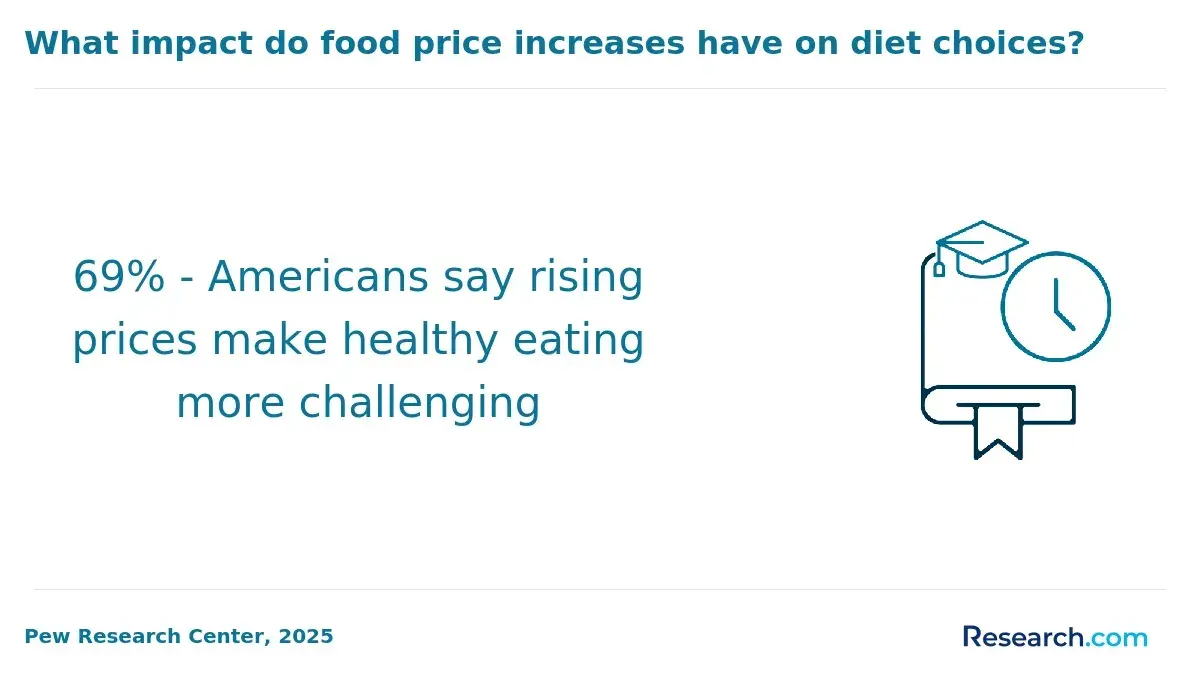
- Problem-solving Skills. Nutrition advice must be realistic, not just scientifically correct. With 69% of Americans reporting that rising food costs make healthy eating more difficult, professionals need to design affordable and nutritionally sound recommendations. Programs develop this ability through case studies, applied assignments, and practice-based learning.
- Communication Skills. Nutrition professionals explain complex information to clients, patients, communities, healthcare providers, and public audiences. Strong communication helps turn research into guidance people can understand and use.
- Organizational Skills. Many roles require managing client records, appointments, community initiatives, consultations, reports, and follow-up plans. Students should be prepared to build systems for handling multiple responsibilities at once.
- Empathy. Food choices are personal and often shaped by income, culture, family routines, health concerns, stress, and access. Effective nutrition professionals listen carefully and offer guidance in a respectful, practical, and supportive way.
How Can I Access Flexible and Cost-Effective Nutritional Science Programs?
Students looking for flexibility and value should compare more than advertised tuition. The best financial decision usually comes from evaluating total program cost, transfer credit policies, financial aid, scheduling format, accreditation, and career alignment. Hybrid formats, online courses, and competency-based options may help some students reduce commuting time or continue working while enrolled, but they should still be reviewed for academic quality and credentialing fit.
Online study can be useful for working adults, parents, rural students, and career changers. However, nutrition programs may include labs, supervised practice, or local fieldwork, so students should ask how those requirements are completed. Learners comparing lower-cost options can start with affordable online degrees in nutrition and then verify whether each program supports their intended career path.
How Can Digital Innovations Elevate Your Nutritional Science Expertise?
Digital tools are changing how nutrition professionals learn, assess clients, and deliver services. Telehealth, nutrition tracking platforms, wearable devices, data analytics, and virtual education tools can help professionals monitor progress, provide remote counseling, and tailor nutrition strategies more efficiently. These tools do not replace scientific judgment, but they can strengthen evidence-based practice when used responsibly.
Students and professionals should look for programs that introduce modern technology without overpromising what apps or algorithms can do. Useful training may include telehealth ethics, data privacy, nutrition assessment software, client communication in virtual settings, and critical evaluation of digital diet tools. Professionals who want shorter training options may consider a nutrition course online that focuses on current techniques and practical applications.
What to Look for in a Nutritional Science Degree
Nutrition education is changing as research methods, data tools, and interdisciplinary approaches become more important. A study by Mattes et al. in Advances in Nutrition explains that nutrition research must combine traditional methods with new technologies, large data sources, interdisciplinary synthesis, data integrity, methodological innovation, and open, rigorous science.
For students, this means program quality should be judged by more than name recognition. A strong nutritional science program should teach core science, applied practice, research literacy, ethical communication, and the technology skills needed in modern nutrition work. It should also match the student’s intended credential, specialization, and budget.
- Available Specializations. Nutritional science can lead to several directions, so students should choose a program with coursework that fits their goals. Possible areas include Food and Business Nutrition, Physiology and Metabolism, Nutrition Degree in Education, Food Service Administration, and Public Health Nutrition.
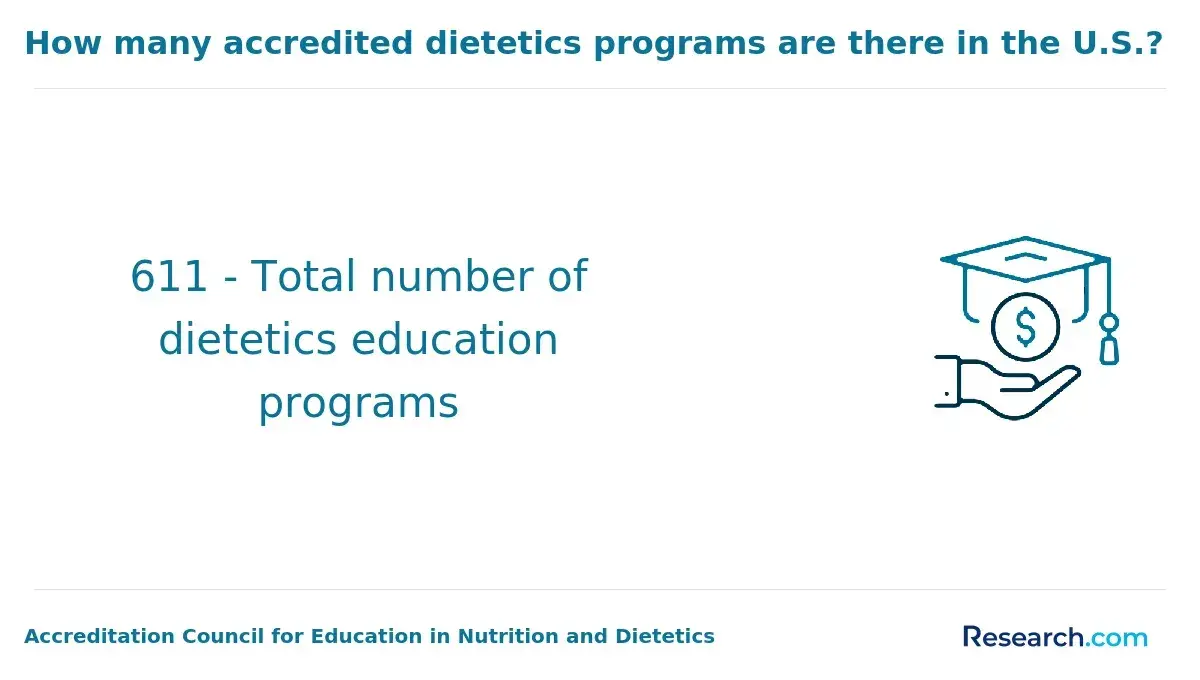
- Accreditation. Accreditation can affect educational quality, employer recognition, and eligibility for certain credentials. Students interested in dietetics should pay special attention to programs accredited by the Accreditation Council for Education in Nutrition and Dietetics (ACEND). Other organizations connected to nutrition education and professional standards include the National Association of Nutrition Professionals (NANP), the American Society for Nutrition, the American Nutrition Association, and the American Council on Science and Health.
- Student-to-Teacher Ratio. Smaller classes may provide more access to faculty support, feedback, and advising. For example, the University of Mississipi’s Dietetics and Nutrition Program has a 10:1 ratio, which can make it easier for instructors to support students individually.
- Financial Aid Options. Because degree costs vary widely, students should review aid before committing. If eligible, they can begin by reviewing the Free Application for Federal Student Aid (FAFSA) process. They should also ask schools about grants, scholarships, loans, work-study, employer partnerships, and department-specific awards.
| Program Feature | Why It Matters | Red Flag to Watch For |
| Credential alignment | Some careers require specific academic and supervised practice preparation. | The school cannot clearly explain whether the program supports your intended credential. |
| Accreditation status | Accreditation helps verify academic standards and may affect professional eligibility. | The program uses vague language about recognition but does not name the accrediting body. |
| Field experience | Internships, practicums, and supervised practice build job-ready skills. | Students must find placements alone without support or clear policies. |
| Science foundation | Nutrition careers often require biology, chemistry, biochemistry, statistics, and research literacy. | The curriculum is heavy on wellness trends but weak in scientific coursework. |
| Career services | Advising, resume help, placement support, and alumni networks can help students transition to work. | The program provides little information about graduate outcomes or career preparation. |
Common mistakes when choosing a nutritional science program
- Choosing a program without checking accreditation. This is especially risky for students pursuing dietetics or other credential-dependent paths.
- Comparing tuition only. Fees, transportation, housing, software, lab costs, and supervised practice expenses can change the real price.
- Assuming every online program meets licensure or credentialing rules. Online delivery does not automatically mean the program satisfies professional requirements in every state or region.
- Ignoring transfer policies. Students with previous college credit should confirm how many credits will apply before enrolling.
- Relying only on rankings. Rankings can help with discovery, but the best choice is the program that fits your career target, budget, accreditation needs, and schedule.
- Expecting guaranteed salary outcomes. Salaries depend on role, credential, location, employer, specialization, and experience.
2027 Best Nutritional Science Degrees
Our research team reviewed available nutritional science programs and ranked them using several measures, including academic ratings, affordability, passing rates, enrollments, and acceptance rates. Use the list as a starting point, then confirm current tuition, accreditation, curriculum, admissions policies, and credentialing alignment directly with each school.
1. Cornell University Bachelor of Science in Nutritional Sciences
The Bachelor of Science, Major in Nutritional Sciences at Cornell University combines biology, chemistry, and social science in the study of nutrition. The major is offered through two colleges: the College of Agriculture and Life Sciences and the College of Human Ecology. Students complete five core courses, including Nutrition, Health, and Society; Methods in Nutritional Sciences; and Nutrient Metabolism, along with at least three advanced courses.
- Program Length: 4 years
- Tracks/concentrations: Agriculture and Life Sciences, Human Ecology
- Cost per Credit: $520.47
- Required Credits to Graduate: 120
- Accreditation: Accreditation Council for Education in Nutrition and Dietetics
2. University of California, Berkeley Bachelor of Science in Nutritional Sciences and Toxicology
The Bachelor of Science in Nutritional Sciences at the University of California, Berkeley offers three specialization options: Toxicology, Dietetics, and Physiology & Metabolism. The program can serve students interested in pre-med preparation as well as those pursuing broader nutrition, toxicology, or health-related careers. Its curriculum focuses on how nutrients and toxicants relate to health, disease, and applied science.
- Program Length: 2 years
- Tracks/concentrations: Toxicology, Dietetics, Physiology & Metabolism
- Cost per Credit: $106.61 (in-state); $278.97 (out-of-state)
- Required Credits to Graduate: 90
- Accreditation: Accreditation Council for Education in Nutrition and Dietetics
3. University of Illinois at Urbana-Champaign Bachelor of Science in Food Science and Human Nutrition
The Bachelor of Science in Food Science and Human Nutrition at the University of Illinois at Urbana-Champaign includes four majors: Dietetics & Nutrition, Food Science, Hospitality Management, and Nutrition & Health. The program blends classroom learning with experiential learning and offers minors in areas such as food science, nutrition, and hospitality management.
- Program Length: 4 years
- Tracks/concentrations: Dietetics & Nutrition, Food Science, Hospitality Management, Nutrition & Health
- Cost per Credit: $233.09 (in-state); $364.95 (out-of-state)
- Required Credits to Graduate: 130
- Accreditation: Accreditation Council for Education in Nutrition and Dietetics
4. University of Surrey Bachelor of Science in Nutrition (Human Nutrition)
The University of Surrey offers a nutrition degree with several length options, ranging from a three-year standard route to a five-year pathway that includes a foundation year and professional training. Students complete required and optional modules and learn through lectures, laboratory activities, group projects, and online learning.
- Program Length: 3-5 years
- Tracks/concentrations: Biochemistry, Food Science & Nutrition, Nutrition & Health, Cell Biology, Applied Nutrition, Physiology & Metabolism, Nutrition & Dietetics, Product Development
- Cost per Credit: £198.33
- Required Credits to Graduate: 120
- Accreditation: Association for Nutrition
5. University of Glasgow Bachelor of Science in Human Biology & Nutrition
The Human Biology & Nutrition program at the University of Glasgow organizes coursework across human and animal biology, infection and immunity, and biomolecular sciences. Students complete required courses, select optional courses, and later choose a specialization. The university also provides access to three museums that can support coursework and research.
Program Length: 4 years
Tracks/concentrations: human and animal biology, infection and immunity, biomolecular sciences
Cost per Credit: £232.75
Required Credits to Graduate: 120
Accreditation: British Dietetic Association, Health and Care Professions Council
How to Build a Successful Career with a Nutritional Science Degree
A nutritional science degree can be the first major step toward becoming a nutrition professional. If your goal is to understand the full pathway, review how to become a nutritionist and compare those steps with your state or regional requirements. The strongest career plans combine education, supervised experience, credentials, specialization, and professional networking.
Gain practical experience as early as possible
Classroom learning is necessary, but employers also value applied experience. Internships, practicums, supervised practice, research assistantships, community health projects, and food service placements can help students build confidence and professional judgment. Clinical nutrition settings may teach patient assessment and intervention planning, while public health placements may expose students to program design, outreach, and evaluation.
Pursue credentials that match your career target
Additional credentials can improve credibility when they are aligned with your goals. Examples include Certified Nutrition Specialist (CNS), Registered Dietitian (RD), and Certified Clinical Nutritionist (CCN). Students interested in sports nutrition, pediatric nutrition, aging populations, weight management, food science, or clinical nutrition should compare the requirements, recognition, and scope of each credential before investing time and money.
Explore more than one career setting
- Corporate Wellness: Organizations may hire nutrition professionals to support employee wellness initiatives, nutrition education, and healthier workplace habits.
- Research and Academia: Students who enjoy science may pursue graduate study, research, or teaching roles, especially through a master’s or Ph.D. pathway.
- Public Health Nutrition: Public agencies and nonprofit organizations may need professionals who can design nutrition programs, support school-based education, and improve community health.
- Private Practice: Professionals who want client-centered independence may build consulting practices, but they must understand business operations, ethics, credentialing, and legal scope of practice.
Stay current with nutrition research and industry expectations
Nutrition science changes as new evidence, dietary guidance, digital tools, and public health priorities emerge. Professionals should follow reputable journals, attend continuing education events, participate in conferences, and critically evaluate trends such as plant-based nutrition, sustainable food systems, personalized nutrition, and telehealth-based counseling.
Build a professional network
Networking can lead to mentorship, internships, referrals, job openings, and research opportunities. Professional organizations such as the Academy of Nutrition and Dietetics and the American Society for Nutrition can provide access to continuing education, industry updates, and professional communities. Students can also connect with faculty, alumni, clinical supervisors, local agencies, and employers.
Consider graduate study if your career requires it
A bachelor’s degree may be enough for some roles, but advanced positions may require a master’s degree, public health training, or a doctorate. Graduate education may be useful for clinical specialization, leadership, research, policy work, or academic careers. Students may also explore adjacent areas such as food science, health informatics, healthcare administration, or public health.
Can Online Education Expand Your Nutritional Science Horizons?
Online nutritional science programs can help students balance school with work, caregiving, military service, or geographic limitations. Strong online programs provide structured coursework, faculty access, digital tools, and clear support for any required labs, practicums, or supervised experiences. Students should not assume that online means easier; science-based nutrition programs can still require demanding coursework in biology, chemistry, statistics, research methods, and applied nutrition.
Online learning can also support specialization and career development after graduation. Students comparing healthcare-related online pathways can review accredited online healthcare degree options to understand how different health programs handle flexibility, clinical requirements, and credentialing. For nutrition students, the key is to choose an online format that supports the same professional outcomes as a campus program.
How Can Cross-Disciplinary Credentials Enhance Nutritional Science Careers?
Nutrition often overlaps with medicine, public health, psychology, business, pharmacy, food science, and healthcare administration. Cross-disciplinary credentials can help graduates understand the broader context of patient care, food systems, medication use, health behavior, and program management. They are most useful when they support a specific role rather than simply adding unrelated credentials.
For example, nutrition professionals working in clinical or research settings may benefit from understanding medication-nutrition interactions and interdisciplinary patient care. Students interested in advanced pharmaceutical education can compare options such as the best online pharmacy doctorate programs, but they should carefully evaluate whether such a path is necessary for their intended role.
The Importance of Holistic Nutrition in Nutritional Science Careers
Holistic nutrition considers diet alongside lifestyle, stress, sleep, environment, behavior, and overall wellness. It can be relevant in wellness coaching, integrative health settings, corporate wellness, and client education. However, students should distinguish evidence-informed holistic practice from unsupported claims. A strong nutritional science foundation helps professionals evaluate what is credible and what may be misleading.
Professionals who use holistic approaches may design nutrition plans that consider mental health, stress patterns, sleep quality, work schedules, family routines, and access to food. This broader view can help clients make realistic changes rather than follow rigid or unsustainable plans.
Students who want this specialization should review training quality, credential recognition, and legal scope of practice. To learn more about this pathway, explore what it means to work as a holistic nutritionist.
Can Nutritional Science Graduates Benefit from Diversifying into Administrative Certifications?
Administrative skills can help nutrition graduates who want to manage clinics, coordinate programs, support healthcare operations, or run a private practice. Understanding documentation, compliance, billing processes, scheduling, insurance workflows, and patient management can make a professional more effective in healthcare settings.
For some graduates, a health administration or billing-related credential may complement nutrition expertise. For example, an online medical billing and coding program can introduce practical administrative skills used in healthcare operations. This type of credential is not necessary for every nutrition career, but it may be useful for professionals moving into management, private practice, or interdisciplinary healthcare roles.
Can Nutritional Science and Pharmacy Collaborate to Elevate Patient Care?
Nutrition and pharmacy knowledge can intersect in chronic disease management, medication-nutrition interactions, supplementation, gastrointestinal conditions, metabolic health, and patient education. Nutrition professionals do not need to become pharmacists to collaborate effectively, but a basic understanding of drug-nutrient relationships can improve communication with healthcare teams.
Professionals interested in deeper pharmacy-related study may explore programs such as affordable online doctorate in pharmacy programs. This path should be evaluated carefully because it represents a major academic and professional commitment. For many nutrition graduates, targeted continuing education in drug-nutrient interactions may be more practical than an additional doctorate.
What Continuing Education Opportunities Can Advance Your Nutritional Science Career?
Continuing education helps nutrition professionals stay current with research, technology, ethics, counseling methods, and practice standards. Useful options may include advanced certifications, workshops, graduate certificates, webinars, conferences, and specialized online courses. The best choice depends on whether the professional needs credential maintenance, a new specialization, leadership preparation, or a career change.
Short-format programs can be helpful when professionals need a focused skill quickly. For comparison, accelerated training models exist in other healthcare fields; see how long a medical assistant program can take for an example of a fast-paced healthcare education format. Nutrition professionals should still verify that any short course is recognized, evidence-based, and relevant to their scope of practice.
Is a Nutritional Science Degree Right for You?
A nutritional science degree is a good fit for students who enjoy science, health, food, and helping people apply evidence to real-life decisions. It can also work well for students interested in public health, food innovation, wellness entrepreneurship, or graduate study. The degree may be less suitable for students who want a quick credential without science-heavy coursework or who are not prepared to meet supervised practice, certification, or licensure requirements for certain roles.
Before enrolling, ask yourself whether you want clinical work, community health, food science, sports nutrition, wellness consulting, research, or business. Then choose the program level and specialization that best supports that goal. Students who want a faster route to a bachelor’s credential can also compare the best online accelerated bachelor’s degrees, while confirming whether accelerated formats still meet nutrition-specific requirements.
Questions to ask schools before applying
- Is the program accredited, and by which organization?
- Does the program meet the requirements for my intended credential or licensure pathway?
- Are internships, practicums, labs, or supervised practice required?
- How are online students supported if fieldwork or lab work is required?
- What is the total estimated cost, including fees and materials?
- How many transfer credits can I apply?
- What career services are available to nutrition students?
- What graduate outcomes, exam pass rates, or placement information does the school publish?
- Can I specialize in clinical nutrition, dietetics, food science, sports nutrition, public health nutrition, or another area?
- What faculty expertise, research opportunities, and community partnerships are available?
Key Insights
- A nutritional science degree should match a specific career goal. Dietetics, clinical nutrition, food science, public health, sports nutrition, and consulting can require different coursework, experiences, and credentials.
- Accreditation is a major decision factor. Students pursuing registered dietitian, registered nutritionist, or other credentialed pathways should verify accreditation and supervised practice requirements before enrolling.
- Costs vary widely by degree level and institution. Associate programs can cost $5,000 to $30,000, bachelor’s programs around $14,000 to $80,000, and master’s programs $20,000 to $65,000, before considering aid and extra expenses.
- Nutrition-related employment remains supported by public health needs. Job growth for nutritionists and dietitians through 2034 is projected at 5.5%, with around 4,000 annual openings over the decade.
- Salary depends on role and credentials. The BLS reports a median annual salary of $73,850 for nutritionists and dietitians and $63,000 for health education specialists, but outcomes vary by employer, location, experience, and specialization.
- Online programs can be effective, but students must verify practical requirements. Labs, practicums, supervised practice, and credentialing rules may still apply even when coursework is online.
- Career growth depends on more than the degree. Internships, certifications, communication skills, research literacy, digital competency, networking, and continuing education can all strengthen long-term opportunities.
References:
- Academy of Nutrition and Dietetics. (2024). Compensation & Benefits Survey of the Dietetics Profession 2024 (biennial). https://www.cdrnet.org/vault/2459/web//Compensation%20Benefits%20Survey%20of%20the%20Dietetics%20Profession%202024-TOC_Exec%20Sum.pdf
- Accreditation Council for Education in Nutrition and Dietetics. (2024). Program Enrollment Trends 2000-2024. ACEND Data. https://www.eatrightpro.org/-/media/files/eatrightpro/acend/about-acend/acend-data/program-enrollment-trends.pdf
- Evans, M. C. (2025, August 18). U.S. adults rate their diet as healthy, worry about food safety. Gallup. https://news.gallup.com/poll/693497/adults-rate-diet-healthy-worry-food-safety.aspx
- Kikuchi, E., Pula, I., Tyson, A., & Yam, E. (2025, May 7). Americans on healthy food and eating. Pew Research Center. https://www.pewresearch.org/science/2025/05/07/americans-on-healthy-food-and-eating
- Mordor Intelligence. (2026). Clinical Nutrition Market Size & Share Analysis - Growth Trends and Forecast (2026 - 2031). https://www.mordorintelligence.com/industry-reports/global-medical-clinical-nutrition-market-industry
- U.S. Bureau of Labor Statistics. (2024, May). Occupational Employment and Wage Statistics. Retrieved January 2026, from https://data.bls.gov/oes/#/industry/000000
- U.S. Bureau of Labor Statistics. (2025, August 28). Occupational projections and worker characteristics. Retrieved January 2026, from https://www.bls.gov/emp/tables/occupational-projections-and-characteristics.htm
Other Things You Should Know About a Nutritional Science Degree
Yes, many institutions offer scholarships and financial aid for nutritional science students. Federal aid and private scholarships may be available based on academic merit or financial need. Check with your school's financial aid office for specific programs and eligibility criteria.
Yes, online nutritional science degrees are available and can be credible if they are from an accredited institution. In 2027, these programs offer flexibility and can be a cost-effective option, but it's essential to verify the program’s accreditation status to ensure quality and recognition by employers.
In 2027, nutritional science programs typically need accreditation from the Accreditation Council for Education in Nutrition and Dietetics (ACEND) to ensure quality and credibility. This accreditation is crucial for graduates seeking licensure and employment in various healthcare settings.
In 2027, obtaining a nutritional science degree typically involves costs such as tuition, which can range from $10,000 to $40,000 per year depending on the institution and residency status. Additional expenses include textbooks, lab fees, and possibly housing, leading to an average total cost between $40,000 and $160,000 for a four-year degree.
Yes. To become a registered dietitian nutritionist in 2027, graduates must complete an ACEND-accredited Didactic Program in Dietetics plus a supervised practice program, usually 1,000 to 1,200 hours. They must also pass the CDR registration exam and meet state licensure rules where required.
The demand is projected to grow by 5.5% through 2034, driven by an increasing emphasis on the importance of nutrition in health management and disease prevention. This growth rate is faster than the average for all U.S. occupations.


