2027 College Application Guide for Parents Going Back to School

Co-Founder and Chief Data Scientist
Returning to college as a parent means balancing tuition, time, childcare, work, and career goals at once. The payoff can be meaningful: BLS 2024 Education Pays data shows workers with a bachelor's degree had median weekly earnings of $1,543, compared with $930 for workers with only a high school diploma.
This guide is for parents and caregivers considering certificates, associate degrees, bachelor's degrees, or graduate programs. You will learn how to compare schools, avoid costly mistakes, plan applications, check accreditation, and choose a program that fits real family life.
Key Things You Should Know
- Parents should usually plan 6 to 12 months before enrollment so they can collect transcripts, complete the FAFSA, compare childcare and scheduling needs, and avoid rushed decisions.
- College Board's 2024-25 published tuition and fees averaged $4,050 at public two-year colleges, $11,610 for in-state public four-year colleges, and $43,350 at private nonprofit four-year colleges.
- Accreditation and licensure alignment matter as much as price; a low-cost program can become expensive if credits will not transfer, employers do not recognize the school, or the program does not meet state licensing rules.
How can parents effectively plan their own college application timeline?
Parents can plan an effective college application timeline by working backward from the semester they want to start. A realistic timeline gives you enough room to compare programs, request records from past schools, apply for aid, and solve practical issues such as work schedules and childcare.
Use the sequence below as a decision-focused planning framework rather than a rigid calendar. If you are applying to selective nursing, education, social work, counseling, or graduate programs, start earlier because prerequisites and deadlines may be less flexible.
- Six to twelve months before enrollment, define your goal: career change, promotion, licensure, degree completion, graduate admission, or personal advancement.
- Five to nine months before enrollment, request transcripts from every prior college, military program, professional training provider, and high school if required.
- Four to eight months before enrollment, compare program formats, accreditation, transfer credit policies, total cost, and whether classes are offered during evenings, weekends, or asynchronous online blocks.
- Three to six months before enrollment, complete the FAFSA, ask employers about tuition assistance, and estimate the full cost of tuition, fees, books, technology, transportation, and childcare.
- Two to four months before enrollment, submit applications, essays, recommendation requests, test scores if required, and any program-specific materials.
- One to two months before enrollment, review your financial aid offer, register for classes, set up academic advising, and build a weekly study schedule with family responsibilities included.
If speed is important, compare completion time carefully. Some accelerated degree programs can shorten the calendar, but they often require heavier weekly workloads, fewer breaks, and stronger time-management support at home.
What admission requirements do adults returning to college typically need to meet?
Adult learners usually need the same core admissions materials as traditional students, but schools may evaluate parents differently when they have prior college credits, work experience, military training, industry certifications, or a long gap since school. Requirements vary by institution and program level, so always confirm details before paying an application fee.
The table below summarizes common admissions expectations by pathway. It helps you identify which route fits your current education level and how much preparation you may need before applying:
| Program type | Common admission requirements | What parents should watch for |
| Certificate | High school diploma or GED; placement assessment may be required | Confirm whether credits can later apply to a degree and whether the certificate is employer-recognized. |
| Associate degree | High school diploma or GED; transcripts; placement or prerequisite review | Check transfer agreements if you plan to continue into a bachelor's program. |
| Bachelor's degree completion | Prior college transcripts; minimum GPA; general education review | Ask how many credits transfer and whether there is a limit on older coursework. |
| Graduate certificate | Bachelor's degree; resume; statement of purpose; possible prerequisite courses | Verify whether credits can apply to a master's degree later. |
| Master's degree | Bachelor's degree; transcripts; resume; statement; references; possible test scores | Look for programs that value professional experience if your GPA is older or below a preferred threshold. |
Many colleges now use test-optional or test-flexible policies for adult learners, especially for undergraduate admission. However, selective graduate programs, health programs, and licensure-track degrees may still require prerequisite grades, background checks, clinical clearance, portfolios, or interviews.
A common mistake is applying only to the fastest or easiest-looking program without checking transfer rules. Parents with previous credits should request an unofficial transfer evaluation early because those credits can reduce time and cost, but only if the new school accepts them toward your specific degree requirements.
How should parents compare online, hybrid, and campus-based programs for returning to school?
Parents should compare online, hybrid, and campus-based programs by schedule fit, learning style, support services, clinical or internship requirements, and total cost. The best format is not simply the most convenient one; it is the format you can complete consistently while meeting program standards.
The comparison below shows the practical trade-offs among common delivery formats. Use it to narrow your options before speaking with admissions counselors:
| Format | Best fit | Main advantage | Main limitation |
| Fully online asynchronous | Parents with unpredictable work or childcare schedules | Coursework can often be completed around family obligations | Requires strong self-discipline and reliable technology |
| Fully online synchronous | Parents who want structure but cannot commute | Live classes create accountability and interaction | Fixed meeting times may conflict with work or caregiving |
| Hybrid | Students in programs with labs, clinicals, studios, or networking needs | Combines flexibility with in-person practice | Campus visits can create childcare and transportation challenges |
| Campus-based | Students who learn best face-to-face or need hands-on facilities | Direct access to instructors, labs, tutoring, and campus services | Commuting and rigid schedules can be difficult for working parents |
Online learning has also changed because of AI tools, virtual labs, remote advising, and digital tutoring. These supports can help busy parents, but they also make it more important to understand academic integrity rules, required software, proctored exams, and whether a program provides real instructor access rather than only recorded content.
Before choosing a format, ask schools specific questions about the weekly time commitment. A three-credit course often requires several hours of reading, assignments, and studying outside class, so a parent taking two courses may need protected study blocks several nights per week.
What accreditation and licensing factors matter most for parents choosing a college?
Accreditation is a quality review process that helps determine whether a college meets recognized academic and administrative standards. For parents returning to school, accreditation affects transfer credits, employer recognition, graduate admission, and eligibility for federal financial aid.
There are two accreditation levels to understand. Institutional accreditation applies to the college or university as a whole. Programmatic accreditation applies to specific programs, especially in fields such as nursing, education, counseling, social work, business, public health, and allied health.
Licensure is separate from accreditation. A program may be accredited but still not meet every licensing requirement in your state. This matters most if your goal is to become a teacher, nurse, counselor, social worker, accountant, therapist, or other regulated professional.
Use this checklist before enrolling in any program that leads to a licensed or credentialed career. These questions can prevent one of the most expensive mistakes adult learners make: completing coursework that does not qualify them for the job they want:
- Confirm that the institution is recognized by an accreditor accepted by the U.S. Department of Education or the Council for Higher Education Accreditation.
- Ask whether the specific program has programmatic accreditation required or preferred in your field.
- Contact your state licensing board directly if the degree is tied to licensure, certification, clinical practice, or teacher preparation.
- Ask whether online students meet the same licensure, practicum, internship, and field-placement requirements as campus students.
- Review public disclosures about state authorization if you live in a different state from the school.
- Avoid schools that pressure you to enroll immediately, refuse to discuss accreditation clearly, or make guaranteed salary or job-placement promises.
For parents, the safest approach is to verify accreditation and licensure before comparing scholarships, transfer credits, or convenience. A reputable program should be able to explain exactly how its degree connects to your state and career goal.
Which degree and certificate pathways work best for working parents and caregivers?
The best pathway for a working parent depends on the goal: entering a new field quickly, finishing a degree, qualifying for promotion, or preparing for licensed work. Certificates can be efficient, but degrees may offer broader mobility when employers require formal education for advancement.
The table below compares common pathways for parents and caregivers. It is designed to help you match the credential to your time horizon and career objective:
| Pathway | Typical fit | Decision point |
| Short-term certificate | Parents seeking faster entry into a specific skill area such as medical billing, IT support, bookkeeping, or project management | Best when employers clearly value the credential and the program is low risk financially. |
| Associate degree | Parents starting college or moving into technical, healthcare, business, or transfer pathways | Useful when it leads directly to work or transfers cleanly into a bachelor's degree. |
| Bachelor's completion program | Parents with prior credits who need a degree for promotion or career change | Often strong for adults if transfer credits reduce time and cost. |
| Graduate certificate | Parents with a bachelor's degree who need focused upskilling | Works well when a full master's degree is not necessary for the target role. |
| Master's degree | Parents pursuing leadership, counseling, education, data, healthcare management, or specialized professional roles | Worth considering when the role commonly requires or rewards graduate education. |
| Doctoral degree | Parents targeting executive, academic, research, advanced clinical, or expert-practitioner roles | Requires careful ROI analysis because time and opportunity costs can be substantial. |
Parents considering advanced study should also compare dissertation and non-dissertation requirements. Some online doctoral programs without dissertation use capstones, applied projects, or practice-based research instead, which may fit working professionals better depending on the field.
Choose a certificate when you need a marketable skill quickly and the employer requirement is narrow. Choose a degree when your target career has education thresholds, licensing rules, promotion requirements, or long-term mobility that a short certificate cannot provide.
How much do college programs for adult learners cost, and how can parents pay?
College costs for adult learners include more than tuition. Parents should estimate fees, books, technology, transportation, childcare, lost work hours, exam fees, background checks, clinical supplies, and graduation fees before deciding whether a program is affordable.
College Board's 2024-25 tuition and fee averages provide a useful baseline for comparing school types. These figures are published prices, so your net cost may be lower after grants, scholarships, employer benefits, or transfer credits:
- Public two-year college, in-district average published tuition and fees: $4,050.
- Public four-year college, in-state average published tuition and fees: $11,610.
- Public four-year college, out-of-state average published tuition and fees: $30,780.
- Private nonprofit four-year college average published tuition and fees: $43,350.
If your goal is to finish an undergraduate degree online, comparing the lowest cost online bachelor's degree options can help you identify programs where tuition is less likely to outweigh the career benefit. Still, low tuition should be evaluated alongside accreditation, transfer policy, graduation support, and program outcomes.
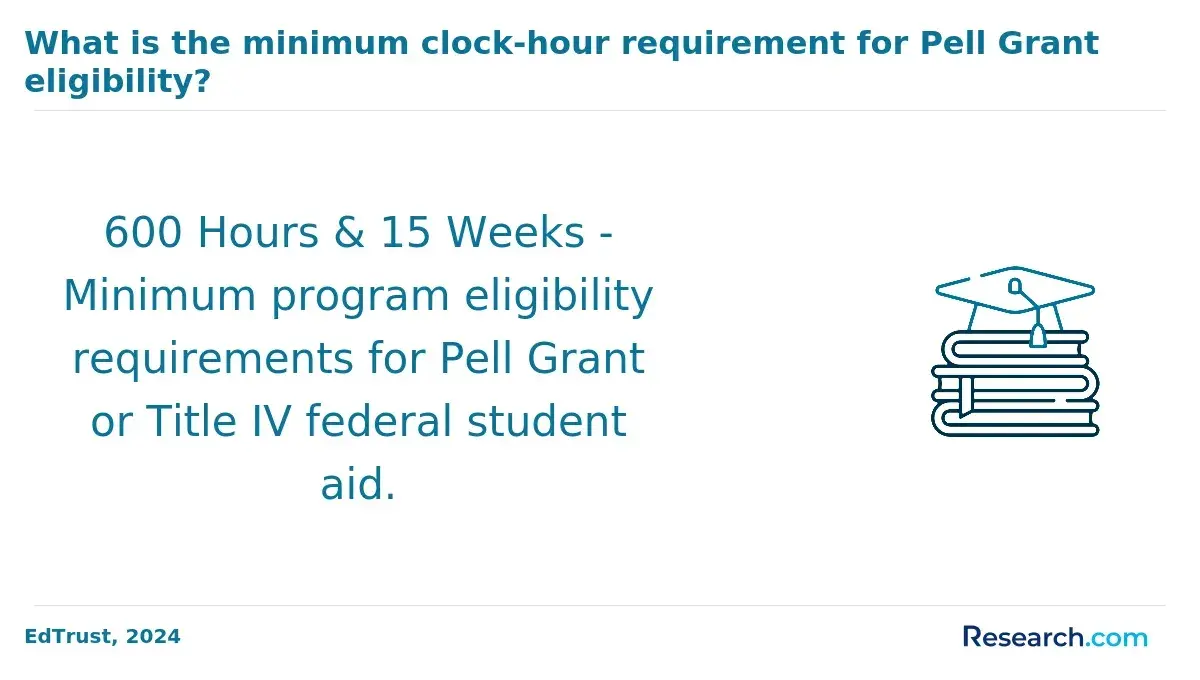
Parents can use several funding sources, but each comes with trade-offs. The Federal Pell Grant maximum award is $7,395 for the 2024-25 award year, which can be especially helpful for eligible undergraduate students because it generally does not have to be repaid.
Before borrowing, compare aid offers carefully. Federal loans often have borrower protections that private loans may not offer, while private loans may require credit review and can be less flexible during financial hardship.
Use the steps below to reduce the total cost before committing to a program. Each step can affect your net price, not just the advertised tuition rate:
- Complete the FAFSA even if you are unsure you qualify for aid.
- Ask the school for a written transfer credit evaluation before enrolling.
- Check whether your employer offers tuition assistance or reimbursement.
- Compare part-time and full-time pacing, including how each affects childcare, work hours, and financial aid eligibility.
- Ask whether the program charges online learning fees, technology fees, clinical fees, or out-of-state tuition.
- Prioritize grants, scholarships, employer funds, and payment plans before considering loans.
What college majors and programs lead to strong career advancement for returning parents?
Parents returning to college often want programs that can improve job stability, pay potential, or promotion options without requiring unnecessary time away from work and family. The strongest choice depends on your previous experience, local labor market, required credentials, and tolerance for math, science, writing, technology, or people-facing work.
The table below highlights selected fields with strong relevance for adult learners. Salary and growth figures are national BLS data, so use them as context rather than a promise of what any one graduate will earn:
| Program area | Example role | 2024 median pay or current BLS measure | Employment outlook |
| Nursing | Registered nurse | $93,600 median annual pay | Projected growth is faster than average for 2023-33. |
| Software development | Software developer | $133,080 median annual pay | Projected growth is much faster than average for 2023-33. |
| Accounting | Accountant or auditor | $81,680 median annual pay | Projected growth is about as fast as average for 2023-33. |
| Healthcare administration | Medical and health services manager | $117,960 median annual pay | Projected growth is much faster than average for 2023-33. |
| Human resources | Human resources specialist | $72,910 median annual pay | Projected growth is faster than average for 2023-33. |
Parents comparing majors should look beyond broad labels and examine the actual jobs each program prepares them for. A resource on the most profitable majors can be useful, but the right choice should also reflect your strengths, prior credits, local demand, and whether the role requires licensure or graduate study.
AI and automation are also changing what employers value. Programs that combine technical fluency, communication, data interpretation, healthcare knowledge, compliance, project management, or leadership may be more adaptable than programs built around narrow tasks that software can easily replace.
What application steps and documents do parents need to submit for college?
Parents usually need to submit a mix of identity, academic, financial aid, and program-specific documents. The earlier you collect them, the easier it is to apply to multiple schools without missing deadlines.
The list below shows a practical application workflow. It is especially useful if you have been out of school for several years or attended more than one college:
- Create a master list of target schools, deadlines, application fees, start dates, and required documents.
- Request official transcripts from every college you previously attended, even if you did not finish or withdrew.
- Gather high school or GED records if the school requires them for undergraduate admission.
- Prepare a resume that explains work experience, caregiving-related gaps, military service, certifications, and volunteer leadership.
- Write a focused personal statement that connects your education goal to a realistic career or advancement plan.
- Ask for recommendations early, especially from supervisors, instructors, military leaders, or professional mentors.
- Submit the FAFSA and any school-specific scholarship applications before priority deadlines.
- Track portal updates after submission because missing documents can delay admission or financial aid decisions.
Some parents worry that a long gap since school will weaken their application. In many adult-friendly programs, recent work experience, motivation, and a clear plan can help offset an older academic record, although competitive programs may still weigh GPA and prerequisites heavily.
Common application mistakes include forgetting transcripts from a school attended briefly, writing a vague essay, missing priority aid deadlines, and assuming admission to the college automatically means admission to a competitive major. For programs such as nursing, education, and counseling, ask whether there is a second application after general admission.
How can parents evaluate salary potential and job outlook before choosing a program?
Parents should evaluate salary potential and job outlook before choosing a program, but not by chasing the highest number on a salary chart. The better question is whether the program leads to roles you can realistically qualify for, sustain, and advance in based on your location, schedule, interests, and existing experience.
Use a simple ROI framework before enrolling. This process helps you compare financial upside with time, debt, and family constraints:
- Identify three target job titles connected to the degree or certificate, not just the major name.
- Check whether those roles require a license, certification, portfolio, clinical hours, security clearance, or graduate degree.
- Compare national salary data with local job postings because pay varies by region and employer.
- Estimate your total net cost after grants, transfer credits, employer aid, and likely borrowing.
- Calculate the time you can realistically study each week without sacrificing essential work or caregiving responsibilities.
- Ask whether the credential creates a clear next step, such as promotion eligibility, licensure, entry into a new field, or access to graduate study.
The 2024 BLS Education Pays data shows bachelor's degree holders had lower unemployment than workers with only a high school diploma, but that broad pattern does not mean every degree has the same value. Program choice, completion, licensure fit, school reputation, experience, and local hiring conditions all influence outcomes.
Parents should be cautious about schools that advertise high salaries without explaining sample size, job titles, geographic location, or whether the data reflects graduates in the same program. Strong programs are usually willing to discuss career services, internship access, employer partnerships, licensure pass rates when relevant, and recent graduate outcomes.
How should parents build a realistic college list and select reputable schools?
A realistic college list should include schools that fit your academic background, budget, schedule, career goal, and family responsibilities. Instead of applying only to the most recognizable names, build a balanced list that includes affordable, flexible, accredited, and career-aligned options.
Parents considering advanced credentials should compare total doctoral cost carefully, especially if the goal is leadership, research, or college teaching. A guide to a cheap online PhD can be a starting point, but the final choice should still depend on accreditation, faculty fit, funding, completion structure, and career relevance.
The table below summarizes how to evaluate schools without relying only on rankings or advertising. It can help you separate useful signals from surface-level appeal:
| Selection factor | Why it matters | Red flag |
| Accreditation | Affects aid, transfer, licensure, and employer recognition | The school avoids naming its recognized accreditor clearly. |
| Transfer credit policy | Can shorten time and reduce cost for parents with prior credits | The school will not estimate transfer credits before enrollment. |
| Program fit | Connects coursework to your actual target role | The program description is broad but does not identify career pathways. |
| Schedule design | Determines whether you can keep going during busy family weeks | Required live sessions or campus visits are unclear. |
| Total cost | Prevents underestimating debt and hidden fees | Admissions focuses on monthly payments instead of full program cost. |
| Student support | Adult learners often need advising, tutoring, career help, and technical support | Support is available only during hours when working parents cannot use it. |
When narrowing your list, include at least one affordable safety option, one strong-fit option, and one aspirational option if the program is selective. Parents should also consider schools with multiple start dates, generous transfer policies, prior learning assessment, evening support hours, and clear pathways from certificates to degrees.
The final decision should come after you compare written aid offers, transfer evaluations, licensure disclosures, graduation requirements, and course schedules. Do not enroll based only on a phone call, a scholarship deadline, or a promise that "everything will transfer."
Other Things You Should Know About
Yes. Many colleges serve adult learners and returning students. You may need older transcripts, placement review, or prerequisite courses, but a long gap by itself usually does not prevent admission.
Online college can be a strong option if the program is accredited, well-supported, and compatible with your schedule. It works best for parents who can create regular study time and manage deadlines independently.
Choose a certificate for faster skill-building when employers value that credential directly. Choose a degree when your goal requires broader education, licensure eligibility, promotion access, or long-term career mobility.
The biggest mistake is enrolling before verifying accreditation, transfer credits, total cost, and career fit. Parents should get key details in writing before committing money or time.
References
- How to Pay for College as an Adult Learner | SoFi https://www.sofi.com/learn/content/pay-for-college-as-an-adult-learner/
- How to Build a Balanced List of Colleges to Apply To https://riseglobaleducation.com/blogs/how-to-build-a-balanced-list-of-colleges-to-apply-to
- Adults can return to college, finish, and thrive—with a little support https://www.luminafoundation.org/news-and-views/adults-can-return-to-college-finish-and-thrive-with-a-little-support/
- ROI: Real Costs, Real Careers: How to Evaluate the True Value of College and Career Paths | Your Future Blueprint https://www.yourfutureblueprint.com/blog/roi-real-costs-real-careers-how-to-evaluate-the-true-value-of-college-and-career-paths
- 10 Best Degrees for Single Moms https://www.umassglobal.edu/blog-news/best-degrees-for-single-moms
- Time to Write Those College Essays! How Parents Can Help Without Overstepping https://www.applerouth.com/blog/time-to-write-those-college-essays-how-parents-can-help-without-overstepping
- The Challenges and Advantages of Being an Older College Student https://www.ivywise.com/blog/fitting-in-as-an-older-college-student/
- How to Pay for College as an Adult Learner - ReUp Education https://reupeducation.com/blog/how-to-pay-for-college-as-an-adult-learner/
- How Prospective Families Weigh Online and Hybrid College Options https://www.ruffalonl.com/blog/enrollment/how-prospective-families-weigh-online-and-hybrid-college-options/
- College Admissions for Adult Learners https://www.mefa.org/article/college-admissions-for-adult-learners/