
2027 Online Communication Disorders Bachelor's Degree Programs With Monthly Start Dates

Co-Founder and Chief Data Scientist

Reviewed by Rhea Paul, PhD
SLP Education & Research Expert
Choosing an online communication disorders bachelor’s program is not only about finding a school that teaches speech, language, and hearing science. For many students, the harder question is when they can realistically start and whether the program structure fits work, military service, caregiving, transfer credits, and long-term graduate school plans.
Programs with monthly start dates can reduce the wait between applying and beginning coursework, which is valuable for working adults and other nontraditional learners. According to recent data, institutions with monthly starts report a 15% higher enrollment rate among nontraditional students compared to traditional semester-based programs.
This guide explains how monthly-start online communication disorders bachelor’s programs work, what accreditation to verify, how admissions and GPA policies are usually handled, what the curriculum includes, how costs and aid may be structured, and what career outcomes are realistic after graduation.
Key Things to Know About Online Communication Disorders Bachelor's Degree Programs With Monthly Start Dates
- Online communication disorders bachelor's programs with monthly starts are typically regionally accredited and require a minimum GPA plus completed general education credits for admission.
- Curricula blend foundational sciences, speech-language pathology prerequisites, and research methods, with tuition costs averaging $300 to $500 per credit hour.
- Graduates qualify for entry-level roles in speech therapy support and meet core requirements for graduate licensure programs, reflecting a 17% projected job growth through 2035.
What Are Online Communication Disorders Bachelor's Degree Programs With Monthly Start Dates, and How Do They Work?
Online communication disorders bachelor’s degree programs with monthly start dates let admitted students begin coursework in many months of the year instead of waiting for a fall, spring, or summer term. The academic subject is the same as in a traditional program: students study how people develop, produce, understand, and treat speech, language, swallowing, and hearing-related challenges.
The difference is the delivery model. Monthly-start programs usually rely on online course shells, asynchronous lessons, structured weekly assignments, and rolling enrollment systems. Some use fixed course deadlines, while others include competency-based elements that allow students to move faster after demonstrating mastery.
A typical online communication disorders bachelor’s degree requires about 120 to 130 credit hours. Students usually complete general education first, then move into subjects such as speech science, language development, phonetics, anatomy and physiology of speech and hearing, audiology, assessment concepts, and intervention principles.
Although monthly enrollment sounds highly flexible, most programs still follow a sequence. A student may not be able to take advanced diagnostics, audiology, or clinical preparation courses until prerequisite classes are completed. Practical components, observation hours, simulations, or field-based experiences may also follow specific scheduling rules.
Monthly-start programs are especially useful for students who cannot organize life around a traditional academic calendar. Working adults, military-affiliated students, parents, and career changers can often begin sooner, take planned breaks when policies allow, and reduce idle time between admissions approval and the first course.
- Best fit: Students who need flexible entry points but can stay organized without a fixed campus schedule.
- Typical format: Online coursework, asynchronous lectures, digital discussions, assignments, exams, and sometimes supervised observation or applied learning.
- Degree length: Usually about 120 to 130 credit hours, with completion time depending on transfer credits, course load, and sequencing.
- Important limitation: Monthly starts do not eliminate prerequisite chains or professional preparation requirements.
- Related study options: Students comparing behavioral and communication-focused pathways may also review BCBA coursework online when considering broader human services careers.
Which Regional Accreditation Bodies Approve Online Communication Disorders Bachelor's Programs With Monthly Start Dates?
Regional accreditation is the first quality check for any online communication disorders bachelor’s program, including one with monthly start dates. It confirms that the college or university meets recognized standards for academic quality, governance, faculty qualifications, student support, and institutional integrity.
For students, regional accreditation matters because it can affect transfer credit, financial aid eligibility, graduate school admission, and employer recognition. A monthly start date should never be used as a substitute for accreditation. Fast enrollment is useful only if the credential is academically credible.
The main regional accrediting bodies that may accredit institutions offering online communication disorders bachelor’s programs include:
- Higher Learning Commission (HLC): Accredits many institutions in the central United States.
- Southern Association of Colleges and Schools Commission on Colleges (SACSCOC): Accredits institutions primarily in southern states.
- New England Commission of Higher Education (NECHE): Accredits colleges and universities in the New England region.
- WASC Senior College and University Commission (WSCUC): Accredits senior colleges and universities, including many West Coast institutions.
- Middle States Commission on Higher Education (MSCHE): Accredits institutions in New York, Pennsylvania, and nearby jurisdictions.
- Northwest Commission on Colleges and Universities (NWCCU): Accredits institutions in the Northwest and related regions.
Students should verify accreditation directly through the U.S. Department of Education’s Database of Accredited Postsecondary Institutions and Programs (DAPIP) or the Council for Higher Education Accreditation (CHEA) database. Do not rely only on a school’s marketing page, especially if the program advertises unusually fast admission, unusually low tuition, or vague “approved” language.
It is also important to distinguish institutional accreditation from programmatic accreditation. Institutional accreditation applies to the school. Programmatic accreditation applies to a specific degree or professional preparation pathway. In speech-language pathology and audiology, graduate-level clinical preparation is especially important because many licensed roles require additional education beyond the bachelor’s degree.
Before enrolling, ask how the bachelor’s program supports admission to graduate study, whether coursework meets prerequisites commonly expected by speech-language pathology graduate programs, and whether field or observation experiences are available. Students interested in related counseling and family-systems careers may also compare options such as a family therapy degree.
How Do Monthly Start Dates in Online Communication Disorders Programs Differ From Traditional Semester or Quarter Systems?
Monthly start dates change the enrollment calendar, not the academic expectations. In a traditional semester or quarter system, students usually begin at a small number of fixed points during the year. In a monthly-start model, admitted students may enter the next available course cycle much sooner.
This can be a major advantage for students who missed a semester deadline, are separating from military service, are returning after a career break, or need to align school with employment schedules. However, the flexibility comes with extra responsibility: students must track deadlines, course availability, financial aid periods, and prerequisite sequencing carefully.
- Enrollment timing: Monthly-start programs reduce waiting time by allowing students to begin in more frequent cycles instead of only at semester or quarter openings.
- Course pacing: Courses may be offered in shorter blocks or rotating modules. Some are self-paced within limits, while others require weekly participation.
- Course sequencing: Students still need to complete prerequisites before advanced communication disorders courses. Not every course is necessarily available every month.
- Peer interaction: Cohorts may be smaller and more fluid because new students enter throughout the year. This can create more individualized attention but less of a traditional class identity.
- Financial aid timing: Monthly enrollment can complicate federal Title IV aid disbursement because aid is typically tied to enrollment status, academic calendars, and payment periods.
- Breaks and re-entry: Students may be able to pause and return more quickly than in a semester system, but leave-of-absence rules and satisfactory academic progress policies still apply.
The best way to compare formats is to ask practical scheduling questions before applying: How long is each course? Are courses available every month or only in rotation? What happens if a student fails or withdraws from a prerequisite? How are federal aid disbursements handled? Who confirms that a student’s plan keeps them on track for graduation?
One graduate of a monthly-start online communication disorders bachelor’s program described the format as flexible but not effortless. The smaller cohort created close peer support, while the steady arrival of new students required adjustment. The student found that the structure worked best after setting a weekly study routine and confirming financial aid timing with the school before the first term began.
What Are the Admission Requirements for Online Communication Disorders Bachelor's Programs With Monthly Start Dates?
Admission requirements for online communication disorders bachelor’s programs with monthly start dates are usually designed to confirm college readiness, transfer eligibility, and interest in a healthcare- or education-related field. Monthly admission can speed up the timeline, but reputable programs still require documentation and academic review.
Most applicants need a high school diploma or GED, an online application, and official transcripts. Transfer students should expect to submit transcripts from every college previously attended, even if the credits do not appear relevant to communication disorders.
- High school diploma or GED: First-time college applicants generally need proof of secondary completion before enrolling.
- Official transcripts: Schools use transcripts to verify prior coursework, evaluate transfer credits, and determine academic standing.
- Minimum GPA: GPA requirements usually range between 2.0 and 3.0 on a 4.0 scale, depending on selectivity and transfer status.
- Standardized tests: Many rolling-admission online programs no longer require SAT or ACT scores, especially for adult or transfer applicants.
- Personal statement: Some programs request a short essay explaining the applicant’s goals, readiness for online learning, and interest in communication disorders.
- Letters of recommendation: These may be optional, but they can strengthen an application when GPA or previous academic performance is uneven.
- Technology readiness: Online students may need reliable internet access, a webcam, audio capability, and comfort using learning management systems.
Applicants with weaker academic records should not assume they are automatically ineligible. Some schools offer provisional admission, bridge coursework, academic coaching, or conditional first-term requirements. The key is to ask what happens after admission: what GPA must be earned, what support is available, and how quickly a student can move from conditional to regular status.
Students thinking about long-term professional growth may also compare graduate pathways, including PsyD online options, if their interests extend into psychology, assessment, or related clinical fields.
What Is the Minimum GPA Requirement for an Online Communication Disorders Bachelor's Program With Monthly Start Dates?
The minimum GPA requirement for an online communication disorders bachelor’s program with monthly start dates is commonly between 2.0 and 2.5 on a 4.0 scale. Some institutions require higher GPAs, particularly more competitive programs or programs that admit students directly into major coursework.
Students should separate three different GPA standards. The first is the admission GPA needed to enter the university or major. The second is the satisfactory academic progress standard required to keep financial aid. The third is the graduation GPA, which is typically set at 2.0 or above.
A GPA below the preferred threshold does not always end the application process. Some schools offer provisional or conditional admission, especially for students who can show improvement, explain past academic difficulty, or bring relevant work experience. Conditional admission usually requires students to earn a specified GPA during early coursework.
- Common admission range: Many programs set minimum admission GPA expectations between 2.0 and 2.5.
- More selective programs: Moderately selective programs may expect GPAs around 2.5 to 3.0, while the most competitive schools may expect GPAs closer to 3.5 or higher.
- Provisional admission: Students below the standard may be admitted with conditions, such as earning a required GPA in the first term.
- Academic probation: Students who fall below ongoing GPA requirements may be placed on probation and given a defined improvement period.
- Appeals: Schools often allow appeals when illness, military obligations, family emergencies, or other documented circumstances affected performance.
- Policy verification: GPA rules can change annually, so applicants should check the current catalog and admissions page before applying.
The practical question is not only “Can I get admitted?” but “Can I succeed once enrolled?” Students with lower GPAs should ask about tutoring, writing support, early-alert systems, faculty office hours, and course retake policies. A flexible monthly start date is useful only if the program also provides enough structure to help students stay in good academic standing.
One graduate who entered through conditional acceptance described academic probation as stressful but manageable because the policy was clear and faculty support was available. Her main lesson was to use support services early rather than waiting until grades became difficult to repair.
How Long Does It Take to Complete an Online Communication Disorders Bachelor's Degree With Monthly Enrollment Options?
Most online communication disorders bachelor’s programs require about 120 semester credit hours. A student’s completion time depends on course load, transfer credits, prior learning credit, course availability, and whether the program allows continuous enrollment throughout the year.
- Full-time study: Students taking 12 to 15 credit hours per term can usually finish in about four years. Monthly starts may reduce downtime between admission and the first course or between course blocks.
- Part-time study: Students taking 6 to 9 credit hours per term often need six years or more. This route is common for working adults, parents, and students managing military or caregiving responsibilities.
- Transfer credits: Students with previous college coursework may shorten the timeline if credits apply to general education, electives, or major requirements.
- Prior learning credit: Some institutions evaluate military training, professional certifications, exams, or portfolios for credit, which may reduce total time and cost.
- Prerequisite sequencing: Communication disorders courses often build in order. Missing or withdrawing from a prerequisite can delay access to upper-division classes.
- Monthly enrollment advantage: Students can often restart faster after a break than they could in a semester-only system, but policies vary by school.
Before enrolling, students should request a written degree plan showing how transferred credits apply, which courses must be taken in sequence, and how many months or years completion is expected to take at their intended pace. This is especially important for students hoping to enter graduate school by a specific application cycle.
What Does an Online Communication Disorders Bachelor's Program With Monthly Start Dates Typically Cost, and What Financial Aid Is Available?
Online communication disorders bachelor’s programs with monthly start dates are usually priced per credit. Total cost depends on tuition rate, number of required credits, accepted transfer credits, fees, textbooks or digital materials, technology charges, and any applied or observation-related expenses.
Financial aid may be available when the institution is eligible and the student meets aid requirements. Because monthly-start calendars may not match traditional semesters, students should ask how enrollment status, payment periods, and disbursement dates are calculated before they begin.
- Federal financial aid: Eligible students may apply for Pell Grants and Direct Loans. Pell Grants do not require repayment and depend on financial need. Direct Loans may be subsidized or unsubsidized.
- Scholarships: Students may find scholarships through universities, state grant programs, and professional organizations such as the American Speech-Language-Hearing Foundation.
- Transfer credit savings: Accepted transfer credits can reduce the number of credits billed by the new school.
- Employer tuition assistance: Some healthcare, education, and human services employers offer reimbursement or tuition support for job-related degrees.
- Military and veteran benefits: Military-affiliated students should confirm benefit eligibility, tuition discounts, and how monthly enrollment affects certification of enrollment.
- Payment plans: Some schools allow tuition to be paid in installments, which can reduce the need for larger upfront payments.
Cost comparisons should use total program cost, not only per-credit tuition. For example, a public state school charging $350 per credit plus $1,000 annual fees, a private nonprofit university at $600 per credit with minimal fees, and a military-friendly institution offering tuition discounts may produce very different net prices after aid.
Students should also consider realistic aid scenarios. Subtracting average Pell Grants of $4,000 and scholarships around $3,000, alongside federal loans, can significantly reduce actual expenses. Final costs vary by aid eligibility, course load, and practicum fees, so applicants should ask for a personalized estimate before committing.
Which Schools Offer the Most Reputable Online Communication Disorders Bachelor's Degree Programs With Monthly Start Dates?
Reputation in an online communication disorders bachelor’s program should be judged by accreditation, curriculum fit, transfer policy, student support, graduate school preparation, and employer or field connections. A recognizable university name can help, but it should not replace due diligence.
Several accredited institutions are commonly associated with flexible online learning models and communication disorders or related health-science pathways. Prospective students should verify current program availability, start-date frequency, tuition, and accreditation directly with each school before applying.
- University of Arizona Global Campus: Accredited by the WASC Senior College and University Commission, this institution offers competitive tuition rates and accepts extensive transfer credits, enabling completion in as few as 2.5 years depending on prior coursework.
- Liberty University: Regionally accredited by SACSCOC, Liberty provides rolling monthly enrollment with flat-rate tuition per credit hour. Its program emphasizes theoretical and practical communication disorders knowledge, supports virtual internships, and maintains low student-to-instructor ratios for personalized learning.
- Southern New Hampshire University: SNHU is accredited by the New England Commission of Higher Education and supports flexible monthly starts. It offers tuition discounts for military and transfer students, with tutoring and career coaching focused on health sciences.
- Maryville University: Accredited by the Higher Learning Commission, Maryville allows flexible pacing with monthly enrollment and moderate tuition. Its interprofessional education focus is designed to prepare students to collaborate with healthcare teams.
- Western Governors University: WGU’s competency-based model is accredited by the Northwest Commission on Colleges and Universities and offers monthly starts with flat-rate tuition. Transfer credits are accepted where competencies align.
When comparing programs, ask for evidence rather than broad claims. Useful indicators include graduation rates, transfer-credit outcomes, graduate school placement support, field experience options, faculty qualifications, student-to-instructor ratios, and career services for health and education roles.
Students should also confirm whether the curriculum is appropriate for their intended next step. A bachelor’s degree can support entry-level and assistant roles, but many speech-language pathology and audiology careers require graduate education and state-specific licensure. Students exploring adjacent behavioral science paths may also review what can you do with a masters in forensic psychology when comparing long-term career directions.
What Courses and Curriculum Can Students Expect in an Online Communication Disorders Bachelor's Program?
An online communication disorders bachelor’s curriculum typically begins with general education and foundational science courses, then moves into the study of speech, language, hearing, development, and disorders. The goal is to prepare students to understand human communication and, in many cases, to pursue graduate study or supervised support roles.
General education courses often include writing, biology, psychology, linguistics, statistics, and critical thinking. These subjects matter because communication disorders draw from anatomy, neuroscience, child development, language structure, research methods, and human behavior.
Lower-division major courses commonly introduce phonetics, speech and language development, hearing science, anatomy and physiology of the speech mechanism, and an overview of communication disorders across the lifespan. These courses help students build the vocabulary and conceptual base needed for advanced study.
Upper-division courses usually cover speech science, audiology, assessment concepts, intervention principles, diagnostic procedures, research methods, multicultural issues, and professional ethics. Some programs also include electives in pediatric communication disorders, augmentative and alternative communication, speech-language pathology assistance, or aging-related communication needs.
Quality online programs should include applied learning, even if the degree is delivered remotely. This may involve clinical observation, case studies, simulations, capstone projects, virtual labs, or partnerships with schools, clinics, or healthcare organizations. Students should confirm whether any in-person requirements apply and whether they must locate their own field site.
Technology is also part of the curriculum. Students may use speech analysis tools, video-based case platforms, digital assessment examples, telepractice simulations, library databases, and online collaboration systems. Comfort with technology is important because many communication services now include hybrid or remote components.
Students planning beyond the bachelor’s degree should compare prerequisites for master’s programs early. For broader planning, they may also review the most useful masters degrees when deciding how communication disorders fits into a longer education strategy.
How Do Online Communication Disorders Programs With Monthly Start Dates Support Working Adults and Non-Traditional Students?
Monthly-start online communication disorders programs are built for students who cannot pause life to attend a traditional campus schedule. The most useful programs combine flexible entry dates with practical support systems that help adult learners persist after enrollment.
Asynchronous courses are one of the main advantages. Students can watch lectures, complete readings, participate in discussions, and submit assignments around work shifts, family schedules, or military obligations. Mobile-friendly learning platforms can also make it easier to study during travel or between responsibilities.
Flexibility alone is not enough. Non-traditional students often need advising that accounts for transfer credits, part-time pacing, financial aid limits, and career-change planning. Strong programs provide academic advisors, tutoring, writing support, technology help, library access, and career services outside standard business hours or through online appointments.
Many adult learners also face barriers that are not strictly academic. Common challenges include returning to college after many years away, rebuilding writing confidence, managing technology anxiety, and feeling out of place among younger students. Programs that offer orientation modules, peer mentoring, faculty access, and early academic alerts can reduce these risks.
Credit for prior learning can be especially valuable. CLEP exams, portfolio assessments, military training evaluations, or professional certifications may reduce the number of credits required, depending on school policy. Students should ask how prior learning is evaluated before assuming it will apply.
Enrollment of students 25 and older in fully online programs has increased by more than 40% over the past decade, signaling the growing demand for flexible adult education options.
- Flexible scheduling: Monthly starts and asynchronous coursework can reduce delays and help students study around work and family demands.
- Adult-focused advising: Dedicated advisors can help students plan realistic course loads and avoid financial aid or prerequisite problems.
- Academic support: Writing centers, tutoring, library help, and technology support are especially important for returning students.
- Military support: Veteran and military offices can help with benefits, deployment interruptions, and transfer of military training.
- Prior learning credit: Exams, portfolios, and training evaluations may reduce time to completion when accepted by the institution.
What Career Outcomes and Salary Expectations Are Realistic for Communication Disorders Bachelor's Graduates?
A bachelor’s degree in communication disorders can open doors to support, education, rehabilitation, and human services roles, but it usually does not qualify graduates for independent clinical practice as speech-language pathologists or audiologists. Those roles commonly require graduate-level education, supervised clinical experience, certification, and state licensure.
For bachelor’s graduates, realistic entry-level options may include speech-language pathology assistant roles where permitted, communication specialist positions, rehabilitation aide roles, early intervention support, classroom or special education support, hearing screening assistance, and administrative or program coordination positions in healthcare or education settings.
- Employment growth: Careers linked to communication disorders are projected to expand 17% from 2025 to 2035, significantly outpacing many other fields.
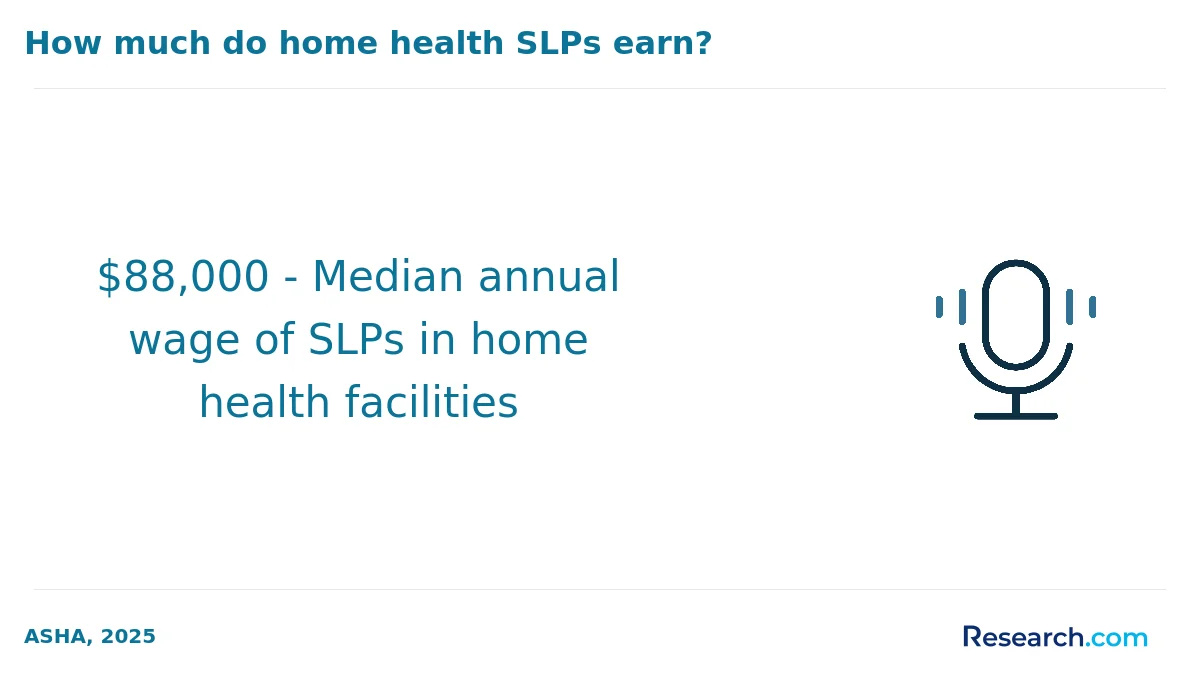
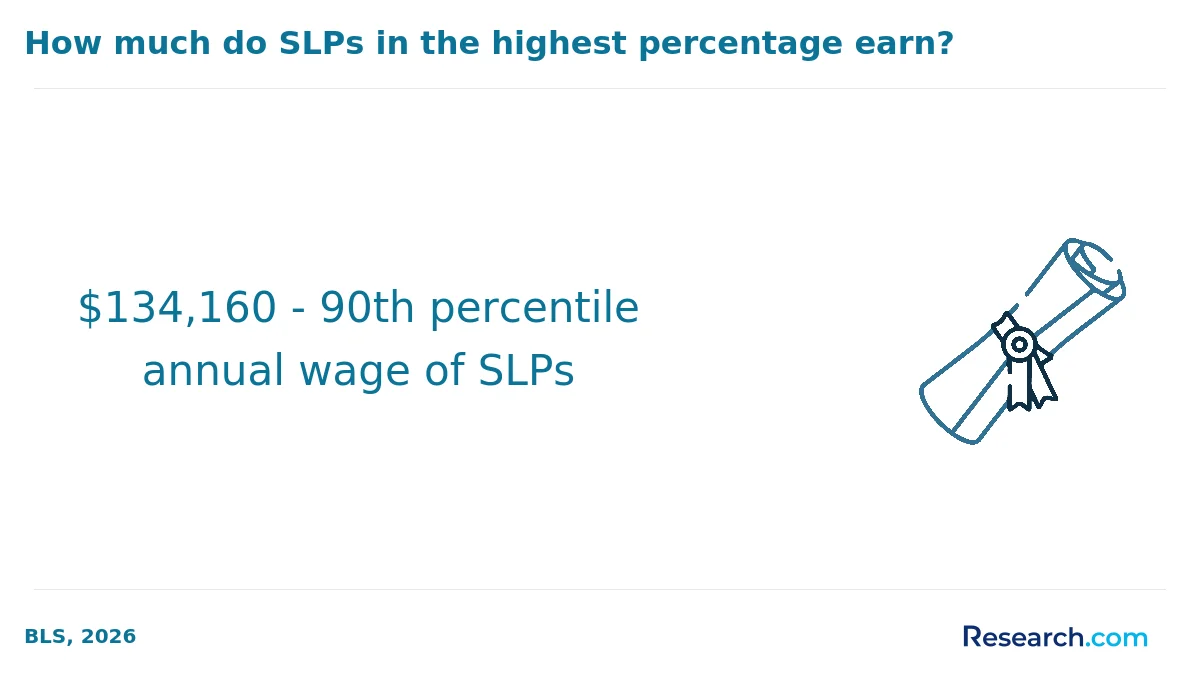
- Salary expectations: Earnings vary by role, employer, location, and credentials. Assistants in speech-language pathology typically start near $50,000 annually, while licensed speech-language pathologists with master’s degrees earn between $80,000 and $90,000.
- Graduate school pathway: Students who want to become licensed speech-language pathologists should plan for a master’s degree and verify prerequisite coursework early.
- Regional variation: Analysis from Lightcast and the Economic Policy Institute reveals distinct differences in demand and compensation across states.
- Emerging opportunities: Teletherapy, digital health tools, school-based services, and community outreach are expanding communication-related support roles.
Students should evaluate the bachelor’s degree as either a workforce-entry credential or a foundation for graduate study. If the goal is clinical speech-language pathology, compare undergraduate prerequisites with admission requirements for master’s programs and review online masters slp programs as part of long-term planning.
The strongest career outcomes usually come from combining the degree with relevant experience: volunteering in schools or clinics, working in special education support, completing observation hours, building bilingual or assistive-technology skills, and maintaining strong grades for graduate applications.
What Graduates Say About Their Online Communication Disorders Bachelor's Degree Programs With Monthly Start Dates
- Axton: "The online Communication disorders bachelor's program exceeded my expectations with its thorough accreditation, which gave me confidence in the quality of education. The admission process was straightforward, allowing me to start quickly with monthly start dates-perfect for my busy schedule. The curriculum was rigorous yet engaging, and the cost was very manageable compared to similar programs. I feel well-prepared for a fulfilling career in speech therapy."
- Jaime: "Reflecting on my experience, I appreciated how the program balanced theory and practical skills, making every course relevant to real-world careers in communication disorders. The monthly start dates made it easy for me to join when I was ready, and the affordability relieved a lot of pressure. Knowing the program's accreditation also assured me that my degree would be respected by employers. Overall, it's been a rewarding journey that has opened doors professionally."
- Roman: "From a professional standpoint, this Communication disorders bachelor's degree program stood out because of its solid curriculum, which thoroughly prepared me for diverse career paths in the field. The program's monthly start dates gave me flexibility to enroll at a time that suited my career goals. Additionally, its accredited status and clear admission requirements gave me confidence upfront. I highly recommend this program for those serious about their future in communication disorders."
Other Things You Should Know About Communication Disorders Degrees
Yes. Most online communication disorders bachelor’s programs require supervised practicum or fieldwork before graduation, often completed in local schools, clinics, or rehabilitation settings. Programs commonly expect background checks, immunization records, and compliance with site and state placement rules. Some require 100 or more supervised hours.
Many online communication disorders programs with monthly start dates accept transfer credits from accredited institutions to reduce time to degree completion. Transfer policies vary-some programs evaluate prior coursework based on content and grade thresholds to determine equivalency.
Prior learning assessments may grant credit for relevant professional or military experience, but students need to submit documentation and sometimes pass competency exams to qualify.
References
- U.S. Bureau of Labor Statistics - Speech-Language Pathologists https://www.bls.gov/ooh/healthcare/speech-language-pathologists.htm
- ASHA EdFind - Accredited Speech-Language Pathology Programs https://find.asha.org/ed/
- O*NET OnLine - Speech-Language Pathologists https://www.onetonline.org/link/summary/29-1127.00
- Auburn University, Montgomery - Master of Science in Speech-Language Pathology https://www.aum.edu/degree/ms-speech-language-pathology/
- California State University-Northridge - Master of Science in Communicative Disorders (Online) https://tsengcollege.csun.edu/programs/CDS
- Emerson College - Master of Science (M.S.) in Communication Disorders (Speech@Emerson, online) https://speech.emerson.edu/
- University of Scranton - Master of Science (M.S.) in Speech-Language Pathology https://www.scranton.edu/academics/pcps/health-and-human-performance/programs/speech-language-pathology/index.shtml
- West Virginia University - Speech-Language Pathology, M.S. - Online https://medicine.hsc.wvu.edu/communications-sciences-and-disorders/speech-language-pathology-ms/future-students/curriculum/online-slp-program/


