2027 Different Types of Communication Disorders Bachelor's Degrees: Specializations, Careers, and Salaries

Co-Founder and Chief Data Scientist

Reviewed by Rhea Paul, PhD
SLP Education & Research Expert
Choosing a communication disorders bachelor's degree is really a choice about where you want to build your first professional foundation: speech-language pathology, audiology, early intervention, assistive communication, rehabilitation, education, or a related support role. The decision matters because a bachelor's degree can lead to entry-level positions, but many licensed clinical roles in speech-language pathology and audiology require graduate education, supervised practice, certification, and state-specific credentials.
For students who want to help children, adults, families, schools, or healthcare teams address speech, language, hearing, swallowing, and communication challenges, the right undergraduate program can shape prerequisites, field experience, graduate school readiness, and early career options. With over 17% employment growth projected for speech-language pathologists by 2035, students should compare programs not only by convenience or cost, but also by curriculum quality, clinical exposure, accreditation-related preparation, and fit with long-term goals.
This guide explains the main types of communication disorders bachelor's degrees, common specializations, entry-level jobs, salary considerations, cost differences, financial aid options, and practical selection factors so you can make a more informed decision.
Key Things to Know About Different Types of Communication Disorders Bachelor's Degrees
- Bachelor's degrees often specialize in speech-language pathology, audiology support, or applied linguistics, each emphasizing different aspects of communication processes and disorders.
- Graduates frequently pursue careers as speech therapists, audiology assistants, or language specialists, with roles in healthcare, education, and research settings.
- Entry-level salaries typically range from $40,000 to $55,000 annually, with potential growth depending on specialization, experience, and geographic location.
What Are the Different Types of Communication Disorders Bachelor's Degrees?
Communication disorders bachelor's degrees are offered in several formats, and the best choice depends on how you learn, how much schedule flexibility you need, and whether you plan to apply to graduate school. Online and hybrid programs have grown significantly, with enrollment in online options rising by over 20% in recent years. That flexibility can be valuable, but students should look closely at fieldwork expectations, faculty access, and graduate school prerequisite alignment before enrolling.
- Traditional on-campus programs: These programs follow a structured academic calendar and provide regular face-to-face interaction with faculty, classmates, labs, and campus-based advising. They can be a strong fit for students who want easier access to observation hours, research opportunities, and in-person mentoring.
- Accelerated programs: Accelerated options compress coursework so motivated students can finish faster than the standard four-year timeline. They can reduce time in school, but the heavier pace may be difficult for students who work many hours or need time to build volunteer, research, or observation experience.
- Online degrees: Online programs allow students to complete much of the coursework remotely while managing jobs, caregiving, or geographic constraints. Students should confirm whether any campus visits, local observation placements, exams, or practicum-related requirements are included.
- Hybrid formats: Hybrid programs combine online coursework with selected in-person sessions. This format can offer a practical balance for students who want flexibility but still value direct faculty contact, campus resources, and supervised hands-on learning.
- Part-time enrollment: Part-time study can make the degree more manageable for working adults and caregivers. The trade-off is that it extends the completion timeline, which may delay graduate school applications or entry into full-time roles.
Students comparing program formats should ask three questions: Will this degree meet prerequisite expectations for the graduate programs I may apply to? How will I complete observation or field experience requirements? Will the schedule help me succeed academically, not just fit my calendar? Students planning future graduate study can also review flexible online master's options to understand how undergraduate choices may affect later pathways.
What Specializations Are Available in a Communication Disorders Bachelor's Degree?
Many communication disorders bachelor's programs let students focus their electives, field experiences, or academic projects around a specific area of practice. Educational data indicates that nearly 60% of these programs include focused tracks, which can help students connect classroom theory to a more defined career direction. A specialization does not usually replace graduate-level training for licensed clinical roles, but it can strengthen preparation and clarify whether the field is the right fit.
- Speech-language pathology: This pathway focuses on speech sound production, language development, fluency, voice, swallowing, and communication intervention. It is a common choice for students who plan to pursue graduate study and eventually work with children or adults as speech-language professionals.
- Audiology: Audiology-oriented coursework introduces hearing science, auditory anatomy, hearing loss, balance-related concerns, hearing screening, and technologies such as hearing aids and cochlear implants. It is useful for students considering graduate training in audiology or hearing-related support roles.
- Early childhood communication disorders: This specialization emphasizes communication development from infancy through the preschool years. Students typically study developmental milestones, family-centered support, early intervention, and how speech and language delays affect learning and social participation.
- Augmentative and alternative communication (AAC): AAC focuses on tools and strategies that help people communicate when speech is limited or unreliable. Students may study communication boards, speech-generating devices, assistive technology, and ways to support participation across school, home, and community settings.
- Adult neurogenic communication disorders: This area examines communication and swallowing challenges related to stroke, traumatic brain injury, dementia, Parkinson's disease, and other neurological conditions. It can be a strong fit for students interested in rehabilitation, hospitals, skilled nursing, or adult care environments.
When choosing a specialization, look beyond the course title. Review required classes, observation opportunities, faculty expertise, and whether the track supports your next step after graduation. Students who are already thinking about graduate education can compare prerequisites for communication disorders master's programs and, if speech-language pathology is the goal, research slp master's programs online as part of long-term planning. Related fields can also complement communication disorders training; for example, some students explore master's degrees in psychology when their interests lean toward behavior, development, or mental health.
What Entry-Level Jobs Can I Get With a Communication Disorders Bachelor's Degree?
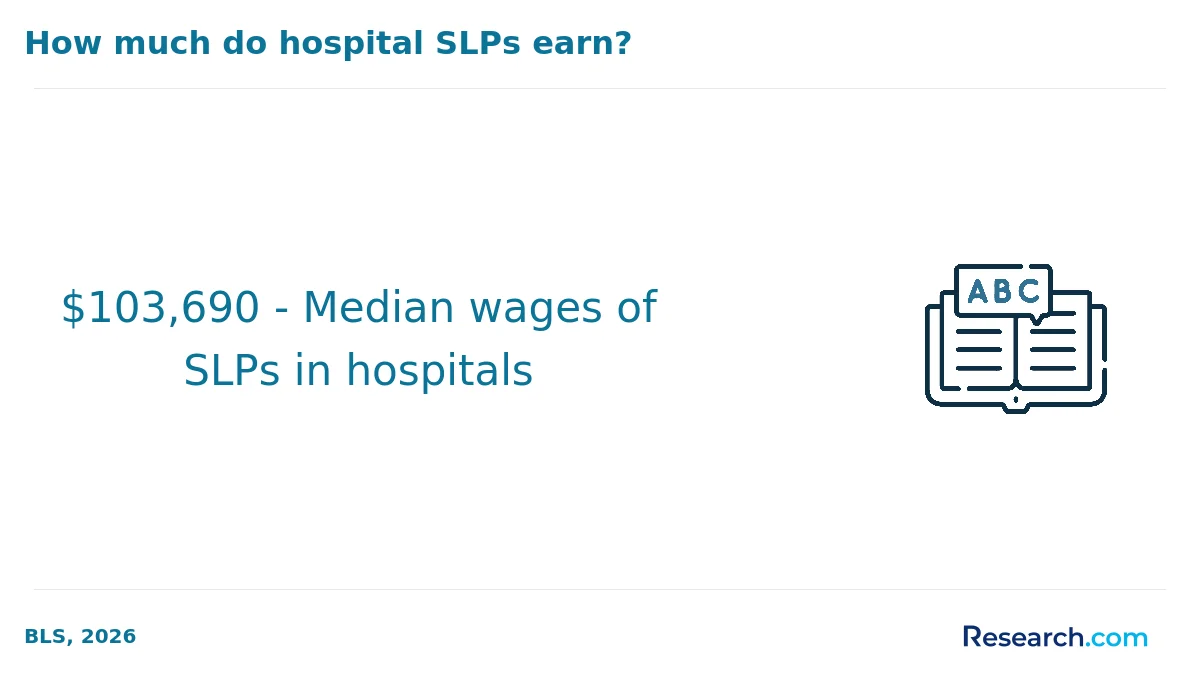
A bachelor's degree in communication disorders can qualify graduates for support roles in healthcare, schools, rehabilitation settings, nonprofits, and community programs. It is important to set expectations correctly: a bachelor's degree alone generally does not qualify someone to work independently as a licensed speech-language pathologist or audiologist. However, it can open the door to supervised roles and give graduates valuable experience before applying to graduate school. The U.S. Bureau of Labor Statistics forecasts a 17% growth in jobs like speech-language pathology assistants through 2035, reflecting demand for trained support professionals.
- Speech-language pathology assistant: Speech-language pathology assistants work under the supervision of licensed speech-language pathologists. Duties may include implementing treatment activities, preparing materials, documenting sessions, and supporting clients during therapy, depending on state rules and employer policies.
- Rehabilitation aide: Rehabilitation aides help therapy teams by organizing equipment, preparing treatment spaces, assisting patients with basic activities, and maintaining records. This role can expose graduates to interdisciplinary care in clinics, hospitals, and rehabilitation centers.
- Teacher's aide for special education: Special education aides support students with communication, learning, behavioral, or developmental needs. Graduates may help teachers adapt classroom activities, reinforce communication strategies, and support students during daily routines.
- Hearing screener technician: Hearing screeners conduct basic hearing screenings and refer individuals for additional evaluation when needed. This role can be found in schools, pediatric settings, community health programs, and hearing-related services.
- Community outreach coordinator: Outreach coordinators may work for nonprofits, public health organizations, clinics, or advocacy groups. They help connect families and communities with screening events, education, referrals, and communication-related resources.
The best entry-level role depends on your longer-term goal. Students headed toward speech-language pathology often prioritize assistant, school, or clinic-based experience. Those interested in audiology may seek hearing screening or hearing technology exposure. Students considering public health, advocacy, or nonprofit work may value outreach and case coordination experience.
A professional with a communication disorders bachelor's degree shared his experience entering the workforce: "Starting out, I found the transition from academic theory to practical application challenging, especially when tailoring communication approaches to diverse clients. Early on, I often had to manage a balance between following therapy protocols and adapting to individual needs, which was sometimes stressful but ultimately rewarding. Working closely with supervisors and gaining hands-on experience were critical in building my confidence." His reflection shows why supervised entry-level roles can be useful: they help graduates test their interests, build confidence, and understand the daily realities of the field.
What Industries Pay the Most for Communication Disorders Graduates?
Pay for communication disorders graduates can differ by industry because employers use these skills in different ways. Healthcare settings may value patient care and rehabilitation support. Schools may emphasize student services and individualized support. Technology companies may apply communication knowledge to accessibility, speech recognition, language processing, or assistive tools. A recent 2023 report noted that technology companies boosted wages by an average of 8% for roles requiring communication disorders knowledge.
- Healthcare: Hospitals, outpatient clinics, rehabilitation centers, skilled nursing facilities, and specialty practices may employ graduates in supervised therapy support, patient services, rehabilitation assistance, or care coordination roles. Healthcare settings can offer strong exposure to clinical teams and complex cases.
- Technology: Technology employers may need communication disorders knowledge for speech recognition software, AAC tools, accessibility products, user research, language data work, and human-computer interaction projects. These roles may require additional technical skills, but they can be attractive for graduates interested in innovation and assistive technology.
- Educational services: Public schools, private schools, early childhood programs, and special education providers employ graduates in student support roles. Salaries may vary by district funding, contract structure, location, and whether the role is full-time, part-time, or tied to the academic calendar.
Higher-paying opportunities often require more than the bachelor's degree itself. Relevant experience, state authorization for assistant roles, technical skills, graduate education, and employer demand can all affect compensation. Students who want to broaden their long-term service options may also compare related graduate pathways, including a master's in social work, especially if they are interested in case management, family support, or community-based services.
What Is the Average Salary for Communication Disorders Bachelor's Degree Graduates?
Salary outcomes for communication disorders bachelor's degree graduates vary by role, setting, location, credentials, and experience. Entry-level positions often start between $40,000 and $50,000 annually, with the median starting salary for speech-language pathology assistants around $44,000. These figures should be treated as general reference points rather than guarantees, because job titles and state requirements can differ significantly.
- Licensure and certification: Some assistant or technician roles require state registration, certification, supervision, or employer-specific training. Additional credentials can improve eligibility for specialized roles and may support higher pay.
- Work environment: Healthcare and rehabilitation settings may pay differently than schools, nonprofits, or community programs. The difference often reflects budgets, staffing demand, patient complexity, and whether the position is year-round or school-year based.
- Experience growth: Graduates often see better opportunities after they can document practical skills, reliable supervision experience, and familiarity with therapy or screening procedures.
- Regional differences: Salaries can vary based on cost of living, local employer demand, state rules for assistant roles, and the availability of related healthcare or education jobs.
- Market demand: Demand for communication-related services can affect hiring and pay, especially in underserved areas, growing school districts, rehabilitation networks, and specialized clinics.
Students should evaluate salary alongside career mobility. A lower-paid assistant role may still be valuable if it provides strong supervision, graduate school references, relevant client contact, or exposure to the population you want to serve. Conversely, a higher-paying role outside direct services may be less useful if your goal is clinical graduate training.
A professional with a communication disorders bachelor's degree described her early career as both exciting and uncertain while she moved through entry-level roles and pursued certifications. "Initially, I wasn't sure if my salary matched my efforts," she reflected, "but over time, gaining experience and credentials opened new doors." Her experience highlights a common pattern in this field: starting pay may be modest, but carefully chosen experience and continued training can improve career options over time.
How Do Salaries Compare Across Communication Disorders Specializations?
Salaries can differ across communication disorders specializations because each pathway leads to different job duties, employer types, and credential expectations. Entry-level speech-language pathologists often earn between $50,000 and $60,000 annually, which tends to be higher compared to audiology assistants or language development aides, whose starting salaries typically range from $40,000 to $50,000. Students should read these comparisons carefully because independent speech-language pathologist roles typically involve graduate-level preparation and licensure, while many bachelor's-level jobs are assistant or support positions.
Specializations linked to clinical care, diagnostic support, rehabilitation, or specialized technology may offer stronger earning potential, especially when paired with advanced credentials or high-demand settings. For example, adult neurogenic communication disorders can connect to rehabilitation environments, while AAC knowledge may be useful in both clinical and technology-focused roles. Early childhood and school-based pathways can offer steady employment demand, but pay may depend heavily on district budgets, contract length, and local staffing needs.
When comparing specializations, students should consider both immediate and long-term value. A specialization with a slightly lower entry-level wage may still be the right choice if it improves graduate school readiness, gives access to a preferred population, or builds skills that are hard to replace. The strongest specialization is usually the one that aligns with your target setting, required credentials, and tolerance for additional schooling.
Are Salaries Different for Online vs On-Campus Communication Disorders Graduates?
Salary differences between online and on-campus communication disorders graduates are usually less important than program quality, accreditation-related preparation, practical experience, and employer requirements. Graduates from reputable online and on-campus programs can study similar core topics, including speech and language development, audiology, anatomy and physiology of communication, assessment concepts, and communication disorders across the lifespan. A survey by the National Association of Speech-Language Pathologists found that 75% of employers did not differentiate salary offers between online and on-campus graduates.
That said, format can affect access to opportunities that influence employability. On-campus students may find it easier to build relationships with faculty, join labs, attend local events, or complete in-person observation experiences. Online students may benefit from flexibility but should confirm how the program helps them secure local observation, volunteer, or field experiences. A flexible degree is only useful if it still supports the next step you want.
Before choosing an online or on-campus program, ask admissions staff direct questions: Are courses accepted as prerequisites by graduate programs? What support is available for observation or practicum-related experiences? Do faculty advise students on graduate applications? Are there state-specific limitations for assistant roles? In most cases, employers focus more on your competencies, supervised experience, references, and credentials than on whether your classes were delivered online or in person.
Do Costs Vary Across Communication Disorders Bachelor's Degree Programs?
Yes. Costs can vary widely across communication disorders bachelor's degree programs. Average annual costs range from about $7,000 at public in-state institutions to more than $30,000 at private universities. Students should compare total cost of attendance, not tuition alone, because fees, housing, transportation, books, technology, and unpaid field experiences can change the real price of the degree.
- Institution type: Public universities often offer lower tuition for in-state students, while private colleges may charge higher tuition regardless of residency. However, institutional scholarships can sometimes narrow the gap, so compare net price rather than sticker price.
- Program format: Online programs may reduce commuting or relocation costs, but tuition is not always lower. Some online programs charge technology fees, distance learning fees, or flat rates that differ from campus tuition.
- Program length and credits: Programs with extra credit requirements, lab components, observation expectations, or specialized tracks may cost more. Students completing prerequisites for future speech-language pathology graduate study should confirm whether all needed courses are included in the degree plan.
- Geographic location: Schools in urban or high cost-of-living areas may create higher living expenses, even when tuition is comparable. Local transportation, parking, rent, and clinical site travel can add up.
To compare costs accurately, request a full cost breakdown from each school and estimate your likely net price after grants and scholarships. Also consider opportunity cost: a cheaper program may not be the best value if it lacks advising, relevant coursework, or field access needed for your goals. Students comparing long-term education costs can also review affordable graduate options in related areas, such as the cheapest online master's in organizational leadership, to understand how pricing structures can differ across online programs.
What Financial Aid Options Are Available for Communication Disorders Students?
Communication disorders students may qualify for the same broad financial aid options available to other undergraduates, along with scholarships from departments, universities, professional organizations, and community groups. According to the National Center for Education Statistics, over 85% of undergraduate students in the U.S. receive some form of financial aid. The key is to apply early, compare award letters carefully, and understand which aid must be repaid.
- Federal grants: Grants such as the Pell Grant generally do not require repayment and can reduce out-of-pocket costs for eligible students. Eligibility is usually based on financial need and information submitted through federal aid forms.
- Federal student loans: Federal loans must be repaid with interest, but they often provide borrower protections and repayment options that private loans may not offer. Students should borrow only what they need and estimate monthly payments before accepting the full amount.
- Scholarships: Scholarships may be awarded by universities, academic departments, foundations, local organizations, or groups connected to disability services, healthcare, education, or communication sciences. Some are merit-based, while others consider financial need, background, service, or career goals.
- Work-study programs: Federal work-study allows eligible students to earn money through part-time jobs. When possible, students should look for positions in clinics, labs, schools, tutoring centers, disability services offices, or research projects that also build relevant experience.
Students should also ask each program whether departmental scholarships, transfer scholarships, assistant positions, or paid research opportunities are available. If graduate school is likely, avoid using all borrowing capacity at the bachelor's level if you can. Students considering future study can compare the most in-demand master's degrees to think strategically about long-term return on education costs.
What Factors Should I Consider When Selecting a Communication Disorders Degree?
Choosing a communication disorders bachelor's degree requires more than selecting the most convenient or cheapest option. Research indicates that more than 60% of students focus on program specialization and career preparation when selecting their degrees. Those are useful priorities, but students should also evaluate academic fit, graduate school preparation, field experience, faculty support, and total cost.
- Academic interests: Identify the populations and problems that interest you most: children with language delays, adults recovering from stroke, people who use AAC, individuals with hearing loss, or students receiving school-based services. Your interests should guide electives, fieldwork, and volunteer experiences.
- Specialization options: Look for coursework or tracks in areas such as speech-language pathology, audiology, pediatric communication, adult rehabilitation, bilingual communication, or assistive technology. Strong specialization options can help you build a clearer professional profile.
- Program format: Decide whether in-person, online, hybrid, full-time, or part-time study fits your life. Then verify that the format still provides access to advising, faculty, observation hours, and any experiences needed for graduate school or entry-level roles.
- Career alignment: Check whether the curriculum supports your intended next step. If you want to become a licensed speech-language pathologist or audiologist, confirm graduate school prerequisites early. If you want to work after graduation, ask about assistant roles, state requirements, job placement support, and employer partnerships.
- Faculty and advising: Strong advising can make a major difference in this field because requirements for graduate programs and supervised roles can be detailed. Ask whether students receive help with course planning, observation documentation, recommendation letters, and graduate applications.
- Cost and financial fit: Compare net price, not just tuition. Include fees, transportation, housing, technology, and the cost of completing any required in-person experiences.
A good program should help you answer two questions by graduation: what communication disorders population or setting do I want to serve, and what credential or job step comes next? If a program cannot clearly explain how its curriculum supports those outcomes, keep comparing options.
What Graduates Say About Different Types of Communication Disorders Bachelor's Degrees
- Trisha: "Choosing a communication disorders bachelor's degree specialization was a pivotal decision for me because it aligned perfectly with my passion for helping others improve their quality of life. This degree provided a robust foundation in speech therapy and auditory processing, which helped me quickly secure a position at a renowned clinic. The knowledge I gained not only accelerated my career growth but also significantly boosted my earning potential within just a few years."
- Jaime: "Reflecting on my journey, pursuing a communication disorders bachelor's degree was both challenging and deeply rewarding. The program's focus on evidence-based practices equipped me with the skills necessary to support diverse populations effectively. Over time, this specialization has opened doors to various career opportunities and has been a catalyst for steady salary increases in the healthcare field."
- Roman: "From a professional standpoint, my communication disorders bachelor's degree was instrumental in establishing credibility in the job market. I chose the specialization because of its strong clinical application, which gave me hands-on experience early on. This practical background has translated into faster promotions and a considerable rise in my salary, reflecting the industry's growing demand for skilled specialists."
Other Things You Should Know About Communication Disorders Degrees
A bachelor's degree in communication disorders is typically a prerequisite for certification but does not by itself confer certification. Graduates must usually complete a master's program and supervised clinical experience to earn certifications such as the Certificate of Clinical Competence in Speech-Language Pathology (CCC-SLP). The bachelor's degree, however, provides the foundational knowledge required for these advanced steps.
Yes, many accredited institutions offer communication disorders bachelor's degree programs online to provide flexible learning options. Online programs often include virtual lectures, discussions, and some clinical observation components that can be completed in approved local facilities. However, hands-on practicum experiences typically require in-person participation to meet program and licensure requirements.
In 2027, specializations in a communication disorders bachelor's program may include speech-language pathology, audiology, and language development. Each focus area offers distinct curricula tailored to equip students with the skills needed for careers in diagnosis and therapy for various communication disorders.
References
- U.S. Bureau of Labor Statistics - Speech-Language Pathologists https://www.bls.gov/ooh/healthcare/speech-language-pathologists.htm
- ASHA EdFind - Accredited Speech-Language Pathology Programs https://find.asha.org/ed/
- O*NET OnLine - Speech-Language Pathologists https://www.onetonline.org/link/summary/29-1127.00
- California State University-East Bay - Online Master of Science in Speech-Language Pathology https://ce.csueastbay.edu/programs/speech-language-pathology/
- Abilene Christian University - Master of Science in Speech-Language Pathology (Online) https://acu.edu/academics/graduate/master-of-science-in-speech-language-pathology/
- Emerson College - Master of Science (M.S.) in Communication Disorders (Speech@Emerson, online) https://speech.emerson.edu/
- Auburn University, Montgomery - Master of Science in Speech-Language Pathology https://www.aum.edu/degree/ms-speech-language-pathology/
- University of Scranton - Master of Science (M.S.) in Speech-Language Pathology https://www.scranton.edu/academics/pcps/health-and-human-performance/programs/speech-language-pathology/index.shtml